The Pennsylvania Yard Watering Mistake That Is Destroying Plants Faster Than The Heat
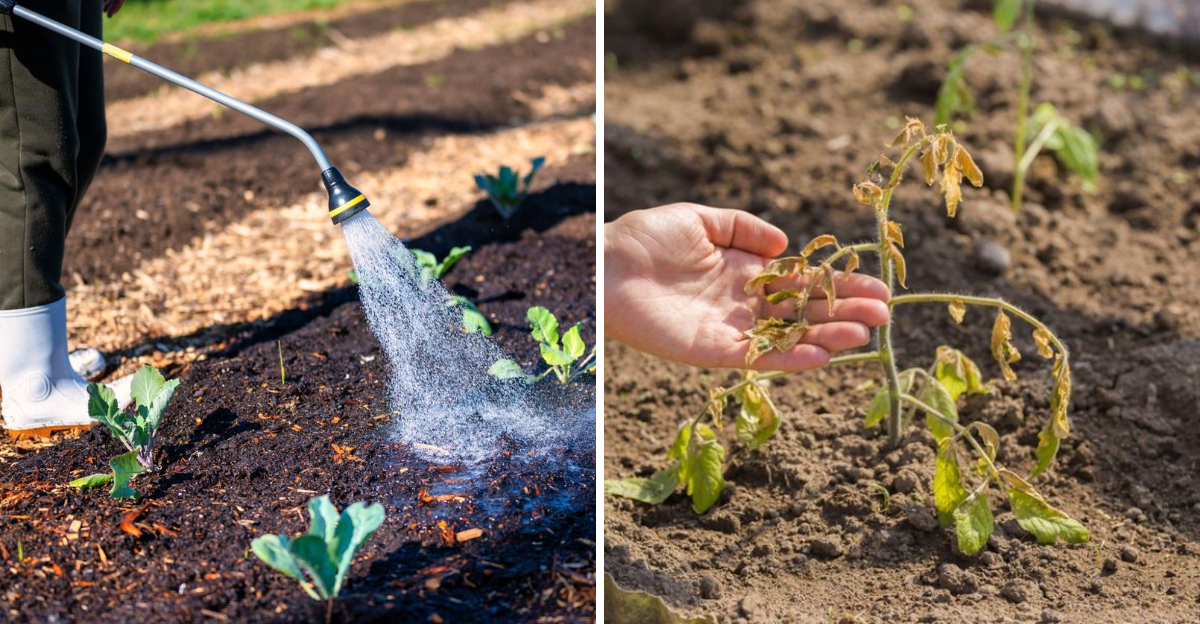
When Pennsylvania summers turn hot and dry, most homeowners respond by watering more. It seems like the obvious and responsible thing to do.
Plants are stressed, the soil looks dry, and getting water on them feels like the right move. But for a surprisingly large number of Pennsylvania gardeners, the watering itself is the problem, not the solution.
One very common watering mistake is destroying plants faster than the heat alone ever would.
It doesn’t look like a mistake in the moment. The plants get watered, the soil looks moist, and everything seems fine on the surface.
But what’s happening below the surface and over time tells a completely different story. Root systems weaken, disease pressure builds, and plants that should be handling a Pennsylvania summer without too much trouble start declining in ways that are genuinely hard to reverse.
The frustrating part is that this mistake is incredibly easy to fix once you know what it is. Here’s the Pennsylvania yard watering mistake most homeowners are making right now and exactly what to do differently.
Daily Watering Can Leave Pennsylvania Roots Sitting In Saturated Soil
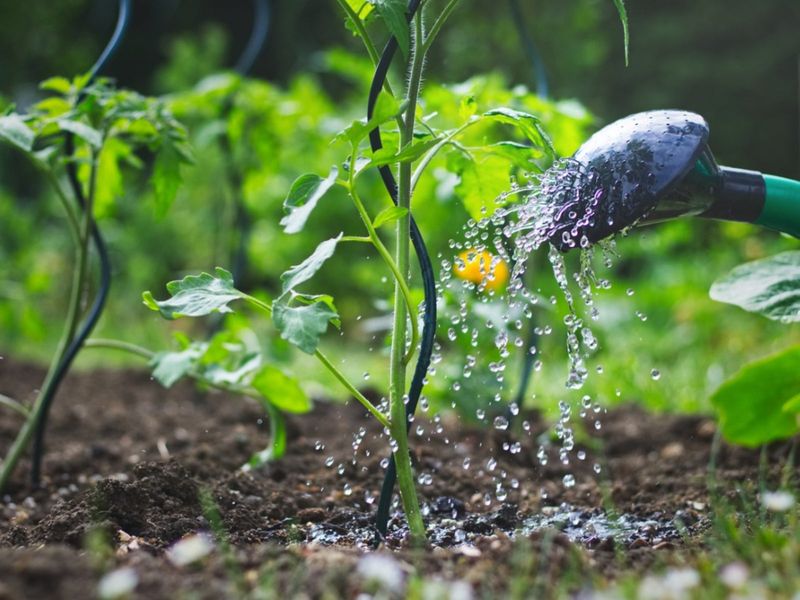
Walk through almost any Pennsylvania neighborhood on a warm summer morning and you will likely spot a sprinkler running, even though it rained the night before. Many homeowners respond to every wilted leaf by watering again, assuming the soil must be dry.
It feels like the right thing to do, but it can quietly cause serious damage over time. Pennsylvania soil is often loaded with clay. Clay soil holds onto moisture much longer than sandy or loamy soil.
When you water before the previous moisture has had a chance to clear, the soil becomes completely saturated. Every tiny pore space that would normally hold oxygen gets filled with water instead.
Roots need two things to stay healthy: water and oxygen. When the ground stays soaked for too long, oxygen disappears from the root zone.
Roots begin to struggle and can no longer absorb nutrients or water the way they should. Even though the soil is wet, the plant starts showing signs of stress.
Compacted ground and poorly drained planting holes make this problem even worse in Pennsylvania yards. Water has nowhere to go, so it just sits there, surrounding the roots. Over time, this creates the perfect environment for root rot and fungal diseases.
Before you water again, take a moment to think about the last time it rained. Pennsylvania gets a decent amount of rainfall throughout the growing season.
Keeping track of recent rain events can save you from watering when the soil is already holding plenty of moisture. Your plants will thank you for giving their roots room to breathe.
Overwatered Plants Can Wilt Just Like Drought-Stressed Plants
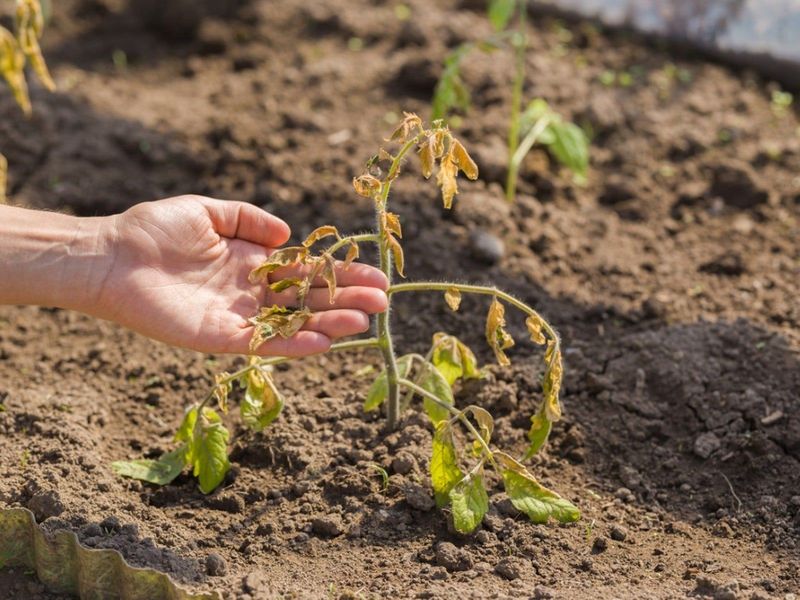
Here is something that surprises a lot of people: a plant that has been watered too much can look exactly like a plant that has not been watered enough.
Both situations cause wilting, yellowing leaves, and drooping stems. Telling the difference is not always easy, especially for newer gardeners.
Your Pennsylvania Garden Changes Every Week. Your Plan Should Too.
Gardening in Pennsylvania changes quickly throughout the season. Every Friday you’ll receive a simple weekly plan showing exactly what to plant, prune, fertilize, harvest, and protect so you never miss the right timing.
When roots sit in waterlogged soil for too long, they lose the ability to do their job. Oxygen-starved roots cannot absorb water and carry it up through the plant, even when the soil around them is soaking wet.
The plant wilts because water is not reaching the leaves, not because there is a shortage of moisture in the ground.
This creates a frustrating cycle. A homeowner sees wilting, assumes the plant is thirsty, and adds more water.
The soil gets even wetter, the roots struggle even more, and the wilting gets worse. Each round of extra watering makes the situation harder to fix.
Other signs of overwatering include soft or mushy stems near the soil line, leaves that turn yellow and fall off, and new growth that looks pale and weak. Fungus gnats hovering around the base of the plant are another strong clue that the soil is staying too wet for too long.
If you notice wilting, resist the urge to water right away. Check the soil first by pushing your finger a few inches into the ground.
If it feels damp or cool, hold off on watering. Give the plant a day or two and watch whether it perks up on its own. Fixing an overwatering problem starts with recognizing what it actually looks like.
Hot Weather Makes The Wrong Diagnosis Especially Easy
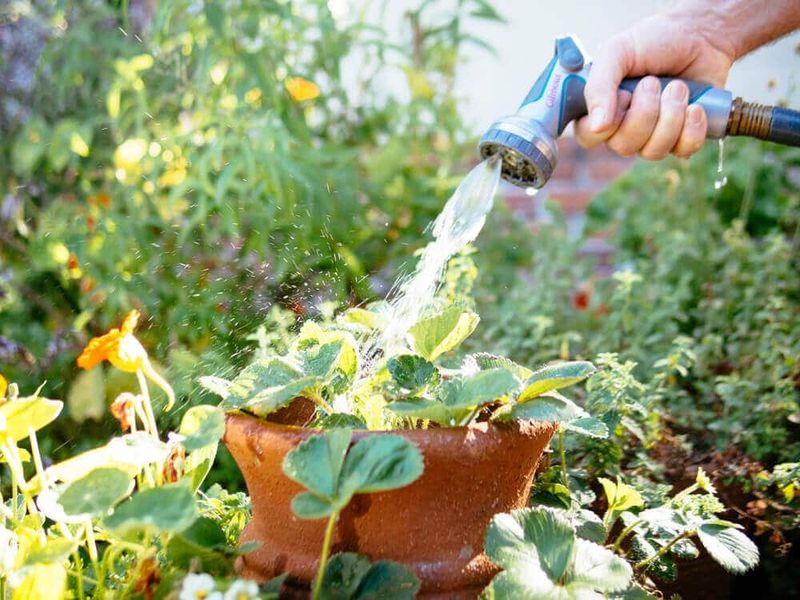
Summertime in Pennsylvania can get brutally hot, especially during July and August. On those scorching afternoons, it is completely normal to walk outside and see your plants looking droopy and sad.
Leaves may hang low, stems may lean, and the whole garden can look like it needs an immediate drink of water.
But here is the thing: plants often wilt temporarily during the hottest part of the day because they are losing water through their leaves faster than their roots can replace it. It is a natural response to heat, not necessarily a sign that the soil is dry.
Many plants recover completely on their own once the sun starts to drop and temperatures cool down in the evening.
Watering every single time you notice midday wilt can keep already-moist soil unnecessarily saturated.
You end up adding water the plant does not need, pushing more oxygen out of the root zone, and setting up the same overwatering problems described in the earlier sections.
A smarter approach is to check on the plant again the following morning. If it has bounced back and looks healthy at sunrise, the wilt was just a response to afternoon heat.
If the plant still looks stressed in the cool of the morning, that is a better signal that it may actually need water.
Always inspect the soil before making a decision. Stick your finger three to four inches into the ground near the plant’s roots.
If the soil feels moist at that depth, skip watering for another day. Patience and observation go a long way toward keeping Pennsylvania gardens healthy through the hottest weeks of summer.
Surface Appearance Does Not Reveal Root-Zone Moisture
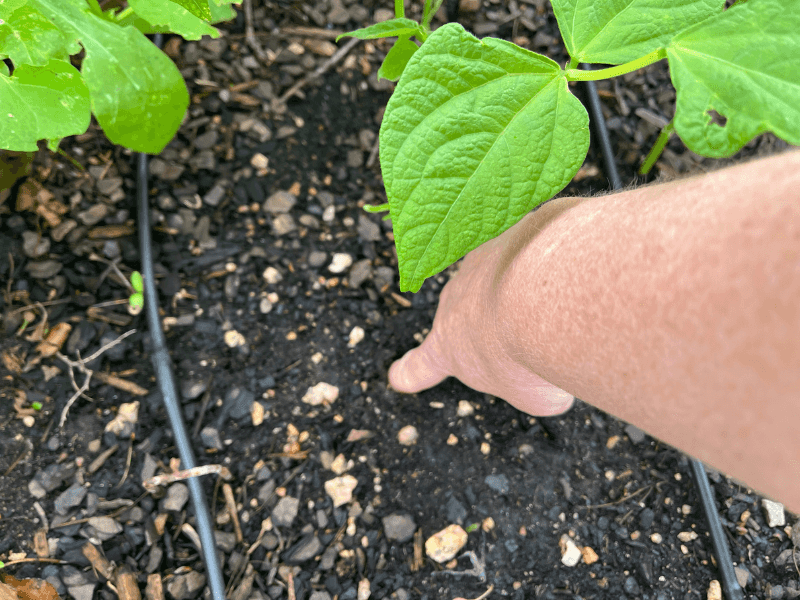
Soil can be incredibly misleading. The top layer dries out fast, especially on sunny days with a little breeze.
You look down and see pale, cracked, or crusty soil and immediately think the whole bed is bone dry. But just a few inches below that surface, the ground can still be holding plenty of moisture from the last watering or rainstorm.
Relying on how the surface looks is one of the most common watering mistakes Pennsylvania gardeners make. The roots of most established plants sit several inches underground, not right at the top.
Watering based on surface appearance alone means you are not checking where it actually matters.
The simple fix is to use your finger, a trowel, or a soil probe to check moisture at the root level. Push it about three to four inches into the soil near the base of the plant.
If the soil at that depth feels moist or cool, hold off on watering. If it feels dry and crumbly, it is time to water deeply.
Container plants need their own separate check. Pots and planters dry out much faster than in-ground beds because they have limited soil volume and are exposed to heat on all sides.
Always check the soil in each container individually rather than assuming they match the conditions of your garden beds.
Also make sure your containers have working drainage holes at the bottom. Without them, water collects at the base and keeps roots sitting in standing water, which causes the same root problems as overwatering in the ground.
A quick moisture check before every watering session takes only seconds and saves a lot of trouble.
Frequent Shallow Sprinkling Creates a Different Root Problem
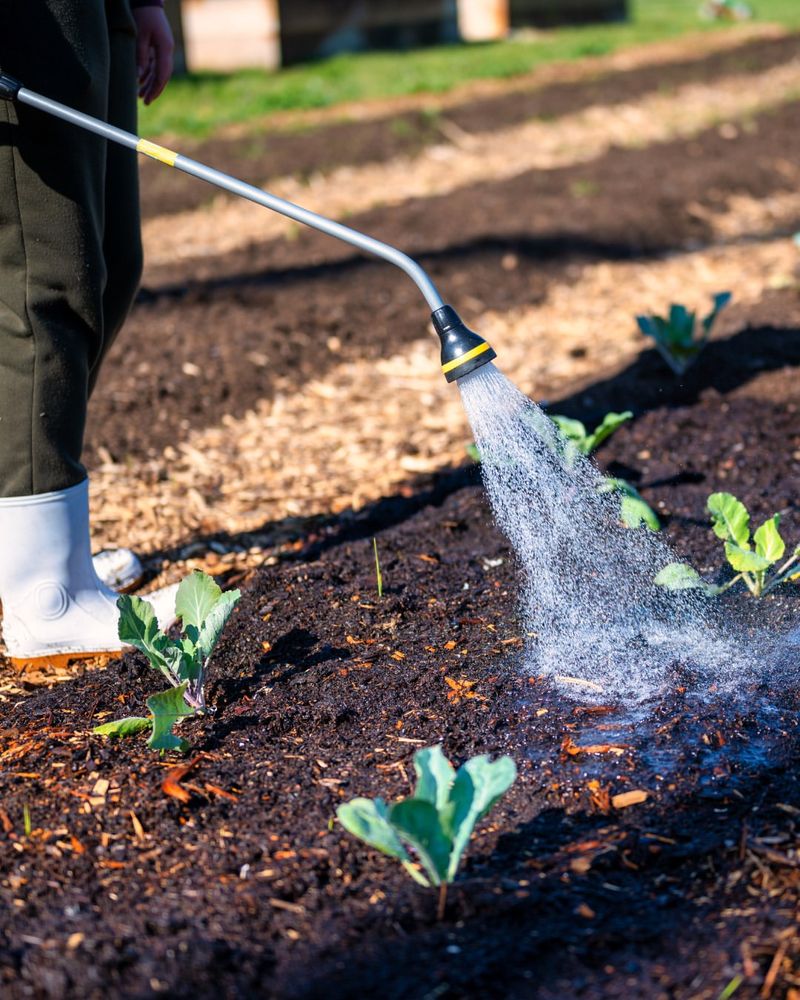
Not all watering problems come from doing too much. Watering too briefly and too often creates its own set of headaches that can be just as damaging to your plants.
Frequent shallow sprinkling is a habit many Pennsylvania homeowners fall into without realizing the long-term consequences.
When you run a sprinkler or hose for just a few minutes, the water barely soaks past the top inch or two of soil. The deeper root zone stays completely dry.
Plants may look okay for a while, but their roots are not getting what they need to grow strong and deep.
Worse, those repeated bursts of surface moisture train roots to stay shallow, clustering near the top of the soil where the water is. Shallow roots are far more vulnerable to heat and rapid evaporation.
On a hot Pennsylvania afternoon, that top layer of soil can dry out within hours, leaving those surface-hugging roots without any moisture at all.
Deep, infrequent watering is almost always better than short, frequent sessions. When you water, apply it slowly enough that it has time to sink down into the active root zone rather than running off or evaporating.
A good soaking once or twice a week is far more effective than a quick sprinkle every day. Compacted soil is another obstacle in Pennsylvania yards. Water can pool on the surface and run off before it ever has a chance to penetrate.
Aerating compacted areas helps water reach deeper into the ground where roots actually live. Pairing deep watering habits with healthy soil preparation gives your plants the best possible foundation for surviving summer heat with ease.
The Correct Schedule Depends On Soil, Plant Type And Rainfall
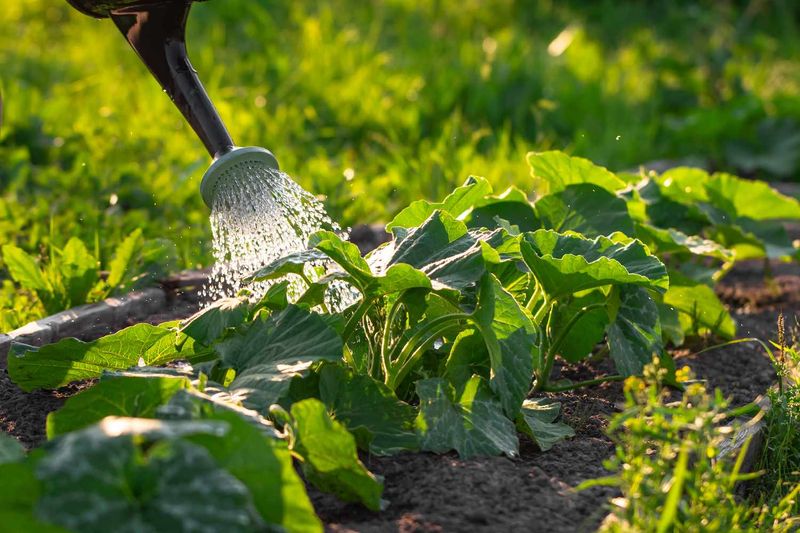
There is no magic watering schedule that works perfectly for every yard in Pennsylvania. A newly planted tree in a Lancaster County backyard has completely different needs than a row of established perennials in a Harrisburg flower bed.
Treating every plant the same is a recipe for frustration and poor results. Newly planted trees and shrubs need more frequent watering because their root systems have not yet spread out to find moisture on their own.
Vegetables and container plants also tend to need more attention, especially during hot, dry stretches.
Established shrubs and native perennials, on the other hand, often do fine with far less water once they are settled in.
Pennsylvania rainfall patterns vary by region and season, so staying aware of recent rain totals makes a real difference.
A good rain can replace a full watering cycle, and ignoring that means you may be adding water the soil simply does not need. Keeping a simple rain gauge in your yard is an easy and inexpensive way to stay informed.
Mulching your garden beds is one of the smartest moves you can make. A two to three inch layer of mulch around plants slows evaporation, keeps soil temperatures more stable, and reduces how often you need to water.
Just make sure to keep mulch pulled back a few inches from stems and tree trunks to allow air circulation and prevent moisture buildup against the plant.
Where water tends to pool after rain, improving drainage should be a priority. Raised beds, amended soil, and strategic grading can all help.
The central rule is simple: always check the root zone first, then water deeply only when the soil is actually dry enough to need it.