The Fayetteville Gem Every North Carolina Garden Lover Needs To See
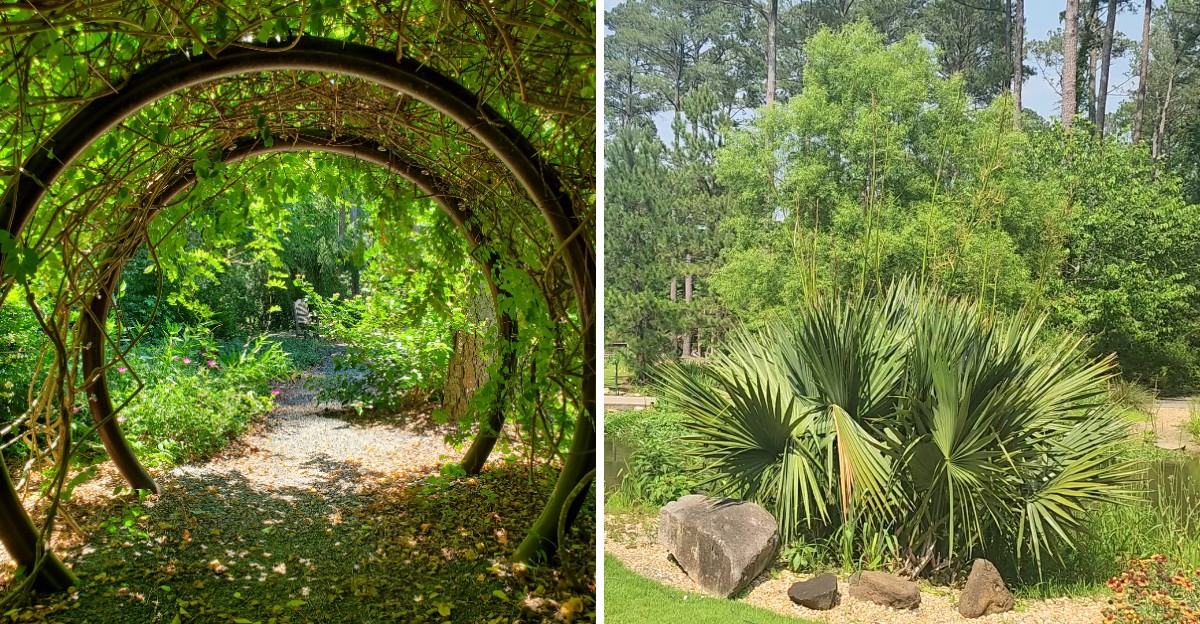
Tucked along the Cape Fear River just outside downtown Fayetteville sits an 80-acre botanical garden that many North Carolina residents drive past without ever realizing exists.
Cape Fear Botanical Garden showcases thousands of plant varieties across specialty areas like a shade garden, a butterfly stroll, and a heritage garden, each offering a distinctly different experience within the same sprawling property.
Because the garden sits along a river basin with varied terrain, from pine forest to hardwood hills to riverbank, visitors encounter a surprising range of native plant communities in a single visit.
Guided tours and hands-on workshops give garden lovers a chance to learn directly from horticulturists rather than simply wandering the paths alone.
For anyone who considers themselves a serious North Carolina garden enthusiast, this Fayetteville spot offers a genuinely underrated destination worth the drive.
1. It Started Around A Kitchen Table
Back in 1989, something quietly remarkable happened around a kitchen table in Fayetteville.
Local gardening enthusiasts Bruce Williams, Martha Duell, and Roger Mercer gathered at Martha Duell’s home with a bold shared dream: to build a world-class botanical garden for their community.
No large institution funded them, no government agency launched the idea. Their small group called themselves the “Friends of the Botanical Garden,” and they did what passionate people always do – they got to work.
Volunteers rolled up their sleeves, built a membership base, and started laying the groundwork for what would eventually become one of North Carolina’s most cherished green spaces.
This origin story reflects a pattern seen across the state, where many beloved public gardens grew from the hearts of local gardening communities rather than big budgets.
Today, Cape Fear Botanical Garden remains a 501(c)(3) nonprofit, fueled by members, volunteers, and donors who care about its future.
Every membership purchased and every ticket bought puts money directly back into the garden’s programs and growth. Visiting is not just a lovely outing – it is a genuine act of community support.
If you love what this garden stands for, consider becoming a member and joining the long tradition of people who helped it grow from a kitchen table dream into something truly extraordinary.
2. The Land Was Once A City Park
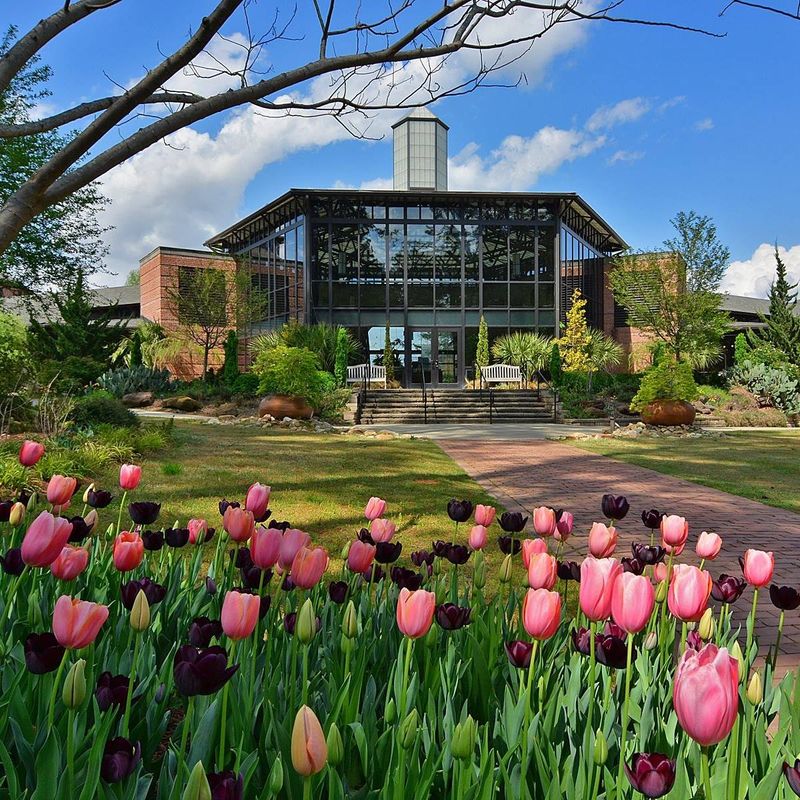
Before it became the stunning botanical garden visitors enjoy today, this land had a very different identity. The garden’s founders began their work on a lease of 67 acres of city-owned property formerly known as Pope Park.
Turning an existing public space into a botanical garden was no small feat, and it required a clear, ambitious vision from the very beginning.
The founders developed a 20-year master plan to guide every phase of the garden’s growth. Early volunteers did something especially meaningful – they walked the land and identified more than 450 native plants already growing on the site.
They also published the very first garden newsletter, a small but important step in building community awareness and excitement around the project. Over time, the relationship between the garden and the city deepened in a powerful way.
Your North Carolina Garden Changes Every Week. Your Plan Should Too.
Gardening in North Carolina changes quickly throughout the season. Every Friday you’ll receive a simple weekly plan showing exactly what to plant, prune, fertilize, harvest, and protect so you never miss the right timing.
The City of Fayetteville eventually donated the leased land outright to Cape Fear Botanical Garden, securing its future and cementing its place as a permanent community resource.
What was once a simple city park has grown into a thriving botanical destination that draws visitors from across North Carolina and beyond.
For Fayetteville residents, that transformation represents local pride at its finest – proof that community effort and a solid plan can turn ordinary land into something extraordinary.
3. It Sits Between A River And A Creek
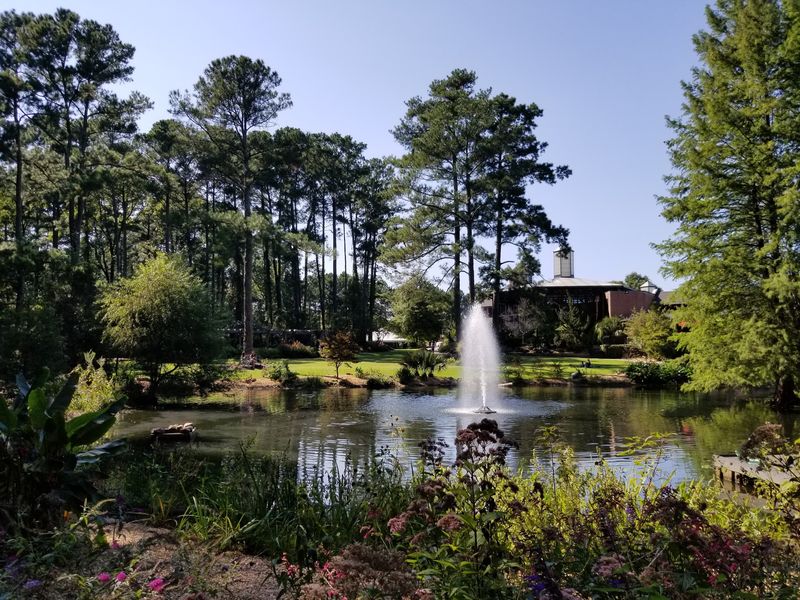
Geography plays a starring role in what makes Cape Fear Botanical Garden so special. Sprawling across 80 acres, the garden is nestled between the Cape Fear River and Cross Creek, sitting just about two miles from downtown Fayetteville.
That prime location between two waterways is not just scenic – it is ecologically rich. The mix of habitats here is genuinely impressive.
Visitors can wander from river bluffs to bottomland areas, then move through upland pine and hardwood forest, all within a single visit. Each habitat feels distinct, offering different plants, textures, and wildlife at every turn.
This variety keeps the experience fresh whether you visit once or return throughout the seasons. For anyone planning a trip, a few practical tips go a long way.
Wear comfortable shoes, because many of the natural trails feature dirt paths and pine straw surfaces that shift with the weather.
Take time to seek out the river overlooks tucked along the trail system – those views of the Cape Fear River are genuinely breathtaking and easy to miss if you rush.
The Cape Fear River basin ranks as one of North Carolina’s largest and most ecologically significant river systems, making this garden not just a beautiful place to visit but a meaningful window into the natural world of the region.
4. It Was Created To Teach And To Conserve
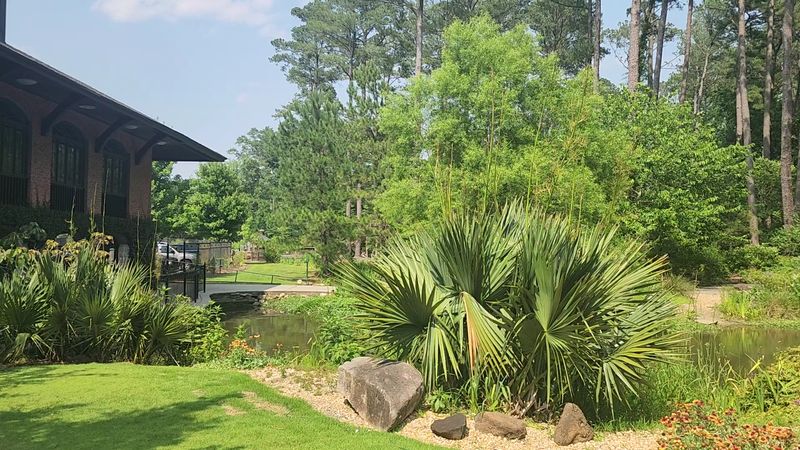
From day one, Cape Fear Botanical Garden was never meant to be just a pretty place to walk through.
Established to serve local students and horticulturists, the garden showcases and conserves native plants of the Cape Fear River basin, blending education with natural beauty.
That educational spirit is woven into every corner of the garden. Native plant areas throughout the grounds highlight species that grow naturally in the region, giving visitors a living classroom to explore at their own pace.
The garden also maintains an active calendar of workshops and classes, covering topics that range from basic gardening skills to more advanced horticultural practices.
For visitors who want to connect more deeply with what they see, using the natural areas as a self-guided learning experience is incredibly rewarding. Plant labels throughout the garden help identify species and spark ideas for home gardens.
In a state like North Carolina, where protecting regional plant communities matters deeply for preserving native habitat and biodiversity, the garden’s conservation mission carries real weight.
Spending time here means supporting work that goes far beyond aesthetics – it means investing in the health of the region’s natural landscape for future generations to appreciate.
5. More Than 2,000 Varieties Of Ornamental Plants
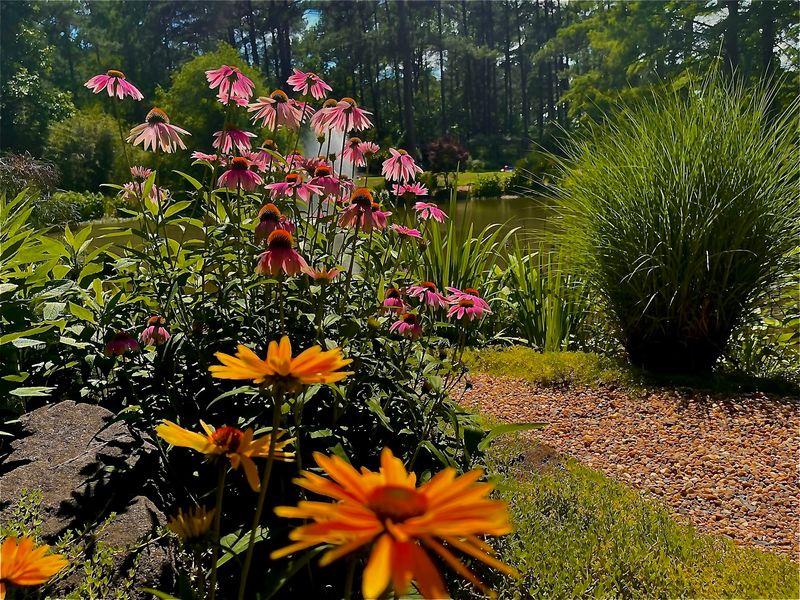
For plant enthusiasts, walking through the cultivated areas of Cape Fear Botanical Garden feels a little like flipping through the world’s most inspiring gardening catalog, except everything is real and growing right in front of you.
The garden showcases more than 2,000 varieties of ornamental plants, a collection that is genuinely staggering in its scope and diversity. Highlights include dedicated camellia, daylily, and hosta gardens that each put on their own seasonal show.
Seeing so many plants thriving together in one place gives gardeners something truly useful: the ability to compare varieties side by side and spot which ones might work best in a Sandhills or Coastal Plain garden setting.
It takes the guesswork out of plant shopping and replaces it with real-world observation. Bring a notebook or use your phone to photograph plant labels, because those details become invaluable when planning your own garden at home.
Timing your visit strategically pays off in a big way. The camellia garden puts on a gorgeous display during the cooler months of late fall and winter, while the daylily beds burst into color in early summer.
Both camellias and daylilies have long been staples of southern gardens across North Carolina, beloved for their reliability and visual impact. No matter when you visit, something in this extraordinary collection is always worth seeing.
6. A Farmhouse From 1886 Tells The Region’s Story
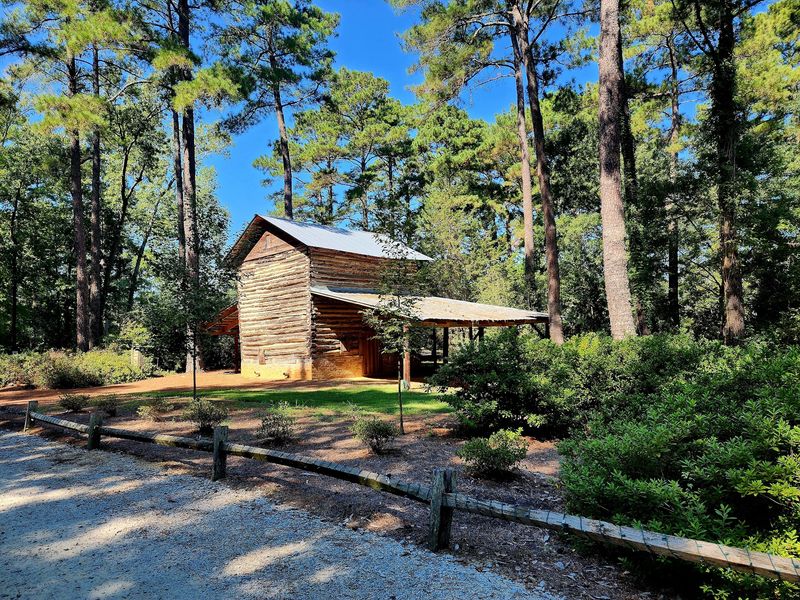
Not every garden tells a story that stretches back over a century, but Cape Fear Botanical Garden does exactly that through its Heritage Garden.
This special area features a collection of authentic agricultural structures from the late 1800s, including a farmhouse, general store, corn crib, and smokehouse.
Together, they paint a vivid picture of how farm families in the Cape Fear region lived, worked, and grew their food generations ago.
The connection between gardening and local history feels especially alive here. Walking among these historic structures alongside period-appropriate plantings creates a rare experience – part garden visit, part time travel.
Children in particular tend to be captivated by the sight of buildings and tools from a world so different from their own, making this an excellent spot for a family outing with a built-in history lesson.
For visitors, the Heritage Garden rewards a slow and curious pace. Look closely at the structures, read the interpretive signage, and take in the surrounding plantings that reflect what would have grown in a working homestead of that era.
Farming has shaped the culture, economy, and identity of the Cape Fear region in profound ways, and this garden section honors that legacy with respect and care.
It is a reminder that gardens are never just about plants – they are about the people and communities that tend them across generations.
7. It’s A Stop On The North Carolina Birding Trail
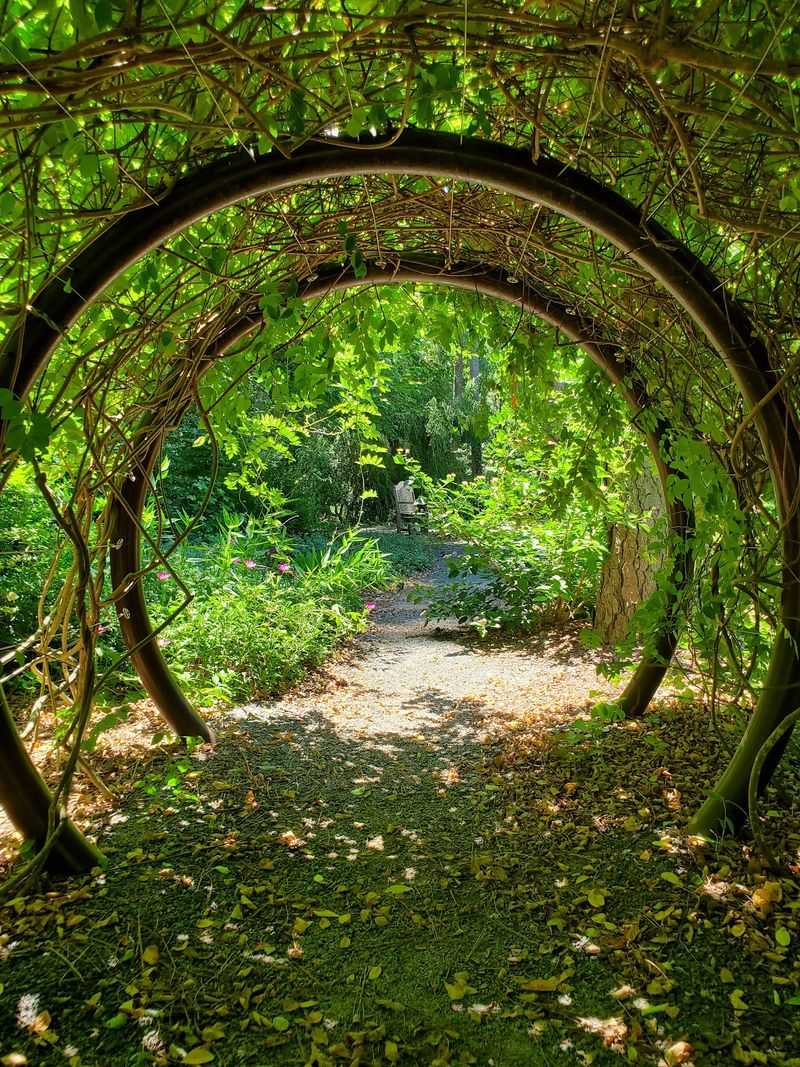
Gardeners and birdwatchers often share the same love of quiet outdoor spaces, and at Cape Fear Botanical Garden, both communities find exactly what they are looking for.
The garden has earned an official spot on the North Carolina Birding Trail, a recognition that reflects just how welcoming this landscape is to a wide variety of bird species.
Herons, egrets, hawks, and migratory birds all make regular appearances throughout the year. The reason so many birds are drawn here comes down to habitat.
The combination of open water, dense woodland, cultivated gardens, and natural wetland areas provides everything birds need – food sources, sheltered nesting spots, and safe resting places during long migration journeys.
Few spots in the Fayetteville area pack that much ecological variety into a single accessible location.
Planning a birdwatching visit here is straightforward with a few simple strategies. Arrive early in the morning when bird activity tends to peak, and bring a decent pair of binoculars to catch details from a comfortable distance.
Ponds and waterways are the best spots for observing wading birds like herons and egrets up close. Spring and fall are particularly exciting seasons, as migrating species pass through on their journeys along North Carolina’s important migration corridors.
For anyone who loves birds as much as they love plants, this garden is genuinely hard to beat as a destination.
8. A Large Visitor Pavilion Opened In 2011

Every great botanical garden deserves a great front door, and Cape Fear Botanical Garden got exactly that when the Wyatt Visitors Pavilion Complex opened in April 2011.
At 33,000 square feet, this facility marked a genuine turning point for the garden, giving it dedicated space for visitor services, educational programs, community events, and much more.
Before the pavilion existed, the garden’s ability to host large gatherings and structured programming was far more limited.
For first-time visitors, starting a trip at the pavilion is genuinely the smartest move.
Staff members there can provide trail maps, answer questions about what is currently blooming, and point out seasonal highlights worth seeking out.
The pavilion also serves as a hub for the garden’s busy event calendar, which runs year-round and includes everything from family-friendly daytime programs to popular seasonal events like Holiday Lights that draw crowds from across the region.
Beyond its practical functions, the pavilion has helped transform Cape Fear Botanical Garden into something bigger than a traditional garden.
It is now a true community gathering place, a venue for weddings, baby showers, educational workshops, and public celebrations. For Fayetteville, that kind of flexible, welcoming space matters deeply.
The garden is located at 536 N Eastern Blvd, Fayetteville, NC 28301, and is open seven days a week, though hours can vary by season and special event, so check the garden’s website before your visit.