What It Means When You Spot A Wild Turkey In Your Pennsylvania Yard This Fall
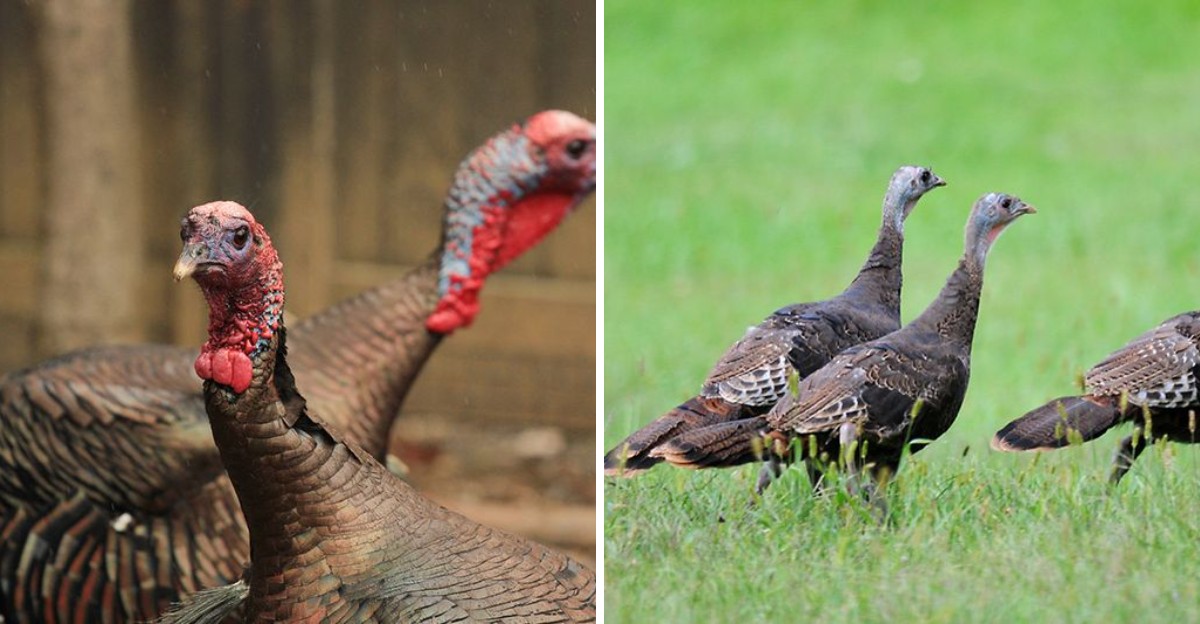
A little over a century ago, wild turkeys had nearly vanished from much of Pennsylvania. Today, they’re strutting across backyards and even school parking lots. That’s quite a comeback.
So if you glanced out the window and spotted one pecking around your lawn, you’re not alone.
Fall is one of the most common times to see them near homes. Young birds born in the spring are now traveling with their mothers in larger flocks.
These groups cover a lot of ground looking for food. Acorns, seeds, berries, and insects are all on the menu, and your yard may have plenty to offer.
Their visit can reveal a lot about your property, the season, and even the wildlife around you.
1. Fall Flocks Are On The Move
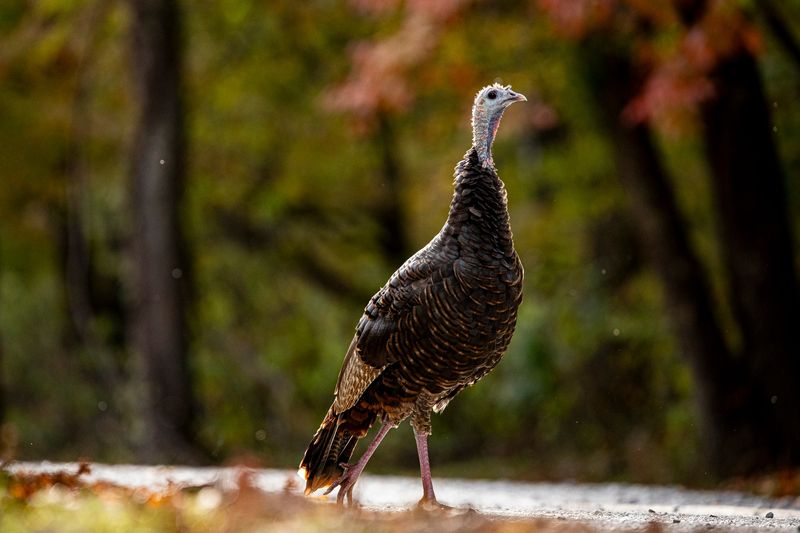
Autumn turns wild turkeys into social butterflies. After a quiet summer of raising their young, the birds start teaming up in a big way. What you see in your yard is often a brand new fall flock.
Here is how it works. Hens and the young birds they raised this year, called poults, join together with other hen families. Some of these groups can grow to 30, 50, or even more birds.
Adult males, known as toms or gobblers, usually form their own smaller bachelor clubs and travel apart from the hens.
Fun fact: young males are called jakes, and young females are called jennies. Jakes often stick with the hen flocks during their first fall before heading off on their own later.
These groups do not stay in one spot for long. A flock may cover a mile or more in a single day while searching for food.
Your lawn might be one quick stop on a long daily loop through woods, fields, and neighborhoods.
So if the turkeys vanish after twenty minutes, do not be surprised. They likely have other places to visit before sunset.
Many people notice the same group passing by around the same time each day, almost like a bus schedule.
Want to learn more about your visitors? Try counting them and keeping a simple notebook. Write down the date, the time, and how many birds you see.
Look for size differences, since toms are larger and have darker, shinier feathers. Over a few weeks, you may spot patterns in their route and begin to recognize your regular neighborhood flock.
2. They’re Fattening Up On Fall Foods
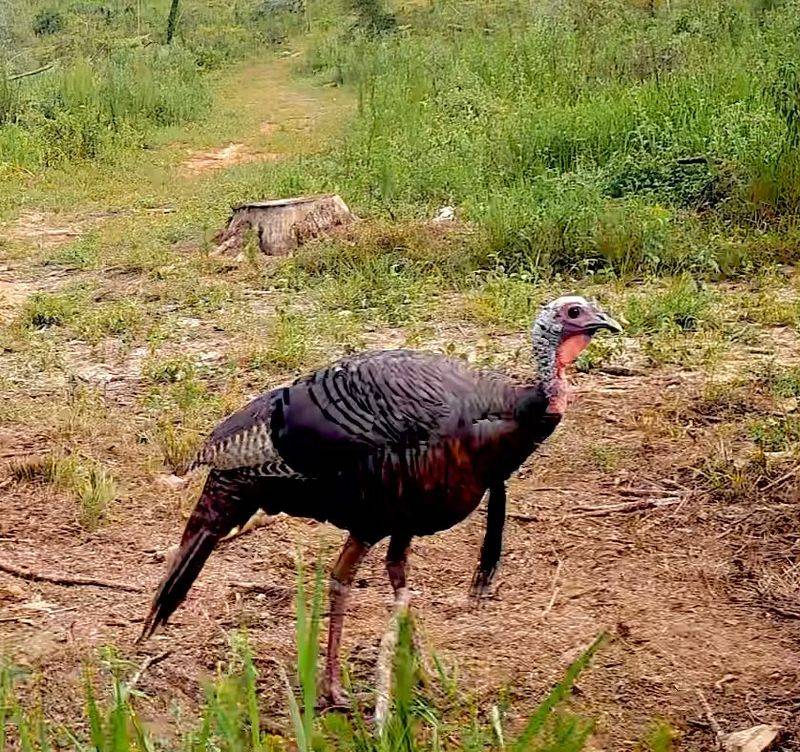
Acorns are basically turkey candy. When oak trees drop their nuts in the fall, turkeys come running. Your yard may simply be the best snack bar in the neighborhood.
Winter in Pennsylvania can be rough on wildlife. Snow covers the ground, and food gets hard to find.
To get ready, turkeys spend the fall eating as much as they can and building up fat reserves that help them stay warm and strong through the cold months.
Their menu is pretty wide. Turkeys love acorns, beechnuts, and hickory nuts. They also gobble up seeds, grasses, wild grapes, dogwood berries, and crabapples.
Your Pennsylvania Garden Changes Every Week. Your Plan Should Too.
Gardening in Pennsylvania changes quickly throughout the season. Every Friday you’ll receive a simple weekly plan showing exactly what to plant, prune, fertilize, harvest, and protect so you never miss the right timing.
Fallen apples and pears from backyard fruit trees are a real treat too. They will even snack on insects like grasshoppers and beetles when they find them.
Watch closely and you will see how they eat. Turkeys scratch at leaves with their strong feet, kick the leaves backward, and then peck at whatever they uncover. A flock can leave a yard looking like someone went at it with a rake.
Did you know? A turkey swallows acorns whole. A muscle in its body called the gizzard uses tiny stones the bird has swallowed to grind the hard nuts down.
If you have oaks or fruit trees, expect more visits during a good nut year. Want fewer turkeys? Pick up fallen fruit often and rake up piles of acorns.
Want to enjoy them instead? Leave some natural food in a far corner of the yard, away from your house and driveway.
3. Your Bird Feeder Is An Easy Meal
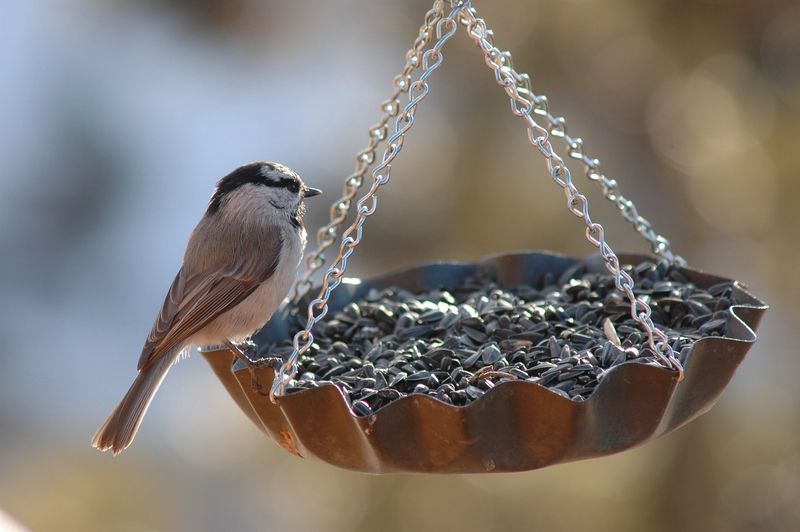
Chickadees are not the only ones who love your feeder. Turkeys have figured out that the messy ground below it is full of free seed. For a hungry flock, that pile is like finding a pizza on the sidewalk.
Small birds are sloppy eaters. They toss seeds, drop shells, and knock food to the ground all day long.
Turkeys are too big to use most feeders, so they clean up what falls instead. Sunflower seeds, cracked corn, and millet are some of their favorites.
The tricky part is that turkeys remember good food spots. Once a flock finds your yard, they may come back day after day.
Some flocks start showing up at the same hour, waiting for breakfast like regular customers at a diner.
A few visits can be fun to watch. But a big flock every day can cause problems. They may leave droppings on patios, tear up gardens, and scare away the songbirds you wanted to see in the first place.
Luckily, there are easy fixes. Try these simple steps: Use a seed tray under your feeder to catch spills. Choose no-mess seed blends, like hulled sunflower hearts. Rake up leftover seed on the ground each evening.
If turkeys keep coming, take the feeder down for a week or two. The flock will usually move on to find food elsewhere.
Then you can put it back up and keep the area clean. It is a small change that helps both your yard and the wild birds.
4. There’s Good Habitat Nearby
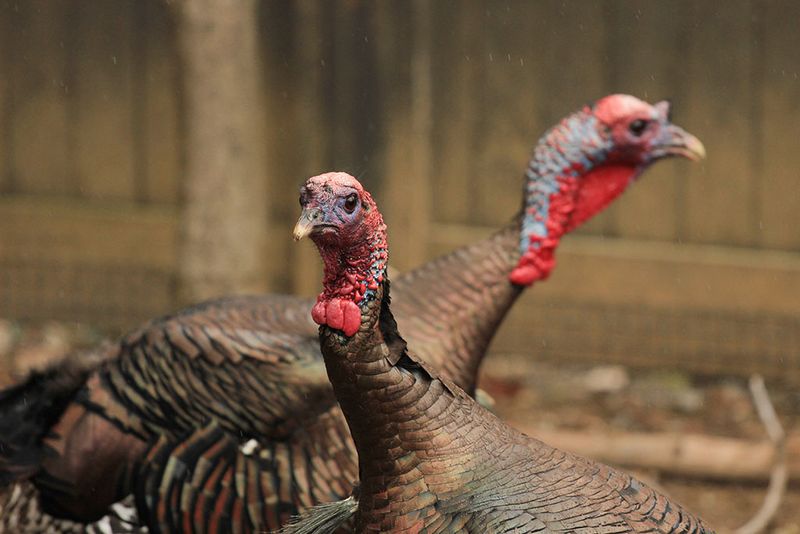
Think of your yard as a clue on a treasure map. When turkeys show up, it usually means the land around your home has exactly what they need. That is actually a pretty cool compliment to your neighborhood.
Wild turkeys love edges. Wildlife experts use that word to describe places where two types of land meet, like a forest bumping up against a field, lawn, or clearing. Edges give turkeys the best of both worlds.
The woods offer cover and safety. Thick trees and brush help turkeys hide from foxes, coyotes, hawks, and other predators. They also provide nuts and a place to sleep.
Open areas, like your grassy lawn, give turkeys room to spot danger and find bugs, seeds, and green plants to eat.
Pennsylvania is loaded with this kind of land. Farms sit next to forests. Housing developments are tucked beside wooded hills.
Even some suburbs have creeks lined with trees and small patches of woods. All of these spots can welcome turkeys.
Quick fact: turkeys have excellent eyesight. They can see colors well and notice movement from far away, which is one reason they like open spaces where they can keep watch.
Curious about where your turkeys spend their time? Take a walk around your area. Look for wooded patches, streams, and fields within a mile or so.
You might spot tracks shaped like big three-toed arrows in soft mud, or find dusty spots where turkeys roll around to clean their feathers. These signs show you are living right in turkey country.
5. They May Be Roosting Nearby
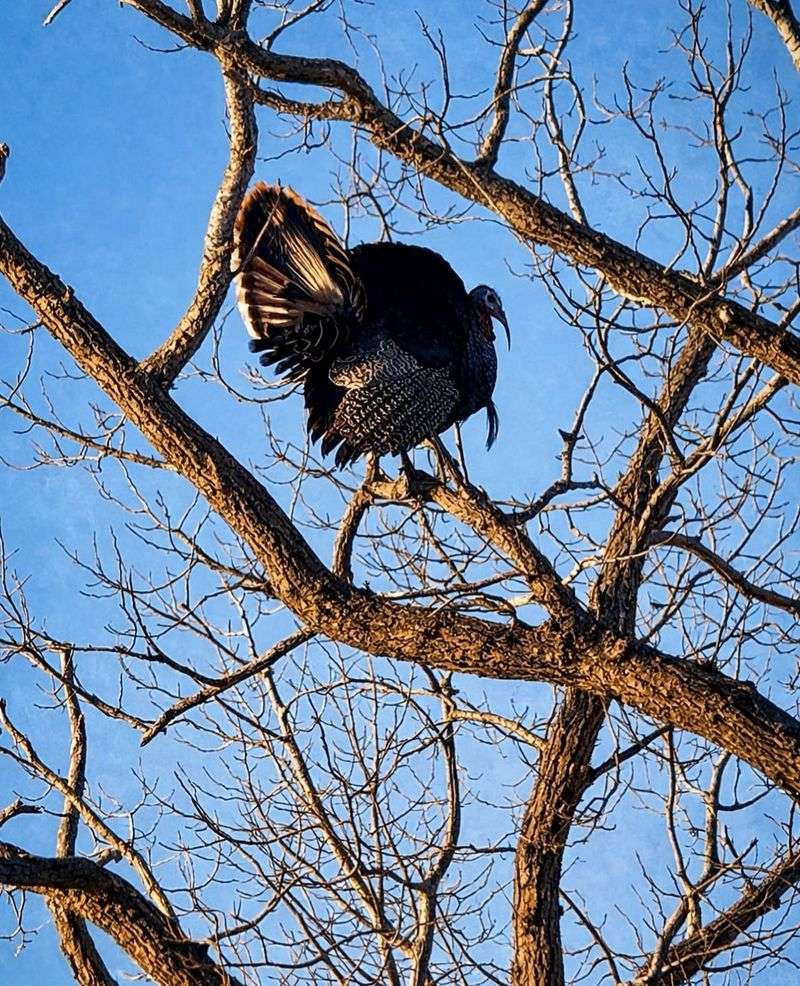
Yes, turkeys can fly. Plenty of people are shocked to learn this, but wild turkeys are strong fliers for short distances. Every evening, they flap up into tall trees to spend the night.
That nightly perch is called a roost. Sleeping high off the ground keeps turkeys safe from predators like coyotes and foxes that prowl in the dark.
Turkeys often pick big trees such as oaks, pines, or sycamores with sturdy, spreading branches.
Timing is a great hint. If you mostly see turkeys at dusk or early in the morning, their roost may be very close to your home.
Just before dark, the flock gathers, and then the birds take off one by one with loud wing beats. At sunrise, they glide back down to the ground to start searching for food.
Many flocks return to the same roosting area night after night, sometimes for weeks. Some even use favorite trees year after year.
If you listen carefully at dawn, you might hear soft clucks and purrs as the birds wake up and chat with each other.
Here is a neat fact. Wild turkeys can fly up to about 55 miles per hour in short bursts. That is faster than many cars drive on local roads!
Want to find the roost? Look for piles of droppings and loose feathers under tall trees. Stand quietly outside around sunset and watch where the birds head.
Just keep your distance and stay still. A calm evening of turkey watching can be a peaceful way to end the day.
6. It’s A Sign Of Pennsylvania’s Conservation Success
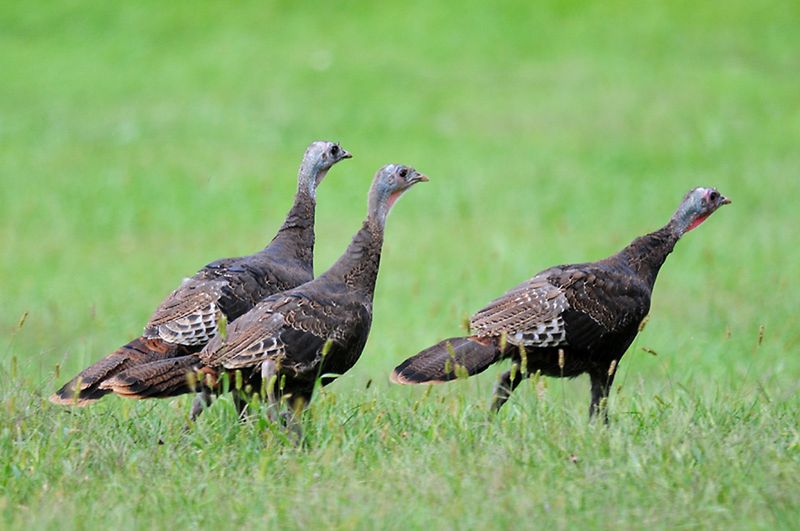
A hundred years ago, seeing a turkey in your yard would have been almost unheard of. By the early 1900s, wild turkeys had nearly vanished from Pennsylvania.
Today, they are found in all 67 counties. That is a comeback worth cheering about.
So what went wrong? Back in the 1800s, people cut down huge areas of forest for lumber, farming, and fuel. At the same time, there were few rules about hunting.
Turkeys lost their homes and their numbers dropped fast. Only small groups survived in the rugged mountains of southern Pennsylvania.
Then things started to change. The Pennsylvania Game Commission, formed in 1895, began creating hunting laws and protecting wildlife.
Forests slowly grew back as old farms were left alone. State game lands were set aside to give animals safe places to live.
Wildlife workers also got clever. Starting in the 1950s and beyond, they trapped wild turkeys in areas with healthy populations and moved them to places where the birds were missing. The turkeys settled in and raised families.
Did you know? Benjamin Franklin once wrote that the turkey was a more respectable bird than the bald eagle. He called it a true original native of America.
Every turkey strutting across your lawn is part of this success story. It shows what careful planning and patience can do.
You can help too by supporting local parks, planting native trees, and teaching kids about Pennsylvania wildlife. Small actions add up over time.
7. It’s Best To Enjoy Them From A Distance
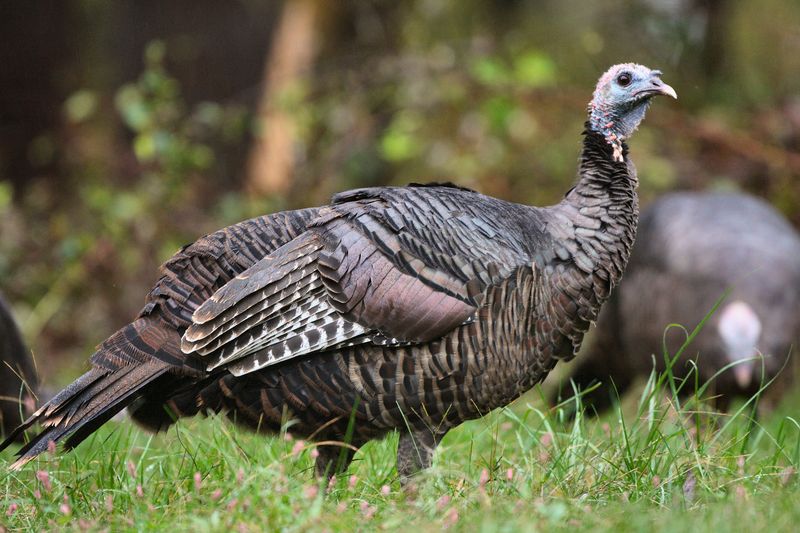
Tossing bread to a turkey might seem kind. Wildlife experts say it is one of the worst things you can do. A fed turkey can quickly turn into a pushy neighborhood bully.
When turkeys get used to people handing out snacks, they lose their natural fear. Some start chasing walkers, pecking at car doors, or blocking driveways.
Bold turkeys can even act aggressively toward pets and small children, especially during mating season in spring. A full-grown tom can weigh over 20 pounds and has sharp spurs on its legs.
Hand feeding also is not great for the birds. Human food like bread and chips does not give them what they need. And crowding many turkeys into one spot can spread sickness through the flock.
The good news? Watching turkeys from afar is still a blast. Here are some friendly tips for sharing your space:
Keep bird feeders tidy and pick up spilled seed. Never leave pet food outside. Watch from a window or porch, and try using binoculars for a closer look.
If a turkey gets too bold, stand tall and make yourself look big. Wave your arms, clap, or spray a garden hose nearby.
A firm but gentle scare reminds the bird that people are not a source of food. Teach kids to stay calm and back away rather than run.
Giving turkeys space helps them stay wild and healthy. It also keeps your yard a peaceful place for everyone. With a little respect, you can enjoy these amazing birds all season long.