These Are The Pennsylvania Garden Diseases That Explode After Consecutive Rainy Days In June
A stretch of rainy days in Pennsylvania June feels like a gift to the garden right up until it is not. Moisture is essential, but consecutive days of rain, cloud cover, and wet foliage create conditions that certain fungal and bacterial diseases wait for all season.
They move fast once those conditions arrive, spreading through a planting in ways that can be difficult to reverse by the time the damage is obvious.
June in Pennsylvania is particularly vulnerable because plants are in active growth, foliage is dense, and the warm humid air that follows a rainy stretch is exactly what the most damaging garden diseases need to take hold and accelerate.
The gardeners who come through a wet June with their plants intact are almost always the ones who knew what to watch for and acted on the early signs before a problem became a significant setback.
Knowing which diseases peak after consecutive rain days and what the first symptoms look like is one of the more practical things a Pennsylvania gardener can have going into summer.
1. Downy Mildew
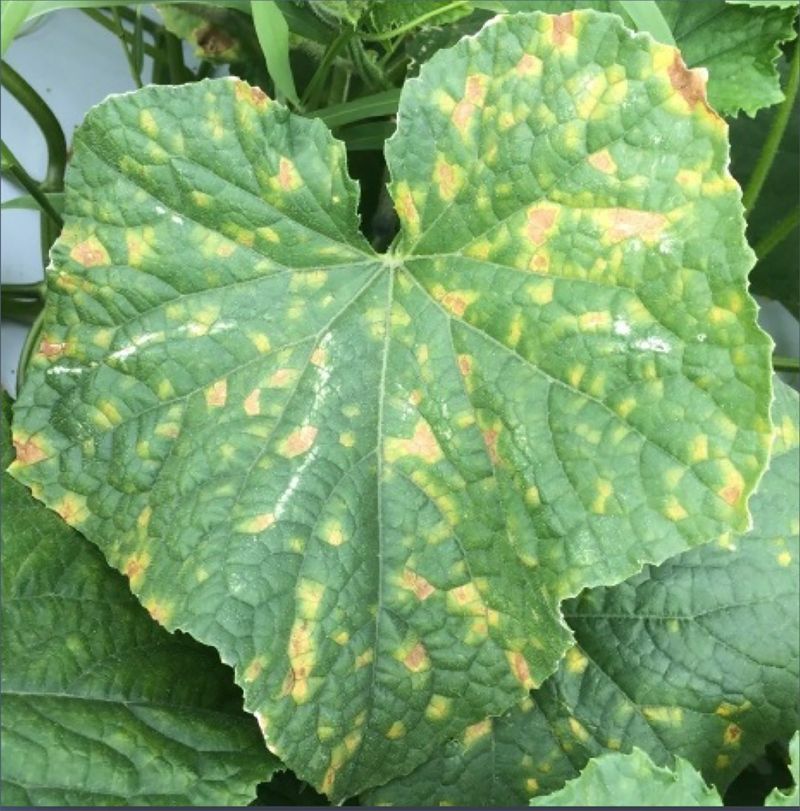
Rainy stretches in June are like an open invitation for downy mildew to move into your vegetable garden. At first, you might see pale yellow or light brown patches forming on the tops of leaves.
Flip the leaf over, though, and you will find the real clue: a soft, fuzzy, grayish-purple coating on the underside. That fuzzy layer is packed with fungal spores ready to spread to every plant nearby.
Downy mildew loves cool, wet weather, which makes Pennsylvania’s early summer conditions almost perfect for it. Lettuce, spinach, and other leafy greens are hit the hardest.
Basil, cucumbers, and impatiens are also frequent targets. The disease moves fast when leaves stay wet for extended periods, especially when temperatures sit between 50 and 70 degrees Fahrenheit overnight.
Once the spots appear, the leaves start to look tired and worn. They may turn brown and papery as the infection spreads across the entire leaf surface. Whole plants can decline rapidly if the disease is not caught early.
Good garden hygiene goes a long way in preventing downy mildew. Remove and bag any infected leaves right away instead of tossing them into your compost pile.
Water plants at the base rather than overhead to keep foliage dry. Give your plants enough room to breathe by following the recommended spacing on seed packets.
Copper-based fungicide sprays are a reliable treatment option and are easy to find at garden centers. Rotating your crops each year also helps, since downy mildew spores can survive in the soil.
Staying proactive after every rainy stretch is the smartest move a Pennsylvania gardener can make.
2. Powdery Mildew
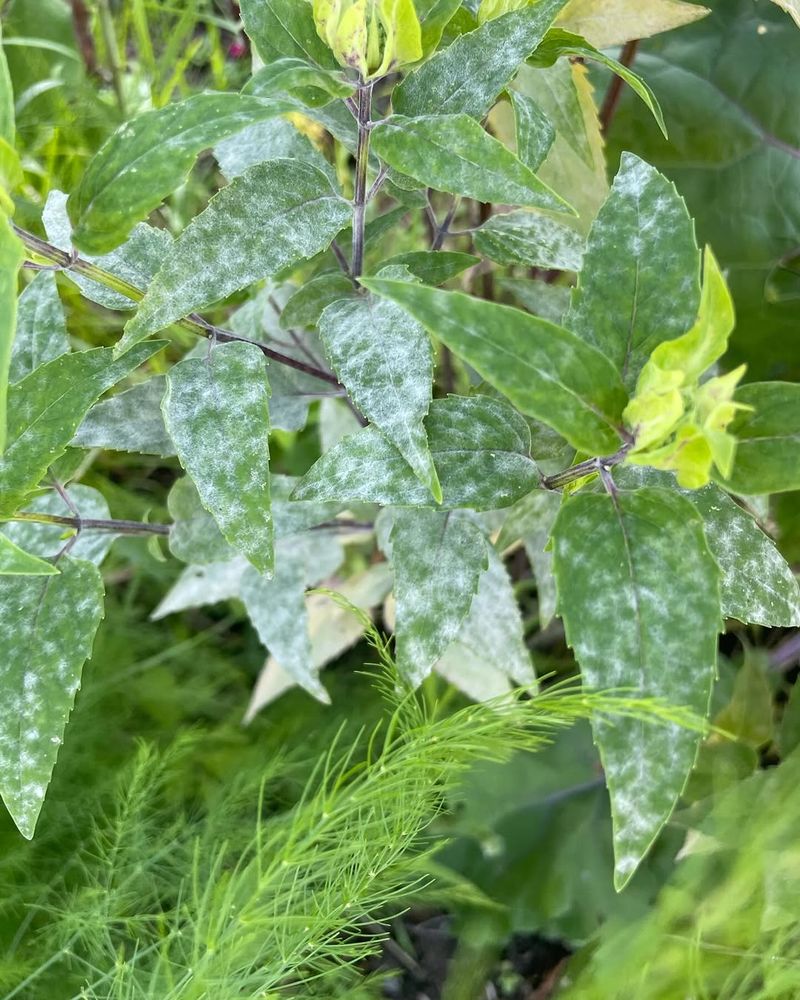
You might notice a strange white dusting on your plants after a string of rainy June days, and that is almost certainly powdery mildew. It looks like someone sprinkled flour across the leaves, stems, and even flower buds.
Unlike most fungal diseases, powdery mildew does not actually need standing water to spread. It thrives when the air is humid and air circulation around plants is poor.
Your Pennsylvania Garden Changes Every Week. Your Plan Should Too.
Gardening in Pennsylvania changes quickly throughout the season. Every Friday you’ll receive a simple weekly plan showing exactly what to plant, prune, fertilize, harvest, and protect so you never miss the right timing.
Pennsylvania gardens are especially vulnerable because June brings warm days, cool nights, and plenty of moisture in the air. Plants like phlox, roses, and cucumbers are among the most commonly affected.
The white coating is actually a layer of fungal spores, and those spores travel easily through the air to infect nearby plants. Once one plant shows signs, others nearby can follow quickly.
The coating blocks sunlight from reaching the leaf surface, which slows the plant down and weakens it over time. Leaves may eventually turn yellow and curl up as the infection worsens.
Badly affected plants produce fewer flowers and smaller fruits. To manage powdery mildew, start by improving airflow. Space your plants further apart so air can move freely between them.
Prune any crowded or overlapping branches to open things up. Avoid watering in the evening, since wet foliage overnight encourages fungal growth.
A simple homemade spray made from one tablespoon of baking soda mixed with a quart of water can help slow the spread. Neem oil is another effective and widely available option.
Choosing mildew-resistant plant varieties when shopping for seeds or transplants is one of the best long-term strategies for keeping your Pennsylvania garden healthy all season long.
3. Leaf Spot Diseases
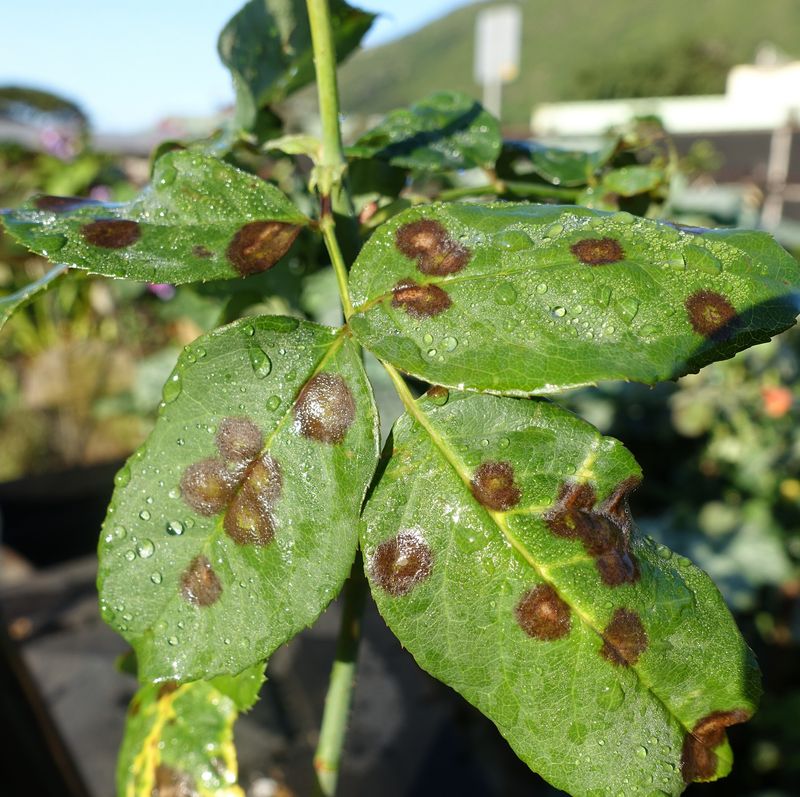
Few things are more frustrating than walking out to your garden after a rainy week and finding your tomato leaves covered in small brown, black, or tan spots.
Leaf spot diseases are caused by a range of fungi and bacteria, and they all share one thing in common: they absolutely love wet conditions.
In Pennsylvania, June rain creates exactly the right environment for these pathogens to thrive and spread rapidly across the garden.
Tomatoes, peppers, and many ornamental plants are among the most frequent victims. The spots start out small, often with a yellow halo around the dark center.
Over time, multiple spots merge together into larger, irregular patches that can cover much of the leaf. When enough of the leaf surface is damaged, the plant cannot photosynthesize properly and begins to struggle.
Splashing raindrops play a big role in spreading leaf spot spores from plant to plant and from the soil up onto lower leaves.
That is why the bottom leaves often show symptoms first. Removing those lower leaves early can slow the spread considerably.
Mulching around the base of your plants is one of the most effective ways to prevent soil splash. A two-to-three-inch layer of straw or wood chip mulch acts as a barrier between the soil and your plants.
Avoid working in the garden when plants are wet, since you can accidentally spread spores on your hands and tools. Fungicide sprays containing chlorothalonil or copper are commonly used to manage leaf spot outbreaks.
Always follow label directions carefully. Keeping a close eye on your plants after every rainy stretch gives you the best chance of catching leaf spot early and limiting the damage it causes.
4. Early Blight (Alternaria Solani)
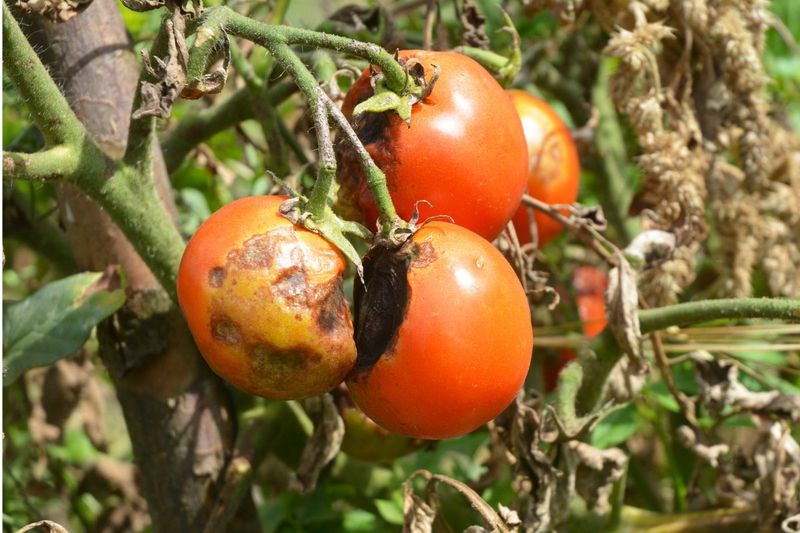
Early blight has a signature look that experienced gardeners recognize right away: dark brown spots with concentric rings that resemble a target or a bullseye.
These rings appear on the older, lower leaves of tomato and potato plants first, usually showing up after a period of heavy or consistent rain.
The disease is caused by the fungus Alternaria solani, and it spreads with alarming speed once conditions turn wet and warm.
Pennsylvania tomato growers know this disease all too well. June rains create ideal splash conditions, sending spores flying from the soil and infected debris up onto plant leaves.
Once the spores land on a leaf, they germinate quickly in the moisture and start forming those telltale rings. Within days, infected leaves turn yellow around the spots and eventually drop from the plant.
When a plant loses too many leaves, it cannot support the fruit it is producing. Yields drop, and the tomatoes that do grow may be smaller and less flavorful than expected.
Potatoes are similarly affected, with the disease weakening the plant before tubers fully mature.
Managing early blight starts with good sanitation. Remove infected leaves as soon as you spot them and dispose of them away from the garden.
Avoid overhead watering whenever possible. Mulching around your tomato and potato plants helps reduce soil splash significantly.
Fungicide applications containing chlorothalonil, copper, or mancozeb can protect healthy tissue when applied on a regular schedule starting early in the season. Did you know that early blight can survive in the soil and on old plant debris for years?
That is why crop rotation is so important. Moving your tomatoes and potatoes to a different bed each season helps break the disease cycle naturally.
5. Botrytis Blight / Gray Mold (Botrytis Cinerea)
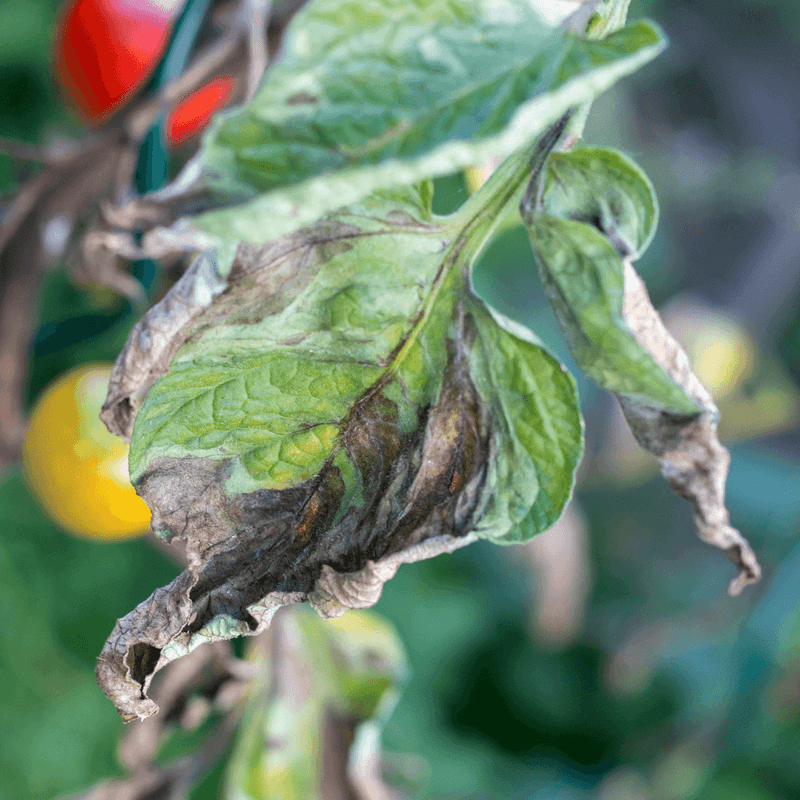
Gray mold has a way of sneaking up on gardeners. One day your flowers look fine, and the next they are covered in a soft, grayish-brown fuzz that spreads across buds, petals, and stems.
That fuzzy coating is Botrytis cinerea, one of the most aggressive fungal pathogens in the gardening world. It thrives in cool, moist conditions and moves fast when plants are crowded together with limited airflow.
After several consecutive rainy days in June, Pennsylvania gardens with shady spots or dense plantings become prime targets.
The fungus attacks weakened or damaged plant tissue first, which is why spent flowers, old leaves, and bruised stems are often the starting points.
From there, it spreads to healthy tissue with ease. Strawberries, peonies, geraniums, and begonias are among the plants most frequently affected in Pennsylvania gardens.
The gray fuzz you see is actually millions of spores, and they become airborne at the slightest disturbance. Brushing against an infected plant or even a gust of wind can send spores drifting onto healthy plants nearby.
Humidity above 90 percent really accelerates the spread. Removing spent flowers and dry plant material regularly is one of the best defenses against gray mold. Do not let debris pile up around the base of plants, especially after rainy periods.
Increase airflow by thinning out crowded areas and pruning dense foliage. Fungicides containing iprodione or fenhexamid are effective when applied at the first sign of infection.
Water plants in the morning so foliage dries out before evening temperatures drop. Keeping your garden tidy and open is truly the most powerful weapon against Botrytis blight all season long.
6. Bacterial Leaf Spot
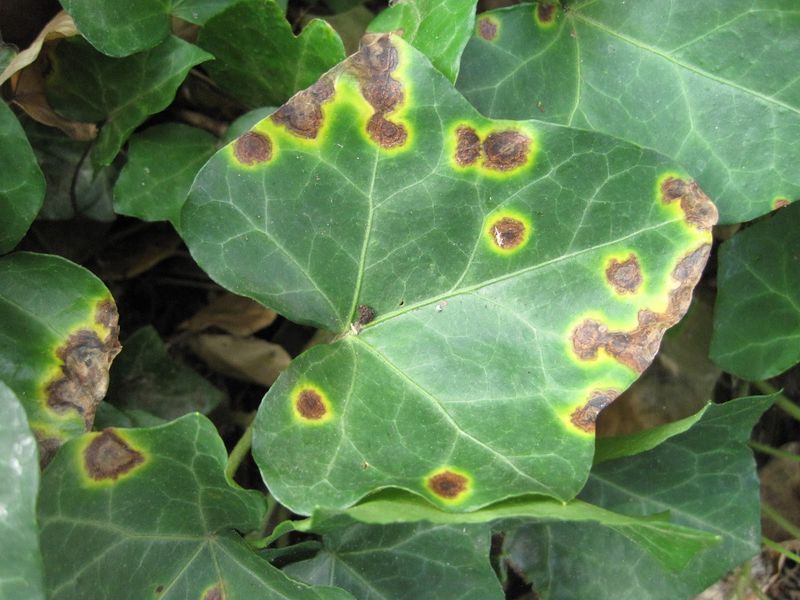
Bacterial leaf spot is sneaky because its early symptoms look a lot like other common garden problems. Small, water-soaked spots appear on leaves, almost like tiny blisters filled with liquid.
As the spots age, they darken to brown or black and often develop a yellow border. Eventually, the centers of the spots dry out and fall away, leaving ragged holes in the leaves that make the plant look tattered and worn.
Prolonged wet weather in June is the biggest trigger for bacterial leaf spot outbreaks in Pennsylvania.
The bacteria responsible, primarily Xanthomonas and Pseudomonas species, spread through splashing rain, contaminated tools, and even the hands of gardeners working in wet conditions.
Peppers and tomatoes are the most vulnerable vegetable crops, but ornamental plants like begonias and roses can also be affected.
Unlike fungal diseases, bacterial infections cannot be treated with standard fungicides. Once a plant is infected, managing the spread becomes the main goal.
Copper-based bactericides are the most effective option available to home gardeners and can help slow the progression of the disease when applied consistently.
Prevention is really the best strategy with bacterial leaf spot. Always sanitize your pruning shears and garden tools with a diluted bleach solution or rubbing alcohol between plants.
Avoid working in the garden when plants are wet from rain or morning dew. Remove and bag any heavily infected leaves right away.
Water at the base of plants using drip irrigation or a watering can rather than overhead sprinklers. Starting with certified disease-free transplants from a reputable nursery also reduces your risk significantly.
Staying consistent with these habits through Pennsylvania’s rainy June stretches will keep your garden in much better shape all summer long.