Arizona Prickly Pear Fruit and Betalains: Why Selective Cell Targeting Is Still Unproven
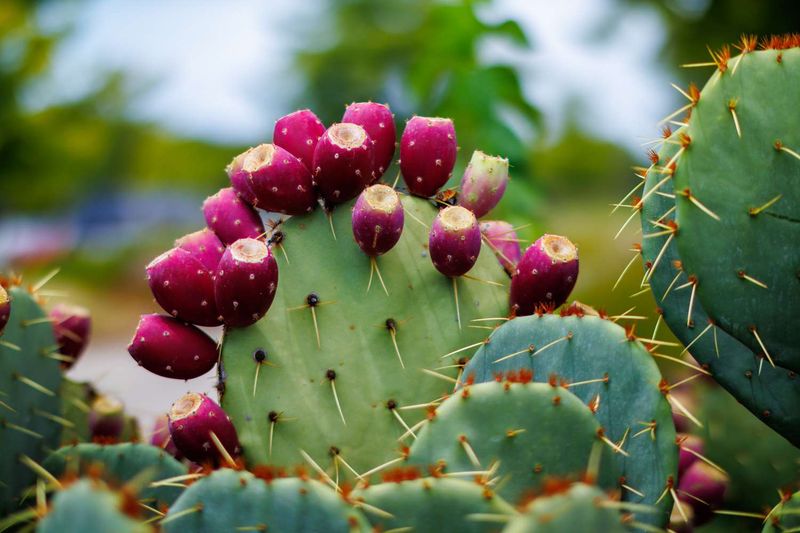
Right now, deep red tuna fruit is ripening on native prickly pear pads across Arizona. Some headlines say the pigments inside can hunt down damaged cells and leave healthy ones alone.
The real story is more careful, and it is still interesting. Here is what scientists have measured, what they have not, and how to enjoy the fruit safely.
Arizona’s native prickly pear bears fruit in late summer and fall
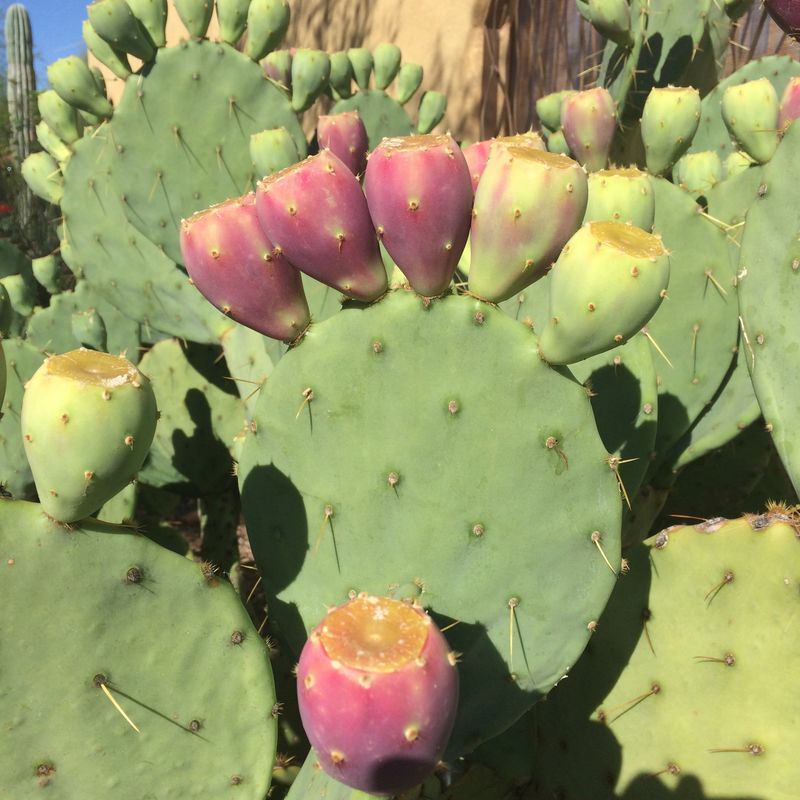
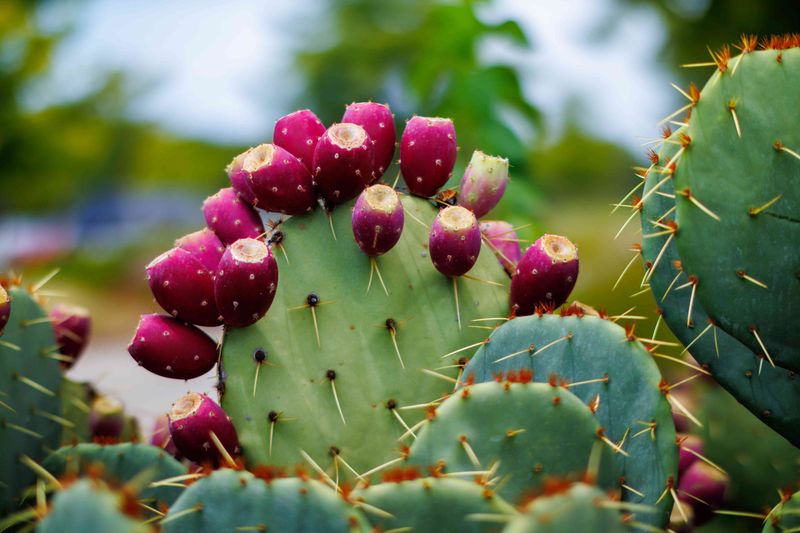
Drive through the Sonoran Desert in early autumn and you will spot pads topped with glowing magenta knobs. Those belong to Engelmann prickly pear, Opuntia engelmannii, a species native to Arizona, including Maricopa and Pima counties.
Its fruit, called tuna, ranges from deep red to purple.
A University of Arizona Arboretum listing gives the fruit season as late July through October. Treat that as a rough guide.
Ripeness shifts from plant to plant and with heat, rainfall, and sun exposure, so one cactus may be ready while its neighbor is still green.
Plenty of people also wonder about the fruit’s chemistry. Its color comes from pigments, and online claims say those pigments act like precision tools against damaged cells.
This article sorts out what the fruit’s chemistry actually establishes and what it does not, starting with the pigments themselves.
Betalains are present in the fruit, but that does not prove a medical effect
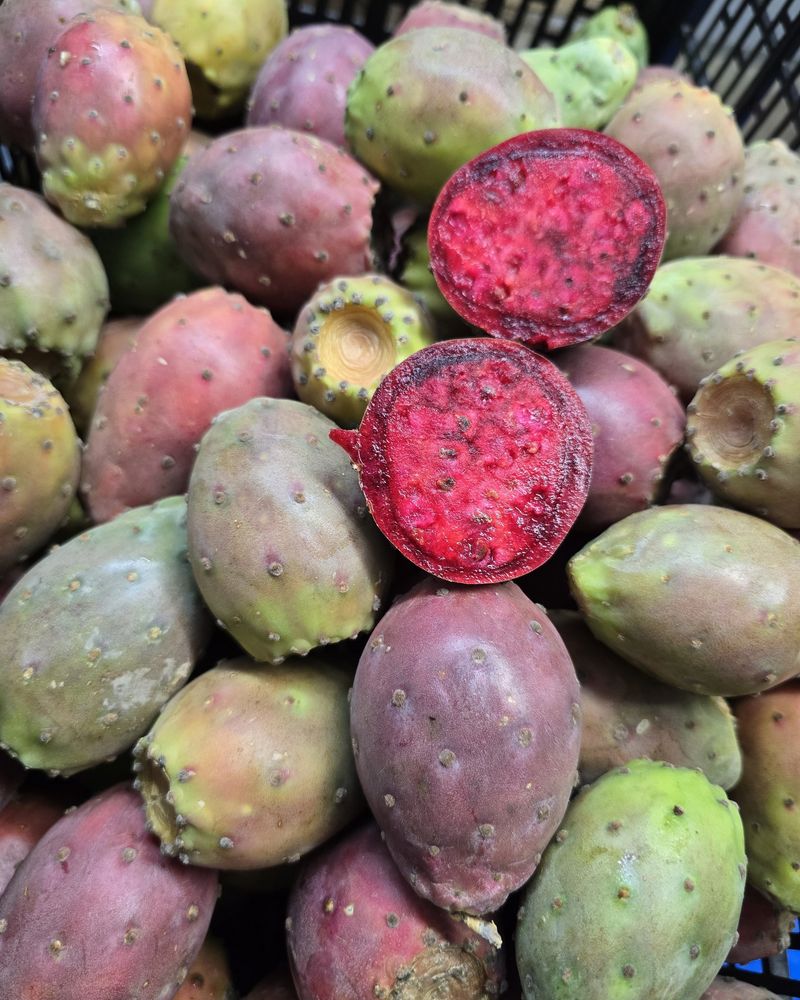
That magenta color comes from betalains, a family of water-soluble pigments also found in beets. Researchers doing fruit composition research on Opuntia have measured betalains in O. engelmannii fruit.
So it is fair to say Arizona’s native tuna can contain them.
Finding a pigment in a fruit is a chemistry result. It tells you what is in the fruit, not what the pigment does inside a human body.
Nothing about a pigment being present shows that it acts on damaged cells or does anything special for health.
Fruit also holds sugars, acids, fiber, vitamins, and many other compounds. When a whole fruit or its juice shows an effect in a test, betalains alone cannot get the credit.
Pigment levels also differ among species and varieties, so one fruit’s numbers do not automatically describe another’s.
The laboratory evidence comes from specific juices and cell lines
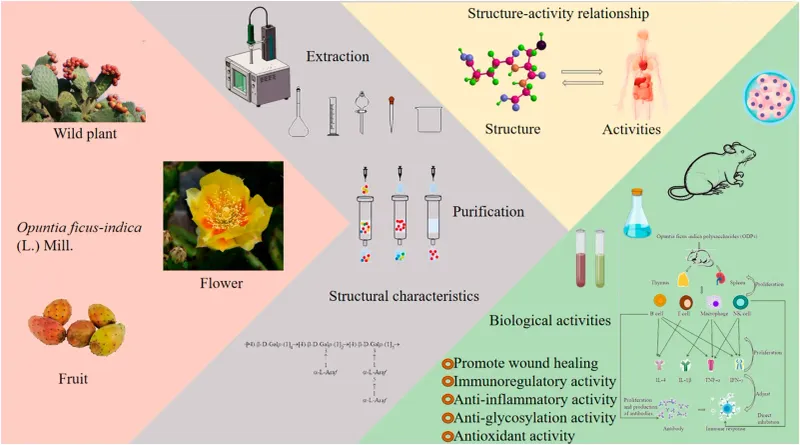
The headline-grabbing results come from a peer-reviewed screening of Mexican cactus fruit juices. Scientists exposed selected cell lines growing in dishes to several different juices and measured how many cells stayed alive.
No people ate anything, and Arizona-native fruit was not the focus.
The reported selective result involved one yellow Opuntia ficus-indica juice. It affected a liver-cancer cell line, yet showed no detectable effect on the fibroblasts, a type of normal connective-tissue cell, that were tested alongside it.
Notice what was poured on those cells: a complex juice, not isolated betalains. Sugars, acids, and many other compounds were all in the mix, so the pigments cannot be named as the cause.
The finding applies only to that juice, those cells, and those conditions.
Your Arizona Garden Changes Every Week. Your Plan Should Too.
Gardening in Arizona changes quickly throughout the season. Every Friday you’ll receive a simple weekly plan showing exactly what to plant, prune, fertilize, harvest, and protect so you never miss the right timing.
A result in a dish does not establish a general cell-targeting mechanism
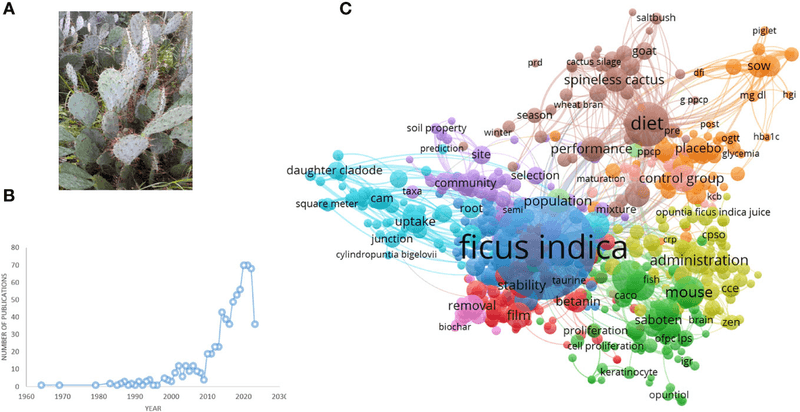
One juice, one cancer cell line, and one normal-cell type make a very small window. A broad claim about seeking out damaged cells while sparing healthy ones would need far more evidence than that.
Cancer cells grown in a dish also are not the same as damaged cells inside a living person.
The same study showed results that varied by juice and cell type. Another juice reduced viability in both the cancer cells and the tested normal fibroblasts, which is the opposite of sparing healthy cells.
The authors said more research was needed to clarify how any of this works.
Cells in a dish also skip everything that happens after swallowing, such as digestion, absorption, and dilution in the blood. These experiments do not show that eating prickly pear prevents or treats cancer.
Selective targeting remains an open question, not a finding.
Human biomarker findings do not show cancer prevention or treatment
Human data exist, but they are modest. A short-term trial in healthy volunteers had people eat Sicilian Opuntia ficus-indica fruit and then checked blood markers.
It reported changes in inflammatory and antioxidant measures.
Those markers are not cancer outcomes. Nobody in the trial was followed for tumors, and the fruit came from Sicily, not Arizona’s native Engelmann plants.
A shift in a blood test over a few weeks says little about long-term disease.
Antioxidant content alone does not settle the question either. The National Cancer Institute’s antioxidant fact sheet explains that antioxidant effects in foods are complex, and that lab or supplement findings do not by themselves establish cancer prevention.
A colorful fruit is a nice addition to a varied diet, and that is as far as these results go.
Harvest fruit carefully and remove glochids before eating
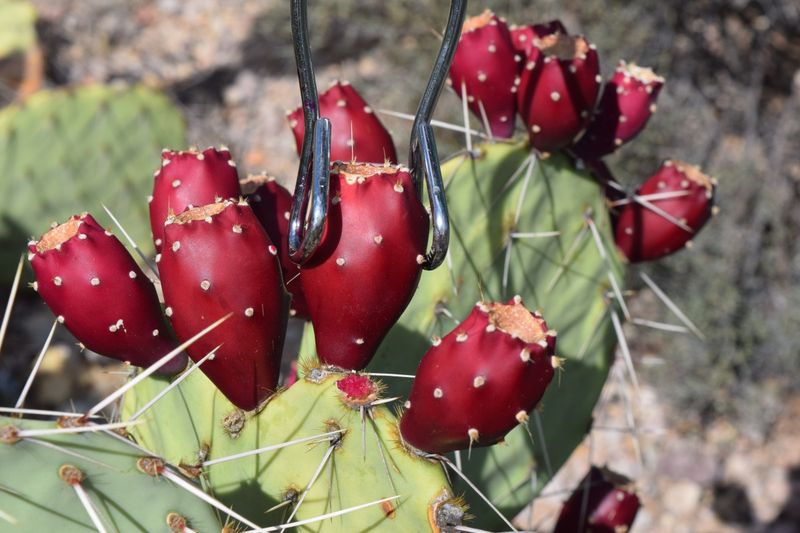
Pick fruit that is dark red or purple and firm, yet gives slightly under gentle pressure. University of Arizona Cooperative Extension guidance notes that picked fruit will not keep ripening, so a green one stays disappointing.
Bring tongs and thick gloves. Both the fruit and the pads carry spines and tiny hairlike glochids that lodge in skin and are hard to see.
Never handle tuna barehanded, and remove the glochids thoroughly before eating raw or sliced fruit. The same guide describes cooking and straining as a way to get juice.
Also check where you are standing. Take fruit only with permission and where local rules allow it.
Arizona law under A.R.S. 3-908 restricts taking certain protected native plants or parts from public or state land without authorization, so do not assume every public spot permits foraging.
Enjoy the fruit without overstating what the evidence shows
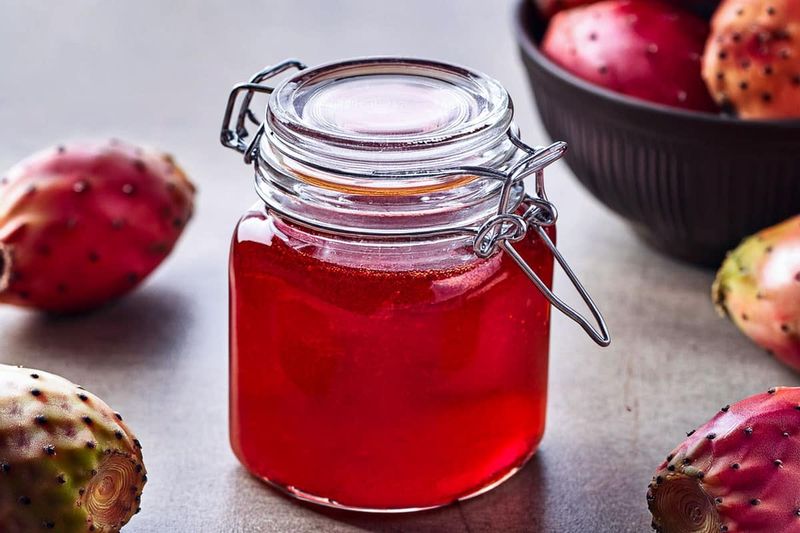
Arizona’s native tuna can contain betalains, and it tastes wonderful as juice, syrup, or a chilled slice when handled safely. Lab tests of a few cactus juices, including that juice screening study, showed effects that varied by juice and cell type.
Meanwhile, composition research confirms the pigments are there without showing what they do.
A precision mechanism and a cancer benefit remain unproven. Eat the fruit for flavor and color, and leave the medical claims out of the kitchen.