8 Warning Signs Of Timber Rattlesnakes In Your Southwest Virginia Yard
That dry buzz behind your woodpile deserves your full attention. Timber rattlesnakes roam Southwest Virginia’s mountains, seeking the mice nesting in your stacked logs.
Camouflage does their heavy lifting, with dark chevrons that blend into your leaf litter. Yellow and nearly black color forms both live along your local mountain ridges.
Warm, muggy nights shift them toward evening activity, just as you head outside. Rattlers may stay surprisingly silent, so a quiet woodpile offers you no guarantee.
Harmless ratsnakes share Virginia’s hillsides with you, clearing rodents around sheds and coops. Kingsnakes go further, snacking on venomous snakes.
Knowing which neighbor you face shapes your next move. Clear clues like band patterns, body color, and black tails help you react calmly.
Tidy woodpiles and trimmed grass make your garden less inviting. Fewer hiding spots mean fewer surprised pets, kids, and ankles.
1. A Sudden Buzz From Grass Or Leaves
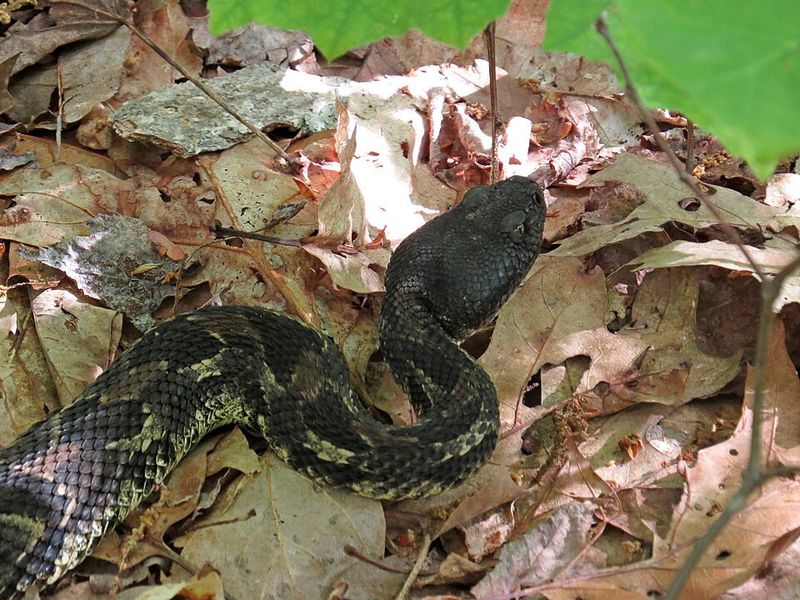
Some folks describe it as sizzling bacon, while others compare it to a sprinkler hissing nearby. Either way, a steady buzz from grass is worth checking from afar.
A timber rattlesnake shakes its tail when it feels cornered or startled. The rattle is made of keratin, the same stuff found in your fingernails.
Each time the snake sheds, a new segment gets added to the rattle. Counting them will not reveal its age, since pieces break off over time.
Timber rattlers in our mountain region have a quiet habit worth knowing. They often stay silent and trust their camouflage, so a warning buzz is not guaranteed.
When you do hear that buzz, stop moving and figure out where it comes from. Then back away slowly the same way you came in.
Jumping or running can lead you straight toward the snake by mistake. Staying calm gives you time to spot the coiled body before taking another step.
Cicadas usually call from trees, but some grasshoppers near the ground can sound similar. Still, it is smarter to treat any strange buzz near the ground as the real thing.
Teach children to freeze and call an adult if they hear odd rattling. A little practice at home makes the reaction feel natural when it really counts. If someone is bitten, keep them still and call 911.
Mowing tall grass short also helps you hear and see more around your yard. Clear sight lines give everyone a better chance to react safely.
2. Broad Tracks Across Dusty Paths
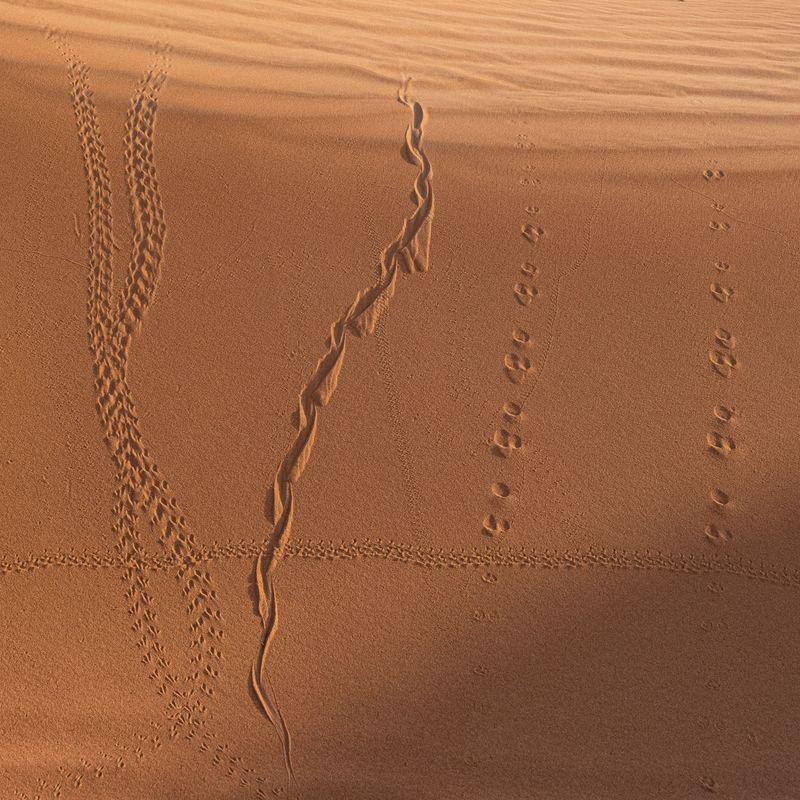
Did you know snakes leave their own kind of footprints, even without any feet? After a light rain or on a dusty gravel path, look closely for wavy trails.
Timber rattlesnakes are heavy-bodied, so their tracks can look wider than those of slender garter snakes. A thick, smooth groove curving gently across soft dirt is worth noticing.
Unlike racers, rattlesnakes sometimes crawl in a straight line using their belly scales like tiny treads. That movement leaves a fairly straight, broad smear instead of tight squiggles.
Your Virginia Garden Changes Every Week. Your Plan Should Too.
Gardening in Virginia changes quickly throughout the season. Every Friday you’ll receive a simple weekly plan showing exactly what to plant, prune, fertilize, harvest, and protect so you never miss the right timing.
Garden beds, sandy spots near downspouts, and dusty driveway edges are great places to check. Early morning light casts shadows that make faint trails easier to see.
Follow the direction of the track with your eyes rather than your feet. It may lead toward a rock pile, crawl space, or thick shrub where the snake rests.
Try not to poke into those hiding places with bare hands or sandals. A long-handled tool and sturdy boots offer much better protection during any search.
Tracks fade quickly with wind, sprinklers, or foot traffic, so timing matters. Take a quick photo with a coin beside the trail to show its width.
Virginia Cooperative Extension or state wildlife biologists may help interpret tracks from photos, though results vary. Their advice helps you decide whether to worry or simply stay alert.
Spotting one trail is not alarming, just a nudge to watch your step. Your yard is sharing clues, and you are learning to read them.
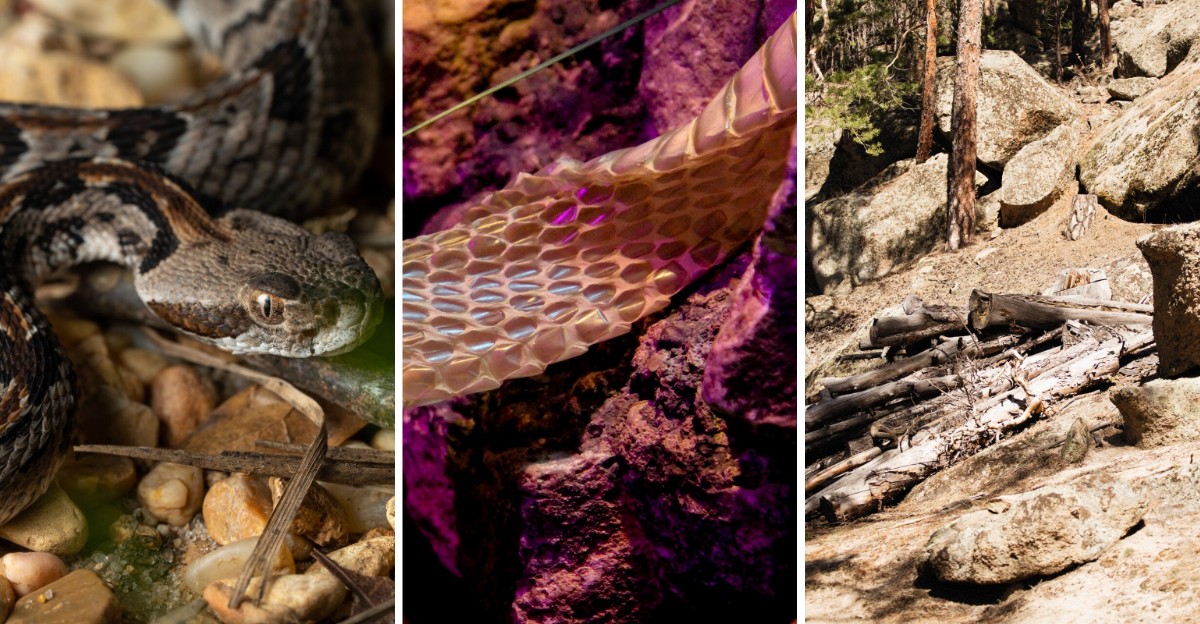
3. Papery Shed Skins Near Woodpiles And Rocks
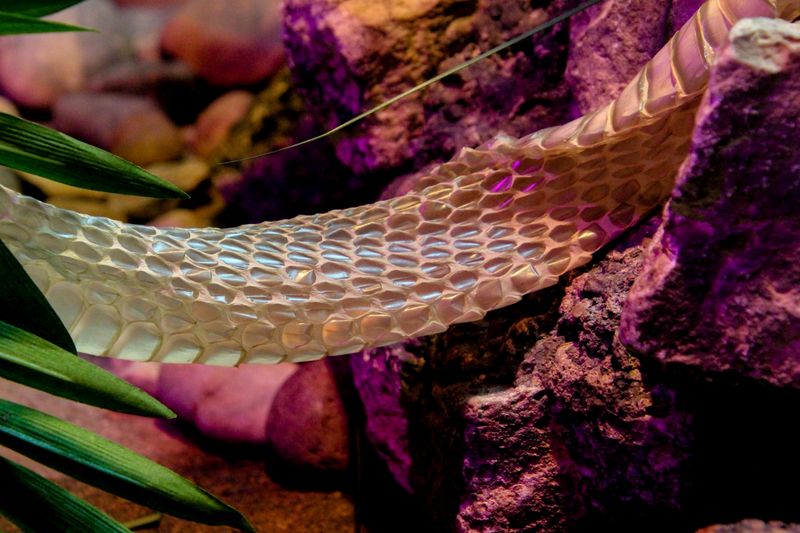
Imagine raking leaves and pulling out a crinkly, see-through tube that looks like thin plastic wrap. That curious find is a shed snake skin, and it tells a real story.
Adult timber rattlesnakes shed once or twice yearly, and youngsters shed more. They often rub against rough rocks, logs, or boards to peel the old layer away.
Southwest Virginia yards offer plenty of those rough surfaces, especially near firewood stacks and stone walls. Check along foundation edges, under porch steps, and beside old lumber piles too.
A rattlesnake skin has a few clues that set it apart from harmless species. Look for ridged scales down the back, though head sections often tear apart.
Sometimes the skin ends in a blunt tip where the rattle once connected. A black rat snake skin, by contrast, keeps its tail and tapers to a thin point.
One shed skin does not mean a snake lives under your deck. It does mean one passed through recently and liked what it found there.
Use gloves or a stick if you want to move the skin for a closer look. Snap a photo and send it to your local extension office for help.
Afterward, clean up clutter so the area feels less cozy to wandering reptiles. Fewer hiding spots mean fewer surprise visits during your next weekend yard project.
Keep firewood stacked on a raised rack at least a foot off the ground. Store it well away from doors where kids and pets like to play.
4. A Busy Rodent Crowd Around The House
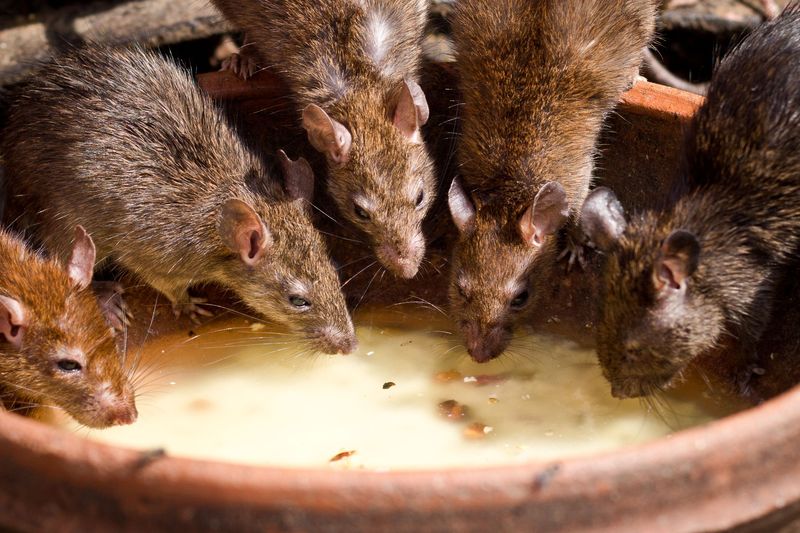
Mice in the shed, chipmunks under the porch, and squirrels raiding the bird feeder sound like a cartoon. For a rattlesnake, though, that scene signals a steady, reliable food source.
Timber rattlesnakes are ambush hunters that wait patiently along rodent travel routes. They use heat-sensing pits on their faces to find warm prey in the dark.
A yard packed with rodents can attract snakes. Chewed seed bags, tiny droppings, and burrow holes all hint at a growing snack supply.
Bird feeders are an easy-to-miss cause, since spilled seed regularly attracts mice and chipmunks. Try using trays that catch seed, or bring feeders inside during warmer months.
Pet food left on porches can create the same problem very quickly. Feed pets indoors, and store kibble in metal bins with tight lids.
Compost piles and overgrown garden corners also draw small critters looking for easy meals. Turning compost often and trimming weeds makes those spots less inviting.
Snakes do help control rodents, which is one reason they matter in mountain ecosystems. Still, keeping that balance away from your back door is a smart plan.
Seal gaps around foundations, sheds, and crawl spaces with hardware cloth or sturdy mesh. Fewer mice inside means fewer reasons for a rattlesnake to hang around.
Snap traps placed inside closed boxes can reduce rodents without harming curious pets. Cut the food supply, and snakes often move on to find food elsewhere.
5. Musky Odors As Possible Clues
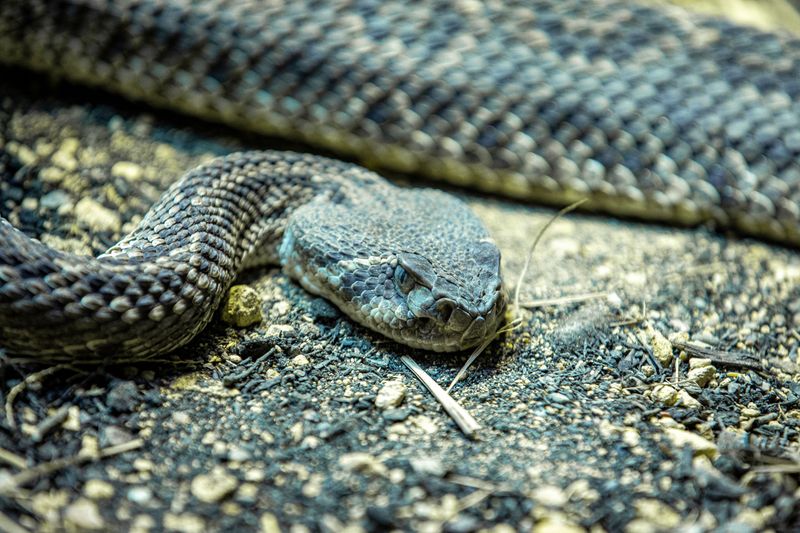
Your nose might pick up a clue before your eyes spot a snake. Some people describe a rattlesnake area as smelling like cucumbers, wet goats, or a dusty barn.
Snakes release a musky scent from glands near the tail when they feel threatened. The smell can linger in tight spaces like sheds, woodpiles, and crawl spaces.
Scientists debate the cucumber claim, and not everyone notices it the same way. Many longtime mountain residents still swear by that sharp, earthy odor as a clue.
Pay attention if a closed shed or basement corner suddenly smells unusual for no reason. A strong, sour musk mixed with mustiness could mean a reptile guest.
Other critters can cause strange smells too, including skunks, mice, and mold. That means scent alone is not a reliable sign of a snake.
Combine your nose with other signs, like shed skins or rodent activity nearby. When several clues pile up, you have a stronger reason to take action.
Open doors wide and let light pour in before stepping into a smelly storage area. Snakes prefer dark, cool hideouts and often slip away when disturbed gently.
A flashlight and thick gloves make checking those spaces much safer. Move boxes with a hook or rake instead of reaching blindly behind them.
If the smell stays strong, call a licensed wildlife removal expert in your county. Professionals can inspect tight spots and move snakes a short, safe distance without putting your family at risk.
Keeping storage areas tidy and well sealed helps prevent return visits. A clean shed smells better anyway, so everyone wins.
6. Coiled Shapes Resting In Sunny Spots
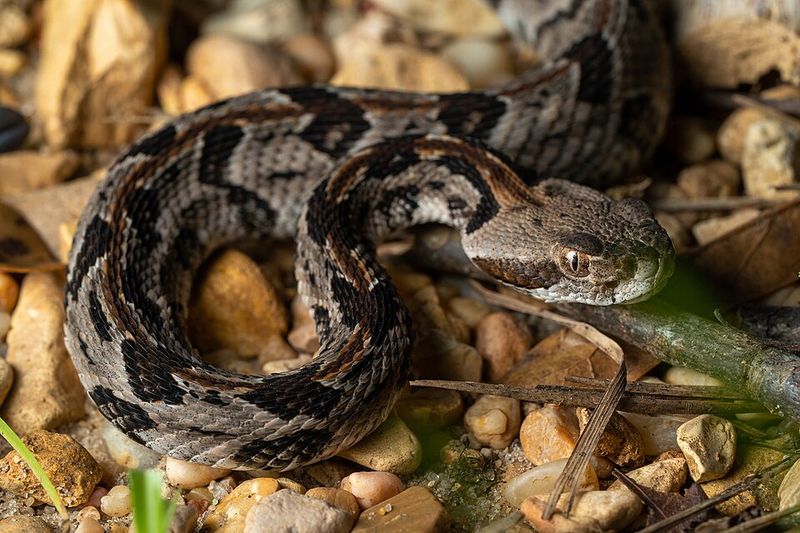
That brown lump on your sunny stone step might not be a pile of leaves. Timber rattlesnakes love soaking up warmth, especially on cool spring and fall mornings.
As cold-blooded animals, they rely on outside heat to power their bodies. Flat rocks, concrete patios, and warm gravel driveways work like natural heating pads.
Their coloring helps them stay well camouflaged in Southwest Virginia. Some have yellow bodies with dark bands, while others look almost black like charcoal.
Look for a thick body folded into a tight spiral, often with the head resting on top. Dark, V-shaped bands across the back are a classic timber rattler pattern.
Many people walk right past one without noticing, which shows how well that camouflage works. Scan sunny spots before you step, sit, or set down a garden bucket.
Morning and late afternoon are prime times for basking during warm months. In the heat of midday, snakes usually slide into shade under shrubs or rocks.
Should you spot a coiled snake, give it at least six feet of space. Timber rattlers are shy and tend to stay still unless someone crowds or grabs them.
Keep kids and dogs inside until the snake moves along on its own. Many will move on once they have warmed up, though timing varies.
Trimming low plants near patios reduces cozy spots between sun and shade. Open, tidy edges make basking snakes far easier to see before anyone gets close.
7. Nervous Pets Barking At The Same Spot

Dogs have a way of telling you something is wrong without saying a word. Picture your beagle barking nonstop at the same bush, tail stiff and nose twitching.
Pets often notice snakes long before humans do, thanks to sharp noses and quick eyes. Repeated barking, staring, or circling one spot can be a helpful alarm.
Cats may crouch low and stare at a woodpile for strangely long periods. Chickens sometimes squawk and scatter when a snake slips through the run.
Curiosity can put animals in danger, since many dogs try to sniff or paw at the snake. Most rattlesnake bites to pets land on the face, nose, or front legs.
Call your pet away calmly and keep it on a leash near brushy areas. Then check the spot from a safe distance with a flashlight or binoculars.
Watch for swelling, drooling, limping, or puncture marks if your pet was close to a snake. Rush to an emergency vet right away, because quick care makes a huge difference.
Some vets offer a rattlesnake vaccine, though evidence for timber rattler protection is limited. Ask whether it fits your pet, since it does not replace fast treatment.
Snake avoidance training is another option offered in parts of the Appalachian region. Trainers teach dogs to back away from the sight and smell of rattlers.
Your furry friend might just be the best early warning system you own. Listen closely when that bark sounds different from the usual squirrel chase.
8. Rocky Den Sites Close To Your Property
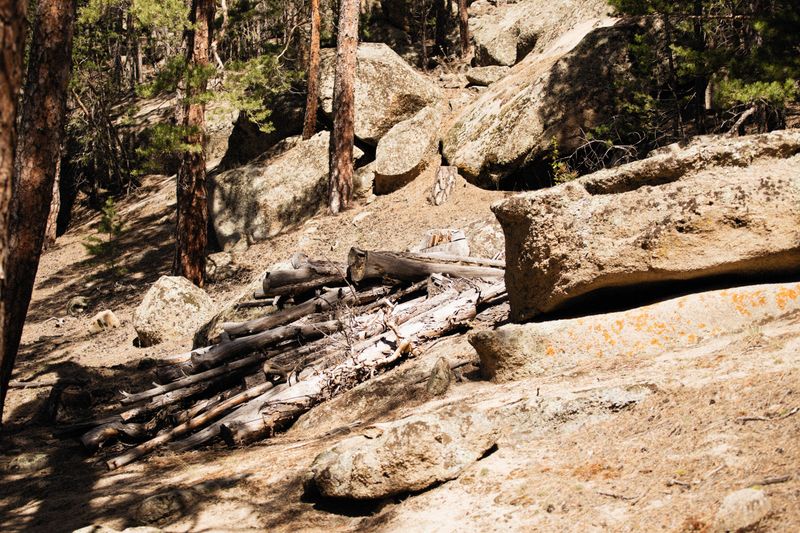
Location plays a big role in backyard snake encounters. Houses built near rocky, south-facing hillsides in Southwest Virginia sit close to prime rattlesnake real estate.
Timber rattlesnakes spend winter in shared dens called hibernacula, often deep in rock crevices. Some dens host dozens of snakes, and they return to the same spot year after year.
In spring, snakes leave the den and travel to summer hunting grounds nearby. Males may roam several miles, crossing yards, roads, and gardens along the way.
Look around your property for rock ledges, talus slopes, or crumbling stone walls. Open ridges near forest edges in parts of Southwest Virginia fit the pattern.
Pregnant females often bask near dens through the warm season before giving birth to live young. Baby rattlers arrive in late summer and early fall, already venomous.
Virginia lists the eastern Coastal Plain population, known as the canebrake rattlesnake, as state endangered. Check with state wildlife officials before disturbing any rattlesnake, since populations recover slowly.
Living near a den simply means staying extra alert during spring and fall travel seasons. Wear boots, carry a flashlight at dusk, and watch where you place your hands.
Consider installing snake fencing made of fine mesh buried a few inches deep. Angle the top outward to make climbing over much harder.
Respect goes a long way with these long-established mountain residents. Give them space, and your yard can stay a peaceful place for everyone.
Local wildlife groups sometimes offer free talks about living safely near rattlesnake habitat. Attending one can ease worries and teach your whole family useful safety habits.