How To Encourage More Figs On Virginia Trees Before The Season Ends
Why does your fig tree push out huge leaves yet hold so few figs? Virginia winters often nip fig branches back, and your tree rebuilds wood before fruiting.
That recovery uses energy you wanted in sugary, jammy figs. Nitrogen tips the balance, pushing leafy growth while young fruit sits green and firm.
Dry spells matter too, and your parched tree sheds unripe figs to save moisture. Luckily, you still hold real control over what happens next.
Pinching off fresh branch tips can steer more energy toward swelling fruit. Deep, steady watering keeps those figs clinging tight instead of slipping to the ground.
Mediterranean growers even dab olive oil on each fig’s eye, a trick you can borrow. Act before cool nights arrive, and your tree can still deliver a late, honeyed surge. Soon your Virginia neighbor might admire your figs.
1. Water Deeply And Steadily During Dry Spells
Think of your tree as a thirsty kid at summer camp, gulping from a water jug after lunch. Virginia summers bring heat waves and dry weeks that leave roots short on water.
When the soil turns dusty, young fruit often drops before it ripens. The tree is simply conserving its own resources instead of feeding those green bumps.
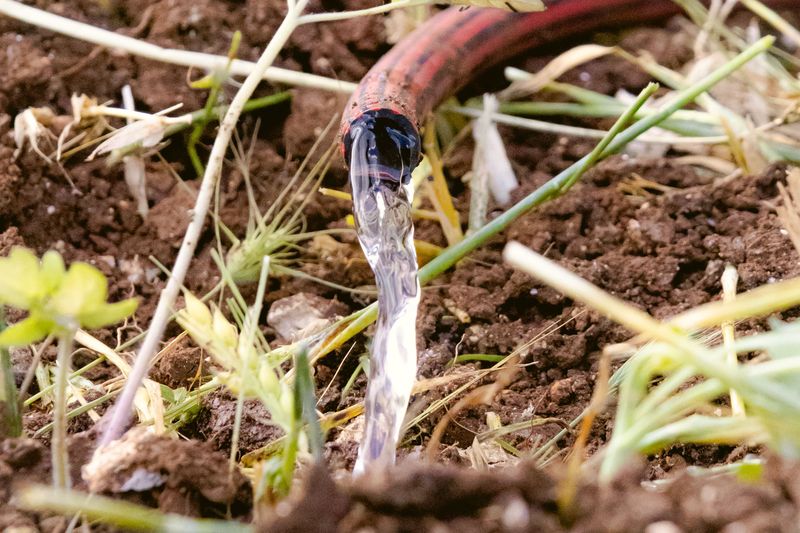
Aim for one deep soaking each week when rain skips your yard. Let a hose trickle slowly at the base until the soil is deeply moist.
Deep watering pushes moisture far down, where roots can reach it on hot afternoons. Quick sprinkles only wet the top inch and dry out by dinnertime.
Potted trees need extra attention because containers heat up fast in the sun. Check them daily in July and August, and water whenever the top two inches feel dry.
Steady moisture matters just as much as the amount you give. Swinging between very dry and soggy soil can cause ripening fruit to crack or split.
A simple finger test works well before each watering. Push your finger into the soil near the trunk, and water only if it feels dry at knuckle depth.
Early morning is the best time to water, since less moisture escapes into the hot air. Your tree will thank you with plumper, juicier fruit as the season winds down.
A soaker hose tucked under mulch makes the job even easier. Set a timer, walk away, and let the roots enjoy a slow, cool drink.
2. Feed With A Low-Nitrogen Fertilizer
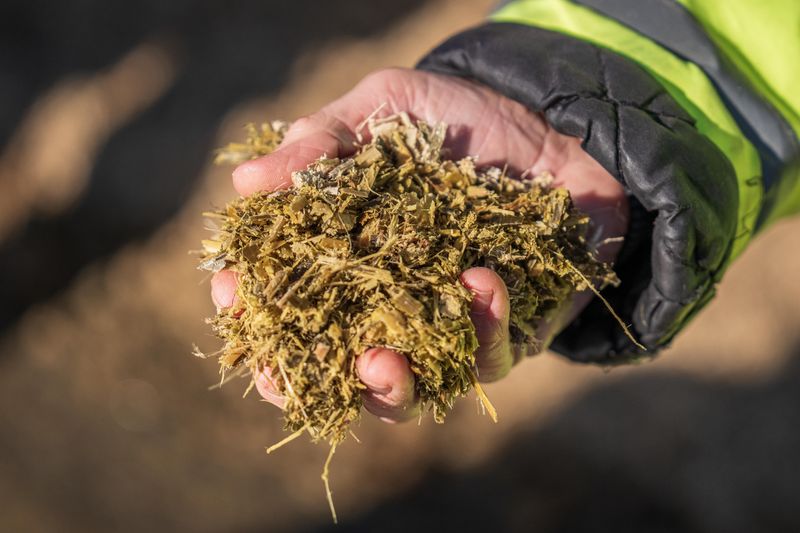
Plenty of eager gardeners make the same misstep each spring. They pour on lawn fertilizer, and the tree answers with giant leaves but hardly any fruit.
Nitrogen fuels leafy growth, which looks lovely but diverts energy from fruit production. Fig trees in Virginia soil usually need far less of it than people think.
Choose a balanced or low-nitrogen formula, such as 8-8-8 or 5-10-10, applied at a light rate. Phosphorus and potassium support flowers, fruit, and strong roots instead of floppy shoots.
Timing is the secret ingredient here. Feed lightly in early spring, again in late May, and stop by mid-July.
Your Virginia Garden Changes Every Week. Your Plan Should Too.
Gardening in Virginia changes quickly throughout the season. Every Friday you’ll receive a simple weekly plan showing exactly what to plant, prune, fertilize, harvest, and protect so you never miss the right timing.
Late feeding pushes tender new growth that frost can easily damage. Stopping in summer lets the tree focus on ripening the fruit it already carries.
A handful of compost around the drip line is a gentle alternative. Worm castings and aged manure also add nutrients without overloading the soil.
Spread any fertilizer in a wide ring, not right against the trunk. Feeding roots spread to the edge of the branches and often well past it.
Water well after feeding so the nutrients soak down to the roots. Dry granules sitting on hot soil can burn tender roots and lose effectiveness.
If you are unsure what your yard needs, try a soil test first. Virginia Cooperative Extension offices offer soil test kits that show which nutrients your soil lacks.
Healthy ground grows sweet fruit, and a little science makes guessing unnecessary. Your tree will reward that careful attention with branches full of treats.
3. Pinch The Tips Of New Shoots
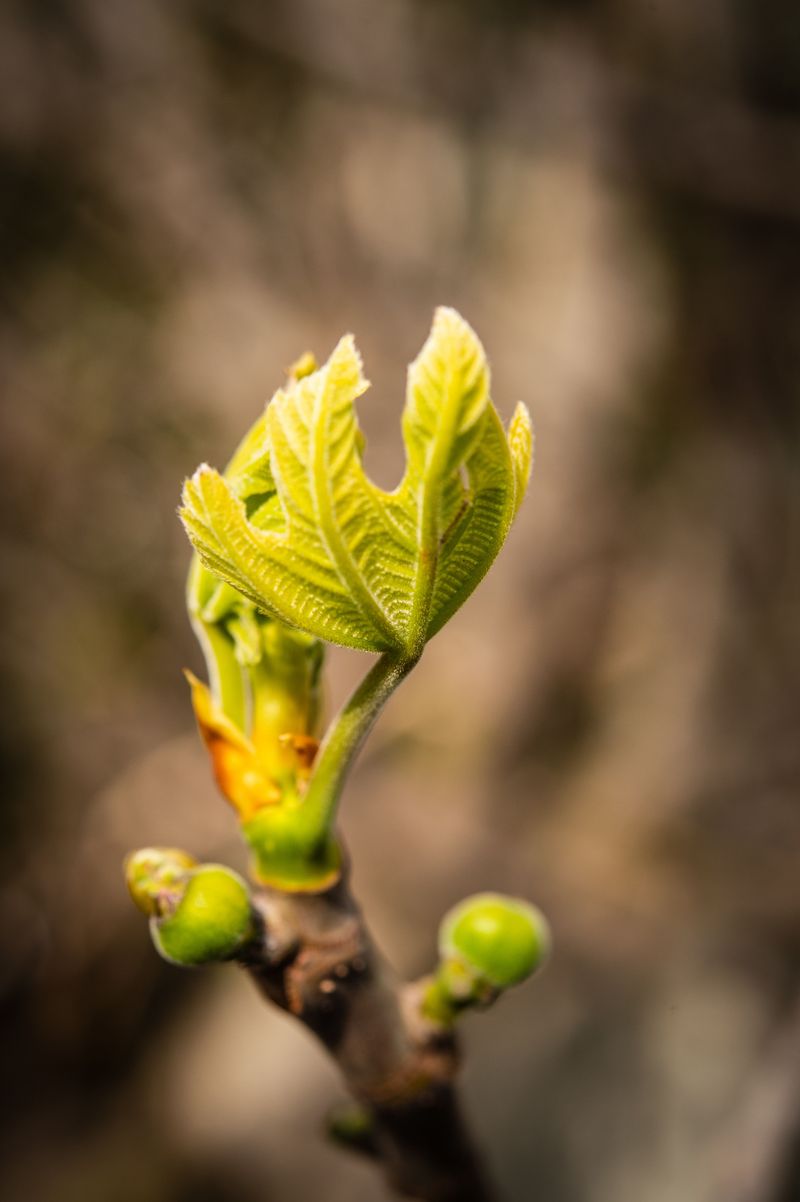
Experienced fig growers rely on a simple trick called pinching, and it remains useful today. By snipping the tips of new shoots, you nudge the tree toward fruit.
Figs form along fresh growth at the leaf joints. When a shoot keeps stretching, it spends energy on length instead of those tasty green buds.
Around early summer, look for branches that have grown five or six leaves. Use clean fingers or small pruners to pinch off the soft growing tip.
The tree then redirects its power into fruit already forming below the cut. Some growers report figs swelling faster within just a couple of weeks.
Pinching also keeps the tree compact, which helps in smaller Virginia yards. A shorter tree makes picking easier and protecting from frost much simpler.
Avoid pinching all the shoots at once, since the tree still needs leaves for food. Work on a few branches each week and watch how they respond.
Leaves act like solar panels, turning sunlight into sugar for sweet fruit. Removing too many can leave the harvest small and bland.
Late July is a smart cutoff point for much of the state. Tips pinched after that may not have time to ripen new fruit before cold arrives.
Wear gloves, because the milky sap can irritate skin, especially in bright sunlight. Wash your hands afterward, and wipe your tools to keep them clean.
It feels like giving the tree a tiny haircut with big results. Once you see those plump figs, you might start pinching with real pride.
4. Spread A Thick Layer Of Mulch
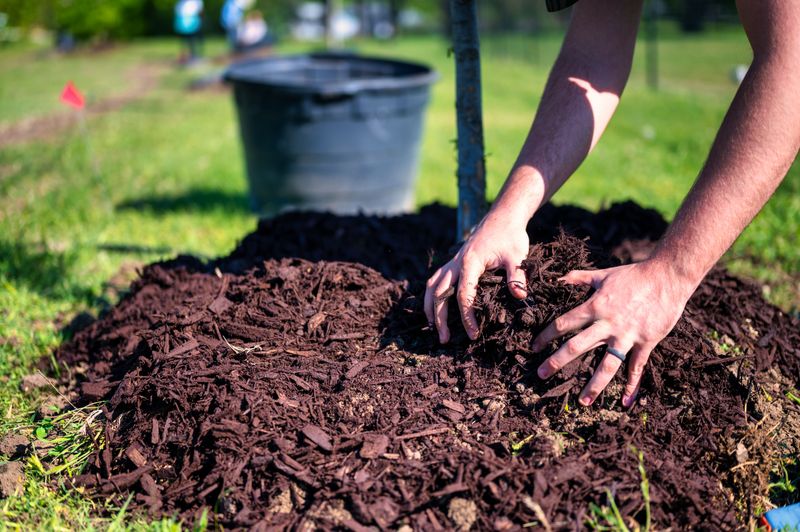
Imagine walking barefoot on a hot sidewalk versus a shady patch of grass. Tree roots feel that same difference when the ground is bare versus covered.
A thick blanket of mulch keeps soil cool, moist, and comfortable all summer. Fig roots grow close to the surface, so they love this cozy protection.
Spread about three to four inches of shredded bark, straw, or wood chips. Cover a wide circle that reaches toward the outer edge of the branches.
Keep the mulch a few inches away from the trunk itself. Piling it against the bark can encourage decay, insects, and curious rodents.
Mulch slows evaporation, so your watering efforts last much longer. During a steamy Richmond heat wave, that extra moisture can make a real difference.
Weeds also struggle to push through a deep layer. Fewer weeds mean less competition for the water and food your hungry tree needs.
As mulch breaks down, it slowly feeds the soil like a time-release snack. Earthworms move in, loosening the ground and adding natural nutrients.
Grass clippings work well too if they come from untreated lawns. Let them dry first so they do not clump into a slimy mat.
Refresh the layer in midsummer if it looks thin or washed away. A quick top-up takes minutes and keeps roots happy through the final ripening stretch.
In fall, that same mulch can help protect roots from early cold snaps. A simple layer ends up working hard in each season.
5. Give The Tree Full Sun Exposure
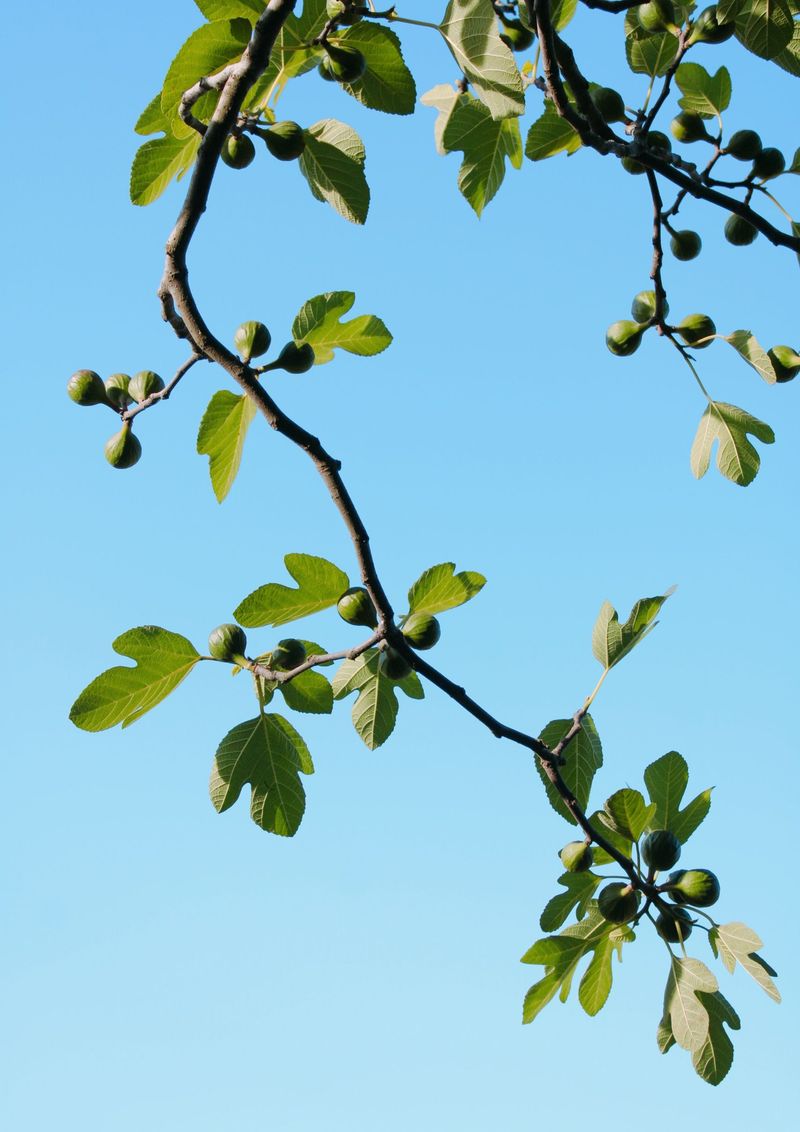
Sunshine is the fuel that turns hard green nubs into soft, sugary treats. Without enough light, fruit ripens slowly or stays firm and green on the branch.
Fig trees thrive with six to eight hours of direct sun daily. In Virginia, a south-facing spot near a brick wall or fence is especially valuable.
Walls soak up heat during the day and release it after sunset. That bonus warmth helps fruit ripen faster, especially as autumn nights turn chilly.
Take a look at what is shading your tree lately. Overgrown shrubs, a neighbor’s maple, or a new shed might be blocking valuable light.
Trim nearby plants that block the morning or afternoon sun. Even thinning a few branches can make a noticeable difference in a few weeks.
Inside the tree, crowded limbs create dark pockets where fruit struggles. Remove a couple of inward-growing branches so light reaches the center.
Potted trees have a big advantage because you can move them around. Roll the container to the sunniest part of your patio as the season shifts.
Late summer sun sits lower in the sky, so shadows grow longer. A spot that worked in June might be shady by September.
Watch your yard at different times of day to track the light. Snap a few photos on your phone to compare morning, noon, and evening.
Bright light also dries leaves quickly after rain, which helps prevent fungus problems. Sunny trees stay healthier and pack their branches with sweeter fruit.
6. Protect Ripening Fruit From Birds And Critters
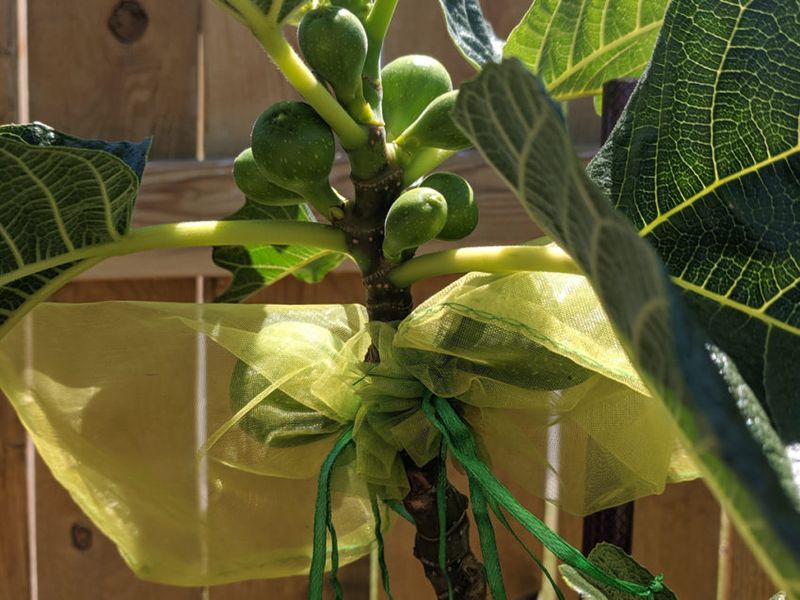
Few garden moments frustrate like finding a perfect fig pecked open by a mockingbird. Virginia wildlife quickly notices when your fruit turns ripe, sometimes before you do.
Birds, squirrels, raccoons, and even wasps love these sweet snacks. Losing the ripest fruit means fewer figs make it to your kitchen table.
Lightweight bird netting draped over the tree is one of the easiest fixes. Secure the bottom edges firmly so hungry animals cannot slip in underneath.
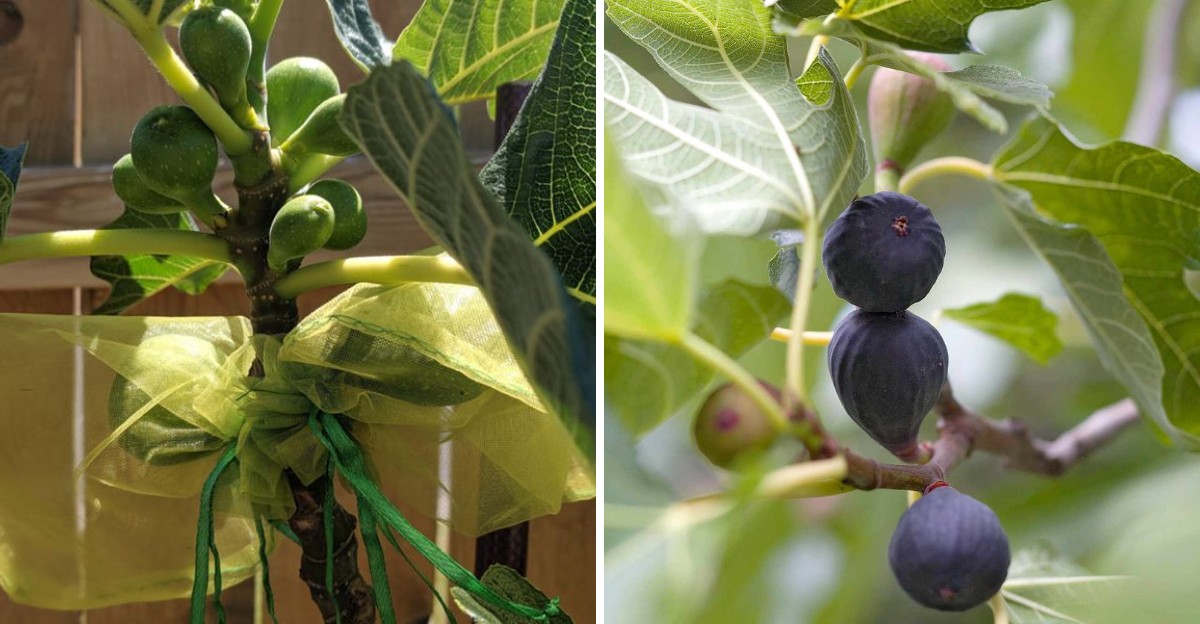
For smaller harvests, try organza bags tied around individual fruits. They let sunlight and air in while keeping beaks and claws out.
Shiny objects can also help scare birds away for a while. Hang old CDs or reflective tape from branches so they flash in the breeze.
Birds grow used to decorations, so move them to new spots regularly. Changing things up keeps the hungry birds guessing.
Squirrels are clever and far more persistent than many birds. A metal trunk baffle stops climbers if no fences or roofs sit within jumping distance.
Pick up fallen fruit quickly, since overripe figs attract wasps and raccoons. Clean ground keeps these hungry visitors from lingering near your tree.
Protecting your crop also lets fruit hang longer and ripen fully. That extra time on the tree develops deeper flavor and richer sweetness.
Some gardeners plant a sacrifice bush of berries far from the fig tree. Hungry birds may visit the easier snack and leave your prized fruit alone.
A little effort now helps protect your harvest later. Your figs deserve to end up in your pie, not with local wildlife.
7. Harvest Ripe Figs Every Day Or Two
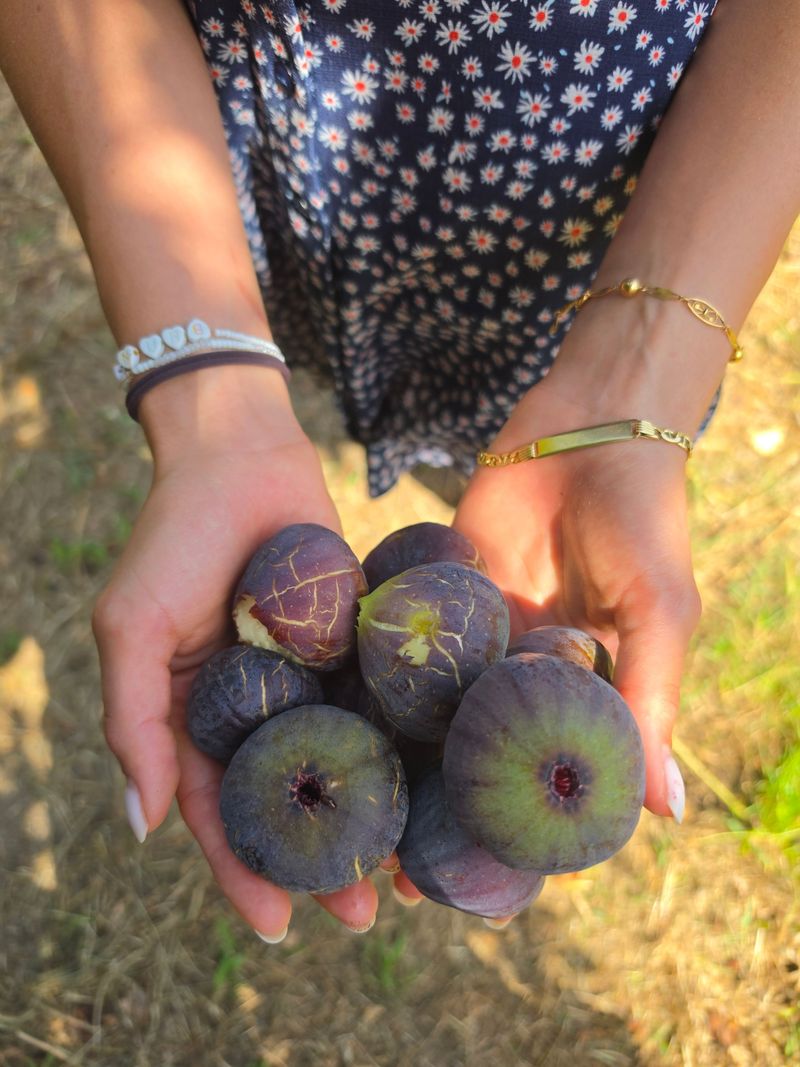
Late summer turns your fig tree into a busy daily picking job. Picking promptly gives you the best flavor and keeps pests away from your tree.
Overripe fruit left hanging quickly attracts wasps, birds, and fruit flies. Removing ready figs keeps the branches clean while the next ones in line ripen.
Ripe figs droop slightly on their stems and feel soft when gently squeezed. Many varieties, like Celeste and Brown Turkey, also show a tiny crack in the skin.
A drop of sweet nectar at the bottom eye is another clue. If the fruit still points upward and feels firm, give it a few more days.
Figs do not keep ripening after picking, unlike bananas or peaches. Harvest too early, and you end up with firm, bland fruit.
Check your tree every day or two during peak season in August and September. Ripe fruit can turn overripe within a day or two in Virginia humidity.
Early morning picking works best while the fruit is cool and firm. Gently twist each fig or snip the stem with clean scissors.
Place them in a shallow container so they do not squish each other. Fresh figs bruise easily, a bit like ripe tomatoes.
Store your harvest in the fridge and enjoy it within two or three days. Extra fruit freezes well for smoothies, jams, or winter baking projects.
Frequent picking also keeps your harvest at peak sweetness. Your daily stroll to the tree becomes a sweet little ritual worth looking forward to.
8. Shield Late Fruit From Early Frost
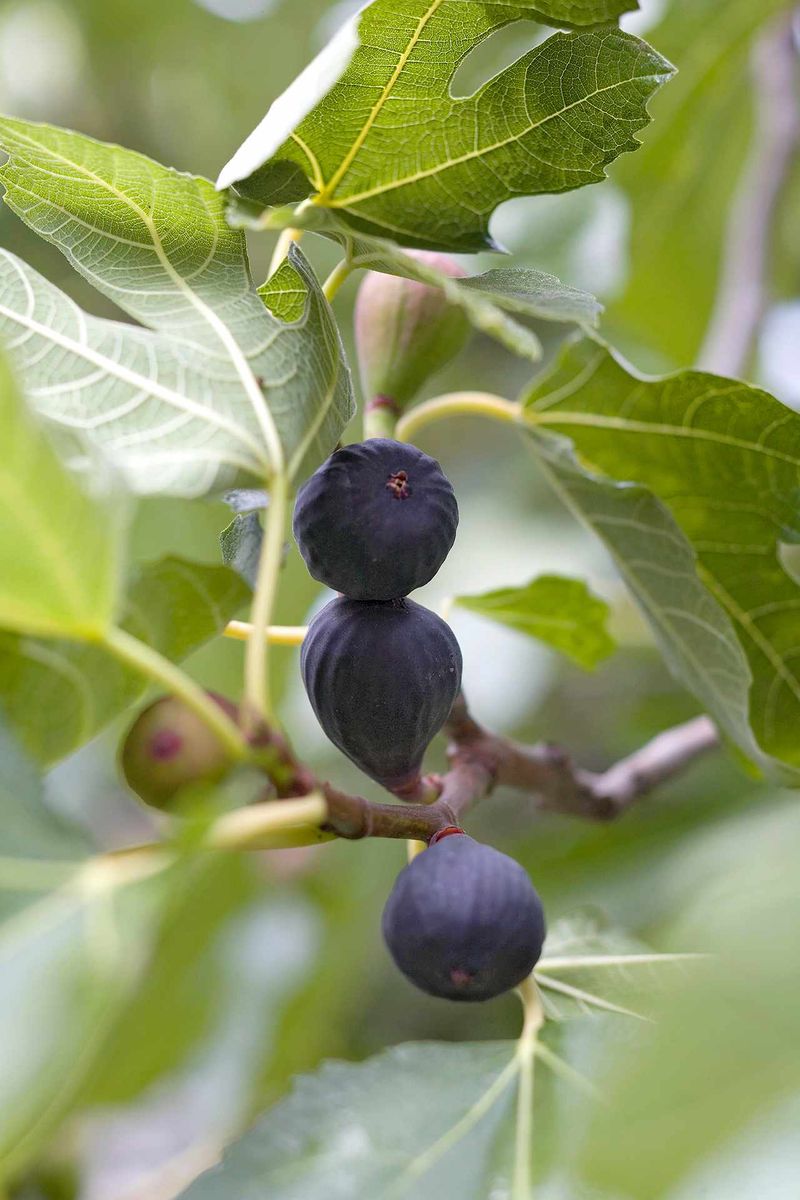
An October cold snap can arrive across parts of Virginia sooner than many gardeners expect. Those last green figs still on the branch need a little help to finish.
Western and mountain regions usually see frost earlier than coastal areas. Check your local forecast often once nights dip into the forties.
Frost cloth, old bedsheets, or burlap can cover the tree on chilly evenings. Drape the fabric to the ground so warm air from the soil stays trapped.
Avoid plastic touching the leaves, since it can transfer cold straight through. Remove covers in the morning so the tree can soak up sunshine.
Stringing old-fashioned incandescent holiday lights under the cover adds gentle warmth. Modern LED bulbs stay too cool to help much.
Mediterranean growers have used a trick called oiling since ancient times to speed ripening. Dab a drop of olive oil on the eye of a nearly ripe fig.
The oil nudges the fruit to soften and sweeten within about a week. Try it only on figs that have reached full size and started changing color.
Tiny figs that appear in late September will not have time to mature. Pinching them off lets the tree pour energy into larger fruit instead.
Potted trees can simply roll into a garage on frosty nights. Bring them back outside on warm days so ripening continues.
In mild falls, a few evenings of care can extend your harvest. Those final figs often taste the sweetest of the whole season.