Why California Gardeners See More Mushrooms After Early Fall Rain
Pop-up shops open overnight, draw a crowd, and vanish almost as fast as they appeared.
Your yard is about to host a few of its own.
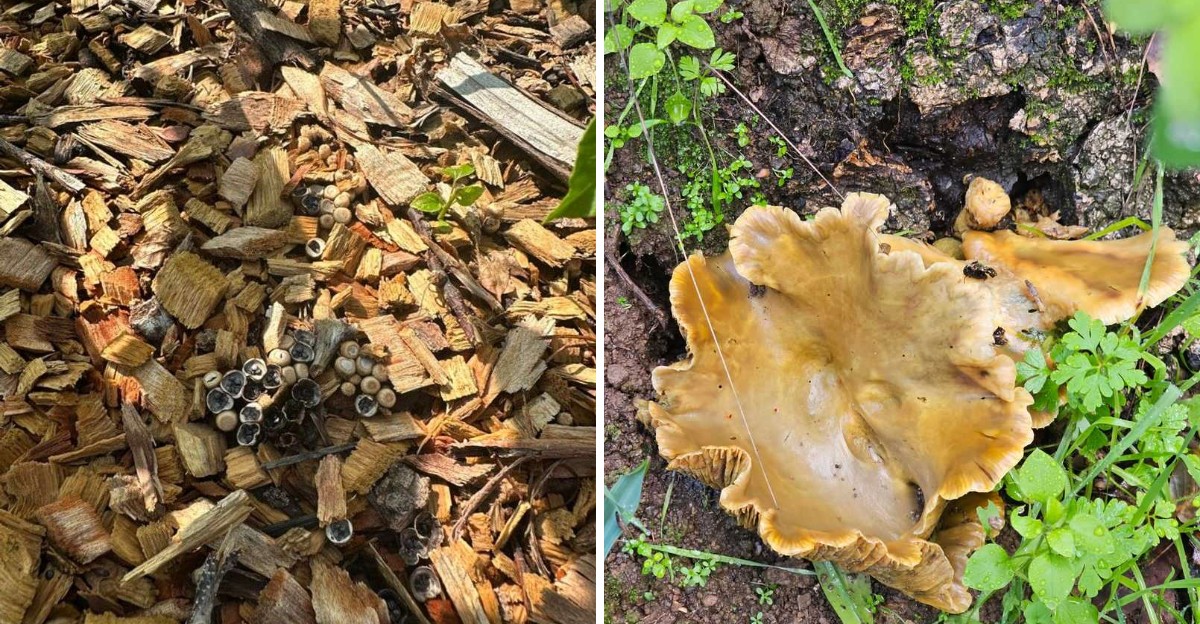
One soaking October storm rolls through after dark. By sunrise, tiny caps dot the lawn. Brown buttons crowd the mulch. Pale little umbrellas line the fence.
Yesterday, nothing. Today, dozens.
So where did they all come from so fast?
The surprising answer is that their source was there all along. Something has been busy under your feet the entire summer, quietly at work while the ground stayed dry.
That first real rain simply gave it the green light.
For most gardens, this sudden crop is harmless and even a good sign. Plants usually stay safe, and the soil is likely doing important work.
One concern, though, deserves real attention, especially in homes with curious four-legged family members.
Ready to learn what wakes these fungi up and how to enjoy them safely? Grab your boots and a pair of gloves. The pop-up is officially open.
Dormant Fungi Wake Up With Moisture
A bear naps in its cave all winter, alive but out of sight. Fungi in a California yard do something similar all summer.
They stay present in the soil, but dry ground keeps them quiet.
Fungi live underground as thin threads called hyphae. A big mass of those threads is called mycelium.
This network stays in the soil year-round. Through hot, dry months, it slows way down and waits.
Mushrooms are mostly water, so dry soil gives the fungus nothing to build with.
Then the first soaking fall rain arrives. Water seeps into the soil, and the mycelium responds almost like a flipped switch.
Cooler air matters too. Many garden fungi prefer mild temperatures, so wet ground plus chilly nights sends a clear signal.
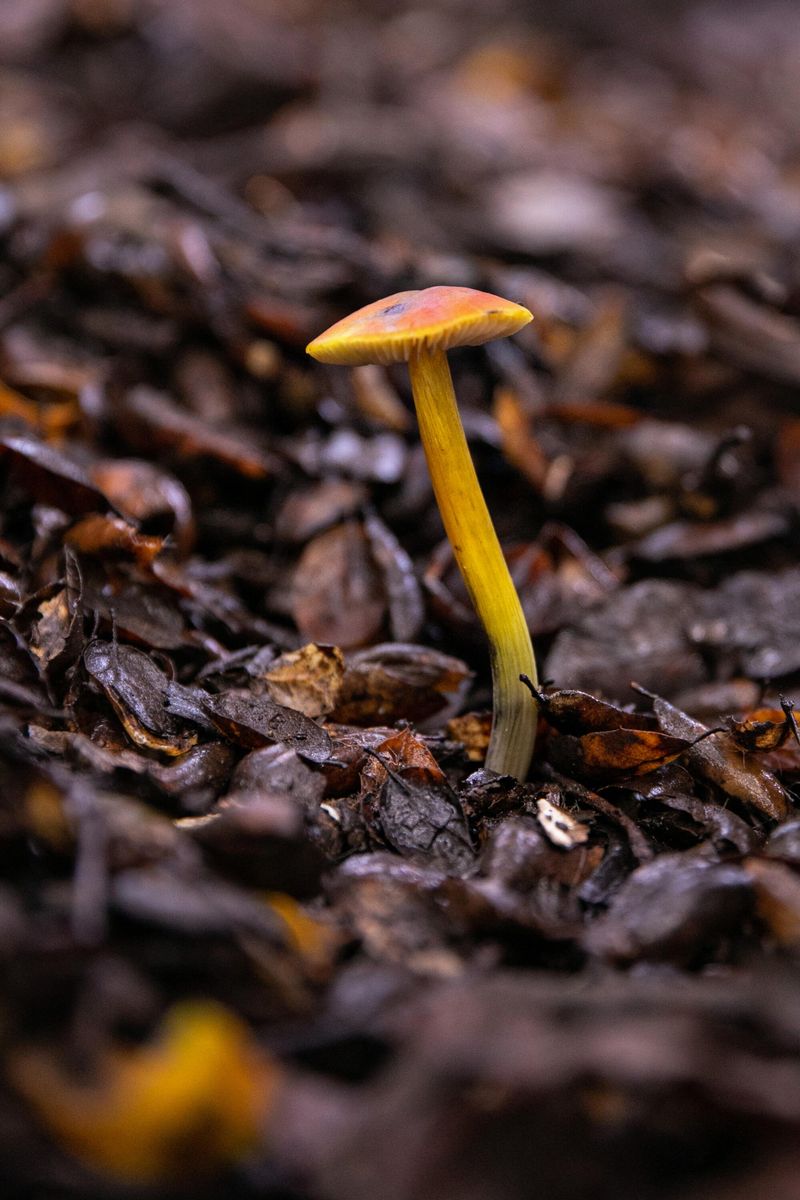
Within a few days, sometimes overnight, mushrooms push up through grass and mulch.
California’s long dry season explains why the show feels so sudden. Months of buildup pass with no visible sign.
Places with summer rain get mushrooms off and on all year. Here, the first storm acts as the starting gun.
Now for a quick tip, and it turns you into a mushroom forecaster. Check the yard two to four days after a good rain, when the biggest flush often appears.
Heavy fall sprinklers can trigger the same effect, so a surprise crop may follow.
Your yard basically throws a surprise party every autumn. The fungi handle the guest list, and you get front-row seats.
Mushrooms Are Just The Visible Tip
Pick apples from a tree, and the tree stays standing. Mushrooms work the same way.
They are the fruit of the fungus, not the whole living thing.
Scientists call a mushroom a fruit body. Its main job is to release spores, tiny specks that drift on the wind and start new fungal colonies.
Flip over a gilled mushroom, and thin ridges appear underneath. Those gills can release a staggering number of spores.
The real action happens underground. Mycelium can spread through a large patch of soil, weaving between grass roots, mulch chips, and buried bits of wood.
Your California Garden Changes Every Week. Your Plan Should Too.
Gardening in California changes quickly throughout the season. Every Friday you’ll receive a simple weekly plan showing exactly what to plant, prune, fertilize, harvest, and protect so you never miss the right timing.
That hidden network often turns out much bigger than the mushrooms suggest. A handful of caps might connect to threads that stretch across the whole lawn.
Mushrooms that pop up in a circle have a charming nickname: fairy rings. The mycelium grows outward from a center point.
Mushrooms appear along the outer edge, where the fungus stays most active. Sometimes a ring of darker green grass shows up before any mushrooms do.
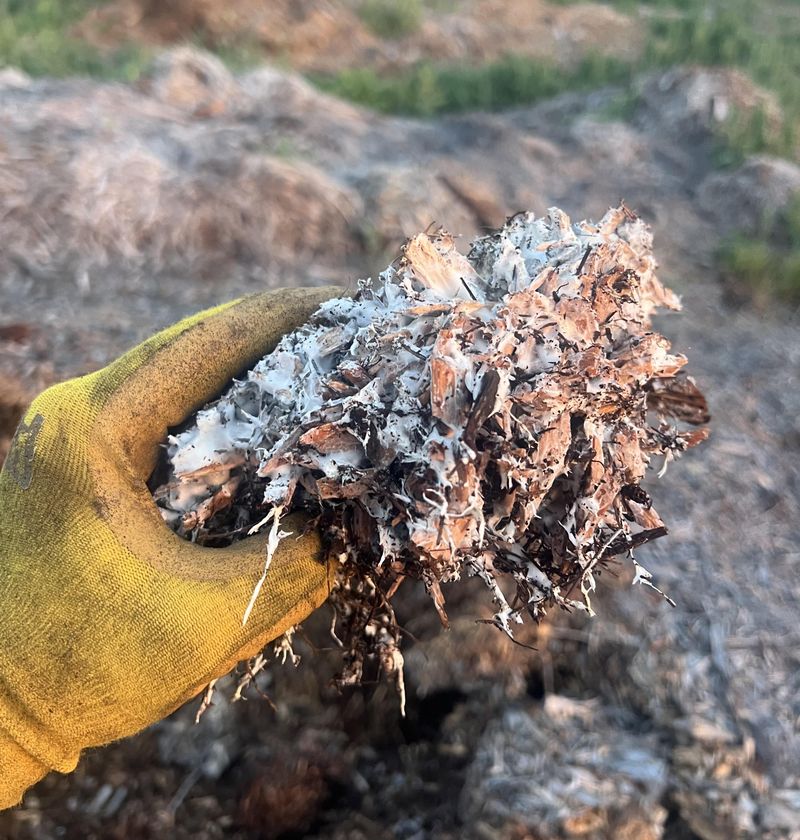
Now for a fun backyard peek, and gloves make it even better. Gently scrape back some damp mulch near a cluster of mushrooms.
Fuzzy white strands may cling to the wood chips. That fuzz is the mycelium, the true body of the fungus, hard at work beneath your feet.
The mushrooms may steal the spotlight, but the real star works backstage. Talk about a humble performer.
Decomposing Wood And Mulch Feed Them
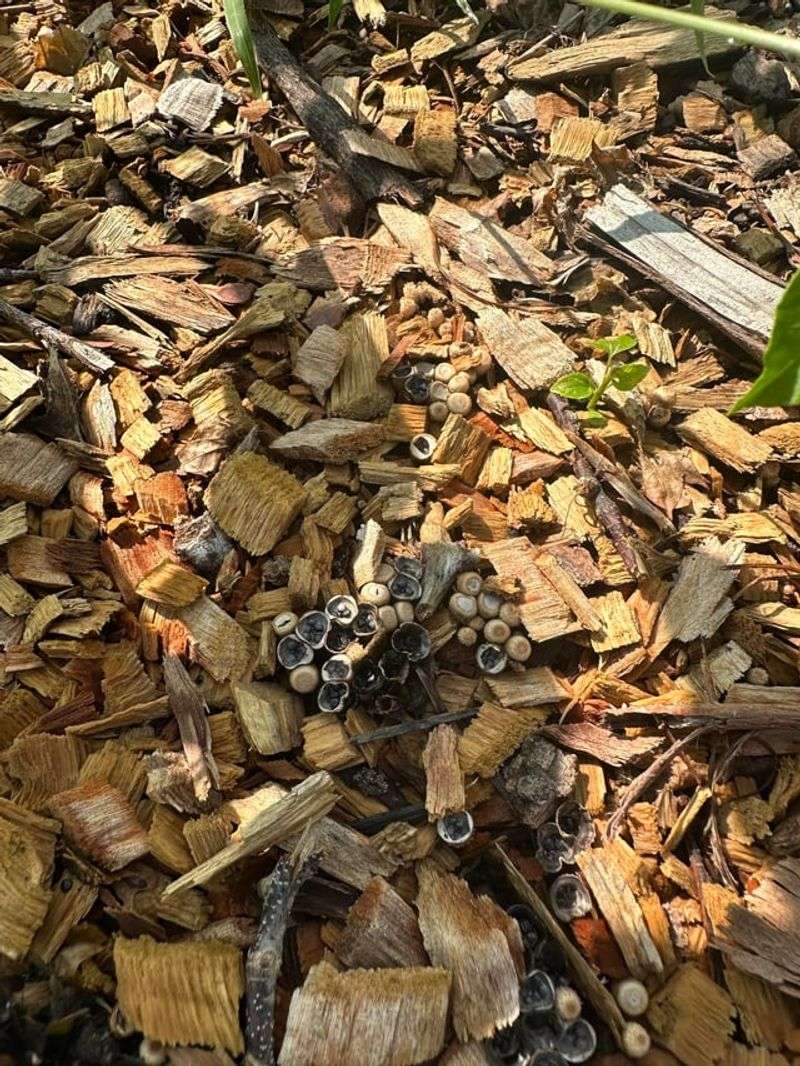
An old stump, or roots still buried under the lawn, can become a fungal buffet. Many backyard mushrooms show up exactly where old wood breaks down.
That tree removed a few years ago may still feed a crowd.
Most lawn and garden fungi are decomposers. They feed on old organic matter, not living plants.
These fungi break down buried wood, spent roots, thatch, leaf litter, and mulch. Special chemicals they release turn tough plant material into simple nutrients they can absorb.
Wood chip mulch is especially popular with fungi. California gardeners use lots of it to save water, which is smart.
Every layer of chips, however, is also dinner for the mycelium. After fall rain, mulched beds often sprout more mushrooms than bare soil.
Construction debris buried long ago can do the same.
Now take a walk and play map reader, because the mushrooms leave clues. A line of them might trace an old root.
A round patch might sit right above a buried stump. Their pattern works like a map of old wood underground.
There is no need to rip out your mulch. It still keeps soil cool and moist, and fungi help it turn into rich soil.
An occasional rake to let mulch dry a bit can slow the mushrooms down. Keep expectations realistic, though, since the food source stays put.
Your mulch bed is basically a five-star restaurant for fungi. The reviews are glowing, and the chef rarely takes a day off.
Most Species Pose No Plant Risk
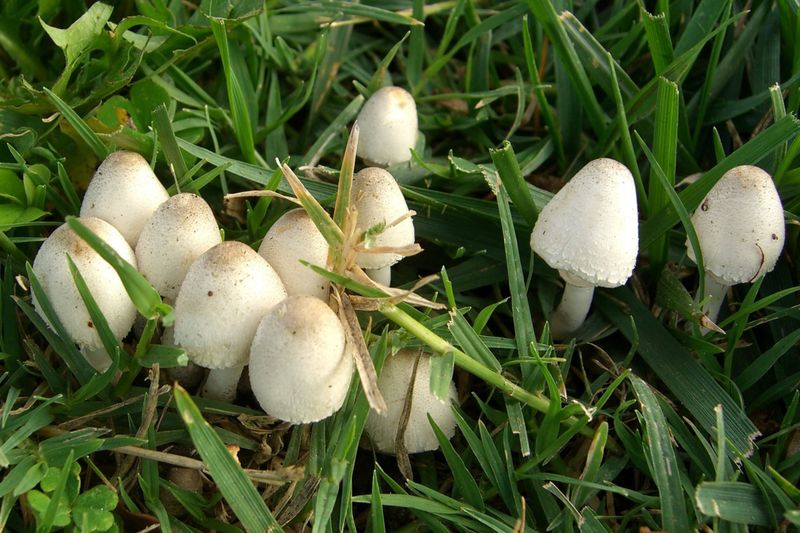
Your roses are almost certainly fine. Plenty of gardeners panic when mushrooms appear, fearing an attack on the lawn or shrubs.
In most cases, that worry is simply not needed.
Most lawn mushrooms come from decomposer fungi. They eat old material, not living plants.
Common lawn mushrooms are generally harmless to turf and landscape plants. They act as recyclers, turning old organic matter into nutrients your plants can use later.
Some fungi even team up with plants. Mycorrhizal fungi wrap around tree roots and help them pull in water and minerals.
In return, the tree shares sugars. Oaks and pines are famous for these partnerships, so mushrooms near them often signal a friendly deal.
A few exceptions deserve a mention. Fairy ring fungi can sometimes make soil repel water, which leaves brown patches in the grass.
Certain wood-rotting fungi can also harm living trees through the roots.
Now keep an eye on your trees, because this is where a closer look pays off. Mushrooms at the base of a tree that looks weak, has thinning leaves, or shows cracks deserve attention.
A certified arborist can take a look and sort things out.
For everyday mushrooms in grass and mulch, though, no treatment is needed. Fungicides usually will not fix them and can harm helpful soil life.
Healthy plants plus mushrooms usually add up to a normal fall garden. The fungi are coworkers, not intruders, and they even work the night shift without pay.
Some Varieties Are Genuinely Toxic To Pets
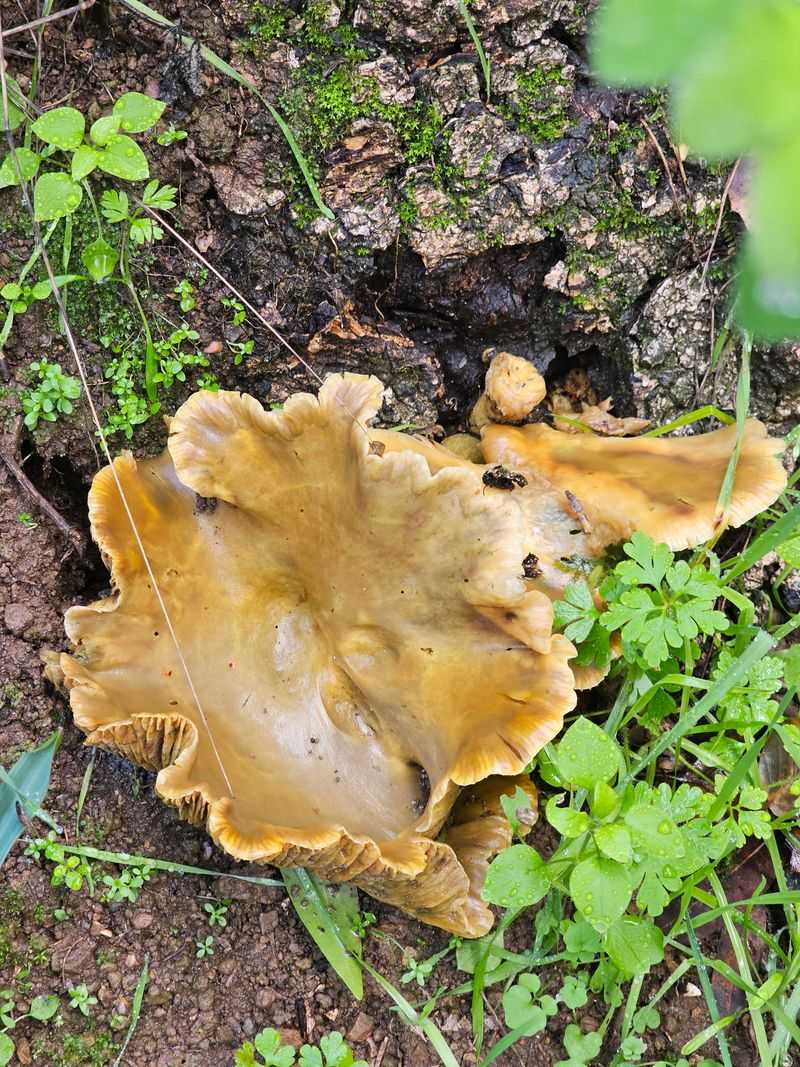
Dogs explore nose-first. A fresh mushroom in the grass smells fascinating, and some pups gobble one before you can blink.
That quick snack can turn into a real emergency.
Some mushroom species are toxic to pets, and a few can be very dangerous. Certain wild mushrooms in California can cause serious illness in dogs and cats.
Signs can include an upset stomach, drool, diarrhea, stumbles, tremors, or unusual tiredness.
Some toxins act fast. Others take many hours to show signs, which makes a wait-and-see approach risky.
Now for the tricky part, and it surprises plenty of pet owners. Safe and toxic mushrooms can look almost identical.
Even experts often need close study or lab tests to tell them apart. Apps and photo guides are not reliable enough to judge safety for your pet.
The safest approach is to treat every wild mushroom as a possible danger around pets. Walk the yard after rain, especially in the morning.
Remove any mushrooms in pet areas. Supervise puppies and curious dogs closely through mushroom season.
A suspected nibble calls for quick action. Call your veterinarian or an animal poison control line right away, without a wait for symptoms.
A sample of the mushroom, wrapped in a paper bag or paper towel, can help experts identify what your pet swallowed.
Your pup may not love the new yard rules. A belly rub and a safe chew toy usually smooth things over fast.
Removing Them Won’t Stop The Network Below
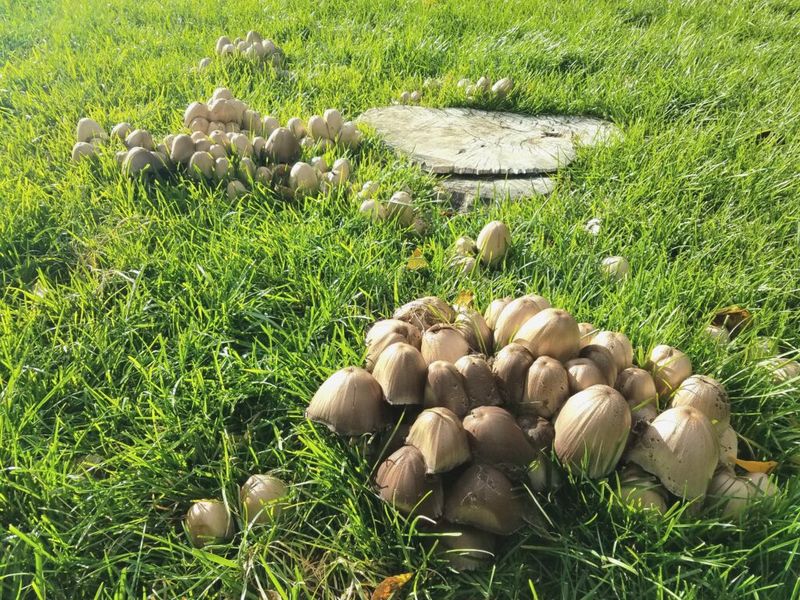
Saturday morning goes to a full mushroom cleanup. By Tuesday, a fresh batch pops up like nothing happened.
It feels frustrating, but it makes perfect sense.
A mushroom pulled from the lawn is a bit like an apple plucked from a tree. The fruit goes, but the living fungus underground stays put and continues to grow.
Moist soil and buried wood or mulch keep the mycelium well fed. It can send up new mushrooms again and again.
Lawn mushrooms usually fade once the soil dries out, not because someone pulled them.
That does not make the cleanup pointless. Removal still matters where pets or small children play.
Mushrooms pulled before their caps open also release fewer spores. Wear gloves, pull or knock them down, and toss them in a sealed bag in the trash.
Skip the compost pile when pets can reach it.
Now for the long game, because the real fix starts at the source. Cut back on extra water in fall. Improve drainage in soggy spots.
Rake up thick thatch in the lawn. Some gardeners have old stumps ground out, which removes a major food source.
Still, expect a comeback each year after the first rains. Mushroom season in California often runs from fall into spring.
The regrowth is a normal pattern, not a failure on your part. You manage the symptom, and that is perfectly okay.
The fungus clearly loves an encore. Luckily, it performs for free.
Enjoy Them As A Sign Of Healthy Soil
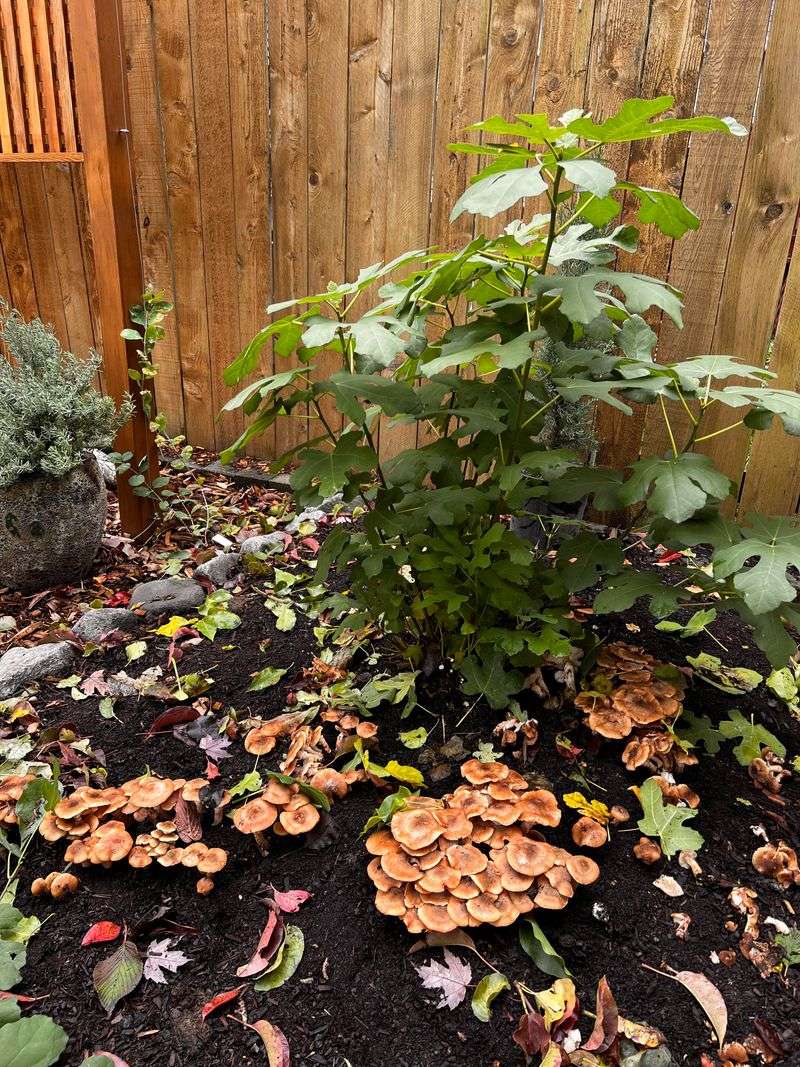
Old gardeners have a saying: good soil is alive. Those mushrooms that spring up after rain prove that yours is buzzing with hidden life.
Talk about a fun-gi discovery.
Fungi rank among nature’s best recyclers. They break down wood, leaves, and roots that would otherwise pile up.
As they work, they release nutrients back into the soil for your plants. Their threads also help bind soil bits together, which improves how it holds water and air.
Decomposer fungi are a normal, helpful part of garden soil.
Every cap does not need a fight. Mushrooms can feel like a seasonal bonus instead.
Now for a fun family project, because kids tend to love this part. Sketch the different shapes and colors, or snap photos each week.
A mushroom season journal costs next to nothing and creates great memories.
One golden rule stays in place, though: look, but do not taste. Wild mushrooms from the yard stay off the menu unless an expert confirms them in person.
Keep up the pet patrol too. Remove mushrooms wherever dogs or cats roam, and call your vet fast after any suspected nibble.
Balance makes the whole plan work. Plants are almost always safe. Soil is likely thriving.
Pets simply need a little extra protection through wet months.
With that plan in place, the first fall rain becomes something to look forward to. Mushrooms and all, your yard just proved it has a lively underground social scene.