What Florida Lawns Need In Early October After A Brutal, Soggy Summer
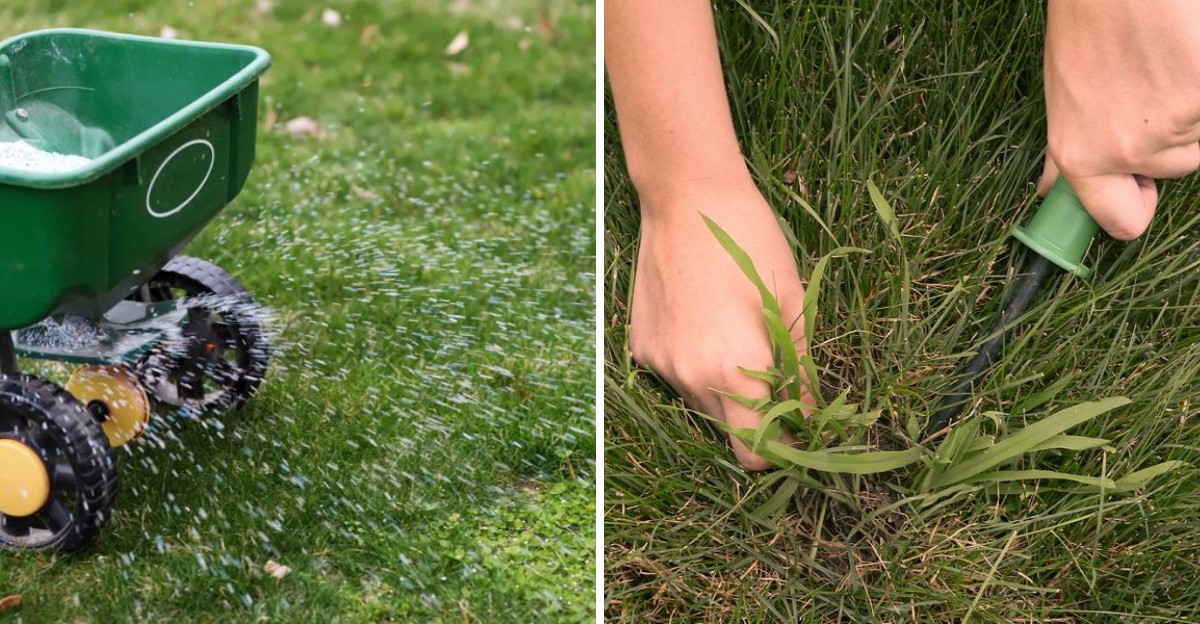
There is a particular kind of October morning in Florida that feels genuinely different from everything that came before it.
The air is a little lighter, the relentless summer heat has finally loosened its grip, and you step outside to find your lawn looking like it just finished running a marathon and would really like to sit down.
Honestly, fair enough. After months of pounding storms, steamy heat, waterlogged soil, and weeds that absolutely thrived while everything else struggled, your yard has been through a lot.
But here is the thing about October, it is not just the end of summer. It is quietly the most important month for deciding what your lawn looks like next spring.
A few smart moves made right now can be the difference between lush and green in April and patchy and disappointing. Let’s get into it.
1. Check Florida Soil For Leftover Soggy Spots
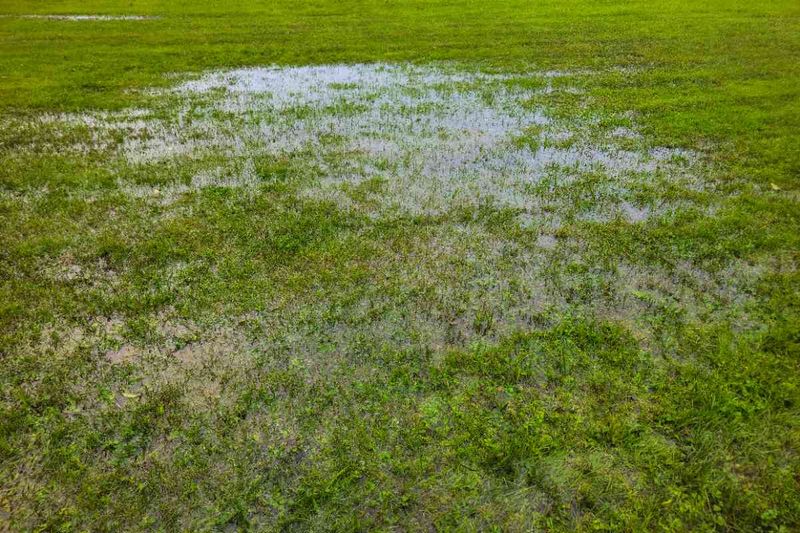
Picture a sponge that never gets a chance to dry out. After months of heavy rain, parts of many yards feel just like that underfoot.
Walk your lawn slowly and press your shoe into low areas. If water squishes up or the ground feels mushy, roots there are likely short of air.
Grass roots need oxygen as much as they need water. When soil stays wet too long, roots stay shallow and weak, and fungus moves in fast.
Start by clearing gutters and downspouts so roof water flows away from the grass. A simple splash block or extension pipe can move water several feet from trouble spots.
Next, look for spots where water pools after a storm. Mark them with small flags so you remember where to focus later this fall.
For mild problems, adding a thin layer of sandy topsoil can help water drain. Spread no more than a quarter inch at a time so you do not smother the blades.
Bigger drainage issues may need a French drain or a dry creek bed. These projects sound fancy, but they are often simple trenches filled with gravel.
Fixing soggy zones now gives roots a cooler, drier season to grow deeper. That stronger base helps your grass handle next summer’s downpours much better.
2. Spot Brown Patch Before It Spreads Across Your Yard
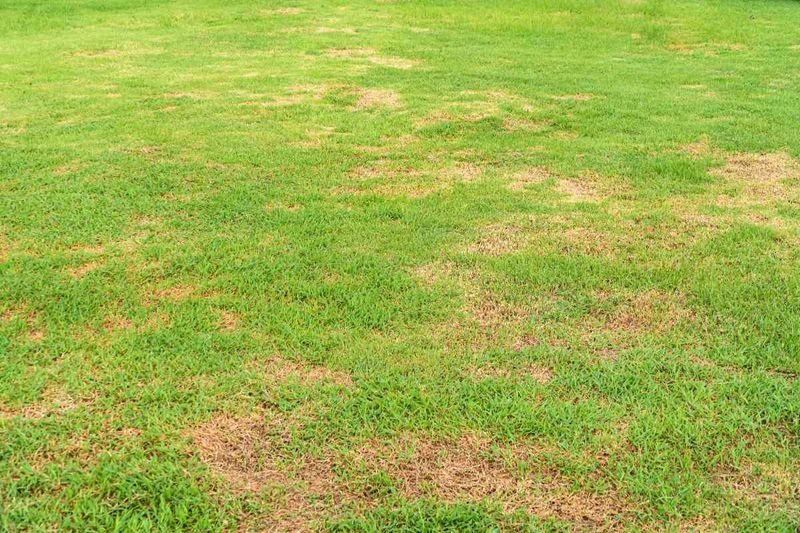
Funny thing about fungus, it loves the exact weather that follows a rainy Florida summer. Cool nights and damp mornings in October are like an open invitation.
Brown patch, also called large patch, shows up as rings of yellow or tan grass. The circles can grow from a foot wide to several feet in just a couple of weeks.
Look closely at the edges of these rings. You may see a darker, orange-tinted border where the fungus is actively spreading.
Pull a blade gently from the edge. If it slips out easily and the base looks rotted, you have likely found the culprit.
Your first defense is simple. Water only in the early morning so the grass dries during the day, and skip nighttime sprinkling.
Your Florida Garden Changes Every Week. Your Plan Should Too.
Gardening in Florida changes quickly throughout the season. Every Friday you’ll receive a simple weekly plan showing exactly what to plant, prune, fertilize, harvest, and protect so you never miss the right timing.
Avoid heavy nitrogen fertilizer on sick areas, since it feeds the fungus as much as the grass. Mowing the infected area last also keeps you from tracking spores around.
If rings keep growing, a fungicide labeled for large patch can help. Products with azoxystrobin or propiconazole are common choices at garden centers.
Fun fact: this fungus can rest in the soil for years. That is why good watering habits matter more than any single spray.
3. Feed Florida Grass The Right Fall Fertilizer
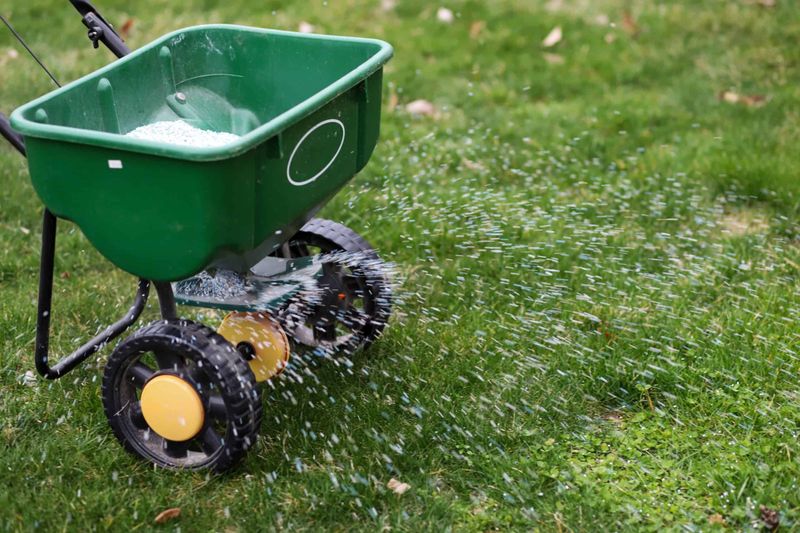
Many homeowners remember a neighbor who fertilized every chance he got. His lawn looked bright green for a week, then sprouted problems all fall.
More food is not better right now. What your grass needs is the right kind of meal at the right moment.
Heavy summer rain washes nutrients like nitrogen and potassium deep into sandy soil. That can leave your turf a little hungry heading into cooler weather.
Look for a slow-release fertilizer with low nitrogen and higher potassium. Potassium helps grass build strength for cooler months and resist disease.
Many local counties have rules about fertilizer during the rainy season. In most parts of Florida, that window runs from June through September, though the exact end date can vary slightly by region and county.
Check your county website before you spread anything.
Apply in early October once heavy storms settle, and water it in lightly. About a quarter inch of water is enough to move granules into the soil.
Keep fertilizer off sidewalks and driveways. Anything that lands there can wash into storm drains and feed algae in lakes and springs.
A soil test from your county extension office costs little and tells you exactly what is missing. That way you buy only what your yard truly needs.
4. Raise Your Mower Blade For Stronger Turf
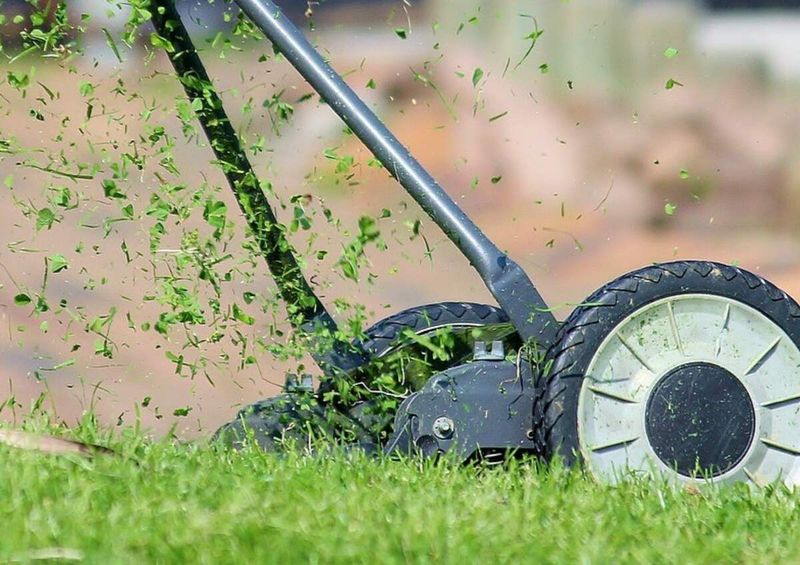
Here is a quick trick that costs nothing. Adjusting your mower height can do more for your lawn than an expensive bag of product.
During wet summers, many people cut short and often because grass grows like crazy. That habit can leave blades stressed and roots shallow by fall.
Taller grass shades the soil, which keeps weed seeds from sprouting. It also gives each plant more leaf area to make food from sunlight.
For St. Augustine, set the mower to about three and a half to four inches. Bahia does well around three to four inches, and zoysia can be a bit lower.
Follow the one-third rule when you mow. Never remove more than one third of the blade in a single cut, or the grass goes into shock.
Sharpen your blade too. A dull blade tears grass, leaving ragged, brown tips that invite fungus, which is common across Florida this season.
Try to mow when the grass is dry, usually mid-morning or late afternoon. Wet clippings clump, clog the mower, and spread disease spores.
Leave short clippings on the lawn. They break down quickly and return free nutrients to the soil.
5. Hunt Down Chinch Bugs And Armyworms

Ever seen a lawn turn brown overnight with no clear reason? In the Sunshine State, bugs are often the sneaky cause.
Fall armyworms are especially active in early autumn. These striped caterpillars chew grass blades down to nubs, often in large groups that march across yards.
Chinch bugs are smaller and harder to spot. They suck juices from St. Augustine grass, leaving yellow patches that look like drought.
Try the soap test to find armyworms. Mix two tablespoons of dish soap in a gallon of water and pour it over a square of grass.
Within a few minutes, any hidden caterpillars will wiggle to the surface. If you count several in one spot, it is time to act.
For chinch bugs, part the grass at the edge of a yellow patch and look near the soil. Tiny black bugs with white wing marks are your troublemakers.
Spot treat with a product labeled for these pests rather than spraying the whole yard. Helpful insects like ladybugs and spiders need a place to live too.
Healthy grass bounces back much faster from bug damage. Good mowing and smart watering are your best long-term shield.
6. Rethink Your Sprinkler Schedule
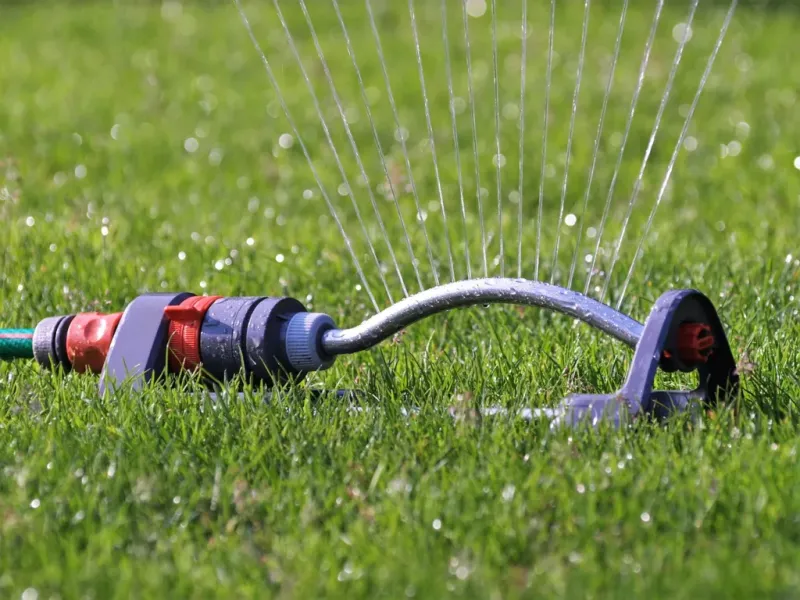
Plenty of automatic sprinklers are still set for July. That means some yards are getting watered while the ground is already wet.
October brings shorter days and cooler nights. Grass uses less water now, so your system should slow down to match.
Cut back to one or two waterings per week, depending on rain. Many Florida water districts set watering days, so check which days apply to your address.
Aim for about three quarters of an inch each time. Place a few empty tuna cans on the lawn and run the sprinklers to see how long it takes to fill them.
Watering deeply but less often trains roots to grow down. Shallow daily watering does the opposite and keeps roots near the surface.
Install a rain sensor if you do not have one. It shuts the system off after a storm, saving water and money.
Watch for signs your grass is thirsty. Blades that fold in half, look bluish gray, or keep footprints visible need a drink.
Run your system just before sunrise. The grass dries as the day warms, which helps keep fungus away.
7. Pull Summer Weeds From Your Lawn
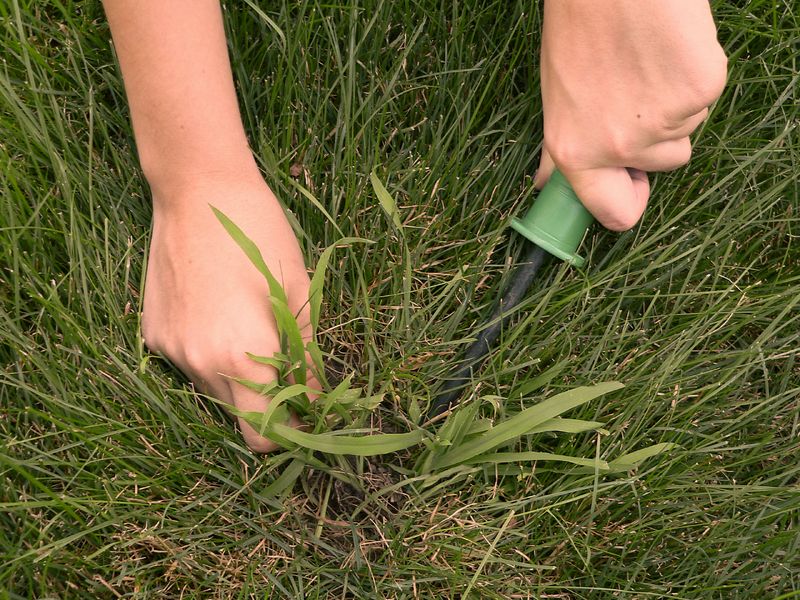
Dollarweed is practically the mascot of a rainy season. Those round, shiny leaves pop up anywhere the soil stays damp.
Other common invaders include crabgrass, sedge, and spurge. They spread quickly when grass is thin and stressed from months of storms.
Here is the good part. Cutting back on watering can reduce conditions that dollarweed loves, since it thrives in consistently soggy ground.
That said, pulling it by hand or using a targeted treatment is usually still necessary to get it fully under control.
Pull small patches by hand after a light rain, when the soil is soft. Try to get the roots and runners so they do not sprout back.
For larger areas, choose a weed control product labeled safe for your grass type. St. Augustine is sensitive to some sprays, so read labels carefully.
Skip weed treatments when temperatures climb above 85 degrees. Hot days can cause the product to burn your lawn along with the weeds.
October is also a good time for a pre-emergent product. It stops cool season weed seeds, like chickweed, from taking hold this winter.
Remember that thick, healthy grass is the best weed blocker around. Every step you take to strengthen turf leaves less room for uninvited guests.
8. Patch Bare Spots With Plugs Or Sod
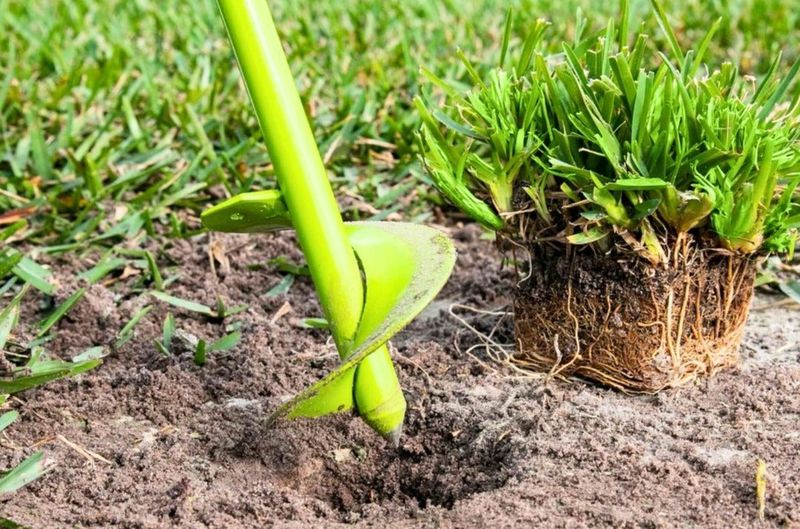
Think of bare patches as open doors. If you leave them empty, weeds walk right in and make themselves at home.
Early October is a sweet spot for repairs across much of Florida. Soil is still warm, but the heat is less punishing on young grass.
Start by raking out old, matted grass and loosening the top inch of soil. Fix any drainage problem first, or the new grass will struggle too.
For small spots, plugs are budget friendly. Space them about a foot apart and press them firmly so roots touch the soil.
For larger bare areas, sod pieces fill in faster. Lay them tight together like puzzle pieces, with no gaps between edges.
Water new patches lightly every day for the first week or two. Then slowly cut back as roots grab hold of the ground.
Test progress by gently tugging a corner of sod. If it resists, roots are growing and you can water less often.
Match the grass type to what you already have. Mixing St. Augustine and Bahia creates an uneven look that is tough to fix later.
9. Prep Turf For A Cooler, Drier Winter
Winter in Florida is gentle compared to most states. Still, cooler weather slows grass growth, and your lawn needs a little planning.
North Florida can see occasional frost and even brief freezes, while Central and South Florida typically experience milder winters with little to no frost risk.
Think of October as packing a lunch before a long trip. What you do now keeps your grass fed and steady until spring.
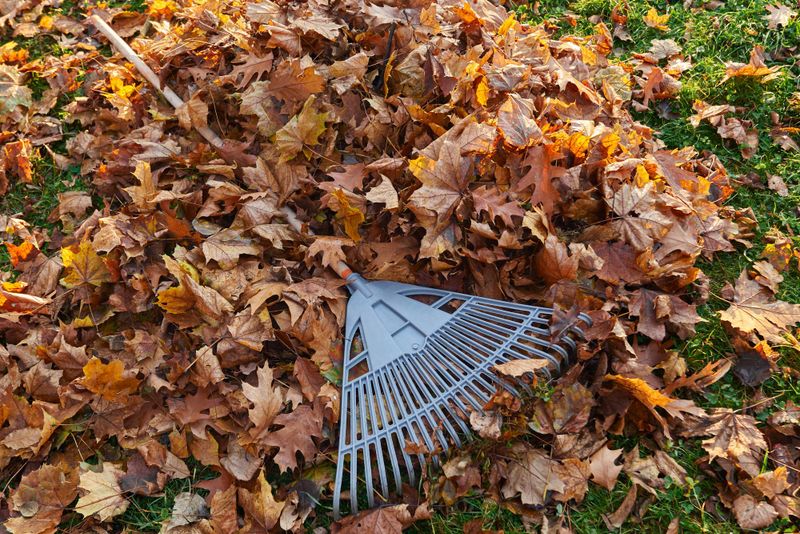
Keep fallen leaves from piling up on the turf. A thick layer blocks sunlight and traps moisture, which can lead to rot.
Plan to reduce mowing as growth slows. You may go from weekly to every two weeks by late November.
Consider aerating compacted areas where storms and foot traffic packed the soil. Small holes let air, water, and nutrients reach roots.
In North Florida, frost can turn grass tan for a while. That is normal dormancy, and it will green up again when warmth returns.
Resist the urge to fertilize late in the season. New tender growth is more likely to suffer during a cold snap.
Clean and store any extra lawn products in a dry place, since humidity ruins them fast. Then sit back, enjoy the mild weather, and let your lawn rest easy.