The Florida Landscaping Problem That Only Shows Up After The First Hurricane Season
Salt hides in places you never thought to look before now. Wind burn rarely announces itself with any real warning sign. Damage builds quietly beneath the surface, then arrives all at once.
Florida storms leave more behind than broken branches. Homeowners often assume calm weather simply means the danger passed. Roots absorb salt long before leaves ever show visible stress.
Grass thins, edges brown, and nobody notices right away. Truth surfaces slowly, then demands your full attention. Salt residue clings inland too, quietly worsening what wind already started.
Neighbors compare notes, confused why identical yards react differently. Soil chemistry shifts invisibly beneath every square foot of lawn. Coastal winds carry salt straight into Florida’s inland lawns.
Plants weaken from exposure nobody ever actually witnessed. Your gut tells you conditions are shifting fast.
Answers exist, but they demand your immediate attention now. You won’t recover your yard without understanding what’s coming next.
What Is Salt Spray And Wind Burn
Salt spray sounds harmless, like something you find at a beach gift shop. But after a hurricane tears through the coast, it becomes a significant stressor for your yard.
When hurricane-force winds whip across the ocean, they pick up tiny salt droplets. Those droplets travel miles inland, coating everything in your yard with an invisible layer of sea salt.
Wind burn works alongside salt spray as a one-two punch. Strong gusts strip moisture from plant leaves faster than roots can replace it.
Together, salt and wind create a condition called desiccation. Leaves dry out from the outside in, even if the soil is still wet from storm rain.
Most people assume their plants made it through the hurricane just fine. The yard looks green right after the storm, which is incredibly misleading.
Salt spray and wind burn damage is a delayed reaction. The real damage shows up days or even weeks after the storm passes through.
Understanding this process is the first step toward protecting your landscape. Florida homeowners who know what to watch for recover much faster than those caught off guard.
New residents are often caught off guard by this problem. They spend money replacing plants that could have been saved with the right early response.
Salt spray and wind burn are the hidden aftermath of every major hurricane season. Knowing your enemy changes everything about how you respond.
Why This Damage Appears Days After The Storm
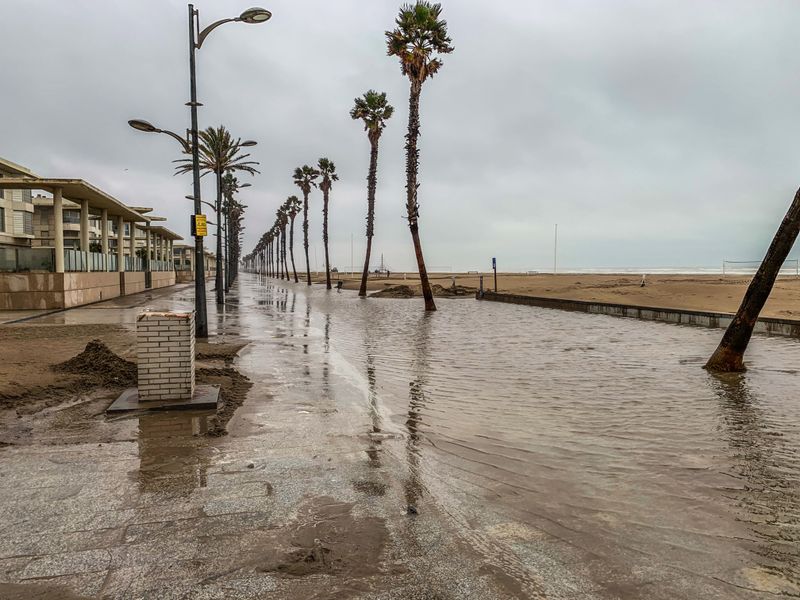
Your yard looks fine on Sunday. By the following weekend, half your plants are brown and crispy.
That delayed timeline confuses almost every homeowner who experiences it for the first time.
Salt spray damage does not show up instantly. The salt coats leaves and starts pulling moisture out slowly, over several days.
Think of it like a sunburn on human skin. You feel fine during the day, but the redness and pain show up hours later.
Wind burn follows a similar delayed pattern. Leaves that lost too much moisture during the storm begin to collapse from the inside out.
Your Florida Garden Changes Every Week. Your Plan Should Too.
Gardening in Florida changes quickly throughout the season. Every Friday you’ll receive a simple weekly plan showing exactly what to plant, prune, fertilize, harvest, and protect so you never miss the right timing.
The storm itself can also deposit debris and mud that blocks sunlight from reaching plant leaves. That added stress piles onto the salt damage already underway.
Warm post-storm temperatures speed up the process. Florida heat after a hurricane causes water to evaporate from damaged leaves even faster.
Many homeowners make a common misstep during this delay period. They assume everything is fine and do nothing, missing the window to rinse salt off their plants.
That rinse window is short and critical. If salt stays on leaves too long without rinsing, the damage becomes much harder to reverse.
Recognizing the delay calls for action, not worry. It is actually a reason to act quickly, with a clear plan, before visible damage sets in.
Signs Your Yard Has Salt Scorch
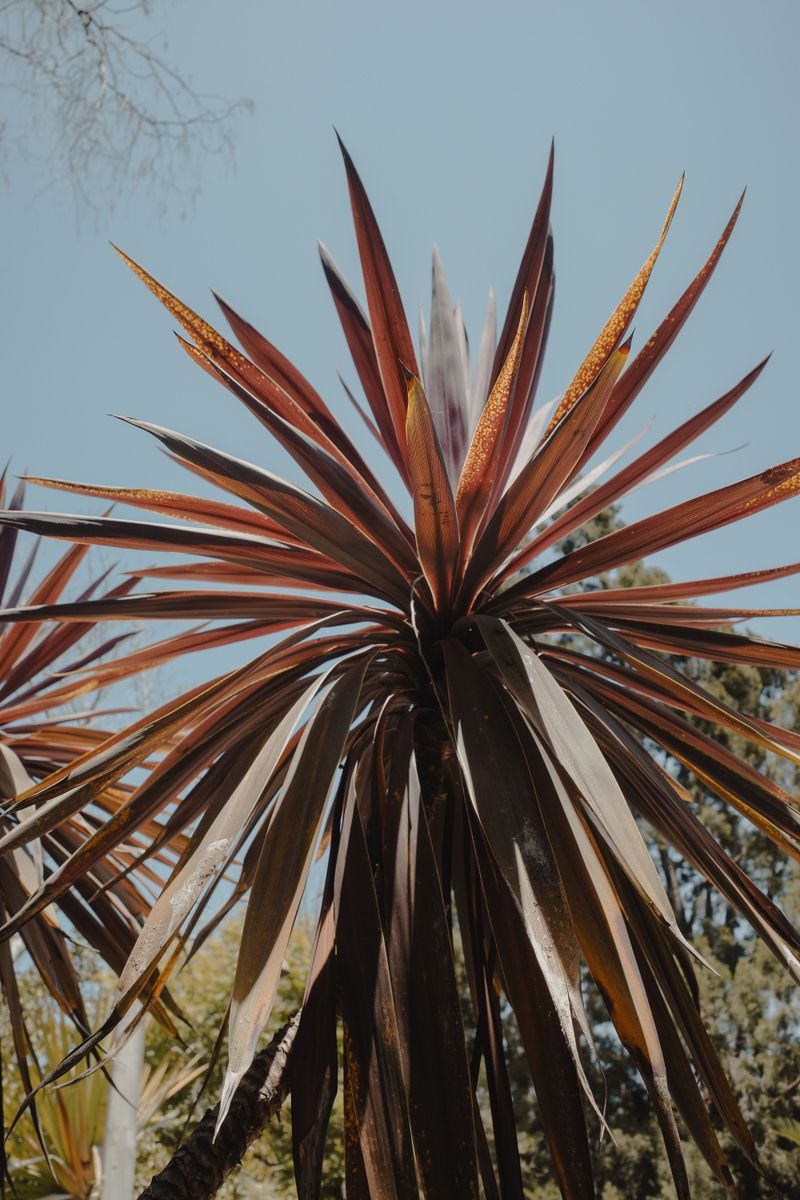
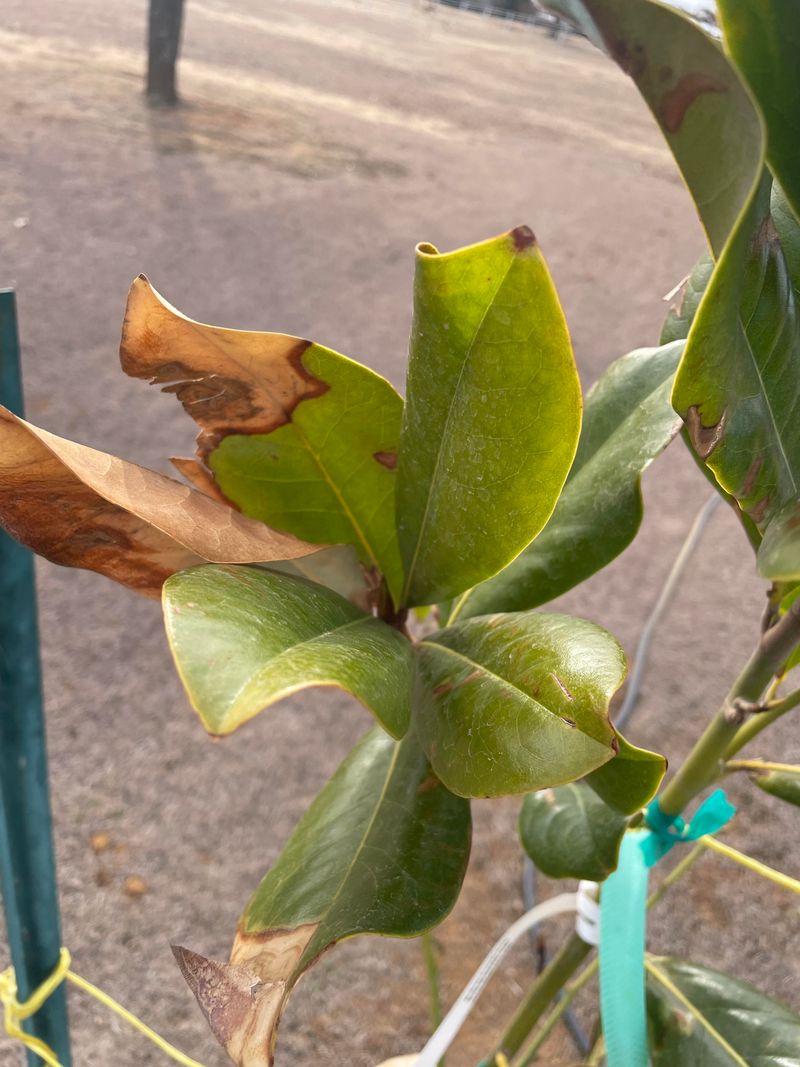
Brown leaf tips that appear out of nowhere are the first red flag. If your plants looked healthy before the storm and now have crispy edges, salt scorch is the likely culprit.
Look for a pattern of browning that starts at the outermost tips and moves inward. That directional damage is a signature of salt burn, not disease or drought.
Yellowing between leaf veins is another telling sign. Salt disrupts how plants absorb nutrients, and that interference shows up as uneven color loss across the leaf surface.
Check the side of your plants facing the storm direction. Salt spray damage is often worse on the windward side, leaving the sheltered side looking much greener.
Wilting is trickier to read after a hurricane. Your soil might be soaked, but plants still wilt when salt damage prevents roots from absorbing that water properly.
Leaf drop without obvious disease is a clue many homeowners overlook. Plants shed damaged leaves as a natural response to excess salt.
Check the soil surface near affected plants. A faint white or grayish crust on the soil can indicate salt deposits left behind by storm surge or heavy spray.
Do not confuse salt scorch with fungal infections, which tend to spread in circular patterns. Salt damage follows wind direction and affects exposed surfaces first.
Spotting these signs early gives your plants a real fighting chance. Fast identification is the bridge between saving and losing your landscape investment.
Which Plants Are Most At Risk
Not every plant in your yard faces the same level of danger. Salt spray hits some species so hard they may not recover without serious intervention.
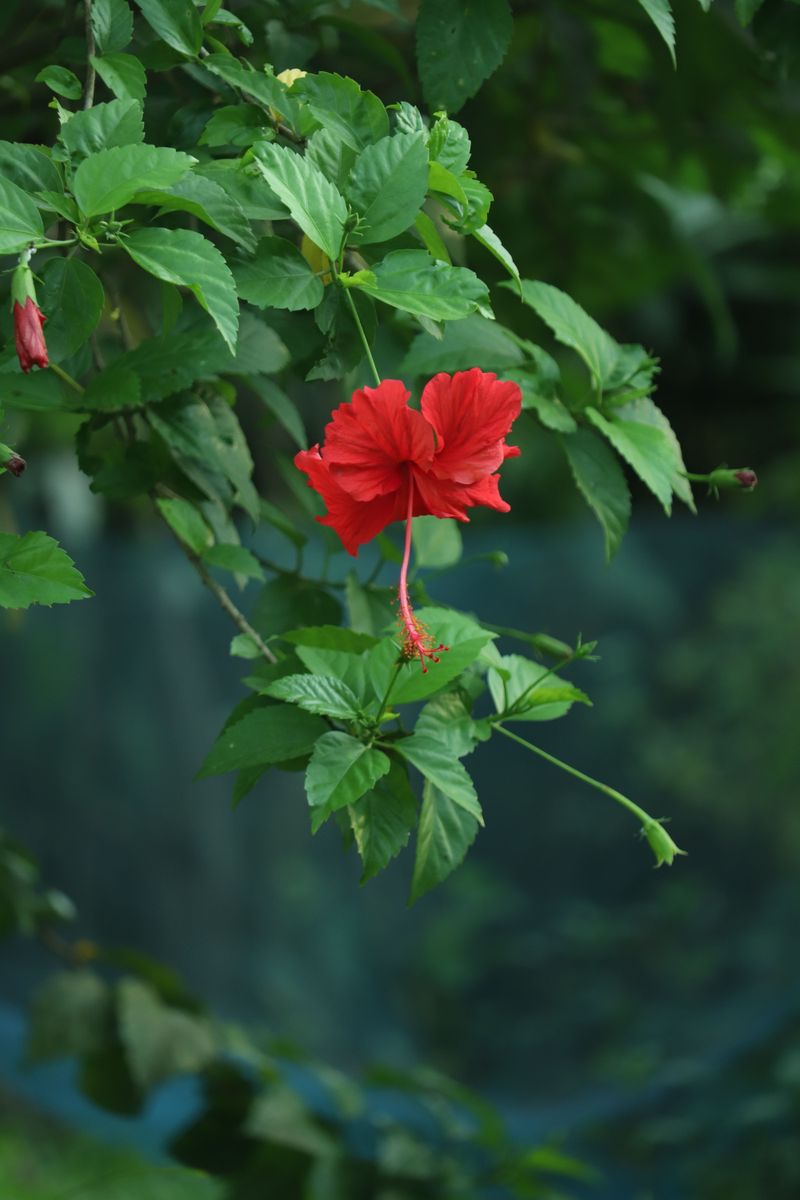
Hibiscus is one of the most popular plants in Florida yards. Many hibiscus varieties are considered sensitive to salt and may show scorch damage faster than sturdier shrubs.
Ixora, a common hedge plant with bright red blooms, struggles significantly after salt exposure. Its small leaves dry out quickly and turn brown within days of a storm.
Gardenias are another vulnerable plant. Their thick, glossy leaves look tough but they absorb salt easily and show yellowing and browning within a short time after exposure.
Young trees are more vulnerable than mature ones. Established root systems help older trees cope with stress, while saplings get overwhelmed by salt accumulation in the soil.
Container plants face extra risk because salt concentrates in limited soil volume. A potted ficus or croton can deteriorate faster than the same plant growing in the ground.
Lawns are not immune either. St. Augustine grass, one of the most common lawn types in the state, develops yellowing patches after heavy salt spray events.
Native plants tend to handle salt better than ornamental imports. Species like sea grape and coontie evolved with coastal conditions and recover more consistently.
Knowing which plants need the most attention after a storm helps you triage your recovery efforts. Start with the most vulnerable and work outward from there.
How To Help Your Landscape Recover
Speed matters a great deal after a hurricane. The sooner you start rinsing salt off your plants, the better your chances of saving them.
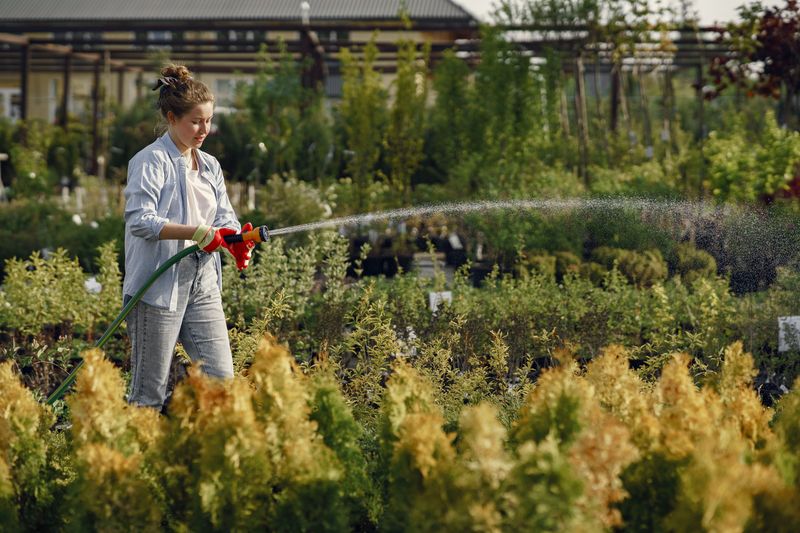
Grab a garden hose and thoroughly wash down all exposed plants. Focus on the tops and undersides of leaves, where salt deposits cling most stubbornly.
Do not use high pressure on delicate plants. A gentle, steady stream works better and avoids adding physical stress to already damaged foliage.
Water your lawn deeply after rinsing the plants. Extra irrigation helps flush salt down through the soil and away from root zones where it causes the most harm.
Hold off on fertilizing right away. Salt-stressed plants cannot absorb nutrients efficiently, and adding fertilizer too soon can burn already weakened root systems.
Wait at least two weeks before deciding which plants are truly lost. Some species look completely bare but push out new growth once salt levels drop in the soil.
Prune only the most severely damaged branches during early recovery. Cutting too aggressively removes growth points the plant needs to bounce back on its own.
A light application of gypsum to the soil can help break down salt deposits. This mineral does not change soil pH, and it is often used to help displace salt buildup near the root zone, though results vary by soil type.
Recovery takes patience and consistent care over several weeks. Plants that get steady moisture and minimal stress after a storm have a strong chance of coming back fully.
Preventing Salt Damage Before Next Hurricane Season
The best time to prepare your landscape for hurricane season is before the clouds ever form. A little planning now saves a lot of difficulty later.
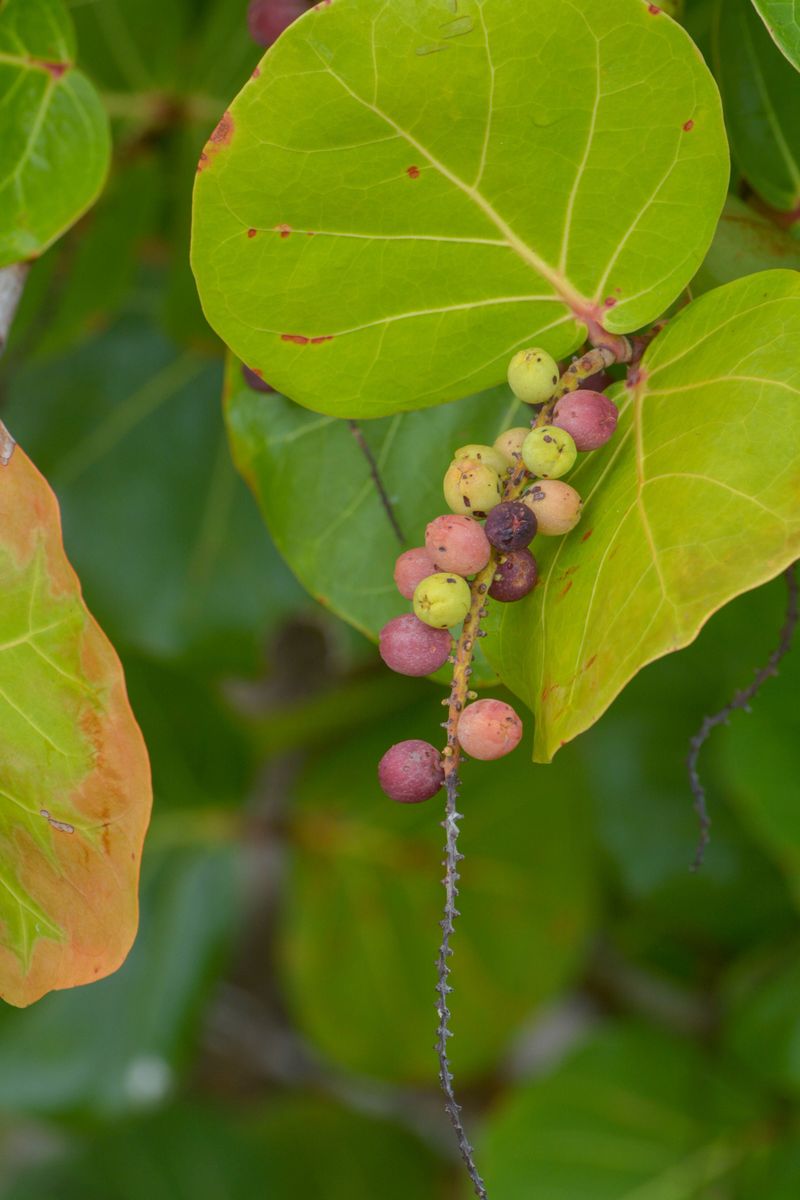
Start by replacing the most salt-sensitive plants with hardier alternatives. Sea grape, muhly grass, and Simpson stopper handle coastal conditions without significant stress after a storm.
Create windbreaks using dense, salt-tolerant hedges along your property edges. These barriers slow wind speed and reduce how much salt spray reaches your more delicate interior plants.
Apply a thick layer of mulch around plant bases before hurricane season begins. Mulch holds moisture in the soil and creates a buffer that slows salt absorption through the roots.
Anti-transpirant sprays offer a temporary protective coating for vulnerable plants. These products are mainly designed to reduce moisture loss from leaves, and some may offer limited additional protection against salt exposure.
Store potted plants in a garage or shed before a storm makes landfall. Removing containers from exposure removes one of the most at-risk categories in your entire yard.
Healthy plants resist salt damage better than stressed ones. Keep your landscape well-watered and properly fed through spring so everything enters hurricane season in strong condition.
Talk to a local nursery about salt-tolerant plant swaps specific to your neighborhood. Coastal zones have different needs than properties located several miles inland.
Preventing hurricane landscape damage from salt spray and wind burn is a year-round mindset. The homeowners who plan ahead are the ones whose yards recover fastest every single season.