8 Reasons Your Jade Plant Is Dropping Leaves As The Seasons Change
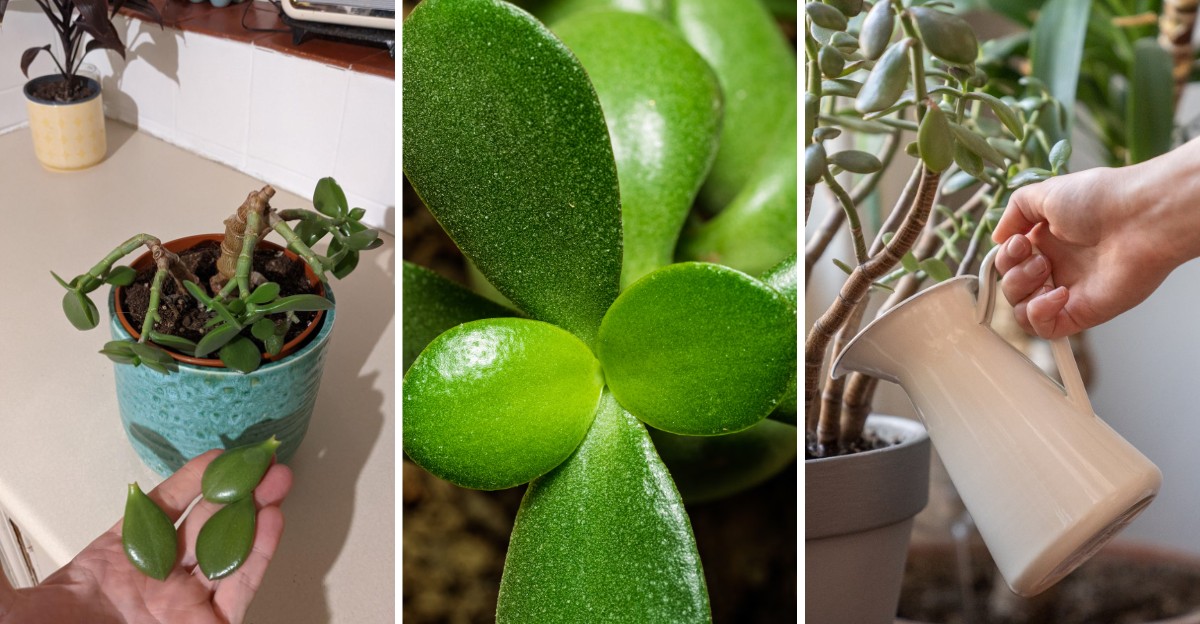
Plump leaves tumbling onto your floor look like a mystery from your toughest plant. Relax, because your jade or succulent is sending you a coded message.
Cold window glass chills the air around your pot after dark. Daytime sun warms that same spot, sending your plant mixed signals.
Succulents store water well, yet your buddy still sheds leaves fast after swings. Soggy soil complicates things further, because chilly roots sip water slowly.
You might be watering on a summer schedule while your plant craves a winter pace. Heaters add another twist by puffing dry air across your plant.
Luckily, you can read these signals like a detective. Wrinkled leaves mean thirsty or weak roots.
Soft, translucent leaves hint at soggy roots. Firm green leaves dropping quickly suggest a sudden chill. Better still, healthy fallen leaves can root into new plants.
1. Sudden Temperature Swings In The Room
Picture wearing shorts at noon and a parka by dinner, all in the same room. Your succulent goes through something similar when fall and spring bring large temperature changes.
Jade plants prefer steady warmth between about 65 and 75°F (18 to 24°C) during the day. When nights suddenly dip below 50°F (10°C), the plant may respond by shedding leaves.
Windows can be tricky during seasonal shifts. Glass heats up fast in afternoon sun, then cools quickly after sunset.
Leaves resting against a chilly pane can turn soft, mushy, or wrinkled within a few days. Soon after, they often detach at the slightest touch, like loose buttons on a coat.
Try moving your plant about a foot away from the glass on cold nights. A simple thermometer nearby can show you how much the spot changes from day to night.
Doors that open to the outside cause trouble too, especially in late autumn. Each draft of cold air can stress the plant, like an unexpected ice cube down your shirt.
Heating vents create the opposite problem by blowing hot, dry gusts across the leaves. Pick a spot that feels comfortable to you, with no drafts or hot spots.
Once temperatures settle, jade plants typically calm down and stop shedding within a few weeks. New leaves will usually sprout from the stem tips when spring warmth returns.
Patience matters here, because stressed succulents move at their own slow and steady pace. Keep conditions stable, and your plant will reward you with fresh, glossy growth.
2. Shorter Days With Less Sunlight
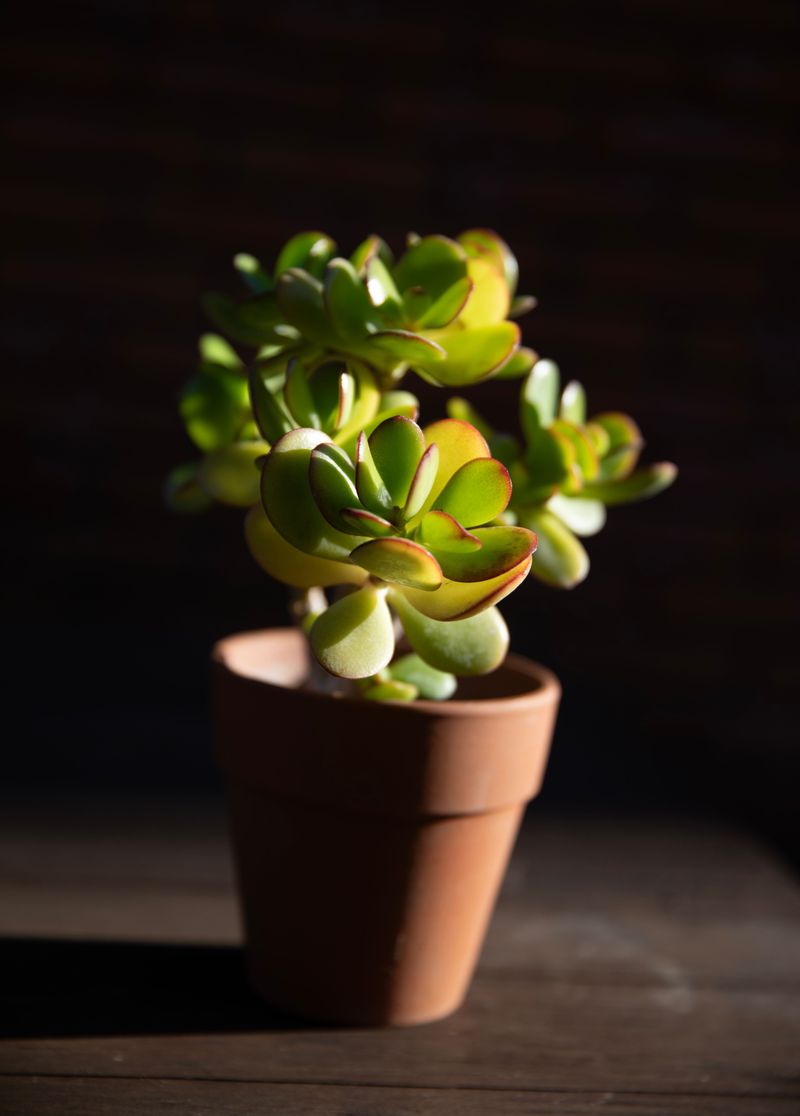
Jade plants belong to the Crassula group, named by famous botanist Carl Linnaeus in the 1700s. Their wild relatives grow in South Africa and Mozambique, where they receive bright light for many hours daily.
Autumn changes that story fast inside many homes. Days get shorter, the sun sits lower, and that cozy window may only get weak light by November.
Without enough energy from sunlight, a jade plant cannot support its full summer set of leaves. It starts dropping the lower, older ones to save resources for the rest.
Watch for other clues, like stretched stems with wide gaps between leaves. Pale green color and leaning toward the window also signal a plant craving more light.
In the Northern Hemisphere, a south-facing or west-facing window works best during darker months. Aim for at least four to six hours of bright light each day if you can.
Turning the pot a quarter turn weekly keeps growth even on all sides. Otherwise, growth becomes lopsided, and the shady side may weaken and shed.
If your home gets little winter light, a small LED grow light helps a lot. Set it about twelve inches (30 cm) above the plant and run it twelve hours daily.
Dust also blocks light more than people expect. Wipe the leaves gently with a damp cloth so more winter sun reaches them.
Give your plant brighter conditions, and leaf drop usually slows within a few weeks. Think of it as handing your succulent a warm, sunny vacation without the airfare.
3. Too Much Water In Cooler Months
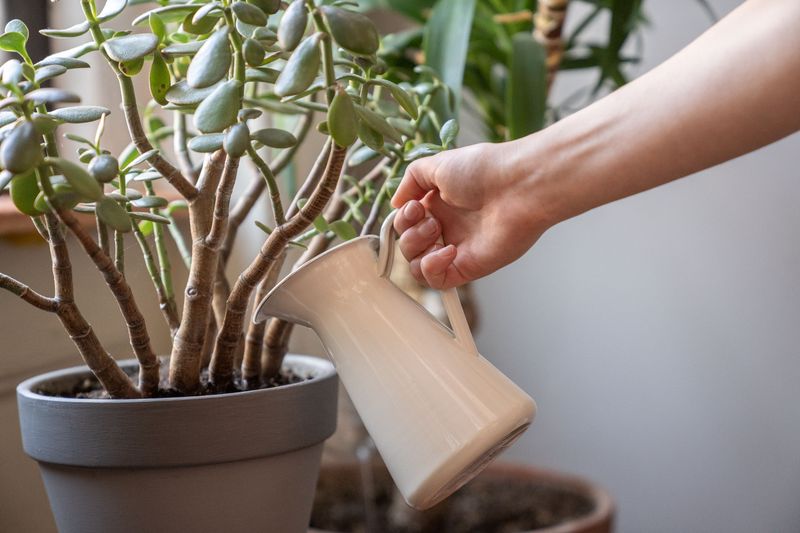
Many plant owners show love for their jade with the watering can a bit too often. Unfortunately, too much water is one of the top reasons leaves tumble off in fall and winter.
Summer heat makes soil dry out quickly, so frequent watering works fine then. Once cooler weather arrives, the plant slows its growth and drinks far less.
The same watering schedule you used in July can oversaturate the roots by October. Leaves soaked with extra water turn yellow, swollen, and squishy before dropping.
Give the finger test a try before you water. Push a finger two inches into the soil, and only water when it feels dry.
In winter, many jade plants need a drink only every three to four weeks. Some owners water even less in cool rooms.
Pot choice matters just as much as timing. Terracotta pots breathe and let extra moisture escape, while plastic pots hold water for much longer.
Drainage holes are essential, so skip those cute pots without any openings. Empty the saucer after watering so roots are not sitting in a puddle.
A gritty cactus soil mix helps water flow through instead of lingering around the roots. Regular potting soil stays damp too long for a desert-loving plant.
Remember that thirsty jades show wrinkly, thin leaves, while overwatered ones look puffy and soft. If leaves wrinkle while the soil stays wet, check the roots for rot. Learning that difference saves your plant plenty of seasonal stress.
4. Hot Airflow From Indoor Heating
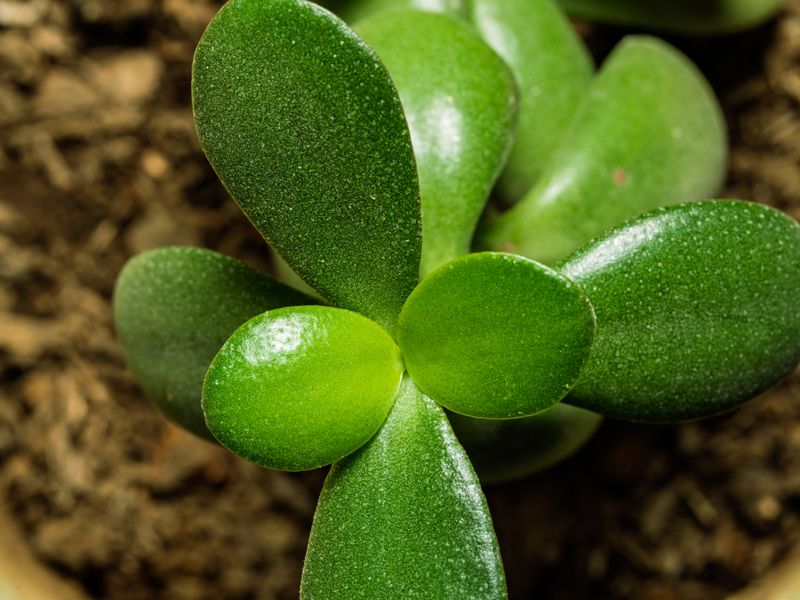
Click, whoosh, and the heating kicks in on the first chilly evening of the season. Your toes feel happy, but your jade plant may feel a little parched.
Heating warms indoor air, which lowers relative humidity, sometimes below 30 percent. Jade plants handle dry air better than many houseplants, so humidity alone causes little stress.
The real problem comes from hot air blowing straight onto the leaves. Radiators, space heaters, and floor vents can dry out leaf edges and make them crispy.
Soil also dries much faster near a heat source than in other parts of the room. That uneven drying confuses your watering routine and leaves roots stressed.
Scan your home for warm spots before winter settles in. Keep the plant at least three feet (about 1 m) away from anything that blows or radiates heat.
A humidifier isn’t necessary for jade, though your tropical plants may enjoy extra moisture. Your jade cares far more about steady temperatures than about moist air.
Skip misting the leaves, though, since water droplets on succulents can invite fungus problems. Focus instead on moving the pot out of direct airflow.
Check the soil a bit more often if the heater runs all day. Even so, let it dry out fully before giving your plant another drink.
Crispy brown tips may not heal, but the plant should grow fresh leaves once conditions improve. Consider those crunchy spots a winter souvenir, like a chapped lip for plants.
5. Shock From Moving Indoors Or Outdoors
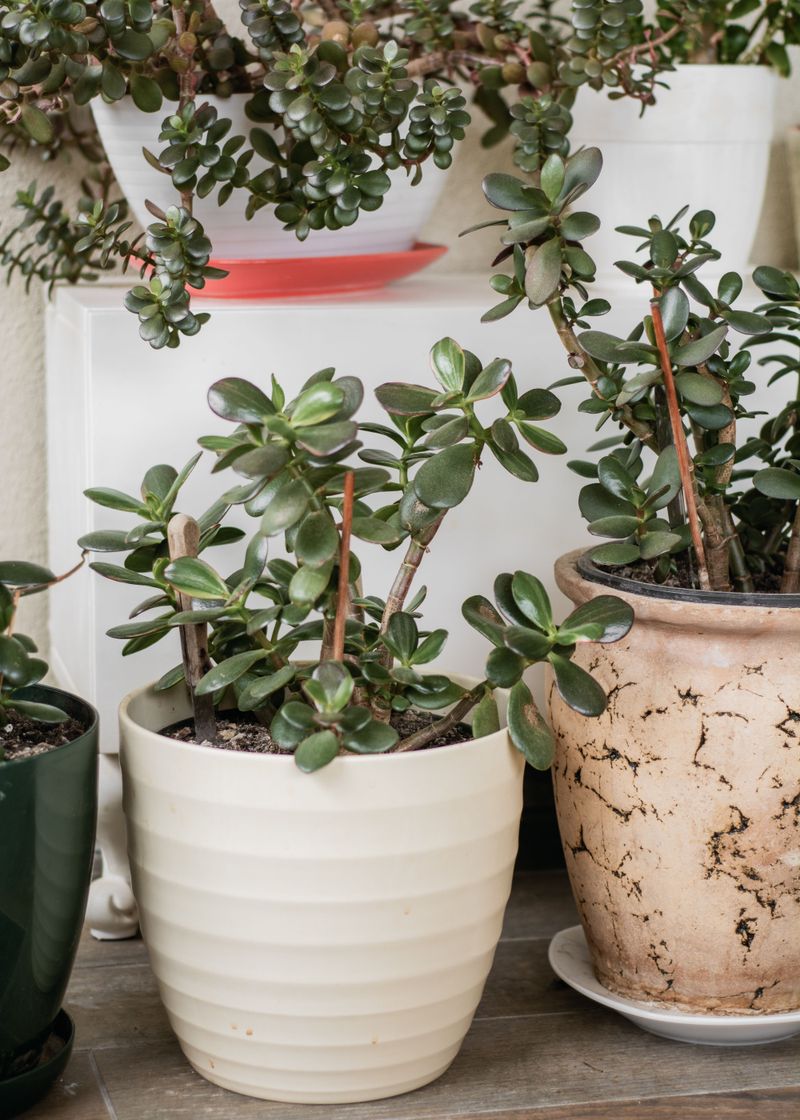
Imagine spending all summer on a sunny beach, then suddenly moving into a dim closet overnight. Jade plants that summer outdoors experience a similar shift when they come inside.
In the Northern Hemisphere, many people move their plants out in May and back indoors in September. The sudden change in light, temperature, and humidity can trigger a big leaf drop.
Outdoor sunshine can be ten times stronger than light near a window. That large drop forces the plant to adjust, and it may shed several extra leaves.
The fix is a slow move, not a rushed one. Start bringing the plant inside for a few hours at a time over one to two weeks.
Begin before nights fall below 50°F (10°C), since cold snaps add even more stress. A weather app makes it easy to track those chilly forecasts.
Spring brings the reverse challenge when plants head back outside. Sudden direct sun can scorch leaves that spent months indoors, leaving pale or brown patches.
Place the pot in shade first, then slowly add a little more sun each day. After about two weeks, your jade should handle brighter conditions without trouble.
Before any indoor move, check for hitchhiking bugs under leaves and around the soil. Avoid inviting unexpected houseguests that munch on your other plants.
Expect a few leaves to fall even with careful planning, and try not to worry. Jade plants are resilient and typically bounce back once they settle into their new spot.
6. Root Rot Hiding In The Soil
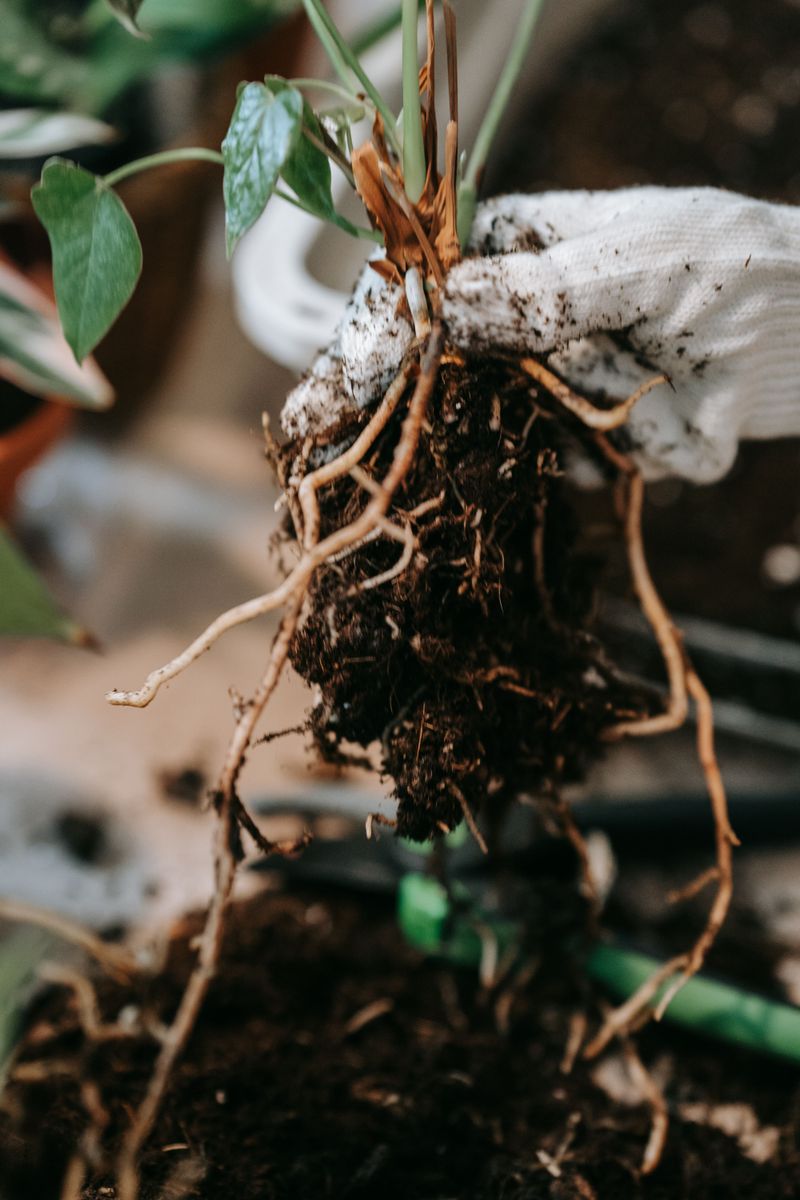
Some plant problems wave a big red flag, but root rot likes to work quietly underground. By the time leaves start falling, trouble has often been brewing for weeks.
Cool, damp soil in fall and winter creates a perfect home for rot-causing fungi and water molds. Roots sitting in wet soil lack oxygen, so they turn brown and mushy.
Above the soil, you might notice leaves dropping even though the pot feels wet. Stems may darken near the base or feel soft when you gently squeeze them.
A sour, musty smell from the soil is another strong clue. Healthy soil smells earthy, like a forest after rain.
To check, slide the plant out of its pot and look at the roots. Healthy roots are firm and white or tan, while damaged ones look dark and soft.
Grab clean scissors and snip away the mushy roots you find. Then let the plant sit out of soil for a day or two so cuts can dry.
Repot it in fresh cactus mix and a clean pot with good drainage holes. Wait about a week before watering to give the roots time to heal.
If the rot has spread into the main stem, cut off healthy branches instead. Jade cuttings root easily, so you can grow a brand new plant from them.
Prevention is fairly simple once you know the cause. Water less when days turn cool, and your jade should stay rooted in good health.
7. Hungry Pests Hitching A Ride Indoors
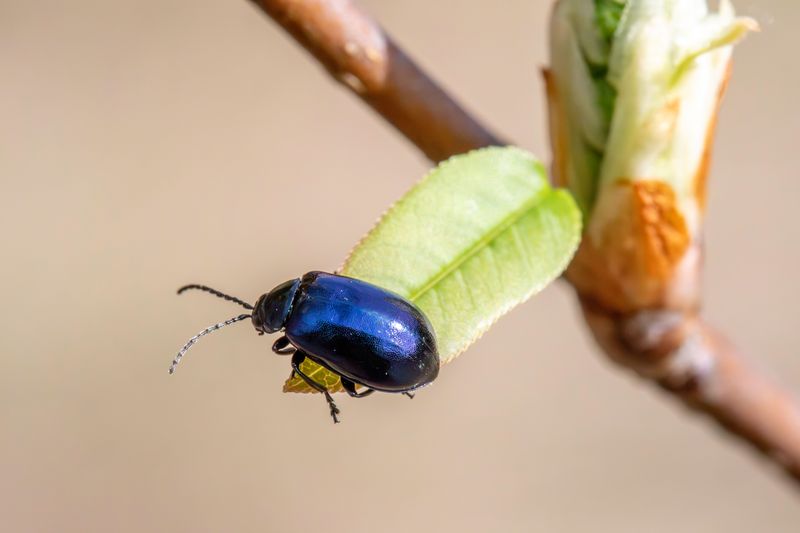
Mealybugs look like tiny bits of cotton fluff stuck in the nooks of your plant. Cute as that sounds, they are insects that feed on plant sap.
Pests often become more active as seasons change and indoor conditions shift. Plants brought inside in autumn can also carry bugs that multiply quickly in warm rooms.
Mealybugs, spider mites, and scale insects feed on sap from jade leaves. Weakened leaves turn yellow, get sticky, and eventually fall right off the stem.
Grab a flashlight and inspect the spots where leaves meet stems. Also check leaf undersides for fine webbing, brown bumps, or white fuzzy clusters.
For a small outbreak, dab each bug with a cotton swab dipped in rubbing alcohol. The alcohol breaks down their waxy coating, and they wipe away easily.
Repeat this every few days, and keep checking for four to six weeks, since eggs hatch in waves. Missing a few bugs can allow the population to rebound.
Move the affected plant away from your other houseplants right away. Pests travel fast, hopping from pot to pot like guests at a buffet.
Insecticidal soap can help with bigger problems, but test it on one leaf first. Some jade plants are sensitive to sprays and oils, so go slowly.
Strong, healthy plants resist bugs better than stressed ones. Proper light, careful watering, and good airflow keep your jade tough enough to fight back.
A quick weekly peek takes less than a minute. Catching pests early means fewer fallen leaves and a happier jade.
8. Natural Shedding Of Older Leaves
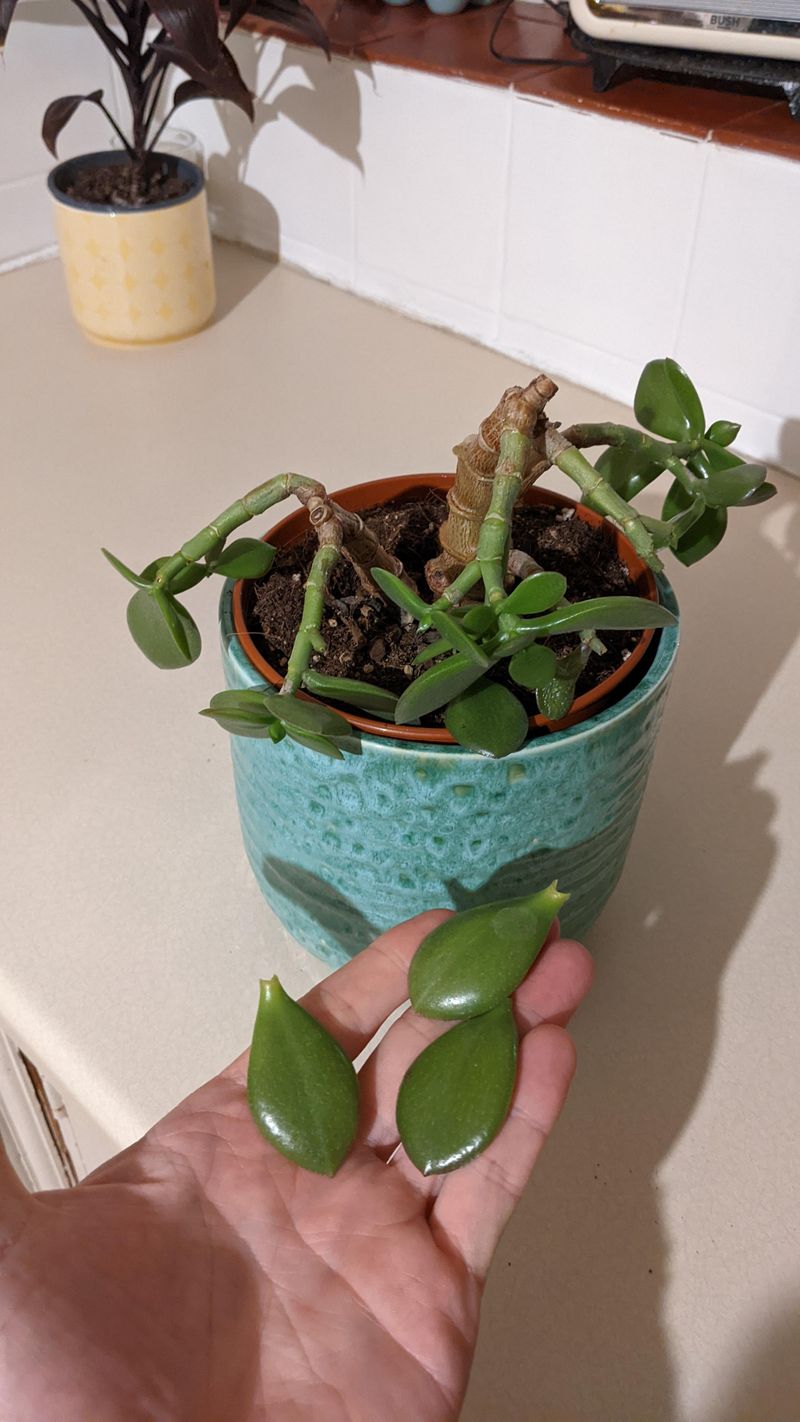
Relax for a second, because a fallen leaf isn’t necessarily a problem. Like people losing a few hairs in the shower, jade plants shed old leaves as part of growing up.
Lower leaves naturally wrinkle, yellow, and drop as the plant gets taller and woodier. That process helps the plant form its famous tree-like trunk over the years.
Seasonal changes can speed this up a bit, especially in fall. The plant may shed a handful of older leaves while it prepares for slower winter growth.
So how can you tell normal shedding from a real problem? Look at where the leaves fall from and how many drop at once.
Healthy shedding happens slowly, usually from the bottom of the stems. Upper leaves stay plump, green, and firm while new growth appears at the tips.
Trouble looks different, with leaves dropping quickly all over the plant. Mushy, discolored, or spotted leaves also point to something that needs fixing.
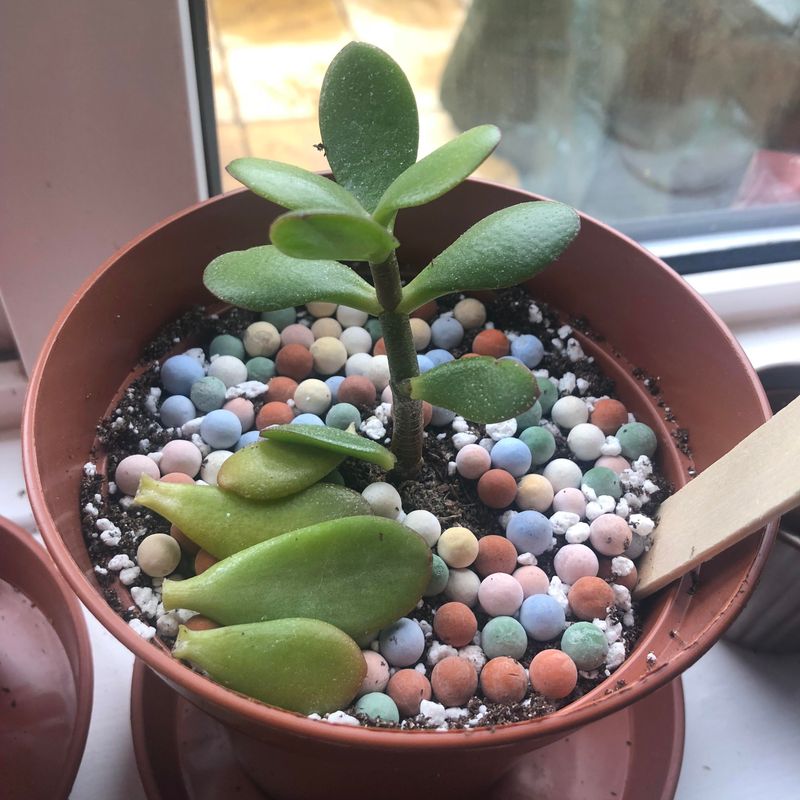
Those fallen leaves still have value, too. Let a healthy leaf callus for a few days, then set it on dry cactus soil. Within weeks, tiny roots may sprout from its base.
Many gardeners grow whole new jade plants this way to share. In some cultures, jade plants are gifted as symbols of good luck and wealth.
Gently remove shriveled leaves resting on the soil to keep things tidy and fungus-free. A clean pot surface also makes new problems easier to spot.
Your jade is simply refreshing its wardrobe for a new season. Enjoy the change, and maybe start a tiny leaf nursery on the windowsill.