How Often To Water New Grass Seed In Ohio Once Nights Drop Into The 40s
New grass seed doesn’t read a calendar, but it sure reads a thermometer, and once Ohio nights slide into the 40s, your old watering schedule stops making sense.
Cold soil holds onto moisture far longer than warm soil ever did. Keep watering at your September pace and you’re not helping seedlings along, you’re drowning roots that haven’t even finished forming.
Germination slows down too, so patience matters more than volume right now. A schedule built for warmer weeks does more harm than good the moment temperatures drop this far.
Match your watering to what the thermometer says, not what the calendar suggests. Grass seeded this late plays by different rules than anything planted in warmer weather.
1. Cooler Nights Slow Evaporation Without Stopping Root Growth
Picture a puddle on a July sidewalk versus one in October. The summer puddle disappears by lunch, while the fall one hangs around for hours.
Your seedbed behaves the same way once Ohio nights slip into the 40s. Cooler air and shorter days pull less moisture out of the soil, so each watering lasts longer.
Here is the fun part. The ground underneath still holds a good amount of summer heat, and soil often stays warmer than the air well into October.
Warm soil keeps roots busy even when you are reaching for a jacket. Grass seedlings put lots of energy into growing downward during fall, building a base for next spring.
Many Ohio lawn pros call early fall the best planting window of the year for this reason. Warm soil plus cool air is a combo that summer simply cannot match.
What does this mean for your hose? You can often water a little less often than you would in late summer, but you should not stop watching the soil.
A simple test helps a lot. Press a finger about half an inch into the dirt each morning, and if it feels dry, give the area a light drink.
Sunny, breezy days can still dry the surface faster than you expect. On cloudy, calm days, the soil might stay damp from one morning to the next.
Think of fall as a season of fine-tuning rather than a rigid schedule. Your lawn will reward that attention with thicker, sturdier growth when the snow melts.
2. Keep The Seedbed Consistently Moist Until Germination
Seeds are a bit like sponges with a secret switch. Once they soak up enough water, the switch flips and growth begins, but a dry spell can stall the whole process.
Before germination, your main job is to keep the top inch of soil evenly damp. Damp means moist like a wrung-out towel, not muddy like a creek bank.
In early fall, many Ohio lawns need light watering two or three times a day for about 10 to 15 minutes. Once nights settle into the 40s, you may find that once or twice a day does the trick.
Watch the surface color as your guide. Dark soil means moisture is present, while pale, crusty soil is a signal to turn on the sprinkler.
Your Ohio Garden Changes Every Week. Your Plan Should Too.
Gardening in Ohio changes quickly throughout the season. Every Friday you’ll receive a simple weekly plan showing exactly what to plant, prune, fertilize, harvest, and protect so you never miss the right timing.
A helpful trick is to water the ground well before you spread any seed. Moist soil helps seeds settle in and gives them a head start on sprouting.
Straw or a thin seed-starting mulch can also help. A light covering shades the surface and slows drying, so you can water a little less often.
Once sprouts appear, stay on track for a bit longer. Young shoots are fragile, and even a short dry stretch can set them back more than you might think.
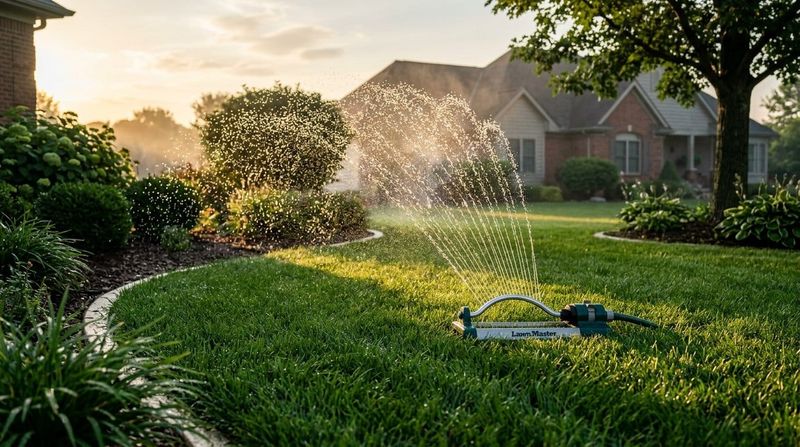
Use a gentle spray setting so seeds do not wash into clumps. A rain-style nozzle or oscillating sprinkler keeps everything right where you spread it.
Patience pays off here. Checking twice a day for a couple of weeks is a small price for a full, even lawn.
3. Morning Watering Becomes More Important As Temperatures Fall
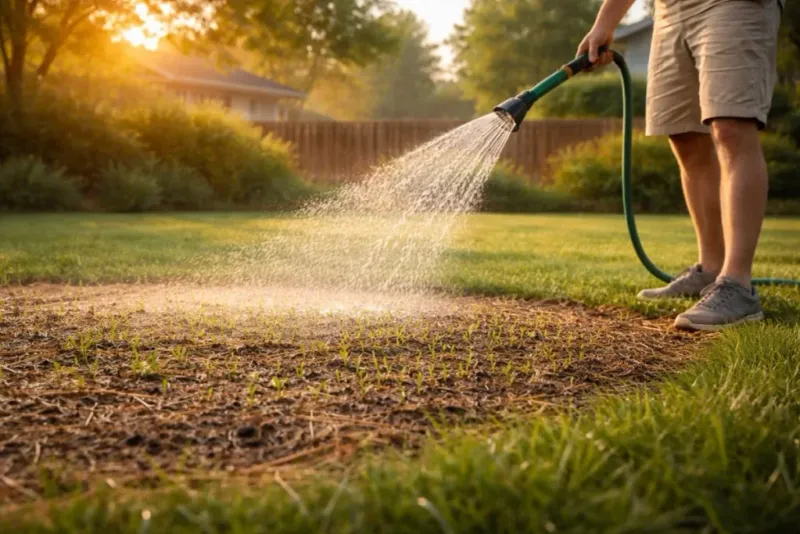
Early birds, this one is for you. As Ohio temperatures fall, the best time to water new grass is between about 4 and 7 in the morning, or as close as you can manage.
Why so early? Morning water has time to soak into the soil before the sun and wind start pulling it away later in the day.
Timing matters for another reason too. Grass blades that stay wet for many hours are an open invitation to fungus, and fall nights keep things damp longer.
When you water at sunrise, the day has plenty of hours to dry the leaves. By evening, the blades are mostly dry, even though the soil below stays moist.
Not a morning person? An inexpensive hose timer can handle the job while you sleep.
If the seedbed needs a second drink, aim for late morning or early afternoon. Skip watering after about 4 p.m. once nights dip into the 40s.
Frosty mornings bring one more wrinkle. If there is frost on the grass, wait until it melts before watering or walking on the lawn, since frozen blades can bruise easily.
Bonus: morning water pressure is often higher in many neighborhoods. Fewer people are running showers and sprinklers at that hour, so coverage tends to be more even.
Keep an eye on the forecast each night before bed. A quick look can tell you whether tomorrow calls for a full morning soak or just a light mist.
4. Tall Fescue Seedlings Need Steady Moisture To Establish
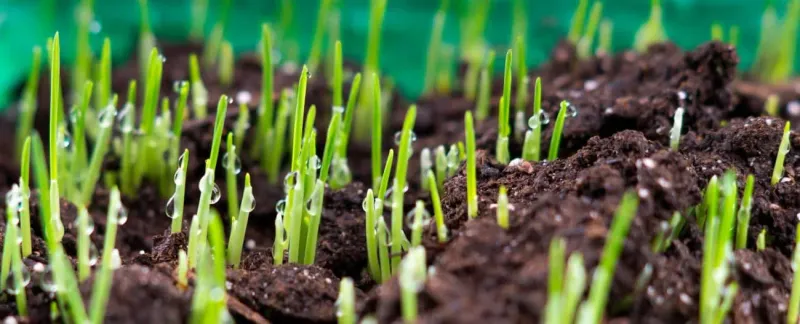
Ask an Ohio lawn expert which grass handles fall planting best, and tall fescue usually tops the list. It is tough, tolerates some shade, and roots deeply once it gets going.
That toughness takes a little time to build, though. Fescue seeds typically sprout within 7 to 14 days, and those first weeks are when moisture counts the most.
During the sprouting stage, keep the surface evenly damp with short, light waterings. Cooler fall weather often means one or two sessions a day are enough.
From roughly day 10 to day 28, a daily watering that soaks about half an inch deep works well for many yards. A tuna can set on the lawn makes an easy gauge to measure that amount.
Fun fact: tall fescue is a bunch-type grass. Instead of spreading sideways with runners, it grows in clumps, so thin spots fill in slowly without help.
That habit makes steady moisture even more important. Every seedling that makes it through the first month becomes part of a thicker lawn next year.
Watch for blades that look bluish or curl up during the day. Those are signs of thirst, and a quick drink the next morning can perk them right back up.
With good care, fescue seeded in September can be mowed by late October. Set the mower high, around three to four inches, for that first trim.
Tall fescue also stays green later into the fall than many grasses. That extra growing time helps it store energy before winter arrives.
5. Kentucky Bluegrass Can Take Longer To Germinate
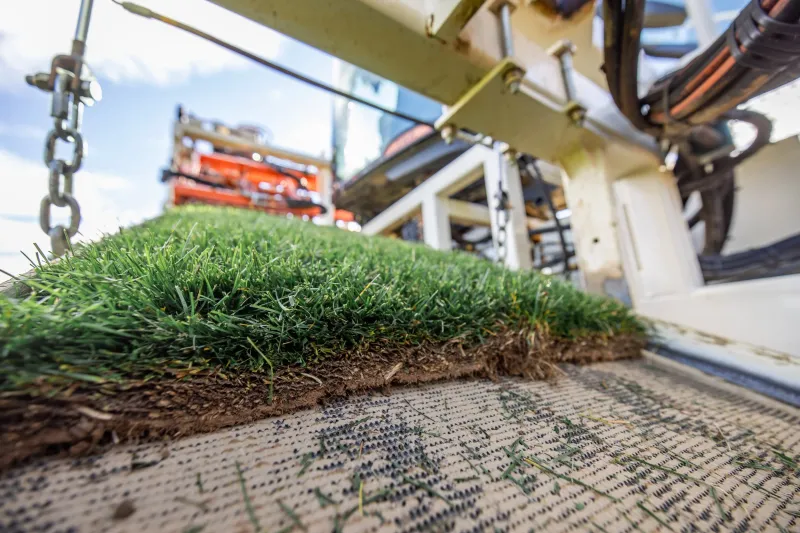
Kentucky bluegrass is the slowpoke of the lawn world. While other grasses pop up in a week or two, bluegrass can take 14 to 30 days or even longer to show its face.
Did you know that despite its name, this grass is not native to Kentucky or truly blue? Early settlers brought it from Europe, and its seed heads can look bluish in spring.
That long wait is where many homeowners lose patience. They stop watering after two weeks, see bare soil, and assume the seed was a flop.
The truth is that bluegrass needs the surface kept damp for the entire stretch. Once nights hit the 40s, sprouting often slows even more, so plan on a longer journey.
Light waterings once or twice a day usually keep things moist in cool weather. On sunny, windy afternoons, a short extra mist may help.
Bluegrass also tends to form shallower roots than tall fescue at first. That means it may ask for water a bit more often than its fescue neighbors, even after sprouting.
Many Ohio seed blends mix bluegrass with fescue or ryegrass. The faster grasses come up first and act like a nurse crop, shading the soil while bluegrass catches up.
Mark your calendar on seeding day to track progress. Seeing the date written down can keep you from giving up a week too soon.
In the long run, the wait is worth it. Bluegrass spreads by underground stems, so it can fill gaps and repair itself over time.
6. Cut Back Watering As New Roots Grow Deeper
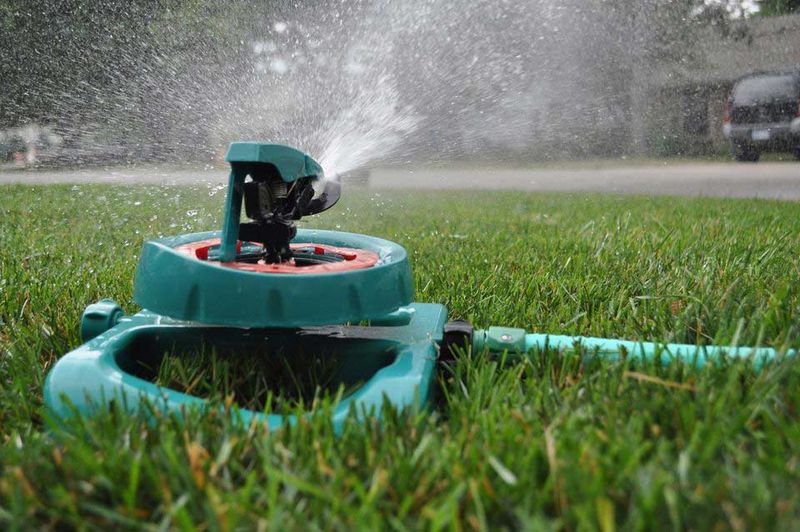
Think of roots as curious explorers. If water is sitting right at the surface, they stay near the top, but if moisture sits deeper, they dig down to find it.
Once your seedlings have been up for a week or two, it is time to change the routine. The goal shifts from frequent sprinkles to fewer, longer soaks.
A common path looks like this. Move from two waterings a day to one, then to every other day, with each session running around 30 minutes.
After three to four weeks, stretch the time between waterings even further. Each session should wet the soil 4 to 6 inches down, which you can check with a long screwdriver.
Push the screwdriver into the lawn after watering. If it slides in easily to about six inches, you nailed it, but if it stops short, water a bit longer next time.
Letting the top of the soil dry slightly between soaks is a good thing. It nudges roots to grow downward and helps keep fungus and moss from moving in.
Cool fall weather makes this shift easier than in summer. The soil stays moist longer, so you may find yourself watering only two or three times a week.
Go slowly with the change, though. Cutting back too fast can stress young grass, so adjust over a couple of weeks rather than overnight.
Deep roots pay off next July. A lawn with a strong root system handles summer heat and dry spells far better than one with shallow roots.
7. Heavy Evening Irrigation Leaves Grass Wet Too Long
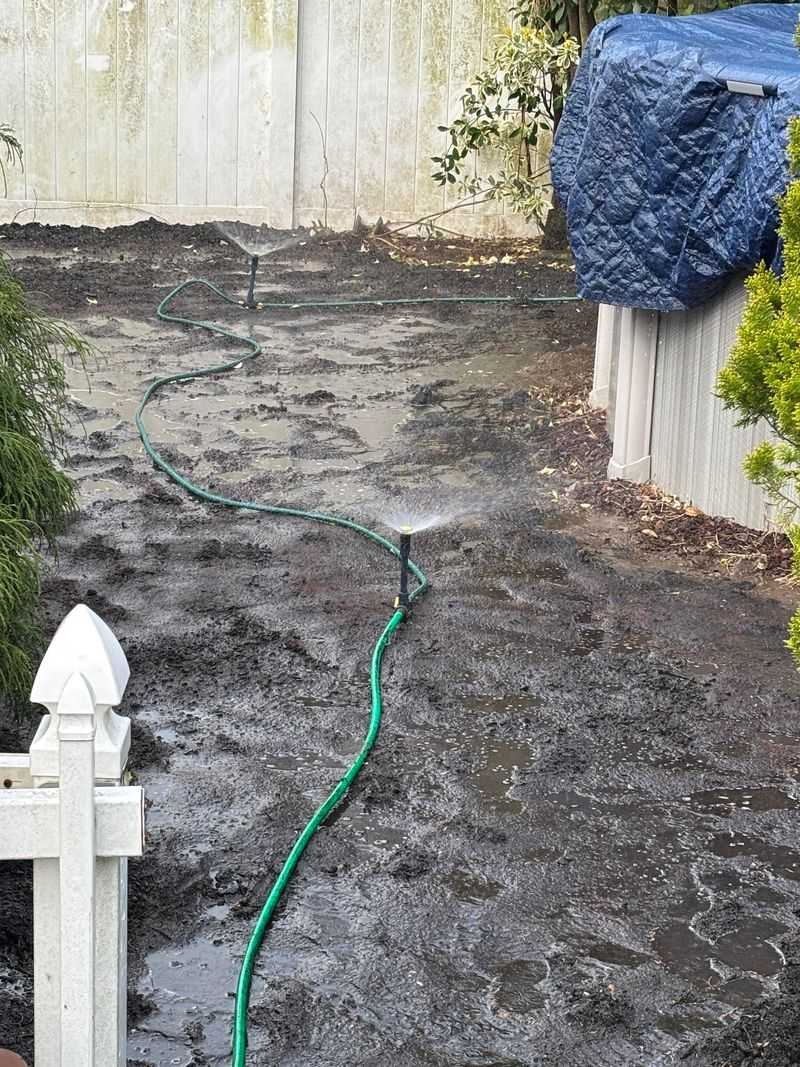
It seems so relaxing. You get home from work, the sun is setting, and you stand in the yard with the hose while the air turns crisp.
Sadly, that cozy routine can cause headaches in fall. When nights drop into the 40s, water sprayed in the evening sits on grass blades for 10 hours or more.
Cool, still night air slows drying way down. Long stretches of dampness create the perfect hangout for lawn fungi like brown patch, dollar spot, and pythium.
Pythium is especially sneaky with young grass. It can cause seedlings to look greasy and collapse in patches, sometimes overnight.
Heavy evening soaks can also leave the soil soggy. Waterlogged ground squeezes out the air roots need, and it may even attract slugs and other critters.
So what should you do if evenings are your only free time? Set a hose timer or sprinkler controller to run at dawn instead, so the work gets done while you sleep.
If you must water later, keep it brief and finish by midafternoon. A quick mist is far safer than a long soak at dusk.
Watch for warning signs in the morning. Circular brown spots, cottony threads, or a slimy look on the grass suggest it is time to change your timing.
Good airflow helps too. Rake up fallen leaves quickly so they do not trap moisture on top of the new seedlings.
A small tweak to your schedule can spare you a lot of reseeding. Your future self will thank you next spring.
8. Rainy October Weather Can Replace Several Watering Cycles
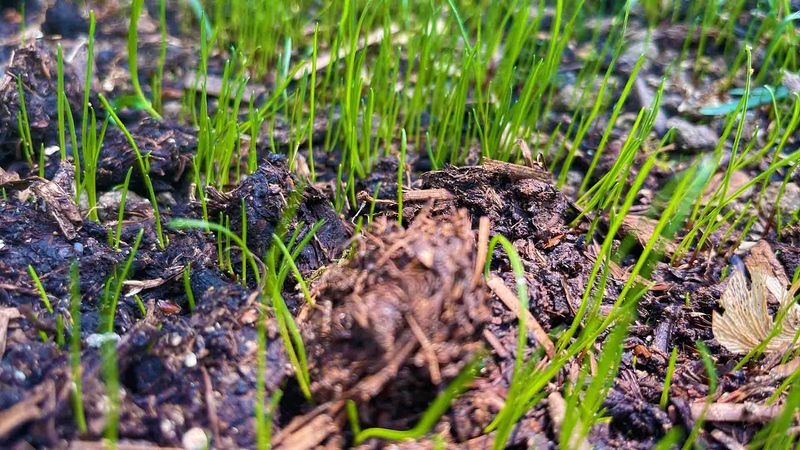
Ohio in October can feel like a soggy guessing game. One week brings bright blue skies, and the next brings three days of steady drizzle.
That rain can be a real gift for new grass. A good, soaking shower can take the place of a full day of watering, which saves time and lowers your water bill.
Not every rain counts equally, though. A quick sprinkle might wet the surface for an hour, then dry out by afternoon, leaving your seedbed thirsty.
A simple rain gauge solves the mystery. Stick one in the yard, and check it after each storm to see how much water actually fell.
For seedlings, a quarter inch or more of rain usually covers that day’s needs. For grass that has settled in, aim for about 1 to 1.5 inches of water per week, counting rainfall.
If you run a sprinkler system, add a rain sensor or skip cycles by hand after big storms. Watering right after a downpour just adds soggy soil and fungus risk.
Keep an eye on low spots too. Puddles that linger can wash away seed or smother tiny sprouts, so gently spread a little extra seed there later if needed.
A weather app with hourly rain totals is a handy sidekick. Checking it each evening helps you decide whether the morning sprinkler should run or rest.
Fun fact: October is often one of the drier months in parts of Ohio, despite its gloomy reputation. That surprise is exactly why measuring beats guessing.
9. Established Seedlings Need Deeper, Less Frequent Watering
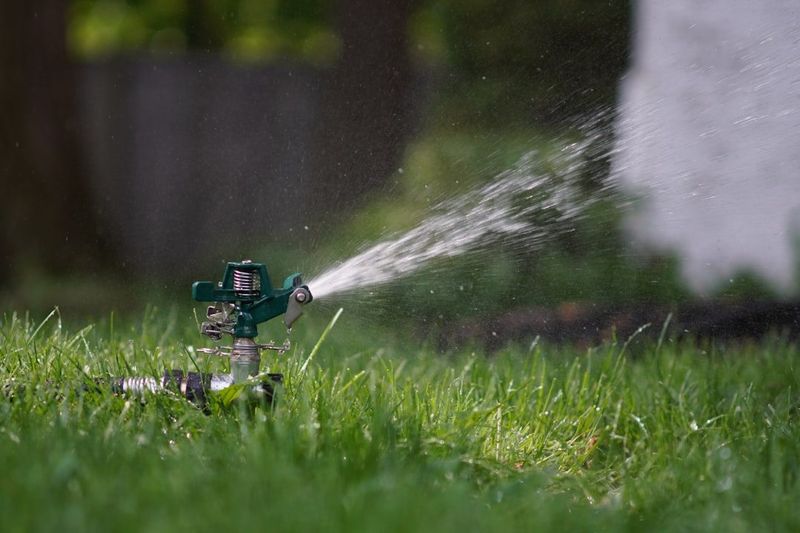
Congratulations, your lawn has graduated! Once seedlings reach two to three inches tall and have been mowed once or twice, they are ready for grown-up watering habits.
The new rule is simple. Give the lawn about one inch of water per week, split into two or three deep sessions instead of daily sprinkles.
Deep watering pushes moisture into the root zone, where it does the most good. Roots follow that water downward, building a lawn that shrugs off dry spells.
Allow the surface to dry a little between sessions. A slightly dry top layer discourages weeds from sprouting and keeps fungus in check.
Late fall in Ohio usually brings cooler days and more clouds. You may only need one deep watering a week, and some weeks rain may handle the whole job.
Keep watering until the ground starts to freeze, often in late November. Grass keeps growing roots in cold soil long after the blades stop growing.
Before winter, disconnect hoses and drain outdoor spigots. A burst pipe in January is a much bigger problem than a thirsty lawn.
Keep mowing at about three inches until growth stops. Taller blades shade the soil and help hold moisture, so you water less.
Stay off the lawn when it is frosty or soggy. Young turf bruises easily, and heavy foot traffic can pack the soil.
Come spring, you will see the payoff. A thick, green carpet that greets the first warm day is the best reward for a fall of careful watering.