The Backyard Fruit Alabama Gardeners Often Pick Too Late Is Usually Ready While It Still Looks Green
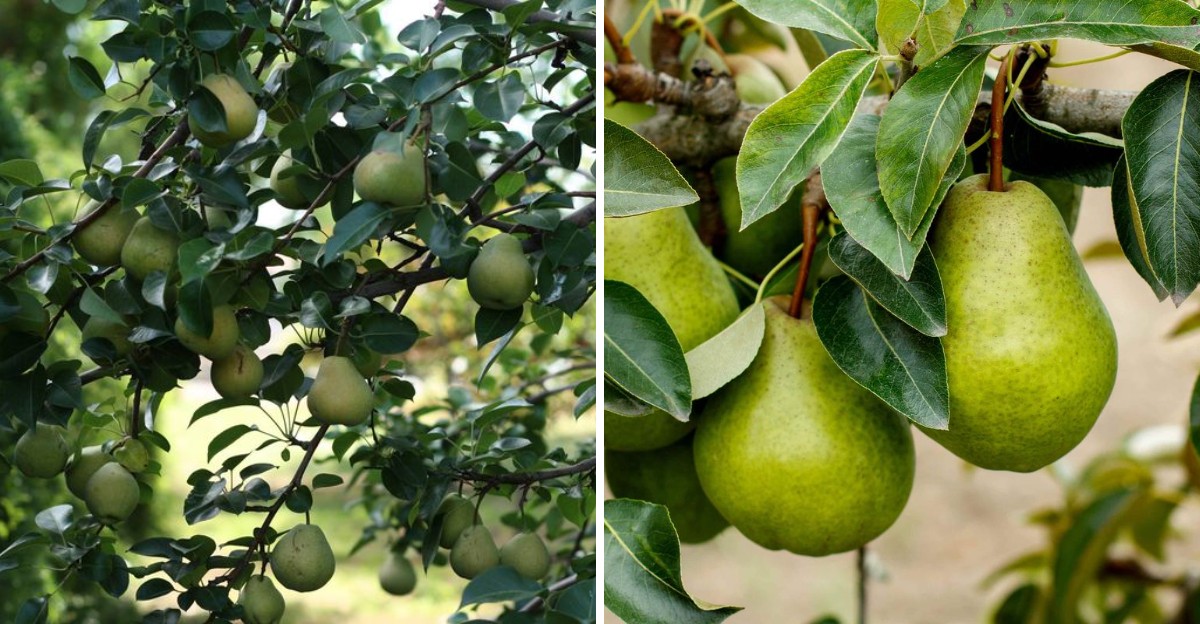
That hard green pear is fooling you. You wait for yellow while the core quietly turns to brown mush. Pears ripen from the inside out, unlike peaches or figs. Wait too long, and the flesh you wanted turns mealy and grainy.
Alabama gardeners like you with Kieffer, Orient, or Moonglow trees hit this trap each fall. Instead, you pick them green and hard. Tilt each pear sideways in your palm. If the stem snaps cleanly from the spur, that pear is ready.
Then you chill it as needed before it softens on the counter. Sugar builds, starch fades, and the texture turns buttery and fragrant.
Harvest timing in Alabama shifts with each variety and each season. Some trees still hold their final crop, waiting on you. Grab the ladder while those stubborn green pears still feel firm in your hand.
Southern Pears Ripen Best Off The Branch
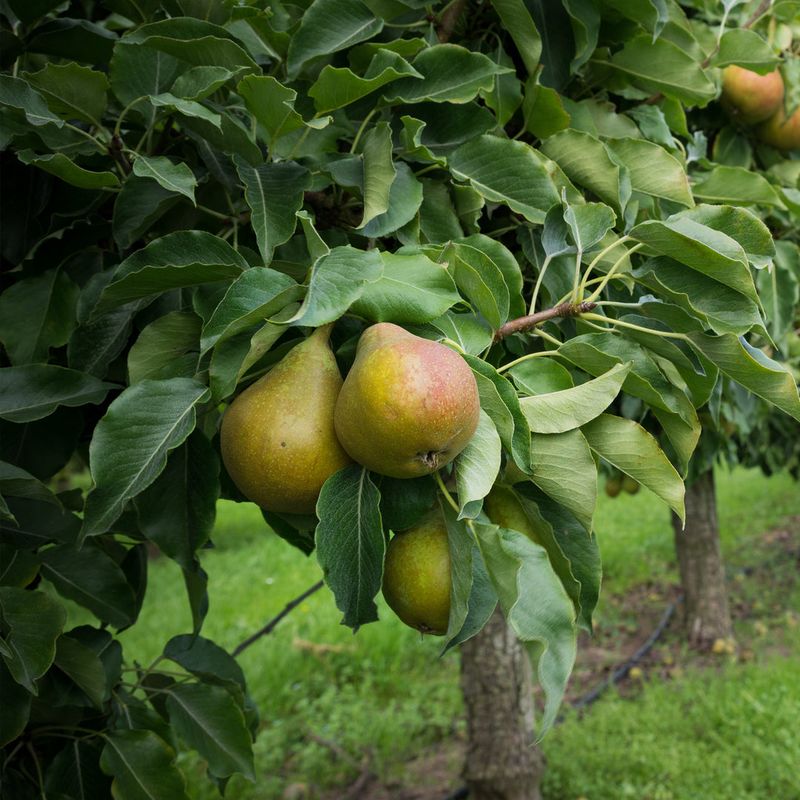
Ask Alabama orchard keepers which fruit folks pick too late, and many will quickly say pears. Pears, especially the tough Southern kinds, are often ready while their skins still look green.
Unlike peaches or figs, pears are built to finish their ripening on a kitchen counter. Left on the branch too long, they soften from the core outward while the skin looks fine.
That hidden softening catches so many hopeful backyard growers off guard each harvest season. The outside seems firm and healthy, yet the middle has turned brown, grainy, and bland.
Varieties like Kieffer, Orient, and Moonglow are popular across Alabama because they shrug off heat and fire blight. Their fruit follows the pick-early rule, though Asian pears ripen on the tree.
Kieffer pears are famous for staying hard as a baseball right up to harvest. Some people give up on them, thinking the fruit will soften someday on the tree.
The better plan is to pick when the fruit is mature but not yet ripe. Mature means fully sized and ready to sweeten, even though it still feels firm.
Think of it like taking cookies out of the oven a minute early. They keep baking on the tray, and they turn out just right.
Pears work the same way once they leave the branch. A short rest in cool storage and indoors turns a green, stiff fruit into something juicy.
So if your tree looks unfinished, it may be quietly finished after all. Grab a basket and take a closer look this week.
The Science Behind Ripening Off The Tree
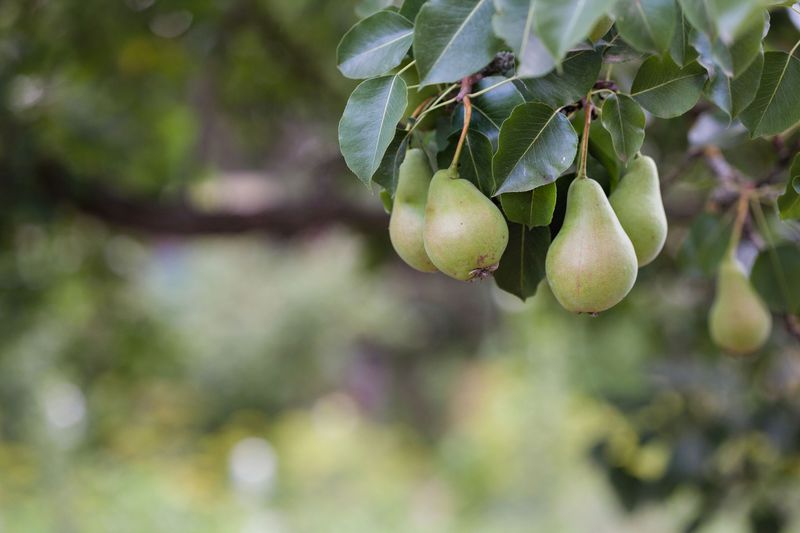
Deep inside every pear, tiny stone cells called sclereids give the flesh its famous gritty bite. Kieffer pears have lots of them, which is why their texture can feel sandy.
Overripe fruit can feel mealier and grittier, though stone cells form early. Picking at the right moment keeps the flesh smoother and more pleasant to eat.
Pears also make a natural gas called ethylene, which acts like a ripening signal. Once picked, the fruit releases more of it and starts softening evenly.
On the tree, that process gets messy. The core often breaks down first, turning brown and mushy long before the skin changes color.
Your Alabama Garden Changes Every Week. Your Plan Should Too.
Gardening in Alabama changes quickly throughout the season. Every Friday you’ll receive a simple weekly plan showing exactly what to plant, prune, fertilize, harvest, and protect so you never miss the right timing.
Horticulturists call this core breakdown, a disorder linked to late harvest and long storage. Late harvest and warm storage can speed the process along.
Starch is the other piece of the puzzle. A mature pear is packed with starch that slowly turns into sugar after harvest.
That is why a freshly picked pear tastes bland and a little woody. Give it time on the counter, and the fruit grows sweeter and softer.
Growers have harvested European pears firm and ripened them indoors for many generations. For European and hybrid types, early picking usually gives the best texture and flavor.
Once you understand the chemistry, the green skin stops looking like a warning. It starts looking like a promise that sweetness is on the way. Nature does most of the work for you. Your job is simply to step in at the right moment.
Picking Clues For Kieffer, Orient, And Moonglow
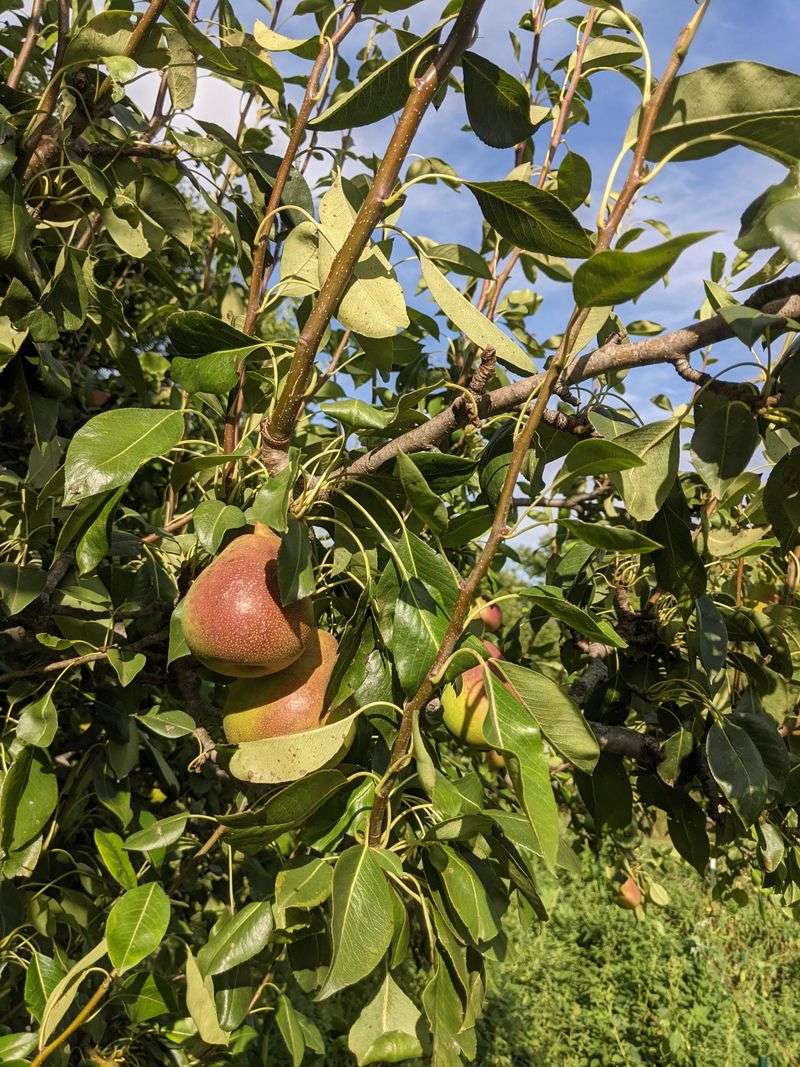
Grab a pear, tilt it sideways, and see if the stem snaps free with a gentle lift. That simple test tells you more than color ever will.
Mature pears separate easily when you lift them to a horizontal position. If you have to yank or twist hard, give the fruit another week.
Moonglow usually comes in first, often late July into August, depending on location and weather. The skin shifts from deep green to a lighter, softer green.
Orient pears tend to follow in August and September. Look for fruit that has reached full size and shows a faint yellow tint near the stem.
Kieffer ripens last of the bunch, usually from September into early October. As fall begins, many backyard Kieffer trees still carry plenty of fruit worth saving.
Other clues help too. In some varieties, tiny skin dots called lenticels turn from white to brownish as pears mature.
Cut one pear open and check the seeds. Dark brown seeds suggest maturity, but pair this clue with the tilt test.
A few pears dropping on their own is another hint. When healthy fruit starts falling, the rest of the crop is usually ready to pick.
Walk your tree every few days once harvest season begins. Timing can shift with weather, so a quick check beats guessing from a calendar.
Keep a small notebook with picking dates for each tree. Next year, those notes will feel like a cheat sheet from your past self.
Why Waiting For Yellow Backfires
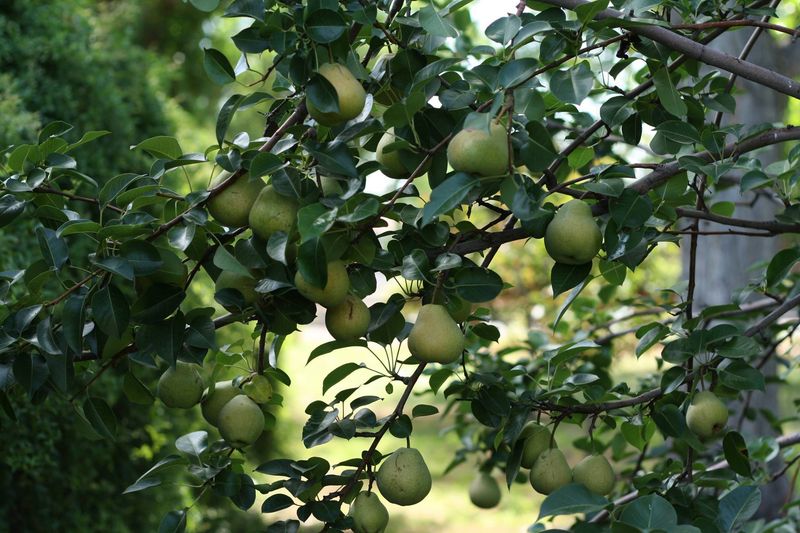
Picture a gardener who waits all September for Orient pears to turn golden. By October, much of the crop has softened, and squirrels claim the rest.
Waiting for yellow is a very common mistake in Southern backyard orchards. Store pears that turn yellow were picked green and ripened in storage after harvest.
Waiting for that color on the tree often means waiting too long. By the time a golden blush appears, the core may already be brown and soft.
Late picking also invites trouble from outside. Birds, wasps, and raccoons love soft fruit, and they will happily claim what you left behind.
Overripe pears can split, drop, and bruise when they hit the ground. Damaged fruit breaks down quickly and can attract even more pests to your yard.
Another problem hides in the flavor. Tree-ripened pears often taste flat or even fermented, a bit like cider left out too long.
Kieffer pears are especially tricky because they stay firm even when they are past their best. Gardeners squeeze them, feel no give, and assume they need more time.
Texture matters just as much. An overripe Kieffer can feel noticeably gritty and dry, with very little juice left.
The fix starts with letting go of the yellow rule. Green, full-sized fruit with a stem that lifts free is your real signal.
Pick early instead, and your kitchen will smell like sweet pears each fall. Your harvest lands in pies and preserves instead of on the ground.
Chilling And Ripening Your Picked Pears
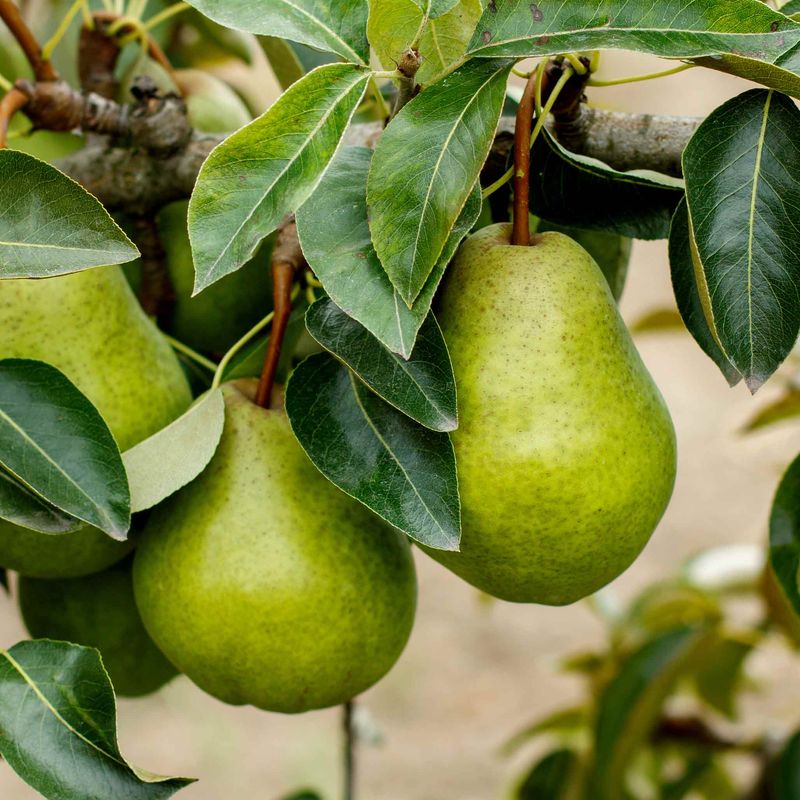
Picked pears need a little chill before they can shine. Think of it as a nap that wakes up their natural sweetness.
Kieffer and Moonglow often ripen more evenly after a stretch of cold storage. Aim for 30 to 32 degrees for a few weeks, without freezing them.
An extra refrigerator in the garage makes a great pear hotel. Place the fruit in a loose plastic bag with a few small holes for air.
Keep pears away from strong smelling foods like onions. Pears soak up odors easily, and nobody wants onion-flavored dessert.
After chilling, bring a few pears out to room temperature, around 65 to 75 degrees. Set them on the counter in a single layer.
Within about four to ten days, most will be ready to eat. Press gently near the stem with your thumb to check.
If the neck gives a little, the pear is ripe. Waiting until the round bottom softens usually means you have gone a bit too far.
Need to speed things up for a pie or party? Put the pears in a paper bag with a ripe banana or apple.
Those fruits release extra ethylene and nudge the pears along faster. Check the bag daily, because ripening can move quickly once it starts.
Orient pears may be more forgiving and can ripen without a long chill. Still, a week in the fridge helps them soften more evenly.
Ripen only what you plan to eat in the next few days. Leave the rest cold, and you can enjoy pears for weeks.
Sweeter Harvests And A Smarter Plan For Next Year
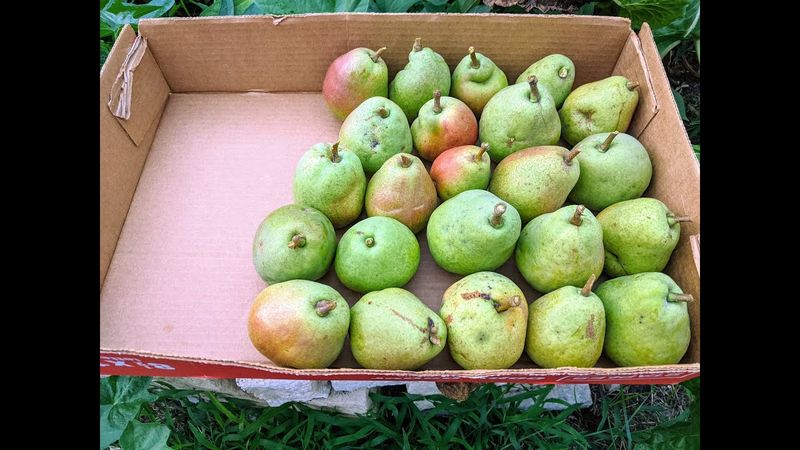
A jar of homemade pear preserves on the pantry shelf can make every winter spoonful taste like October. That kind of reward starts with smart planning long before harvest.
Early picking gives you smoother, juicier fruit with less waste overall. It also lets you spread the harvest over many weeks instead of one busy weekend.
Thinning young fruit in spring helps too. Leave about one pear every six inches so the rest can grow larger and ripen evenly.
Mark your calendar with expected picking windows for each tree. Moonglow in late summer, Orient next, and then Kieffer by early October make a handy guide.
Water deeply during dry spells in July and August. Stressed trees can drop fruit early or grow pears with tough, woody flesh.
Clean up fallen fruit quickly to keep pests and diseases from settling in. A tidy orchard floor means fewer wasps buzzing around your ladder.
Store your harvest with care, sorting out any bruised pears first. A single damaged pear can speed spoilage in the rest of the bag.
Extra pears make wonderful gifts for neighbors, churches, and school bake sales. Kieffer pears also shine in preserves, pear honey, and spiced butter.
If some of your crop is still hanging in October, head outside soon. A quick stem test right away could save the rest of your harvest.
Each season’s picking notes will sharpen your timing. Before long, you will spot a ready green pear from across the yard.
And when friends ask your secret, just smile. Tell them the best pears are the ones that still look shy.