Georgia Gardeners Should Think Twice Before Planting Near Black Walnut Trees
A struggling plant near a large tree can leave you searching for answers. You water it and check the leaves, yet the problem keeps coming back.
If a black walnut stands nearby, it is worth paying attention to where those problems appear.
These trees have long been linked to poor growth in certain garden plants. However, the reason is not always as simple as blaming one compound in the soil.
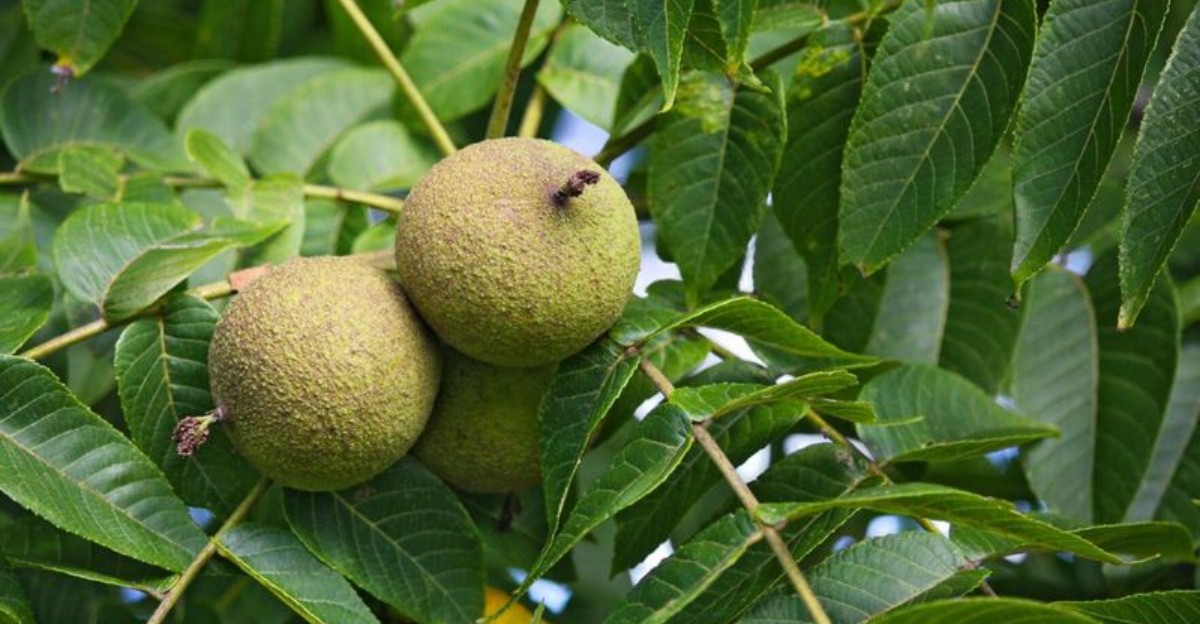
Black walnuts produce juglone, but experts still debate how much it affects plants under normal garden conditions.
Shade, thirsty roots, and competition for nutrients can create problems too. Several of these stresses may be happening in the same bed.
Georgia gardeners should look at the whole growing area before choosing what to plant nearby.
1. Healthy Plants Can Suddenly Struggle Beside A Black Walnut
One week your garden looks great, and the next week a few plants are drooping for no clear reason.
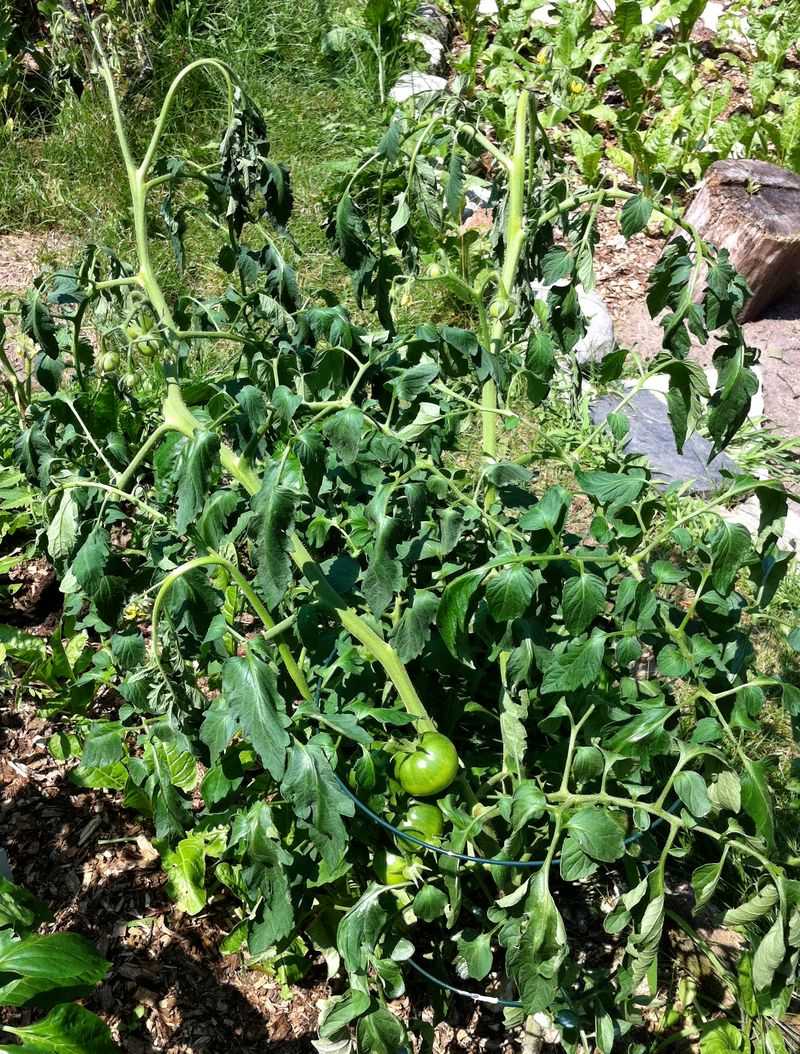
Sudden wilting near a black walnut can raise suspicion, but heat, moisture problems, root competition, and other stresses can cause similar symptoms.
Juglone can affect plants in laboratory conditions, but evidence that it reaches harmful concentrations around living walnut trees in ordinary garden soil is disputed.
Leaves may yellow, curl, or brown along the edges. In some cases, a plant wilts during the day and never quite recovers by evening, even after a deep drink of water.
Georgia summers can make diagnosis tricky, since heat stress causes similar wilting in July and August.
A good clue is location. If plants closest to the walnut struggle while matching plants farther away stay green, the tree is a likely suspect.
Watering will not usually fix juglone injury, and extra fertilizer rarely helps either.
Moving a young sensitive plant farther from the tree may give it a better chance. Older or badly affected plants often do not bounce back, so it can be smarter to replace them with tougher choices.
Keep a simple notebook or phone photos of what struggled and where it grew.
Over a season or two, those notes can show you a clear pattern. You will learn which spots in your yard are safe and which ones need a different plan, which beats guessing every spring.
2. Juglone Comes From More Than Just Fallen Walnuts
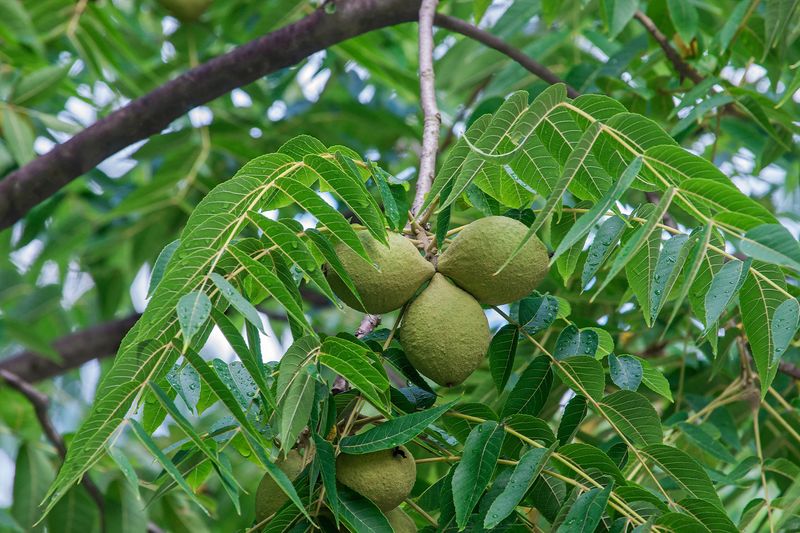
Raking up the nuts is not enough. Juglone is found in nearly every part of a black walnut tree, not only the green hulls that drop in fall.
Walnut roots contain compounds associated with juglone, but their effects on nearby plants under normal garden conditions remain debated.
Leaves, stems, bark, and hulls also contain juglone or the compounds that turn into it. When those parts fall and break down, some of the chemical can move into nearby soil.
Rain helps juglone wash off leaves and drip onto plants below the branches.
Here in Georgia, autumn leaf drop can leave a thick layer under walnut trees. Gathering those leaves and keeping them out of garden beds is a simple habit that may reduce exposure.
Your Georgia Garden Changes Every Week. Your Plan Should Too.
Gardening in Georgia changes quickly throughout the season. Every Friday you’ll receive a simple weekly plan showing exactly what to plant, prune, fertilize, harvest, and protect so you never miss the right timing.
What about composting walnut leaves and hulls?
Juglone does break down over time with air, moisture, and soil microbes. Many extension experts suggest composting walnut material for several months, often six months or longer, before using it around sensitive plants.
Wood chips and sawdust from walnut trees need the same caution, especially as fresh mulch.
If a tree service grinds a walnut stump or limbs, ask where the chips came from before spreading them. A pile of free mulch can quietly bring the problem right to your tomato bed.
3. The Root Zone Can Extend Beyond The Tree Canopy
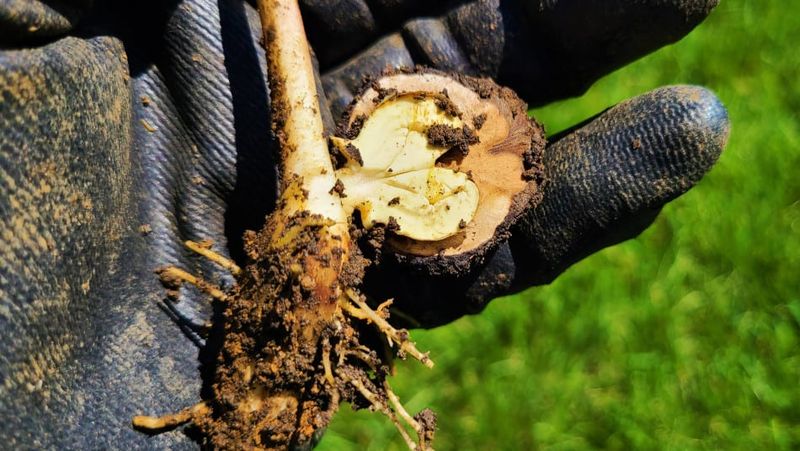
Look up at the branches, then picture the roots stretching well past them. Walnut roots can spread wider than the canopy, so the danger zone is bigger than most people expect.
Walnut roots can extend well beyond the canopy, where they also compete with nearby plants for water, nutrients, and growing space.
Exact distance depends on the size of the tree, soil type, and how the roots have grown. Young walnuts have smaller root systems, while an old giant along a Georgia pasture may reach much farther.
Soil matters too.
Heavy clay, which is common in much of the state, tends to drain slowly. Some gardeners notice juglone problems linger longer in wet, poorly drained soil, though results vary from yard to yard.
Walking the area can help you spot the line where sensitive plants start to struggle.
If you plan a new garden, measure from the trunk and give the tree as much room as your lot allows. Planting sensitive crops outside that range is often the easiest fix you will ever make.
Neighbors count as well, since their walnut roots do not stop at the property line.
Check over the fence before you pick a spot. A tree two yards away may still send roots under your lawn and into your beds.
4. Tomatoes And Azaleas Are Especially Sensitive To Juglone
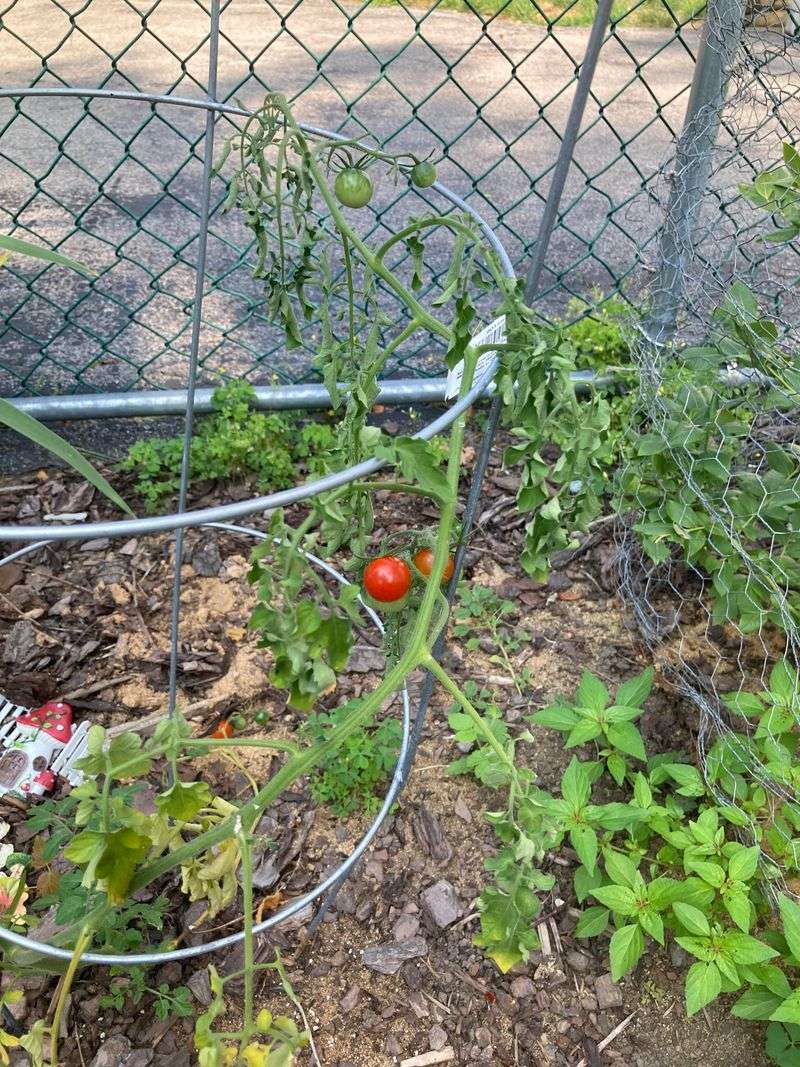
Two Southern favorites sit near the top of the trouble list.
Tomatoes and azaleas often appear on traditional lists of plants sensitive to black walnuts.
However, those lists are based largely on observations rather than controlled field evidence.
Tomatoes can wilt quickly once their roots meet juglone, and the damage often appears in midsummer as plants grow larger.
Peppers, potatoes, and eggplants belong to the same plant family. They are also commonly listed as sensitive, so moving your whole summer vegetable patch may be wise.
Azaleas are a bigger heartbreak in Georgia, where spring blooms fill yards from Atlanta to Savannah.
Rhododendrons and mountain laurel share that sensitivity. Their leaves may yellow, and the shrubs can slowly decline over a season or longer.
Other plants often named as sensitive include blueberries, apples, lilacs, and some peonies.
Sensitivity lists come from gardener reports and extension observations, so they are not perfect. A plant listed as sensitive might do okay in one yard and struggle in another depending on distance and soil.
Treat any list as a helpful warning instead of a strict rule.
When in doubt, grow favorites like tomatoes in containers with fresh potting mix, set well away from the tree. That small step lets you enjoy your harvest without risking the whole crop on a guess.
5. Plenty Of Plants Can Still Grow Around Black Walnuts
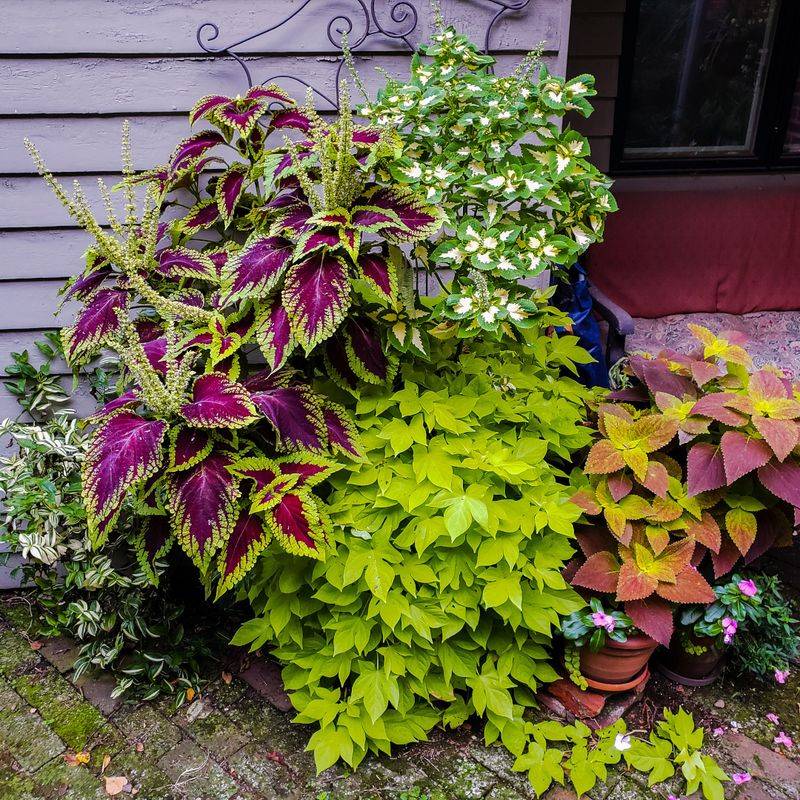
Good news is waiting under that tree.
A walnut does not have to mean a bare yard, since many plants are traditionally reported to grow successfully around these trees.
Hostas, daylilies, ferns, and coral bells are popular picks for shady walnut beds.
Bee balm, black-eyed Susans, and Virginia bluebells also tend to hold up well. Several of these are native to the eastern United States, which makes them a natural fit for many Georgia yards.
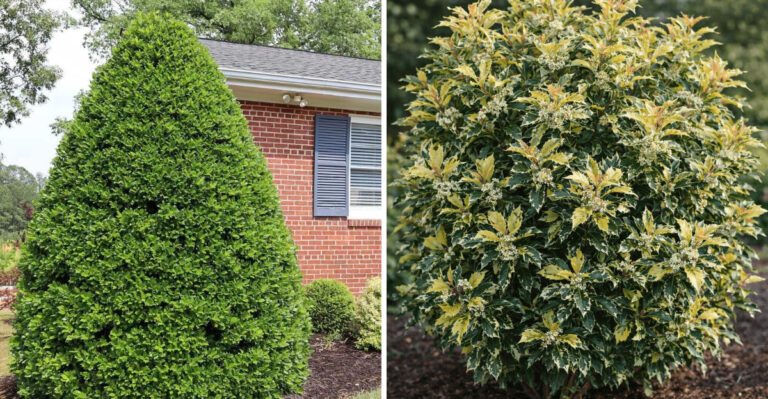
Shrubs like viburnum, forsythia, and some hollies are often listed as tolerant.
Vegetable growers have options too. Beans, beets, squash, onions, melons, and corn are commonly reported as tolerant, though results can still vary.
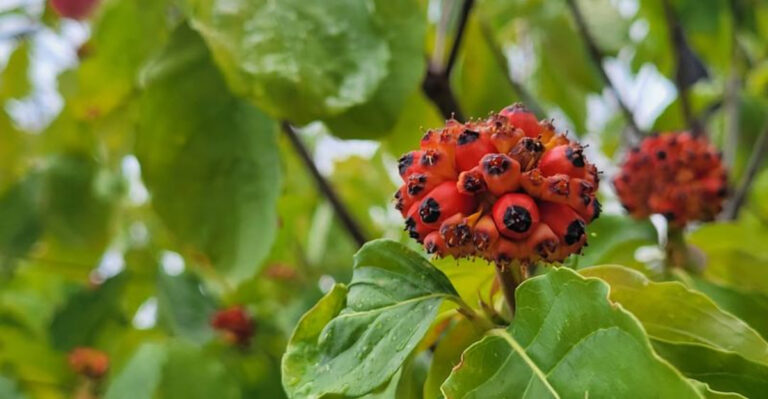
Here is a fun fact: native redbuds and dogwoods often grow near wild black walnuts in eastern forests.
Seeing them together in the woods is a good hint about what can share space. Nature has been testing these combinations for a very long time.
Light may end up being a bigger challenge than juglone, since mature walnuts cast shade.
Match plants to both conditions. A tolerant sun lover planted in deep shade may still struggle, so pick plants that enjoy partial shade when you are working close to the trunk.
6. Raised Beds Need Protection From Invading Walnut Roots
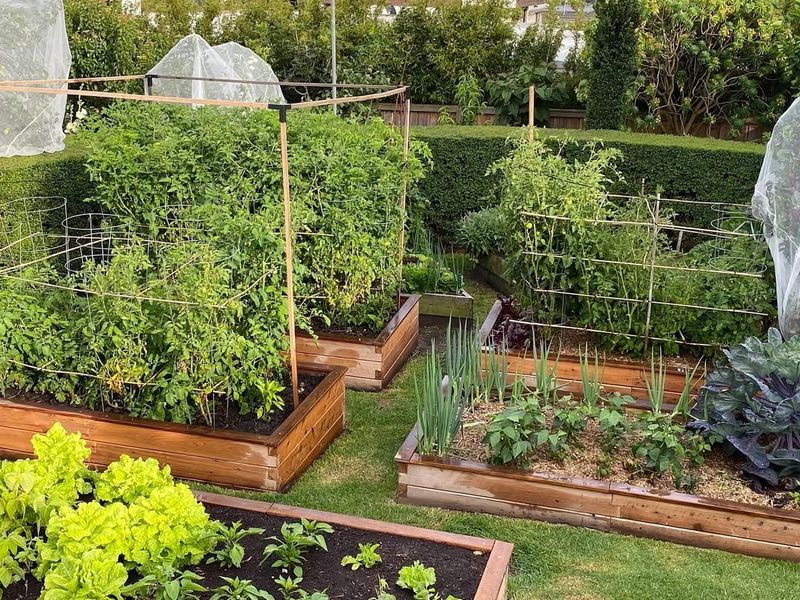
Building up sounds like a perfect escape, but roots have other plans. Walnut roots can grow up into a raised bed if nothing stops them.
Fresh soil helps at first, and many gardeners enjoy a season or two of good results.
Over time, feeder roots from nearby walnuts may find that loose, rich soil. Once they move in, sensitive plants can start showing the same wilting you saw in the ground.
A barrier at the bottom can slow them down.
Some gardeners line beds with heavy root barrier fabric, while others place the bed on a solid surface like pavers or concrete. Deeper beds, around 12 inches or more, give roots more distance to travel before reaching plant roots.
Georgia summer storms can wash leaves and hulls into beds, so keep the surface cleaned up.
Once a year, dig along the edges and check for thin walnut roots creeping in. Catching them early is much easier than rebuilding a whole bed later on.
No barrier is foolproof, and results depend on how close the tree stands.
For sensitive crops like tomatoes, placing the raised bed well outside the root zone still works best. Protection helps, but distance usually does the heaviest lifting.
7. Choosing Tolerant Plants Prevents Problems Before They Start
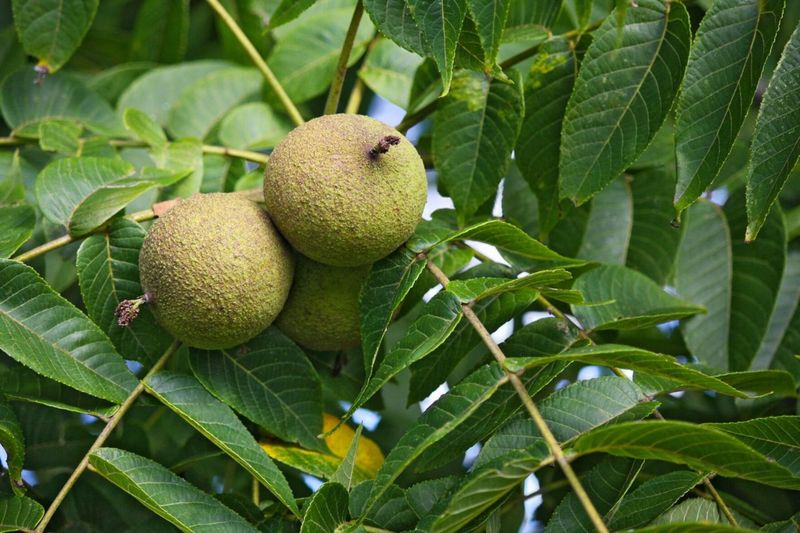
Smart planning beats fixing mistakes every time. Picking tolerant plants from the start can spare you the cost of replacing failed shrubs and crops.
Before shopping, walk your yard and note where each walnut stands, including trees next door.
Mark the rough root zone on a simple sketch. Then save sensitive favorites for spots far outside that area and fill closer spaces with tougher plants.
Your local UGA Extension office is a great free resource for gardeners around Georgia.
Staff can share walnut tolerance lists and help with soil testing. A soil test will not measure juglone directly, but it can rule out other problems like low pH or poor nutrients.
Garden center tags rarely mention walnut tolerance, so ask questions.
Try a few inexpensive plants in a test spot before planting a whole bed. Watching them for one full growing season gives you real proof about what your yard can handle.
Be patient if something struggles anyway.
Tolerance lists are guides based on observation, and plants can react differently to heavy clay, drought, or crowding. With careful choices and a little trial, your walnut and your garden can share the yard far more peacefully.