The Fall Bed Prep Mistake That Leaves Georgia Tomatoes Twisted Next Summer
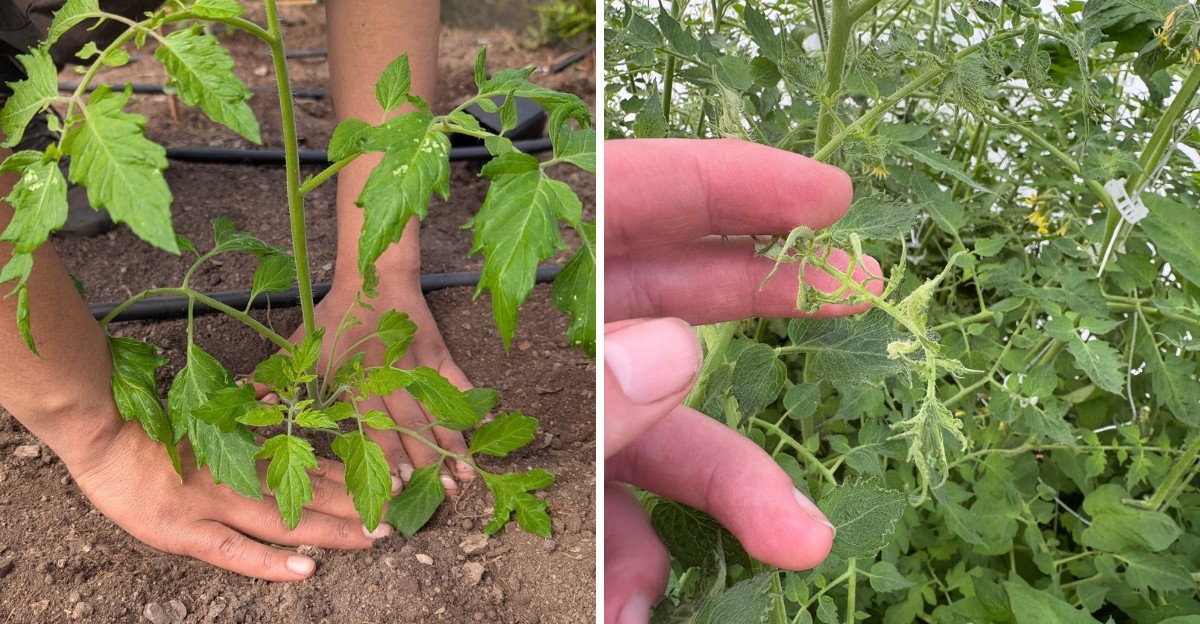
If your tomato leaves curled into tight, twisted cups this summer, you probably blamed the heat or a virus.
That guess makes sense, since both can cause odd growth in a Georgia garden. The real cause, though, often goes back to something you did to the bed months earlier.
Fall is when many of us load our beds with fresh material to give next year’s plants a head start.
That habit is smart, but where the material comes from matters more than most people realize. Some of it carries a problem you cannot see or smell.
Before you spread anything this season, ask the supplier or neighbor exactly what went into it.
Otherwise, those twisted leaves could show up again next June, right when your first tomatoes start to set.
1. At First, Transplants May Look Perfectly Healthy
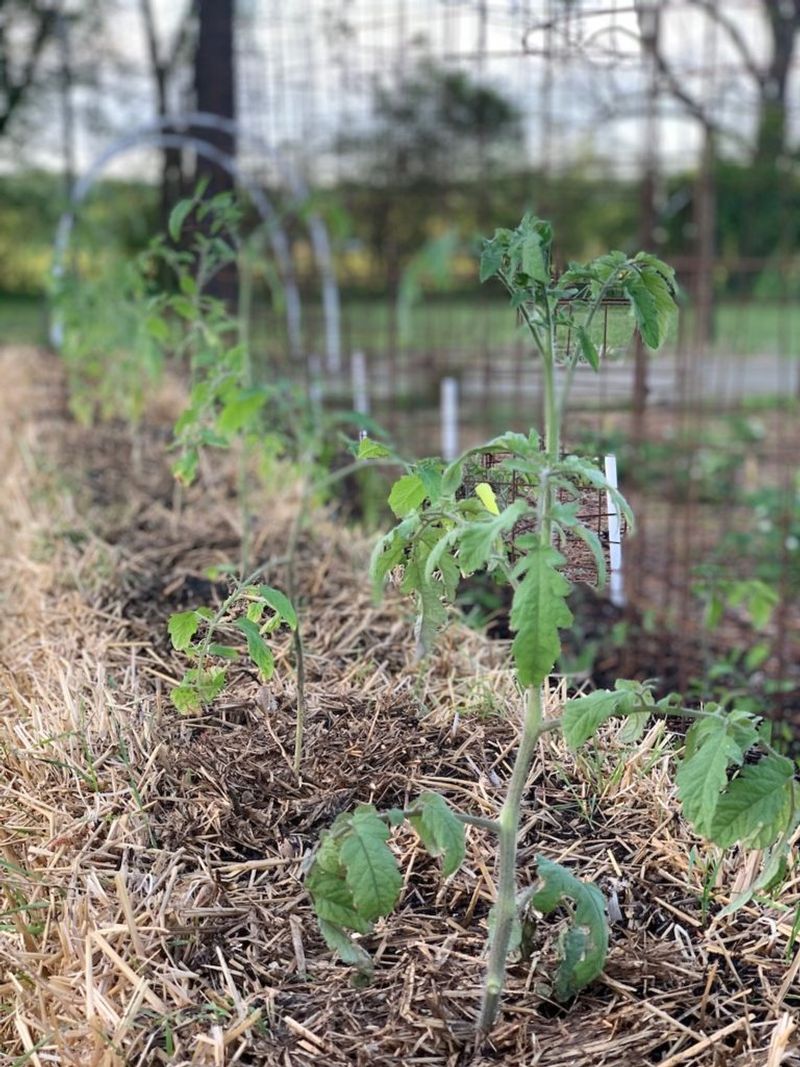
Nothing looks wrong on planting day, and that is exactly what makes this problem so frustrating. Your tomato transplants go into the bed green and upright, just like every other year.
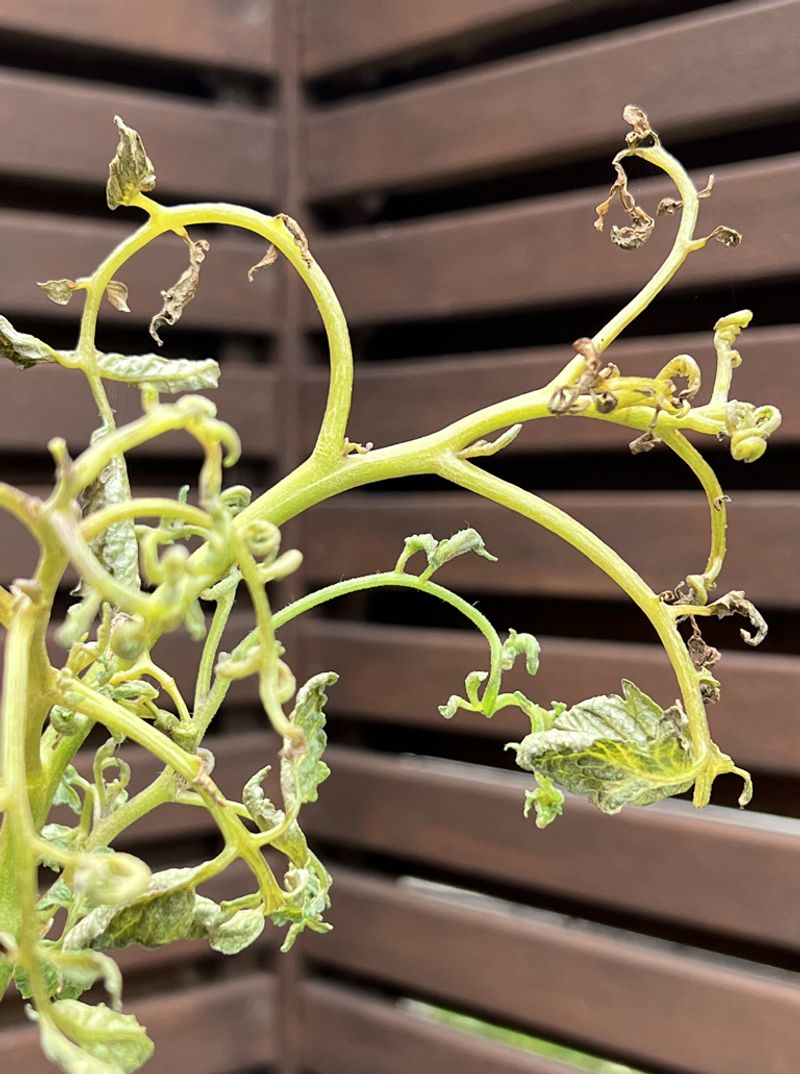
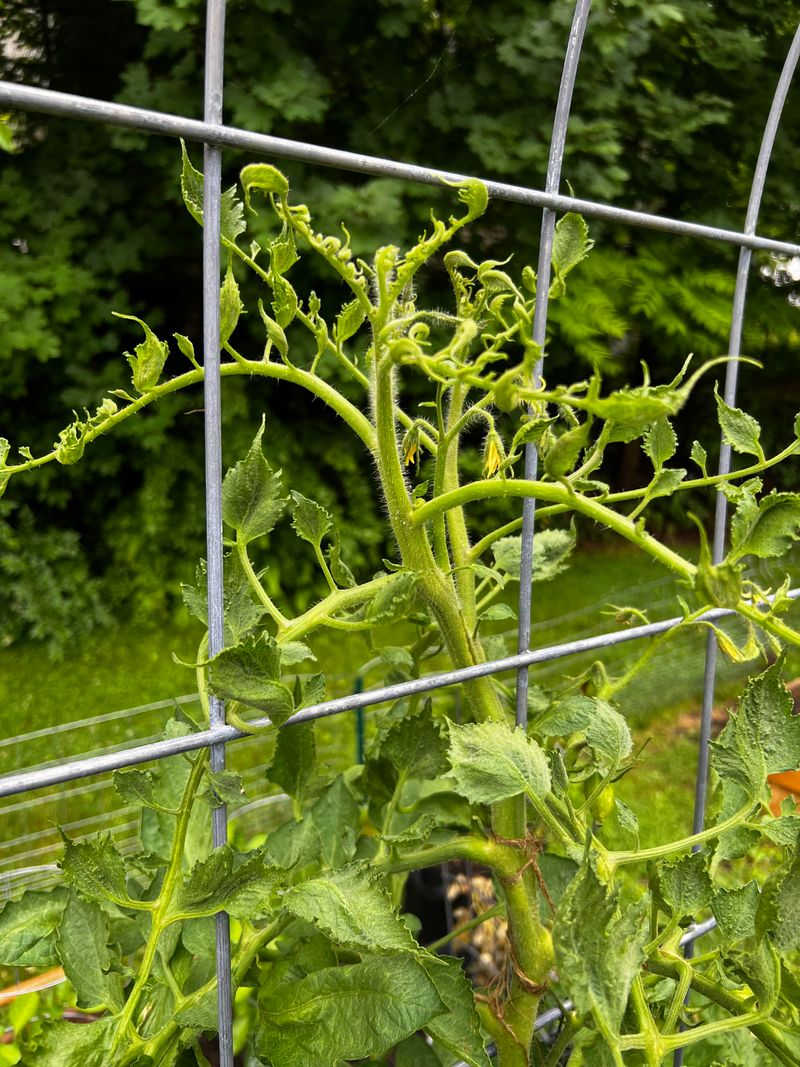
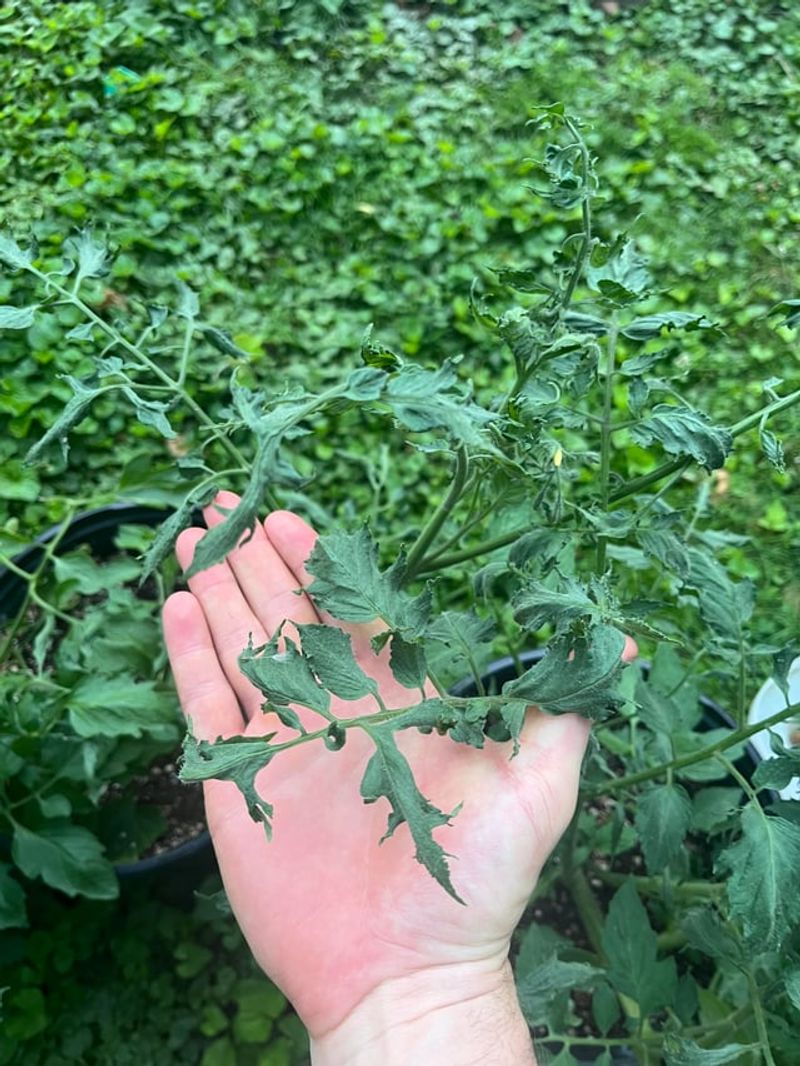
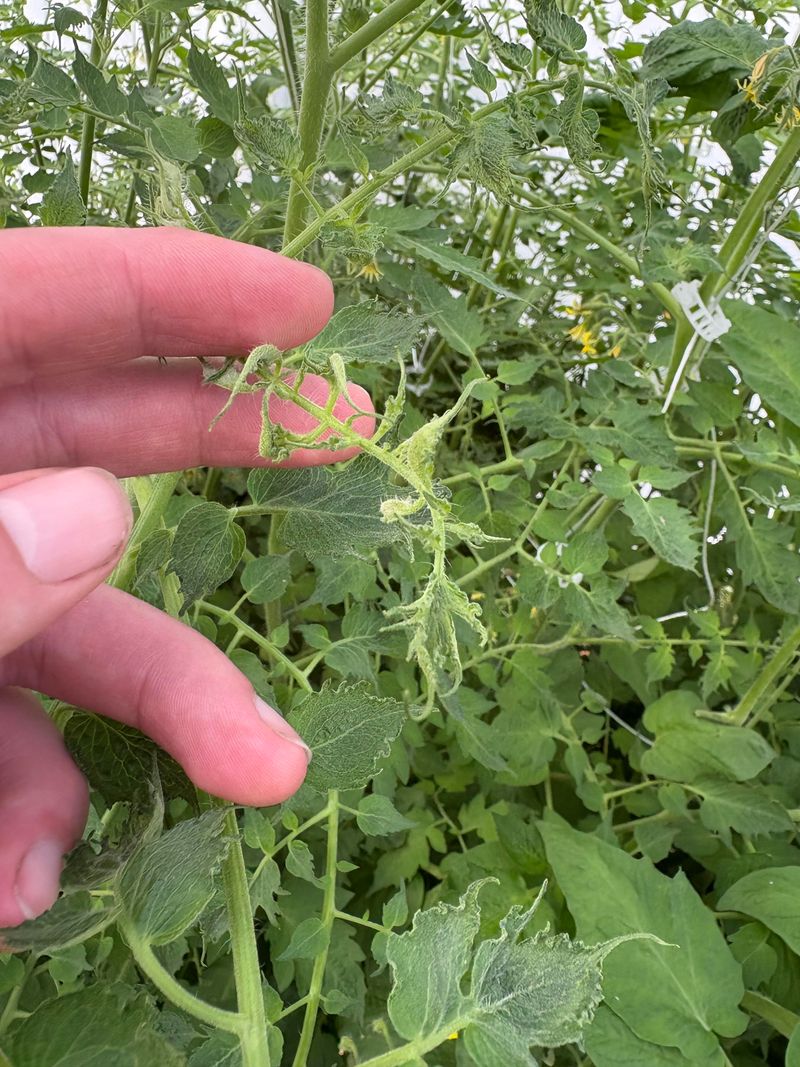
A week or two later, the newest leaves may start cupping upward or curling into odd, twisted shapes.
Stems can bend and look ropey, and some leaves turn narrow and stringy instead of broad and flat. Gardeners often blame a virus, heat stress, or too much fertilizer at first.
In many cases, the real cause traces back to last fall’s bed prep.
Spreading manure, hay, straw, or compost that carries persistent herbicides can leave residue in the soil. Those chemicals are meant to target broadleaf weeds, and tomatoes happen to be broadleaf plants that react strongly to them.
Symptoms tend to show up on new growth rather than older leaves, which is one helpful clue.
Damage levels vary a lot depending on how much residue is present and how much material was mixed in. Some plants recover partly and still set fruit, while others stay stunted for most of the season.
Georgia gardeners who see this pattern should look back at what went into the bed over the winter.
A quick note in your garden journal about each amendment and its source can make tracking the cause much easier later.
2. In Pastures And Hay Fields Treated For Broadleaf Weeds, The Problem Can Begin
Picture a clean, weed-free hay field, and you may be looking at the start of the trouble. Farmers spray pastures to control thistles, dog fennel, and other broadleaf weeds that livestock avoid or that crowd out grass.
Some of the herbicides used for this job belong to a group called pyridine carboxylic acids.
Aminopyralid, clopyralid, and picloram are common examples you may see on product labels. They work well on weeds while leaving grasses like bermudagrass and fescue mostly unharmed.
That selective action is great for a hay producer, but it creates a hidden risk for vegetable growers.
Grass cut from those fields can hold herbicide residue in the stems and leaves. When that hay gets baled and sold as mulch, bedding, or feed, the residue travels right along with it.
Your Georgia Garden Changes Every Week. Your Plan Should Too.
Gardening in Georgia changes quickly throughout the season. Every Friday you’ll receive a simple weekly plan showing exactly what to plant, prune, fertilize, harvest, and protect so you never miss the right timing.
Across Georgia, hay is easy to find and often cheap, which makes it tempting for garden use.
Straw can also carry residue, though wheat and other grain straw is treated with a different set of products. Labels on many of these herbicides warn against using treated hay or manure on sensitive crops.
Asking a farmer what was sprayed, and when, is a fair and common question.
Most growers who sell hay understand the concern and can tell you what they applied that year.
3. Some Persistent Herbicides Can Remain Active After Passing Through Livestock
Horse manure seems like garden gold. Plenty of gardeners pick it up free from local stables every fall, and it can be a fine soil builder when the source is clean.
Trouble shows up when those animals ate hay or grazed pasture treated with certain herbicides.
Chemicals like aminopyralid and clopyralid can pass through a horse, cow, or goat without breaking down much. Animals are generally not harmed at labeled rates, so owners may have no idea anything is wrong.
What comes out the other end can still carry enough residue to affect tomatoes, peppers, beans, and potatoes.
Even small amounts may cause visible leaf curling in sensitive vegetables. How strong the effect is depends on the herbicide, the rate used, and how much manure you work in.
Georgia has a lot of small horse farms and cattle operations, so manure is easy to come by.
Before hauling any home, ask the owner what hay the animals eat and where it was grown. If they buy hay from several suppliers, they may not know the full answer, and that uncertainty matters.
Bagged manure products from stores are not automatically safe either, though reputable brands may screen their materials.
When in doubt, set a small portion aside for testing rather than spreading the whole pile at once.
4. Unlike Many Herbicides, These Can Persist Through Composting
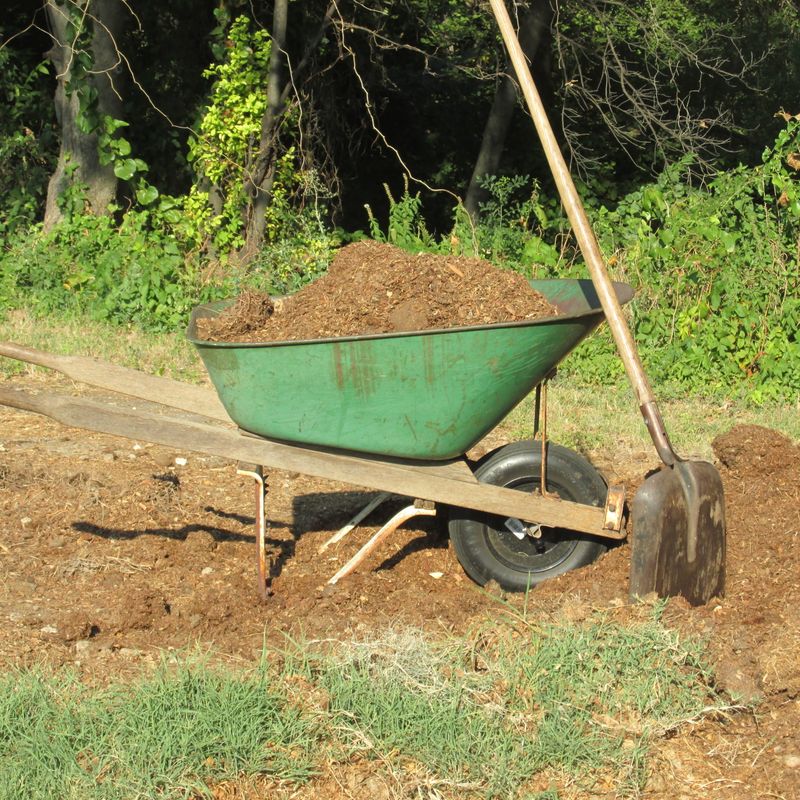
Hot compost handles a lot of problems, but it cannot fix everything. Heat and microbes break down weed seeds, many plant diseases, and plenty of common chemicals over time.
Persistent herbicides are a different story.
Compounds like aminopyralid and clopyralid resist breakdown in a compost pile far better than most garden chemicals. Residue can linger for many months, and in some cases more than a year, depending on conditions.
Warm temperatures, moisture, and active soil microbes help speed the process along.
Georgia’s long, humid growing season may help residue fade faster than in colder places, but that is not a sure thing. Dense clay soil, dry spells, or heavy application rates can slow breakdown down quite a bit.
Finished compost can look dark, crumbly, and perfect while still carrying enough residue to twist tomato leaves.
Municipal and commercial compost may include grass clippings from lawns treated with similar products. Some suppliers now test their compost, so it is worth asking whether they screen for these herbicides.
If you already have a suspect pile, time is your best tool.
Keeping it moist, turning it regularly, and letting it sit longer can help, though no set timeline works for every situation. Use it around shrubs or grass instead of vegetables until you are confident it is safe.
5. Ask Where Your Compost Or Hay Came From Before Spreading It
One simple conversation can save you a whole summer of twisted tomatoes. Before any truckload lands in your yard, ask the seller a few direct questions about where it came from.
Start with the basics: what fields produced the hay, and were they sprayed for broadleaf weeds?
For manure, ask what the animals ate over the past several months. If the answer is purchased hay, find out whether the owner knows how it was grown.
Product names can help you get clearer answers.
Herbicides containing aminopyralid, clopyralid, picloram, or aminocyclopyrachlor are the main ones to ask about. Some sellers will recognize brand names faster than chemical names, so looking at a label together can clear things up.
Honest suppliers usually appreciate a gardener who asks careful questions.
Your local UGA Cooperative Extension office in Georgia can also help you understand which products are common in your area. Extension agents field these questions often, especially during fall and early spring.
Keep a short record of each source, the date, and what the seller told you.
If problems pop up later, those notes make it much easier to trace the cause. Vague answers like “I think it’s fine” are a sign to slow down and test before spreading anything on your vegetable beds.
6. If You’re Unsure, A Pea Or Bean Test Can Help Flag Contamination
Beans and peas make excellent little detectives. Both react quickly to persistent herbicides, often showing cupped or twisted leaves within a few weeks of sprouting.
Setting up a bioassay test at home is cheap and fairly easy.
Fill a few pots with a mix of your compost or manure and plain potting soil, roughly half and half. Fill a few more pots with potting soil only, so you have something clean to compare against.
Plant three bean or pea seeds in each pot and label everything clearly.
Keep the pots somewhere warm and bright, and water them evenly. After the plants have grown three or four sets of true leaves, check for curling, cupping, or strange, narrow growth.
If the test plants look noticeably different from the clean pots, contamination is a real possibility.
Results are not perfect, since very low residue levels may not show clear signs. Overwatering, cold temperatures, or poor light can also cause odd growth, which is why the clean comparison pots matter.
Georgia gardeners can run this test indoors in late winter while outdoor beds rest.
Lab testing is available too, but it can be expensive and may only check for specific chemicals. For most home growers, a simple bean test offers a practical first look.
7. Testing Before Spring Planting Leaves Time To Adjust
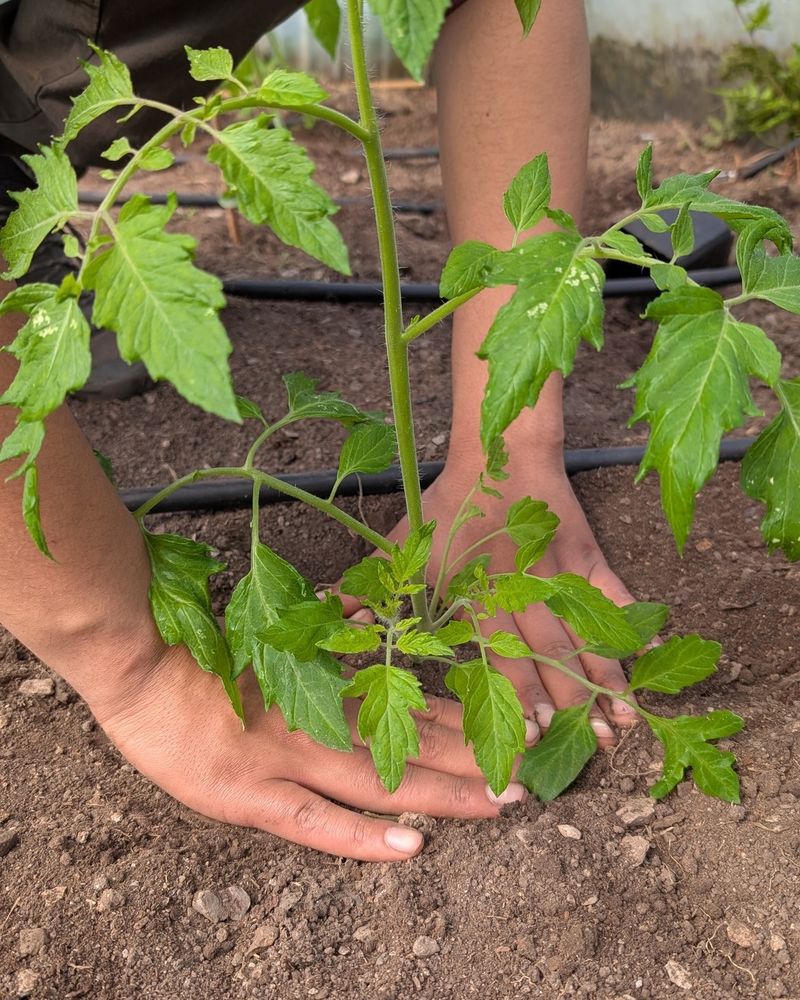
Timing turns a disaster into a detour. A bean test run in January or February gives you results before tomato planting season arrives in most parts of Georgia.
Positive results do not mean your garden is ruined, but they do mean it is time to rethink the plan.
You could move tomatoes to a different bed or grow them in containers with fresh potting mix. Corn, onions, and other grass-family or less sensitive crops may handle the affected soil better, though results can vary.
Adding clean organic matter and keeping the soil active can help residue break down over time.
Tilling to mix the contaminated layer with deeper soil may dilute it somewhat. Activated charcoal is sometimes suggested, but its effectiveness in home gardens depends on the rate and soil type.
Patience is often the most reliable fix.
Retesting after a few months shows whether the soil is improving. Some beds clear up within a season, while others need longer, especially if a large amount of material went in.
Skip putting any more of the suspect material into your garden while you wait.
A little planning now can mean healthy, flat-leaved tomato plants and a much better harvest when summer finally rolls around.