September May Be Your Last Chance To Spot Painted Buntings In Georgia
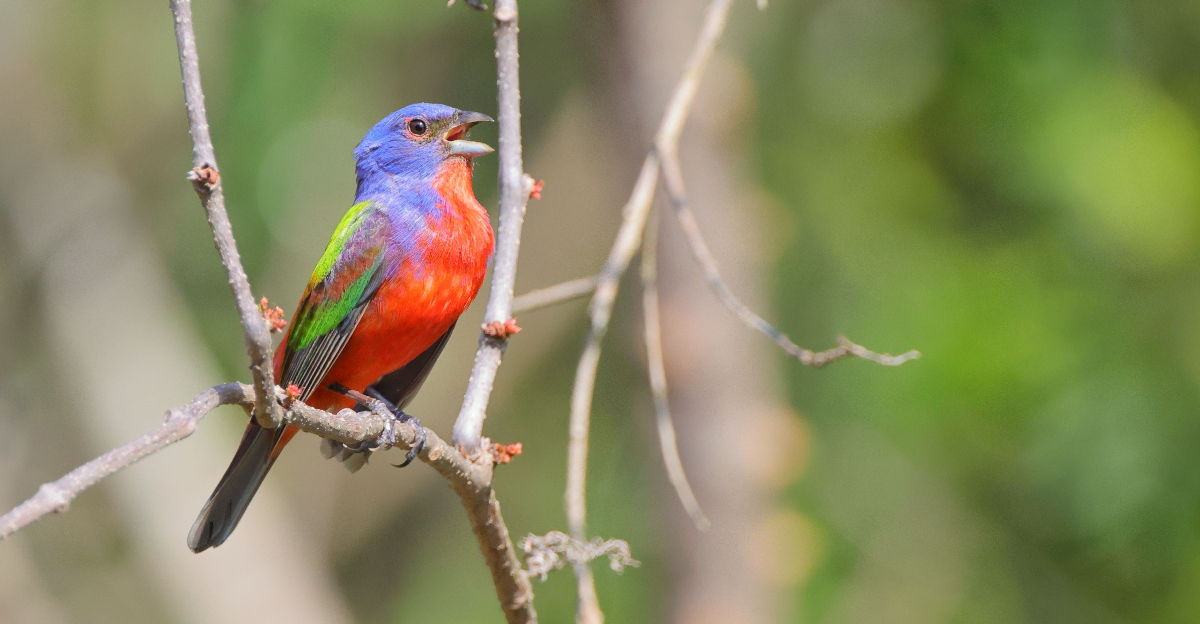
September can bring one of the final opportunities to catch a glimpse of a painted bunting before seasonal movement carries many farther south. Their brilliant colors make even a brief backyard appearance difficult to overlook.
That timing makes every sighting feel a little more special. Painted buntings that spent the warmer months around coastal Georgia begin shifting away as fall migration gets underway.
You may still notice one visiting a feeder or moving through dense vegetation during this transition. Knowing where to watch can improve your chances before sightings become less frequent.
Keep an eye on sheltered edges and familiar feeding areas rather than expecting them in open spaces.
Their departure does not happen on one exact September date, so there is still time to look.
Watch carefully this month, because that colorful visitor may soon continue its southward journey.
1. Painted Buntings Begin Moving South As Fall Approaches
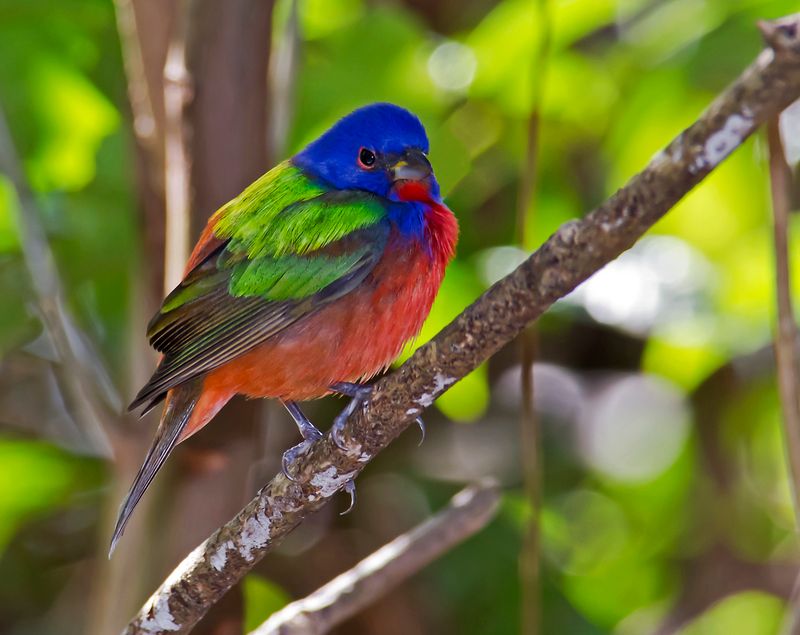
Painted Buntings do not disappear all at once when September arrives. Their fall movement happens gradually, giving birdwatchers another chance to spot them as the season begins to change.
Birds from the eastern breeding population spend the warmer months along Georgia’s coast and other parts of the Southeast before heading south.
Many eventually travel toward southern Florida and the Caribbean for the cooler months.
September falls right into this seasonal transition. Adult males can become harder to find as fall progresses, while green females and young birds may still appear around suitable habitat.
There is no single departure date that applies to every bird. Weather conditions, location, and individual timing can influence when buntings begin moving through or leave an area.
That means September should not be treated as a firm cutoff. Sightings can continue later, including into October in some locations, even as the overall chance of encountering these birds begins to decline.
Brushy edges, dense thickets, and seed-rich areas are worth watching during this period. These habitats provide both feeding opportunities and nearby cover.
For anyone hoping to catch another glimpse before the season changes, September remains an important month to keep watching.
2. Coastal Thickets Offer Some Of The Best Places To Look
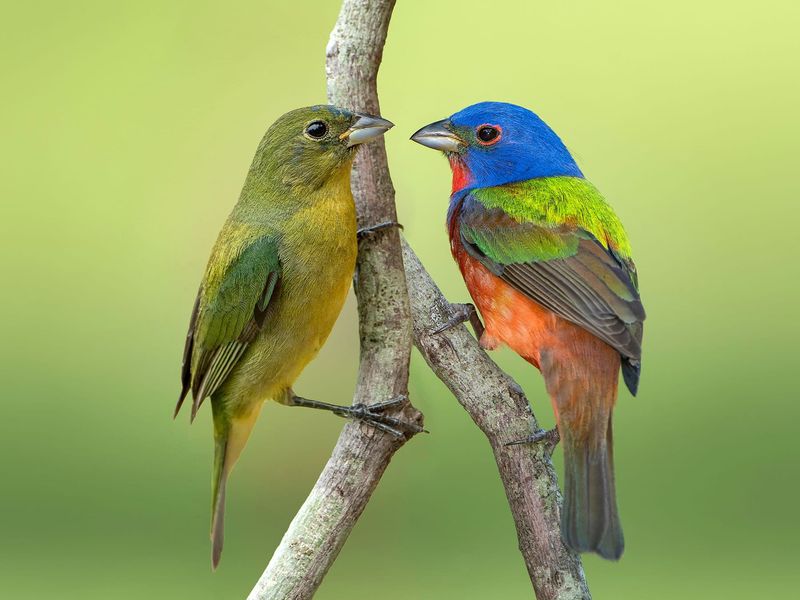
Painted Buntings can be surprisingly difficult to spot even when they are nearby. Dense vegetation gives these small birds plenty of places to stay hidden between brief appearances.
Brushy fields, woodland edges, shrubby coastal areas, and tangled vegetation provide the kind of cover they regularly use. Buntings often move between thick shelter and nearby places where seeds are available.
Open lawns are generally less promising unless shrubs or other dense vegetation sit close by.
Areas with grasses, low plants, and taller shrubs give birds several layers of cover to move through.
Patience helps when searching this type of habitat. Instead of walking quickly past a thicket, watch its edges for several minutes and look for small movements among the leaves.
Females and young birds can be particularly difficult to notice. Their green plumage blends into foliage much more easily than the bright colors of an adult male.
Your Georgia Garden Changes Every Week. Your Plan Should Too.
Gardening in Georgia changes quickly throughout the season. Every Friday you’ll receive a simple weekly plan showing exactly what to plant, prune, fertilize, harvest, and protect so you never miss the right timing.
Coastal areas are especially worth watching because the eastern Painted Bunting population breeds along portions of the Southeast coast. Suitable thickets in these areas can remain useful during the transition into fall.
Finding the right habitat does not guarantee a sighting, but concentrating on dense, brushy areas gives you a much better place to start.
3. Green Females And Young Birds Are Easy To Overlook
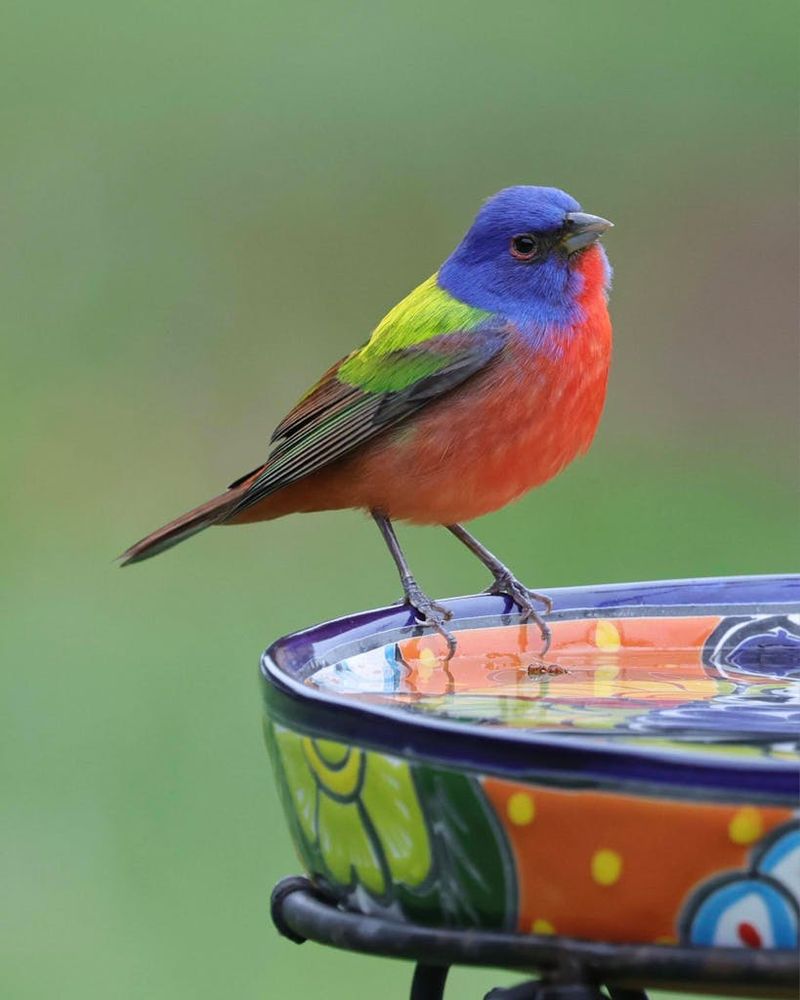
Adult male Painted Buntings may attract most of the attention, but they are not the only birds worth watching for in September.
Females and young birds look remarkably different and can easily disappear against green vegetation.
Females are primarily bright yellow-green, while immature birds have similar green coloring. Without the adult male’s combination of blue, red, and green, these birds are much easier to overlook from a distance.
Their sturdy bills provide a useful identification clue.
Painted Buntings have thick, seed-cracking bills that look noticeably different from the slender bills carried by many small insect-eating birds.
Behavior can offer another hint. Watch for small green birds feeding on seeds, moving through grasses, or slipping between dense shrubs and nearby feeding areas.
A quick glance may not be enough for a confident identification. Binoculars can help reveal the bird’s bill shape, overall coloring, and other details before it disappears back into cover.
This becomes particularly useful as fall progresses and brightly colored adult males become less noticeable. Paying attention to green birds can prevent you from overlooking a Painted Bunting that was sitting nearby the entire time.
4. Seed-Rich Areas Can Draw Buntings During Fall Migration
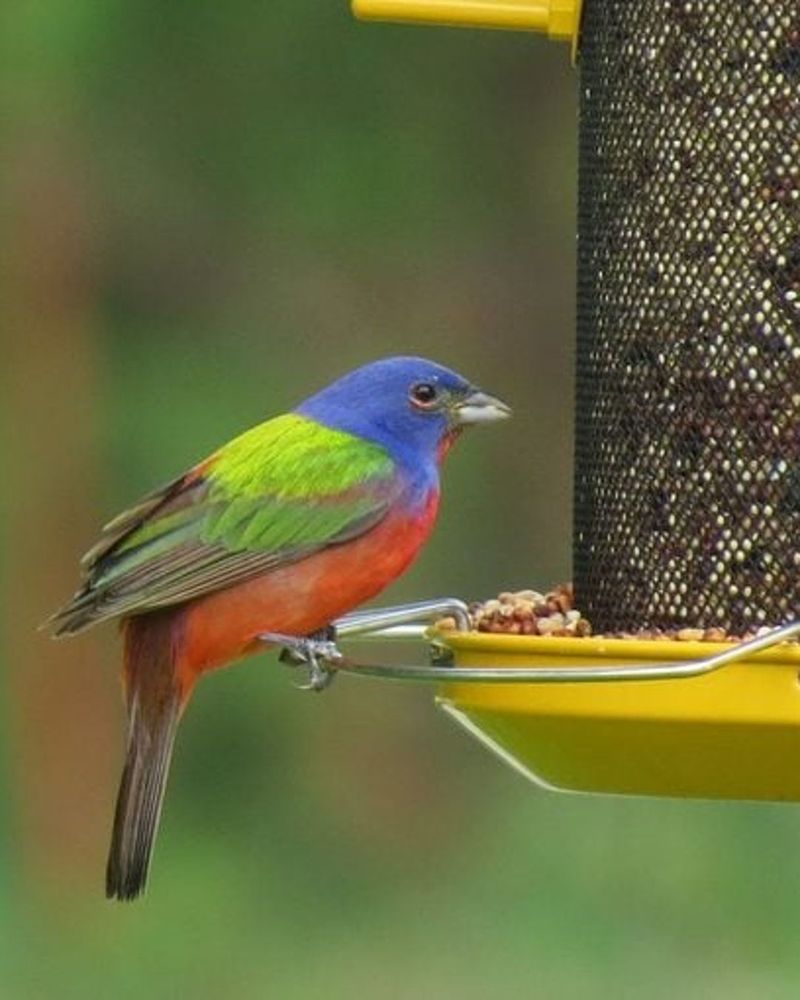
Seeds make up an important part of a Painted Bunting’s diet, so areas with plenty of natural seed sources are worth watching during fall migration.
Mature grasses and other seed-producing plants can provide feeding opportunities as birds move through suitable habitat.
Leaving some seed heads standing can make a yard more useful than removing every faded plant as soon as fall approaches. Buntings often forage close to the ground or among low vegetation where seeds are easy to reach.
Feeders can provide another food source where Painted Buntings already occur. White proso millet is particularly attractive to these seed-eating birds and can be offered in a feeder placed near suitable cover.
Location matters because buntings tend to stay close to vegetation where they can quickly retreat. Dense shrubs or thickets near a feeding area provide shelter between visits and make an exposed yard more inviting.
Natural vegetation remains valuable even when feeders are available.
Grasses and seed-producing plants give visiting birds additional places to forage without depending on a single food source.
During September, watching these feeding areas can improve your chances of noticing buntings before their seasonal movement carries them farther south.
5. Dense Shrubs Give These Colorful Birds The Cover They Prefer
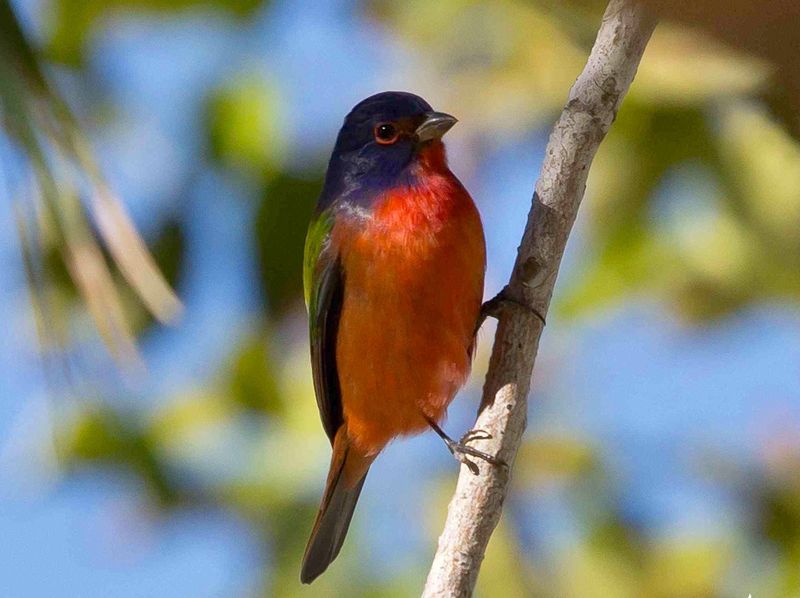
Painted Buntings are closely associated with dense vegetation, where they can move between feeding areas and sheltered spots without spending much time in the open.
Thick shrubs, tangled growth, and brushy edges can provide the cover these small birds regularly use.
A yard dominated by open lawn offers fewer places for a cautious bunting to retreat. Adding layers of vegetation creates sheltered routes between feeding spots and other parts of the landscape.
Shrubs can be especially useful when they grow near grasses and other low vegetation. This combination creates different levels of cover instead of leaving birds exposed whenever they move around the yard.
Feeder placement can make a difference too. Positioning a feeder reasonably close to dense vegetation gives visiting buntings quick access to shelter after they stop for seeds.
There is no need to let the entire landscape become overgrown. Even a less-manicured corner with several shrubs and some taller vegetation can add useful structure.
This type of habitat can support other songbirds as well. During September, when Painted Buntings are beginning their seasonal movement, sheltered areas paired with nearby food sources are particularly worthwhile places to watch.
6. September Sightings Can Continue As Birds Move South
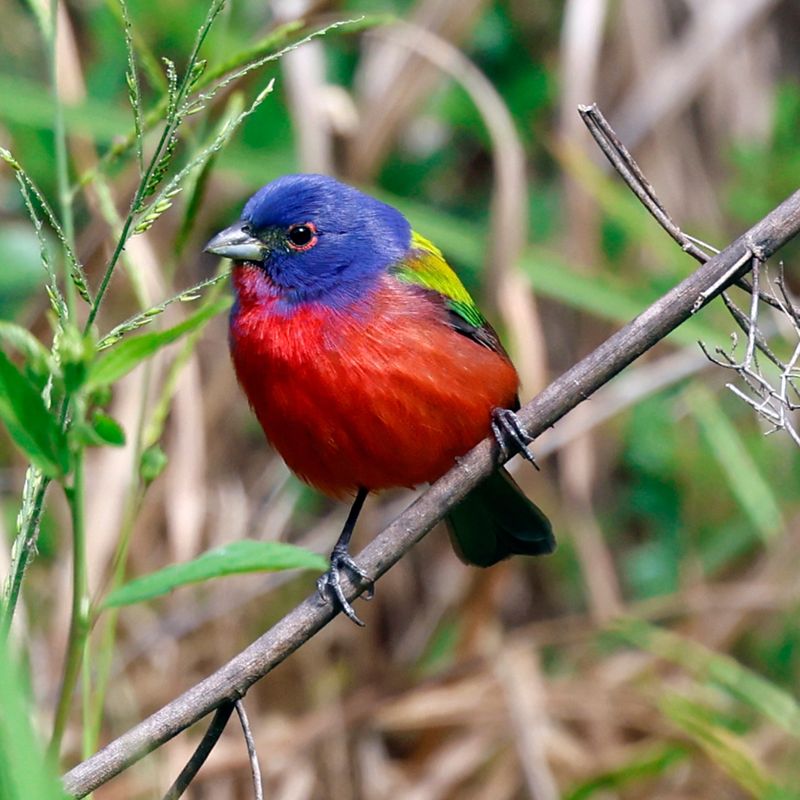
September does not bring an immediate end to Painted Bunting sightings.
Fall migration unfolds gradually, so some birds can remain visible while others have already started moving farther south.
Timing varies between individual birds and locations. A spot that held several buntings earlier in the season may become quieter, while another suitable area can still produce sightings as birds pass through.
Females and young birds deserve extra attention during this period. Their green plumage makes them less noticeable than adult males, especially when they remain close to dense vegetation.
Migration can also make appearances less predictable. A bunting that visits a feeder or brushy edge one morning may continue its journey rather than staying in the same area for an extended period.
That is why regular observation can be worthwhile throughout September. Checking feeders, seed-producing vegetation, and nearby thickets at different times gives you more opportunities to notice birds moving through.
Sightings can continue into October in parts of the region, so September is not a strict final cutoff. Still, the window gradually narrows as fall advances and more Painted Buntings leave their breeding range for their seasonal destinations farther south.
7. Spring Brings These Colorful Birds Back To Coastal Areas
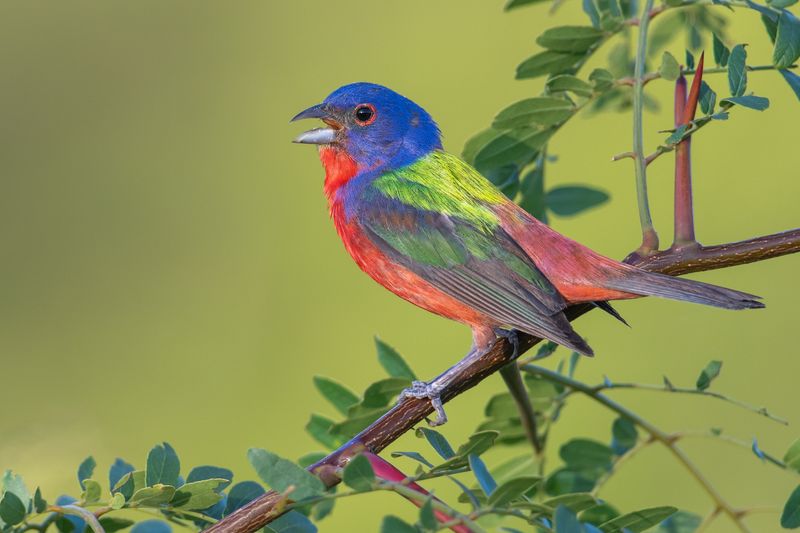
Fall departure is only one part of the Painted Bunting’s yearly cycle.
Birds from the eastern population return to their breeding areas in Georgia and other parts of the Southeast during spring, bringing another opportunity to watch for them.
Arrival timing varies, but Painted Buntings generally begin appearing along parts of the Southeast coast during April. Their return becomes easier to notice as males establish territories and become more vocal.
Spring can be an especially rewarding time to listen for their songs. Adult males often sing from exposed perches, making them easier to locate than birds staying quietly inside dense fall vegetation.
Suitable habitat remains important when they return. Shrubby edges, thickets, grasses, and other dense vegetation provide the combination of cover and feeding areas these birds regularly use.
Gardeners can prepare before spring by maintaining some dense vegetation and allowing useful seed-producing plants to remain in appropriate areas. Feeders stocked with suitable seed can provide another reason for nearby buntings to visit.
Missing a September sighting therefore does not mean waiting indefinitely for another opportunity. Once spring migration begins, these striking birds start returning to coastal breeding areas and another season of watching begins.