Georgia Peach Trees Need This Fall Treatment Before Leaf Curl Returns
If your peach tree put out red, puckered leaves last spring, you know how ugly leaf curl can look. Many of those leaves likely dropped early, weakening the tree for the season.
The disease tends to come back every year once it finds a tree.
That happens because the fungus overwinters on the bark and around the dormant buds.
By the time you notice curled leaves in spring, it is too late to treat that year’s infection. Leaf curl has to be stopped before the buds open.
In Georgia, fall is one of the best windows for that step, once the leaves come down. Getting the timing right can make a real difference.
Keep an eye on your peach trees as their leaves start dropping over the next few weeks.
1. Puckered Reddish Leaves Last Spring Were A Warning Sign
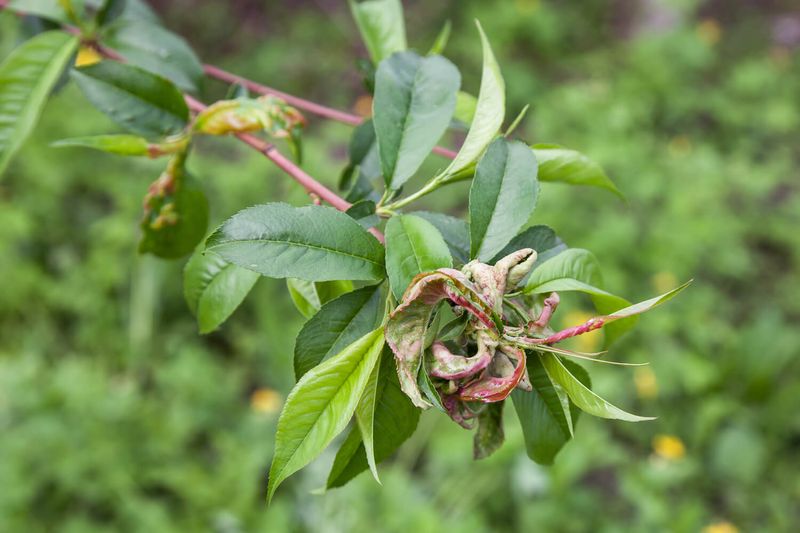
Those twisted, blistered leaves were not a random bad year. They were peach leaf curl, caused by a fungus called Taphrina deformans.
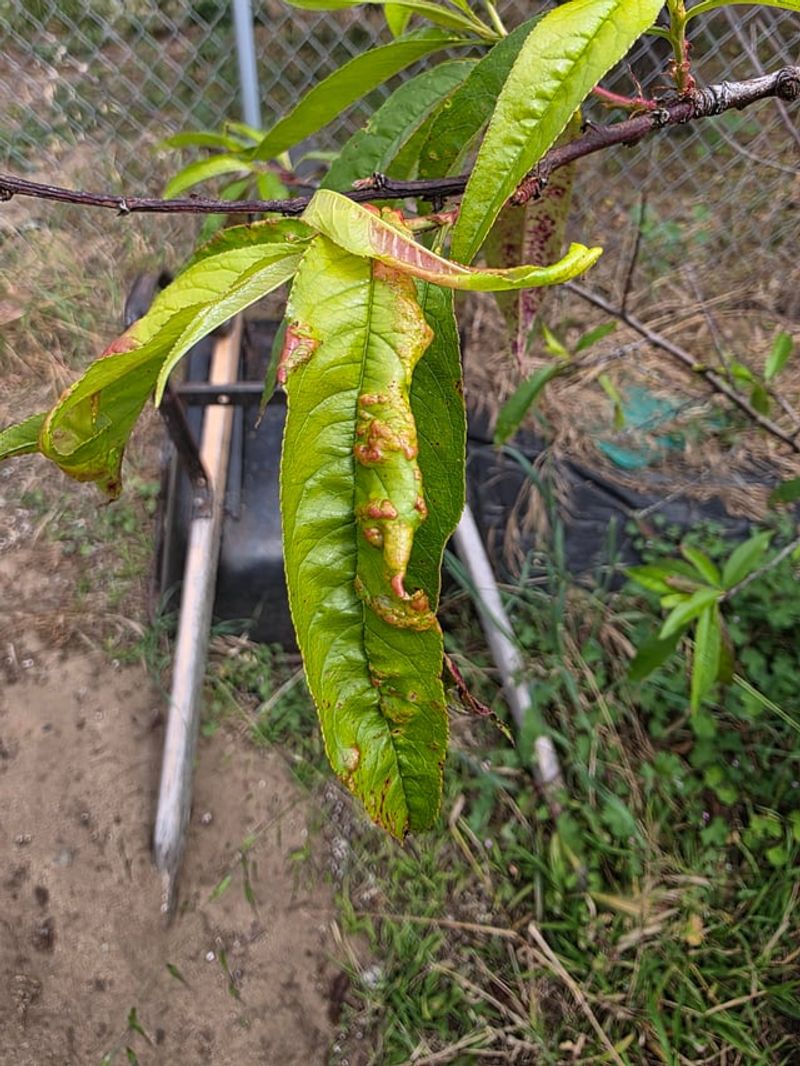
Infected leaves often turn red, pink, or purple and look thick and rubbery.
You may have seen a pale, powdery coating on them later in spring. That dusty layer is the fungus producing spores, which land on twigs and buds for the next season.
Most damaged leaves eventually drop off, and the tree pushes out a second flush.
Replacing those leaves costs your tree stored energy it would rather spend on fruit and growth. A single rough year usually is not a disaster, but repeated attacks can weaken a tree over time.
Here in Georgia, backyard growers often shrug it off once new leaves appear in summer. That is understandable, but the fungus is still hanging around.
So what actually helps? A dormant fungicide labeled for peach leaf curl, commonly a copper-based product, applied after the leaves fall.
Other labeled options exist, including some products containing chlorothalonil or lime sulfur, depending on what is sold locally.
Read the label carefully before buying anything, since rates and approved uses vary by brand. Your county Extension office can also point you toward products suited to home orchards in your area.
2. The Fungus Overwinters On Bark And Bud Scales
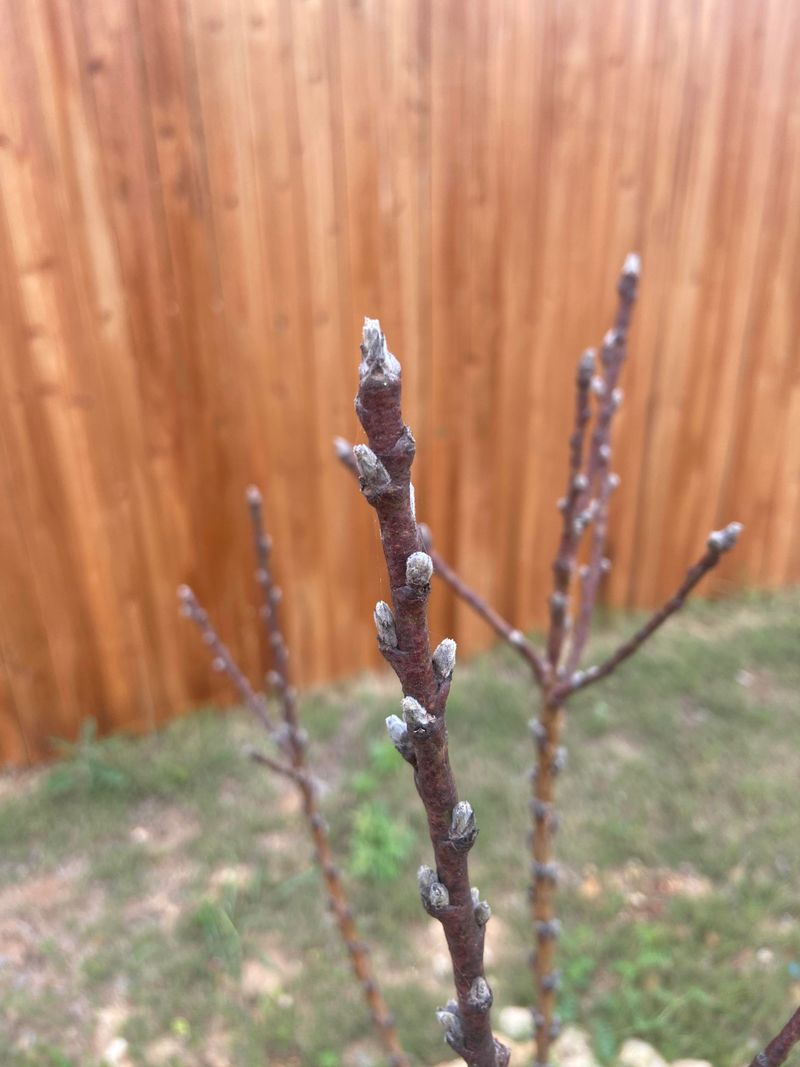
Bare branches can look clean in December, yet they are often carrying hidden passengers. Leaf curl spores tuck themselves onto bark surfaces and into the tiny gaps between bud scales.
Nothing about them is visible to the eye, so a tree can appear perfectly healthy all winter.
Picture a thin, invisible dusting spread across every twig. Those spores sit there quietly, waiting for the right weather to start growing.
Raking up fallen leaves is still a tidy habit, though it will not solve the problem on its own.
Most of the trouble is already parked on the tree itself, not on the ground below it. That is why sprays aimed at branches and buds do far more good than cleanup alone.
Georgia’s mild winters do not freeze these spores out in any reliable way.
Even after a cold snap, enough of them usually survive to start infections if spring turns damp. Colder areas in the north Georgia mountains still see the disease, so elevation offers limited protection.
Your Georgia Garden Changes Every Week. Your Plan Should Too.
Gardening in Georgia changes quickly throughout the season. Every Friday you’ll receive a simple weekly plan showing exactly what to plant, prune, fertilize, harvest, and protect so you never miss the right timing.
Knowing where the fungus hides changes how you spray.
Instead of focusing on leaves, which are gone anyway, you are coating the exact spots where next year’s infection begins. Think of it as treating the source rather than chasing symptoms later in the season.
3. Infection Takes Hold As Buds Swell In Cool Wet Weather
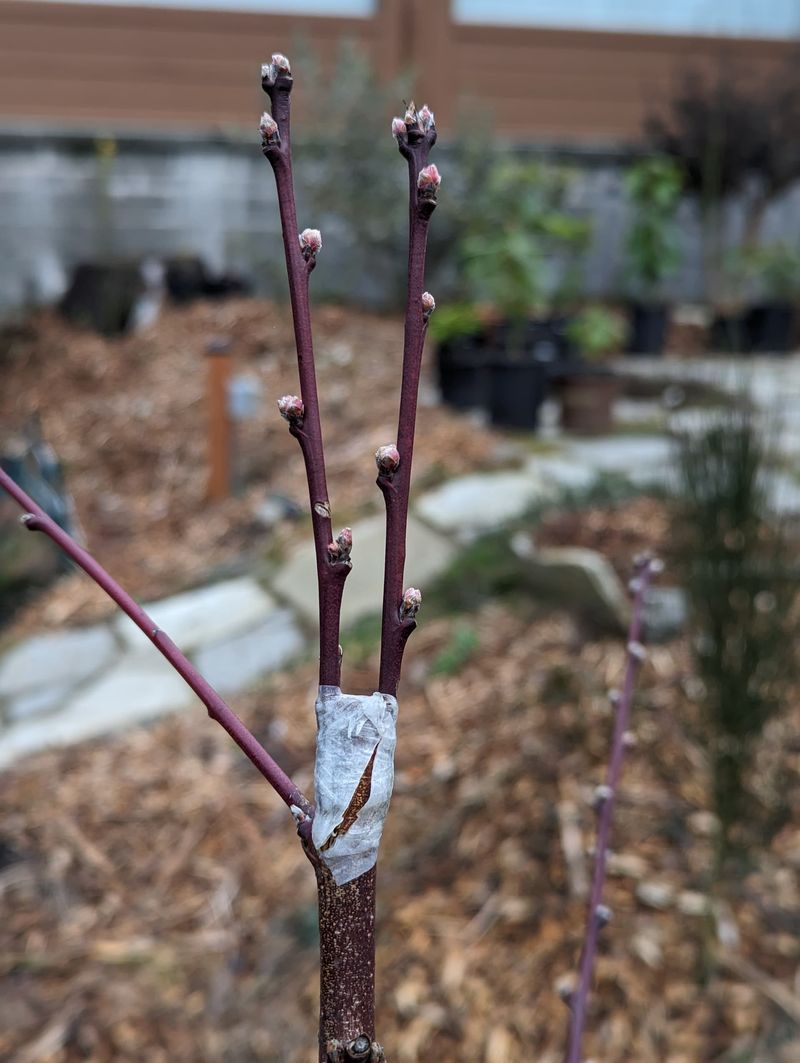
Cool rain in late winter is the fungus’s favorite forecast. As buds begin to swell and open, spores wash onto the soft, emerging leaf tissue and start infecting it.
Temperatures roughly in the 50s and 60s, paired with wet conditions, tend to favor infection.
Once leaves grow past a certain point and weather warms up, they become harder for the fungus to invade. So the risky period is fairly short, but it matters a great deal.
Some springs bring long stretches of drizzle right as buds break.
Those are the years when leaf curl can look especially bad. A dry, warm bud break might leave trees with only mild symptoms, even without treatment.
Weather in Georgia can swing wildly between February and March, which makes each year a bit unpredictable.
You cannot control the rain, but you can control whether buds are protected before it arrives. A fungicide barrier already sitting on the twigs helps stop spores before they get started.
Keep an eye on your trees as winter winds down.
Buds that look plump or show a hint of green or pink mean the protective window is closing quickly. At that point, spraying may do little good against leaf curl.
4. No Spray Can Reverse Leaf Damage Once Symptoms Appear
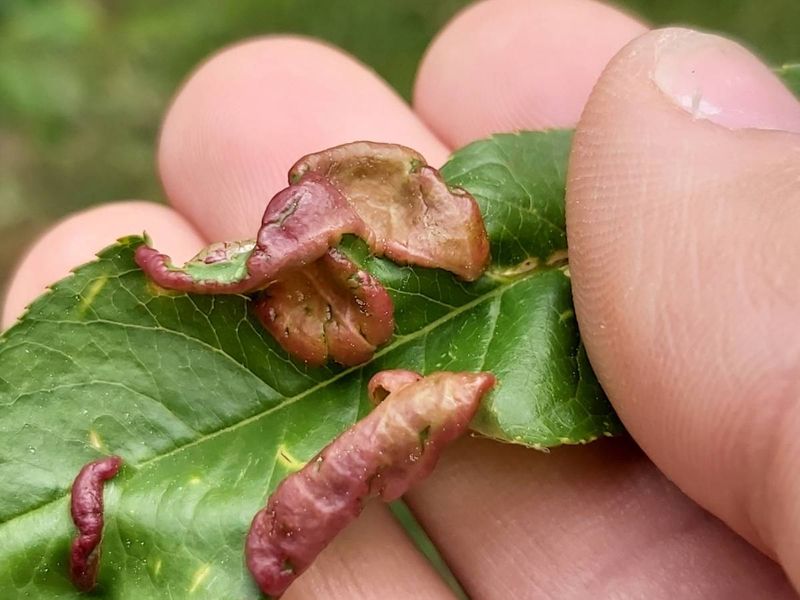
Grabbing a sprayer in April feels productive, but it rarely helps leaf curl. By the time leaves pucker and redden, the infection happened weeks earlier inside the bud.
Fungicides for this disease work as protectants, not cures.
They create a barrier that blocks spores from getting in. Once the fungus is already inside leaf tissue, that barrier has nothing left to guard.
So what should you do with a curled-up tree in spring?
Focus on support rather than rescue. Water during dry spells and avoid heavy nitrogen feeding, which can push lots of tender growth all at once.
Some gardeners thin fruit more than usual on badly hit trees.
Fewer peaches can ease the load while the tree rebuilds its leaves. How much thinning makes sense depends on the tree’s age and how severe the damage looks.
Picking off a few infected leaves on a small tree is fine, though it will not stop the disease.
Plenty of Georgia gardeners learn this lesson the frustrating way after wasting a spring spray. Write yourself a note to treat in fall instead, when the effort can actually make a difference.
Patience now pays off next year.
5. Leaf Drop Opens The Fall Window For Preventive Treatment
Bare branches are your signal to get moving. After most leaves have fallen, the tree is dormant and twigs are fully exposed for spraying.
In much of Georgia, that often happens sometime in November or early December, depending on the variety and the weather.
Why wait for leaf drop instead of spraying earlier? Copper products can injure green leaves, and remaining foliage also blocks spray from reaching buds.
A good rule is to spray once about 90 percent of the leaves are down.
Pick a calm day with no rain in the forecast for at least a day or so. Wind scatters the spray, and rain soon after application can wash some of it away before it dries.
Freezing temperatures can also cause problems for some products.
Check the label for temperature limits, since application guidelines differ between brands. Mixing only what you need helps avoid leftover product sitting around the garage.
Protect yourself while you work.
Gloves, eye protection, long sleeves, and a mask are sensible choices, and most labels list the required gear. Keep kids and pets away until the spray has dried completely on the branches.
A fall spray alone may not be enough in a wet year, but it gives your tree a strong head start.
6. Thorough Coverage Of Twigs And Buds Is Important For Control
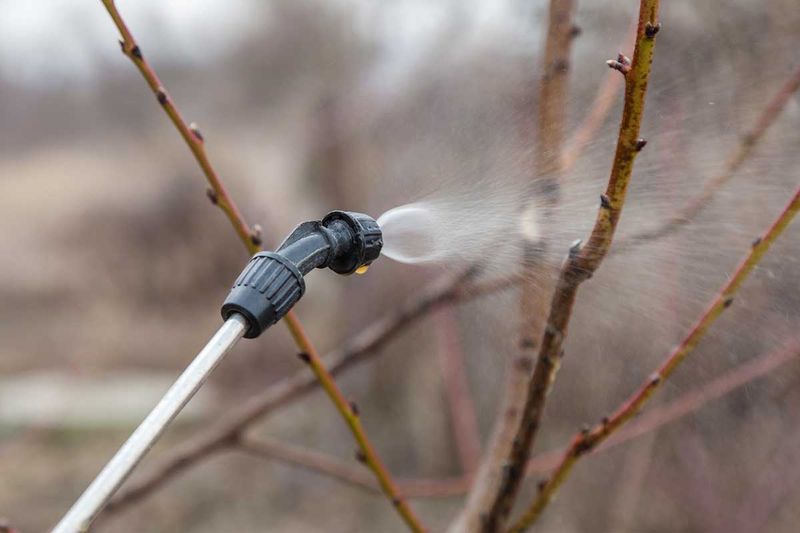
Half a spray job gives you half the protection, at best. Every missed twig is a spot where spores can sit untouched until spring.
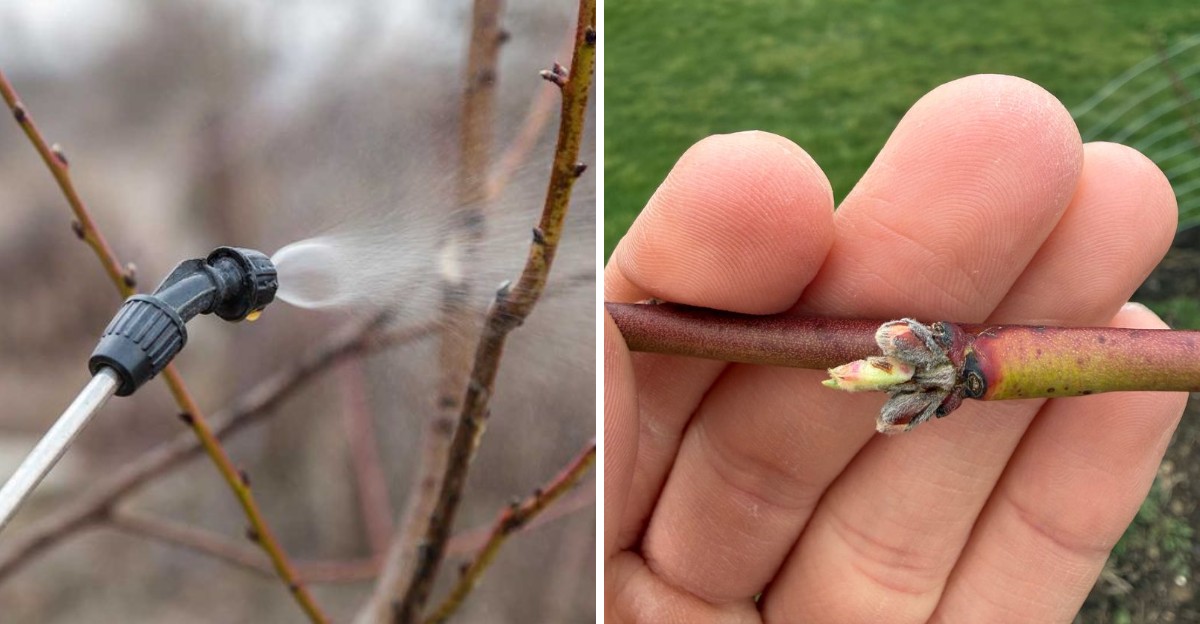
Aim to wet all branches, twigs, and buds until the spray just starts to drip.
Work around the tree from several angles instead of standing in one place. Tops of branches and the undersides both need attention, especially where buds cluster near the tips.
A pump sprayer with an adjustable nozzle makes the job much easier.
Set it to a fine but steady spray that coats surfaces without blasting product everywhere. Shake or agitate the tank now and then, since some copper products settle to the bottom.
Tall trees are tricky for backyard growers.
If you cannot reach the top safely, do the best you can from the ground and consider pruning to a lower height in future years. Georgia peach growers often keep trees open and fairly short partly for easier spraying and picking.
Pruning before spraying can also help.
Opening up crowded centers lets spray reach inner branches more easily, and it improves air flow too. Just remember that heavy pruning in fall can encourage issues in some areas, so many gardeners save major cuts for late winter.
7. Late Winter Before Bud Swell Can Provide Another Treatment Window
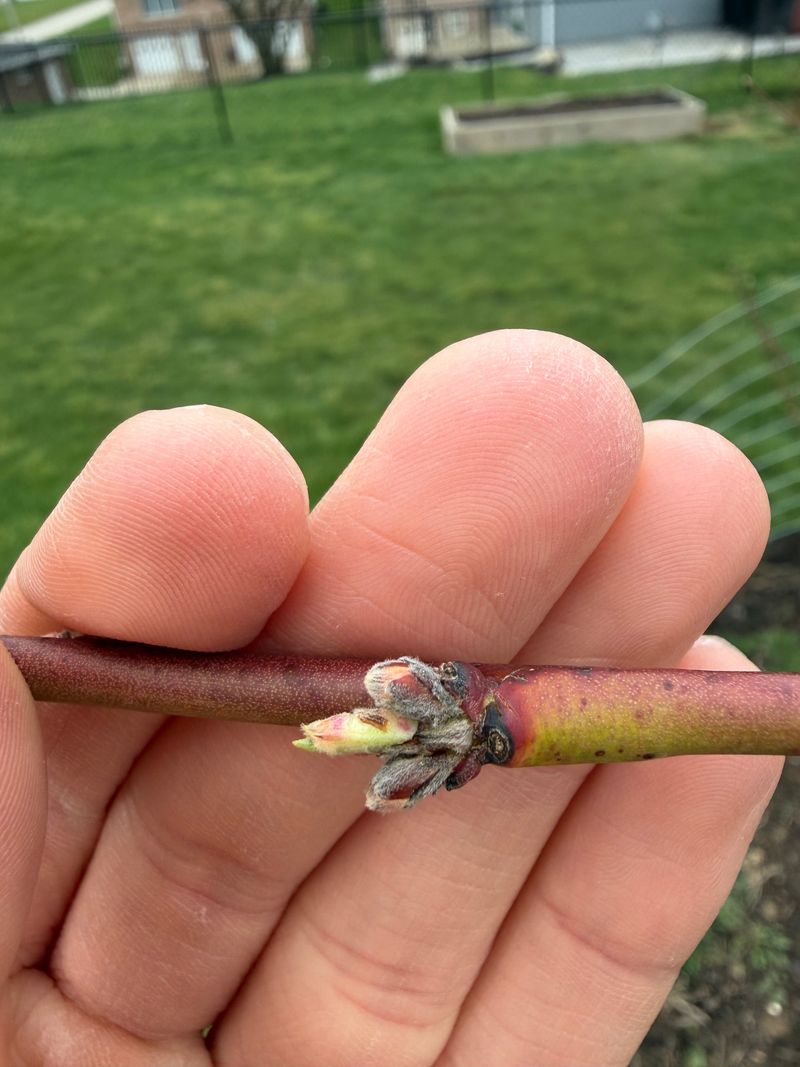
Missed the fall spray? You still have a second shot.
Late winter, before buds start to swell, offers another opportunity to apply a dormant fungicide labeled for leaf curl. In Georgia, that often falls somewhere in January or February, though warm spells can speed things up.
Some gardeners use both windows, spraying once after leaf drop and again in late winter.
That approach can help in areas where leaf curl has been a stubborn problem. A double treatment is not required for every tree, so weigh it against how bad last year looked.
Watch the buds closely as the season turns.
You want them tight and dormant when you spray, not showing color. Once they swell noticeably, the protective timing has likely passed for the year.
Weather still matters here.
Choose a dry, calm day above freezing, and give the spray time to dry before rain returns. Follow label directions on how many applications are allowed per season.
Keeping simple records helps a lot.
Jot down the date, the product, and the weather each time you spray. Over a few seasons, those notes can show which timing works best for your particular tree and yard, since results vary with local conditions.