How Georgia Gardeners Keep Their Lawns Green Through The Peak Of Summer Heat
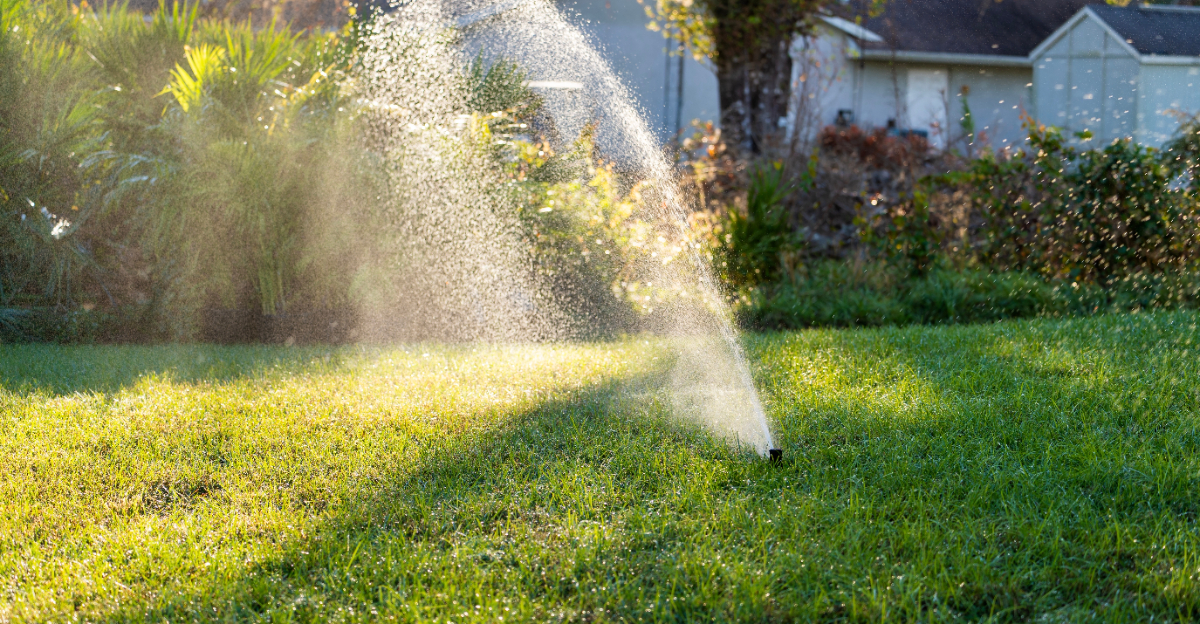
A green lawn stands out during the hottest weeks of summer. When temperatures stay high day after day, it becomes easy to spot which yards are handling the heat well and which ones are starting to struggle.
Brown patches, thinning grass, and signs of stress can appear surprisingly quickly once the season reaches its peak.
Keeping grass healthy during this time is not always about working harder. In fact, some of the biggest lawn problems begin with routines that seem completely reasonable at first.
Small decisions made throughout summer can have a lasting effect on how a lawn looks and performs.
The hottest part of the season can be especially demanding in Georgia. Heat, sun exposure, and changing moisture levels all place extra pressure on grass.
A few simple adjustments can make a noticeable difference and help a lawn hold its color and strength when conditions become most challenging.
1. Water Deeply Before Grass Shows Signs Of Stress
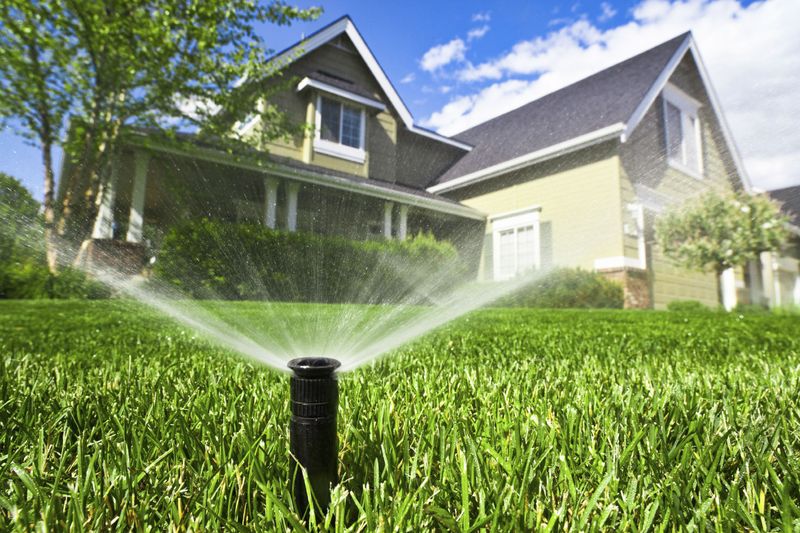
Waiting until your lawn looks thirsty is already too late. Grass under heat stress has already started pulling back moisture from its blades to protect its roots.
By the time you see wilting or a blue-gray tint, the damage is in progress.
Watering deeply and infrequently encourages roots to grow downward. Shallow watering keeps roots near the surface, where heat bakes the soil hardest.
Deeper roots can access cooler, moister soil even on the hottest days.
Aim for about one inch of water per session, two to three times per week. A simple tuna can placed on the lawn during watering tells you exactly when you have hit that mark.
No guessing required.
Early morning is the best window, ideally between 4 a.m. and 9 a.m. Watering at midday wastes moisture to evaporation.
Evening watering leaves grass wet overnight, which invites fungal problems that spread fast in humid Southern summers.
Sandy soils common in parts of the region drain quickly and may need slightly more frequent watering. Clay-heavy soils hold moisture longer but can become waterlogged if overwatered.
Knowing your soil type helps you adjust without wasting water or stressing your turf unnecessarily.
2. Raise Mowing Height During Extreme Heat
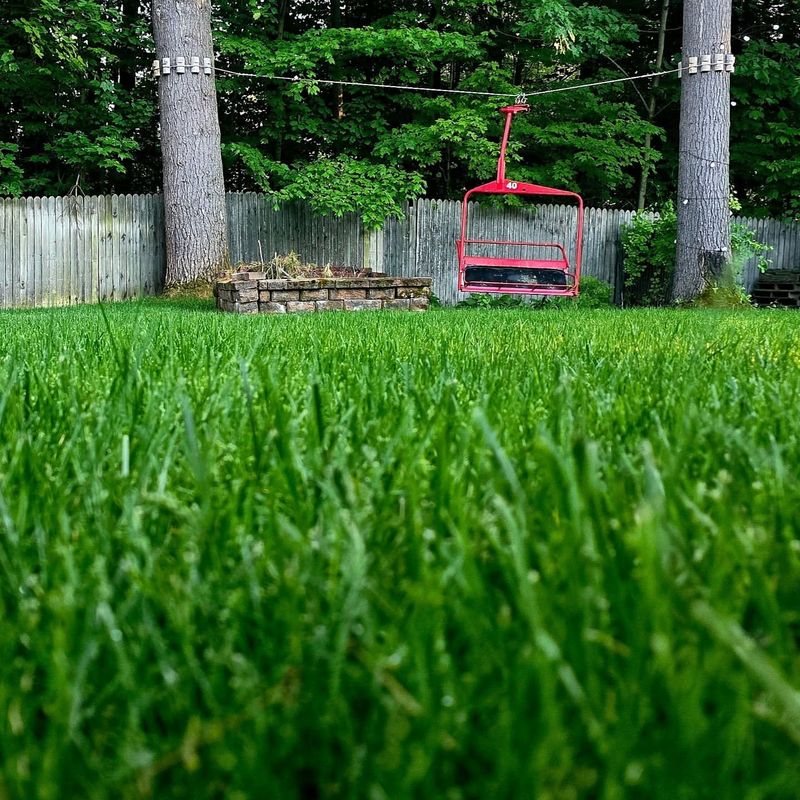
Cutting grass too short in summer is one of the fastest ways to stress a lawn. Short blades expose the soil directly to harsh sunlight, which heats the ground and speeds up moisture loss dramatically.
Raising your mower deck by just one setting makes a real difference. Taller grass shades the soil beneath it, keeping root zones cooler and holding moisture longer between watering sessions.
It also outcompetes weeds by blocking the sunlight they need to sprout.
Most warm-season grasses common in the South, like Bermuda and Zoysia, handle heat better when kept slightly longer than their typical spring height. Bermuda can be raised to about two inches.
Zoysia does well at two and a half to three inches during peak summer weeks.
Never remove more than one-third of the blade length in a single mow. Taking off too much at once shocks the plant and slows recovery, especially when temperatures are already pushing the grass to its limits.
Your Georgia Garden Changes Every Week. Your Plan Should Too.
Gardening in Georgia changes quickly throughout the season. Every Friday you’ll receive a simple weekly plan showing exactly what to plant, prune, fertilize, harvest, and protect so you never miss the right timing.
Mower blades should stay sharp throughout the season. Dull blades tear grass rather than cut it cleanly, leaving ragged edges that brown quickly and create entry points for disease.
A clean cut helps grass recover faster and stay healthier through the hottest stretches of summer.
3. Leave Grass Clippings On The Lawn After Mowing
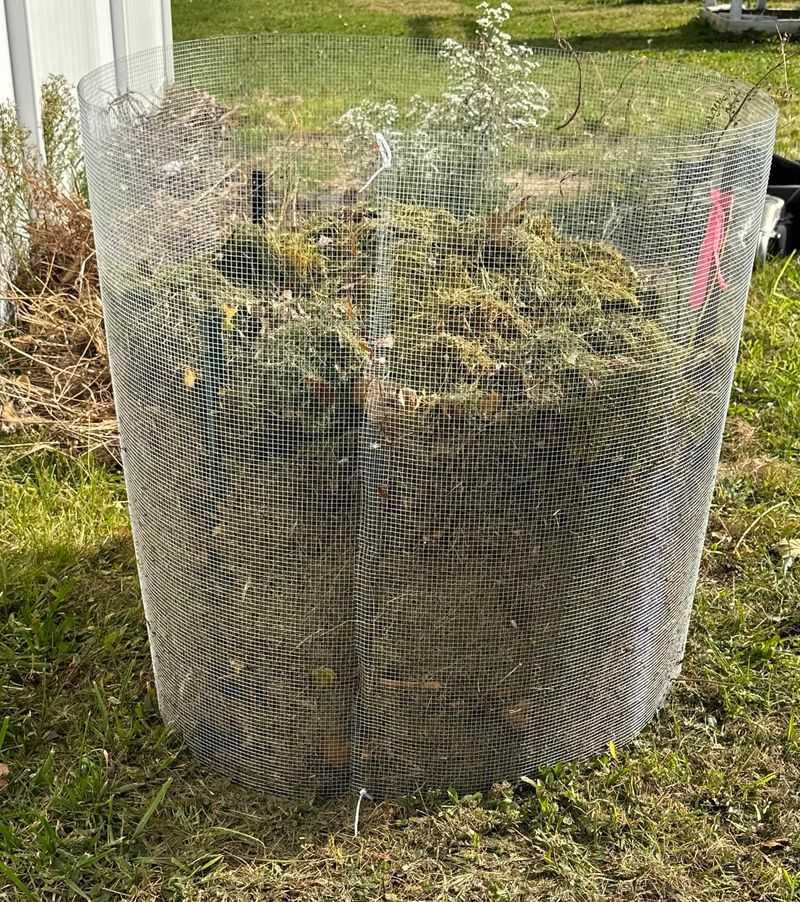
Bagging clippings feels tidy, but it actually removes something valuable from your lawn. Fresh clippings are roughly 80 percent water and break down quickly, returning nitrogen and other nutrients directly back into the soil.
Leaving clippings behind allows nutrients from the grass blades to break down and return to the soil naturally.
Over time, that recycled organic matter can help support healthy lawn growth and reduce the need for additional fertilizer.
Short clippings from regular mowing disappear into the turf within a day or two. Long clippings from an overdue mow are a different story.
Thick clumps can mat down, block sunlight, and create conditions where fungal issues take hold. Mow often enough that clippings stay short and scatter evenly.
Clippings also act as a light mulch layer. Thin coverage across the soil surface slows evaporation slightly and keeps the ground a few degrees cooler.
Every bit of temperature reduction helps during August heat waves.
One concern people raise is thatch buildup. Grass clippings do not significantly contribute to thatch because they break down too quickly.
Thatch is mostly made up of stems and roots, not leaf blades.
4. Avoid Heavy Fertilizer Applications In Mid Summer
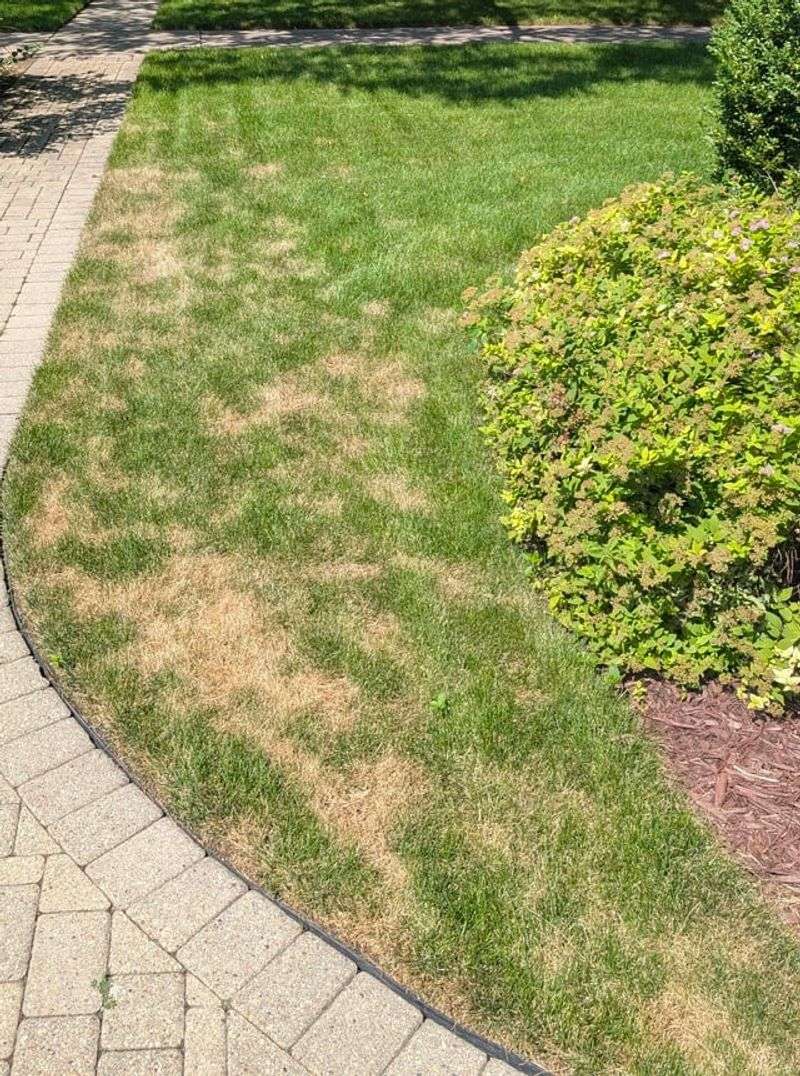
Pushing fertilizer onto a stressed lawn in July or August is asking for trouble. High-nitrogen fertilizers force rapid new growth, and that tender new grass is extremely vulnerable to heat, drought, and disease pressure.
Warm-season grasses like Bermuda and Centipede are actively growing through summer, but they need steady nutrition, not a sudden spike.
A light application of slow-release fertilizer in late spring sets the lawn up without creating a surge of growth that cannot be supported during the hottest weeks.
If you skipped spring feeding and feel the urge to fertilize mid-summer, use a light half-rate application of a balanced slow-release product. Avoid anything with a very high first number on the label, which indicates nitrogen content.
High nitrogen in peak heat often results in fertilizer burn, which shows up as brown or yellow streaks across the lawn.
Potassium is actually the nutrient worth considering in summer. It helps grass manage water more efficiently and improves heat tolerance.
A product with a higher third number on the bag, like a 5-10-30 blend, supports stress resistance without forcing excessive top growth.
Always water in any fertilizer application thoroughly. Granules sitting on dry grass blades in full sun can scorch tissue.
5. Check Irrigation Coverage For Dry Spots
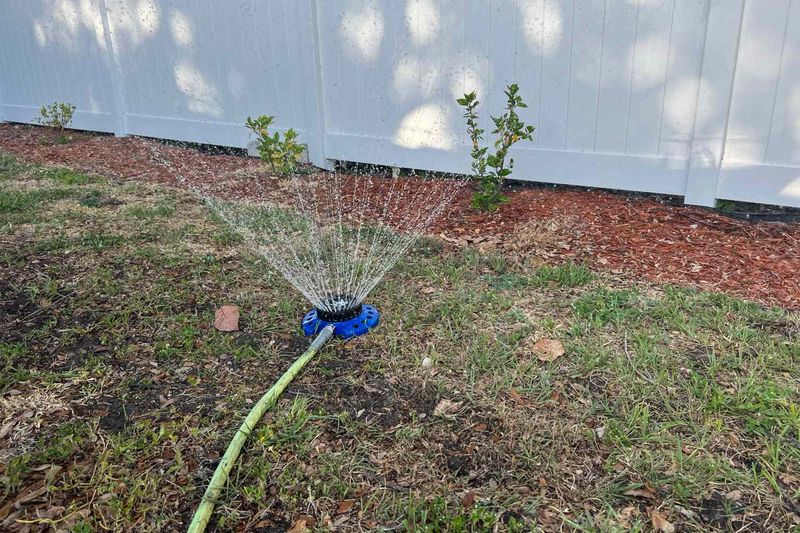
Brown patches in an otherwise green lawn are rarely random. Most of the time, a dry spot points directly to a gap in irrigation coverage.
Sprinkler heads shift, clog, or get knocked off angle over time without anyone noticing.
Walk your yard while the system runs. Watch each zone complete its full cycle and look for areas where spray patterns fall short or overlap unevenly.
A head that is spraying sideways instead of upright is wasting water in one spot while leaving another completely dry.
Rotary heads and fixed spray heads should not run on the same zone. Rotary heads apply water more slowly than fixed heads, so mixing them causes uneven distribution.
If your system has both types on one zone, coverage will always be inconsistent no matter how long the cycle runs.
Pressure problems also create dry spots. Low water pressure causes heads to under-spray.
Too much pressure causes misting, where water evaporates before it even reaches the soil. Check pressure at a hose bib with an inexpensive gauge to make sure your system is operating in the right range.
Catch cup tests are a simple way to measure actual distribution.
Place small containers around the lawn during a watering cycle, then measure how much water collected in each one.
6. Reduce Foot Traffic On Heat Stressed Turf
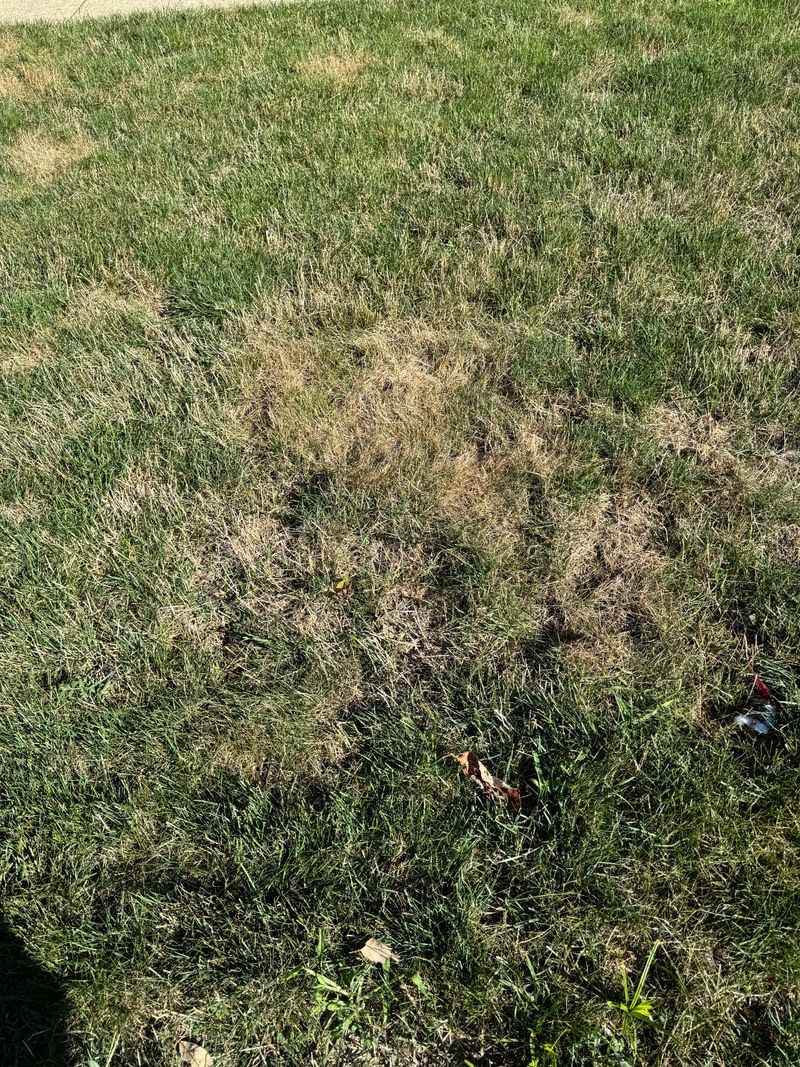
Grass under heat stress has very little energy to spare. Every footstep compresses soil and bends blades that are already struggling to stay upright.
What looks like a minor inconvenience actually slows recovery and weakens turf faster than most people realize.
Heavily trafficked paths across a lawn show damage first. The soil beneath those paths compacts with repeated pressure, reducing the air pockets roots need to breathe.
Compacted soil also drains poorly, which creates an odd situation where the path stays both drier and harder than surrounding turf.
Redirecting traffic is a practical fix that costs almost nothing. Temporary garden edging, a row of potted plants, or even a simple stepping stone path can shift foot patterns away from vulnerable areas.
People naturally follow clear visual guides, so even a subtle redirect works well.
Pets add up too. A dog that runs the same fence line repeatedly creates a worn strip that struggles to recover all summer long.
Rotating where pets spend outdoor time, or adding a gravel buffer along the fence, takes significant pressure off the grass.
Morning hours are the worst time for traffic on wet grass. Wet blades bend and stay bent far more easily than dry ones.
7. Maintain A Consistent Watering Schedule
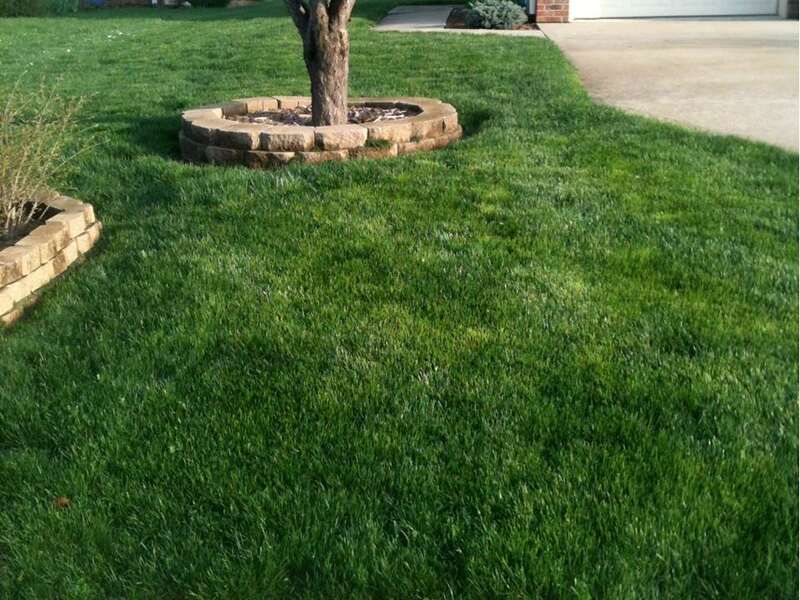
Irregular watering confuses grass more than people expect. Wet-dry-wet-dry cycles force roots to constantly adjust, and during peak summer heat, that inconsistency weakens turf over time.
A steady rhythm keeps the root zone stable.
Smart irrigation controllers take the guesswork out of scheduling. Many models connect to local weather data and skip watering cycles automatically when rain is expected or has already fallen.
That prevents overwatering, which is actually a common problem even during hot summers.
Set your schedule based on evapotranspiration rates for your region. During peak summer, warm-season grasses in the Southeast typically need about one to one and a half inches of water per week.
Split that across two or three sessions rather than applying it all at once.
Sticking to the same days and times each week also helps you notice problems faster. If one zone consistently leaves dry areas after its scheduled run, you catch it quickly.
Irregular watering makes it much harder to spot coverage issues before they turn into brown patches.
Rain gauges are cheap and useful tools for staying honest about how much water the lawn is actually receiving.
Natural rainfall counts toward weekly totals.