How To Grow Figs In Containers So They Make It Through North Carolina Winters
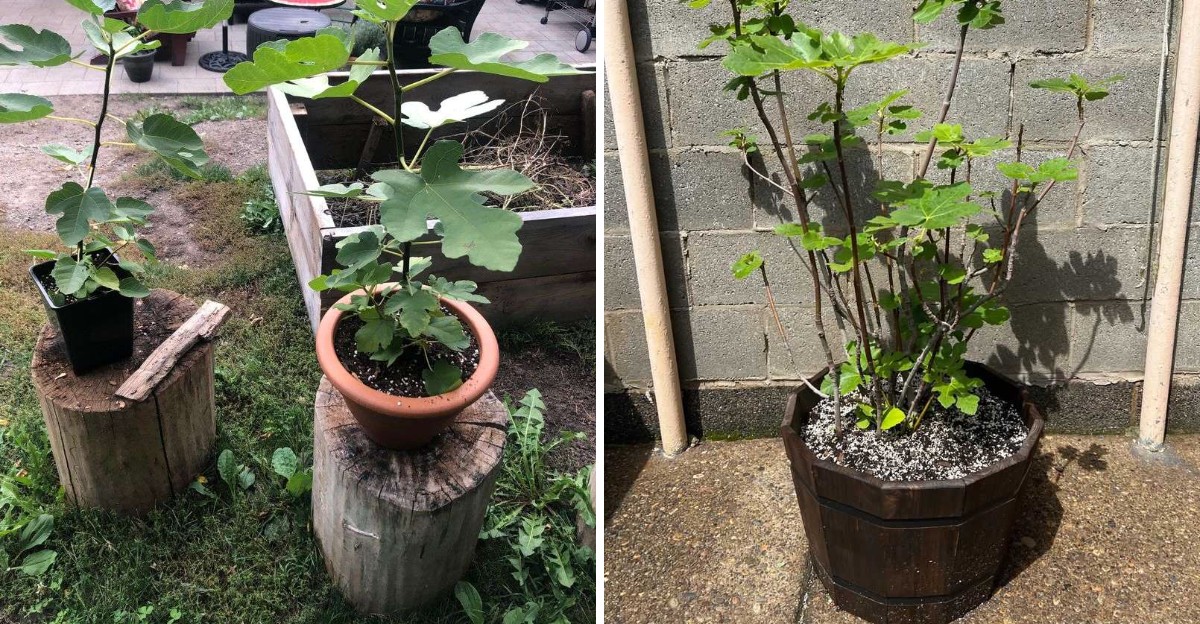
Growing figs in containers gives North Carolina gardeners a level of winter protection that in-ground trees simply can’t offer.
Because a potted fig can be moved into a garage, shed, or other sheltered space, it avoids the harsh exposure that often damages fig wood left outdoors all winter.
Choosing the right container size matters, since a pot too small restricts root growth, while one too large can hold excess moisture that stresses roots during cooler months.
Regular but careful watering becomes especially important in containers, since potted soil dries out faster than garden soil but also drains differently once temperatures drop.
With the right container and a proper winter storage spot, gardeners can enjoy fig harvests without worrying about the wood damage that in-ground trees often face.
1. Choose Compact, Cold Hardy Varieties
Picking the right fig is like picking the right pair of shoes. A good fit makes everything easier, while a poor one causes trouble for years. Some fig trees want to grow huge, and a pot simply cannot keep up with them.
Compact, cold hardy varieties stay a manageable size in containers. They also bounce back better if a hard winter nips their branches.
Big, vigorous types grow so fast that they outgrow their pots in just a season or two, leaving you with a crowded, stressed tree.
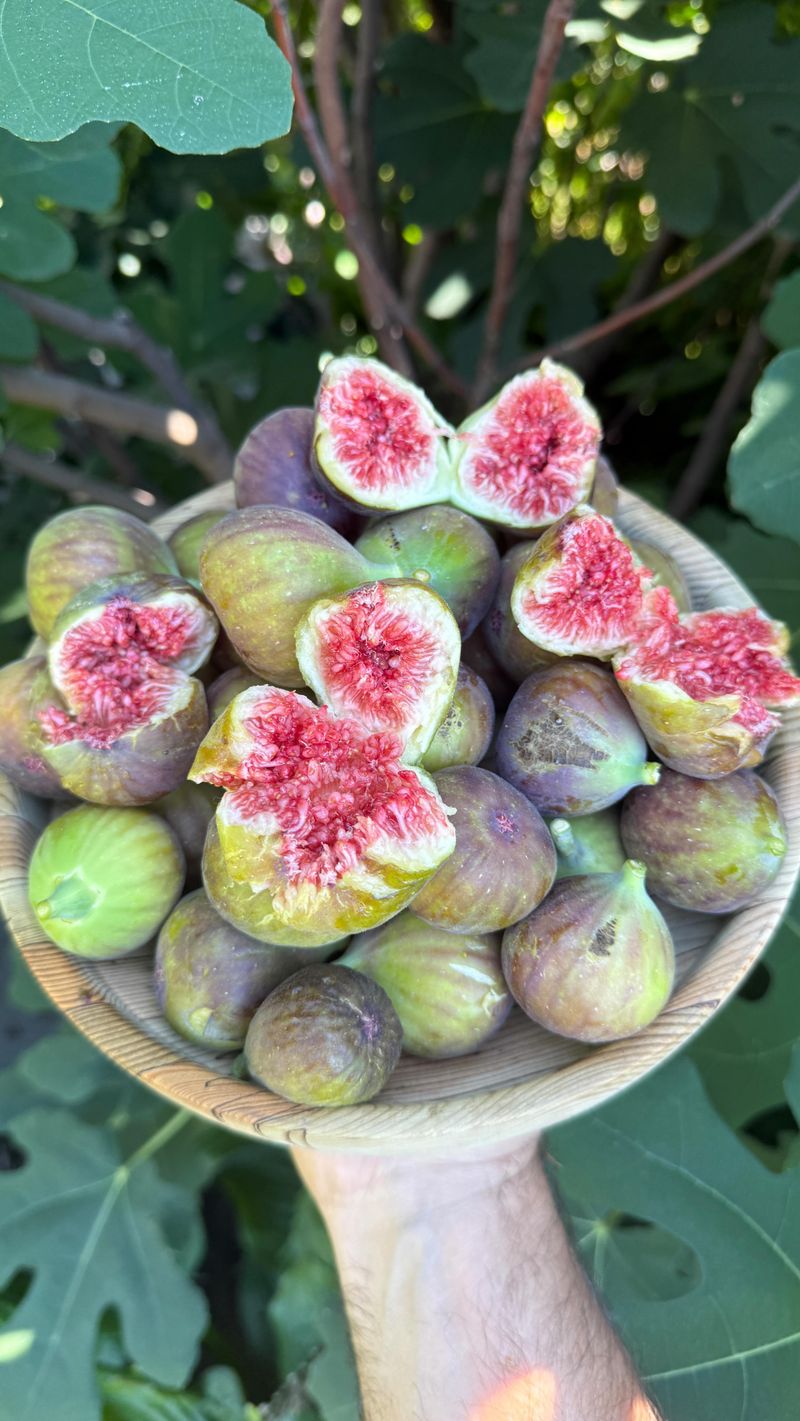
Celeste is a Southern favorite with small, sweet brown figs that many North Carolina families have grown for generations.
Brown Turkey is tough, reliable, and widely sold. Chicago Hardy earns its name by handling cold weather well and often producing fruit even after a rough winter.
For a naturally small tree, Violette de Bordeaux is a wonderful pick with rich, dark fruit and a tidy growth habit.
Shopping smart makes a big difference too. Buy from nurseries that clearly list the mature size and cold hardiness of each plant. Local garden centers and trusted online growers usually share these details, so you know exactly what you are bringing home.
Here in North Carolina, the right variety opens doors. Gardeners in the Mountains and colder parts of the Piedmont often struggle to keep figs going in the ground.
A hardy, compact fig in a pot lets them enjoy homegrown fruit anyway, which feels like a small victory every single summer.
2. Start With The Right Pot
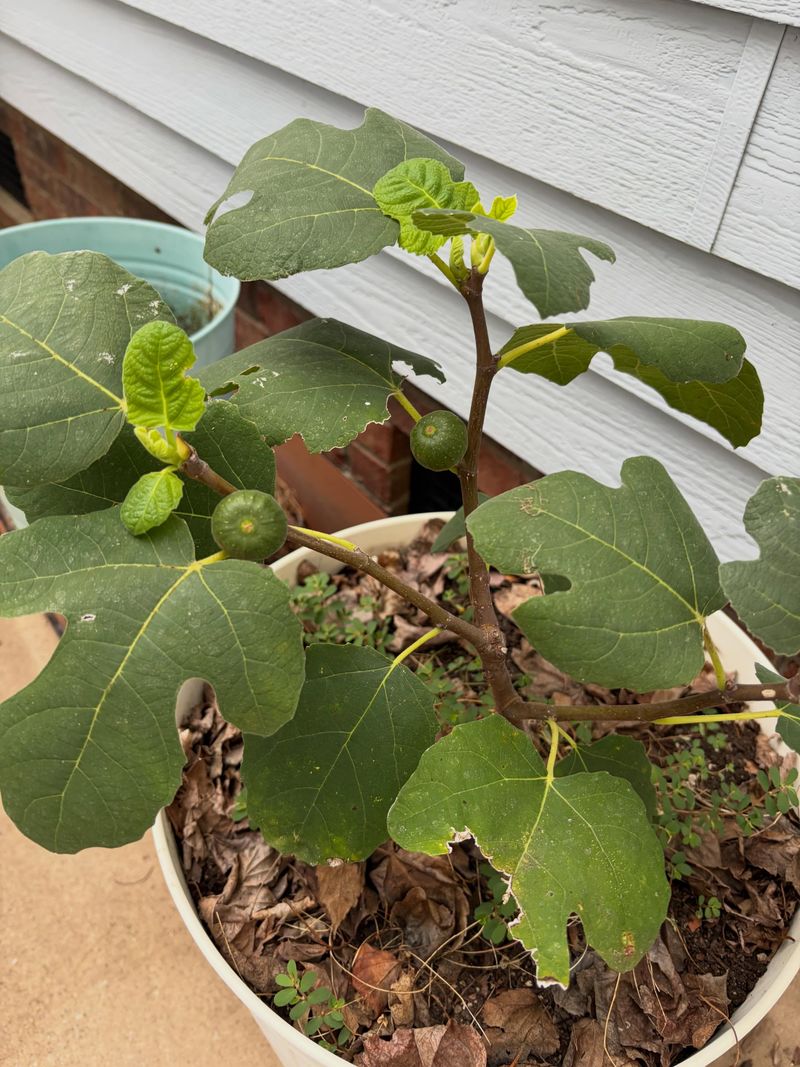
Size really does matter when it comes to fig containers. A pot that is too small dries out fast and squeezes the roots. A pot that is too big causes a different problem, because it holds extra water around tiny roots that cannot use it yet.
Young figs do best when they start in a 5 to 7 gallon pot. As the tree grows, move it up to the next size every year or two.
Most figs settle happily in a final home of about 15 to 25 gallons, which gives the roots room without making the pot impossible to handle.
Drainage holes are a must, and more is better. Look for containers with several openings at the bottom so extra water can escape freely. Plastic pots are light and hold moisture well, while fabric pots breathe nicely.
Your North Carolina Garden Changes Every Week. Your Plan Should Too.
Gardening in North Carolina changes quickly throughout the season. Every Friday you’ll receive a simple weekly plan showing exactly what to plant, prune, fertilize, harvest, and protect so you never miss the right timing.
Terracotta looks lovely but dries quickly and can crack in freezing weather.
Here is a tip your back will thank you for later. Set the pot on a wheeled plant caddy. A 20 gallon pot full of damp soil can weigh well over 100 pounds, and rolling it is far easier than dragging or lifting.
North Carolina gardeners often need to move container figs into shelter for winter, sometimes on short notice when a cold snap shows up in the forecast.
A pot that is the right size and ready to roll turns that chore into a quick, easy job instead of a weekend workout.
3. Use A Fast-Draining Potting Mix
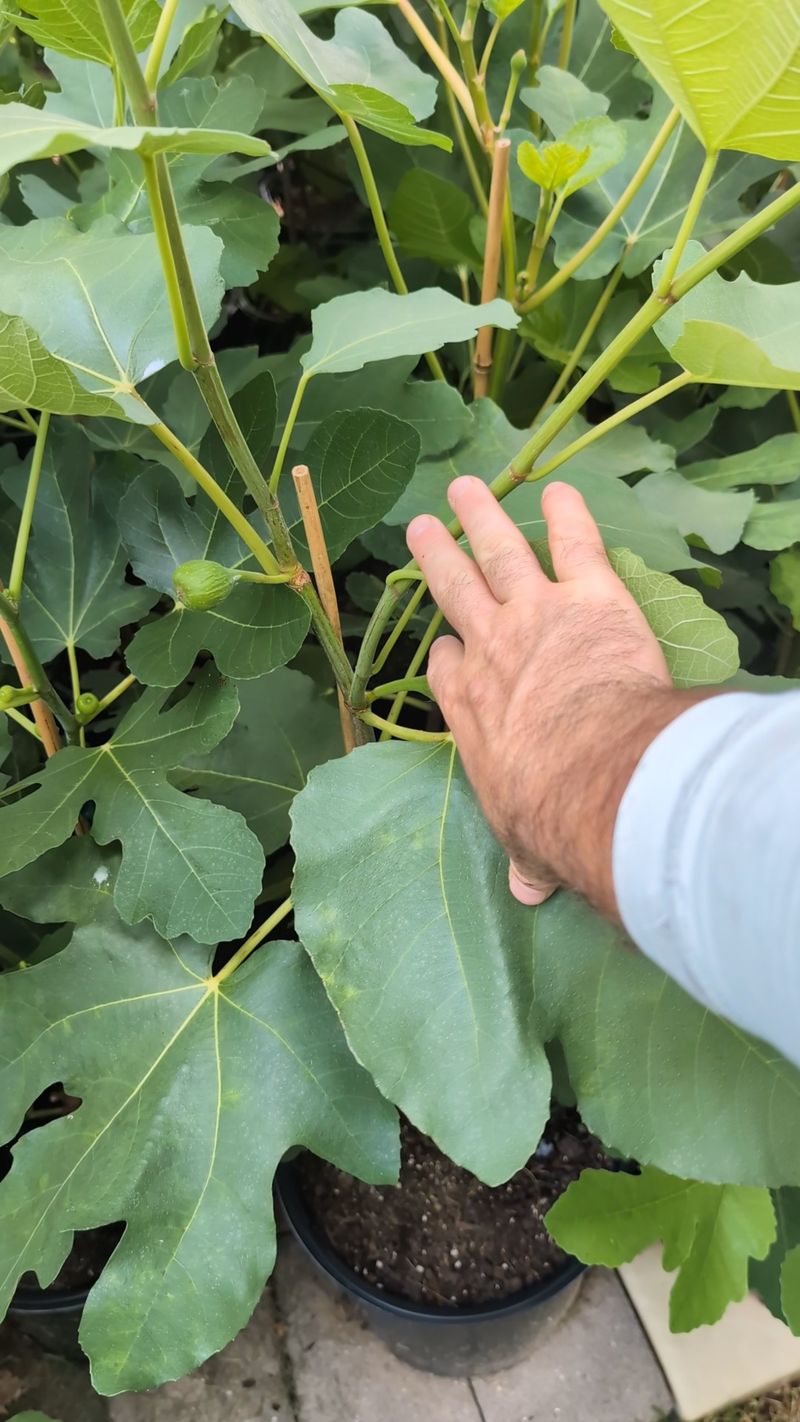
Soggy feet make figs miserable. Their roots need air as much as water, and when soil stays wet for too long, the tree slowly declines. Leaves yellow, growth stalls, and roots can rot.
Garden soil might seem like a free and easy choice, but it causes real problems in a pot. Once it is packed into a container, it settles down tight and holds far too much water.
A light, well-drained mix keeps roots healthy through rainy spells and through the long months of winter storage.
A good recipe is simple. Start with a quality bagged potting mix, then blend in pine bark fines or perlite for extra drainage.
Many growers use about one part bark or perlite to three parts potting mix, which creates a loose, fluffy texture that water flows through easily.
One old habit deserves to go away for good. Putting gravel or rocks in the bottom of a pot sounds helpful, yet it actually does the opposite.
Water does not move easily from fine soil into coarse gravel, so the soggy zone rises higher in the pot, right where roots live.
North Carolina weather makes all of this even more important. Heavy summer thunderstorms can dump inches of rain in an afternoon, and hurricane season brings even more. Winter rains can linger for days.
A fast-draining mix lets your fig shrug off all that water and keep growing strong.
4. Water And Feed Through The Growing Season
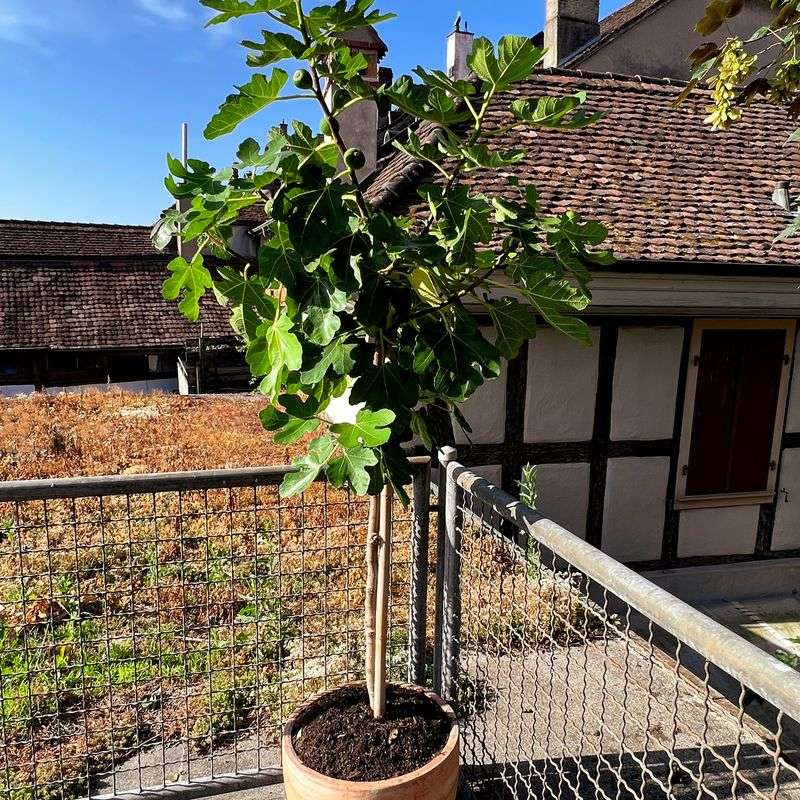
Think of a potted fig as a thirsty teenager on a summer day. It needs regular drinks and good meals, and it will let you know fast if you forget. Figs in the ground can reach deep for water, but container figs only have what you give them.
Hot sun and wind pull moisture out of pots quickly. Each time you water, some nutrients also wash out the bottom. That means a container fig depends on you for both water and food.
During hot weather, check the soil every day. Push a finger into the mix, and if the top inch feels dry, water deeply until it runs from the drainage holes. A quick splash only wets the surface, while a slow, thorough soak reaches every root.
Feeding follows a simple schedule. From spring through early summer, use a balanced slow-release fertilizer or a liquid feed every couple of weeks.
By midsummer, stop fertilizing so the new branches have time to toughen up before cold weather arrives. Soft, late growth is easily damaged by frost.
A layer of mulch on top of the pot helps too. Shredded bark or straw shades the soil and slows down moisture loss, which gives you a little breathing room between waterings.
North Carolina summers are famously hot and humid. On a July afternoon with temperatures in the 90s, a container fig can dry out in a single day. Staying on top of watering keeps leaves lush and figs plump.
5. Let The Tree Go Dormant Before Moving It
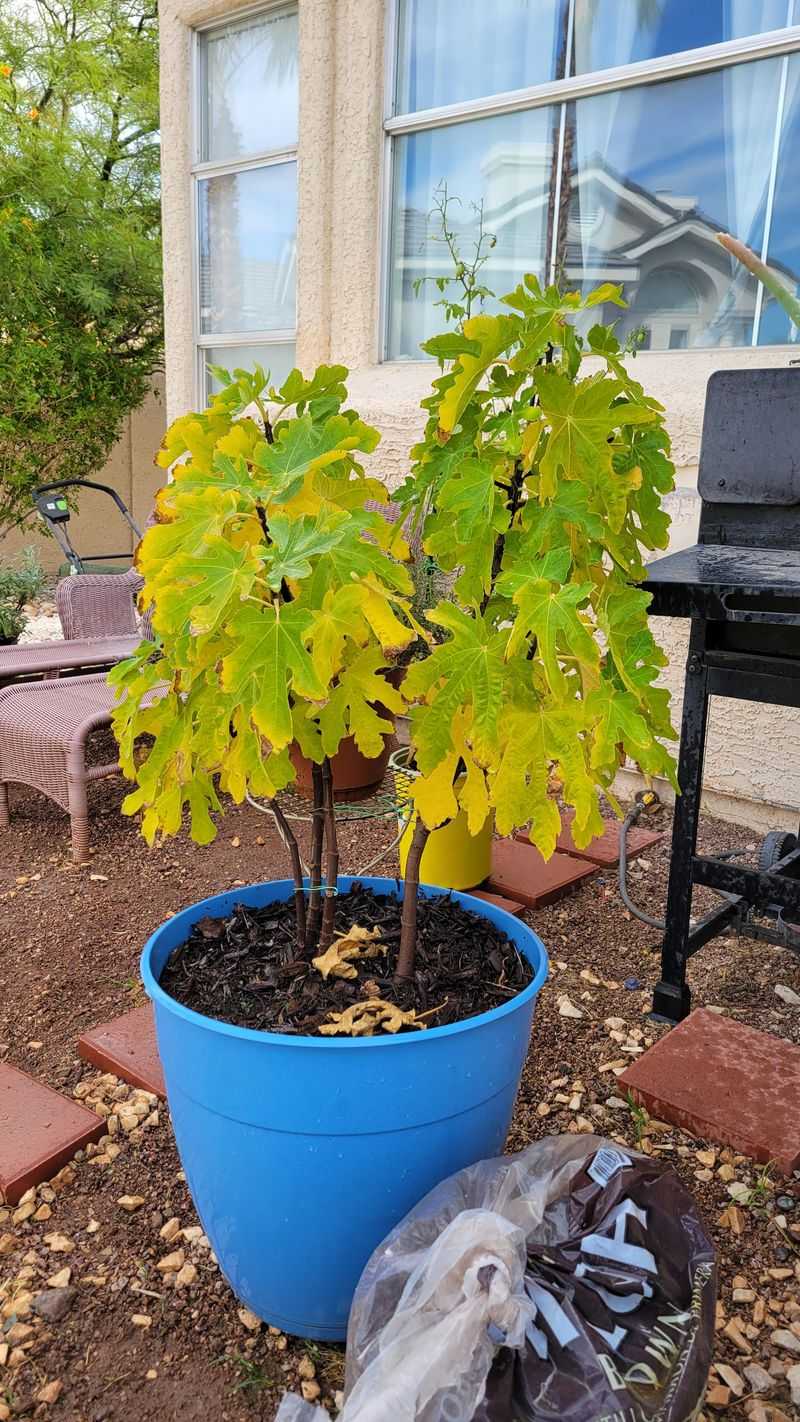
Patience pays off in the fall. Many gardeners rush their figs indoors at the first chilly night, but that eager move can backfire. A fig needs a little cold to know winter is coming.
When a fig comes inside while it still has plenty of leaves, it may keep trying to grow in the dim light. The result is weak, pale shoots and a tired tree. On the other hand, a fig that feels cool fall temperatures and a few light frosts will drop its leaves naturally.
It then slips into a deep resting state called dormancy, which carries it safely through the winter months.
So how long should you wait? Leave the tree outdoors through a few light frosts, the kind that just touch the leaves. Watch as they turn yellow and fall.
Once most or all of the leaves have dropped, it is time to move the pot to shelter.
Keep an eye on the forecast during this stage. Before temperatures dip into the low 20s, get the fig tucked away. That kind of hard freeze can harm roots in a pot, even when the branches are dormant.
Timing shifts across North Carolina. In the Mountains, figs often go dormant by late October. Piedmont trees usually follow in November, and Coastal Plain figs may hold their leaves even longer.
Watch your own tree rather than the calendar, since it will show you when it is ready.
6. Store It In An Unheated Garage Or Shed
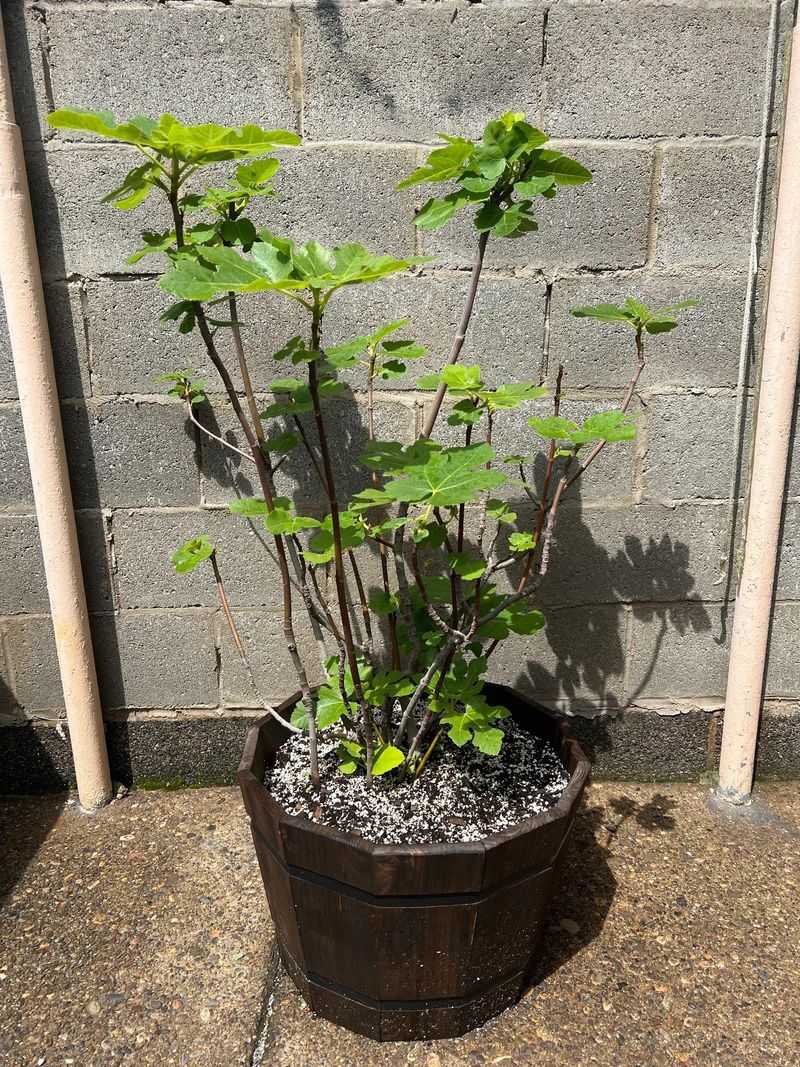
Your garage might be the coziest winter hotel your fig will ever know. It does not need to be fancy or bright. A dormant fig is basically asleep, so it needs no light at all while it rests.
Shelter matters because roots in a pot face more cold than roots in the ground. Soil in the earth stays fairly steady, while a container can freeze straight through. A garage, shed, or crawl space blocks the harsh wind and keeps the roots from getting too cold.
Choose a spot that stays above about 20°F all winter. Most attached garages easily meet that mark. Set the pot on boards or a wooden pallet instead of bare concrete, since cold floors can pull warmth from the roots.
Water sparingly during storage. About once a month, give the soil a light drink so it never dries out completely. You want it barely damp, not wet, because a resting tree uses very little water.
Mice can be sneaky visitors in winter. They sometimes chew on fig bark when food gets scarce, so check the trunk now and then for small gnaw marks. A wrap of hardware cloth around the base can keep them away.
Plenty of North Carolina homes have garages or sheds that stay cool but frost protected all winter long. That makes this method one of the easiest and most dependable ways to bring a container fig safely to spring.
7. Protect Pots That Stay Outside
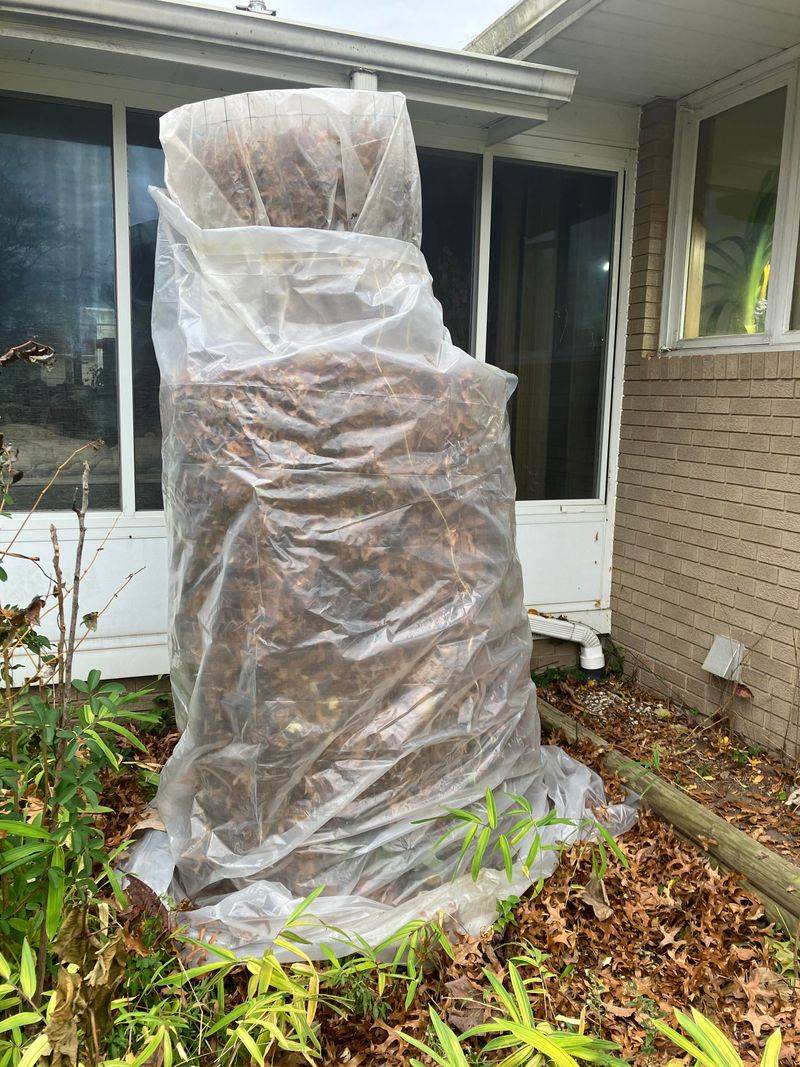
Not every fig needs to go inside. With a little creativity, some potted figs can ride out winter right where they are. The trick is protecting the roots.
A fig in the ground has earth all around its roots, like a warm blanket. A fig in a pot has cold air on every side, including the top, sides, and sometimes the bottom. During a hard freeze, even tough, hardy varieties can suffer root damage in a container.
Start by finding the warmest spot in your yard. A south or southeast facing wall soaks up sunshine during the day and gives off gentle heat at night. Brick walls work especially well.
Group your pots close together so they share warmth and shield each other from the wind. Next, bundle them up. Wrap each container with burlap, bubble wrap, or old blankets. Then pile shredded leaves or straw around and between the pots for extra insulation.
Fallen autumn leaves make a free and handy cushion. When a severe cold snap rolls in, cover the whole tree with frost cloth. Pull it off once temperatures rise again so the tree does not get too warm on sunny days.
For North Carolina gardeners, location decides how well this works. The Coastal Plain and milder parts of the Piedmont often see great results. In colder areas, especially the Mountains, winters can be too harsh, so moving pots into a garage or shed is the safer bet.
8. Root Prune And Repot Every Few Years
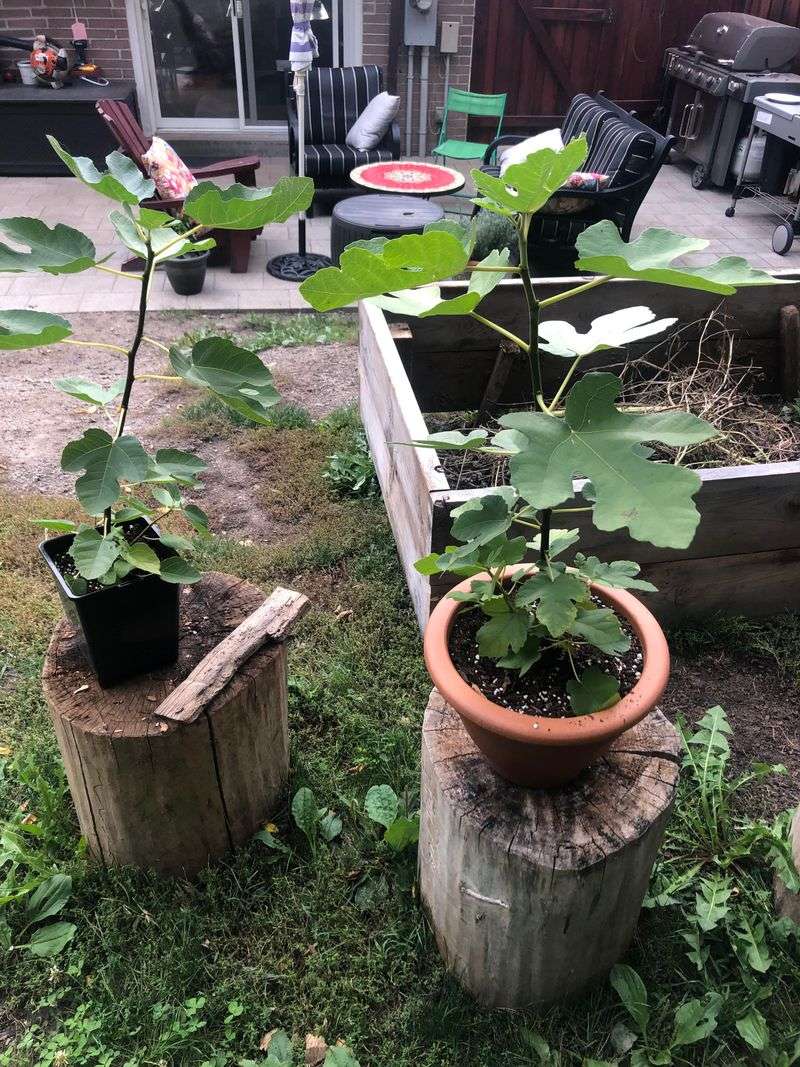
Ever tried wearing shoes that are two sizes too small? That is how a fig feels when its roots run out of space. Given enough time, roots fill the whole pot and start circling around the edges.
Crowded roots cause a chain of problems. There is little room left for new growth, the soil dries out almost as soon as you water it, and the tree becomes stressed. Fewer figs are often the first sign something is wrong.
Root pruning fixes all of this, and it is easier than it sounds. Every two to three years in late winter, before new buds swell, lay the pot on its side and slide the fig out. A friend can help with larger trees.
Using a sharp pruning saw or old bread knife, trim an inch or two of roots from the sides and the bottom of the root ball.
Shake or scrape away some of the old, tired potting mix. Then set the tree back in the same pot, or a slightly larger one, and fill in with fresh mix. Water well to settle everything in place.
The fig may look a bit surprised at first, but it quickly sends out fresh, healthy roots. Many growers find their trees produce better after a good trim.
North Carolina’s long warm season is a gift and a challenge. Figs grow fast from April through October, so containers can become root bound sooner than you might expect.
9. Bring It Out Gradually In Spring
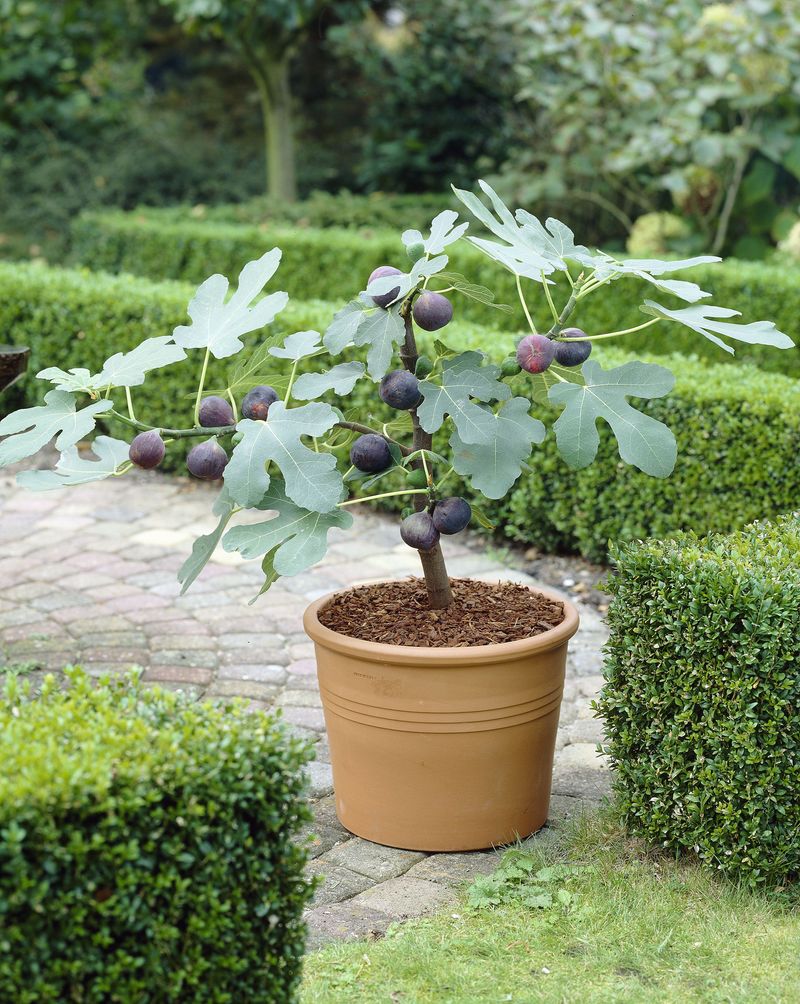
Spring fever hits gardeners hard. After months of gray skies, the urge to roll that fig back into the sunshine can feel impossible to resist. Hold on just a little longer, because timing makes all the difference.
Figs that wake up too early are at risk. Tender new leaves and shoots can be damaged by a surprise late freeze. There is another danger too.
A tree that goes straight from a dark garage into bright sun can suffer leaf scorch, leaving brown, crispy patches on its fresh growth.
Wait until the risk of hard freezes has passed, then move the fig outside. Start it in part shade for about a week. A spot under a tree or on a covered porch works nicely. After that, slide it into full sun where it will grow best.
Keep frost cloth close by during these first weeks. Spring weather can flip quickly, and a cold night may sneak in without much warning. Tossing the cloth over the tree for one evening can save all that new growth.
As fresh leaves unfold, pick up your regular watering and feeding routine again. The tree is hungry and ready to grow.
Across North Carolina, the calendar changes by region. The last frost usually arrives in late March to early April in the Coastal Plain, early to mid April in the Piedmont, and late April to mid May in the Mountains. Match your move to your own area.