These Common Yard Features Draw Snakes In As Winter Approaches In New York
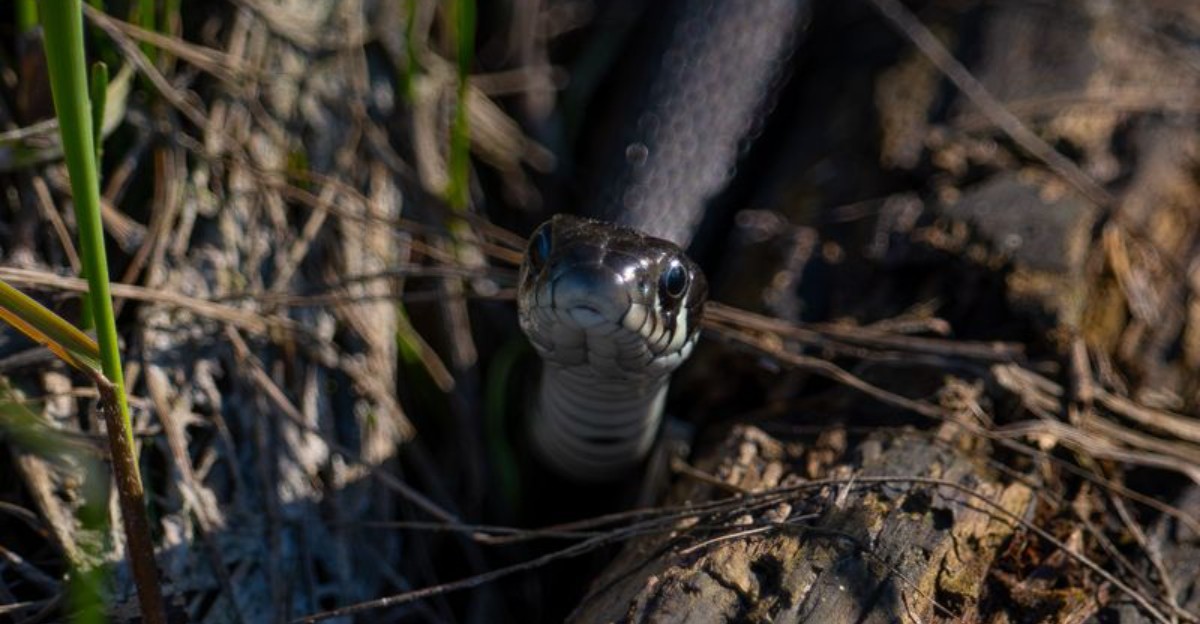
As nights turn chilly, snakes start hunting for warm, safe places to spend the winter. Some of their favorite spots are hiding in plain sight around your New York home.
A cozy woodpile or a bird feeder that draws mice can look like a luxury resort to a snake. Most visitors are harmless, yet few people enjoy a surprise under the porch steps.
Knowing what draws snakes in helps you make smarter choices before the first frost. Small, easy changes can keep your yard comfortable for you and less tempting for slithering guests.
The spots below are the ones snakes find hardest to resist. A quick walk around your property might reveal a few you never noticed.
1. Stacked Firewood Near The House
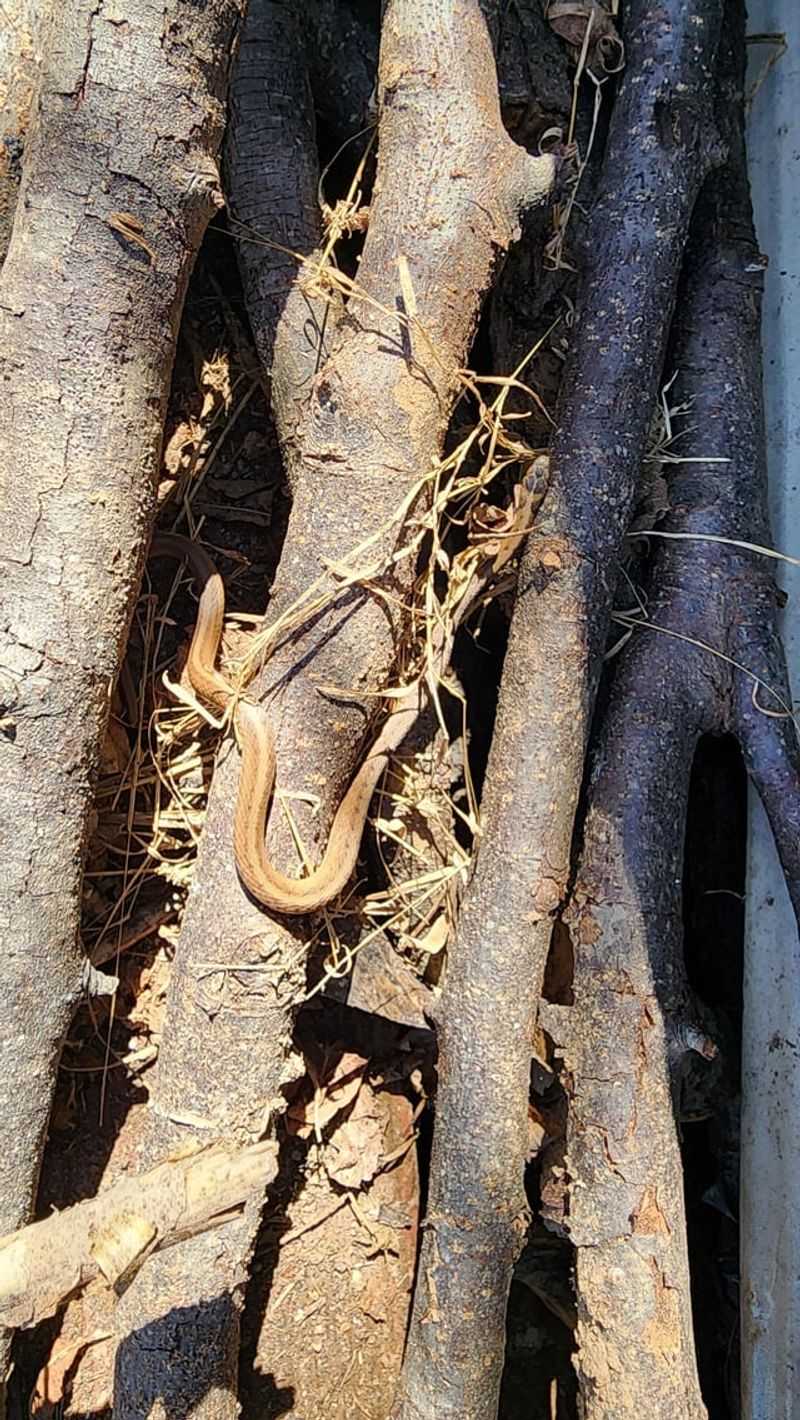
Picture a cozy stack of oak logs by the back door, ready for chilly nights. To a garter snake, that stack looks like a five-star hotel with room service.
Wood piles trap heat from the afternoon sun and hold it into the evening. The gaps between logs also block wind, rain, and hungry hawks.
Mice love firewood just as much, since the loose bark makes great nesting material. Where mice settle in, snakes usually follow close behind.
As fall turns cold, some snakes pick woodpiles for brumation. Brumation is a sleepy, slowed-down state that reptiles use to get through winter.
The easiest fix is distance, so move your stack at least 20 feet from the house. A snake resting there then has no quick path to your foundation.
Raise the wood on a metal rack about 18 inches off the ground. Open space underneath leaves fewer dark, sheltered spots for critters to hide.
Bring in only what you need for a day or two at a time. Shake each log gently before carrying it through the door.
Wear thick gloves whenever you reach into the pile, especially in October and November. A little caution keeps a surprise from turning into a scare.
Did you know that stacking bark-side up helps logs dry faster? Drier wood draws fewer insects, which means less food for mice and snakes.
Finally, cover only the top of the stack instead of wrapping the sides. Good airflow keeps the wood dry and far less inviting.
2. Rock Walls And Stone Piles
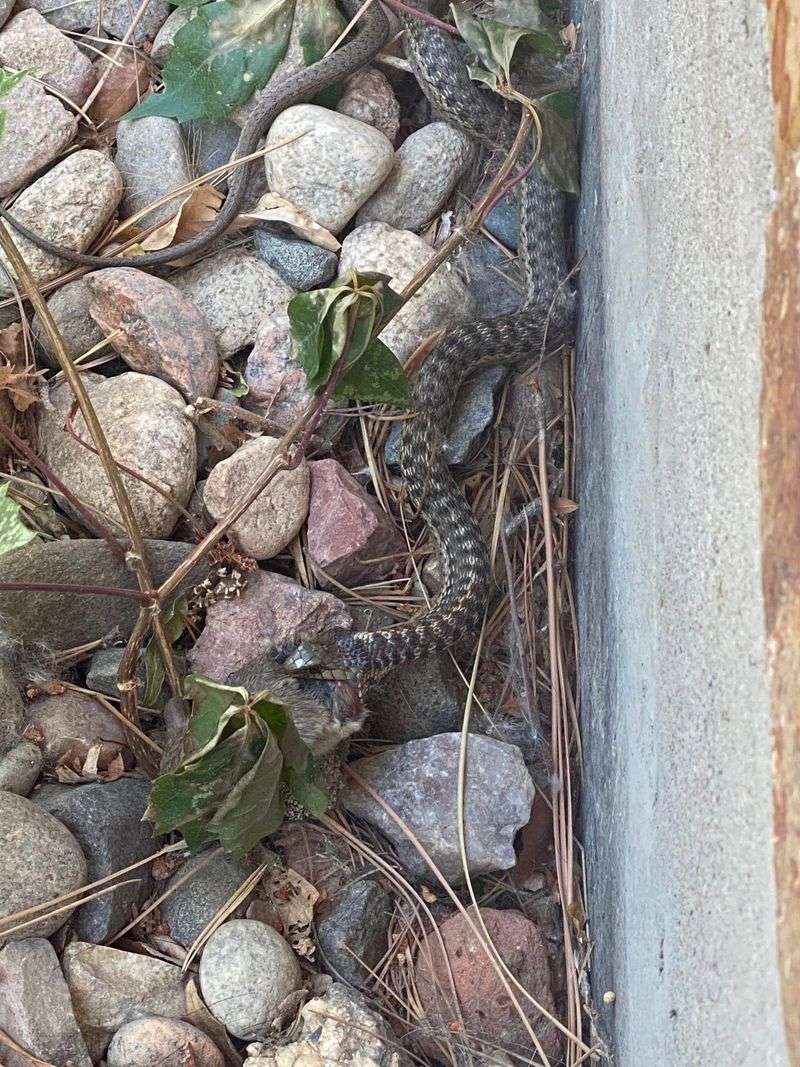
Old stone walls wind through fields and backyards all over New York, and many are over a century old. Beneath those rocks, something surprising might be happening each fall.
Rocks soak up sunshine during the day and release warmth slowly after dark. Deep cracks between stones also reach below the frost line, where temperatures stay steady.
Garter snakes, the most common species in the state, often share winter dens. Biologists have found hundreds, sometimes thousands, packed together in one underground spot.
Group living helps them hold onto moisture and warmth through the long, frozen months. Come spring, they pour out on sunny days to bask and find mates.
Removing a historic wall is not usually needed or even wise. Garter snakes are harmless and eat slugs, worms, and other garden pests.
Your New York Garden Changes Every Week. Your Plan Should Too.
Gardening in New York changes quickly throughout the season. Every Friday you’ll receive a simple weekly plan showing exactly what to plant, prune, fertilize, harvest, and protect so you never miss the right timing.
Loose rock piles are a different story, especially near patios, steps, or play areas. Moving them to the far edge of your property can give everyone some breathing room.
Try filling larger gaps in walls closest to the house with mortar or smaller stones. Fewer openings mean fewer cozy entry points leading underground.
Keep plants trimmed along the wall base so you can see what is resting there. Bright, open ground feels risky to a snake looking for cover.
Take care when lifting stones for fall projects, since a sleepy snake may be tucked underneath. Lift rocks toward you so the far side opens first, giving any resident space to leave.
Spotting a snake sunning itself on a wall in October is fairly normal. It is simply getting ready for a long winter nap.
3. Leaf Piles And Unraked Garden Beds
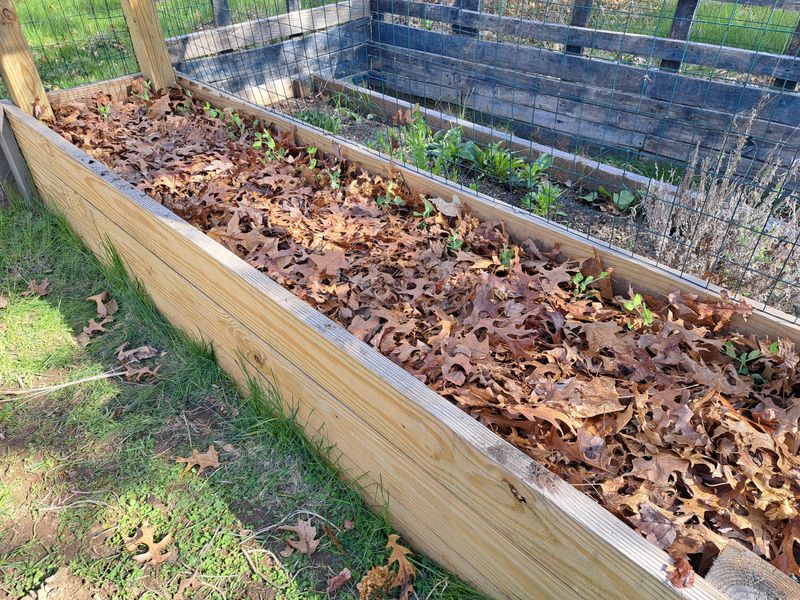
Crunchy leaves underfoot are one of autumn’s best sounds. Under those colorful layers, though, a whole hidden world is getting ready for winter.
A thick blanket of leaves works like insulation, holding in warmth as nights grow frosty. Snakes slip beneath it to rest and stay out of sight from predators.
Leaf litter also stays damp, which draws slugs, beetles, earthworms, and crickets. Mice and voles tunnel through it too, creating a buffet for hungry reptiles.
That mix of food and shelter peaks just before the first hard freeze. Snakes are eating as much as they can before settling into dens.
You do not need a spotless yard to lower the draw. Focus on raking beds and walkways within about 10 feet of the house.
Rather than leaving tall heaps, shred leaves with a mower and spread them thinly. Thin mulch still feeds your soil but offers far less hiding space.
Pollinator lovers can keep some leaves in a back corner away from doors. Bees and butterflies benefit, and any visiting snakes stay farther from your steps.
Use a rake instead of bare hands when clearing old beds. Tapping the pile first gives any sleeping creature a gentle warning.
Bag leaves soon after raking rather than letting them sit for days. A pile left alone for a week quickly becomes somebody’s new home.
Here is a fun bit: some snakes can sense ground vibrations through their jawbones. Your footsteps may announce you long before you ever see them.
Closed shoes and sturdy gloves make fall cleanup safer. They also protect your hands from thorns and sharp sticks.
4. Bird Feeders That Draw Rodents
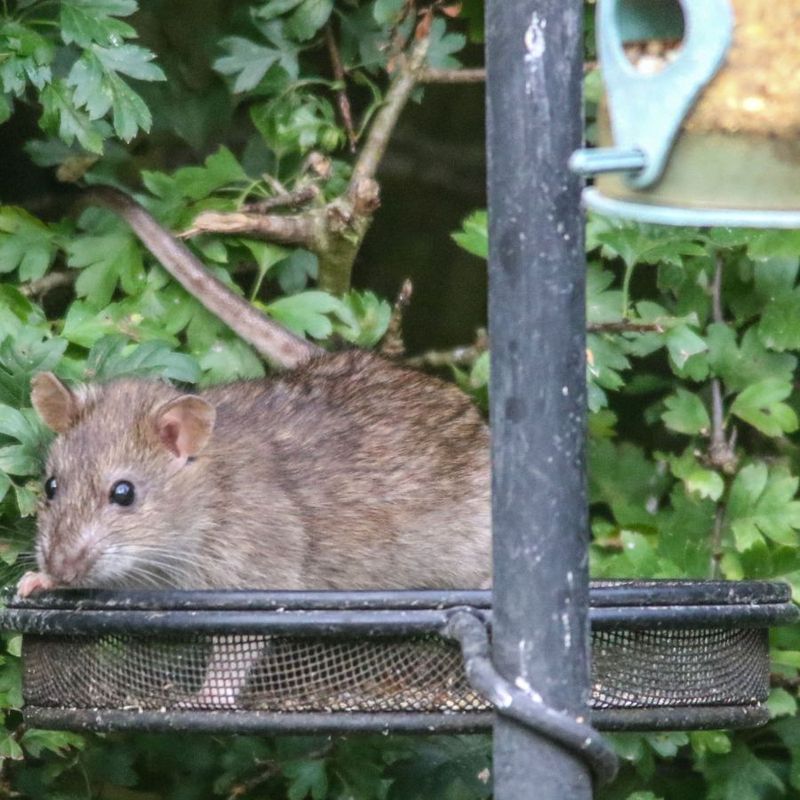
Chickadees and cardinals are a joy to watch on a gray November morning. The trouble starts with the seeds they fling onto the ground below.
Birds are messy eaters, and fallen sunflower hulls and millet pile up fast. Mice, chipmunks, voles, and rats treat that spill as a free nightly meal.
A yard full of rodents sends a clear signal to snakes. Rat snakes and milk snakes hunt these small mammals regularly.
Feeding birds does not need to stop, thankfully. A few smart changes can keep the fun going while cutting back on uninvited guests.
Attach a seed catch tray under each feeder to trap most of the mess. Empty the tray every few days so it does not become a snack bar.
Choose no-waste seed blends, such as hulled sunflower hearts, that leave fewer shells behind. Birds eat nearly everything, so far less lands in the grass.
Place feeders at least 15 to 20 feet away from your home. Any rodents that visit will then stay farther from doors, vents, and basement windows.
Sweep or rake the ground beneath feeders once a week in fall. A quick cleanup takes minutes and removes a major rodent magnet.
Store birdseed in metal cans with tight lids rather than paper bags. Mice can chew through plastic and paper in a single night.
Did you know that one pair of mice can raise dozens of babies each year? Controlling their food supply is one of the best ways to keep snakes moving along.
Your birds will not mind the tidier setup one bit. They will keep singing while the uninvited crowd heads elsewhere.
5. Spilled Pet Food And Unsealed Trash
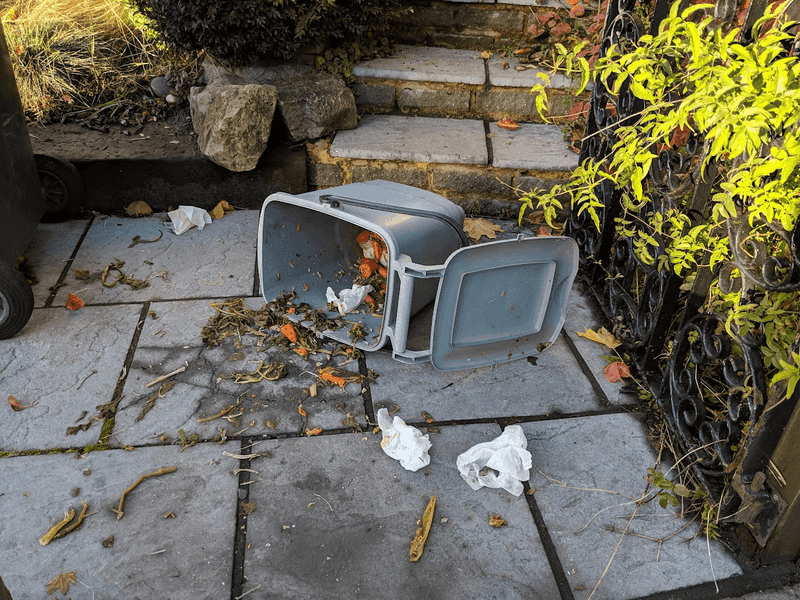
Your dog might be a picky eater, but neighborhood mice are not. A bowl of kibble left on the porch overnight is basically an open invitation.
Rodents can smell pet food from a surprising distance. Once they find a steady supply, they move in nearby and start raising families.
More rodents means more snakes, since prey draws predators like a magnet. It is a simple food chain playing out right on your back steps.
Open garbage works the same way, with food scraps drawing mice, rats, and insects. In busy neighborhoods, trash is often the easiest meal around.
Feed pets indoors whenever you can, especially after sunset. If pets eat outside, pick up the bowls as soon as they finish.
Keep dry food in heavy plastic or metal bins with locking lids. Original paper bags tear easily and let out smells that travel.
Wipe up spilled crumbs in garages and sheds where food is stored. Tiny bits add up and can feed a mouse for days.
Use trash cans with tight-fitting lids, and check them for cracks or holes. Bungee cords help if raccoons or wind keep knocking lids loose.
Rinse food containers before tossing them in recycling bins. Leftover sauce or grease can attract pests just as well as regular garbage.
Set cans on a hard surface like concrete rather than on grass. Snakes and rodents have fewer hiding spots around cans resting on pavement.
Chicken feed and livestock grain deserve the same care if you keep backyard animals. Sealed storage protects your budget and your yard at the same time.
6. Compost Bins Busy With Mice And Insects
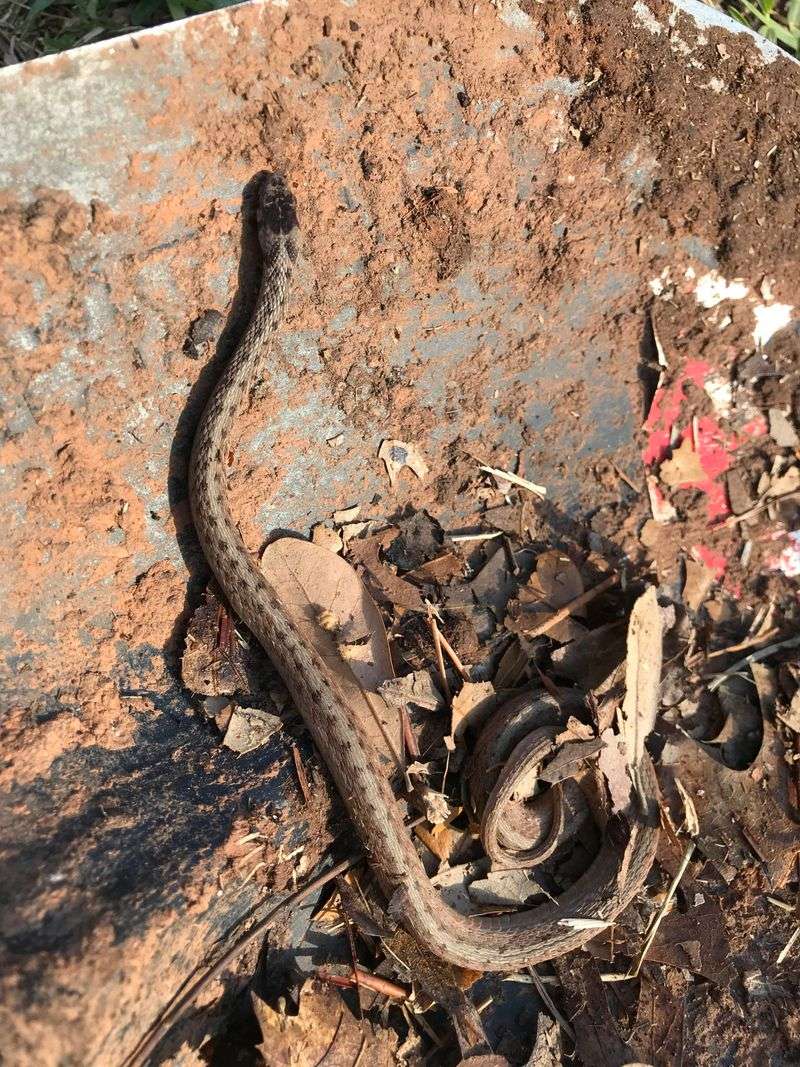
Gardeners love compost, and honestly, so do many wild neighbors. A healthy bin can reach temperatures above 130 degrees Fahrenheit in its center.
All that warmth comes from tiny microbes breaking down food scraps and yard waste. On a cold fall day, a steaming pile feels like a heated shelter.
Moist, rotting material draws beetles, worms, and flies by the hundreds. Mice follow the insects and leftover scraps, and snakes follow the mice.
Some snakes, including rat snakes, even lay eggs in compost during warmer months. The steady heat acts like a natural incubator for their clutch.
Choose a closed bin or tumbler instead of an open heap when possible. Solid sides and a lid make it harder for critters to get inside.
Line the bottom with hardware cloth, a sturdy metal mesh. Burrowing mice cannot dig up through it, and snakes lose their easy food source.
Skip meat, dairy, and oily foods in your mix. Those scraps smell strong and pull in rodents faster than fruit peels or coffee grounds.
Turn the pile every week or two with a garden fork. Regular stirring disturbs nesting animals and keeps them from settling in for winter.
Keep the bin at least a few yards from your house and shed. Distance means any visitors stay out near the garden instead of by your door.
Poke around with a tool before reaching into the pile by hand. A sleepy snake may be curled up inside, soaking in the warmth.
Adding dry leaves balances wet scraps and cuts down on strong odors. Less smell means fewer rodents, and fewer rodents means fewer slithering guests.
7. Cracks In Foundations And Gaps Under Doors
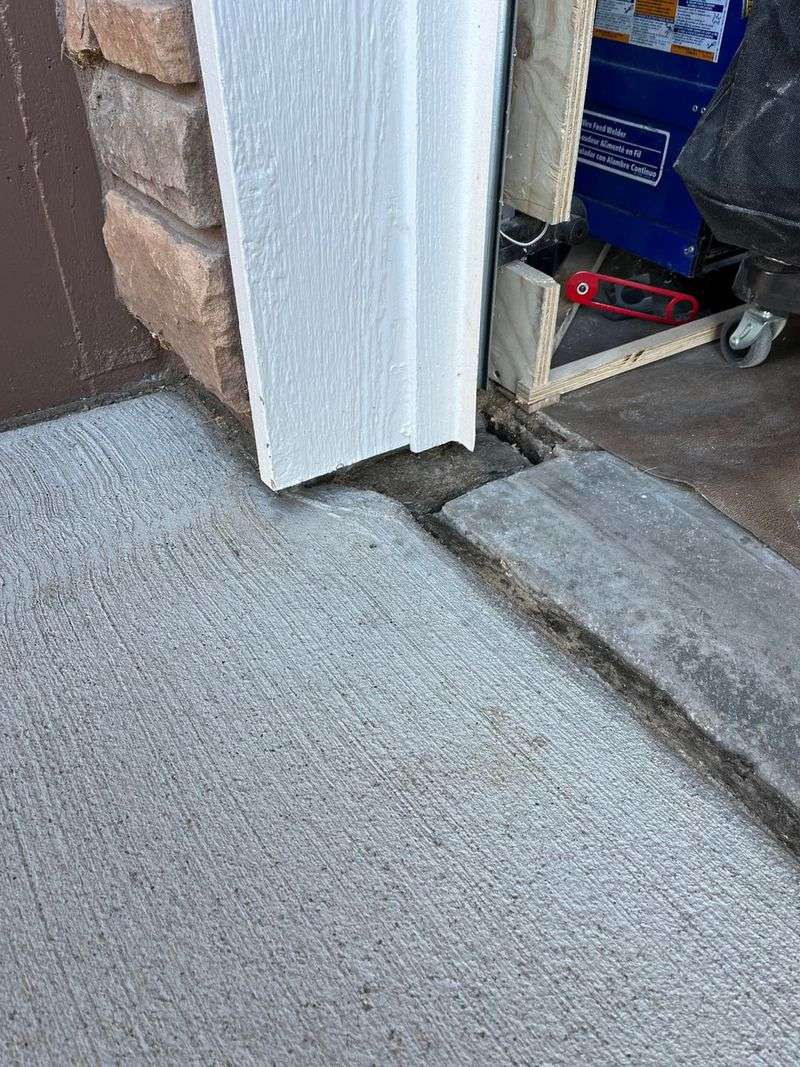
Nobody wants to find a snake coiled beside the water heater in December. Yet every fall, homeowners report exactly that surprise in basements and garages.
Snakes are cold-blooded, so they seek steady warmth as temperatures drop outside. A basement or crawl space stays far warmer than frozen ground.
Small snakes can squeeze through openings about a quarter inch wide. A cracked foundation or worn door sweep may be all they need.
Mice often slip indoors first, searching for crumbs and nesting spots. Snakes then track their scent right through the same gaps.
Walk around your home on a sunny afternoon and look closely at the foundation. Check where pipes, wires, and vents enter the walls.
Fill small cracks with caulk or masonry patch from any hardware store. Larger gaps may need expanding foam covered with mortar or metal flashing.
Install new door sweeps on garage and basement doors if daylight shows underneath. A tight seal keeps out drafts, insects, and snakes all at once.
Cover dryer vents and crawl space openings with fine mesh screening. Make sure the mesh is sturdy metal, since plastic can tear easily.
Older New York homes with stone foundations tend to have more gaps to seal. Mortar can crumble over decades, leaving hidden paths into cellars.
Sealing up also lowers your heating bill during those long winter months. Your wallet and your peace of mind both come out ahead.
If a snake does get inside, stay calm and keep pets away. A local wildlife removal service can safely relocate it for you.
8. Tall Grass And Overgrown Edges
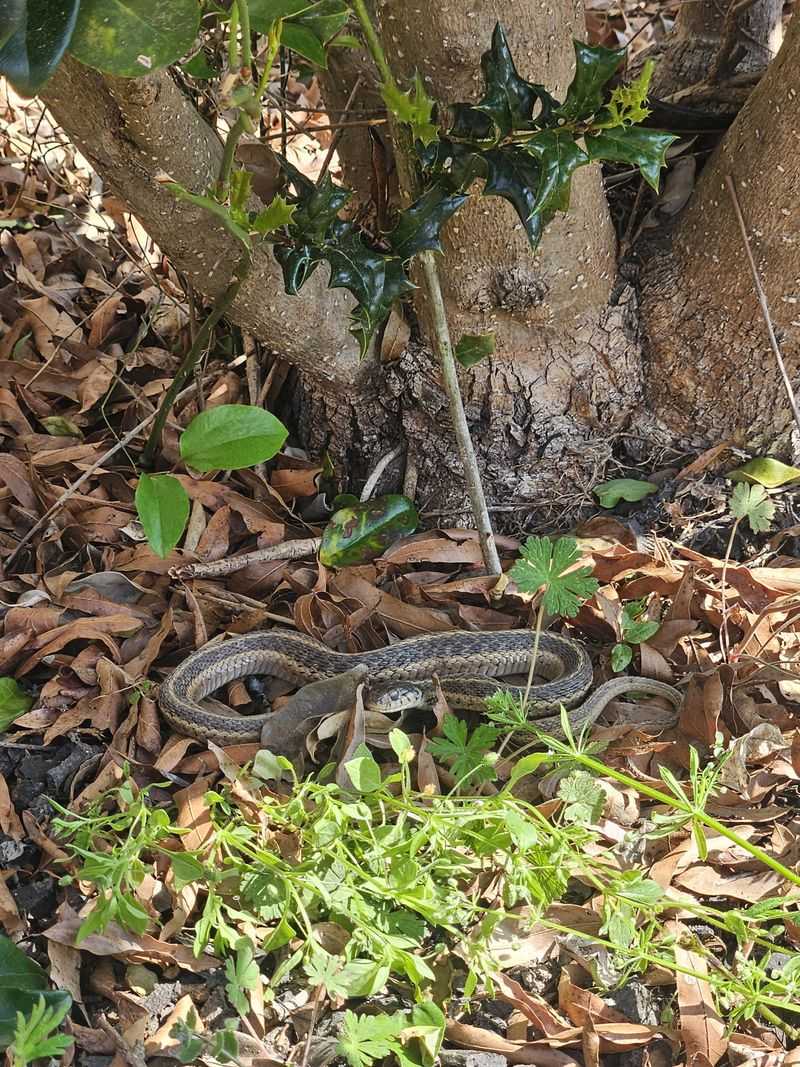
Think of tall grass as a secret hallway for snakes. It lets them glide from one spot to another without being noticed.
Hawks, foxes, and even house cats hunt snakes, so cover matters a lot. Thick weeds and shaggy edges offer the safety they crave.
Overgrown areas also buzz with crickets, grasshoppers, and field mice. For a hungry snake, it is shelter and dinner in one place.
Fall is a busy season for these reptiles as they fatten up before winter. Lush edges near fences and sheds see plenty of traffic in September and October.
Keep your lawn mowed to about three or four inches through autumn. Short grass exposes snakes to predators, so most choose to avoid it.
Trim along fence lines, foundations, and garden borders where mowers cannot reach. A string trimmer makes quick work of those shaggy strips.
Prune low shrub branches so they sit several inches above the soil. Open space beneath bushes removes a shady resting spot.
Clear a wide, tidy buffer between wild areas and your home. Gravel or short grass works well as a border zone.
Many New York properties back up to woods or fields, which naturally hold more wildlife. A neat edge tells snakes your yard offers little cover.
Walk the lawn before mowing to spot toys, hoses, or animals in the grass. A quick check protects both your mower blades and any hidden critters.
Here is a handy trick: mow in a pattern that starts in the center. Wildlife then has time to move outward and escape to safer ground.
9. Ponds And Damp Spots Full Of Frogs
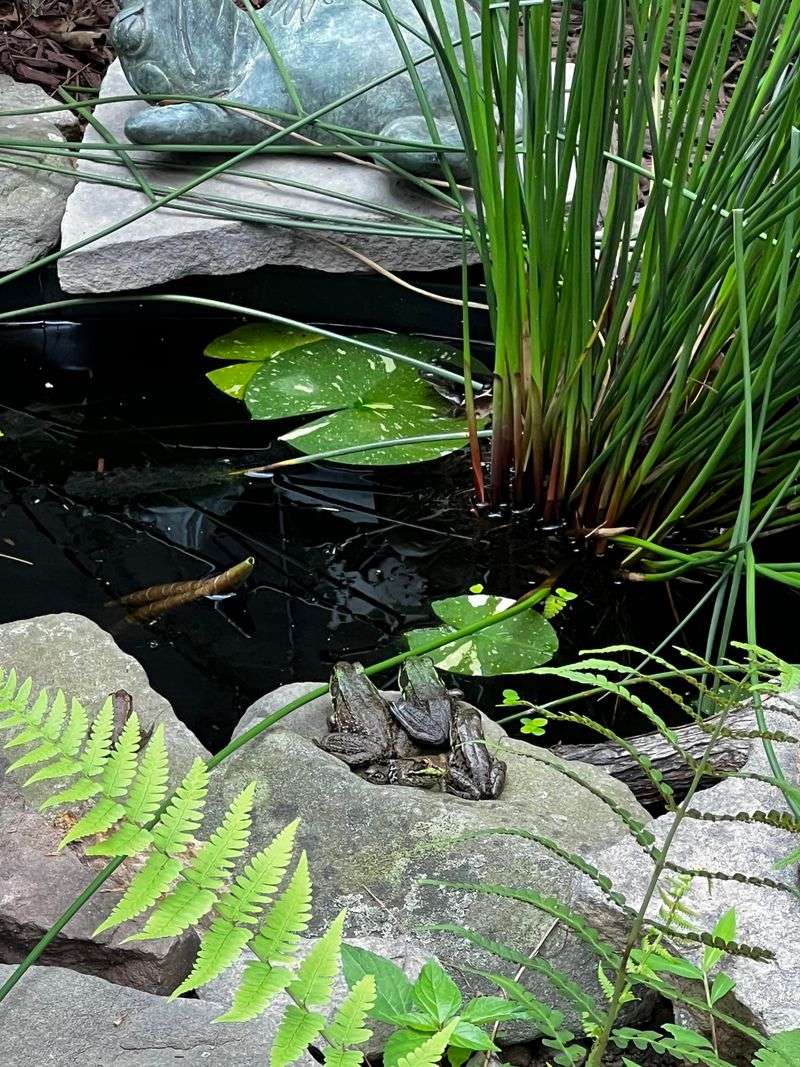
A backyard pond can be the prettiest spot on your property. Lily pads, trickling water, and croaking frogs make it feel like a tiny nature preserve.
Unfortunately, that same charm catches the attention of snakes. Water, shelter, and plenty of food all sit in one convenient place.
Frogs, toads, tadpoles, and small fish are favorite meals for many species. Northern water snakes, common across New York, patrol pond edges looking for them.
Northern water snakes are often mistaken for venomous copperheads or cottonmouths. Cottonmouths do not live in the state, so relax if you spot one swimming.
Water snakes can bite if grabbed, though, so admire them from a distance. Given space, they usually slip into the water and swim away.
Trim thick plants around the pond border to create some open ground. A clear edge leaves snakes feeling exposed and less likely to linger.
Fix leaky hoses, clogged gutters, and low spots where puddles gather after rain. Soggy ground attracts slugs and frogs, which then pull in hungry snakes.
Place flat stepping stones or gravel around part of the pond instead of dense grass. Smooth surfaces are easy to scan and harder to hide in.
Keep fish food sealed and feed only what fish finish in a few minutes. Leftover pellets draw rodents and insects to the waterline.
As autumn cools, pond activity slows, but snakes may shelter in nearby banks. Checking stone edges before winter helps you know what is living there.
Fun fact: water snakes give birth to live young rather than laying eggs. A single mother can have more than 30 babies in late summer.