The Yard Clutter That Gives Rats Winter Shelter In California
A corner behind the garage can sit untouched for years, stacked with old fence boards, a cracked wheelbarrow, and a tangle of ivy nobody wants to deal with.
Lift the first board on a cold December afternoon, though, and a few roof rats might bolt for the fence, leaving behind a shredded nest of leaves and insulation.
California winters are mild, but cool, wet nights still push rats toward dry, hidden spots close to food.
Each type of yard clutter gives them something slightly different, from cover against owls to soft nesting material to a sheltered path straight to the house.
Here’s what each pile actually offers a rat, and how to take that shelter away before winter settles in.
Woodpiles Offer Perfect Hidden Cover

Pulling a log from the bottom of an old firewood stack sometimes reveals a tidy little burrow tucked underneath. Rats love woodpiles because the gaps between logs form a maze of dark tunnels that predators can’t easily reach.
Owls and hawks can’t see inside from above, and most cats can’t squeeze through the narrow spaces. That combination makes a woodpile one of the safest places in a yard for a rat to rest during the day.
Stacked lumber works the same way. Boards leaned against a fence or each other create long, narrow chambers that stay dry through winter rain, with the top layers acting like a roof.
According to the UC Statewide IPM Program, woodpiles rank among the most common rat shelters around homes. Piles sitting directly on the ground cause the most trouble, since rats can dig underneath and the soil below stays undisturbed for months.
Giving up the fireplace isn’t necessary to fix the problem. Raising firewood at least 18 inches off the ground on a metal rack helps the most.
Keeping it about a foot from walls and fences, and stacking logs tightly, adds even more protection.
Scrap lumber deserves a harder look than firewood. Boards saved for a someday project often sit for years, so hauling them away or moving them onto raised racks inside a closed shed removes a ready-made shelter.
A woodpile with daylight underneath and nothing touching the house offers far less appeal to a rat looking for a winter home.
Dense Ivy Creates A Rat Highway
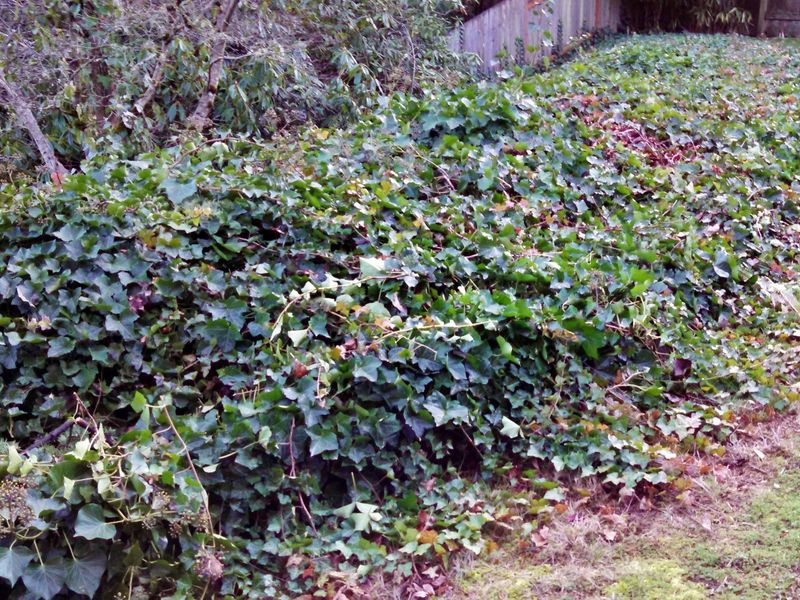
Rustling in a patch of ivy at dusk, with no breeze around, often means something with a long tail is heading home. Across California, thick groundcover like Algerian and English ivy has a long reputation for sheltering roof rats.
Ivy grows in a dense mat that can reach a foot or more deep. Underneath that layer, rats carve out runways that stay completely hidden from above, letting them travel from a fence to a fruit tree to a garage without ever stepping into the open.
The UC IPM Program specifically points to dense groundcover like ivy as prime rat habitat. The leaves block rain and wind, so the ground underneath stays fairly dry, and fallen snails, seeds, and dropped fruit collect there as an easy snack along the route.
Your California Garden Changes Every Week. Your Plan Should Too.
Gardening in California changes quickly throughout the season. Every Friday you’ll receive a simple weekly plan showing exactly what to plant, prune, fertilize, harvest, and protect so you never miss the right timing.
Ivy that climbs fences and walls adds a second lane. Roof rats are skilled climbers, and they use those vines like ladders to reach rooftops, eaves, and attic vents.
Removing ivy takes some muscle, but the payoff is worth the effort. Pulling or cutting it back in sections, bagging the cuttings instead of leaving them in heaps, and stripping vines off fences, trees, and walls all cut off the hidden routes.
Large patches can be replaced with low plants, gravel, or mulch that’s easy to see through. Open ground leaves rats feeling exposed, and a yard without hidden lanes quickly becomes a much less attractive place to settle.
Stored Items Against Fences Invite Denning
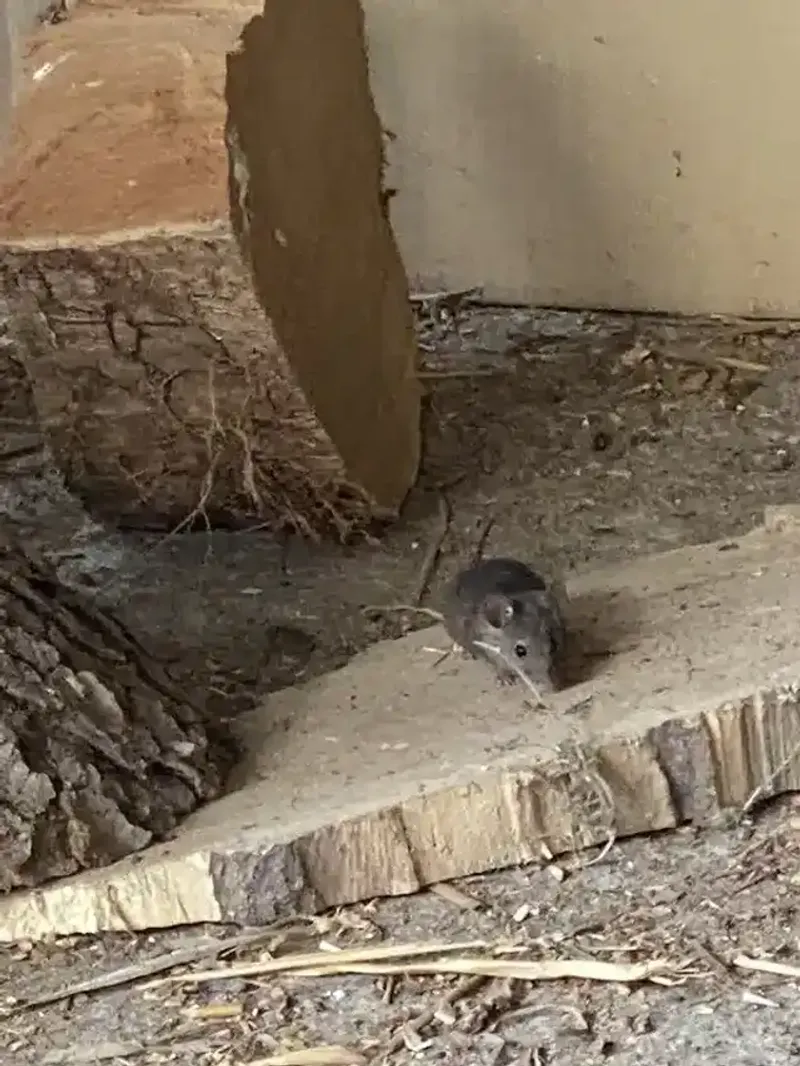
Rolled-up tarps, spare tires, folded patio chairs, and an old kiddie pool all tend to drift toward the fence line over time. Out of sight and out of mind for most people, that narrow strip looks like prime real estate to a rat.
The problem comes from how the space is shaped. The fence covers one side and the stored items cover the other.
That leaves a protected gap where rats can build a den with walls on both sides and almost no disturbance for months.
According to UC IPM, stored items around a property give rats places to hide and nest. Fence lines make it worse, because rats naturally travel along edges and prefer to keep one side touching a solid surface while they move.
That means a storage zone along the fence often sits right on their favorite path. A few changes help a lot, starting with pulling everything at least a foot away from fences and walls so the space behind stays visible.
Storing items on shelves or racks raised off the ground removes the dark floor space rats like best. Moving whatever fits into a sealed shed, garage, or lidded bin takes away even more options.
Checking the remaining storage once a month, especially from fall through early spring, keeps things shifting. Rats rarely stay in a den that keeps getting disturbed, so a little regular movement goes a long way.
Overgrown Shrubs Touching Structures Add Risk
A hedge pressed tight against a stucco wall, branches brushing the roofline, can look lush and green. For a rat, it works more like a hidden staircase leading straight to the house.
Overgrown shrubs give rats two things at once. The thick inner branches and leaf litter underneath provide cover from predators and cold rain, while branches touching the house create a direct path to gaps in siding, foundation vents, and the roof.
Roof rats, common in many California cities, are excellent climbers. A shrub or tree limb that touches the eaves can lead them right to an attic opening, where they find warmth, insulation for nesting, and very few threats.
The UC IPM Program recommends trimming vegetation away from buildings for exactly this reason. Shrubs should sit at least two to three feet from walls, and tree branches should be cut back so none come within several feet of the roof.
Thinning dense shrubs from the inside also helps, since being able to see through them removes much of the cover. Raking out the thick leaf layer that builds up at the base takes away another hiding spot.
While working near the house, it’s worth looking for openings too. Rats can slip through holes about the size of a quarter, so sealing gaps around pipes, vents, and the foundation with hardware cloth or metal flashing closes the door they were aiming for.
A neat trim does more than improve curb appeal. It cuts off the shortcut rats rely on most.
Debris Piles Double As Nesting Sites
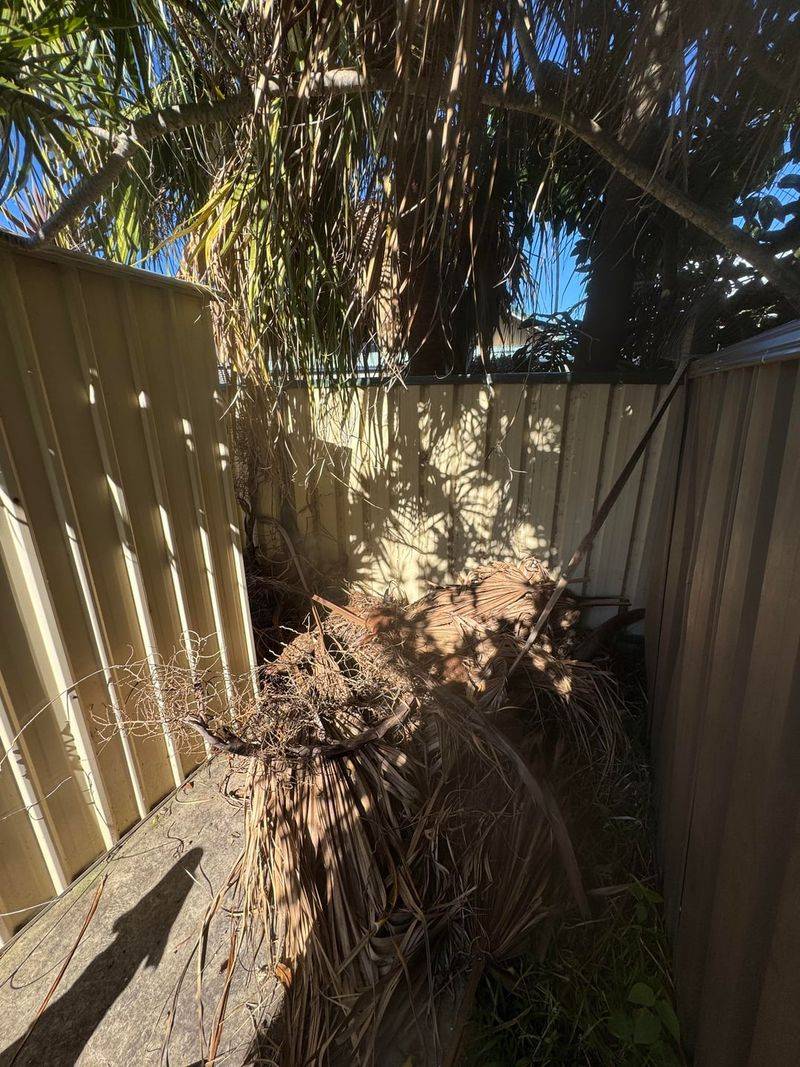
Most yards have at least one forgotten pile, like a heap of palm fronds, a stack of brush clippings, or leaves raked into a corner months ago. What starts as a plan to deal with it later can quickly turn into a rat nursery.
Debris piles stand out because they offer shelter and building supplies in the same spot. Dry leaves, grass, and shredded plant fibers make soft nesting material, and rats gather it, pack it into a hollow, and create a warm bed for raising young.
In mild climates like much of California, rats can breed year-round, so winter nests matter more than many people realize. The pile itself also acts as a guard, with loose branches and fronds forming a cage that keeps larger animals out while rainwater runs off the top.
UC IPM lists debris among the common sources of rat shelter near homes. Palm trees deserve a special mention, since dried fronds hanging on the trunk or piled underneath are well-known roof rat hideouts across Southern California.
Cleanup is simple, though it might take an afternoon. Bagging yard waste promptly for the green bin and removing dried palm fronds from trees and the ground clears out two favorite hiding places.
Gloves and a dust mask are smart when moving old piles, since rat droppings can carry disease. Compost works fine in a closed bin with a solid lid, but an open heap is really just a debris pile with better branding.
Unused Containers Collect More Than Rainwater
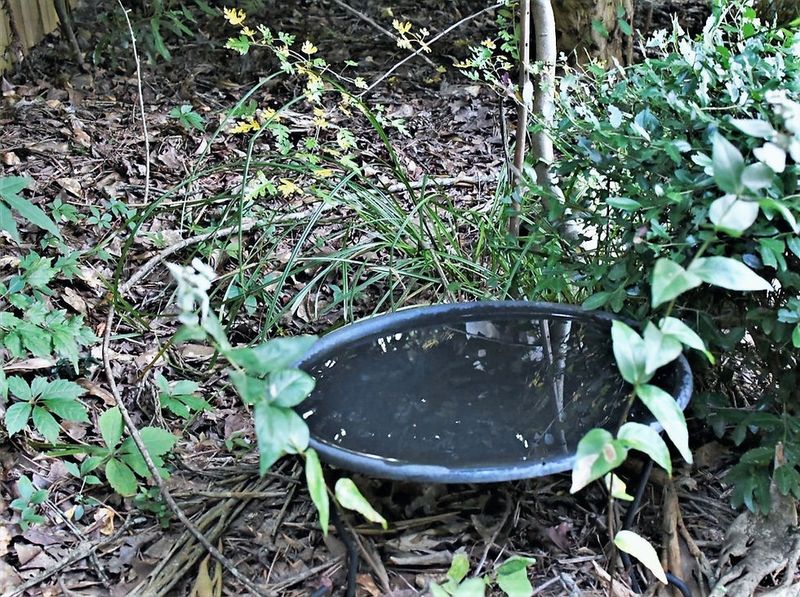
Tipping over an old flower pot that’s been sitting behind the shed all year can turn up spiders. Other times, it reveals a neat ball of shredded paper and leaves that clearly took some effort to build.
Forgotten containers make ready-made rooms. Overturned buckets, stacked pots, empty coolers, old planters, and broken trash cans all offer a solid roof and walls.
A rat only needs a small opening to slip inside and stay shielded from wind, rain, and predators.
Winter rain adds another twist. Upright containers collect water, giving rats something to drink without leaving the yard, and UC IPM explains that rats need steady access to food, water, and shelter to stick around.
Common culprits include stacks of nursery pots, old buckets, and unused planters, along with broken grills, coolers, and appliances. Kids’ toys like playhouses and sandboxes that no longer get used often end up on the list, too.
Old boats, cars, and trailers parked for a long time deserve a careful look, since rats sometimes nest underneath or inside engine compartments.
Recycling or tossing anything broken shrinks the options right away. Items worth keeping can be stored upside down on raised shelves or inside a closed shed, and emptying standing water after storms removes an easy drink.
A single weekend sweep can turn a cluttered hideaway into a yard with very few places to settle. For rats looking for a winter room, that change makes a big difference.
Gaps Under Decks And Sheds Become Hidden Dens
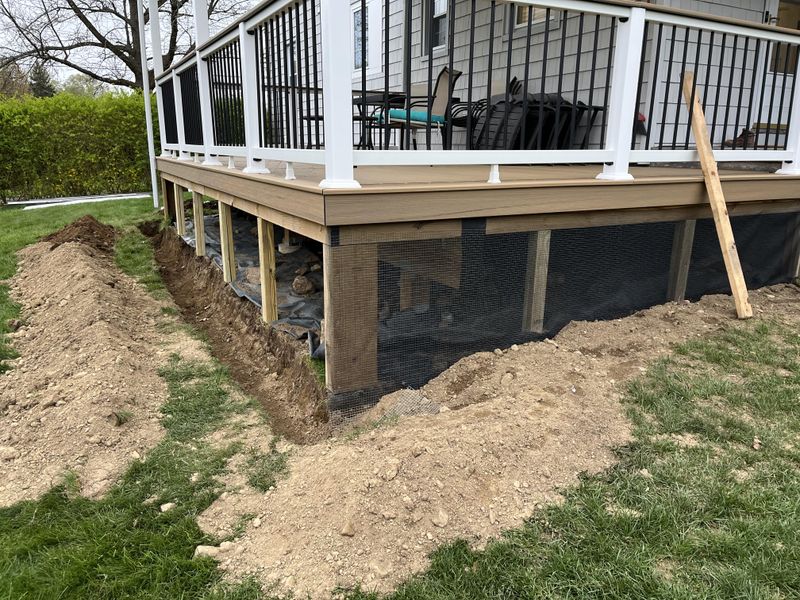
The dark space under a backyard deck rarely gets a second glance, which is exactly what makes it so appealing to rats. Low sheds, playhouses, and raised garden structures create the same kind of sheltered pocket right at ground level.
Norway rats, the burrowing species found across much of California, especially like these spots. The ground underneath stays dry during winter storms, and the structure overhead blocks the view of owls and hawks.
Burrows often start along the edges, where soil meets a foundation or support post. Fresh mounds of dirt, smooth holes about two to three inches wide, and well-worn trails leading underneath are common signs of activity.
Storage tucked under a deck makes the problem worse. Old lumber, pots, and folded furniture add extra cover and turn a simple crawl space into a multi-room den.
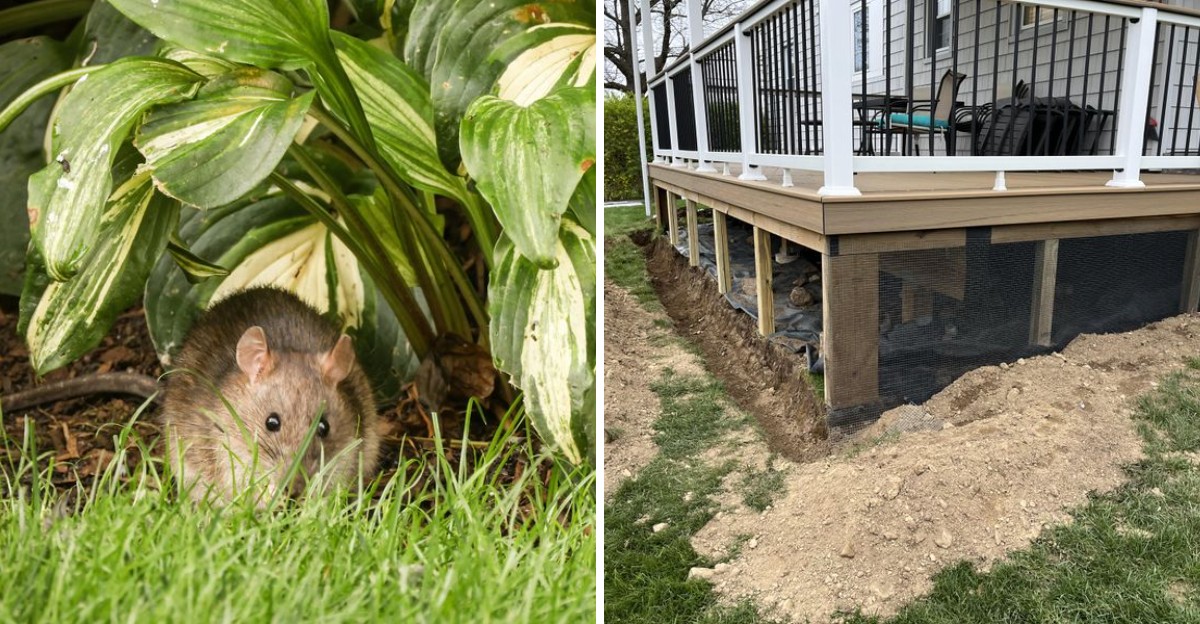
The UC IPM Program points to exclusion as one of the most effective long-term fixes for rats near structures. A skirt of sturdy hardware cloth around the base of a deck or shed, buried several inches deep and bent outward in an L shape, helps stop rats from digging underneath.
Clearing out anything stored below and keeping the area open and visible removes much of the appeal. Filling existing burrows and checking for new ones after rain also helps, since soft soil makes digging easier.
A deck should be a place for summer barbecues, not a winter rental. Sealing that hidden space keeps it that way.
Clearing Clutter Removes Their Best Options

Traps and baits tend to get most of the attention, but they only deal with the rats already living nearby. Without changes to shelter, new rats simply move in to take their place.
The UC IPM Program stresses that removing shelter, food, and water is a key part of long-term rat management. Each type of clutter covered here plays a specific role, which is why a broad cleanup works better than tackling one pile and calling it done.
Woodpiles and stored items offer hidden cover, while ivy and overgrown shrubs provide travel routes. Debris supplies nesting material, and forgotten containers add both dens and drinking water.
Take those features away, and rats lose their sense of safety. They’re cautious animals that avoid crossing open ground, so a tidy yard leaves them feeling exposed and more likely to look elsewhere.
Starting with the spots closest to the house makes sense, since those pose the biggest risk. From there, working outward toward fences and corners, one category per weekend, keeps the job manageable instead of overwhelming.
Gloves are a must, and dry droppings shouldn’t be swept, since that can stir up dust. Picking up fallen fruit, storing pet food and birdseed in sealed containers, and keeping trash lids closed all help the effort along.
Neighbors make great partners, too. Rats don’t respect property lines, so a whole-block cleanup tends to work far better than one tidy yard surrounded by cluttered ones.