Things That Attract More Coyotes To Your Pennsylvania Yard
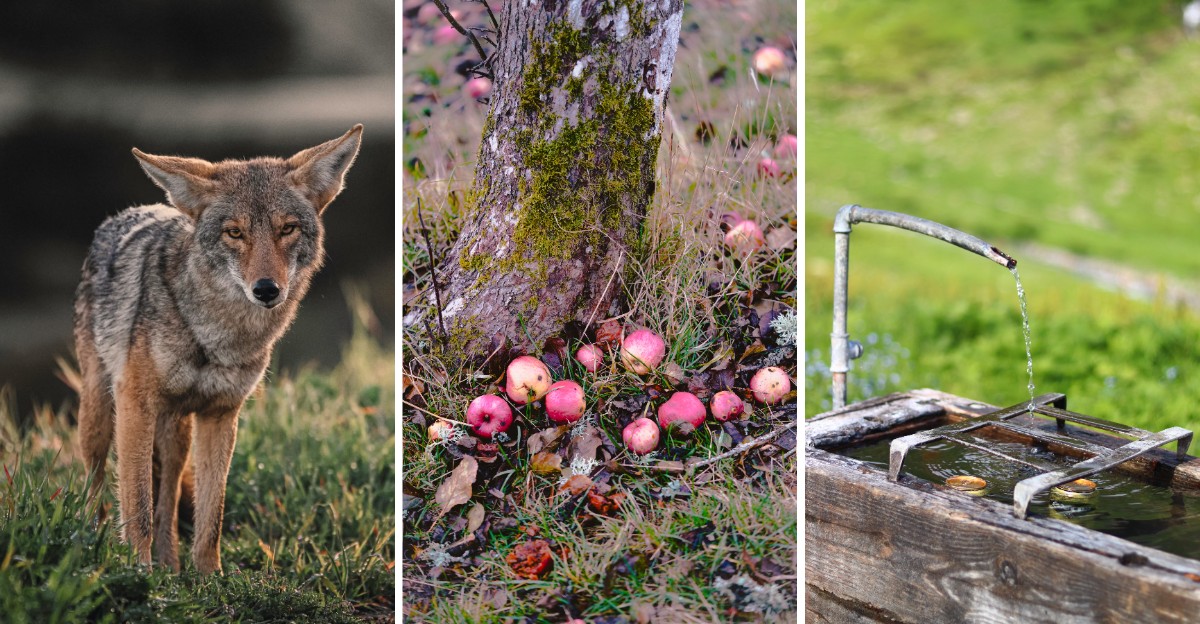
Who invited the raccoon to your driveway? You hear a thin yip, then a shaky howl, and your dog barks. Coyotes roam Pennsylvania suburbs, and you provide the menu. Raccoons twist latches with fingers nearly as nimble as yours.
Bears detect garbage from miles away, and you may host a visitor. Opossums wander in for spilled pet kibble you left outside.
Foxes slip beneath decks you assumed were sealed. Birdseed, compost, and the hose you left dripping signal an open buffet.
Curious animals remember reliable meals, and you become their favorite address. Latch lids tightly and you rewrite their calculations.
Rinse bins, bring feeders inside at dusk, and you shrink the invitation list. Motion lights send visitors elsewhere, and you gain peaceful nights.
Fences with edges set deep in soil protect your Pennsylvania garden. Your dog still barks at moonlight.
1. Unsecured Garbage Cans
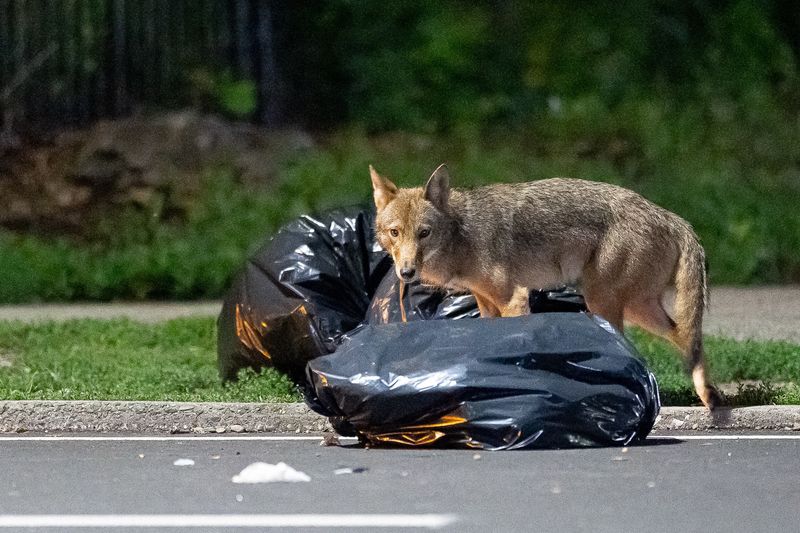
Picture a raccoon-sized buffet sitting at the end of your driveway every Tuesday night. To a hungry coyote, your garbage can smells like an easy meal.
Coyotes have a sense of smell far stronger than ours, so leftovers wrapped in plastic still call loudly. Chicken bones, greasy pizza boxes, and meat scraps are foods coyotes readily eat.
Once a coyote finds an easy meal, it remembers the spot and returns again and again. That habit can turn one lucky night into a regular visit to your yard.
The fix starts with a sturdy can that has a tight, locking lid. Bungee cords or heavy clips work well if your current can lacks a proper latch.
Try to store bins inside a garage, basement, or shed until the morning of trash pickup. Putting them out the night before gives wildlife hours of uninterrupted snacking time.
Rinse out cans with hot soapy water every few weeks to cut down on lingering odors. Never mix bleach with vinegar or ammonia, since the fumes are toxic.
Meat scraps can also be frozen until trash day, which keeps odors from building up. This trick helps most during hot summer months when smells grow stronger.
Securing garbage might feel like a small chore, but it sends a clear message. Local coyotes are more likely to look elsewhere.
2. Outdoor Pet Bowls
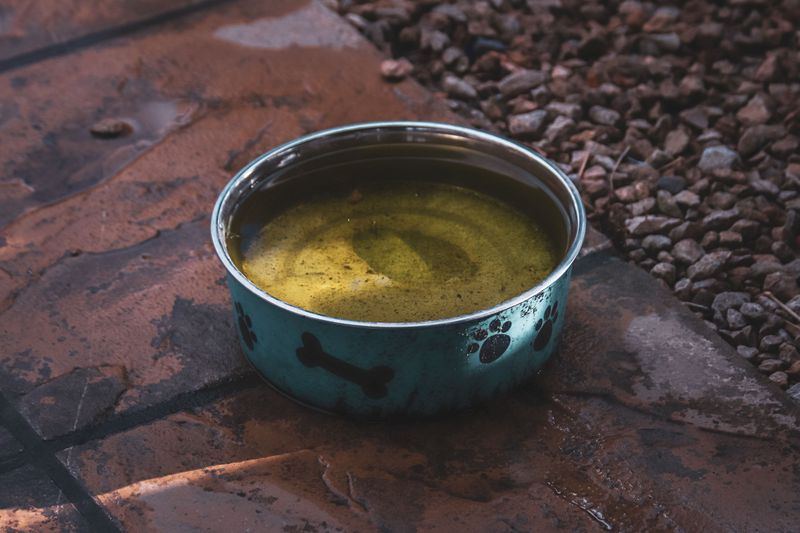
Your cat thinks that bowl of kibble on the porch is hers alone. Sadly, the neighborhood wildlife did not get that memo, and coyotes are happy to share.
Pet food is packed with protein and fat, which makes it a tasty, easy meal. A bowl left outside overnight is a ready snack for any passing animal.
Leftover food also draws mice, raccoons, and opossums to your yard. Coyotes then show up for the food and the small critters munching on it.
Try feeding dogs and cats indoors whenever possible, especially during evening hours. If your pet must eat outside, pick up the bowl as soon as mealtime ends.
Water bowls count too, since coyotes get thirsty during hot Pennsylvania summers. Bring those inside at night or empty them before you head to bed.
Your Pennsylvania Garden Changes Every Week. Your Plan Should Too.
Gardening in Pennsylvania changes quickly throughout the season. Every Friday you’ll receive a simple weekly plan showing exactly what to plant, prune, fertilize, harvest, and protect so you never miss the right timing.
Store big bags of pet food in a garage or basement using sealed plastic bins. Paper bags tear easily, and a determined animal can sniff them out from far away.
Farm families with barn cats face a special challenge, since those cats often eat outside. Feeding them inside the barn during daylight and clearing dishes by dusk helps a lot.
Coyotes learn quickly, so even a few free meals can make them bolder near homes. Bolder coyotes near homes raise the risk of conflicts with pets.
Keeping meals indoors protects your furry friends in two ways at once. They get to eat in peace, and nobody sneaks a bite from their dinner.
3. Spilled Bird Seed
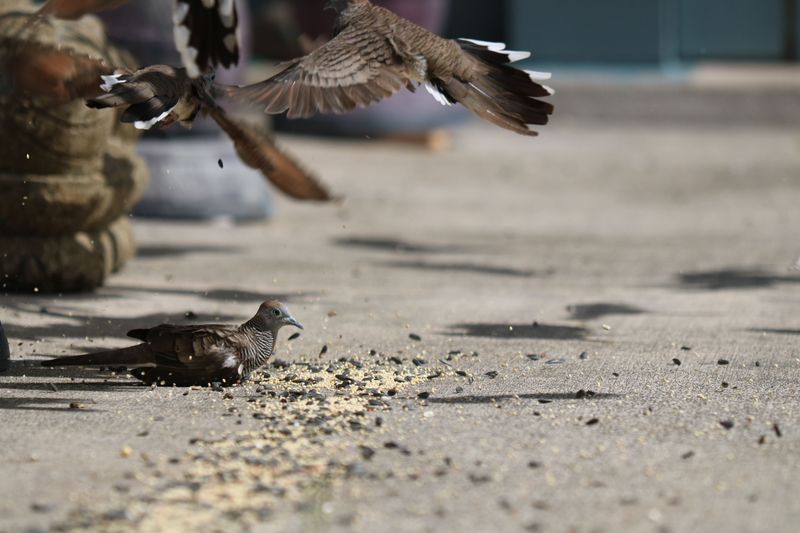
Who knew a cheerful bird feeder could lead to a coyote at your back door? It can happen, and the reason is simple.
Birds are messy eaters, flinging seeds onto the ground below the feeder all day long. That scattered seed becomes an overnight food source for mice, chipmunks, squirrels, and rabbits.
Coyotes regularly prey on those small animals, so they follow them straight to your feeder. In a way, you are feeding coyotes through a chain of hungry guests.
Coyotes may also eat suet that drops from feeders. They are opportunistic eaters and treat many foods as a possible meal.
You do not have to give up bird watching to solve this problem. Place a wide tray under the feeder to catch falling seeds before they hit the grass.
Rake or sweep up spilled seed every evening, before nighttime visitors arrive. Choosing no-mess seed blends, like hulled sunflower hearts, also cuts down on leftover shells and waste.
Hang feeders high and away from bushes where small animals and predators like to hide. The Pennsylvania Game Commission also advises taking feeders down when bears are active, so check its site for current dates.
More than 400 bird species have been recorded in Pennsylvania, so feeders bring real joy. With a little tidying, you can enjoy cardinals and chickadees without hosting a howling guest.
A clean feeding area keeps the whole food chain from gathering in your yard. Your birds stay happy, and coyotes find little reason to stick around.
4. Fallen Backyard Fruit
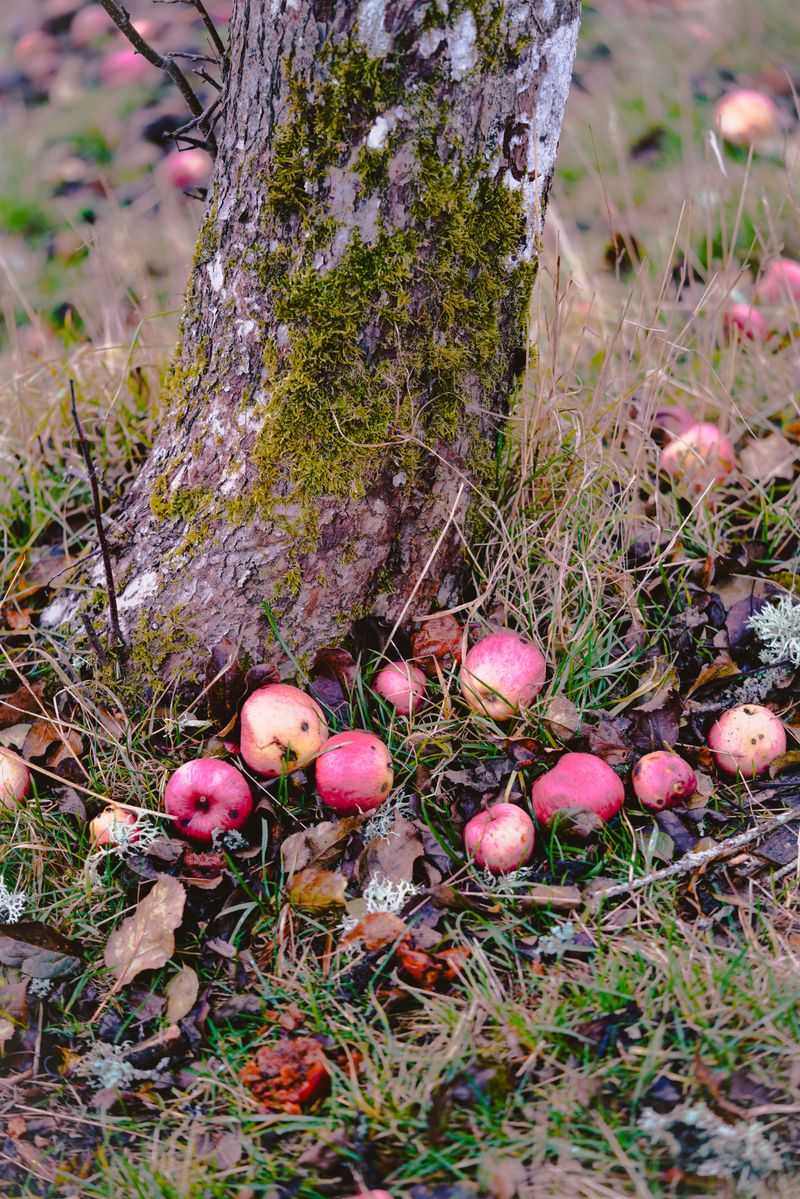
There is something sweet about late summer in Pennsylvania, when apple and pear trees droop with fruit. Coyotes eat fruit too, and they will readily eat whatever drops.
Many people think coyotes eat only meat, but they actually enjoy berries, apples, and even persimmons. In fall, fruit can make up a large part of a coyote diet.
Fallen fruit also attracts mice, rabbits, and groundhogs, which coyotes hunt. So a messy orchard can serve both dessert and the main course in one spot.
Some gardeners let apples lie for the bees, but fallen fruit also draws wildlife. Picking fruit as soon as it ripens is a good way to stay ahead of visitors.
Walk around your trees every day or two and gather anything that has dropped. Rotting fruit smells strong, and that sweet scent can drift a long way at night.
Garden vegetables count too, including tomatoes, melons, and corn left in the patch too long. Harvest regularly, and toss damaged produce in a sealed bin rather than an open pile.
Berry bushes like raspberries and blackberries can be covered with tight mesh netting to protect ripe fruit. Loose netting can tangle birds and snakes.
A sturdy fence about six feet tall, with a base buried or angled outward, adds another layer of defense.
Extra apples make great pies, sauces, and gifts for neighbors, so little goes to waste. Check whether food banks near you accept fresh fruit donations in the fall.
Keeping the ground clean under your trees protects your harvest and your peace of mind. Fewer snacks on the lawn mean fewer surprise visitors strolling through at dusk.
5. Unattended Small Pets
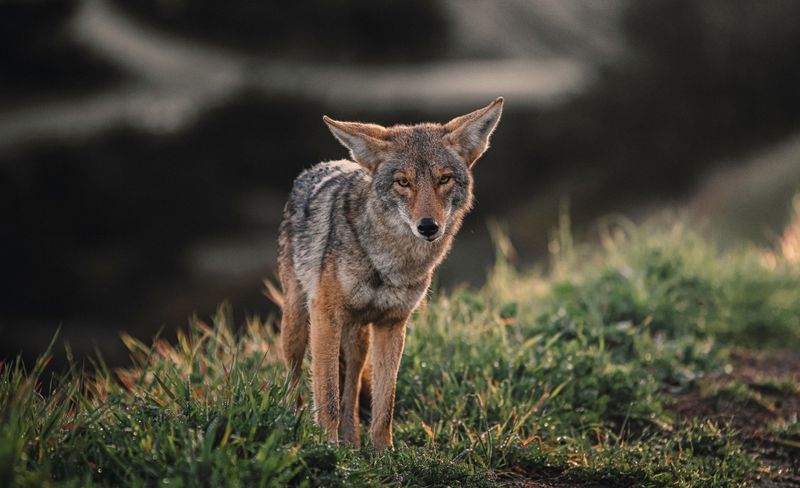
A ten-pound dog may feel like a fierce guard, but a coyote sees things differently. To a hungry predator, small pets can look a lot like rabbits or woodchucks.
Pennsylvania coyotes are larger than many western coyotes, often weighing 30 pounds or more. That size gives them enough strength to grab cats, toy breeds, and backyard chickens.
Pets left outside alone, especially at dawn and dusk, face a higher risk. Those are the hours when coyotes move around most and hunt for food.
Stay with your dog during bathroom breaks, and keep a flashlight handy after dark. A short leash keeps small dogs close and makes it easier to react quickly.
Cats are safest indoors, which also protects songbirds and keeps your kitty healthier. If your cat loves fresh air, a screened porch or catio offers a safe middle ground.
Chickens, ducks, and rabbits need sturdy coops with buried wire to stop digging. Lock them in each evening, since a weak latch may not hold.
Some products, such as spiked vests, are marketed for small dogs, but their effectiveness is unproven and supervision matters more. Bright collars with lights also help you spot your pet in a dark yard.
Pets themselves can catch a coyote’s attention through scent and noise. A small dog left alone in the yard is especially easy to notice.
Keeping an eye on your animals is the simplest protection you can offer. Your furry family members trust you to watch their backs, especially when the sun goes down.
6. Overgrown Brush Piles
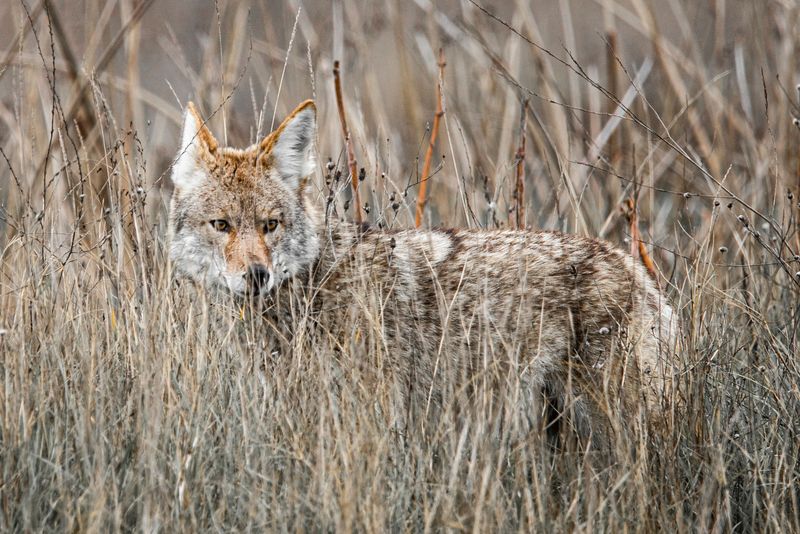
Think of a messy brush pile as a cozy studio apartment with free rent. Coyotes, along with plenty of smaller critters, would love to move right in.
Tall weeds, thick shrubs, and stacked branches give coyotes shade, shelter, and a hidden lookout. They can rest there during the day and slip out quietly when evening falls.
Woodpiles are especially popular, since mice and chipmunks build nests between the logs. More rodents mean more reasons for a coyote to stop by and sniff around.
In spring, coyote parents search for quiet places to raise pups, and overgrown corners fit nicely. Dens are often tucked under sheds, decks, or tangled thickets near the woods.
Start by trimming shrubs so the bottom branches sit at least a foot off the ground. That simple haircut takes away hiding spots and makes your yard feel open.
Stack firewood neatly on a raised rack, away from your house, to limit hiding spots for rodents. Keep tall grass mowed, especially along fence lines and the edges of wooded areas.
Block gaps under porches, decks, and sheds with sturdy wire mesh or lattice. Burying the mesh about 12 inches deep, or bending it outward in an L shape, helps stop animals from digging underneath.
Many Pennsylvania homes border forests or farmland, so some wild visitors will pass through anyway. Your goal is to make sure they keep walking instead of setting up camp.
A tidy yard also reduces hiding places for snakes, ticks, and other pests. Plus, a fresh cut lawn looks pretty great from the kitchen window.
7. Open Compost Bins
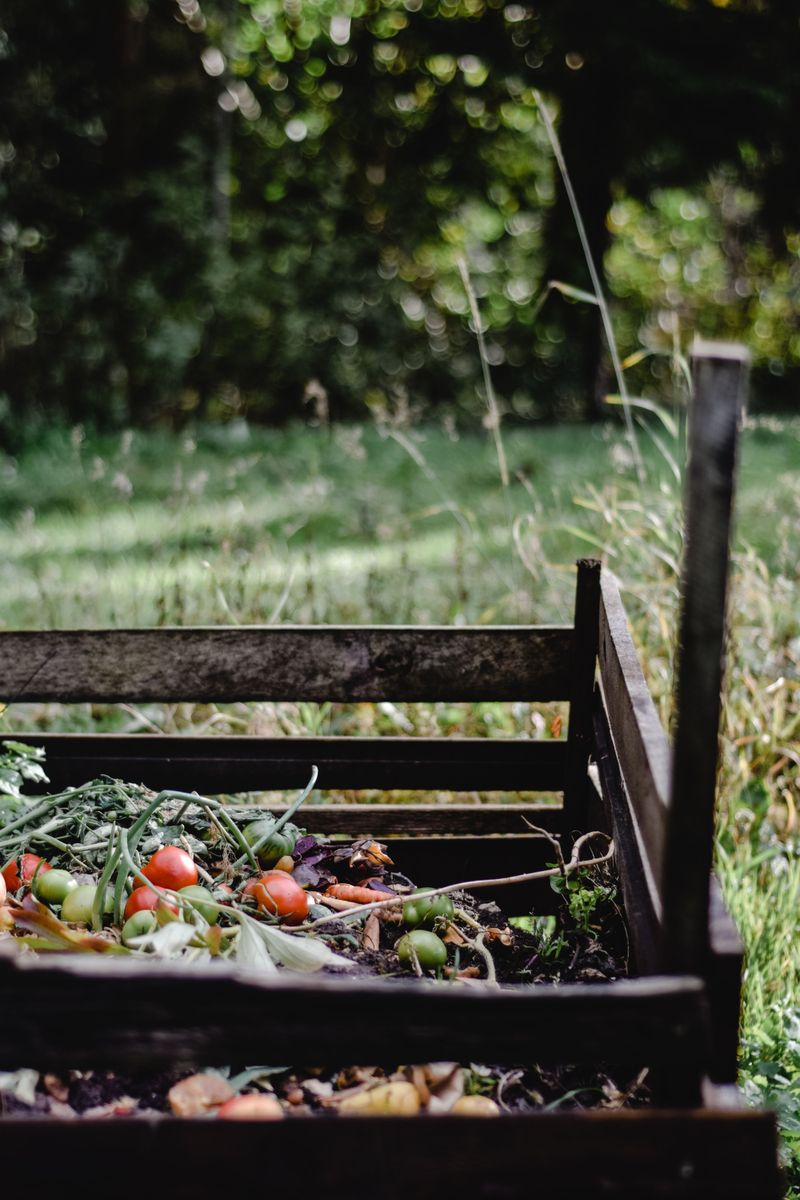
Compost is gold for gardeners, but an open pile can smell like a picnic to wildlife. Coyotes have noses sharp enough to catch that scent from impressive distances.
Kitchen scraps like melon rinds, eggshells, and bread crusts may seem harmless in the heap. Yet as they break down, they release odors that hungry animals find hard to ignore.
The biggest mistakes involve meat, fish, bones, dairy, and greasy leftovers. Those items rot slowly, smell strongly, and act like a magnet for coyotes and raccoons alike.
Switch to an enclosed compost bin or tumbler with a tight lid. Sturdy plastic or metal designs keep paws out while still letting your scraps break down nicely.
Bury fresh food scraps under a layer of leaves, straw, or finished compost. That cover traps smells and speeds up the breakdown process at the same time.
Turn your pile often so it heats up and breaks down faster. A hot, active compost pile produces less odor than one sitting still for weeks.
Place bins away from wooded edges and closer to your house, where human activity discourages visitors. Some gardeners also add hardware cloth beneath bins to stop digging from below.
Pennsylvania winters slow composting down, so scraps can pile up and freeze until spring. When everything thaws, that stored food suddenly smells fresh again to wildlife.
With a few smart habits, composting stays good for your garden and the planet. You keep feeding your soil without accidentally feeding the neighborhood coyotes too.
8. Easy Water Sources
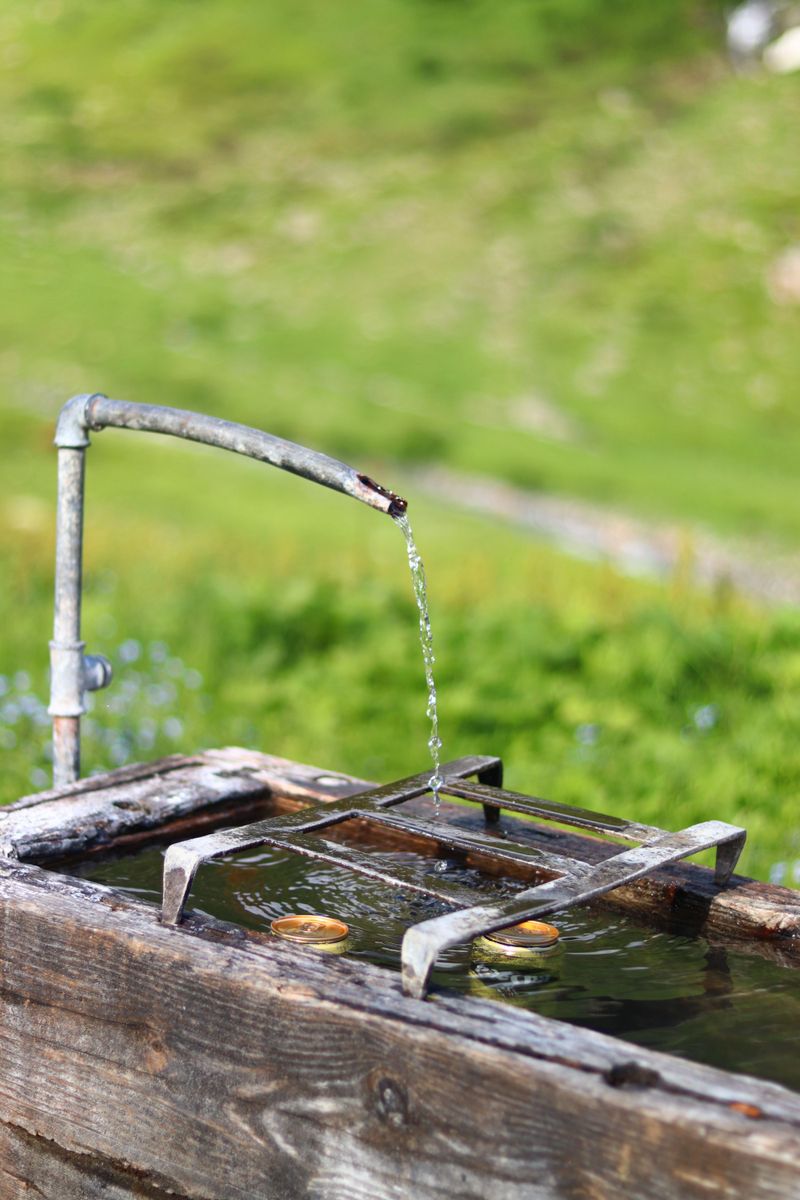
On a sticky July night, everybody gets thirsty, including the coyotes roaming your neighborhood. A shallow dish of water can be just as tempting as a plate of food.
Coyotes get much of their moisture from prey, but they will drink from easy sources, especially during dry spells. Birdbaths, kiddie pools, and leaky hoses all become handy watering holes.
Garden ponds attract frogs, fish, and insects, which can add a snack to the visit. A coyote stopping to drink may also hunt nearby.
Empty kiddie pools, buckets, and watering cans after each use, especially before dark. Turn wheelbarrows and tarps so rainwater cannot collect in their folds overnight.
Check outdoor faucets and hoses for slow drips that create small puddles. Fixing a leak saves money on your water bill and removes a wildlife drinking fountain.
Birdbaths can stay, but try emptying them in the evening and refilling them in the morning. Birds drink mostly during daylight, so they will hardly notice the change.
Ponds are harder to empty, so fencing or netting can help protect fish and keep visitors away. Motion-activated sprinklers nearby offer a surprise shower that can startle coyotes.
Move them often, since animals get used to a fixed setup. Standing water also breeds mosquitoes, which bring their own summer problems. Clearing puddles helps you fight two backyard problems with one simple habit.
Pennsylvania gets plenty of rain, so walk your yard after storms to spot new pools. A few minutes of dumping and draining keeps your property less inviting to thirsty wanderers.