8 Virginia Native Groundcovers That Help Suppress Weeds
Mulch asks for a refill each year, yet weed seeds still find it. Bark chips break down into a soft, fertile bed that seeds love. Sun bleaches your chips to dull gray, and storms send them sliding downhill.
Meanwhile, you buy more bags, haul more loads, and spread the same expense again. A secret waits across Virginia, and you have probably walked past it.
Look closer at the shaded corners and sunny slopes where your yard stays bare. Dense cover shades the soil, which helps limit weed seed germination.
Butterflies, songbirds, and native bees can find your garden and linger. You trade yearly mulching for a living layer that thickens as seasons pass.
Weeds meet rivals you invited. Virginia hides the answer in plain sight, waiting for you to notice. Imagine reclaiming weekends for a hammock instead of a hoe.
1. Green And Gold For Part-Shade Edges
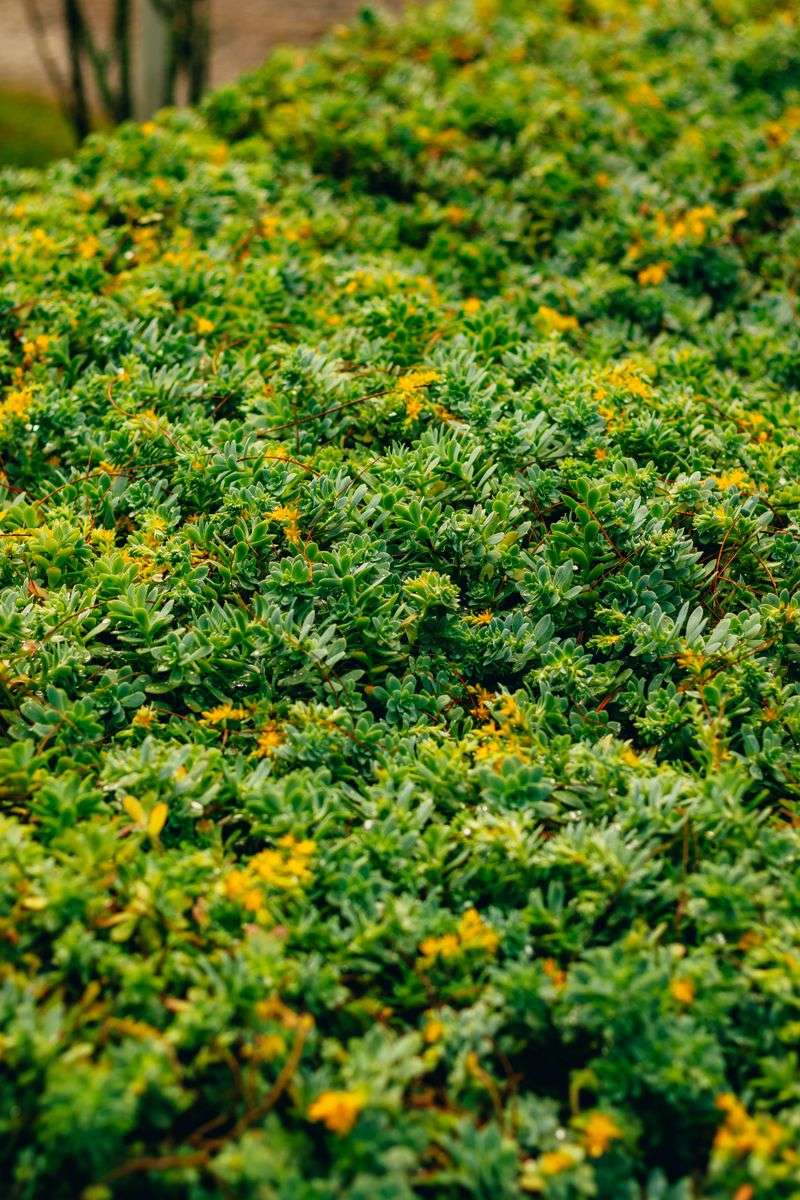
Bright yellow stars pop up in early spring and keep shining off and on until fall. Gardeners in Virginia call this cheerful plant green and gold, and the name suits it well.
Its scientific name is Chrysogonum virginianum, which proudly points to Virginia. You can find it growing wild in woodland edges across Virginia, mostly in the Piedmont and mountains.
The plant spreads by low runners that root wherever they touch soil. Over two or three seasons, those runners knit into a thick mat that leaves weeds little room.
Mulch sits on top of the ground, but green and gold fills the space itself. Weed seeds landing here find shade, competition, and very little bare dirt to sprout in.
Give it part shade to part sun for the best results. Hot afternoon sun can damage the leaves, so morning light with afternoon shade works wonderfully.
Well-drained soil keeps it happy, and soggy spots can cause the crowns to decay. Add a bit of compost at planting time, then water weekly during the first summer.
Space plants about twelve inches apart for quick coverage. Pull weeds by hand the first year, since young mats need a little help before they take over.
Bees and small butterflies visit the flowers for nectar all season. Try it along a path or under a small tree, and enjoy the sunny show for years.
Deer usually leave it alone, which is a big bonus in many Virginia neighborhoods. Rabbits may nibble, but the plant bounces back quickly.
2. Wild Ginger For Shady Woodlands
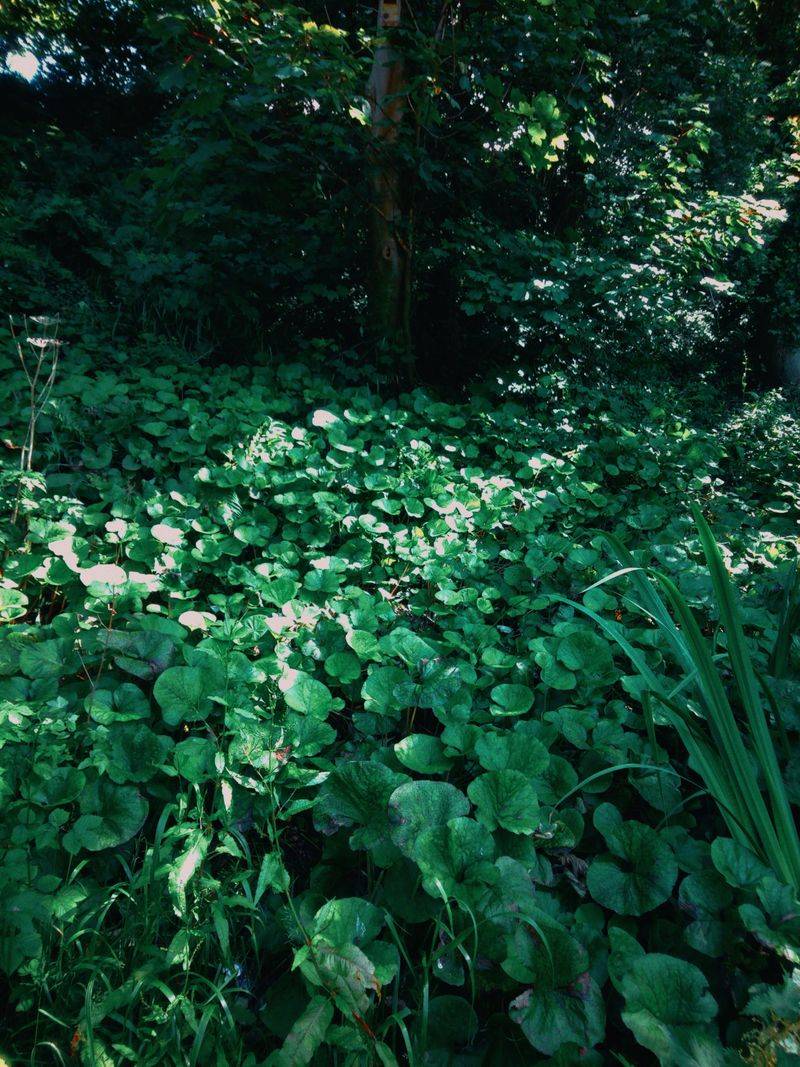
Crouch down in a shady Virginia forest, and you might spot heart-shaped leaves hiding a strange secret. Underneath sit small brown flowers, shaped like little jugs, resting right on the ground.
That plant is wild ginger, or Asarum canadense, and it loves deep shade. Flies and beetles may visit the flowers, which sit close to the soil.
The fuzzy leaves overlap like shingles on a roof, blocking sunlight from the soil below. Without light, many weed seeds struggle to sprout.
Wild ginger spreads slowly at first through thick underground stems called rhizomes. Once it settles in, though, a single patch can stretch several feet wide.
Your Virginia Garden Changes Every Week. Your Plan Should Too.
Gardening in Virginia changes quickly throughout the season. Every Friday you’ll receive a simple weekly plan showing exactly what to plant, prune, fertilize, harvest, and protect so you never miss the right timing.
Rich, moist soil full of leaf litter gives it the best start. Think of the dark, crumbly earth you find on a forest floor after autumn.
Plant it under trees, along the north side of a house, or beside a shady stream. Keep it watered during dry spells, especially in its first two summers.
Crushed roots smell a lot like the ginger in your kitchen spice rack. Still, it is not the same plant and contains aristolochic acid, so do not eat any part of it.
Ants help spread the seeds by carrying them home for a tasty snack attached to each one. Later, the ants toss the seeds aside, and new plants sprout nearby.
Leaves drop in winter, so expect a bare look until spring returns. A thin layer of fallen leaves left in place will protect the soil meanwhile.
3. Pennsylvania Sedge For Dry Shade
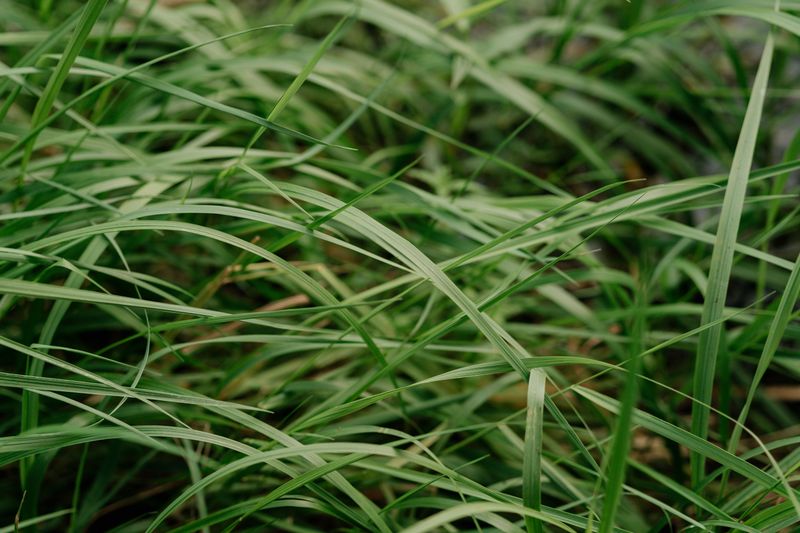
Some homeowners call it a low-maintenance lawn alternative, and many praise it for that. Pennsylvania sedge, or Carex pensylvanica, forms soft, grassy tufts only six to eight inches tall.
Its thin leaves bend over like a messy haircut, creating a flowing green blanket. Under oak trees, where turf grass struggles, this sedge thrives with ease.
Dry shade is a challenging spot in many yards. Roots from big trees take up much of the water, and many plants struggle.
Pennsylvania sedge tolerates those tough conditions well. Its dense clumps spread by short runners, filling gaps that weeds would love to claim.
Plant plugs about eight to twelve inches apart in fall or early spring. Within two to three years, the clumps may touch and form a dense mat, depending on spacing and conditions.
You can leave it unmowed for a wild, meadow look. If you prefer a neat appearance, trim it once in spring with a mower set high.
Foot traffic is fine in small amounts, like a stroll to the garden shed. Heavy soccer games, however, will flatten and wear it down over time.
Caterpillars of several moths and skipper butterflies feed on sedges. Birds then visit to snack on those caterpillars, making your yard a food source for wildlife.
Water new plantings weekly until roots settle, then let nature take over. After that, this sedge asks for almost nothing except a shady place to call home.
Fertilizer is unnecessary and can even make the clumps floppy. Skip the chemicals and let fallen leaves feed the soil instead.
4. Partridgeberry For Tiny Spaces
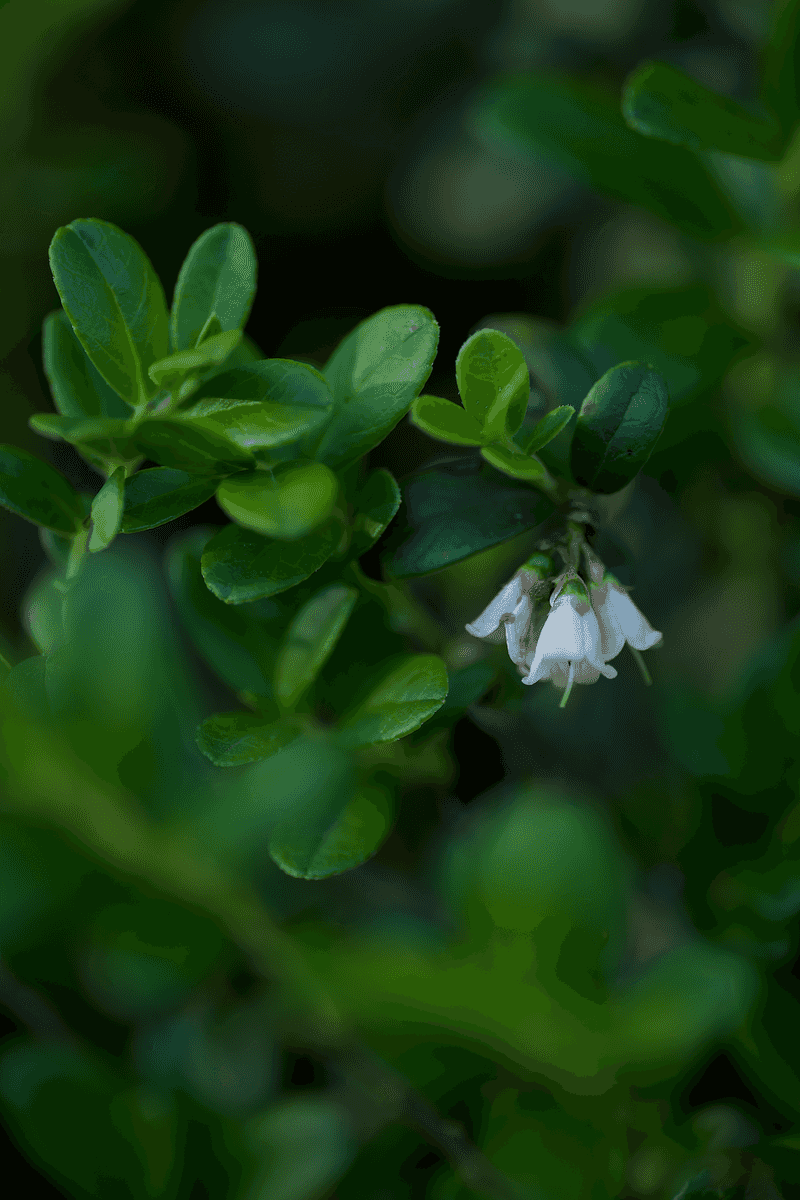
Two flowers, one berry, and a whole lot of charm sum up this little woodland gem. Partridgeberry, known to scientists as Mitchella repens, produces paired white blooms that fuse into a single red fruit.
Look closely at each berry, and you will see two tiny dimples where the flowers joined. Those dimples mark where both blooms once sat side by side.
The plant hugs the ground, growing only an inch or two tall. Its trailing stems root as they go, slowly weaving a glossy evergreen carpet.
Because the leaves stay green all winter, the soil stays covered year-round. Once the mat fills in, weeds have fewer openings, though growth is slow.
Partridgeberry grows slowly, so patience is part of the deal. It works best in small areas, like between stepping stones or around a shady bench.
Acidic, moist soil with plenty of organic matter suits it well. Pine needles or shredded leaves around new plants help mimic its natural forest home.
Avoid digging plants from the wild, since wild patches take many years to form. Instead, buy nursery-grown plants from a native plant sale or trusted garden center.
Wild turkeys, grouse, and foxes enjoy the berries during cold months. Those bright red dots also look festive in a winter garden when little else is happening.
Water during dry weeks the first year, and keep fallen leaves nearby as natural protection. Once it settles in, partridgeberry holds its ground without much care.
Some gardeners tuck sprigs into terrariums for a bit of forest indoors. Outdoors is still where it shines brightest.
5. Golden Ragwort For Wet Spots
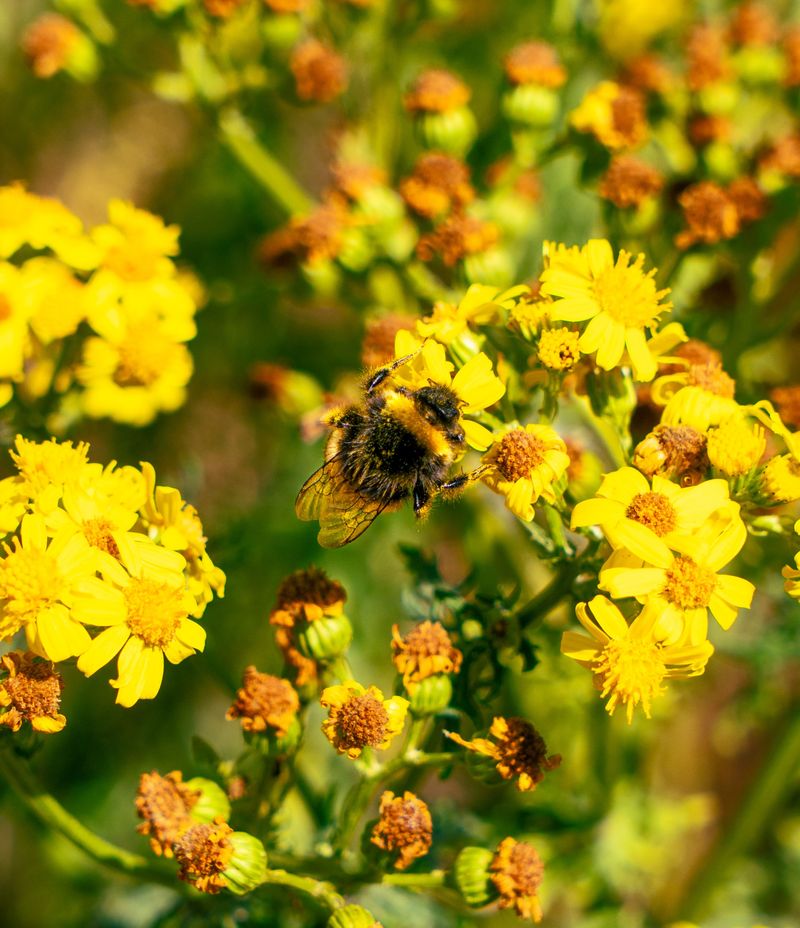
Soggy corner of the yard got you down? Golden ragwort, or Packera aurea, tolerates wet soil and keeps growing.
In April and May, flat clusters of bright yellow daisies rise above the leaves. A big patch in bloom makes a golden display.
The real weed-fighting power lives in the leaves below those flowers. Rounded, dark green leaves form low rosettes that stay mostly evergreen through mild Virginia winters.
Those rosettes spread fast by runners and by seed, filling empty spaces quickly. Weeds struggle to compete with such a crowded, leafy floor.
Golden ragwort thrives in moist soil, along creeks, and near rain gardens. It also tolerates average garden soil, as long as it gets some shade.
Early bees depend on its flowers when few other blooms are open. Small native bees and hoverflies especially appreciate the spring snack.
Deer and rabbits tend to skip it, likely because the leaves contain toxic alkaloids. That makes it a smart choice for yards with heavy deer traffic.
After flowering, cut off the old stalks if you want to limit seeding. Otherwise, let the fluffy seeds blow around and start new patches for free.
Plant it about eighteen inches apart in spring or fall. Within a season or two, you will have a hardy, weed-suppressing mat.
Keep pets, livestock, and children away from this plant. It contains pyrrolizidine alkaloids, which can damage the liver if eaten.
6. Foamflower For Shady Borders
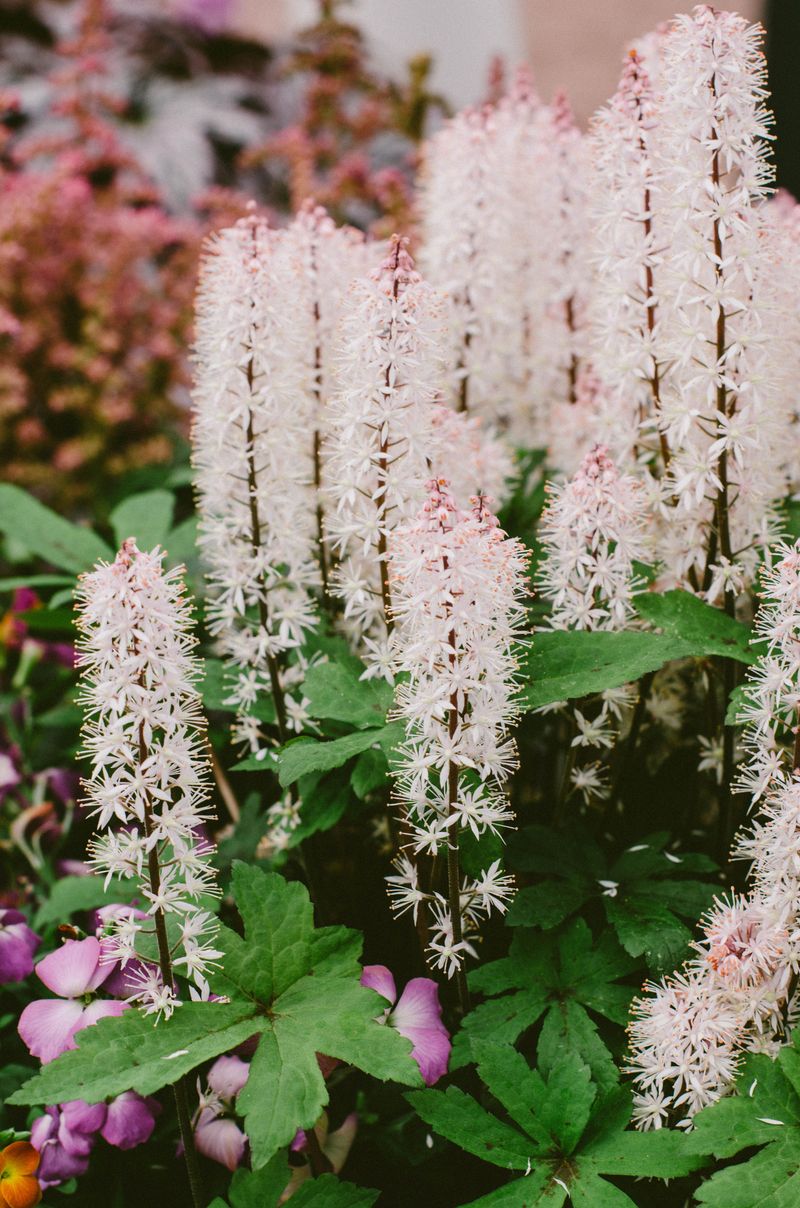
Imagine fluffy white bottlebrushes floating over a carpet of maple-shaped leaves. That scene belongs to foamflower, also called Tiarella cordifolia, a true Virginia native.
Its spring blooms look like sea foam, which explains the sweet common name. Some varieties have pinkish flowers, adding a soft blush to shady beds.
Foamflower comes in two main styles, running types and clumping types. For weed control, choose the running form, which sends out stolons that root and spread.
Those stolons create a dense groundcover in just a few seasons. Leaves often turn bronze or burgundy in fall, giving the patch extra color.
In many Virginia gardens, the foliage stays green through winter. That steady cover keeps light off the soil, so weed seeds stay sleepy.
Moist, rich soil in part to full shade makes foamflower happiest. It dislikes heavy clay that holds water, so mix in compost if your soil is sticky.
Plant it near ferns, wild ginger, or native phlox for a layered woodland look. Pairing groundcovers creates an even thicker shield against unwanted plants.
Water regularly during the first summer while roots grow deep. After that, a good soak during long dry spells keeps the leaves fresh.
Early bees and flies visit the frothy flowers for pollen. Gardeners also love that the blooms last several weeks, stretching spring beauty well into May.
Snip off old flower stalks after blooming for a tidy look. Then simply sit back and watch the runners fill in each open gap.
7. Creeping Phlox For Spring Color
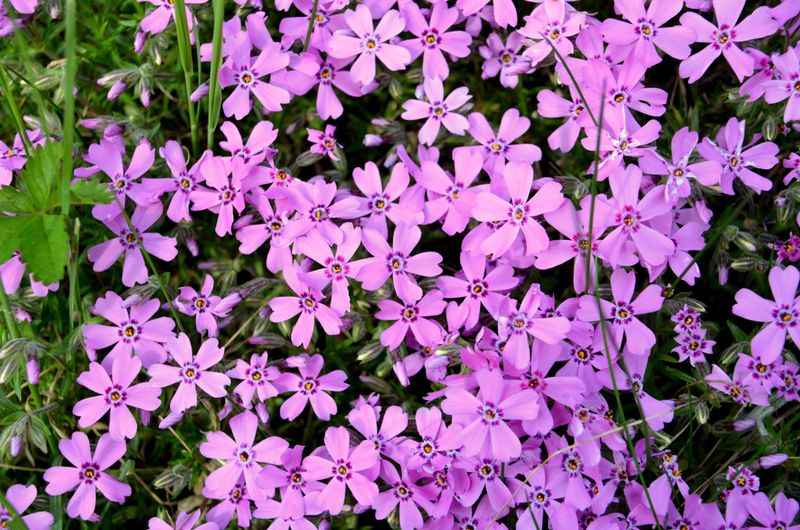
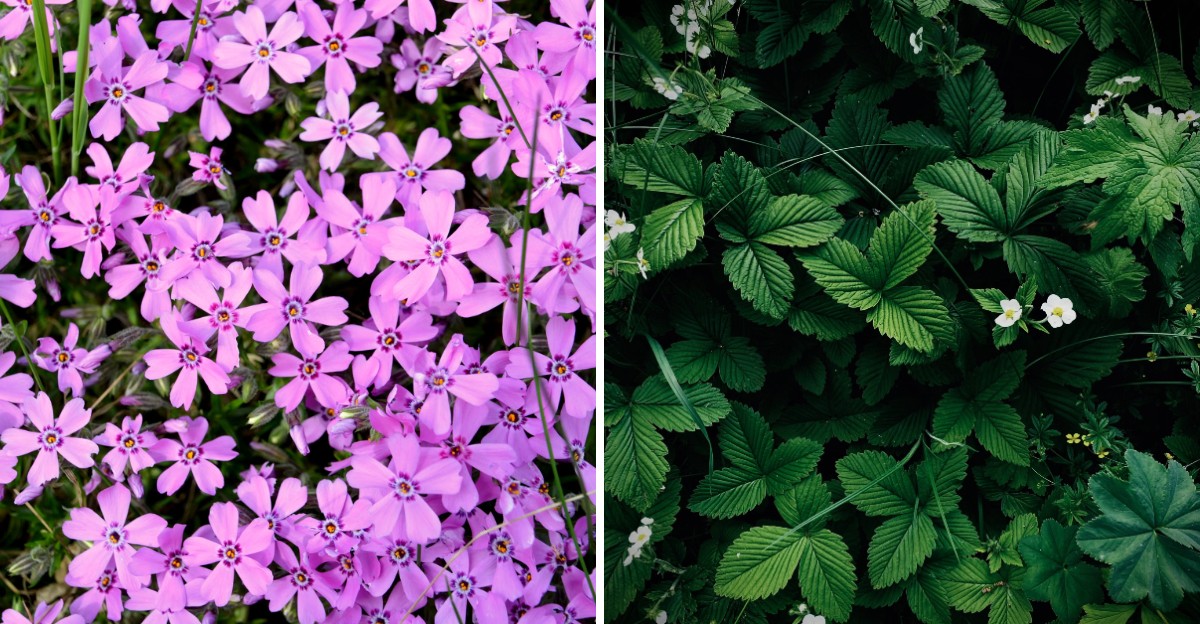
In April, creeping phlox, known as Phlox stolonifera, covers shady ground in lavender, blue, or pink blooms.
Don’t confuse it with moss phlox, the sun-loving cousin with needle-like leaves. Creeping phlox has rounded leaves and prefers the dappled light under trees.
Leafy stems creep along the ground and root at every joint. Before long, a few small plants turn into a dense, evergreen mat.
The mat stays only a few inches tall, so it works under taller perennials and shrubs. Weeds trying to push through meet a thick tangle of stems.
Flowers rise on short stalks and smell faintly sweet on warm afternoons. Butterflies, moths, and long-tongued bees stop by to sip the nectar.
Give creeping phlox moist, well-drained soil rich in organic matter. Part shade is ideal, though it can handle morning sun with afternoon protection.
Plant it on slopes to help hold soil in place during heavy rains. Roots grip the ground, reducing erosion while shading out weeds at the same time.
Good air flow helps prevent powdery mildew, a white coating on leaves. Avoid crowding it with tall plants that block breezes.
Trim back stems lightly after blooming to encourage fuller growth. You can also dig up rooted pieces and share them with friends.
Gardeners who plant a small patch often end up wanting more. Luckily, creeping phlox makes that wish easy to grant.
Rabbits sometimes nibble young shoots in early spring. A simple wire cage for a few weeks gives tender plants time to toughen up.
8. Wild Strawberry For Sunny Slopes
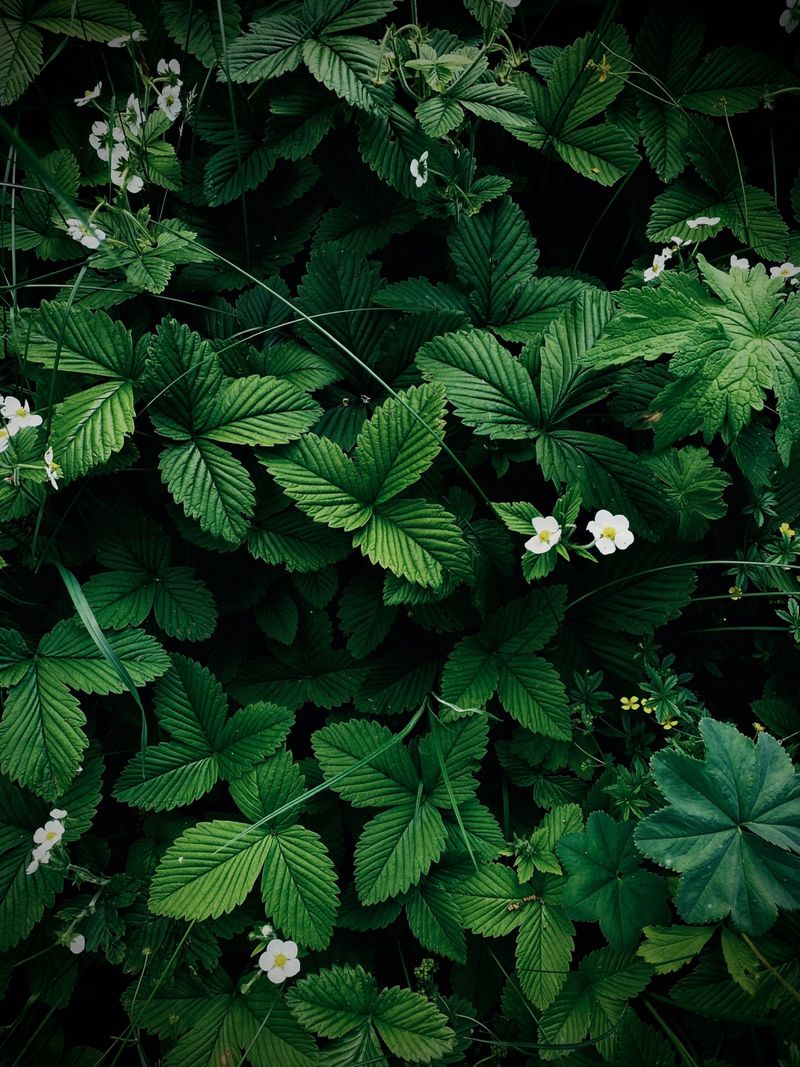
Ever tasted a strawberry smaller than your fingernail but bursting with flavor? Wild strawberry, or Fragaria virginiana, grows those sweet treats across Virginia fields.
It is one parent of the big strawberries sold in grocery stores. Centuries ago, European growers crossed it with a South American species.
Runners shoot out in every direction, rooting fast and forming a low green blanket. In full sun, a patch can cover bare ground surprisingly quickly.
That speed makes it excellent for sunny slopes, banks, and open areas. Weeds have trouble finding a gap once the leaves knit together.
White flowers appear in spring, feeding early bees and other pollinators. Small red berries follow in late spring, and birds race you to them.
Wild strawberry tolerates poor, dry soil better than many plants. Still, a little compost and steady watering the first summer speed things up.
Mow it high or not at all, depending on the look you want. Some people even use it as a lawn replacement in low-traffic areas.
Box turtles, chipmunks, and songbirds all enjoy the fruit. Your yard becomes a food source for wildlife without any extra effort from you.
Leaves often turn red in fall, adding a splash of warm color. In mild winters, many leaves hang on and keep protecting the soil.
Keep runners away from vegetable beds, since they wander eagerly. A simple edging strip helps guide them where you want coverage.
Plant it about a foot apart in early spring. By the next year, expect a tasty, weed-suppressing carpet underfoot.