The Meaning Behind Seeing More Carolina Wrens In Texas Yards
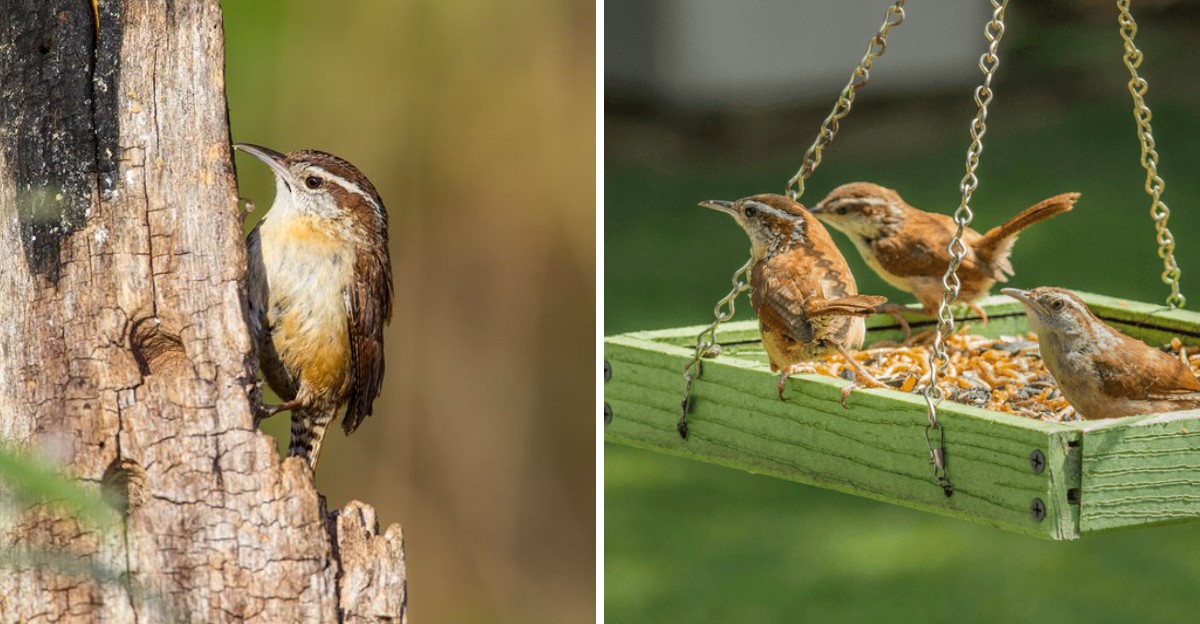
One of the loudest voices in your backyard belongs to a bird small enough to fit in the palm of your hand.
That bold “teakettle, teakettle, teakettle” song is the calling card of the Carolina wren. Lately, plenty of Texans have been hearing it more often.
These busy little birds are hopping along fences, poking through flower beds, and even peeking into garages and open sheds.
Their growing presence isn’t just luck. Carolina wrens stick around all year, and pairs often stay together while guarding the same patch of land.
When they find a yard with plenty of insects, thick shrubs, and good hiding spots, they settle in and make themselves at home.
More wrens can also reveal something bigger about your yard and the season. In many cases, it’s a sign you’re doing something right.
1. You’re In Their Year-Round Home Range
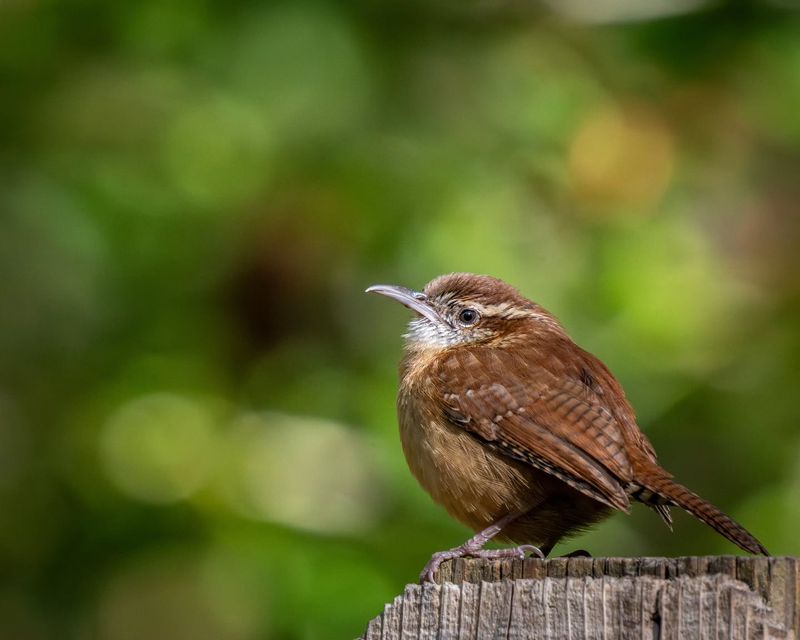
Some birds pass through Texas like tourists on a road trip. Carolina wrens are different. They are the locals who never leave town.
These birds live all year across much of the eastern two-thirds of Texas. That includes places like Houston, Dallas, Austin, and San Antonio.
They do not fly south for winter or north for summer. Once a wren finds a good spot, it tends to stay put.
So when you see one often, it is not just a lucky visit. A local pair likely thinks your yard is part of its permanent home. You might be seeing the same two birds day after day, season after season.
Here is a fun fact. The Carolina wren is the state bird of South Carolina, but Texas has plenty of them too.
Over the past century, their range has slowly crept north and west. Part of that is because people plant more trees and shrubs around homes.
Knowing they live here full time helps you plan. You do not need to wait for a special season to attract them. Anything you add to your yard, like a bird bath or a thick hedge, can help them right now.
Try keeping a simple bird journal. Write down the date, time, and what the wren was doing. After a few weeks, you may notice patterns.
Maybe they show up at the same bush every morning. Maybe they check your porch every evening.
Little notes like these turn bird watching into a fun daily habit. You will start to feel like you truly know your wren neighbors.
2. Mild Winters Have Helped Their Numbers
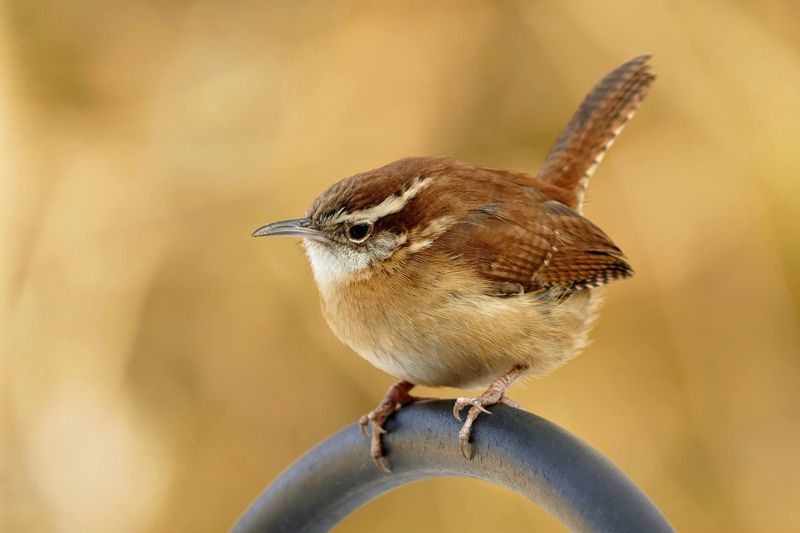
Winter can be tough on a bird that weighs less than an ounce. A Carolina wren is about as heavy as two quarters. That tiny body loses heat fast when the air turns icy.
Bird experts have noticed something over many years. After a very harsh winter, Carolina wren numbers can drop a lot.
Deep freezes cover up insects and make food hard to find. Ice storms can coat branches and hiding spots.
Texas does get cold snaps, and some have been rough. Still, many recent winters have been fairly mild.
Your Texas Garden Changes Every Week. Your Plan Should Too.
Gardening in Texas changes quickly throughout the season. Every Friday you’ll receive a simple weekly plan showing exactly what to plant, prune, fertilize, harvest, and protect so you never miss the right timing.
When several gentle winters happen in a row, wren numbers bounce back quickly. Pairs can raise lots of young, and more of those young birds make it to spring.
That is one big reason you may be seeing more wrens now. The weather has given them a chance to recover and grow. You can help them during the cold spells that do come. Here are a few easy ideas.
Leave some leaf piles in garden beds so insects have a place to hide. Put up a roosting box near thick shrubs. Keep a heated bird bath or fresh water out when temperatures dip below freezing.
Did you know wrens sometimes squeeze into small spaces at night to stay warm? People have found them tucked into old nests, gaps in porches, and even hanging baskets.
So the next time a chilly front blows in, think about your little brown neighbors. A few small steps from you can make a cold night much easier for them.
3. Your Yard Offers Plenty Of Cover
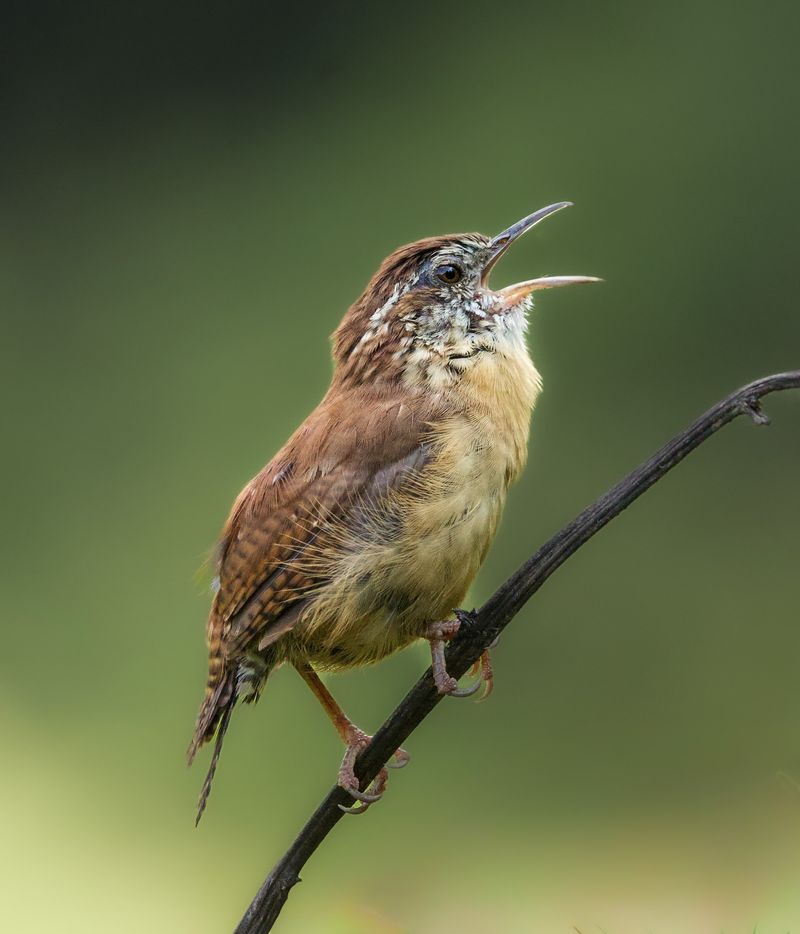
Good news for anyone who hates raking every single leaf. That messy corner you keep meaning to clean up might be a wren favorite.
Carolina wrens love thick, tangled places. They like dense shrubs, climbing vines, brush piles, and overgrown corners. These spots give them two things they need most, which are food and safety.
Hawks, cats, and snakes are always a worry for small birds. Thick plants help wrens stay hidden while they hunt for bugs. They can dart in and out without being seen. A neat lawn with no bushes offers them very little.
Want to make your yard even more inviting? Try planting native Texas shrubs. Yaupon holly, American beautyberry, and Turk’s cap are all great choices. They grow thick, handle Texas heat, and attract insects too.
Vines like coral honeysuckle or crossvine can cover a fence and create a leafy hiding place. A simple brush pile made from fallen branches works wonders as well. Stack bigger sticks on the bottom and smaller ones on top.
You do not need to turn your whole yard into a jungle. Just leave one or two areas a bit wild. Your front yard can stay tidy while the back corner gets a little untamed.
Watch closely after you make these changes. Wrens often hop along the ground near cover, flicking their tails up high.
They may scold you with a sharp chatter if you get too close. That noisy fuss is a good sign. It means they feel at home in the space you created.
4. There Are Lots Of Insects And Spiders
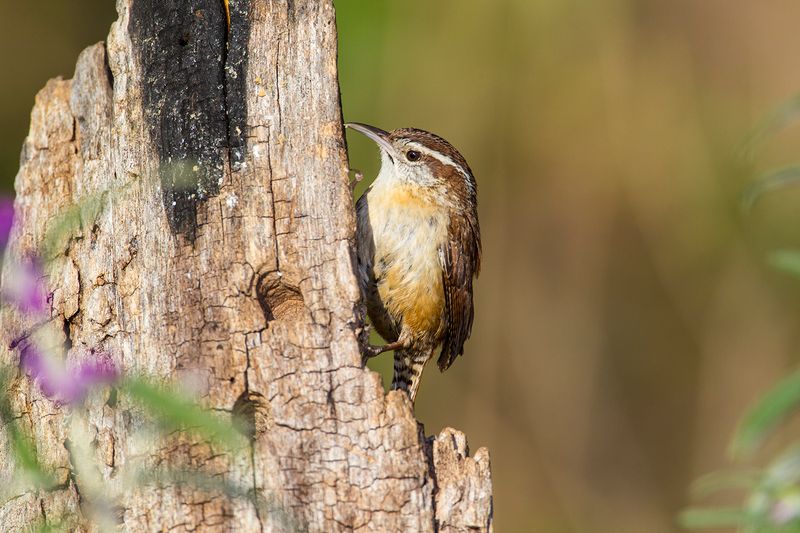
Think of a Carolina wren as a tiny pest control worker that never asks for a paycheck. Most of what it eats is insects and spiders.
Wrens find their meals by poking around. They flip leaves, probe bark, and check plant stems with their long, curved bills.
They eat beetles, caterpillars, crickets, roaches, and plenty of spiders. Some will even grab a small lizard now and then.
When wrens visit often, it tells you something nice. Your yard likely has a healthy number of bugs.
That might sound strange, but bugs are a key part of a healthy outdoor space. They feed birds, help plants, and keep nature balanced.
A yard sprayed with lots of chemicals usually has fewer bugs. Fewer bugs means fewer wrens. If you want more of these birds, try cutting back on pesticides. Here are a few simple tips to support their food supply.
Leave fallen leaves under shrubs instead of bagging them all. Plant native flowers that draw in insects. Let a dry log or stump rest in a shady corner where beetles can move in.
Fun fact time. One study found that the bulk of a Carolina wren’s diet, often over 90 percent, comes from animal food like insects. That is a lot of bugs for such a small bird!
So next time you spot a wren digging through your flower bed, smile. It is doing free garden work for you. Fewer pests on your tomatoes and roses is a pretty sweet deal.
5. Your Feeders Are Helping Them Through Cooler Months
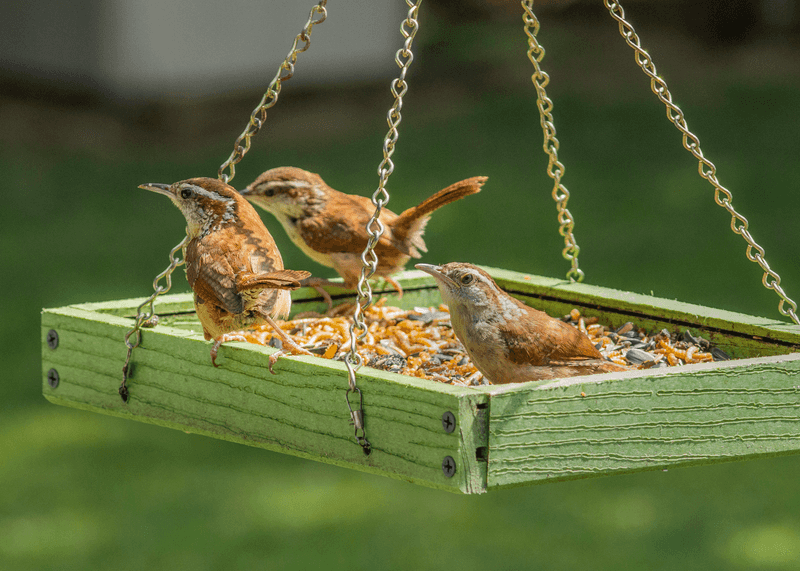
Ever toss out birdseed and wonder why the wrens ignore it? You are not alone. Carolina wrens rarely eat much plain seed.
That does not mean they skip feeders. They simply have different tastes. Wrens love suet, mealworms, and peanuts. These foods are packed with fat and protein, which is exactly what a small bird needs.
Winter is when feeders matter most. Cold weather sends many insects into hiding. Wrens must work harder to find enough food.
A suet cake or a dish of mealworms can give them a quick energy boost to stay warm. Want to set up a wren-friendly feeding spot? Try these ideas.
Hang a suet cage near shrubs so wrens can grab a bite and dash back to cover. Offer dried or live mealworms in a shallow tray.
Put out shelled peanuts or peanut bits instead of whole ones. Wrens may also nibble on bark butter spread on a tree trunk.
Keep your feeders clean too. Wash them every couple of weeks with warm, soapy water. Moldy food can make birds sick.
In Texas summers, suet can melt in the heat. Look for no-melt suet dough, or save suet for the cooler months. Fresh water is helpful all year, especially during long hot spells.
Watching a wren at a feeder is a real treat. They tend to hop in sideways, grab a bite, and zip away. Some get bold and will even scold bigger birds. Once they learn your feeder is reliable, you might see them every day.
6. A Pair May Be Nesting Nearby
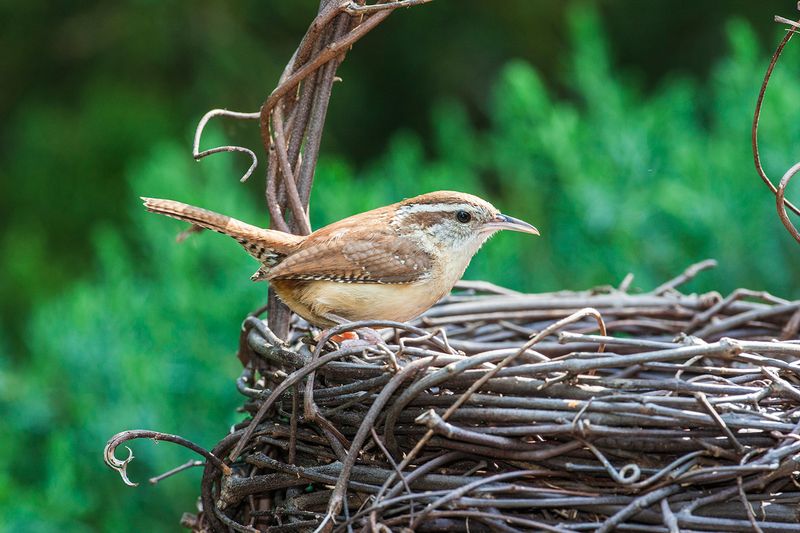
A hanging fern, an old boot, a forgotten mailbox. To you, these are everyday objects. To a Carolina wren, they look like prime real estate.
These birds are famous for building nests in odd places. People have found wren nests in flowerpots, grill covers, coat pockets, and open garages. Some even pick the shelf right next to the back door. They are bold little builders.
Wrens usually make a domed nest with a side opening. They use twigs, grass, leaves, moss, and sometimes bits of snakeskin. Both the male and female help build it, though the female often adds the soft lining.
Here is something many folks do not know. Carolina wrens can raise two or even three broods in one year in Texas.
Nesting can start as early as March and last into late summer. So extra wren activity in spring and summer often means a nest is close by. Found a nest? Try these tips.
Give the area some space and avoid moving the nest. Water hanging plants gently around the edges instead of soaking the middle. Keep pets away from the spot for a few weeks. Baby wrens usually leave the nest about two weeks after hatching.
You can also offer a nest box. Hang a small wooden box with a hole about one and a half inches wide. Place it in a shady spot about five feet off the ground.
Having a wren family nearby is a joy. Listening to the tiny chicks call for food might become your new favorite spring sound.
7. They’re Defending Their Territory
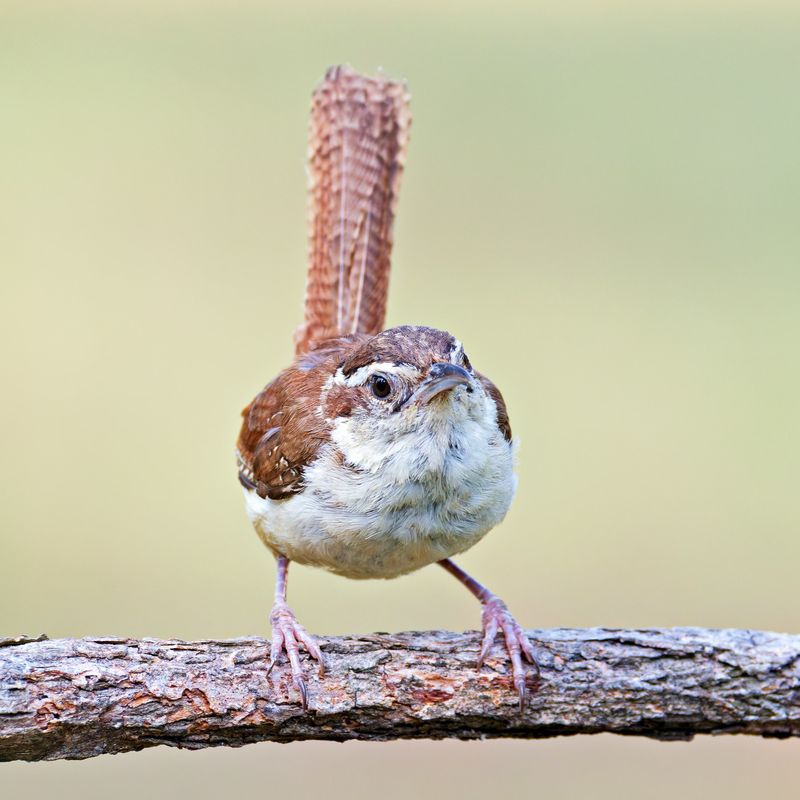
Teakettle, teakettle, teakettle! If that loud, rolling song wakes you up, a male Carolina wren is making an announcement. His message is simple. This yard is taken.
Carolina wrens are true homebodies. Pairs often stay together for years and guard the same patch of land all year long.
They do not take a break when the seasons change. That is why you can hear the male singing in January as well as June.
His song is shockingly loud for a bird so small. Some males know dozens of different song types. They mix them up to keep things interesting. Neighbor wrens listen closely and know exactly who is singing.
The female has her own way of joining in. She often answers with a quick, scratchy chatter. Together, they sound like a little duet warning others to stay away.
So what does all this singing mean for you? It shows your yard is valuable to them. A wren will not defend a spot that lacks food or shelter. If they are claiming your space, you are doing something right.
You can enjoy their songs even more with a few easy steps. Sit outside quietly in the early morning when they are most active.
Try a free bird song app to record and identify their calls. Count how many different songs you hear in one week.
Kids especially love this game. It turns a normal morning into a mini nature adventure. Before long, you might even catch yourself whistling teakettle right back at your loud little neighbor.