Heavy Fall Pruning on Arizona Citrus: Risks and Safer Timing
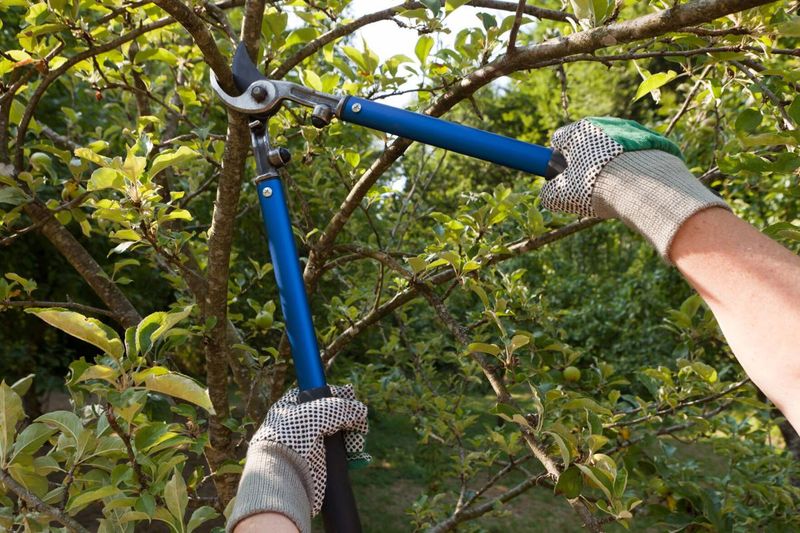
Fall is a tempting time to grab the loppers and tidy up a citrus tree. But a big cut made at the wrong time can leave bark baking in the sun or push out soft new growth that cold nights may damage.
Here is how to tell when pruning is worth doing, when it can wait, and how to protect your tree if you must cut.
An October cut does not guarantee a lost crop
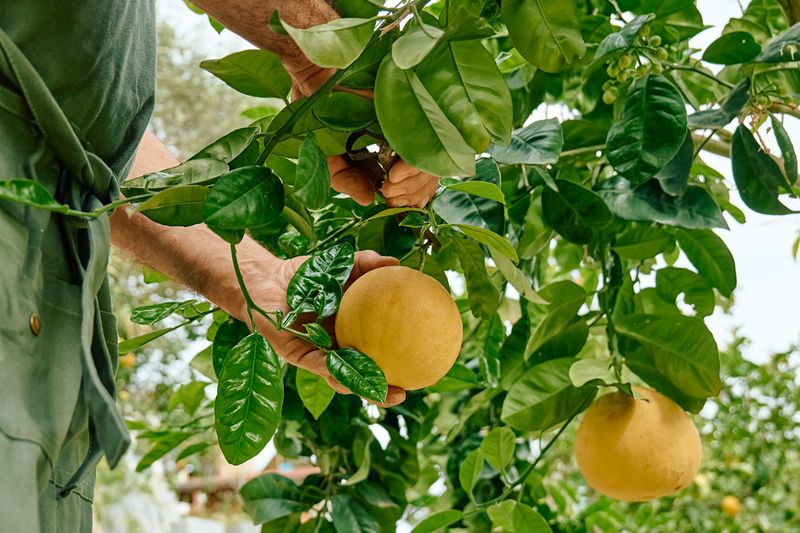
A single October cut will not automatically wipe out next year’s fruit. Extension pruning guidance for Arizona says that pruning before bloom can remove tiny flowers, yet yield loss stays minimal unless the pruning is drastic.
The real concern is heavy, unnecessary canopy removal, not an ordinary trim of a stray branch.
The phrase “next year’s harvest” also covers a lot of ground. Arizona oranges ripen on different schedules, and a university guide to oranges for southern Arizona notes that Washington navels start in December while Valencias in the desert come in from February onward.
A cut will not affect each variety the same way.
So the practical promise here is simple. Skip substantial fall pruning that has no clear purpose, and do not panic over every small cut you have already made.
Choose the safer regional pruning window
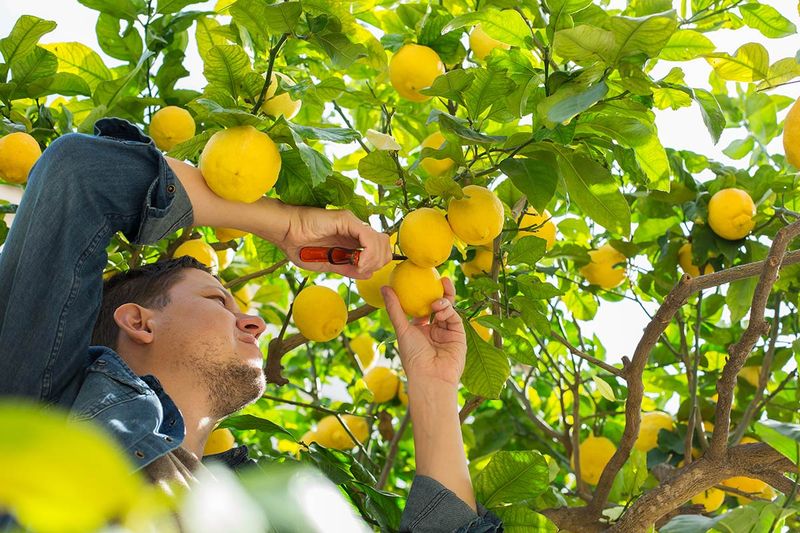
Timing does a lot of the work for you. Arizona extension advice puts regular pruning in February through April for desert areas.
In cooler parts of the state, hold off until late February or March.
Fall has two separate concerns. Wood newly exposed to strong sun can burn, and that warning runs through about mid-October.
From November through January, extensive pruning can trigger tender regrowth that frost may damage.
Cold risk is not the same everywhere. A tree in a warm Phoenix yard faces different nights than one at a higher, cooler elevation, and
guidance on protecting a citrus tree from cold is worth a look if your area dips near freezing.Know your own microclimate before you decide.
Start with a reason, not a shape
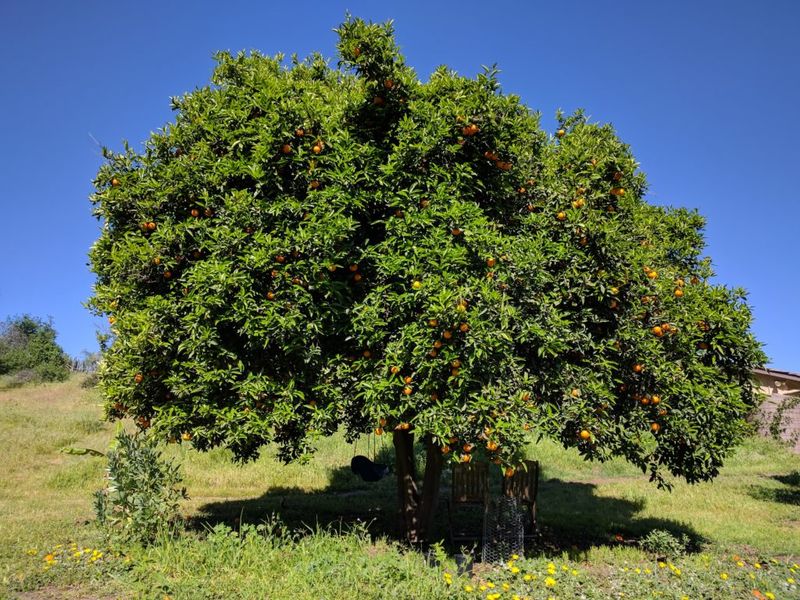
Before any tool comes out, name the job. Good reasons include removing dead, damaged, or diseased wood, taking out branches that cross or rub, handling troublesome sprouts, or carefully opening a canopy that has grown too shaded.
If you cannot name a reason, the cut can probably wait.
Citrus generally needs little routine pruning to stay productive, according to University of Arizona pruning guidance. Small sprouts and small branches can be taken off at any time of year, so a quick snip is not a fall mistake.
Skirting, or trimming off the low branches, is not required. Those lower limbs shade the trunk, and once they are gone the bare trunk is exposed and the canopy can be hard to rebuild.
Letting them hang is perfectly fine.
Make necessary cuts without stripping the tree
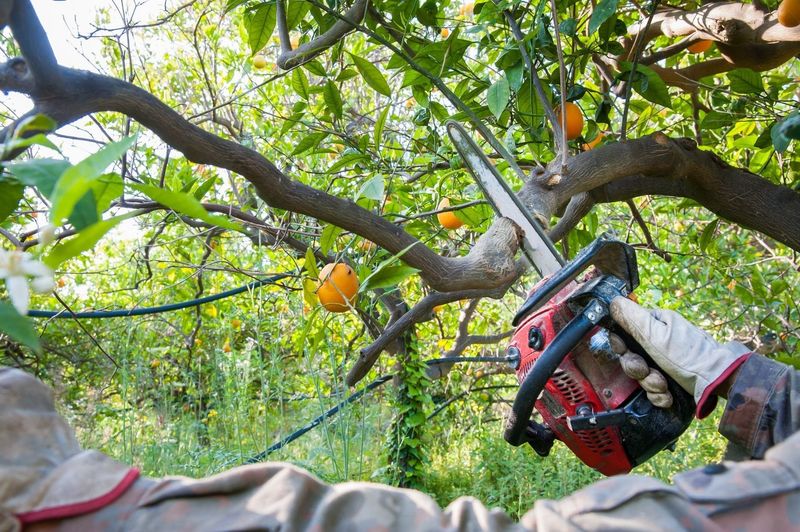
Sometimes a broken or hazardous limb cannot wait until February. In that case, keep the job small and focused on the one branch that needs to go.
Your Arizona Garden Changes Every Week. Your Plan Should Too.
Gardening in Arizona changes quickly throughout the season. Every Friday you’ll receive a simple weekly plan showing exactly what to plant, prune, fertilize, harvest, and protect so you never miss the right timing.
Fall is not the moment for shaping or opening up big areas of canopy.
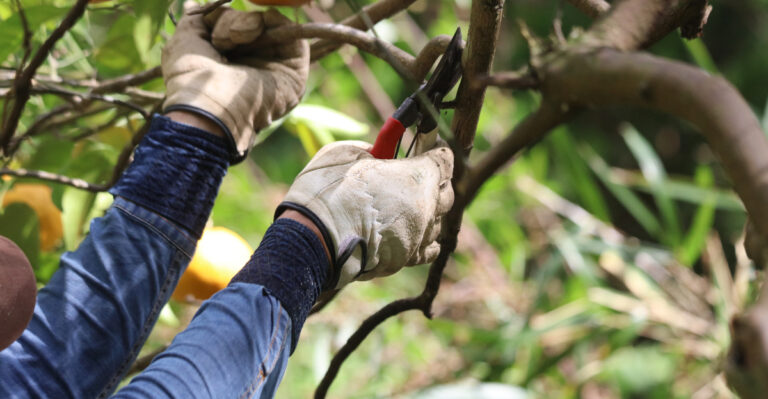
Find the branch collar, the slightly swollen ring where the limb meets the trunk, and cut just outside it. A flush cut against the trunk removes that collar and is best avoided.
For branches wider than 1½ inches, use a three-part cut to reduce bark tearing. First, make an undercut a short distance out from the trunk.
Second, cut from the top a bit farther out so the limb drops away. Third, trim the remaining stub back to the collar.
Stopping there keeps the work simple and the tree mostly intact.
Protect exposed wood and wait to assess freeze damage
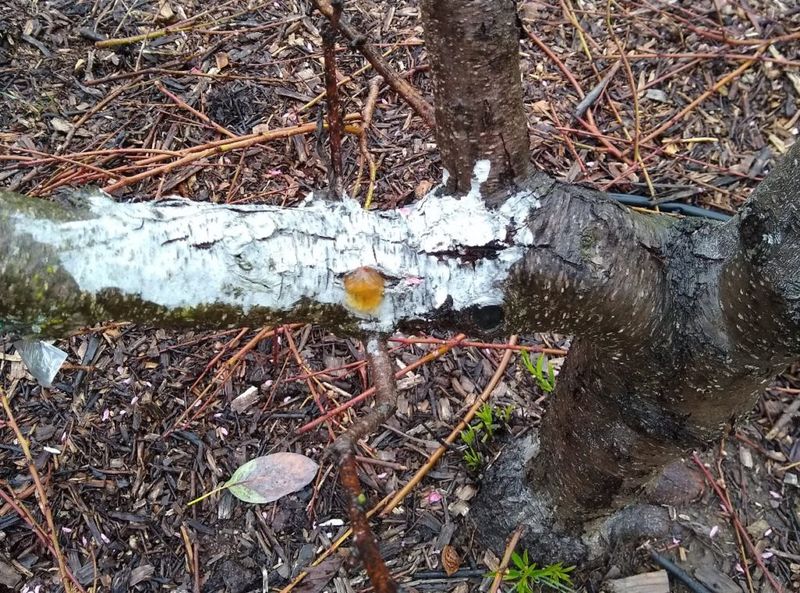
If a needed cut leaves the trunk or limbs open to direct sun, the exposed wood needs cover. Arizona extension guidance suggests white latex paint diluted 50% with water, or whitewash, brushed on that wood.
Keep that separate from the cut itself. The pruning wound does not need sealant, so leave it uncoated and put the paint on the sun-facing bark.
After a freeze, resist the urge to cut right away. Damage often turns out to be more extensive than it first looks, so wait until it becomes evident before removing anything.
Not every Arizona citrus area gets hard freezes, and cold protection tips for citrus can help you prepare ahead of cold nights.
Defer nonessential work and make a measured choice
A simple path works well. Put off anything nonessential until your regional pruning window opens.
If a branch truly has to go now, remove only that branch, and paint any newly sun-exposed wood.
All of this is about managing risk. Nothing here promises that an October cut decides next year’s crop, only that heavy, unneeded pruning gives the tree more to cope with than it should have to.
Most citrus trees do well with a light hand. The best cut is often the one you decide not to make today.