Asian Citrus Psyllid in Arizona: What the Bug Looks Like and Why Citrus Greening Matters
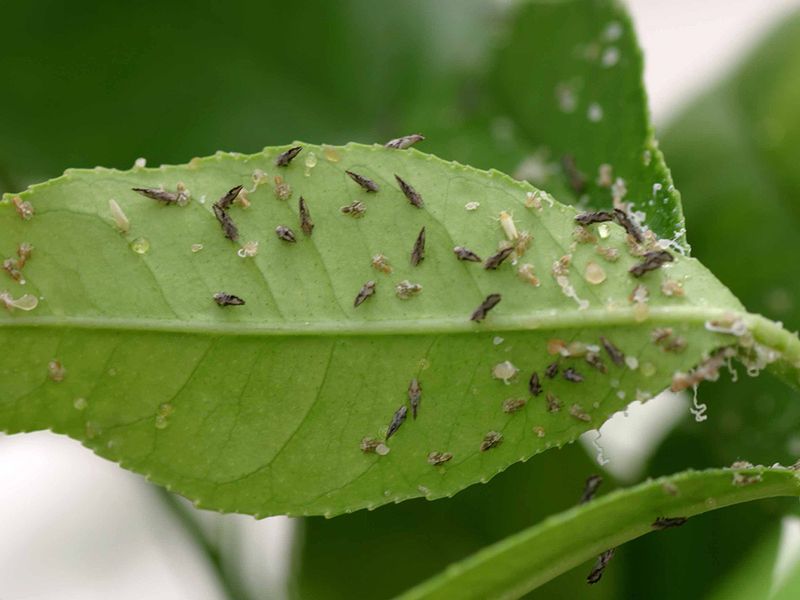
A speck of an insect on your lemon tree’s newest leaves could be the Asian citrus psyllid. It is small, easy to miss, and linked to a serious citrus disease called citrus greening, or HLB.
The scary stories online make it sound like a tree can fall apart in weeks, but the real timeline is much slower. Here is how to spot the bug, what it can and cannot do, and how Arizona homeowners can respond calmly.
The insect to look for is the Asian citrus psyllid
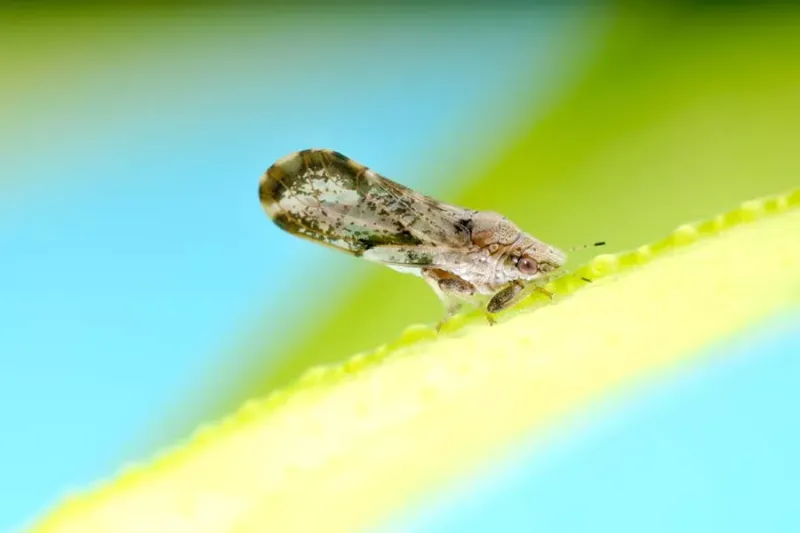
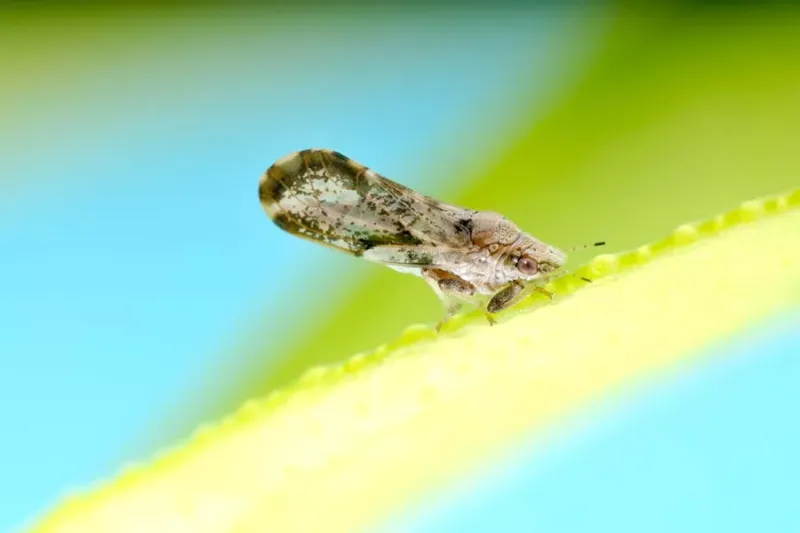
Check the freshest, softest leaves on a citrus tree and you may spot a tiny, aphid-like insect. The Asian citrus psyllid is the most likely suspect for a bug that gets this much attention, though a single look will never prove exactly what you are seeing.
According to University of Arizona homeowner guidance, adults are very small and favor tender new growth. A classic clue is the way they rest, tilted at an angle with their hindquarters raised, almost like a tiny wedge stuck to the leaf.
The young insects, called nymphs, may produce white waxy tubes on new shoots. Feeding can also leave young leaves curled or notched.
Treat each of these as a clue rather than a final answer, since other insects and plant problems can leave similar marks. Photos are the best way to get a second opinion.
The disease risk matters more than the feeding damage
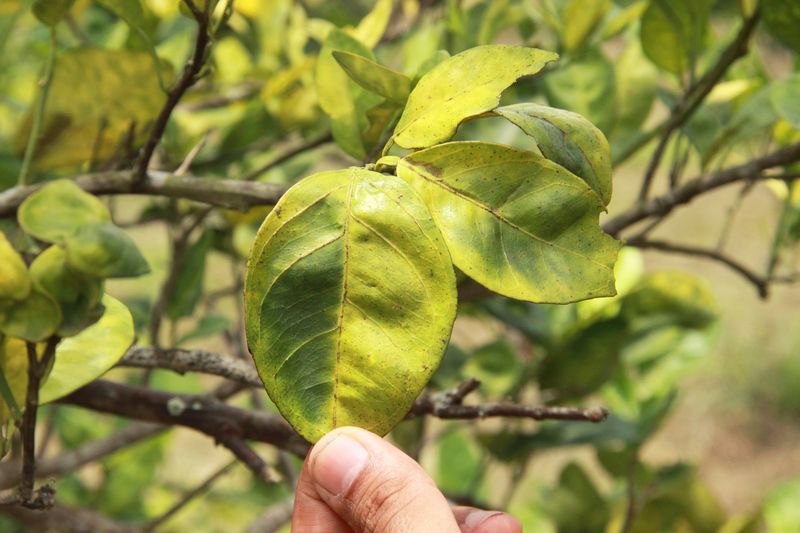
Here is the key point: the bug and the disease are two different problems. In an ordinary urban yard, the psyllid’s own feeding generally causes limited damage.
The real concern is that it can spread the bacteria that cause HLB, a disease with no cure.
HLB can weaken a tree over time and eventually bring it down. But “over time” is the phrase that matters.
Symptoms typically take months to years to show up, which is why the claim that a tree can be wrecked in weeks does not hold up. As a research paper on HLB movement inside citrus trees shows, the bacteria need time to spread within a tree before the signs appear.
Timelines measured in a lab are not a forecast for your backyard, and they certainly are not a countdown. Seeing a psyllid does not mean your tree is infected, and not every exposed tree will get sick.
It does mean the insect deserves attention, and that is a very different thing from panic.
Arizona has confirmed HLB in Nogales
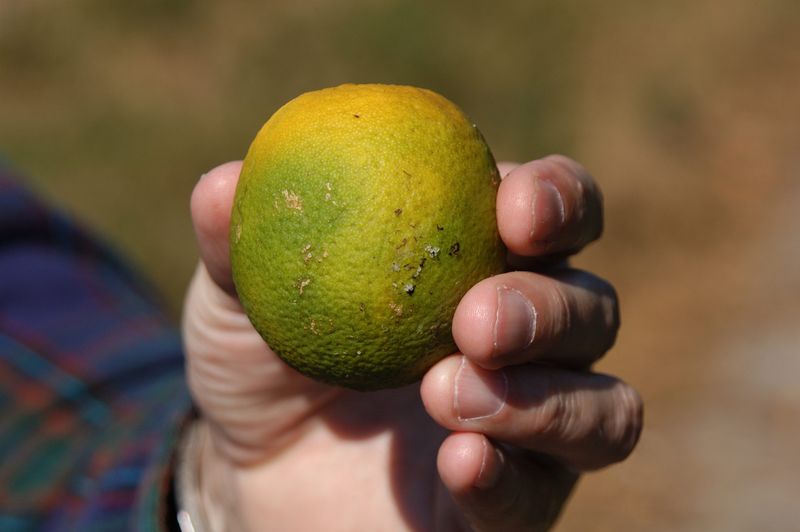
Arizona’s situation changed recently. The Asian citrus psyllid is already found in the state’s citrus-growing areas, as noted in University of Arizona management guidelines.
In 2025, HLB was confirmed in residential citrus in Nogales.
On February 10, 2026, USDA established an approximately nine-square-mile federal quarantine there, as described in a USDA APHIS notice. USDA said the quarantine did not affect commercial citrus.
The Nogales detections are real and worth taking seriously, but they do not mean every Arizona neighborhood faces the same situation. A homeowner in Phoenix or Tucson should think of this as a reason to stay alert and informed, not as proof that local trees are infected.
Your Arizona Garden Changes Every Week. Your Plan Should Too.
Gardening in Arizona changes quickly throughout the season. Every Friday you’ll receive a simple weekly plan showing exactly what to plant, prune, fertilize, harvest, and protect so you never miss the right timing.
Symptoms can point to a concern, not confirm HLB
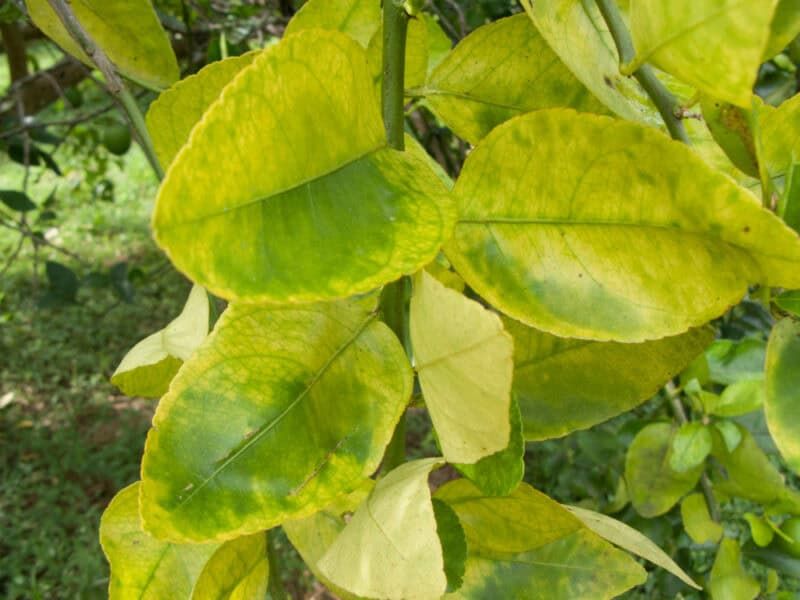
Yellow leaves on a citrus tree are common in the desert, and they rarely mean HLB. Still, it helps to know what the disease can look like.
University of Arizona guidance describes asymmetrical, blotchy mottling on leaves and fruit that turns out misshapen and bitter.
Nutrient shortages can also yellow leaves, but their patterns are generally more symmetrical, with both sides of a leaf looking alike. That difference is a hint, not a test.
Many everyday Arizona problems cause similar decline. Heat stress, uneven watering, salty water or soil, a trunk planted too deep, and root trouble can all do it, as covered in a guide to diagnosing home citrus problems.
Watering habits matter too, and citrus irrigation advice is a good place to start before assuming the worst.
Symptoms alone cannot confirm HLB. Only official testing can do that.
Photograph and report a concern before moving anything
If something looks suspicious, start with a close look at the new growth. Take clear photos of the insect, the leaves, and the whole tree, and note where the tree is.
Then report it to the Arizona Department of Agriculture or your county Extension office, as outlined in University of Arizona guidelines.
Resist the urge to collect or ship insects or plant material. Do not move branches, fruit, or clippings from a suspected case, even to a nursery for a second opinion.
Moving plant material is one way pests and disease can travel.
If you live in or near a quarantine area, follow the directions that apply there. The USDA quarantine notice is the place to confirm what it covers.
Also avoid bringing uncertified citrus plants or plant parts into Arizona.
Skip the blanket spraying, too. Pesticides can harm helpful insects, and advice may differ inside a quarantine zone, so check official guidance for your location first.
Note that one older state page still says HLB has not been found in Arizona, so rely on the newer detection and quarantine information.
A sighting is a reason to report, not to panic
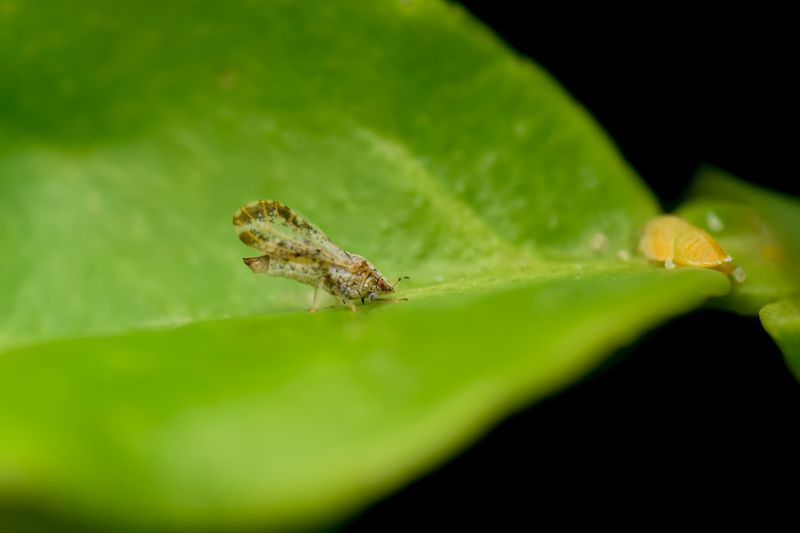
Spotting a psyllid is not an HLB diagnosis, and the idea of a tree being wrecked in weeks is not backed up by Extension guidance. Document what you see, report it, and follow local quarantine directions instead of spraying or moving plant material yourself.
A quick photo and a phone call do more for your tree than a panicked weekend with a spray bottle.