These Are The Arizona Fruit Trees Worth Planting Now So They’re Established By Next Summer
Planting a fruit tree always feels like a decision for the future. The hole gets dug today, the watering starts today, but the real payoff usually arrives much later when the tree has had time to settle in and build a strong foundation.
That waiting period is exactly what makes timing so important. Trees planted at the right point in the year have more opportunities to develop healthy roots before facing the demands of another growing season.
Arizona conditions can be tough on young trees that are rushed into the ground at the wrong time or left trying to establish under less favorable circumstances.
Getting a head start now can make a noticeable difference in how well a tree handles the months ahead.
By next summer, the strongest fruit trees often reveal the advantage of having extra time to get established and comfortable in their new location.
1. Pomegranate Handles Heat With Ease
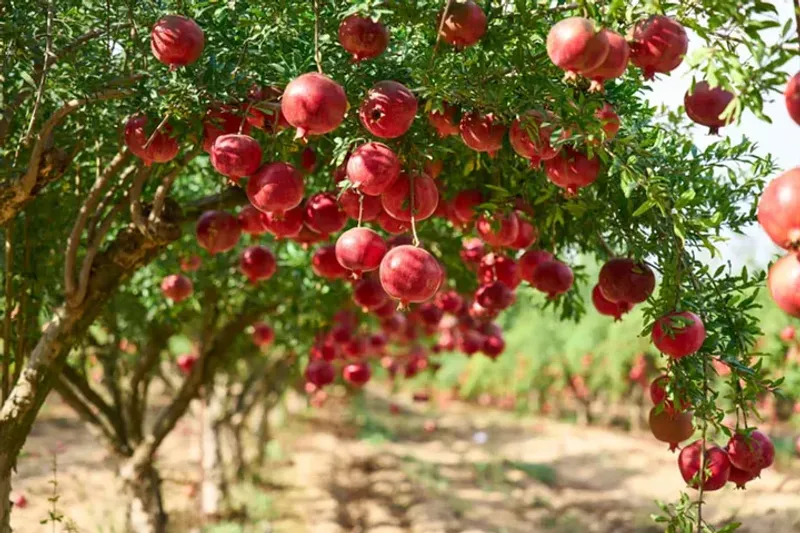
Few trees are as tough as the pomegranate. It was practically built for hot, dry climates and shallow desert soils.
Plant one now and it will spend winter putting down roots before summer even thinks about showing up.
Pomegranates are deciduous, so they drop leaves in winter and push out new growth in spring. That dormant period is actually useful.
It gives newly planted trees time to establish without the stress of supporting a full canopy.
Varieties like Wonderful and Desertnyi perform well in low desert growing zones. They handle reflected heat from walls and pavement better than most fruit trees.
Water deeply once or twice a week after planting. Taper off as the tree settles in.
Once established, pomegranates are surprisingly drought tolerant compared to other fruiting trees.
Expect fruit in the second or third year. Full production usually kicks in around year four or five.
Patience pays off here because mature trees can produce for decades.
Minimal pruning is needed. Remove crossing branches and any suckers coming up from the base.
Keep the shape open so sunlight reaches the interior.
Pomegranates also work as a privacy screen or windbreak when planted in a row. Functional and fruitful, they earn their spot in any desert yard without demanding much in return.
2. Fig Trees Settle In Quickly In Warm Climates
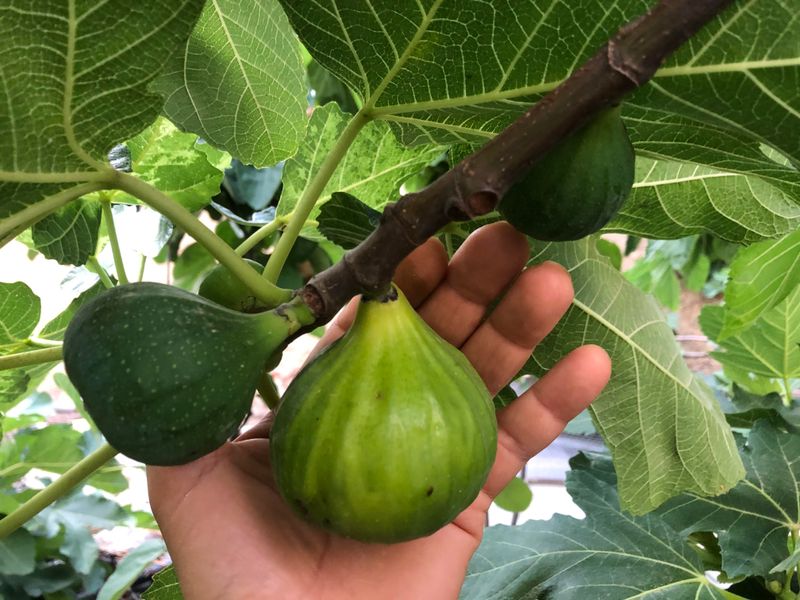
Fig trees move fast. Plant one in fall and by the following summer you might already have a handful of fruit on the branches.
That kind of quick return is rare in the fruit tree world.
Brown Turkey and Black Mission are two varieties that do especially well in warm desert regions. Both handle heat without much fuss and produce reliable crops once settled.
Figs prefer well-draining soil. Sandy loam works great.
Heavy clay can hold too much moisture and cause root problems, so amend your soil if needed before planting.
Water regularly during the first season. Figs are thirsty when young but become quite drought tolerant once their root system spreads out.
Deep, infrequent watering encourages deeper roots.
No chill hours are needed for most common fig varieties. That makes them a perfect match for low desert yards where winters stay mild.
Your Arizona Garden Changes Every Week. Your Plan Should Too.
Gardening in Arizona changes quickly throughout the season. Every Friday you’ll receive a simple weekly plan showing exactly what to plant, prune, fertilize, harvest, and protect so you never miss the right timing.
Other fruit trees often struggle without enough cold, but figs just keep growing.
Afternoon shade can help during peak summer months, especially in the first year. A young fig in full western sun may drop leaves under extreme heat stress.
Prune lightly after the first year to shape the canopy. Figs can get large, so plan for the space.
A mature tree can spread eight to ten feet wide and give you fruit for twenty years or more.
3. Lemon Trees Reward Patience With Years Of Harvests
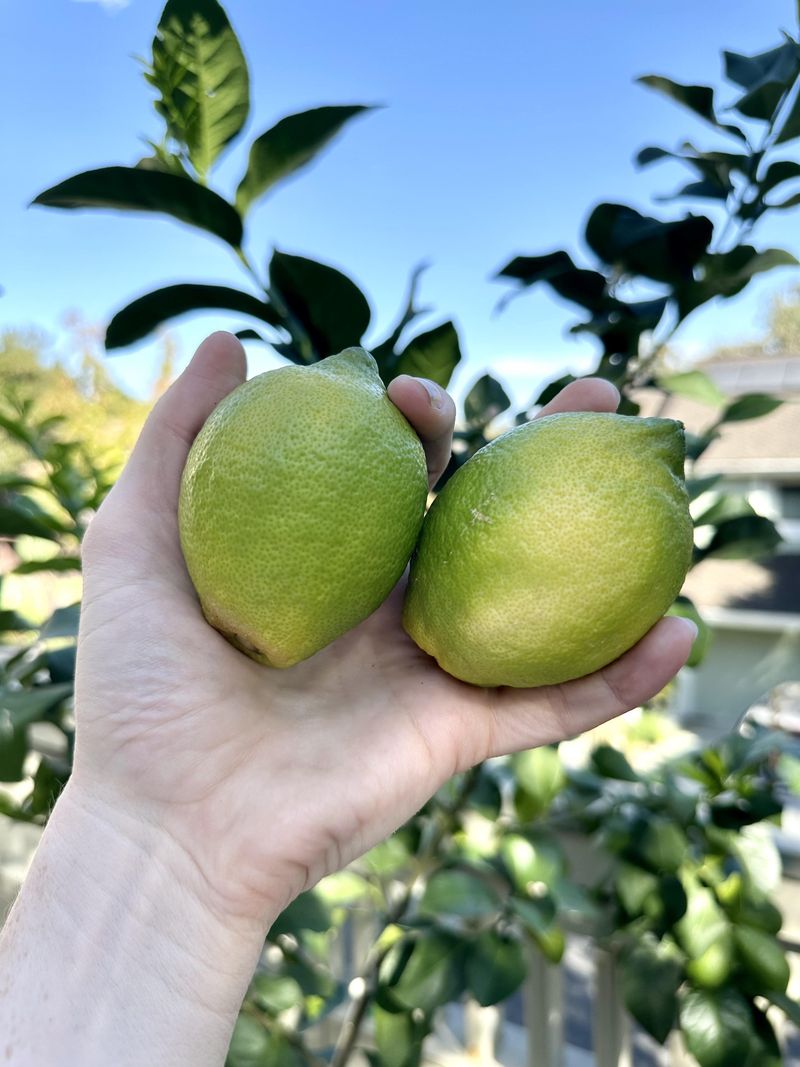
Lemons are one of the most rewarding trees you can plant in a warm desert yard. Get one in the ground now and it will keep producing for thirty years or more with consistent care.
Eureka and Lisbon are the go-to varieties for low desert growing zones. Both produce large, juicy fruit and handle the heat reasonably well when given proper irrigation and some afternoon protection.
Citrus trees need consistent moisture. Let the soil dry slightly between waterings, but never let it go bone dry for long.
A drip system set on a timer makes this easy and keeps the routine steady.
Fertilize three times a year with a citrus-specific fertilizer. Spring, early summer, and fall applications keep growth strong and fruit production consistent.
Skipping fertilizer is one of the most common reasons citrus underperforms.
Young lemon trees are frost sensitive. If temperatures drop below 28 degrees Fahrenheit, cover the canopy with frost cloth.
Mature trees handle brief cold snaps better, but young ones need protection in the first two winters.
Expect your first real harvest in year two or three. Early fruit may be small or sparse.
That is completely normal. The tree is still directing energy toward root and canopy development.
Plant in full sun with good drainage and you will have more lemons than you know what to do with in just a few years.
4. Orange Trees Become Reliable Producers Over Time
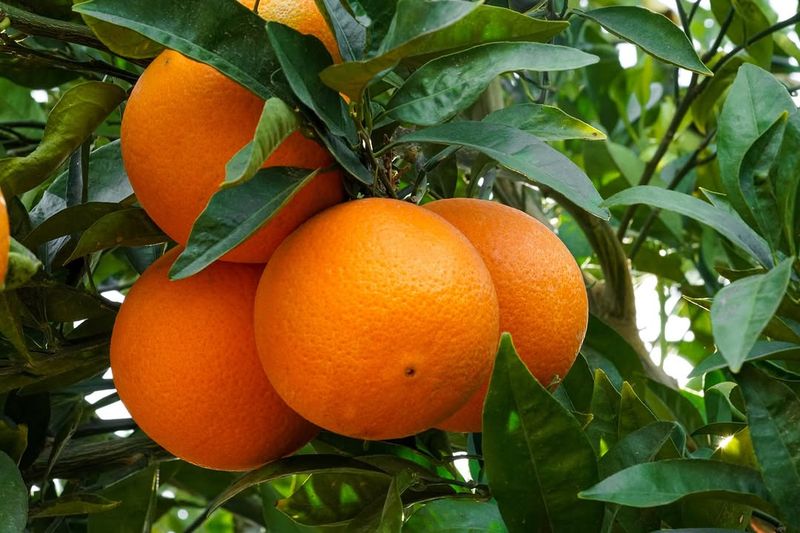
Nothing beats walking outside in January and picking a fresh orange off your own tree. Plant one now and that could easily be your reality by next year.
Navel oranges are a top choice for home growers in warm desert regions. They produce large, seedless fruit and ripen in winter when you want fresh produce the most.
Valencia oranges are another solid option if you prefer a later harvest running into spring.
Orange trees need full sun and well-drained soil. They do not tolerate standing water around their roots.
Raised planting beds help in areas with heavy clay or compacted ground.
Consistent watering matters most in the first year. Deep watering every few days through the warm months encourages strong root development.
Pull back frequency once the tree shows steady new growth.
Fertilize with citrus-specific products three times annually. Iron chlorosis, which causes yellowing between leaf veins, is common in alkaline desert soils.
A chelated iron supplement added to your fertilizer routine usually fixes this quickly.
Protect young trees from frost during the first two winters. A simple frost cloth draped over the canopy on cold nights is enough.
Mature orange trees handle light frost without much damage.
Orange trees live a long time. Planted correctly and cared for properly, a single tree can produce fruit for twenty to thirty years.
That is serious long-term value for a modest upfront investment.
5. Lime Trees Grow Well In Warm Desert Regions
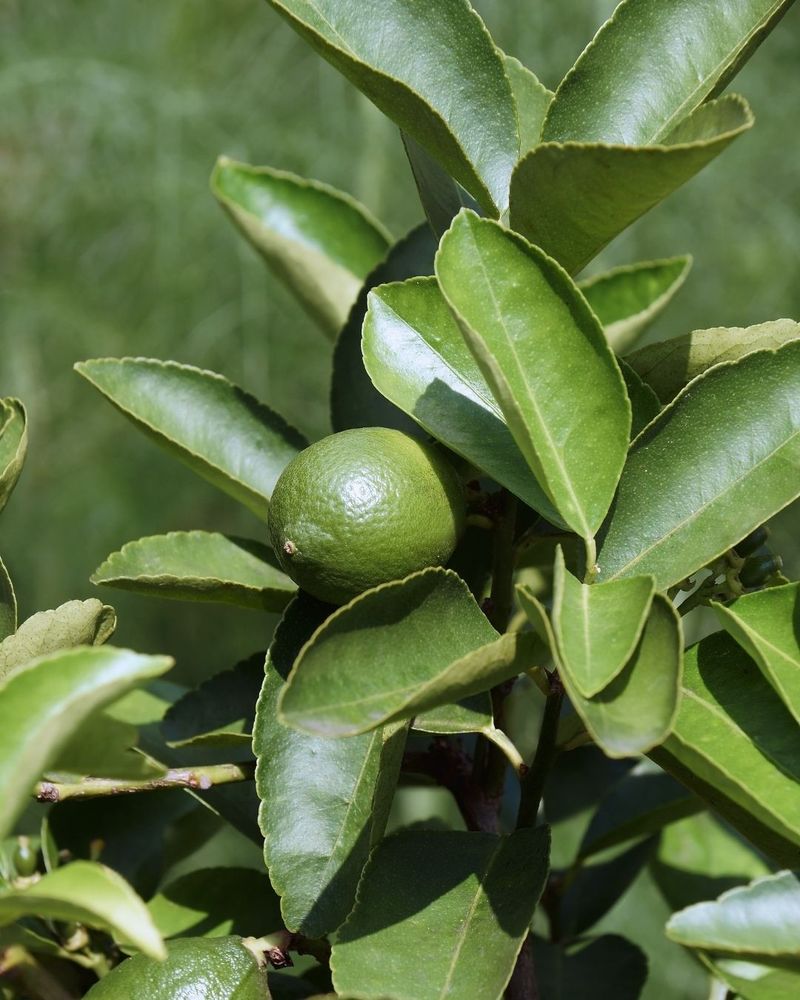
Lime trees bring a tropical energy to the yard. They stay green year-round, smell incredible when in bloom, and produce fruit that earns its keep in the kitchen every single week.
Persian limes are the most common variety for home growers in warm regions. They produce large, seedless fruit and handle the heat well once established.
Bearss lime is essentially the same variety and equally reliable.
Limes are slightly more cold-sensitive than lemons or oranges. That matters during the first winter or two.
Frost cloth and a little extra attention on cold nights goes a long way toward keeping a young lime tree healthy.
Plant in full sun with excellent drainage. Lime trees do not like wet feet.
Sandy or loamy soil is ideal. If your yard has heavy clay, build up a small mound before planting to improve drainage naturally.
Water consistently during establishment. Once roots are spread, back off slightly and allow the top inch or two of soil to dry between waterings.
Overwatering is more damaging than underwatering for citrus in general.
Fertilize three times a year with a citrus blend. Lime trees respond noticeably to regular feeding with deeper leaf color and heavier fruit set.
Expect your first real crop in year two or three. Limes are worth waiting for.
Once a tree hits full stride, it can produce more fruit than a typical household uses in a year.
6. Mulberry Trees Establish Fast In The Right Location
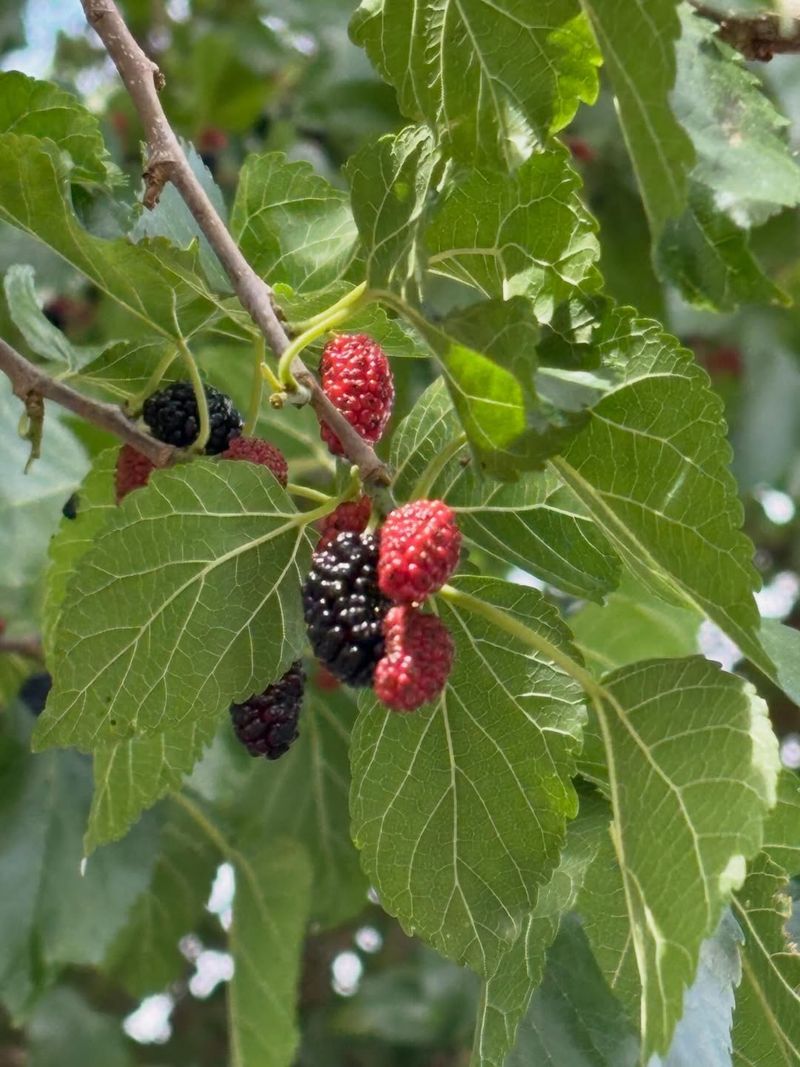
Speed is the mulberry’s biggest selling point. Plant one in fall and it can put on several feet of growth by the following summer.
Few fruit trees match that kind of establishment pace.
Fruitless mulberry varieties are common in desert landscaping, but if you want actual fruit, go with a fruiting variety like Illinois Everbearing or Pakistan mulberry. Both produce sweet, dark berries and handle desert heat without complaint.
Mulberries are not picky about soil. Sandy, rocky, or clay-heavy ground rarely stops them.
That flexibility makes them one of the easier fruit trees to establish in yards with less-than-ideal conditions.
Water regularly during the first season. Once established, mulberries are impressively drought tolerant.
They may not need supplemental irrigation at all during cooler months once their root system is fully developed.
Full sun is preferred, but mulberries tolerate partial shade better than most fruit trees. A spot that gets six or more hours of direct sun daily will produce the best fruit yields.
Berries ripen over several weeks in late spring and early summer. Birds love them, so netting the canopy during peak ripening is worth considering if you want to beat them to the harvest.
Mulberries can get very large over time, sometimes reaching thirty feet tall. Plan your planting location accordingly.
Pruning helps manage size, but working with the tree’s natural growth habit is always easier than fighting it.
7. Loquat Trees Provide Fruit And Evergreen Appeal
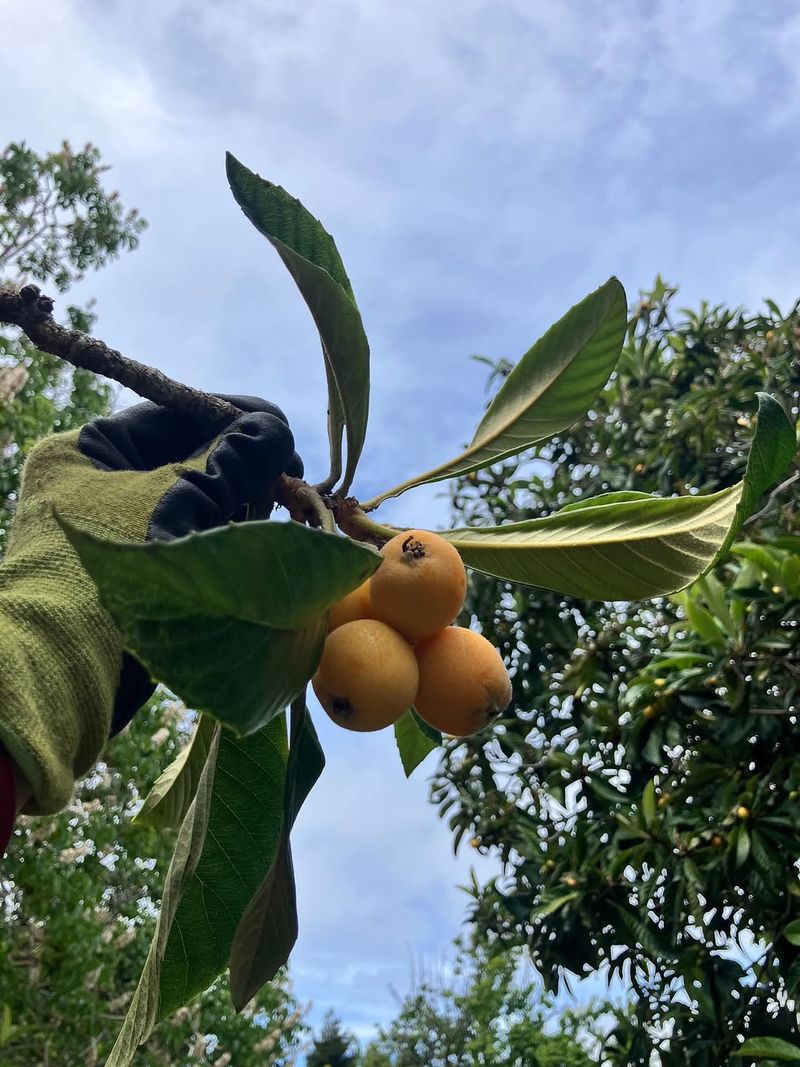
Loquats do something most fruit trees cannot: they stay green all year and produce fruit in late winter or early spring when almost nothing else is ripening. That off-season harvest window makes them genuinely useful in a backyard orchard.
Big Jim and Champagne are two popular varieties that perform well in warm desert growing regions. Both produce sweet, mellow fruit with a flavor somewhere between peach and mango.
First-timers are usually surprised by how good fresh loquats actually taste.
Loquats grow at a moderate pace and reach fifteen to twenty-five feet tall at maturity. They work well as shade trees, privacy screens, or standalone specimen plants.
The large, leathery leaves create a lush tropical look that stands out in desert landscapes.
Plant in full sun to partial shade. Loquats handle reflected heat from walls and fences reasonably well once established.
Water deeply but infrequently after the first year.
Young loquat trees need frost protection when temperatures drop below 25 degrees Fahrenheit. The fruit itself can be damaged by frost, so covering the canopy during cold snaps in late winter protects your harvest.
Fertilize lightly in spring and fall. Heavy fertilization pushes leafy growth at the expense of fruit production.
Less is more with loquats when it comes to feeding.
Fruit clusters appear in winter and ripen by early spring. Harvest when fruit turns fully golden and gives slightly under gentle pressure.
Waiting a few extra days usually improves sweetness.
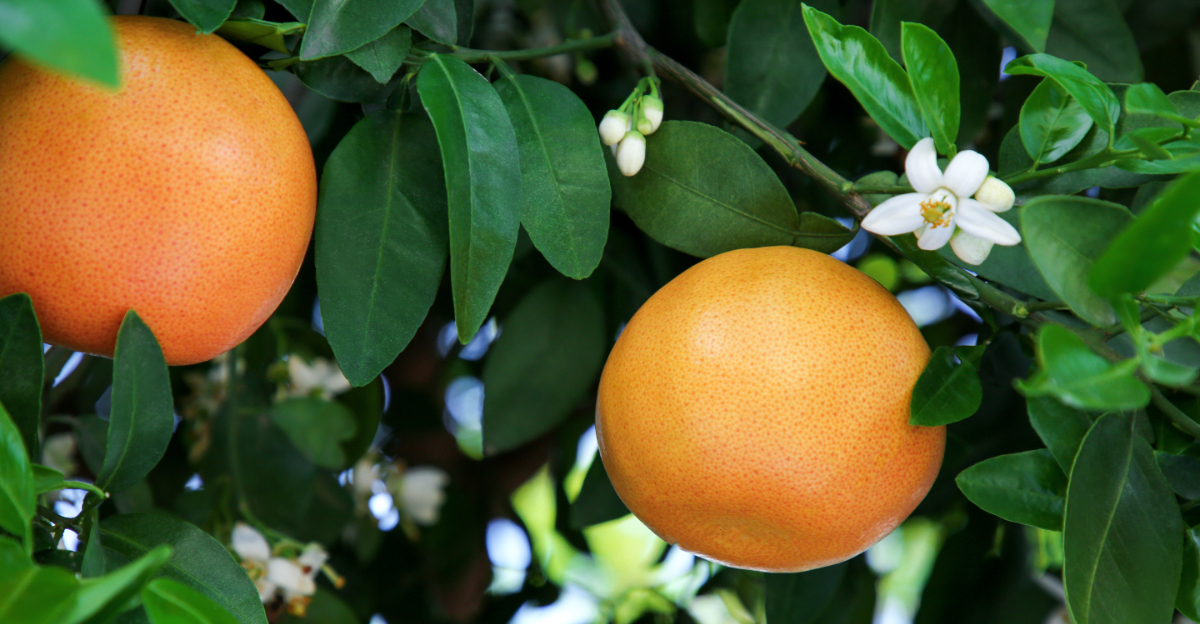
8. Grapefruit Trees Thrive In Low Desert Conditions
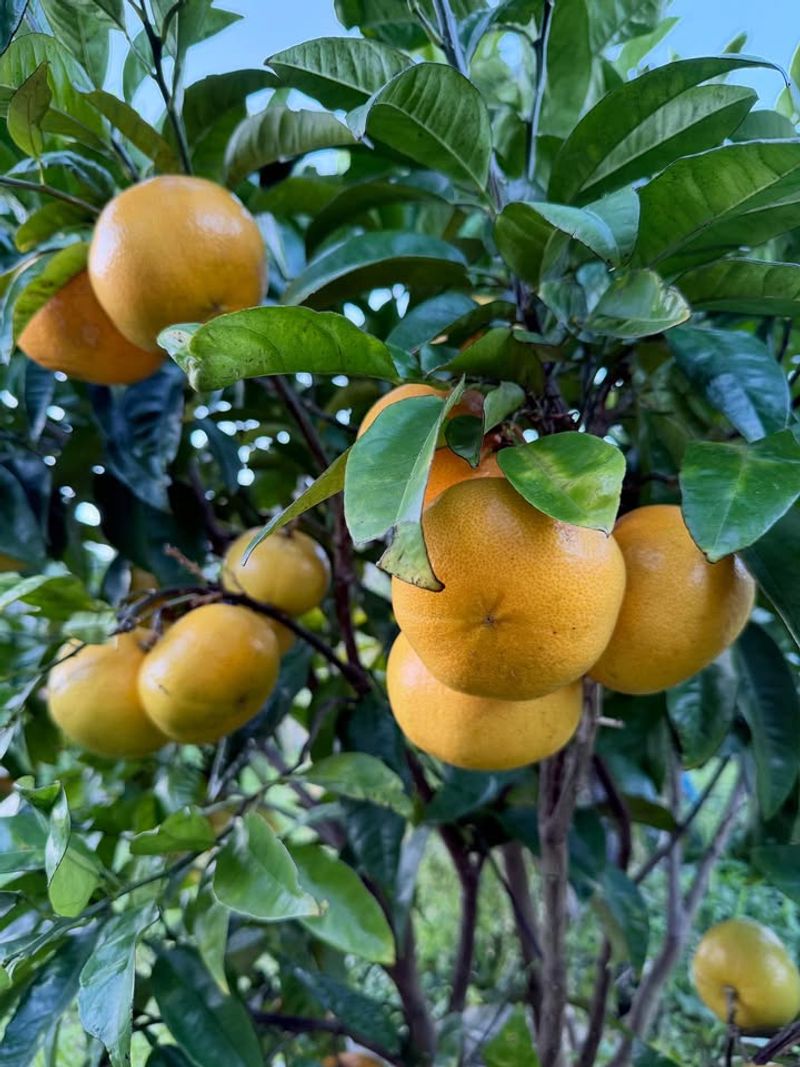
Grapefruit loves heat, and the low desert delivers plenty of it. No other region in the country grows grapefruit quite as well as the hot, sunny valleys of the Southwest.
Rio Red and Oro Blanco are popular varieties that perform consistently in warm desert conditions. Both produce sweet, flavorful fruit and handle the long hot summers without much trouble.
Plant in full sun. Grapefruit needs maximum light exposure to develop good sugar content in the fruit.
A shaded location will give you plenty of leaves but disappointing flavor at harvest time.
Water deeply and regularly, especially during the first two summers. Once established, grapefruit trees are fairly efficient with water compared to other citrus varieties.
Drip irrigation works best for keeping moisture consistent at root level.
These trees grow large. Give them at least twelve feet of space in every direction.
Crowding slows fruit production and makes pruning a constant battle.
Harvest season typically runs from late fall through early spring. Fruit left on the tree actually sweetens over time, so there is no rush to pick everything at once.
Fertilize in late winter, early summer, and early fall with a balanced citrus formula. Watch for yellowing leaves, which often signal a nitrogen deficiency rather than a watering problem.
Consistent feeding keeps the canopy dark green and productive year after year.