The Orange “Ladybugs” Crowding Ohio Windows This Fall Aren’t Native Ladybugs
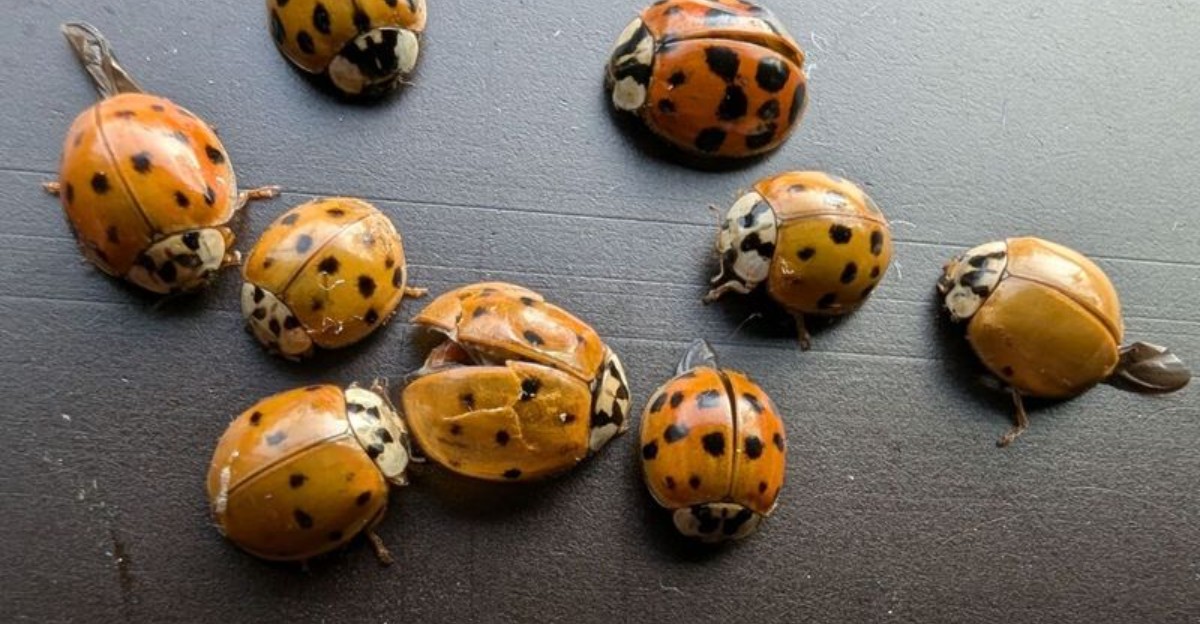
Those orange beetles piling up on your windowsill aren’t the ladybugs you grew up pinching off rose bushes, not even close.
Asian lady beetles got imported decades back to handle crop pests in Ohio. They did the job well enough that nobody worried about the side effects until swarms started showing up on houses every fall.
They look close enough to native ladybugs to fool almost anyone at a glance, right up until you spot the black M marking behind the head.
Native ladybugs never cluster like this indoors either. Find dozens crowding one window and you’re already looking at the imported version, not the harmless backyard kind most people assume.
Count before you decide what you’re dealing with. A dozen or more in one spot tells you everything you need to know.
1. These Beetles Hail From Asia, Not Ohio
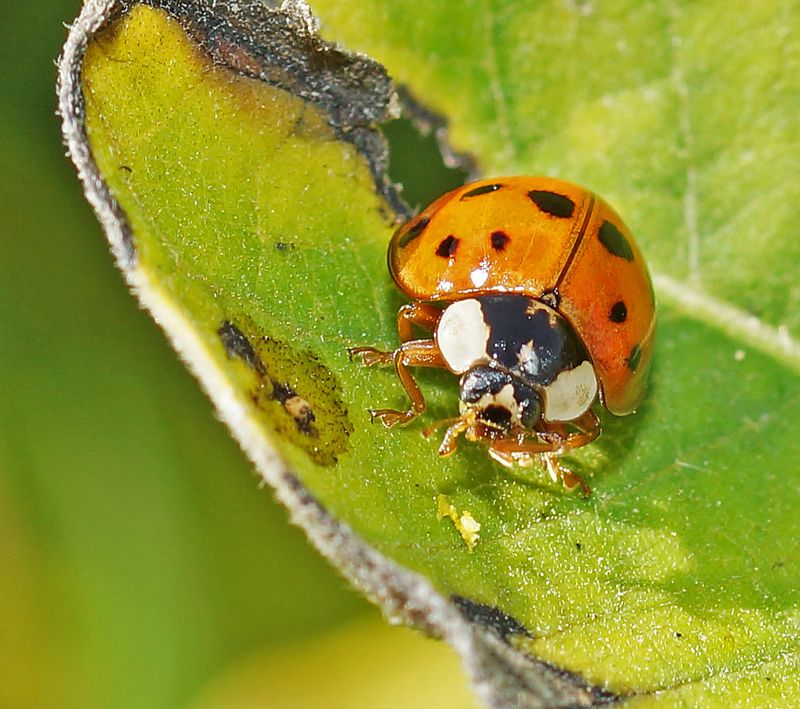
Long before they tapped on windows, these orange travelers lived thousands of miles away. Their true home stretches across eastern Asia, including China, Japan, Korea, and parts of Russia.
Scientists call them Harmonia axyridis, or the Multicolored Asian Lady Beetle. The name sounds fancy, but it simply tells you where they come from.
Many people still mix them up with the gentle native ladybugs they remember from childhood.
So how did they reach the Buckeye State? Part of the answer is on purpose.
Farm experts released them in the United States to munch on aphids and scale insects that harm crops and trees.
Here comes the plot twist. Some beetles also hitched rides on cargo ships, sneaking in with shipments from overseas.
Between planned releases and accidental stowaways, they spread quickly across North America and even parts of Europe.
In gardens, they actually do helpful work. One beetle can gobble a huge number of aphids during its life, which protects roses, soybeans, and fruit trees.
The trouble starts when cooler weather arrives and they look for a winter hideout. That is when your cozy house suddenly becomes their favorite hotel.
Knowing their background helps you see them as pushy guests rather than spooky invaders, and it makes handling them feel much less stressful.
2. Look For The Black “M” Behind The Head
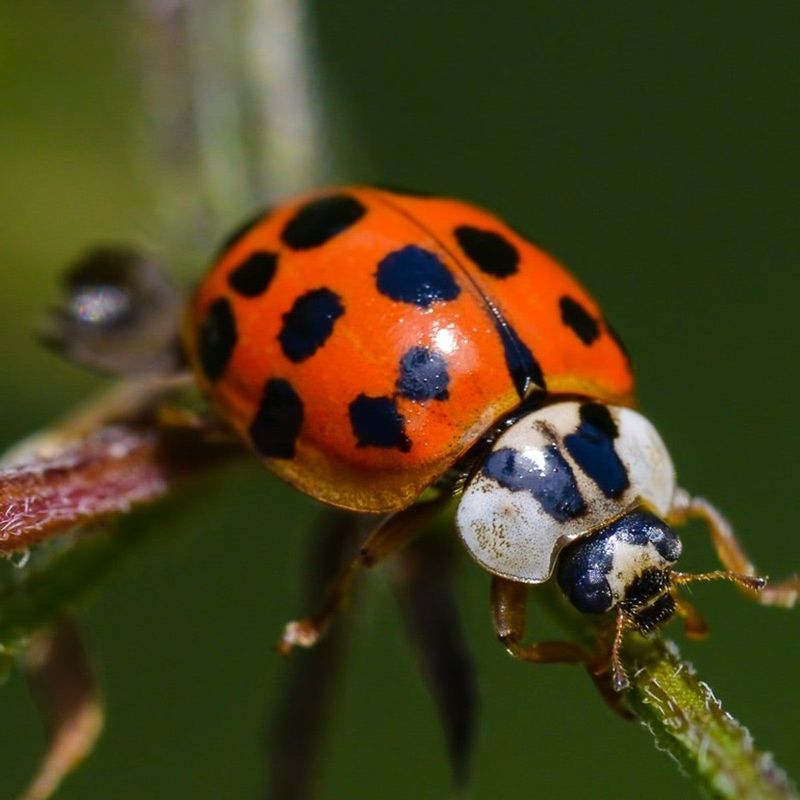
Think of it as a tiny name tag stitched right onto the beetle. All you need is a close look and maybe a magnifying glass.
Right behind the head sits a pale section called the pronotum. On Multicolored Asian Lady Beetles, this spot usually shows a black mark shaped like the letter M.
Flip your view around, and it looks like a W instead.
That letter is your best clue for telling them apart from many native ladybugs. Native kinds often have mostly black heads with small white patches.
The Asian visitors wear that bold M like a sports jersey.
Be a little patient, though. The marking can look thick on one beetle, thin on another, and even broken on a third.
Nature likes to keep detectives on their toes.
Color is not much help either. These beetles can be pale yellow, bright orange, or deep red.
Your Ohio Garden Changes Every Week. Your Plan Should Too.
Gardening in Ohio changes quickly throughout the season. Every Friday you’ll receive a simple weekly plan showing exactly what to plant, prune, fertilize, harvest, and protect so you never miss the right timing.
Some have lots of black spots, some have just a few, and some have none at all.
Here is a fun backyard project for kids and grown-ups alike. Gently scoop a beetle into a clear jar, check for the M, then let it go outside.
Snap a phone photo and zoom in for an easy science lesson you can share with friends.
3. Ohio First Spotted The Swarms In October 1993
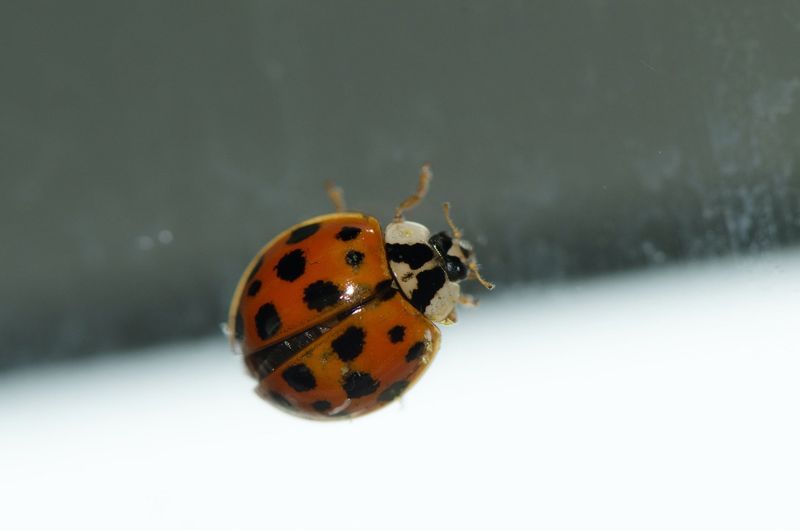
October 1993 was the month Ohio homeowners started making a lot of puzzled phone calls. Thousands of orange beetles were gathering on houses, and plenty were crawling inside.
Experts officially recognized the Multicolored Asian Lady Beetle as a real problem in the state that fall. Families described walls that looked speckled with orange paint.
Some found beetles marching across ceilings, lamps, and kitchen counters.
The first big outbreaks popped up in counties across eastern and southeastern region. Hilly, wooded areas near Appalachia seemed to get hit early.
From there, the beetles spread farther each year until the whole state knew them well.
Imagine being one of those first families. Nobody had a quick internet search back then, so people swapped stories at church, school, and the local hardware store.
Extension offices at Ohio State University became the go-to source for answers.
Fun fact: before then, many Ohioans had seen only a few ladybugs a season. Suddenly, they were seeing hundreds in a single afternoon, which felt almost like a strange autumn parade.
Today, the yearly fall arrival is a familiar event. Knowing the history helps explain why grandparents may roll their eyes when the swarms return.
They have watched this show for more than thirty years.
4. A Warm Day After A Cold Snap Sets Them Moving
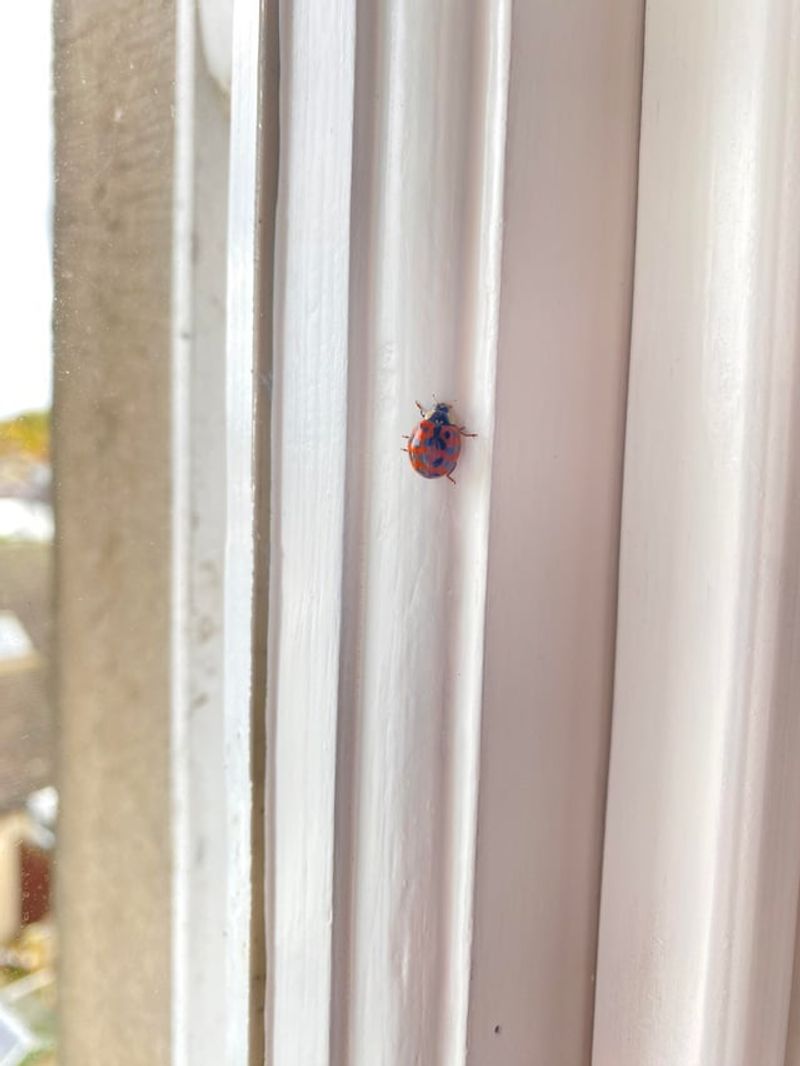
Ever notice the beetles show up on the nicest day of the week? You are not imagining things.
Weather plays a huge role in their timing.
During summer, these beetles stay busy in fields and forests eating aphids. As autumn rolls in, adults leave those feeding spots and hunt for a safe place to spend winter.
In Ohio, that search usually happens from September through November.
The biggest flights tend to follow a pattern. First comes a chilly stretch that hints winter is near.
Then a sunny, warm day arrives, often reaching the mid-60s Fahrenheit or higher.
That warm burst acts like a starting whistle. Clouds of beetles take off at once, hoping to find a cozy shelter before real cold settles in.
It is an instinct that helps them survive.
You can use this pattern to your advantage. Keep an eye on the local forecast in early fall.
When a warm afternoon follows a cold night or two, close windows and check that screens are snug.
Families who know the signs can avoid opening the door to a surprise crowd. Think of it like checking for rain before a picnic.
A little planning on those golden afternoons can save you plenty of cleanup later.
5. They Mistake Your House For A Rocky Cliff

To a beetle, your lovely two-story home might look like a giant mountain wall. That mix-up explains a lot about their behavior.
Back in Asia, these insects spend winter tucked inside cracks of rocky cliffs. Those stony spots soak up sun and offer tight, sheltered spaces.
When fall arrives in Ohio, a house with siding and corners looks like the perfect substitute.
They are especially picky about which walls they choose. Sides facing southwest that catch plenty of afternoon sun rank high on their list.
Light-colored siding, like white or pale gray, seems to attract them even more.
Here is the sneaky part. Once a few beetles find a good spot, they release chemical signals called aggregation pheromones.
Those scents act like an invitation, calling more beetles to the same place.
That is why you might see huge clusters in one window corner year after year. The leftover scent can guide new beetles back, a bit like a family reunion at the same old cabin.
Want a helpful tip? Pay extra attention to your sunniest walls when sealing and checking screens.
Washing those areas with soapy water may also help reduce lingering scents, making your home look a little less like a cliffside resort.
6. That Yellow Ooze Is Their Blood, And It Stains

Gross alert: that little yellow drop on your curtain did not come from nowhere. It came straight out of the beetle’s knees.
Scientists call this trick reflex bleeding. When the beetle feels threatened, it squeezes a yellowish fluid from its leg joints.
The liquid is hemolymph, which works like blood for insects.
The fluid tastes bitter and smells pretty awful. Birds and other hungry critters quickly learn to leave these beetles alone.
For the beetle, it is a smart way to stay safe.
For you, it can be a real headache. The ooze may leave lasting stains on porous surfaces like painted walls, drapes, carpet, and clothing.
A light-colored couch is especially at risk.
Some people also notice the beetles give a tiny pinch when they land on skin. It rarely hurts much, but it adds to their reputation as cranky guests.
A few folks may even feel itchy or sneezy around big groups.
The best lesson here is simple. Try not to squish, swat, or brush the beetles with your hand.
If a stain does happen, blot it gently right away with cool water and mild soap instead of rubbing, which can spread the color deeper into fabric.
7. Seal Every Gap Bigger Than 1/8 Inch
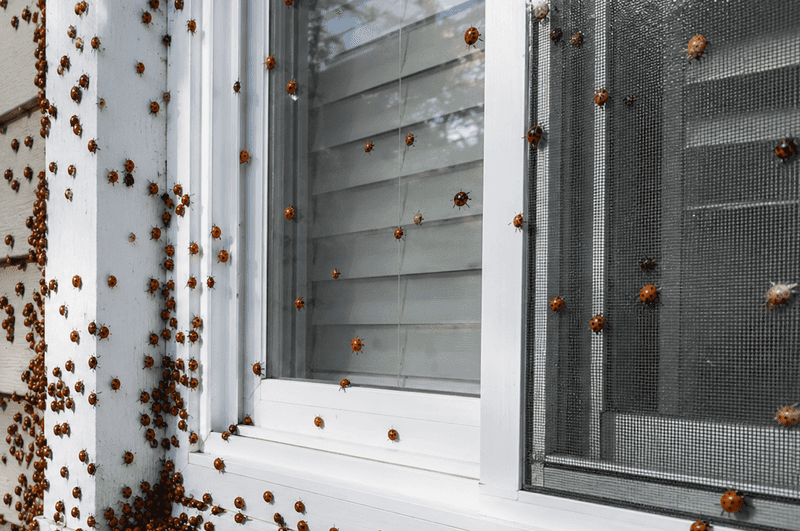
A gap thinner than a pencil lead might seem harmless. To a lady beetle, it is a wide-open front door.
These insects can squeeze through openings as small as 1/8 inch. Sealing those spaces is the most lasting way to keep them outside.
It takes a weekend of work but pays off season after season.
Start by walking around your house with a flashlight. Look closely at window frames, door edges, soffits, and fascia boards.
Check spots where utility pipes and electrical wires enter the walls.
Use a good quality caulk for thin cracks. For bigger holes, try cement, urethane foam, or copper mesh as plugs.
Repair or replace any torn window screens you find along the way.
Attic vents deserve special attention because beetles love them. Install screening behind the vents so air still flows but bugs stay out.
Weatherstripping under doors helps too.
Timing matters a lot here. The best season for this project is late spring or summer, long before the fall flights begin.
Once the swarms arrive, you will be playing catch-up.
Bonus perk: sealing gaps also keeps out drafts, stink bugs, and other pests. Your heating bill may thank you this winter as well.
8. Grab A Shop-Vac Instead Of A Swatter
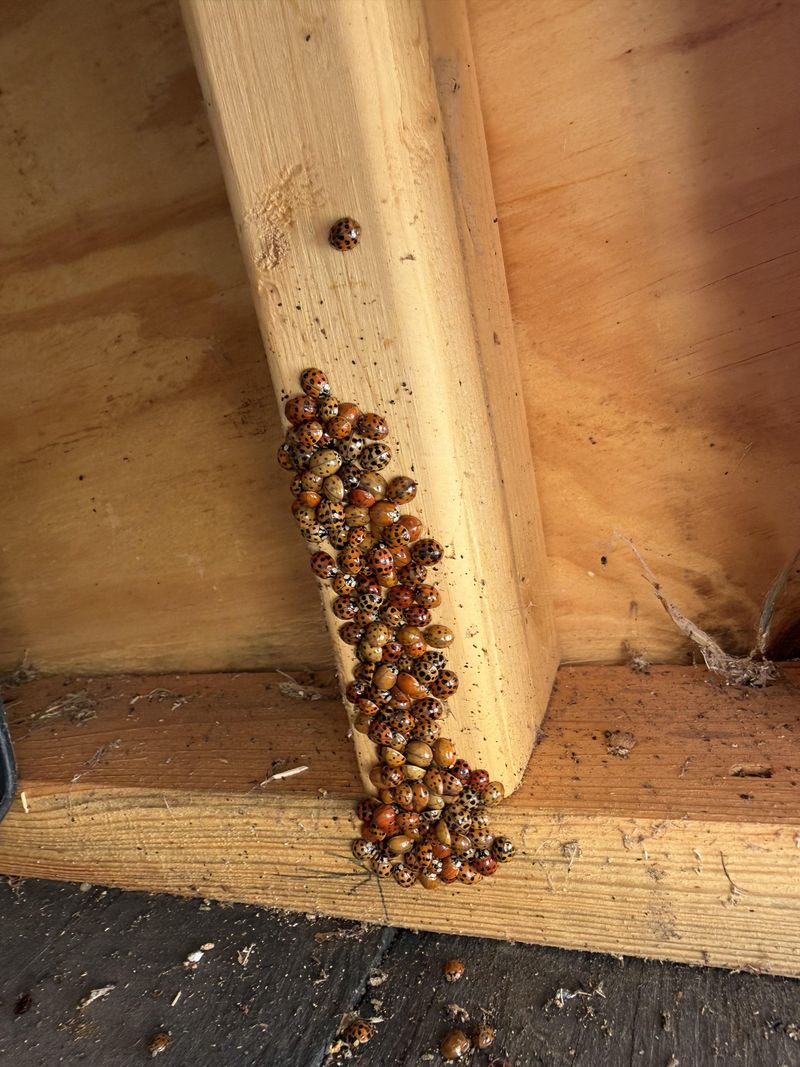
Put down the rolled-up newspaper and step away from the fly swatter. Your best weapon is probably sitting in the garage.
Vacuuming is the simplest and cleanest way to remove beetles that sneak indoors. Squishing or brushing them can trigger that smelly, staining yellow fluid.
A vacuum scoops them up before they have time to react.
A shop-vac works especially well. It has strong suction and a large tank, so it can handle a crowd without clogging.
Regular household vacuums can work too, though they may pick up a lingering odor.
Here is a clever trick many extension experts suggest. Slip a nylon stocking or thin handkerchief into the hose, then secure it with a rubber band.
The beetles get trapped in the fabric instead of the bag.
When you finish, pull out the stocking and carry it outdoors right away. Shake the beetles out far from your house, ideally near shrubs or a woodpile.
That keeps your vacuum fresh and your conscience clear.
Make it a quick daily habit on warm fall afternoons. Kids can help spot clusters while a grown-up handles the hose.
Before long, those sunny windows will look clear again, and nobody has to deal with sticky orange spots.
9. Skip The Bug Bombs And Foggers
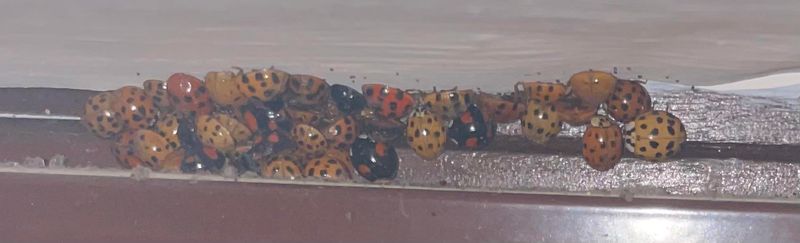
Setting off a bug bomb might feel like taking charge. Sadly, it usually just fills the room with chemicals while the real crowd stays hidden.
Most beetles spending winter in your home are tucked inside wall cavities, attics, and other hard-to-reach spaces. Foggers and indoor sprays cannot get into those hideouts.
The few beetles you see on the window are only a tiny slice of the group.
There are other downsides too. These products can leave behind sticky residue or stain surfaces like counters and fabric.
Using too much may also expose your family and pets to chemicals you would rather avoid.
Another surprise problem can show up later. When large numbers of beetles are left inside walls after a treatment, they may attract scavenging pests like carpet beetles.
Now you have traded one nuisance for another.
So what works better? Stick with the steps that truly help: sealing gaps, fixing screens, and vacuuming visitors.
If the problem seems huge, call a licensed pest professional who may treat the outside of your home in early fall.
Think of it as playing defense instead of throwing random punches. A calm, steady plan keeps your home comfortable and your air fresh all season long.