Why Arizona Yards Suddenly Fill With Clouds Of Yellow Butterflies Every October
Every fall, someone in Phoenix or Tucson posts a photo of a yard buzzing with butterflies and asks what they are. The answer is trickier than the headline suggests, because not every swarm is yellow and not every year brings one.
Knowing which butterfly you are looking at changes how you plan your garden. A few native plants can give local butterflies real food, even if they never promise a crowd.
Identify the butterflies before naming the event
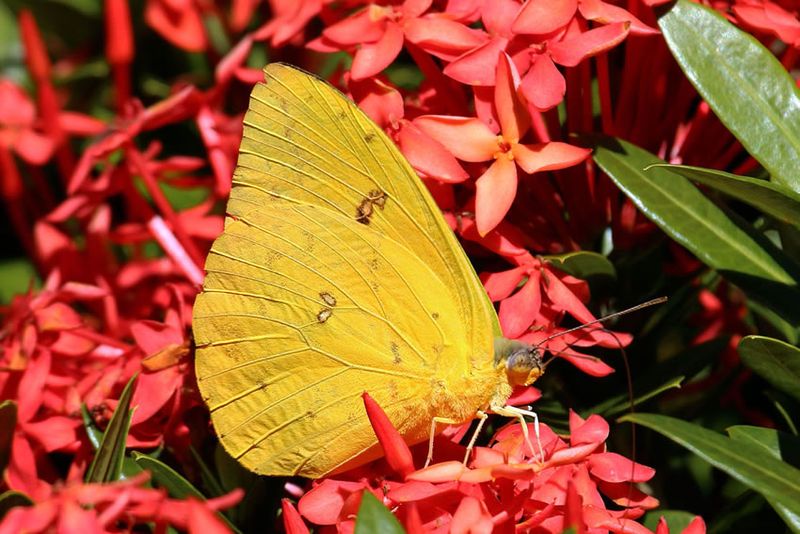
Picture a butterfly with solid, bright yellow upper wings, no heavy black borders, flitting low across a Sonoran Desert yard. That is a handy clue for a cloudless sulphur, though a quick description is not a full identification key.
Arizona has other sulphurs too, including orange and clouded sulphurs, so look closely before settling on a name.
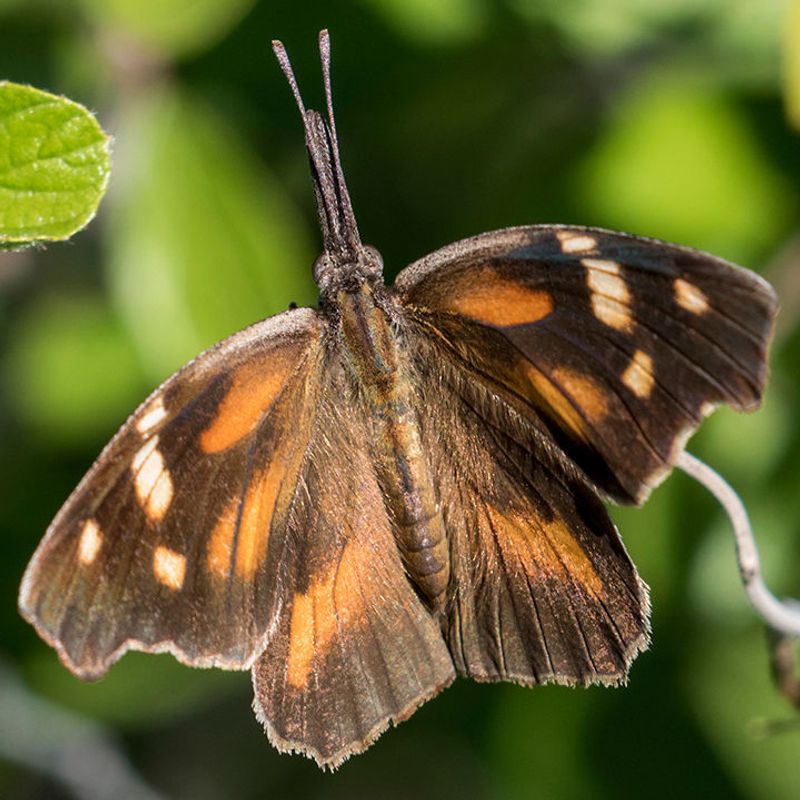
Now picture something quite different: a small butterfly that is brown with orange patches and a long, pointed snout. That is an American snout.
According to a September 2026 Tucson report, the conspicuous influx of butterflies on local roads and yards was American snouts, not yellow sulphurs.
Try this next time a flurry appears. Note the upper wing color, look for that snout, and snap a photo.
A clear picture beats a guess, and it lets you share a trustworthy sighting.
Seasonal presence does not establish an October surge
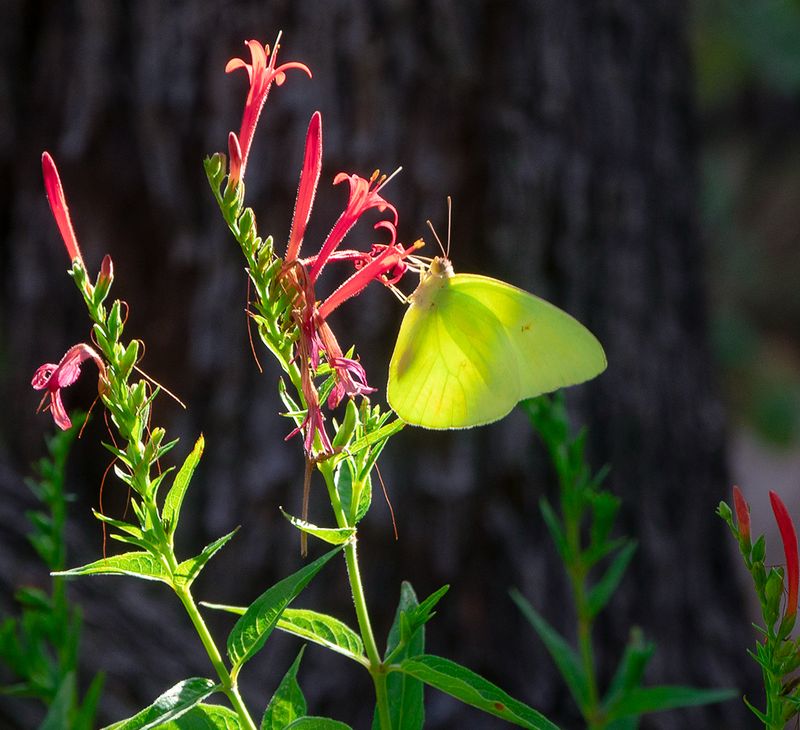
Cloudless sulphurs are widely found in the Sonoran Desert, and a University of Arizona pollinator guide places them here mostly from April through October. October sits inside that window, but that is a season, not a scheduled event.
One southeastern Arizona observer has reported sulphurs arriving from Mexico in late summer and early fall, searching for nectar at flowering shrubs and gardens. That is a firsthand account, not a tracking study.
It does not show that Phoenix or Tucson yards fill up on a reliable yearly timetable.
The best-measured southbound fall flights come from the southeastern United States, where Florida researchers have documented them. Arizona has no proven route like that.
So treat a golden afternoon in your yard as a lucky sighting, not a calendar date.
Nectar feeds adults; host plants support larvae
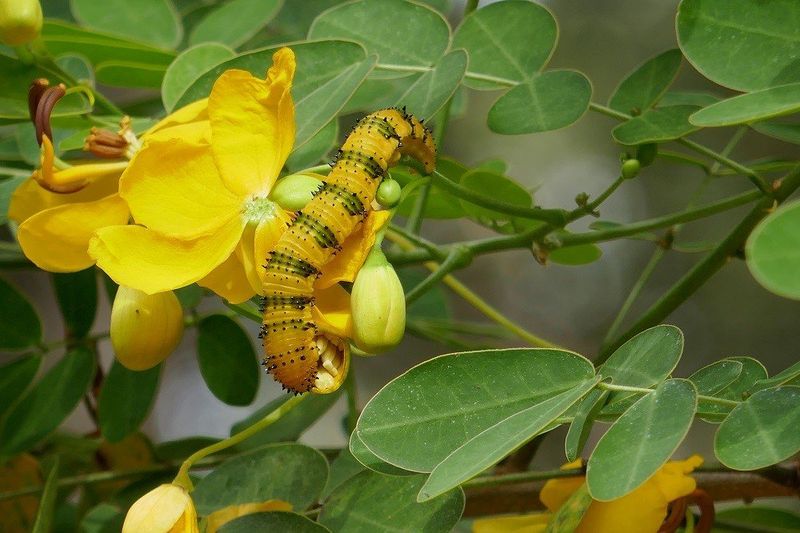
Adult butterflies wander. A sulphur drifting through your yard may simply be hunting for nectar, as the Arizona observer described.
Nectar powers the adult, but a plant that offers only flowers does not necessarily feed caterpillars.
Host plants do that job. Female cloudless sulphurs lay eggs one at a time on host plants, and the larvae then eat the foliage, buds, and flowers, as described in Florida extension guidance.
This explains why a host plant gives a different benefit than a pretty nectar bloom. It offers a nursery as well as a snack bar.
Still, a visiting adult will not always lay eggs, so enjoy any caterpillar you spot as a bonus.
Desert senna is a native host-plant choice
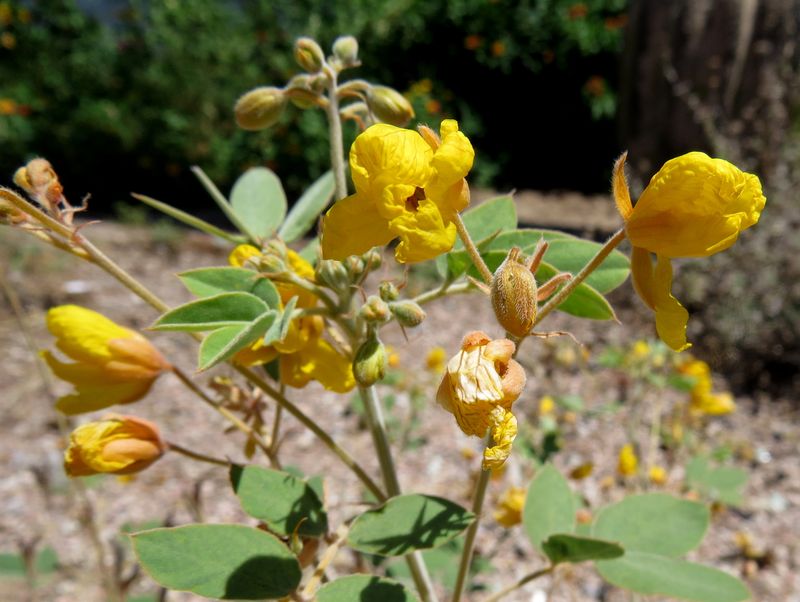
Desert senna (Senna covesii) is a tough low-desert shrub with soft gray-green leaves and clusters of yellow flowers. The Arizona Native Plant Society lists it as Arizona-native, full-sun, low-water once established, and blooming from April to October.
Your Arizona Garden Changes Every Week. Your Plan Should Too.
Gardening in Arizona changes quickly throughout the season. Every Friday you’ll receive a simple weekly plan showing exactly what to plant, prune, fertilize, harvest, and protect so you never miss the right timing.
Its value goes past nectar. Arizona sources identify senna species as cloudless sulphur host plants, and Desert Museum plant information notes that sulphur butterflies use it for their caterpillars.
That makes it a sensible pick for a water-wise yard that works for wildlife. Planting it may offer both food for adults and a place for larvae to feed.
It cannot guarantee visits, eggs, or caterpillars, so think of it as an invitation rather than a promise.
Plan for establishment and accept some feeding
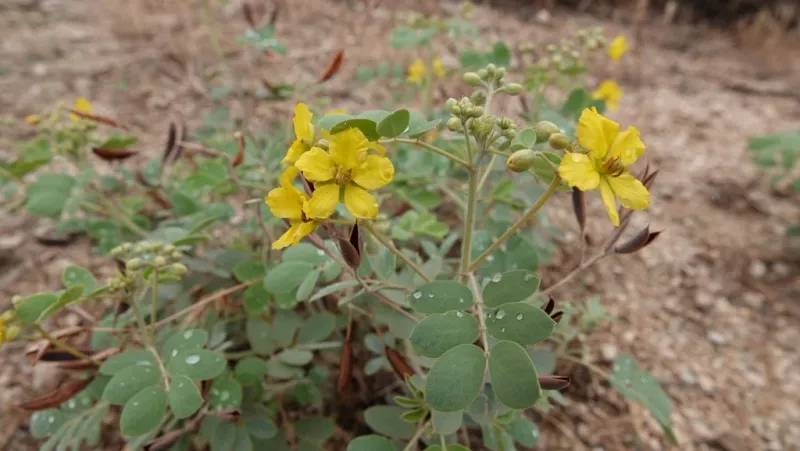
Give desert senna a spot in full sun. Low water needs apply especially after the plant is established, so a new planting still needs regular watering at first.
Desert Museum guidance says it needs no fertilizer or routine pruning, and University of Arizona watering guidance advises that new desert-adapted plants need progressively less frequent watering as they settle in.
Fall and early spring are the best planting windows in the low desert, since roots can grow before extreme heat arrives.
Other regional host options include shrubby senna and long-pod senna. If caterpillars show up, expect chewed leaves, buds, and flowers.
That nibbling is the habitat working as intended, so resist the urge to rescue the plant.
Create habitat without expecting a swarm
Plant senna to offer nectar and possible host-plant resources, and keep your hopes realistic. Some years a few sulphurs may stop by, and some years they may not.
Neither outcome means your garden failed.
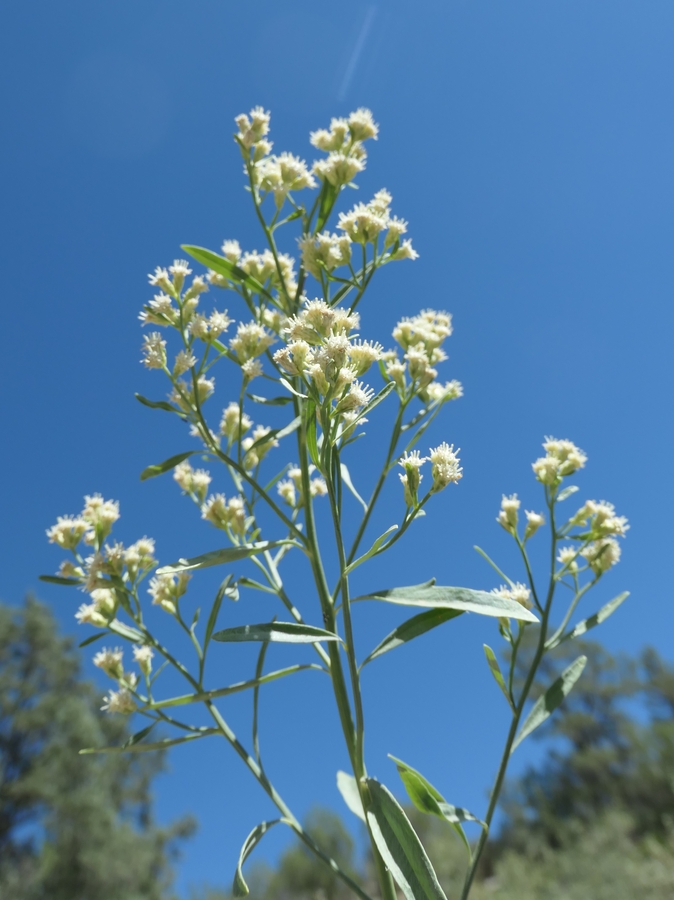
For fall watching, flowering desert broom is worth a look. The Arizona-Sonora Desert Museum notes that it can bring many butterfly species together, including sulphurs and snouts.
It is a good observation plant, but it is not a confirmed cloudless sulphur host.
A yard with blooms, host plants, and sensible watering is real habitat. It is not a proven stop on a migration route.
A butterfly garden is a lot like a porch light: it welcomes whoever happens by.