Don’t Let Whiteflies Take Over Your Arizona Sweet Potato Vines
You brush past your sweet potato vine, and a soft cloud of tiny white insects lifts into the air like something out of a nature documentary you did not sign up for.
Welcome to whiteflies, one of those garden pests that manages to be both extremely small and extremely annoying at the same time.
In warm Arizona landscapes, sweet potato vines are basically a whitefly’s idea of a great time.
All that lush, trailing foliage pumping out fresh new growth gives sap-feeding insects exactly the kind of buffet they’re looking for, and the warm conditions Arizona serves up for most of the year keep things comfortable for them year-round.
The good news is that catching a whitefly problem early and staying consistent with a few simple habits can make a real difference before things get out of hand.
1. Spotting Whitefly Trouble Early In Arizona Gardens
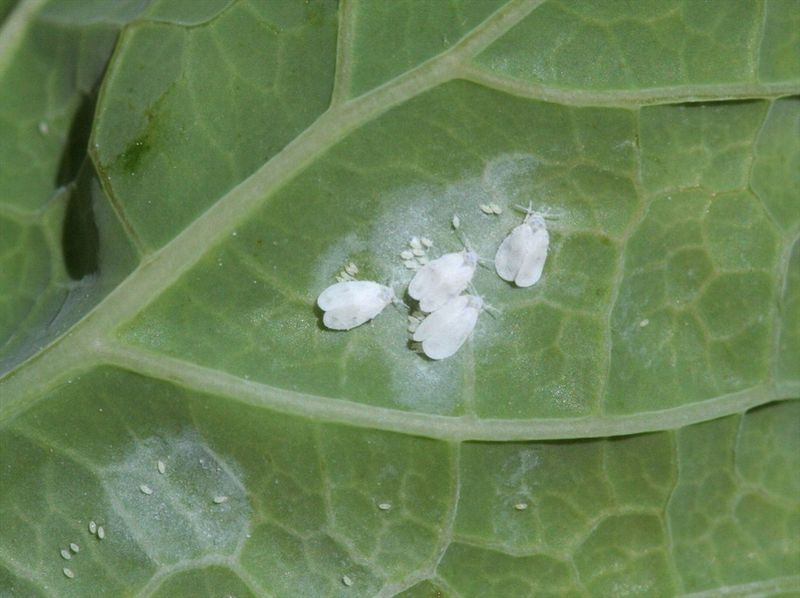
Catching a problem early can make whiteflies much easier to manage. These insects are tiny, with pale, powdery-looking wings that become noticeable when adults flutter away from disturbed foliage.
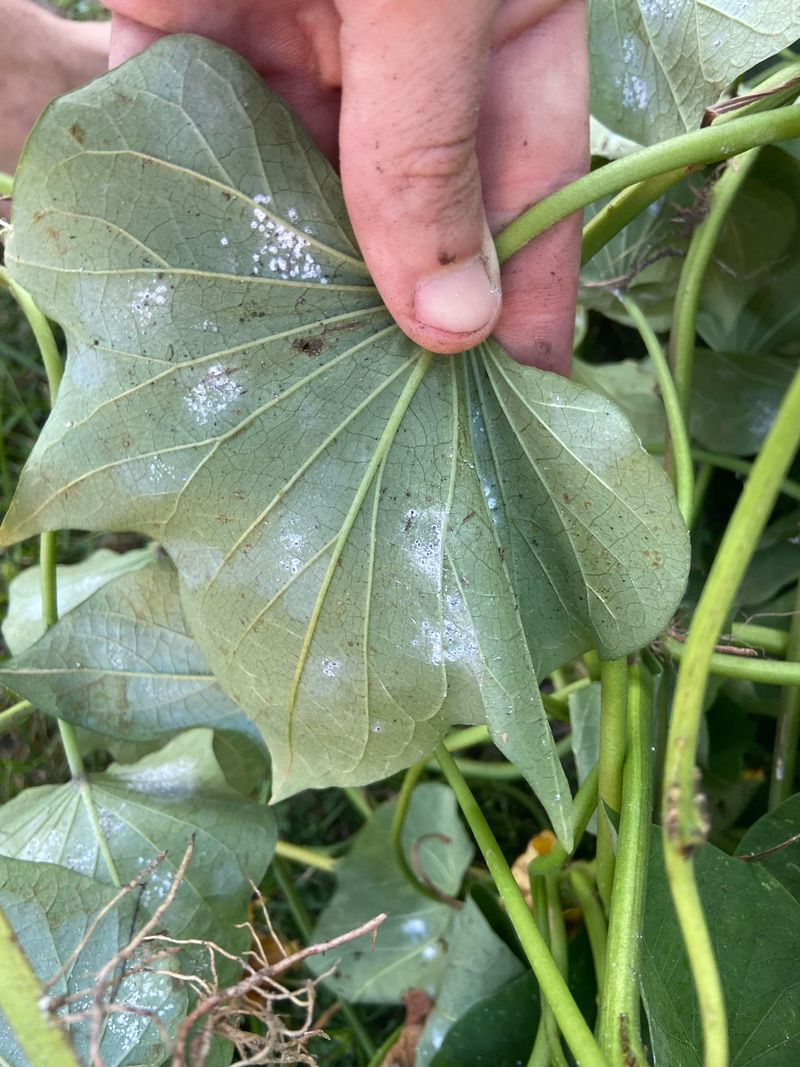
On sweet potato vines, whiteflies commonly gather on the undersides of leaves. That protected location is also where you can find immature stages attached to the leaf surface.
You might first notice a small cloud of white insects rising when you touch or move the plant. Another clue is sticky foliage caused by honeydew, the sugary waste whiteflies produce while feeding.
Honeydew can attract ants and support the growth of dark sooty mold. The mold grows on the sugary coating rather than directly feeding on the plant itself, but a heavy coating can interfere with the amount of light reaching the leaf surface.
Take a few minutes regularly to turn over several leaves and look closely. A hand lens can make eggs and immature whiteflies much easier to see.
Pay attention to newer growth as well as older leaves instead of checking only one part of the vine. Looking at several areas gives you a better idea of how widespread the problem may be.
Keeping simple notes can also help you see whether numbers are increasing. Arizona’s warm growing season can allow whitefly populations to develop quickly when conditions are favorable, so regular monitoring gives you a useful head start.
2. Why Arizona Heat Makes Whiteflies Thrive
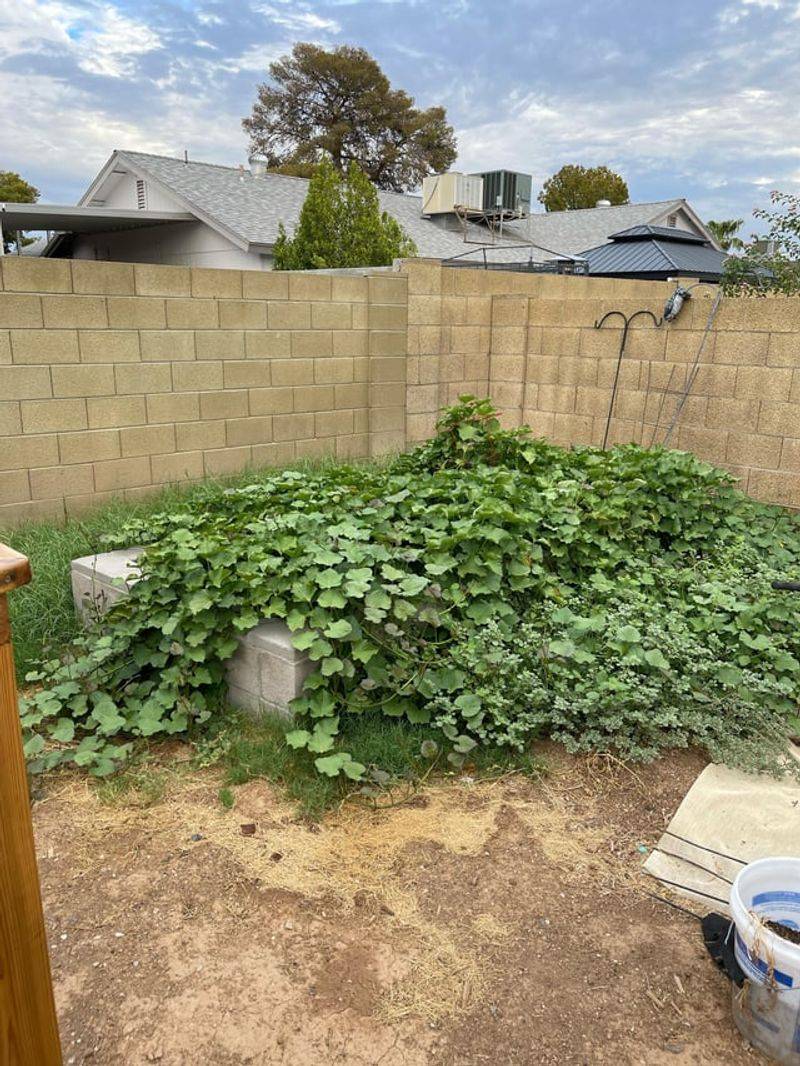
Warm conditions can support rapid whitefly development, which helps explain why these pests can become troublesome during Arizona’s long growing season.
Temperature affects how quickly whiteflies develop, although extreme heat does not necessarily benefit them indefinitely.
Under favorable temperatures, whiteflies can complete generations in a relatively short period. That means a population that looks minor during one inspection may become much more noticeable later if conditions remain suitable.
Sweet potato vines can produce plenty of tender foliage during active growth. Those leaves provide feeding sites for adults and developing whiteflies.
Irrigated Arizona landscapes can also keep host plants actively growing during otherwise dry periods. It is the combination of suitable temperatures and available host plants, rather than humidity alone, that can help whitefly populations persist.
Your Arizona Garden Changes Every Week. Your Plan Should Too.
Gardening in Arizona changes quickly throughout the season. Every Friday you’ll receive a simple weekly plan showing exactly what to plant, prune, fertilize, harvest, and protect so you never miss the right timing.
This is why regular inspection matters more than simply assuming summer heat will create a problem. Weather, plant condition, natural enemies, and the number of whiteflies already present can all influence what happens next.
Good spacing can make vines easier to inspect and improve air movement through dense foliage. It also makes it easier to reach leaf undersides when monitoring or applying a treatment.
Rather than thinking of heat as the sole cause, consider it one part of the picture. Warm conditions can speed whitefly development, but a healthy garden ecosystem and early management can still help limit population growth.
3. Using Yellow Sticky Traps Around Arizona Vines
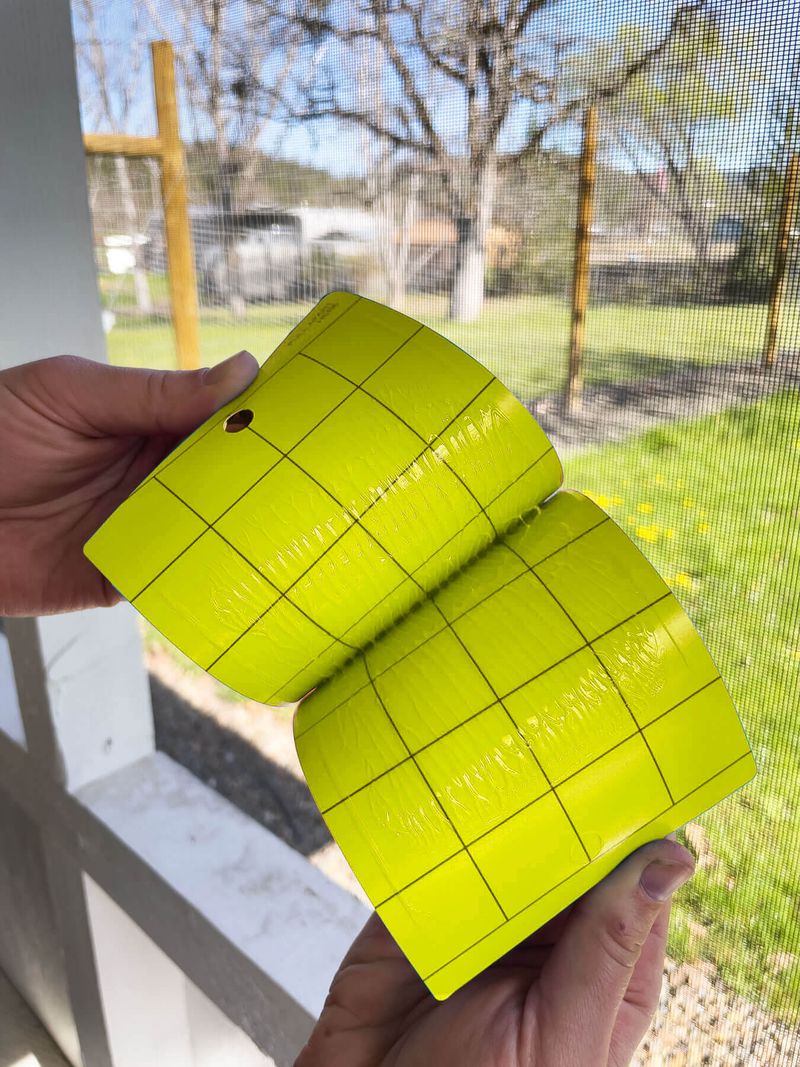
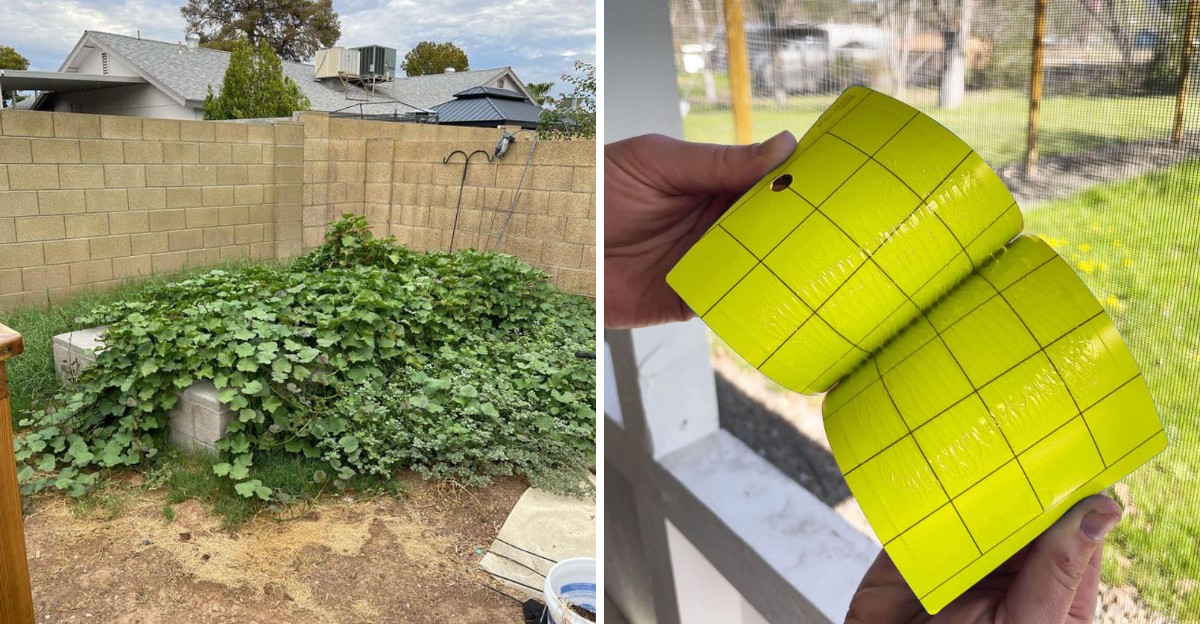
Yellow sticky traps are useful because adult whiteflies are attracted to yellow. The cards capture flying adults when they land on the sticky surface.
Place traps near sweet potato vines where they are easy to inspect. Positioning them around the level of the plant canopy can help you monitor adults moving around the foliage.
Check the cards regularly and compare what you see from one inspection to the next. An increase in captured whiteflies can signal that it is time to examine your vines more carefully.
Sticky traps are particularly useful for monitoring because whiteflies can be difficult to notice while they remain beneath leaves. A trap can alert you to adult activity even before obvious plant damage appears.
Several traps placed through a larger planting can provide a better picture than a single card in one corner. Replace cards once dust, debris, or captured insects cover enough of the sticky surface to make them less useful.
However, traps should not be treated as a complete solution for an established infestation. They mainly capture flying adults and do not remove immature whiteflies already developing on the leaves.
Think of sticky cards as an early-warning system within a broader management plan. Pair what you see on the traps with direct leaf inspections before deciding whether additional action is needed.
4. Spraying Water To Knock Whiteflies Off Arizona Plants
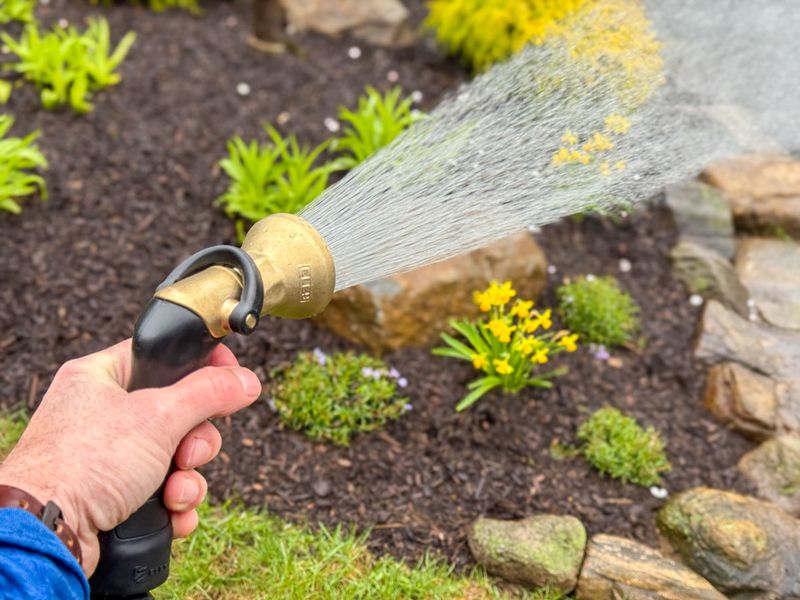
A stream of water can provide a simple way to dislodge some whiteflies from sweet potato vines. This method is especially practical when populations are still manageable and you want to avoid immediately reaching for a pesticide.
Direct the water toward the undersides of the leaves, where whiteflies commonly feed and develop. Use enough pressure to dislodge pests without tearing tender foliage or damaging stems.
Water can also rinse away some of the honeydew that accumulates on infested leaves. Removing that sticky coating may reduce the surface available for sooty mold growth, although the honeydew can return while whiteflies remain active.
Early morning is a practical time to work in an Arizona garden because temperatures are generally cooler. It also gives foliage time to dry as the day progresses.
Do not assume one spray will remove an entire infestation. Check the plant again afterward and repeat the process as needed based on what you find.
Try to keep the root zone in mind while spraying. Repeatedly soaking the soil when the plant does not need irrigation can create unnecessary moisture around the roots.
Water sprays work best as one part of an integrated approach. Combining them with monitoring, natural enemies, and other appropriate controls can provide better results than relying on a single method.
5. Inviting Helpful Bugs Into Your Arizona Garden
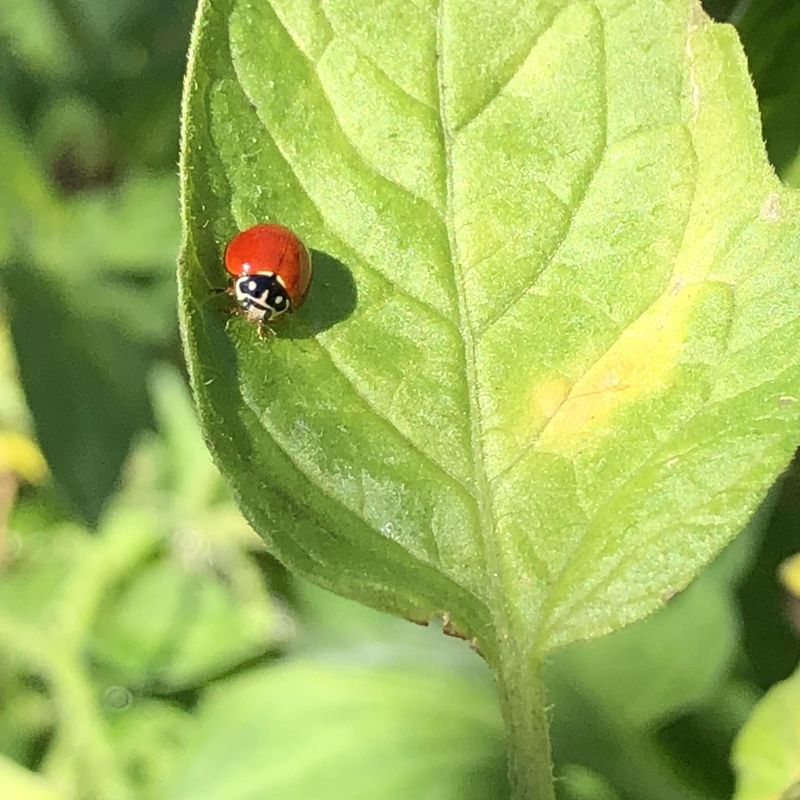
Many insects in an Arizona garden are allies rather than pests. Several predators and parasitoids feed on whiteflies or develop using whiteflies as hosts, helping limit their numbers naturally.
Lady beetles and lacewing larvae are among the predators that can feed on whiteflies. Tiny parasitic wasps are also important natural enemies of several whitefly species.
Flowering plants can provide nectar and other resources for beneficial insects. Plants such as sweet alyssum and yarrow are commonly used to support beneficial insects, although the species visiting your garden will depend on location, season, and surrounding habitat.
Avoid unnecessary use of broad-spectrum insecticides when beneficial insects are active. These products can affect natural enemies along with the pests you are trying to manage.
Some gardeners purchase lady beetles for release, but purchased adults may disperse rather than remain exactly where they are placed. Releasing them during cooler conditions may reduce immediate dispersal, but it cannot guarantee that they will stay.
Creating suitable habitat over time is generally more useful than expecting one release to solve an infestation. Flowering plants, appropriate shelter, and a varied landscape can support a broader community of beneficial insects.
A garden does not need to be insect-free to be healthy. Seeing predators and parasitoids around your vines can be a sign that natural pest control is already taking place.
6. Trying Gentle Soap Sprays On Arizona Sweet Potato Vines
When whiteflies become difficult to manage with monitoring and water sprays alone, insecticidal soap may be an appropriate option. These products work through direct contact with soft-bodied pests.
Choose a commercially formulated insecticidal soap labeled for use on the plants and pests you are treating. Follow the product label rather than making a homemade mixture from household dish detergent, which can injure plant tissue.
Coverage matters because insecticidal soap has little or no useful residual activity after it dries. Direct the spray toward the undersides of leaves where whitefly adults and immature stages are likely to be present.
Arizona heat makes application timing especially important. Avoid treating plants during very hot conditions or when they are already experiencing significant water stress.
Early morning or evening may provide more suitable conditions, depending on the product label and current weather. The label should remain your guide for application timing, concentration, and repeat treatments.
Testing the product on a small portion of the plant can also help reveal sensitivity before treating the entire vine. Check the test area for injury before proceeding with a larger application.
One treatment may not reach every life stage present on the plant. Continue monitoring after treatment and repeat only as directed by the label if whiteflies remain active.
7. Keeping Arizona Vines Strong With Good Care
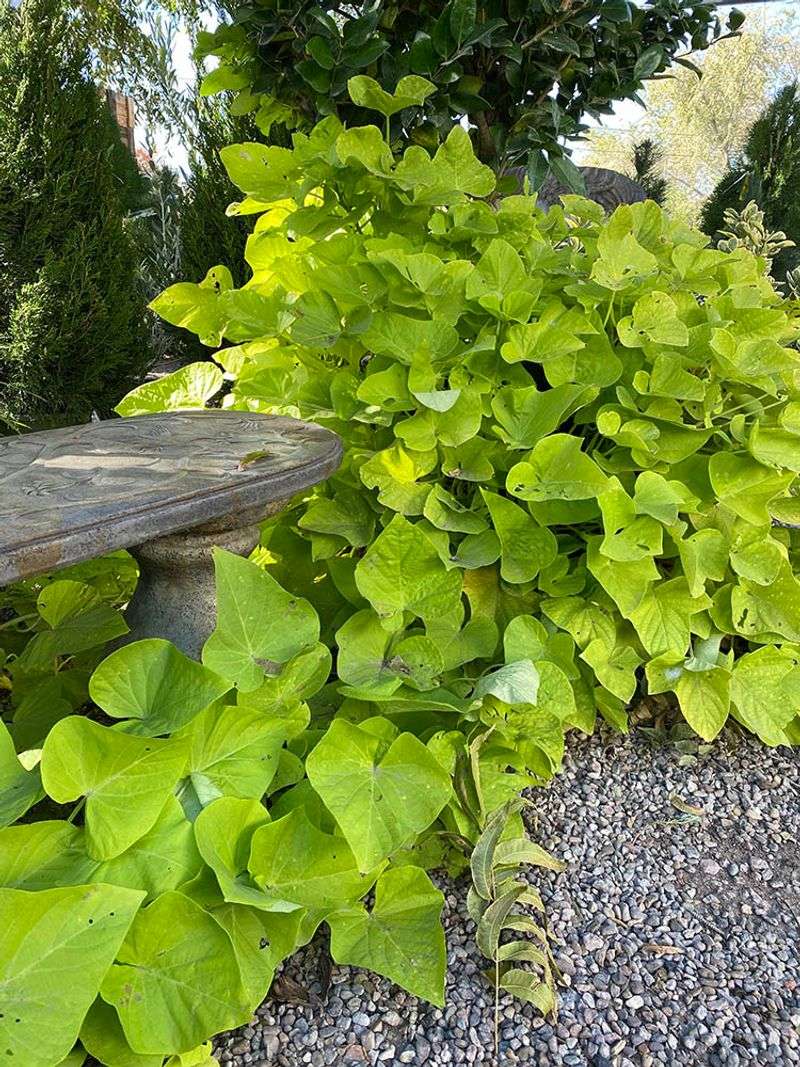
Healthy sweet potato vines can often tolerate some pest feeding better than plants already struggling with environmental stress. Good care does not make a plant immune to whiteflies, but it can support its ability to continue growing.
Check soil moisture rather than following a rigid watering schedule. Sweet potato vines need adequate moisture, especially during hot weather, but constantly saturated soil can create a different set of problems.
Containers may dry faster than vines planted in garden beds, particularly when pots receive strong sun or reflected heat. Checking the growing medium helps you decide when irrigation is actually needed.
Good soil and appropriate nutrition also support steady growth. Compost can improve soil structure and contribute nutrients, but fertilization should still match the plant’s needs.
Avoid excessive nitrogen fertilizer. Large amounts of nitrogen can encourage lush, tender growth that may be more favorable to some sap-feeding pests.
Weed management is useful because some weeds can serve as alternate hosts for whiteflies. Removing unnecessary host plants around your vines can therefore be more relevant than simply clearing ordinary garden debris.
If a few leaves are heavily infested, removing them may help reduce localized populations. Avoid stripping large amounts of healthy foliage unnecessarily, since the plant still needs leaves for photosynthesis.
8. Staying Ahead Of Whiteflies All Season In Arizona
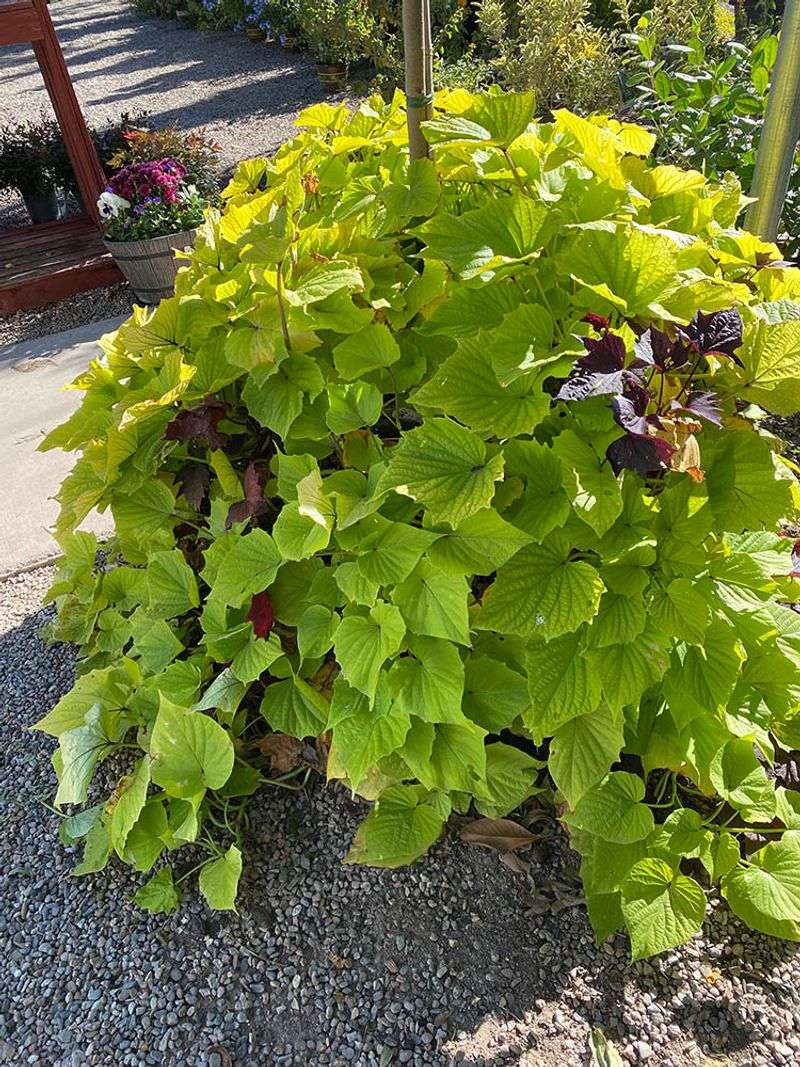
Managing whiteflies usually works better as an ongoing process than as a response to one large outbreak. Regular monitoring gives you the chance to notice changes while populations are still easier to address.
Inspect the undersides of leaves several times during periods when whiteflies are active. Yellow sticky cards can add another layer of monitoring by showing changes in adult activity.
Use several compatible management methods when needed. Water sprays, natural enemies, appropriate plant care, and labeled insecticidal soap can each play a different role.
There is little benefit in switching methods simply to keep whiteflies from becoming “comfortable” with one technique. Instead, integrated pest management combines approaches because no single method addresses every stage of the pest.
Keep brief notes about what you see if whiteflies become a recurring problem. Tracking numbers, plant symptoms, treatments, and weather can make it easier to recognize patterns.
Check new plants before placing them beside established vines. Whiteflies and immature stages can arrive on infested plant material without being immediately obvious.
Weed control can also matter because some species provide alternate whitefly hosts. Focus your cleanup efforts on infested plant material and potential host plants rather than assuming whiteflies mainly shelter in fallen leaves or ordinary yard debris.
With regular observation and timely action, whitefly populations can often be managed before they cause extensive problems. A few minutes spent checking leaves can tell you far more than waiting until the entire vine looks stressed.