8 Arizona Herbs That Only Thrive When Planted in Fall, Not Spring
If your spring herb garden always seems to fizzle out by June, the calendar might be the real problem. In the low desert of Phoenix and Tucson, fall is the true start of the growing season, when cool nights and warm days give young roots time to settle in.
Plant the right herbs in October or November, and they can feed your kitchen, draw in helpful insects, and stand up to summer heat. Here are eight herbs that do their best work when you plant them as the weather cools.
1. Cilantro
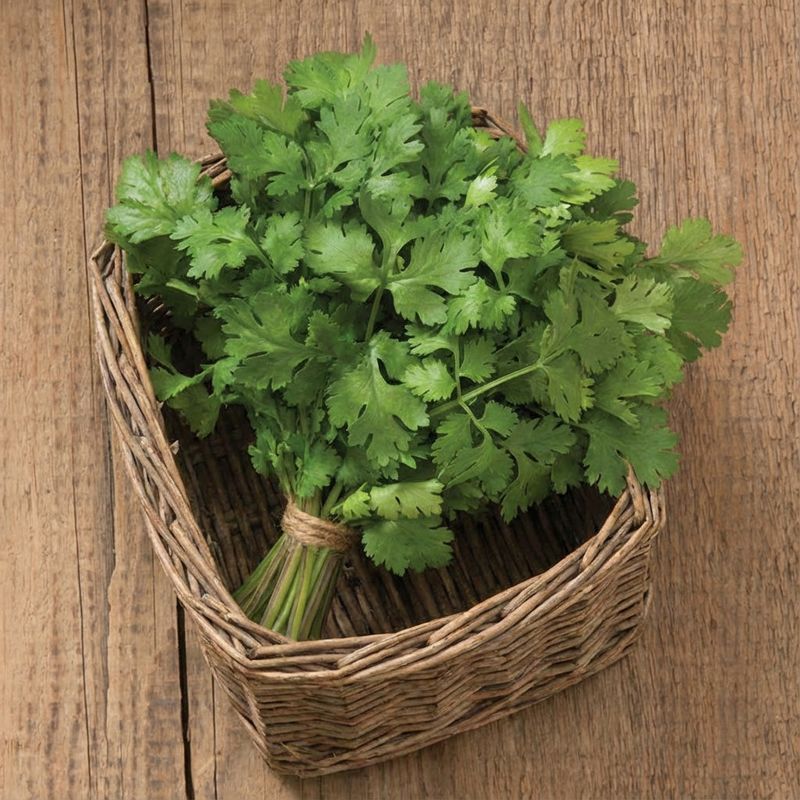
Anyone who has planted cilantro in April knows the heartbreak. One warm week, and the whole patch shoots up skinny flower stalks before you get more than a handful of leaves.
Fall planting flips that story. Sow seeds directly into loose soil from October through early winter, and cilantro enjoys months of mild weather in the Valley.
You can snip fresh leaves for salsa and tacos all the way into March, since the plant has no reason to rush into flowering when days stay cool.
There is a bonus for anyone who wants a yard that works hard. When cilantro finally does bloom in spring, its tiny white flowers attract hoverflies, ladybugs, green lacewings, and small parasitic wasps.
These helpers may reduce aphids and other soft-bodied pests around your vegetables, so letting a few plants flower is a smart move.
For best results, sow a short row every two to three weeks so you always have young plants coming up. Give the bed morning sun and some afternoon shade, and keep the soil lightly moist while seeds sprout.
Fun fact: the dried seeds are coriander, so even a bolted plant hands you a second harvest for the spice rack.
2. Dill
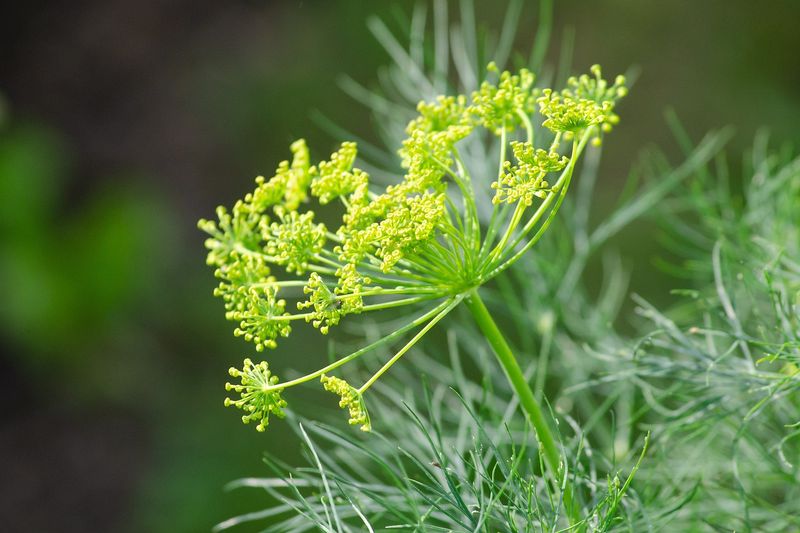
Picture a cloud of soft, feathery green swaying in a February breeze. Fall-sown dill turns into exactly that, and the airy look hides a plant that is quietly busy supporting your garden.
Like its cousin cilantro, dill dislikes heat. Spring plantings in Arizona tend to bolt fast, giving you thin stems and very little foliage.
Seeds planted from October through December, however, grow tall and full through the cool months, offering plenty of fronds for pickles, fish, and potato salad.
Once those bright yellow flower umbrellas open, the real magic begins. Hoverflies, lady beetles, and tiny beneficial wasps flock to the blooms, and their young can help keep aphid numbers in check.
Dill is also a host plant for swallowtail caterpillars, so you may spot striped green visitors munching the leaves. Consider planting a little extra to share with them.
Dill grows a long taproot and resents being moved, so sow it right where you want it. Choose a sunny spot, ideally one sheltered from strong winds that can flatten tall stems.
Water deeply but not often, letting the top inch of soil dry between drinks. Thin seedlings to about a foot apart so air can flow freely.
3. Parsley
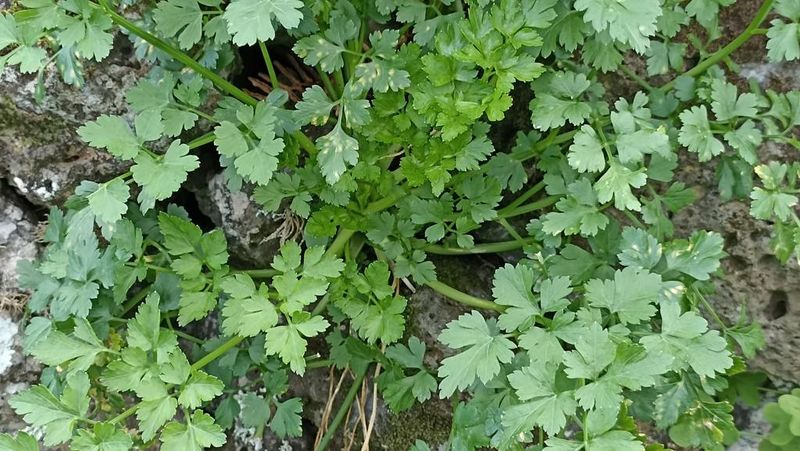
Parsley is the dependable friend of the herb world. It rarely shows off, yet it keeps showing up, and in the low desert it shows up best when you plant it in fall.
Your Arizona Garden Changes Every Week. Your Plan Should Too.
Gardening in Arizona changes quickly throughout the season. Every Friday you’ll receive a simple weekly plan showing exactly what to plant, prune, fertilize, harvest, and protect so you never miss the right timing.
Technically a biennial, parsley grows leaves in its first year and flowers in its second. Arizona heat speeds up that schedule, so spring transplants often bolt before they ever get bushy.
Set plants or seeds out between October and December, and you can expect steady harvests of both curly and flat-leaf types right through late spring.
Seeds are famously slow, sometimes taking three weeks to sprout. Soaking them overnight in warm water can speed things along.
Many gardeners simply buy nursery starts to skip the wait, which works beautifully in fall.
When parsley flowers in its second spring, it pulls in tiny predatory wasps and hoverflies that may help manage garden pests. Swallowtail butterflies also lay eggs on the foliage, turning your herb pot into a small butterfly nursery.
Give parsley full winter sun, then move potted plants into afternoon shade as April warms. Pick outer stems first so the center keeps producing.
A layer of mulch helps the soil hold moisture and keeps roots cooler as temperatures climb.
4. Chamomile
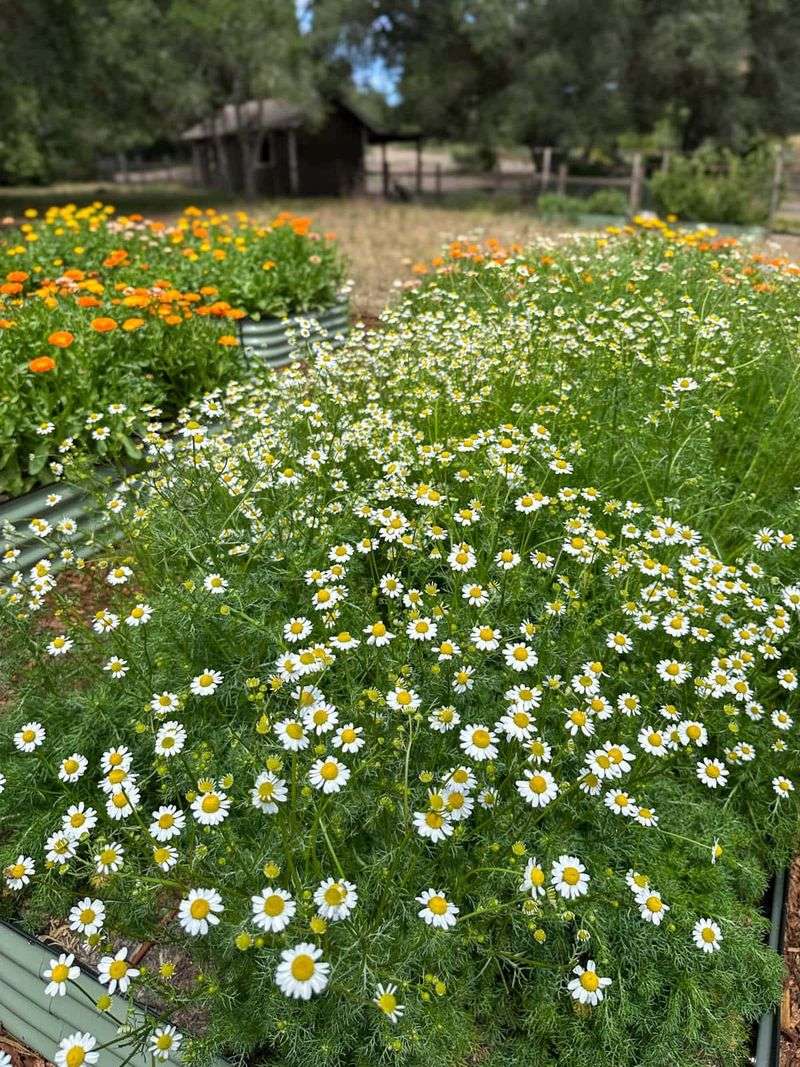
Nothing says spring in the desert quite like a carpet of tiny white daisies with sunny yellow centers. That sweet scene starts months earlier, with seeds scattered on bare soil in the cool days of fall.
German chamomile is a cool-season annual that wants mild weather to grow roots and leaves before it blooms. Sow seeds from October through December by pressing them lightly onto the soil surface, since they need light to sprout.
Keep the area damp until seedlings appear, which usually takes a week or two.
By late February and March, plants burst into bloom. Pick flower heads when the petals are fully open, then dry them for a calming homemade tea.
Regular picking also encourages more flowers to form.
Chamomile earns its spot beyond the teacup, too. The blossoms attract small native bees, hoverflies, and other pollinators that are active during the desert spring.
Hoverfly larvae can help reduce aphids on nearby plants, giving your whole garden a hand.
Spring-sown chamomile, on the other hand, barely blooms before heat scorches it. Let a few flowers go to seed in late spring, and you may find volunteer seedlings popping up on their own next fall.
5. Rosemary
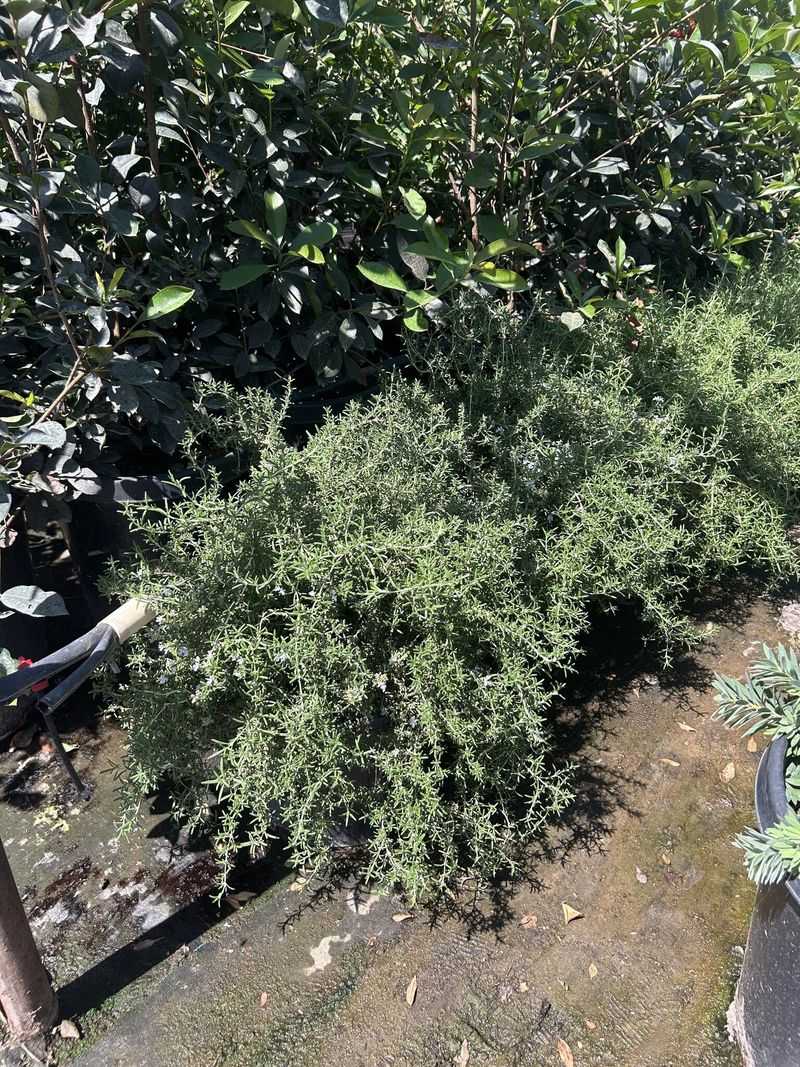
Ask any longtime Phoenix gardener which herb never quits, and rosemary will top the list. Some neighborhood shrubs are older than the houses’ paint jobs, still blooming blue every winter.
The secret behind that toughness is timing. Planted in October, rosemary has seven or eight mild months to push roots deep into the ground before triple-digit heat arrives.
Spring transplants, by contrast, face their first brutal summer with shallow roots and often struggle or decline.
Once established, rosemary handles drought and heat better than almost any culinary herb. A deep watering every couple of weeks in summer is usually plenty, and even less in winter.
Too much water is a bigger threat than too little, so plant it in well-draining soil and skip rich compost.
Its winter and spring flowers are a buffet for bees and other pollinators when few plants are blooming. The strong, resinous scent may also help deter certain pests like cabbage moths, making it a handy border plant near vegetable beds.
Choose upright types for hedges or trailing varieties to spill over walls. Either way, you get a fragrant, water-wise shrub that keeps your kitchen stocked for years.
6. Sage
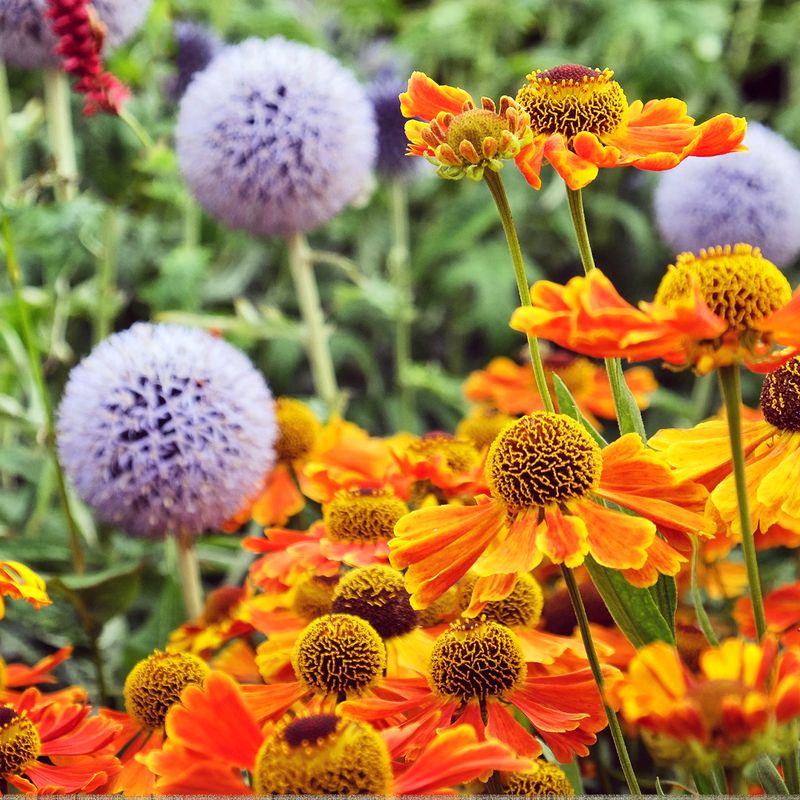
Run your fingers across a sage leaf and you will feel a soft, velvety fuzz. That texture is not just pleasant.
It is built-in sun protection that helps the plant hold onto water in the dry desert air.
Even with that clever design, sage needs a head start. Fall planting gives perennial sage the cool season to grow a strong root system, and those roots carry it through its first summer.
Spring-planted sage often wilts and fades in July before it ever gets settled.
Plant it in a spot with full winter sun and some afternoon shade in summer, perhaps on the east side of the house or under the filtered canopy of a mesquite. Well-draining soil is a must, since soggy roots cause more trouble than heat.
In spring, spikes of purple-blue flowers open and draw in bees, butterflies, and sometimes hummingbirds. That steady pollinator traffic can boost fruit set on nearby squash and tomatoes.
For the kitchen, harvest leaves for stuffing, roasted vegetables, or brown butter pasta. Trim lightly after flowering to keep the plant bushy.
With a bit of care, one fall-planted sage can supply your cooking for three or four years.
7. Oregano
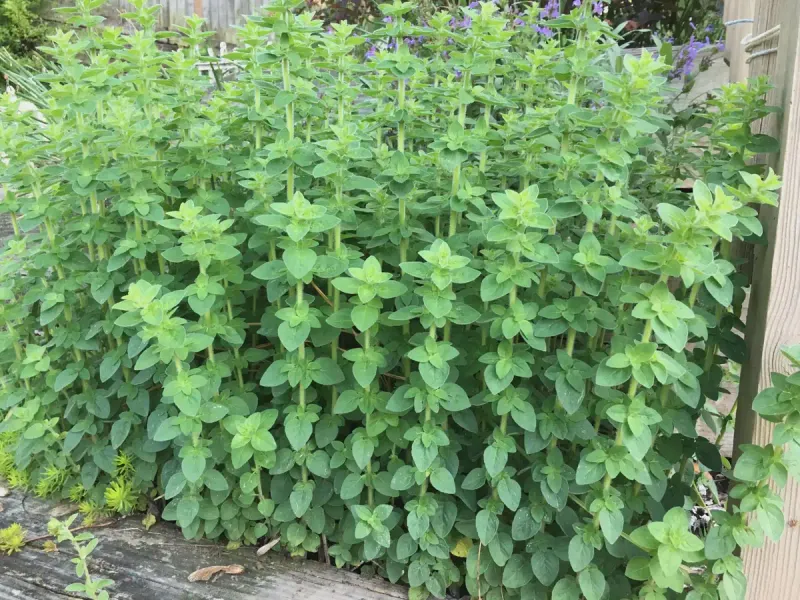
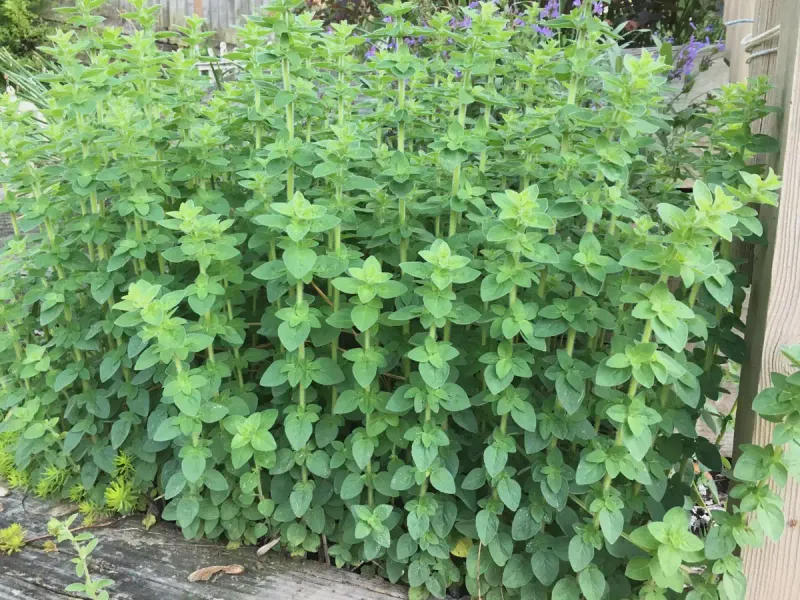
Oregano grows wild on sunbaked Mediterranean hillsides, so it already feels a bit at home in Arizona. Dry air, bright light, and lean soil suit it just fine, as long as you plant it at the right time.
Fall is that time. Setting oregano out in October or November lets it spread roots during the gentle winter months.
By May, the plant is sturdy enough to handle rising heat, and it can keep growing for many years with little fuss. Spring-planted oregano often has a much rougher first summer.
Water needs are pleasantly low once the plant is established. A deep soak every week or so in summer, with afternoon shade, is usually enough.
Skip heavy fertilizer, since lean conditions actually concentrate the flavor in the leaves.
Let some stems flower in late spring and early summer. The small pink or white blooms are magnets for bees, butterflies, and beneficial insects like tiny predatory wasps, which may help keep caterpillars and aphids in balance.
Greek oregano offers the boldest flavor for pizza and sauces. Snip sprigs often to encourage bushy growth, and dry extra bundles in a shady spot for winter cooking.
8. Thyme
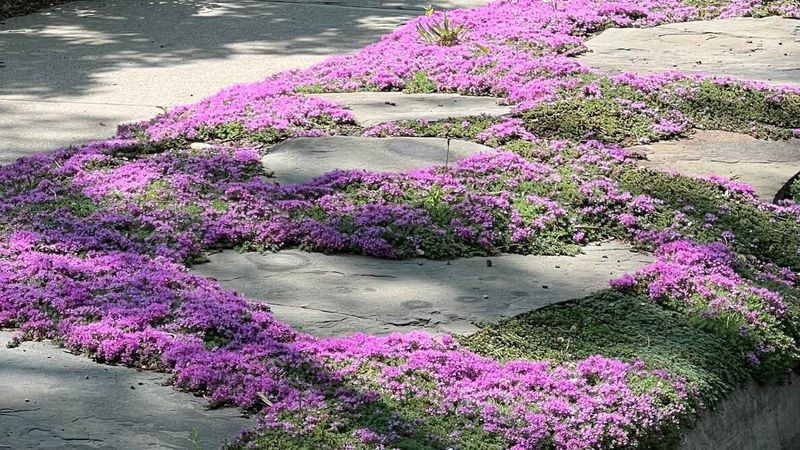
Small but mighty, thyme packs big flavor into leaves no larger than a grain of rice. It also does something most herbs cannot, quietly covering bare ground like a living mulch.
That low, spreading habit makes thyme a fantastic choice between stepping stones or along the edge of a water-wise bed. As it creeps outward, it shades the soil, which can help keep moisture from escaping and keep roots cooler during summer.
Fewer bare patches also mean fewer weeds to pull.
Getting there starts in fall. Planting thyme in October or November gives its fine roots time to anchor before peak heat arrives.
Young spring plants, with tiny root systems, often crisp up when June hits.
Give thyme fast-draining soil and a location with morning sun and afternoon relief. Water deeply when the top couple of inches are dry, then let it rest.
Overwatering is the most common mistake, so err on the dry side.
When the tiny lavender or pink flowers appear in spring, bees cover them eagerly. Both common thyme and creeping types work well here.
Snip sprigs for soups and roasted chicken, and enjoy a herb that looks good while saving water.