Why Your Azalea Leaves Are Turning Yellow In Fall
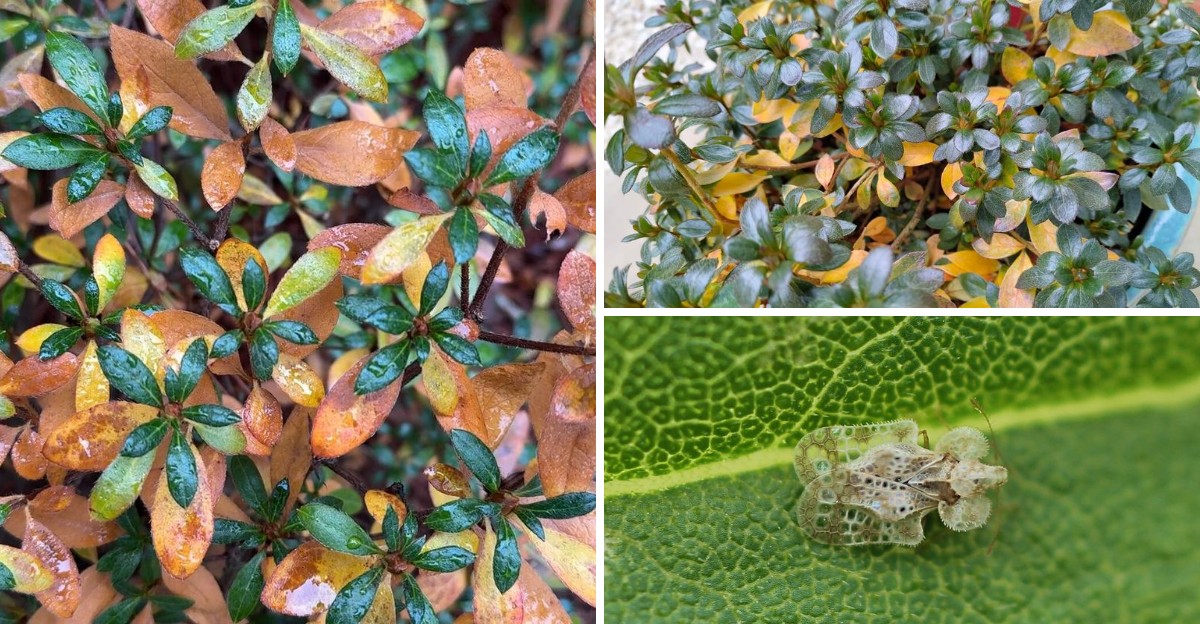
Yellow leaves just took over your favorite shrub, and you want answers. Pause before you grab the watering can.
Waterlogged roots often trigger yellowing, and your fall watering habits might be the cause. Check your soil by pushing a finger well below the surface.
Damp and cold means you should hold back on water. Pale new growth with dark veins signals an iron shortfall that alkaline soil often causes.
Older leaves fading from the bottom up point to low nitrogen in your soil. Sudden frost curls leaf edges when you leave shrubs uncovered on chilly nights.
Flip a leaf to spot sticky residue and pale speckles from tiny insects. Seasonal shedding stays tidy, touching inner leaves while outer branches look lush and full. Match what you see to the right cause, and you rescue the plant. Your sharp eyes win.
1. Natural Shedding From Older Leaves
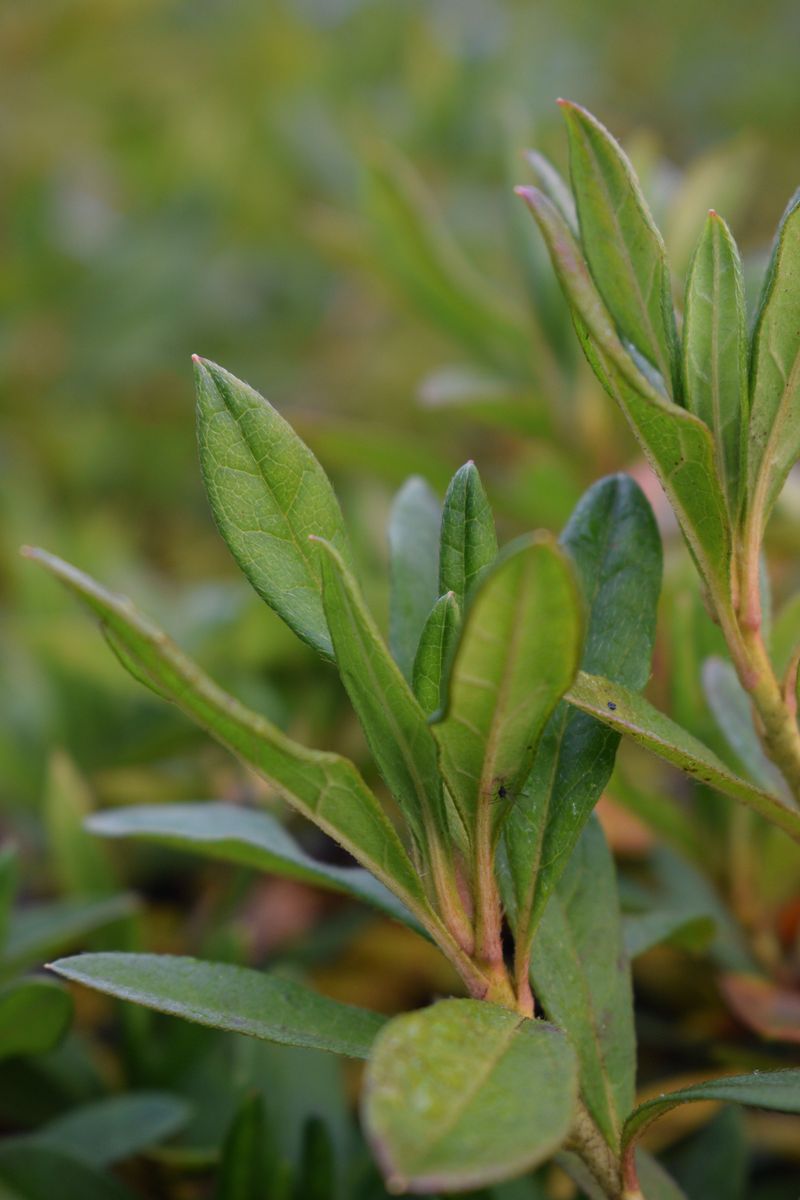
Every autumn, many azaleas drop a few of their oldest leaves, and that is normal. Even evergreen types swap out older foliage, usually the leaves sitting deepest inside the plant.
Think of it like cleaning out a closet before winter arrives. The shrub pulls useful nutrients back from those worn leaves, then lets them turn yellow and drop.
So how can you tell normal shedding from real trouble? Look at where the yellow leaves are showing up on the branches.
Seasonal shedding mostly hits the inner, lower leaves that grew a year or two ago. The fresh leaves near the branch tips should stay green, firm, and shiny.
Deciduous azaleas are a different story, since they drop every leaf each fall. Many turn vivid shades of yellow, orange, red, or purple before letting go.
Unsure which type you own, check the plant tag or show a nursery worker a quick photo. Experts there can usually tell whether your azalea is evergreen or deciduous.
Once you know shedding is natural, resist the urge to fertilize or flood the roots with water. Simply rake up fallen leaves so they do not trap moisture around the base.
Gardeners in warm southern states often see this shedding later, sometimes into early winter. Cooler northern yards may notice it as soon as September.
A few yellow leaves on the inner, lower branches in October are just your azalea getting ready for winter. Let it rest, and expect fresh growth to return in spring.
2. Soggy Roots From Overwatering
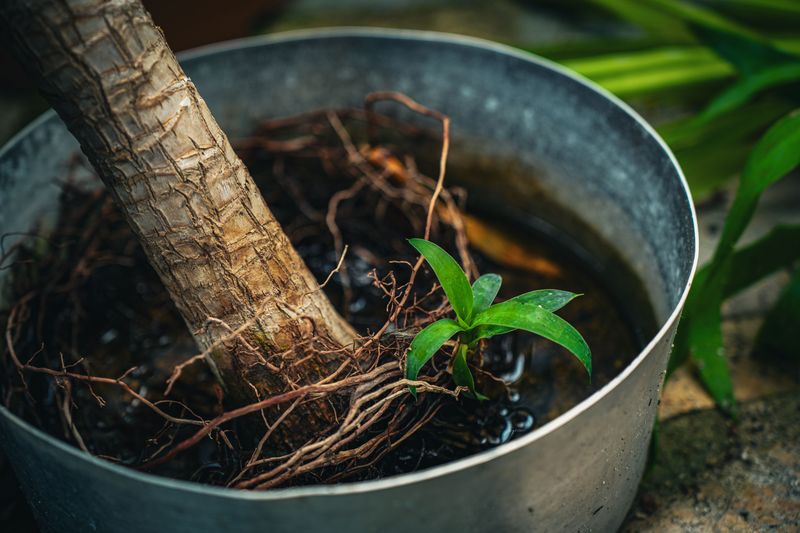
Picture wearing wet socks all day, every day, with no chance to change them. Azalea roots struggle in the same way when they sit in water too long.
Azaleas have shallow, hair-thin roots that need air as much as moisture. When soil stays soaked, those tiny roots cannot breathe, and leaves start turning yellow.
Fall makes overwatering easy to miss because the weather cools and plants drink less. Many people keep the same summer watering schedule and accidentally overwater their shrubs.
Overwatered leaves often look limp and yellow, sometimes with brown edges or soft spots. The soil around the base may smell sour or feel muddy for days.
Try the finger test before grabbing the hose this season. Push your finger about two inches into the soil and feel for moisture.
If the soil feels damp, wait a few more days before watering again. If it feels dry and crumbly, give the plant a slow, deep drink.
Sprinkler systems are a frequent cause of overwatering in autumn, so adjust timers when temperatures drop. Rain gauges are cheap and help you skip watering after a stormy week.
Potted azaleas need drainage holes, plus a quick check that saucers are not holding standing water. Empty those saucers after watering, just like dumping water out of rain boots.
Mulch helps too, but keep it about two inches deep and away from the stems. Piling mulch too thick can hold extra water against the trunk.
With a little patience, soggy roots can dry out and recover, as long as rot has not set in. New leaves should come in greener once the soil finds its balance.
3. Thirsty Roots From Dry Fall Weather
Dry spells in fall are easy to overlook when cooler weather suggests less work. Sunny autumn days and dry winds can pull moisture from leaves faster than you expect.
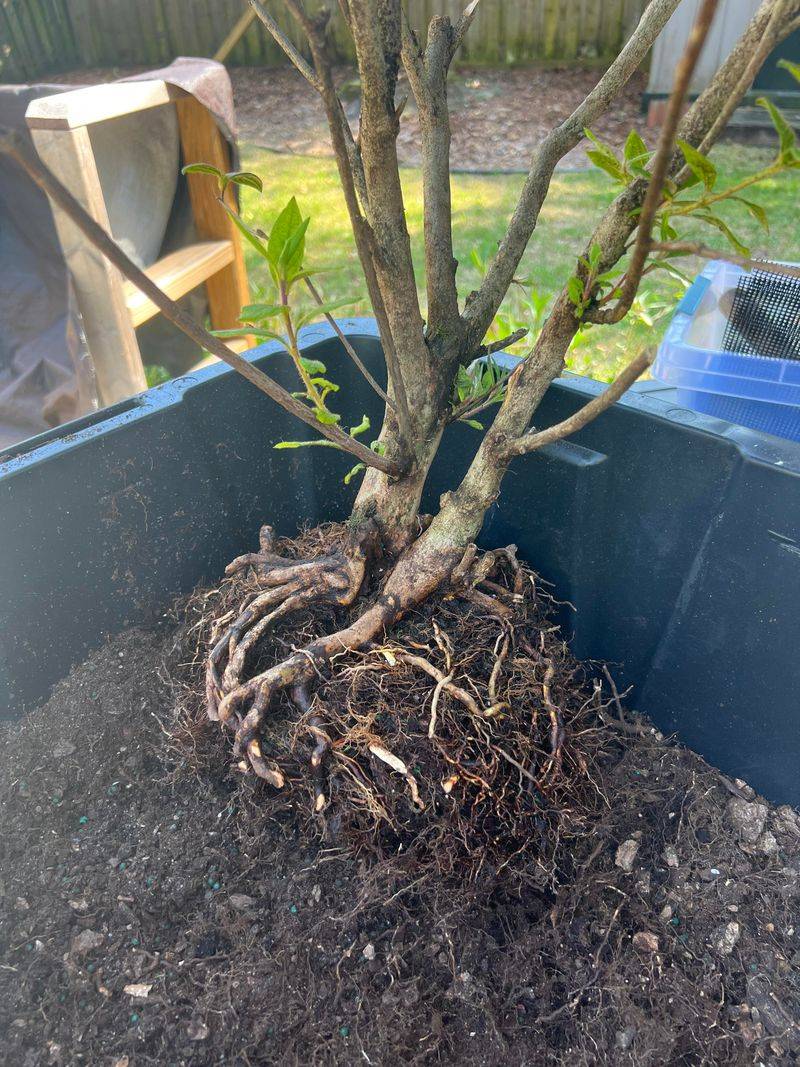
Azaleas are sensitive to drying out because their shallow roots sit near the surface. Once the top few inches of soil dry, those roots have little moisture to draw on.
Underwatered leaves usually turn yellow, then crispy and brown along the edges. They may curl inward or droop during the afternoon, even when the air feels cool.
Autumn is often the forgotten watering season. Many gardeners stop watering once summer ends, but evergreen azaleas still need water during dry, unfrozen spells in winter.
Aim for about one inch of water each week if rain is scarce in your area. A slow soak at the base works better than a quick sprinkle over the leaves.
Soaker hoses are effective for this job since they deliver water right to the roots. Run one long enough to wet the soil several inches deep, then check how far the moisture traveled.
Watering in the morning gives leaves time to dry before chilly nights roll in. Damp foliage overnight can invite fungus, which adds another headache you do not need.
Before the ground freezes solid, give your azaleas one last deep drink. Well-watered shrubs handle winter wind and frozen soil much better than thirsty ones.
A layer of pine straw or shredded bark helps lock in that moisture. Your shrubs will set plump, healthy buds next spring.
4. Iron Shortage From Alkaline Soil
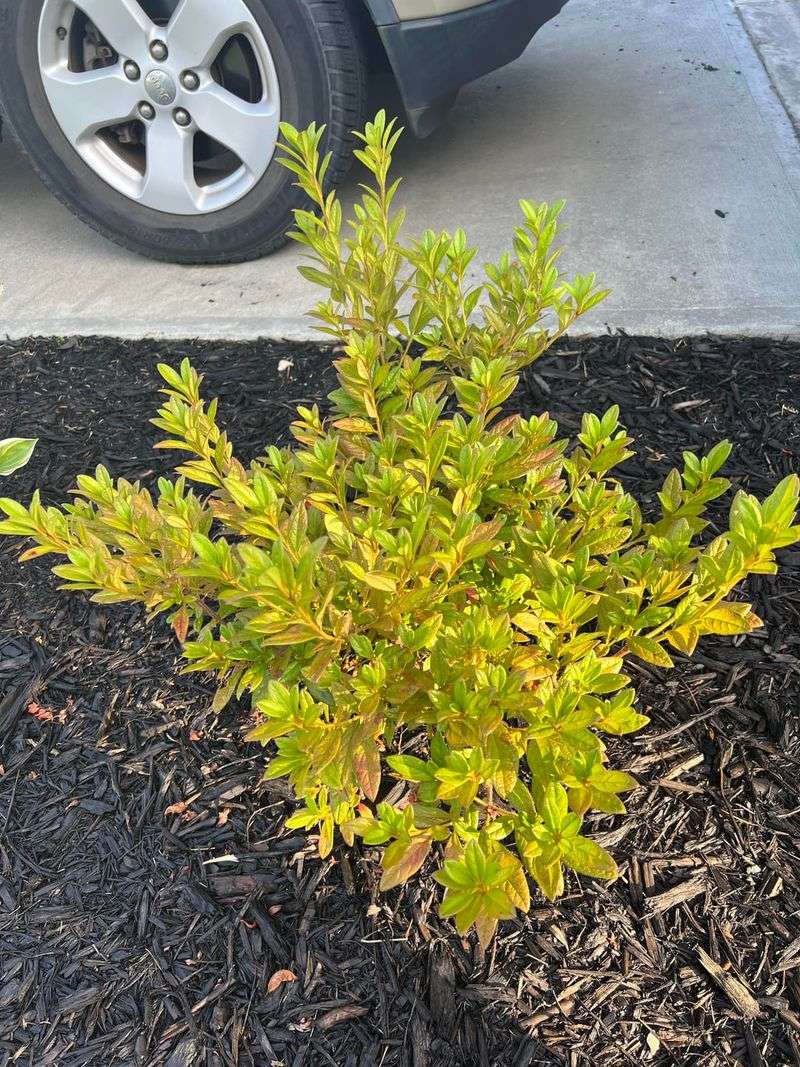
Azaleas are acid lovers, and they grow best when soil pH sits between 4.5 and 6.0. When soil becomes too alkaline, the roots struggle to absorb iron.
Iron helps leaves make chlorophyll, the green stuff that captures sunlight for food. Without enough, leaves turn yellow while the veins stay green, creating a striped look.
Gardeners call this pattern interveinal chlorosis, and it is one of the more common azalea problems. It often shows up first on the newest leaves at branch tips.
Soil near sidewalks, foundations, and driveways often turns alkaline because concrete leaks lime over time. Hard tap water can slowly raise pH too, especially in dry western regions.
The best first step is a simple soil test from a garden center or local extension office. Results usually take a week or two, and costs vary by lab, so check locally.
If your pH is too high, sprinkle garden sulfur on the soil surface around the drip line at the rate your soil test recommends. It works slowly, so expect changes over several months rather than days.
For a quicker boost, try chelated iron sprayed on leaves or watered into the soil, and choose an EDDHA type for alkaline soil. Many owners notice greener leaves within a few weeks of treatment.
Pine needle or pine bark mulch helps hold moisture, but it will not change soil pH much on its own. Fertilizers labeled for azaleas, camellias, or rhododendrons also support lower pH over time.
Fixing soil chemistry takes patience, but the payoff is worth it. Rich green leaves show your shrub is taking up nutrients again.
5. Nitrogen Hunger From Nutrient-Poor Soil
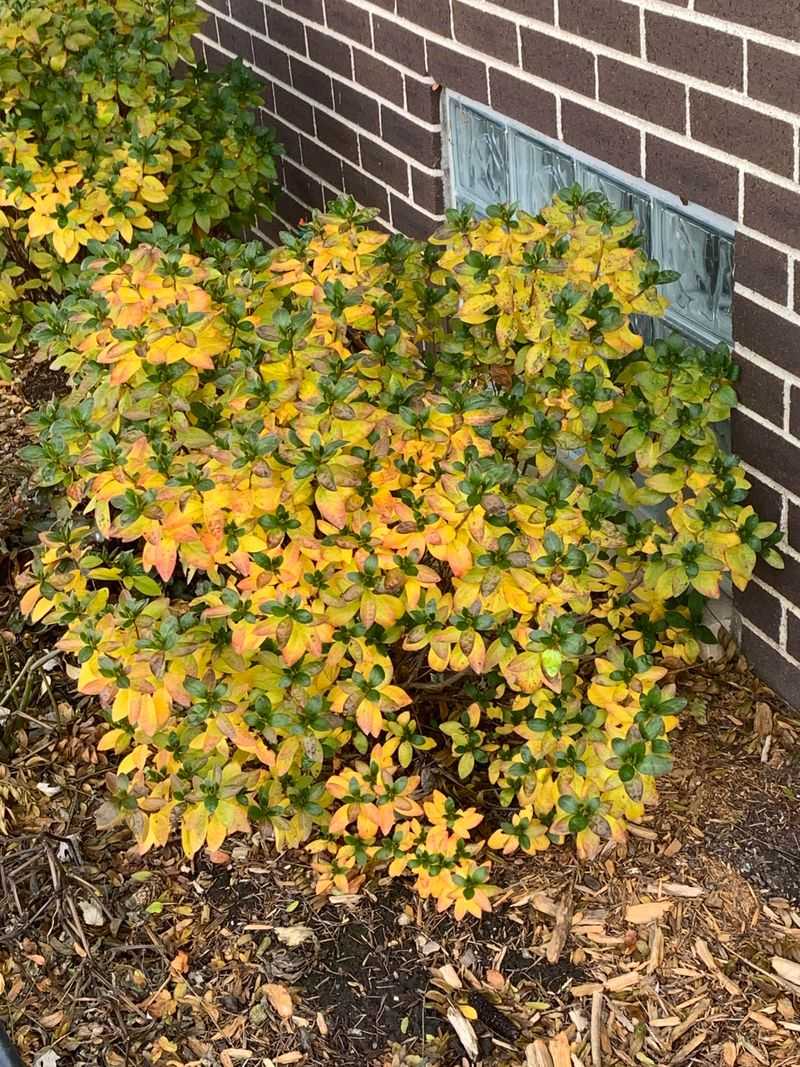
Azaleas cannot find extra food, so they draw on their own leaves instead. When nitrogen runs low, the plant moves it from older leaves to feed new growth.
That borrowing leaves the older leaves pale yellow all over, with no green veins left behind. The whole shrub may also look thin, small, and tired.
Nitrogen shortages often happen in sandy soil, where rain washes nutrients away quickly. Wood chips mixed into the soil can also tie up nitrogen as they break down.
Older mulch that has turned dark and crumbly is usually safe to leave in place. Fall feeding comes with an important caveat.
Heavy fertilizer in autumn can push tender new growth that freezes as soon as winter arrives.
So timing matters a lot for nitrogen-deficient azaleas. The best feeding window is late spring, right after the flowers fade.
If you spot hunger signs in fall, make a note on your calendar instead of feeding now. Next spring, use a slow-release fertilizer made for acid-loving plants.
Compost is a gentle option you can add any time of year. Spread an inch over the root zone, and let worms carry nutrients down slowly.
Coffee grounds get lots of buzz online, but use them lightly. A thin sprinkle mixed into mulch adds a small amount of nitrogen.
Watch for steady improvement rather than instant results. By early summer, well-fed azaleas usually show off deeper green leaves and stronger stems.
6. Root Rot From Poor Drainage
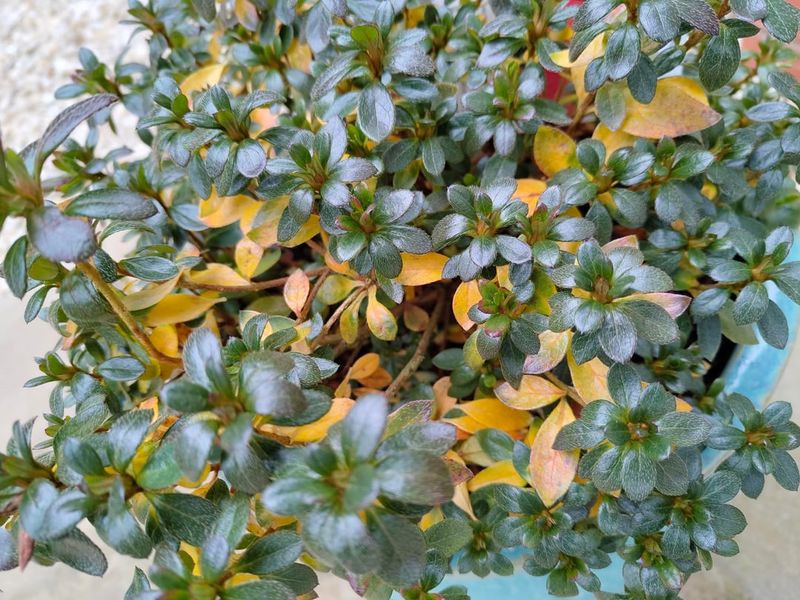
Some of the more serious azalea problems start where you cannot see them. Root rot, caused mostly by a soil fungus called Phytophthora, infects roots underground.
Leaves turn yellow, wilt, and drop, even when the soil seems plenty moist. Often one branch declines first, then the trouble spreads across the shrub.
Heavy clay soil and low spots in the yard are prime places for this disease. Water collects there after rain, giving the fungus the saturated conditions it favors.
To check, gently dig near the base and look at a few small roots. Healthy roots look white or tan, while rotted ones are dark brown and mushy.
You may also notice reddish-brown streaks under the bark near the soil line. Scratch the stem lightly with a fingernail to peek underneath.
Badly rotted shrubs are hard to save, so prevention is your strongest tool. Plant azaleas slightly high, with the root ball an inch above the surrounding soil.
Mixing pine bark into a wide area of heavy soil improves drainage, but amending only the planting hole can trap water. Raised beds are another smart choice for yards with stubborn clay.
If a shrub is lost to root rot, avoid planting another azalea in the same spot. The fungus can linger in soil for years, ready to infect a new plant.
Fungicides labeled for Phytophthora can protect nearby plants, but they work best before symptoms appear. Ask a local nursery which products are approved in your area.
7. Pale Speckles From Lace Bugs
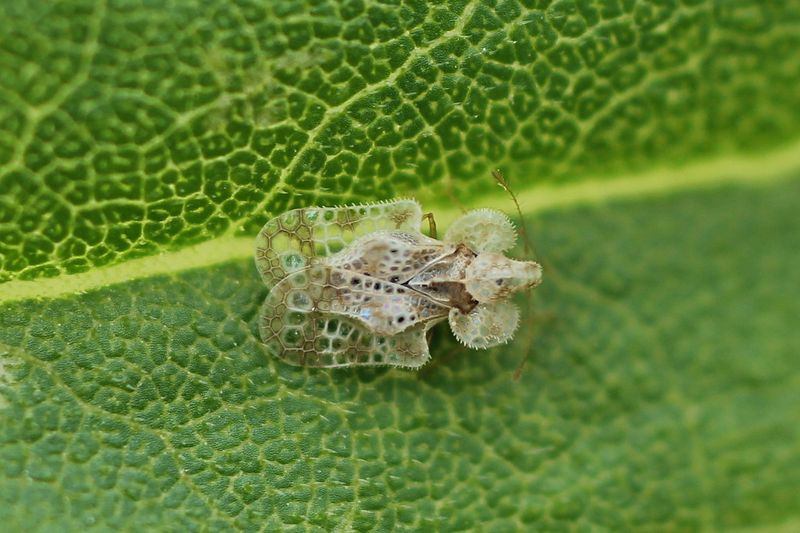
Ever flipped over an azalea leaf and found tiny black dots stuck underneath? Those sticky specks are droppings from azalea lace bugs, small pests with see-through, lacy wings.
Lace bugs suck sap from the undersides of leaves all summer long. By fall, the damage adds up, and the leaf tops look speckled, pale, or yellowish.
Up close, the leaves seem sprinkled with salt and pepper rather than evenly yellow. That stippled pattern is the main clue that bugs, not soil, are the cause.
Azaleas planted in full sun are affected most by these sap-feeding pests. Shrubs in partial shade usually see far fewer bugs and much less damage.
Start by spraying leaf undersides with a strong, steady blast from the hose. This knocks many bugs loose and washes away their droppings.
Insecticidal soap or horticultural oil works well on young lace bugs, but spray only where pests are present to protect helpful insects. Spray in the cool morning and coat the undersides thoroughly.
Lacewings, assassin bugs, and spiders prey on lace bugs and their young. Avoid broad chemical sprays that would reduce these natural predators.
Damaged leaves will not turn green again, so do not expect a quick color change. Focus your energy on protecting the new spring growth instead.
Lace bugs lay eggs inside leaf tissue in fall, so new crowds hatch in spring. Check leaves every few weeks starting in April to catch them early.
8. Leaf Stress From Sudden Cold Snaps
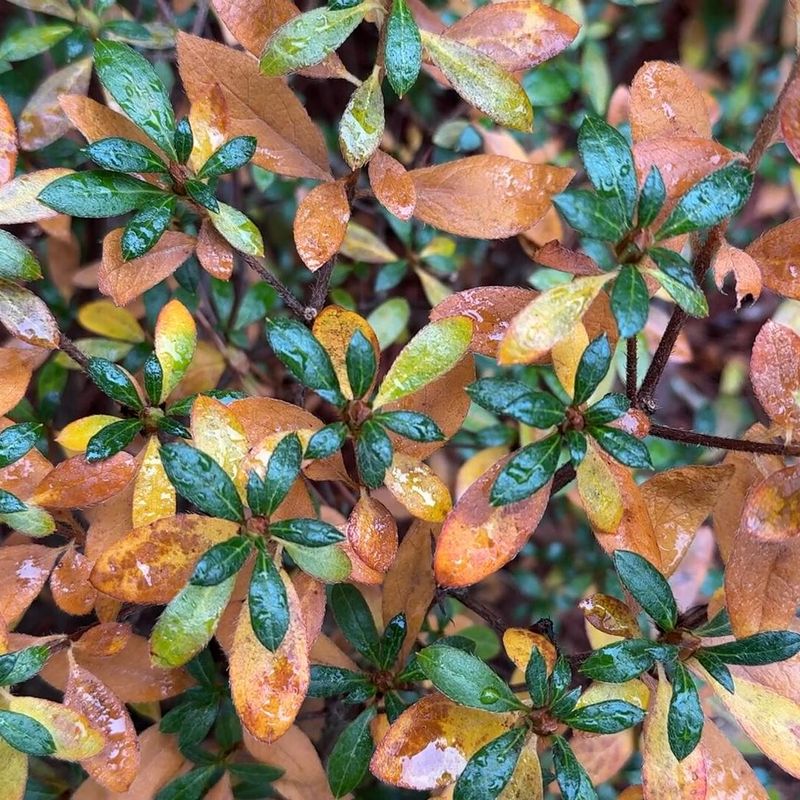
One warm October afternoon can flip into a freezing night faster than you can find a sweater. Azaleas feel those swings too, and their leaves often show it.
Sudden frost can damage leaf cells before the plant has time to toughen up for winter. Leaves may turn yellow, bronze, or purplish, then curl tightly.
Curling can reduce moisture loss in cold wind, but it may also signal frost injury, so check for browning or soft spots.
Winter sun and wind cause trouble too, especially on the south or west side of shrubs. Frozen ground stops roots from drinking while leaves keep losing water.
To soften the blow, water deeply before the first hard freeze. Moist soil holds heat better than dry soil, giving tender roots extra protection.
On nights with frost warnings, drape an old bedsheet or frost cloth over smaller shrubs. Remove it the next morning so leaves can soak up sunlight.
Avoid plastic covers, because they trap cold against the leaves and can make damage worse. Burlap screens on the windy side help shield shrubs through winter.
Resist pruning frost-touched branches right away, even if they look rough and messy. Wait until spring, when you can clearly see which stems are still alive.
Choosing hardy varieties suited to your growing zone makes cold snaps much less stressful. Your azaleas will shake off chilly surprises and bloom proudly when spring returns.