Getting Florida Banana Plants Ready Before The Cold Arrives
Banana plants don’t do subtle when cold hits. One rough night and you’re staring at mush where leaves used to be.
Florida growers often treat this plant like it can shrug off anything, forgetting it’s tropical through and through with almost zero tolerance for real cold.
A string of mild days can lull you into skipping prep entirely, right up until a sudden drop catches the whole plant off guard with nothing in place to protect it.
Timing your prep matters as much as the prep itself. Move too early and you waste effort on a plant that didn’t need it yet.
Wait too long and you’re scrambling after the damage already started.
Watch your forecast closer than you have been and get ahead of the next real cold snap. A banana plant handled right can bounce back strong, but only if you beat the cold to the punch.
1. Growth Slows Below 60 And Stops At 50 Degrees
Picture a sprinter easing into a lazy stroll on a chilly morning. Your banana plant does something similar once the air drops below 60 degrees Fahrenheit.
Bananas love steamy days between 75 and 90 degrees, when new leaves unroll almost weekly. Once temperatures dip under 60, that speedy leaf production slows to a crawl.
At 50 degrees, growth basically hits the pause button. The plant stops pushing out new leaves and simply waits for warmer weather to return.
Long stretches below 50 can cause trouble beyond a simple pause. Leaves and stems may come out twisted, bunched, or oddly shaped once growth picks up again.
A cheap outdoor thermometer near your plants is a smart tool for fall. Check it each morning so you know when your banana patch is switching into its slower winter mode.
Gardeners in north and central region see this shift earliest, often by late October. South Florida growers may only notice it during brief cold fronts.
Knowing these numbers helps you plan everything else on this list. When nights start sliding toward the 50s, it is time to adjust feeding, watering, and protection plans.
Think of the slowdown as a natural rest period rather than a problem. Your plant is saving energy, and a little patience now pays off with fresh green leaves in spring.
2. Chilly Weather Can Keep Bunches From Emerging
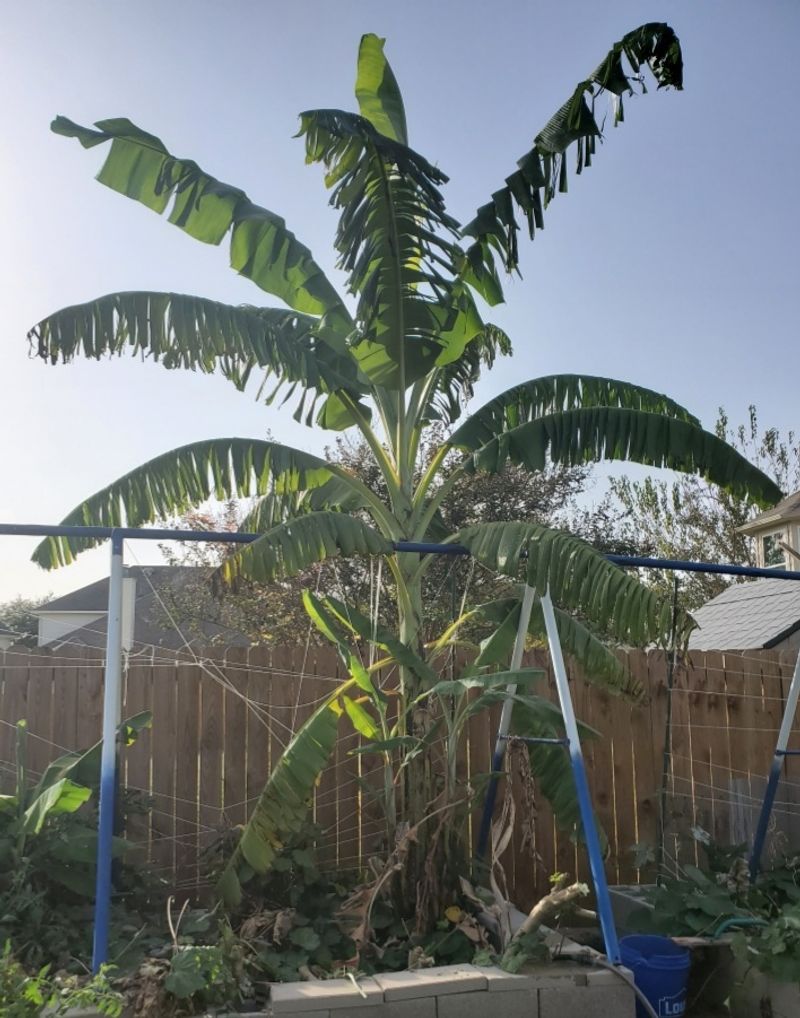
Gardeners have a funny name for one cold-weather problem, and it is called choking. No, your plant is not snacking too fast, but the name fits surprisingly well.
Choking happens when temperatures hang below 60 degrees but stay above freezing. The flower stalk, which carries the future fruit bunch, gets stuck inside the trunk-like stem.
Instead of sliding out the top neatly, the bunch jams partway or stays hidden. You might see a twisted, cramped cluster poking out at an odd angle.
Cool spells can also delay the flower stalk from showing up at all. The whole plant grows slower, so your harvest timeline stretches longer than you hoped.
Fruit that does form during chilly weeks may look a little sad. Peels can turn dull yellow or greenish gray, and the bananas may be lumpy or quick to rot.
Your Florida Garden Changes Every Week. Your Plan Should Too.
Gardening in Florida changes quickly throughout the season. Every Friday you’ll receive a simple weekly plan showing exactly what to plant, prune, fertilize, harvest, and protect so you never miss the right timing.
Here is a helpful trick for timing your plants. Many growers plan for flowering in spring or summer so fruit develops before the cool season sets in.
If a bunch is already forming in late fall, try covering the plant on cold nights. Old blankets or frost cloth can hold in enough warmth to help the stalk push through.
Patience matters too, since warm weather often helps a stuck bunch finish its journey. Keep an eye on it and celebrate each little bit of progress.
3. Freeze Damage Can Start At 32 Degrees
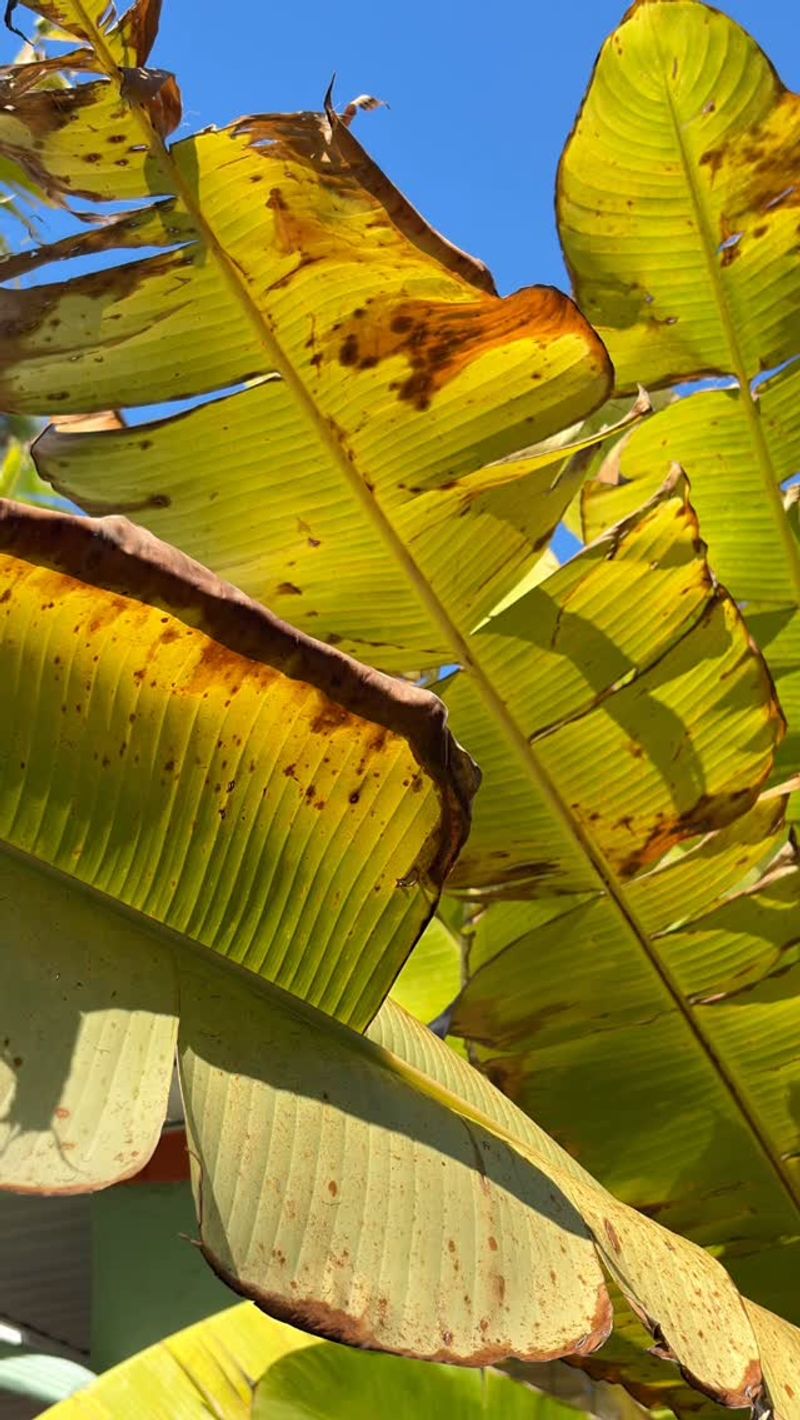
Thirty-two degrees is the magic number every Florida banana grower should memorize. Once the thermometer reaches freezing, real damage can begin inside the leaves.
Frost causes tiny ice crystals to form in plant cells, which breaks them apart. Even a light frost can harm these tropical plants faster than you might expect.
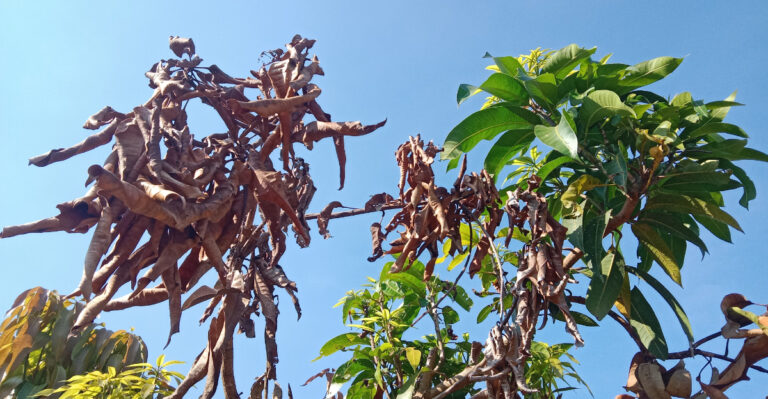
The first sign is often a dark, water-soaked look on the leaves and stems. Within a few days, that damage dries out and turns crispy brown.
Leaves may scorch or collapse right around 32 degrees. The trunk-like pseudostem and any growing fruit can also take a hit.
Things get more serious below 28 degrees, when the whole top of the plant may be lost. That sounds scary, but the story is not over yet, as you will see next.
Before a freeze, watch the local forecast closely each evening. Wrap the pseudostem with burlap or frost cloth and drape covers over the plant, letting them reach the ground.
Fabric that touches the soil traps heat rising from the earth. Plastic sheeting can work in a pinch, but remove it in the morning so the sun does not cook the leaves.
Small potted bananas are even easier to protect. Simply roll them into a garage or shed until the frosty night passes.
4. The Underground Rhizome Usually Sprouts Back
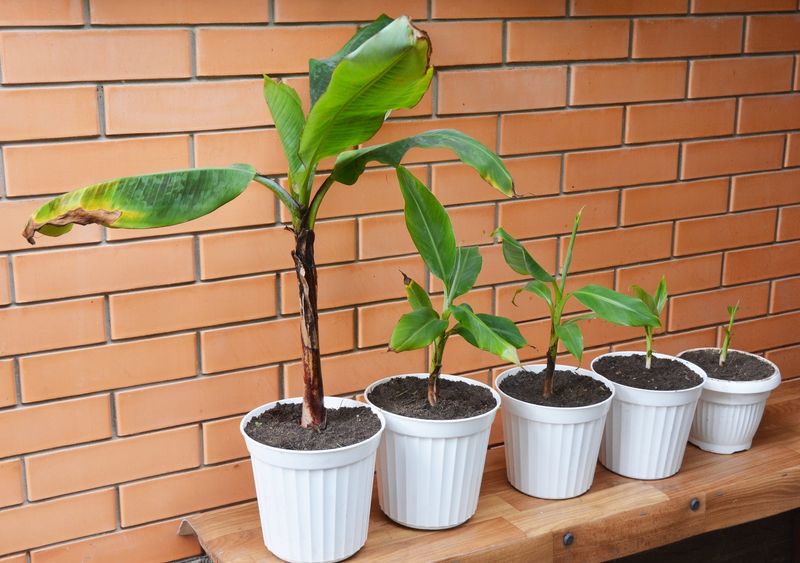
Here is the plot twist that makes banana plants feel like superheroes. Even when the top turns into a brown, floppy mess, the real heart of the plant hides safely underground.
That hidden part is called the rhizome, or corm. It stores energy and acts like a battery that powers new growth each spring.
When warm weather returns, fresh green shoots often pop up from the soil. Many gardeners are amazed to see a plant they wrote off come roaring back by summer.
The rhizome usually survives if temperatures stay above about 22 degrees and the cold snap is short. Most Florida winters fall well within that range.
Your job is to tuck the corm in like a cozy blanket. Pile a thick layer of mulch, such as pine straw, leaves, or wood chips, around the base before cold nights arrive.
Aim for a mulch layer several inches deep spread in a wide circle. That insulation holds soil warmth and keeps frost from reaching the corm.
Fun fact: the banana plant is not a tree at all. It is actually the largest herb in the world, and its trunk is just tightly rolled leaves.
So when a freeze hits, do not panic. Protect the roots, wait for spring, and let that underground powerhouse do its thing.
5. Cold Tolerance Varies By Variety
Not every banana is a winter wimp. Some varieties handle chilly nights like seasoned campers, while others shiver at the first cool breeze.
The Japanese fiber banana, known as Musa basjoo, is the champion of cold. With good mulch, its roots can survive temperatures as low as minus 10 degrees.
There is one catch, though, since basjoo is grown mostly for its gorgeous leaves. Its fruit is not something you would want in your lunchbox.
If you want tasty bananas and decent toughness, try Dwarf Orinoco, Namwa, or Raja Puri. These varieties shrug off cool weather better than many grocery store types.
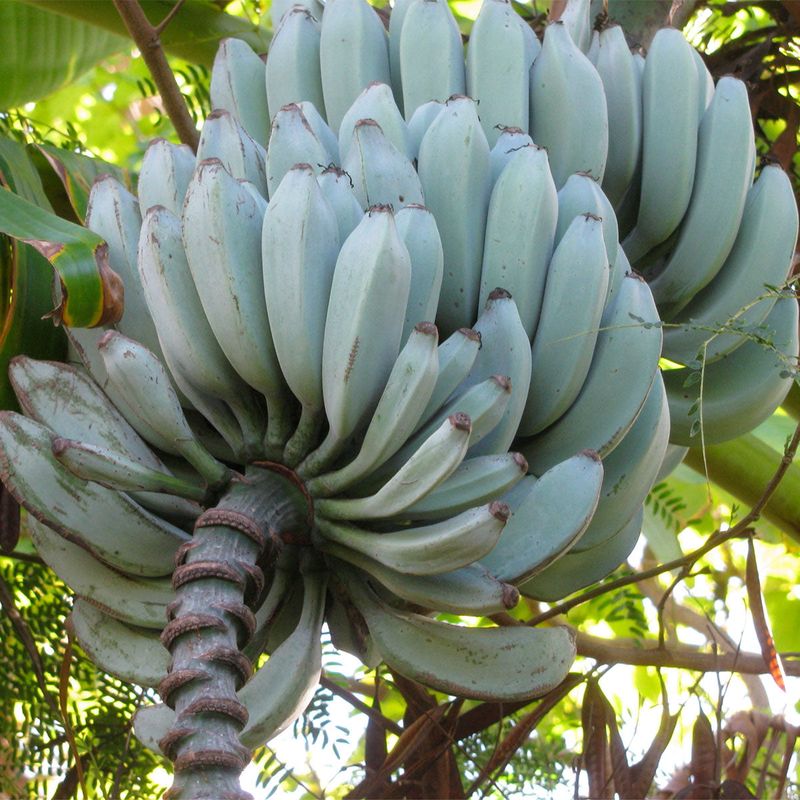
Ice Cream bananas, also called Blue Java, are a fan favorite. Their fruit has a creamy texture that some people say tastes a bit like vanilla custard.
Dwarf Cavendish is common across Florida yards and can produce fruit if winter is kind. Goldfinger is another solid pick for gardeners in the cooler northern part of the state.
Choosing the right type for your area makes winter prep much easier. A hardy variety gives you a head start before you even grab the frost cloth.
Ask local nurseries what grows well in your county. Neighbors with healthy banana patches can also share helpful tips and even spare pups to plant.
6. Ease Up On Fertilizer From November Through February
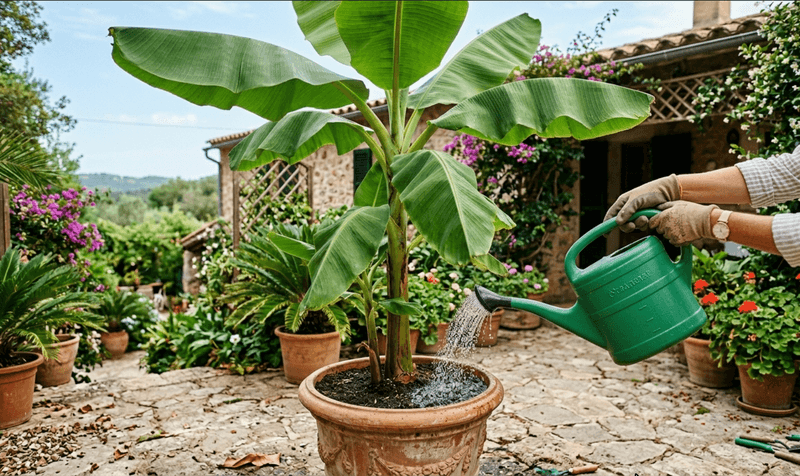
Feeding a sleepy plant is a bit like serving a giant breakfast to someone trying to nap. The food just does not get used the way you hoped.
From November through February, it makes sense to cut back on fertilizer. Heavy feeding during this time can push out soft, tender leaves.
Those fresh leaves are the first to suffer when frost shows up. So that extra food could end up feeding cold damage instead of healthy growth.
In warmer parts of Florida, bananas may keep growing a little all year. For those plants, a lighter schedule, such as feeding every two months, works better than stopping entirely.
Some Florida experts suggest an even earlier slowdown. If a plant has not flowered by August, they recommend skipping more fertilizer so it does not waste energy on fruit that cannot ripen in time.
Store your fertilizer bag somewhere dry and mark your calendar for spring. When warm weather returns in March, your plant will be ready for a hearty meal again.
Watch for signs that growth is picking up before restarting. New leaves unrolling quickly mean your banana is hungry and ready to put nutrients to work.
Less fertilizer in winter also saves you money. That sounds like a win for both your wallet and your garden.
7. Keep Watering During Dry Winter Spells
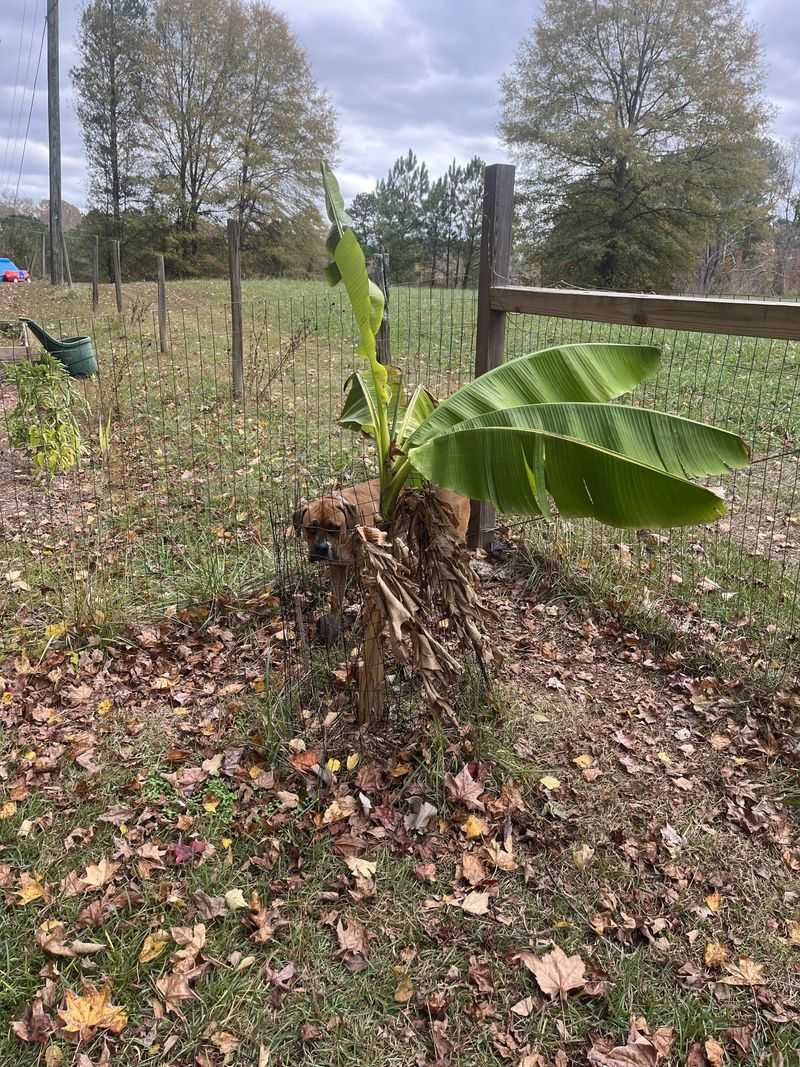
Florida winters can be surprisingly dry, with weeks of sunshine and hardly a drop of rain. Your banana plant still gets thirsty, even while it rests.
Bananas like steady moisture all year long. The difference in winter is that they need water less often than during hot summer months.
Moist soil actually holds heat better than dry soil. That means a well-watered plant may handle a cold night a little more comfortably.
Still, too much water causes its own headaches. Soggy, cold soil can lead to root rot, which is the last thing you want during the chilly season.
A simple finger test helps you find the sweet spot. Push a finger into the soil, and if the top two inches feel dry, it is time to water.
This trick works especially well for bananas in containers. Pots dry out faster than garden beds, yet they also drain poorly if overwatered.
Mulch is your secret helper here too. A thick layer around the base keeps moisture from escaping and helps keep soil temperatures more even.
Try watering in the morning instead of the evening. That way, the soil has time to warm up during the day before another cool night arrives.
8. Keep Picked Bananas Out Of The Fridge
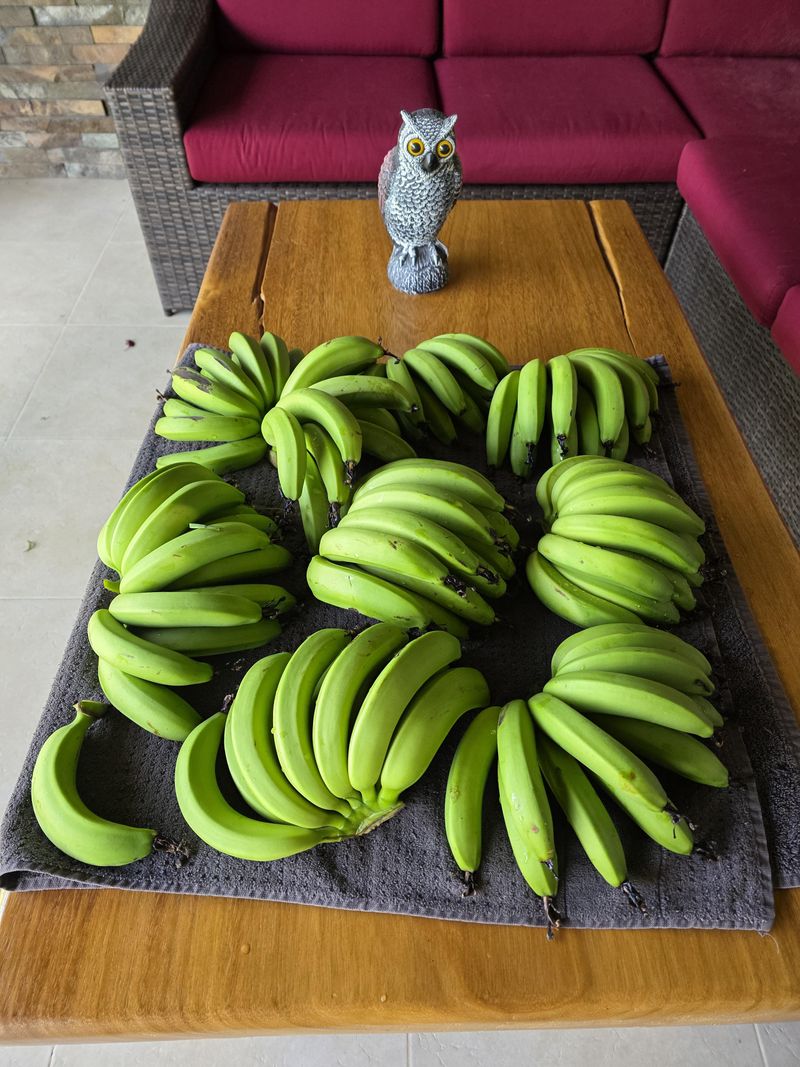
You finally harvested your homegrown bananas, and you want them to last. Tossing them in the fridge seems smart, but it can backfire in a big way.
Bananas come from the tropics, so they really dislike cold. Unripe bananas stored in the fridge stop ripening properly.
Cold slows the natural enzymes that turn starch into sugar. The result is a banana with a dark, spotty peel but hard, starchy, bland fruit inside.
Chilly storage can also damage the cells in the fruit. That means less flavor, less sweet smell, and a pretty disappointing snack.
Instead, let green bananas ripen on the counter at room temperature. Hanging them on a hook or banana stand helps prevent bruised spots.
Once they are fully ripe, things change. A yellow peel with some brown freckles means the fridge is finally fair game.
At that point, chilling can keep ripe bananas tasty for up to two weeks. The peel may turn darker, but the fruit inside stays sweet and firm.
Got too many ripe ones at once? Peel and freeze them for smoothies, banana bread, or a quick frozen treat on a warm Florida afternoon.
9. Hold Off On Cutting Cold-Damaged Leaves
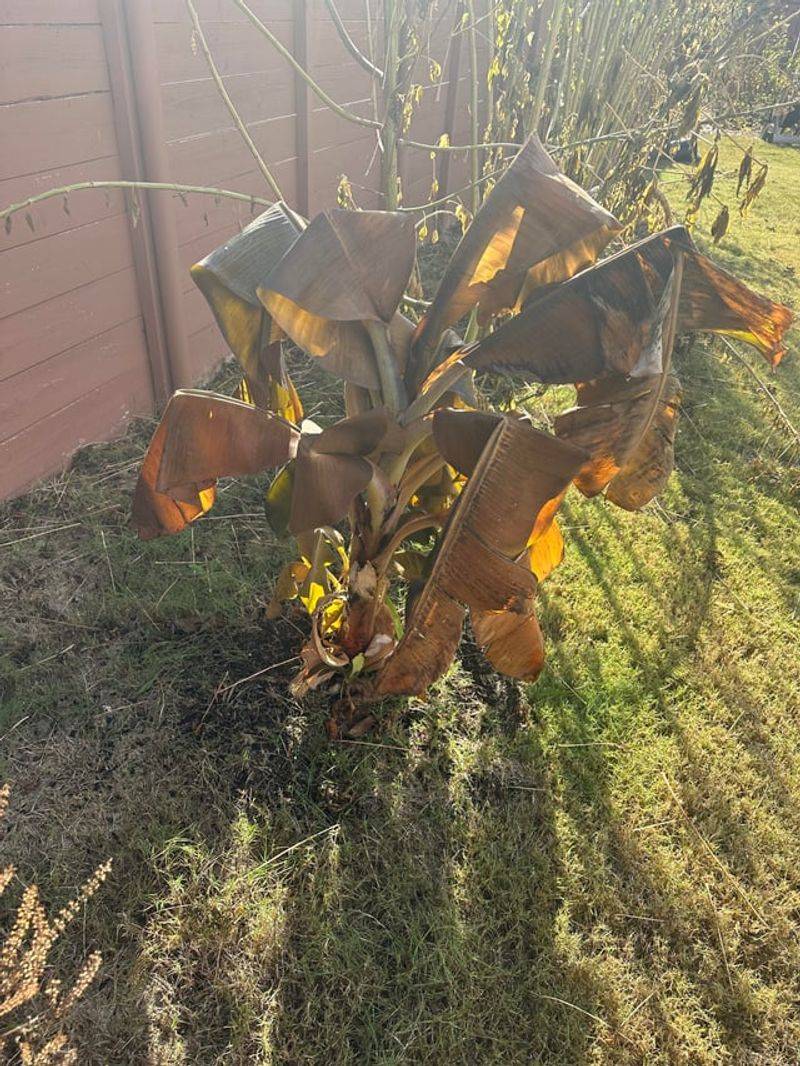
Brown, droopy leaves after a frost can make any gardener want to grab the shears. Hold that thought for a moment, because waiting usually works in your favor.
Those ugly leaves still have a job to do. They act like a rough blanket, shielding the trunk and crown from the next round of cold.
Cutting them too early can expose tender inner tissue. If another frost arrives, that fresh wound could take even more damage.
Many experts suggest leaving frost-hit plants alone until spring, no matter how messy they look. The plant may surprise you by recovering more than expected.
Once the risk of freezing nights has passed, it is cleanup time. Trim the pseudostem back to about 12 to 18 inches above the ground if it has gone soft and brown.
Some gardeners take quicker action after a very hard frost. They cut back the plant and cover fresh cuts to help protect it, so choose what fits your situation.
Use clean, sharp tools to make smooth cuts. Toss old leaves into your compost pile or chop them up as extra mulch.
Patience is truly a gardener’s best friend here. By late spring, new green leaves often unfurl and make all that waiting feel worthwhile.