What To Do When You Find Lanternfly Egg Masses In Your New Jersey Yard
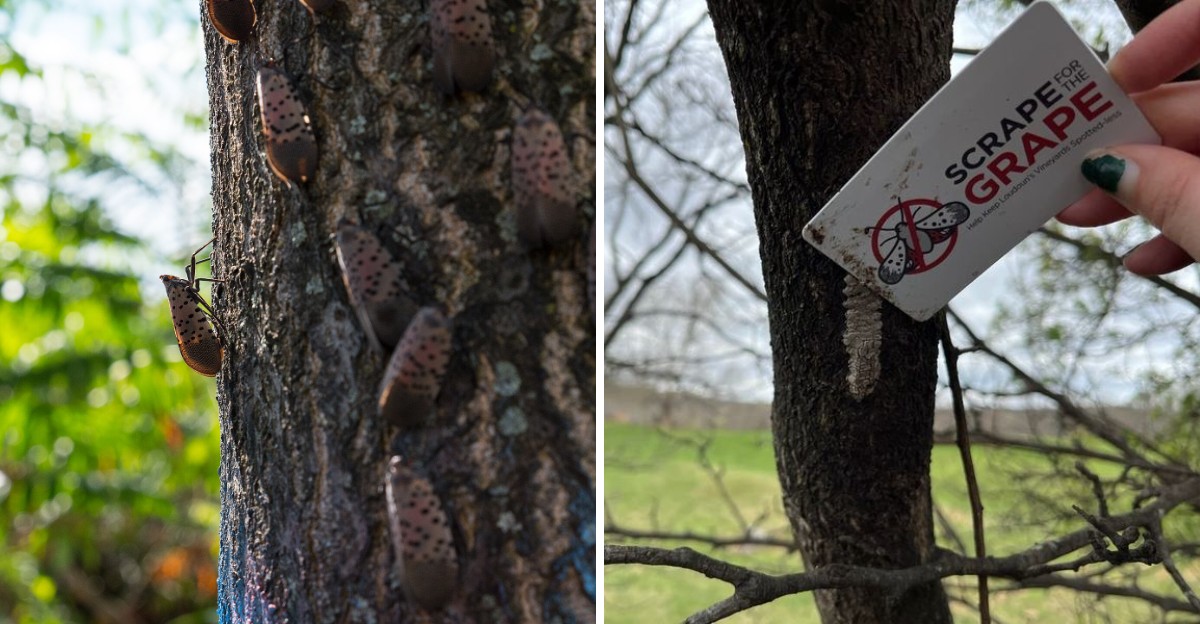
Gray smears on your maple bark deserve a closer look. You are staring at a spotted lanternfly egg mass.
Its waxy coat shelters rows of tiny eggs waiting for May warmth. Hatchlings emerge hungry and sip sap straight from your tree.
Their sugary waste, called honeydew, coats patios, decks, and grills in sticky film. Black sooty mold soon follows, darkening leaves and slowing growth.
Your neighbors across New Jersey have tackled this pest for several years. Each mass holds dozens of eggs, so an overlooked patch multiplies fast. Lift it free with a stiff card, then drop it into rubbing alcohol. Seal the bag tight before you toss it.
Check maples, willows, and tree of heaven too, since adults favor those hosts. Report sightings to New Jersey agriculture officials so they can map the spread. Winter offers a clear window.
Confirm You Are Looking At Lanternfly Eggs
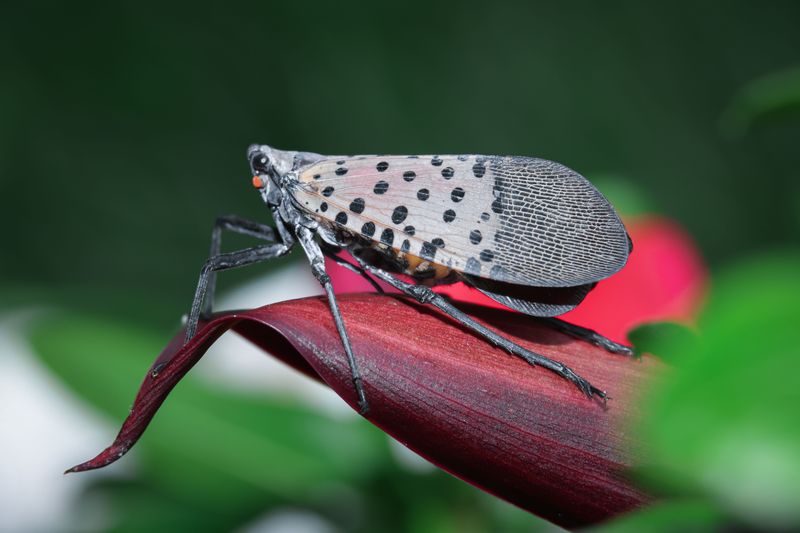
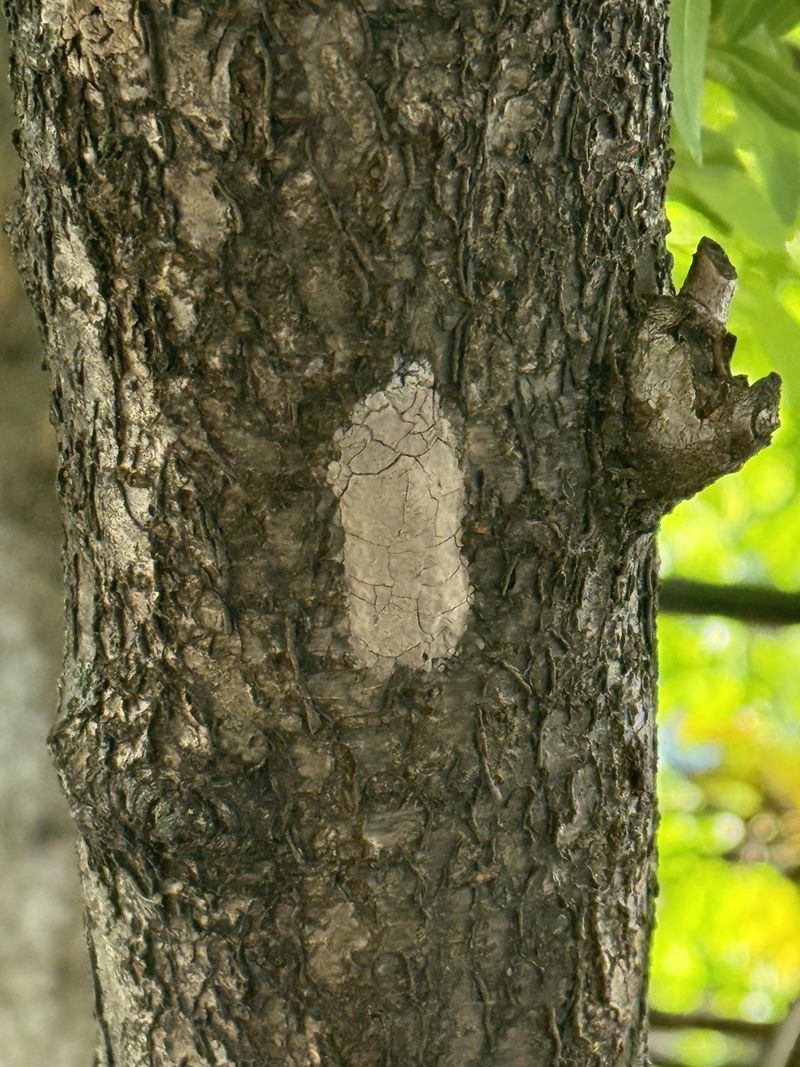
Picture a smear of dried gray putty about the size of your thumb. That is the classic look of a fresh spotted lanternfly egg mass.
Each mass holds roughly 30 to 50 eggs tucked under a waxy coating. The female spreads this coating like frosting to protect her babies through winter.
New masses look smooth and a little shiny, almost like wet clay. Older ones crack and fade, showing rows of tiny seed-shaped eggs underneath.
Size matters here too, since most masses stretch about one to one and a half inches long. Some look like flat gray patches, while others resemble splashes of mud.
Hatched masses leave behind small holes or empty rows where the nymphs crawled out. Those old ones are harmless, but they tell you adults visited your yard.
Spotted lanternflies reached Pennsylvania in 2014 and were detected in New Jersey in 2018. They were first found in Mercer and Warren counties before spreading to other areas.
Not sure what you found? Snap a clear photo next to a coin for size and compare it with pictures from Rutgers Cooperative Extension.
Mistakes happen, because lichen and old paint drips can fool even sharp eyes. A careful look now saves you from scraping the wrong thing off your favorite tree.
Grab The Right Tools Before You Start
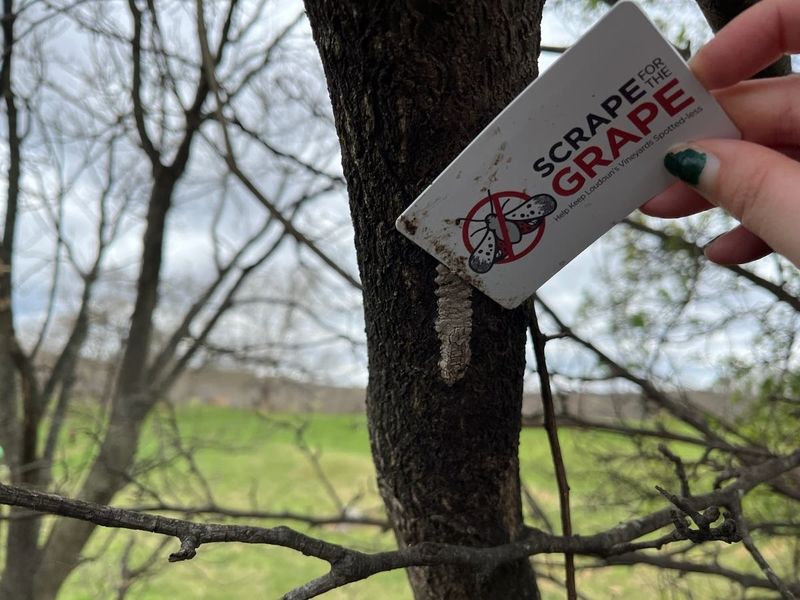
Gather your gear before you head outside to carefully check trees, fences, and sheds. A few simple supplies make the whole job faster and cleaner.
First, find a stiff plastic card, like an old gift card or expired library card. A plastic putty knife works great too and gives you a better grip.
Next, grab a zip-top plastic bag or a small jar with a tight lid. You will need a container to trap the eggs after scraping them loose.
Rubbing alcohol or hand sanitizer is the key supply. Either one soaks into the eggs and stops them from hatching later.
Gloves are smart, especially if you plan to scrape rough bark or rusty metal. A cheap pair of garden gloves protects your fingers from splinters and scrapes.
Some people buy special egg scrapers sold online or at garden centers. They have a curved edge and a built-in pouch that catches eggs as you work.
Your New Jersey Garden Changes Every Week. Your Plan Should Too.
Gardening in New Jersey changes quickly throughout the season. Every Friday you’ll receive a simple weekly plan showing exactly what to plant, prune, fertilize, harvest, and protect so you never miss the right timing.
A flashlight or headlamp helps when checking shady spots under decks and branches. Egg masses blend in so well that extra light makes a real difference.
Keep everything together in a small bucket by your back door. That way, you can jump into action the moment you spot another gray smudge.
Scrape The Eggs Into A Bag Of Alcohol
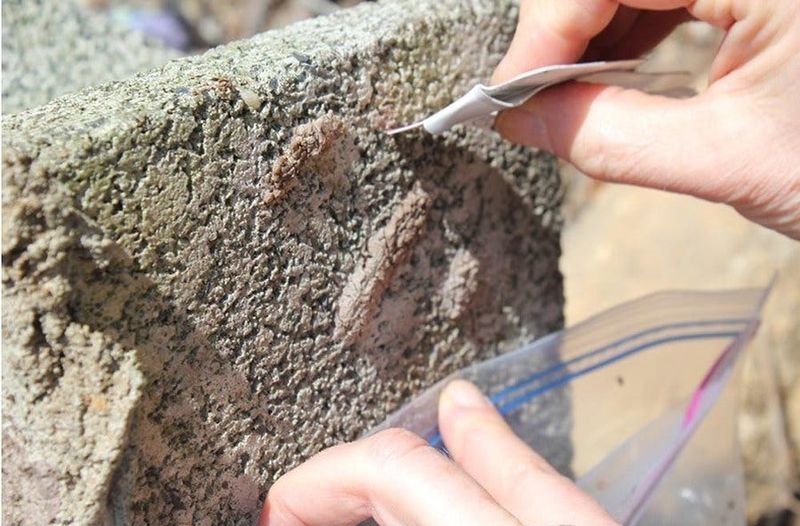
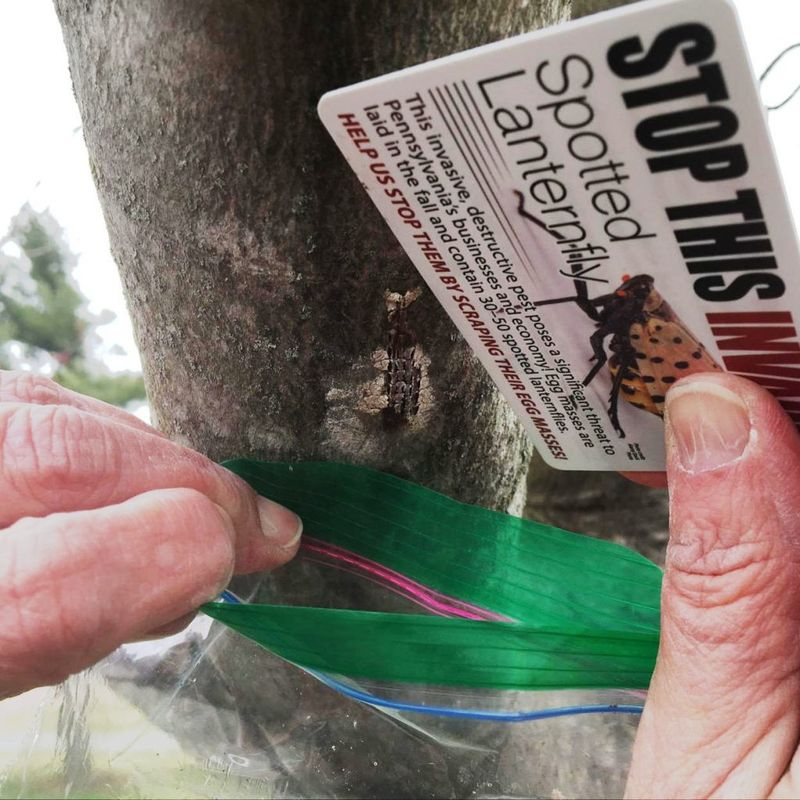
Now it is time to remove the egg mass from the bark. Hold your bag right under the egg mass and get ready to scrape.
Press your plastic card firmly against the bark at the top of the mass. Pull downward in one smooth motion so the eggs fall straight into the bag.
Scraping into a bag is the preferred method, since loose eggs that fall to the ground may still hatch in spring. Bagging the eggs keeps them contained.
Pour a little rubbing alcohol or hand sanitizer into the bag with the eggs. Seal it tight and squish the bag gently to make sure everything gets soaked.
Seal the bag, then place it in your regular household trash, not your compost pile. Keep the bag sealed until it reaches the bin outside.
Some folks scrape eggs straight into a jar of alcohol instead of a bag. That works well too, and you can keep adding new eggs all winter long.
Watch out for thin bark on young trees, because heavy scraping can cause damage. Use a lighter touch on those delicate trunks and branches.
Each mass you remove means up to 50 fewer hungry insects next summer. Your effort also supports neighbors working on the same problem across town.
Check The Hidden Spots Around Your Property
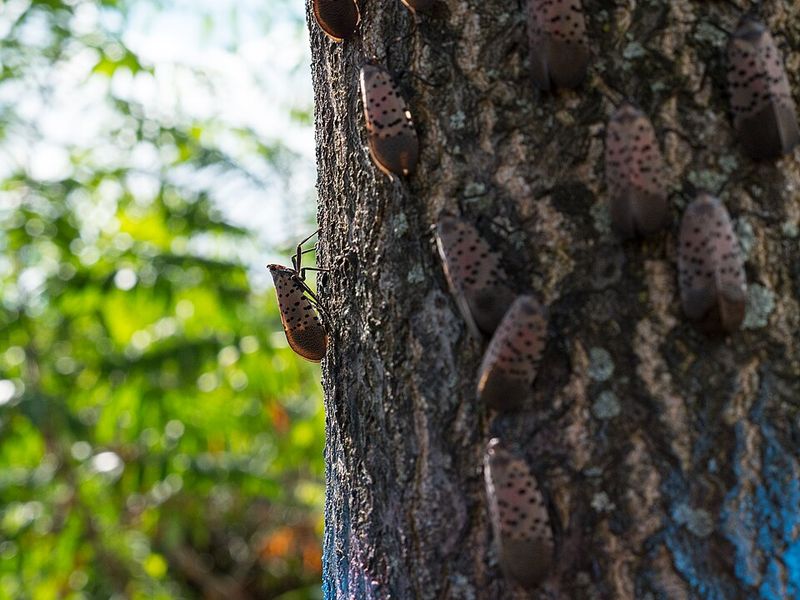
Female lanternflies choose surprising spots, including many common household items nearby. They lay eggs on almost any flat, hard surface they can reach.
Tree trunks are the obvious place, but your search should go much further. Look at fences, sheds, rocks, grills, and the undersides of outdoor furniture.
Cars, trailers, and boats parked outside are popular targets too. Check wheel wells, bumpers, and any spot that stays shaded and sheltered.
Firewood piles deserve extra attention during fall and winter. Lift a few logs and scan the bark carefully before bringing wood inside.
Don’t forget items like kids’ playsets, flower pots, and stacked lawn chairs. Even old tires and garden hoses can hide a mass or two.
Many masses sit high up on branches, well out of easy reach. A pair of binoculars can help you spot gray patches near the treetops.
Try making it a family game on a cool Saturday afternoon. Kids love hunting for hidden treasure, even if the treasure is bug eggs.
Walk your whole yard once a month from October through April. Regular checks mean fewer surprises when the weather warms up and nymphs appear.
Report Your Find To New Jersey Officials
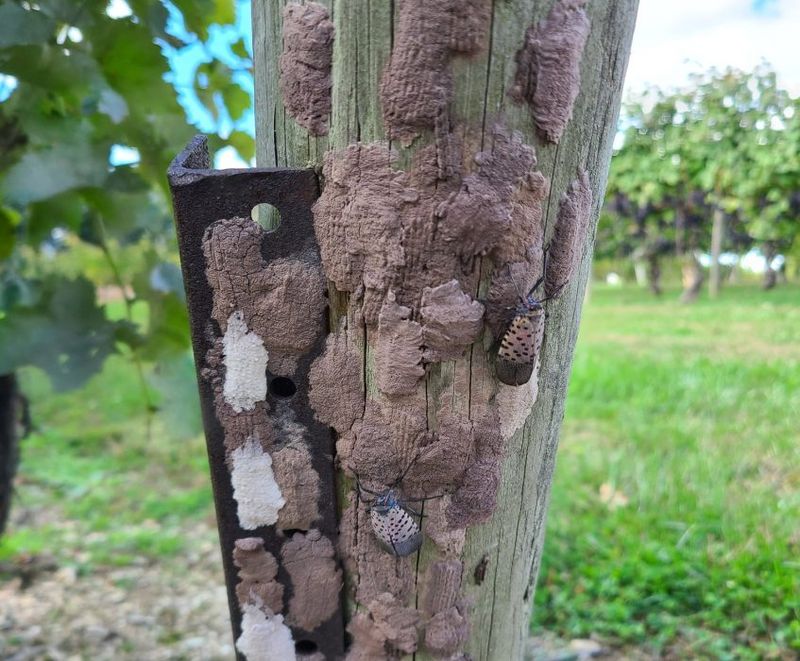
Your discovery can actually help scientists and state workers do their jobs better. The New Jersey Department of Agriculture tracks lanternfly sightings across the state.
Check the New Jersey Department of Agriculture website for the current reporting method first. A clear photo and your exact location help officials verify the sighting quickly.
Take a clear picture before you scrape anything off the surface. A close shot plus a wider one showing the tree or object works best.
Officials use these reports to map where the insects are spreading. That information helps them decide where to focus treatments and education efforts.
Rutgers Cooperative Extension also offers help through county offices around New Jersey. Local experts can answer questions and confirm what you found.
New Jersey has expanded its quarantine zone since 2018, so check the current county list. Rules there affect how businesses move goods and cargo.
Feeling unsure whether it is worth reporting? Each report helps officials track where the insect is spreading across the state each season.
Once you report, go ahead and remove the eggs as usual. You have done your part as a helpful citizen scientist, and that feels pretty great.
Remove Tree Of Heaven From Your Yard
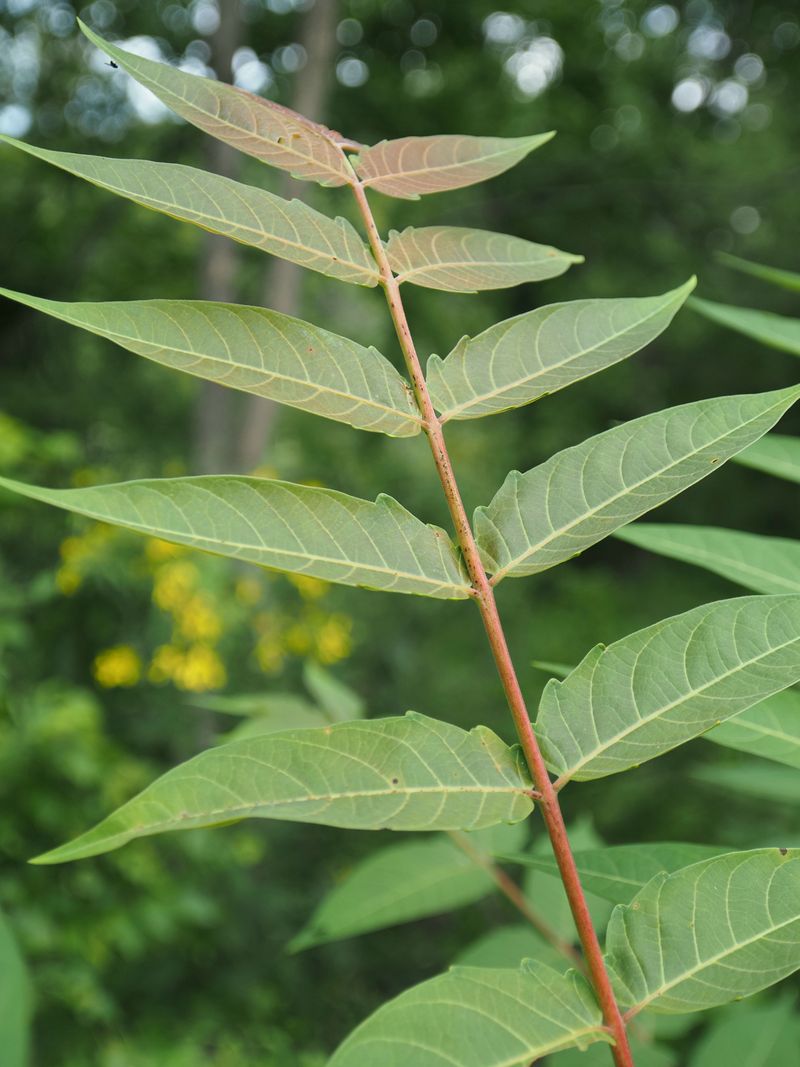
Lanternflies strongly favor one particular host tree, the tree of heaven. This fast-growing invasive tree came from China, just like the insect.
Adults love feeding on its sap and often lay eggs nearby. If you have these trees, your yard may attract more lanternflies each summer.
Spotting one is fairly easy once you know the signs. Look for long leaves with many leaflets and a strong smell like burnt peanut butter.
Each leaflet has a small bump, or gland, near its base. That little detail helps you tell it apart from look-alikes such as sumac or black walnut.
Cutting the tree down sounds simple, but it often resprouts quickly. Roots send up dozens of new sprouts after a single cut.
Experts suggest treating the tree with herbicide before or after removal. A licensed tree service in New Jersey can handle large trees safely.
Small seedlings can be pulled by hand when the soil is damp. Try to grab the whole root so it does not regrow next season.
Removing these trees may make your property less attractive to lanternflies, though they use many other host plants, including maples and willows.
Inspect Anything You Move Out Of Town
Road trips are fun, but lanternflies love tagging along for free. These insects spread mostly by hitching rides on cars, trucks, and cargo.
Egg masses on a trailer or firewood bundle can travel hundreds of miles. A single trip can introduce lanternflies to a new area far away.
Before you leave home, take five minutes to walk around your vehicle. Check bumpers, roof racks, mirrors, and any outdoor gear strapped on top.
Moving to a new house soon? Inspect patio furniture, grills, and potted plants before loading them onto the moving truck.
Camping trips need extra care, especially with firewood. Buy wood near your campsite instead of bringing logs from your New Jersey yard.
State agencies publish inspection checklists for travel from quarantine areas. Check the current New Jersey version before you leave.
New Jersey provides a residence checklist for moving items out of quarantine areas. It covers common hiding spots on vehicles and outdoor gear.
Businesses moving regulated items out of quarantine zones need a state permit. Homeowners just need good habits and a sharp eye.
Treat these checks like buckling your seatbelt before a drive. After a few trips, the inspection becomes quick, natural, and almost automatic.
Plan Ahead For The Spring Hatch
Spring in New Jersey brings tulips, birdsong, and sometimes large numbers of tiny nymphs. Missed egg masses usually hatch from late April through June.
Young nymphs are black with bright white spots, about the size of a pencil eraser. They hop around quickly and climb plants looking for fresh sap.
Later in summer, older nymphs turn red with black and white markings. Adults appear around July and start laying new eggs by September.
Circle trap bands are designed to spare birds and squirrels, though results vary. Sticky tape traps can catch wildlife, so many experts discourage them.
Stepping on adults and nymphs is still a popular option among many residents. New Jersey provides a residence checklist for moving items out of quarantine areas.
It covers common hiding spots on vehicles and outdoor gear. Keep notes on where you found eggs this winter. Those spots will likely be the first places nymphs show up once spring arrives.
Talk with neighbors about joining your efforts across property lines. Insects ignore fences, so teamwork gives everyone a better chance.
A little planning now turns spring into a calm season instead of a pest season. Your garden deserves a peaceful bloom, and you deserve a relaxing lawn chair.