How To Protect Tender Vegetables During Michigan’s Early Fall Frost Warnings
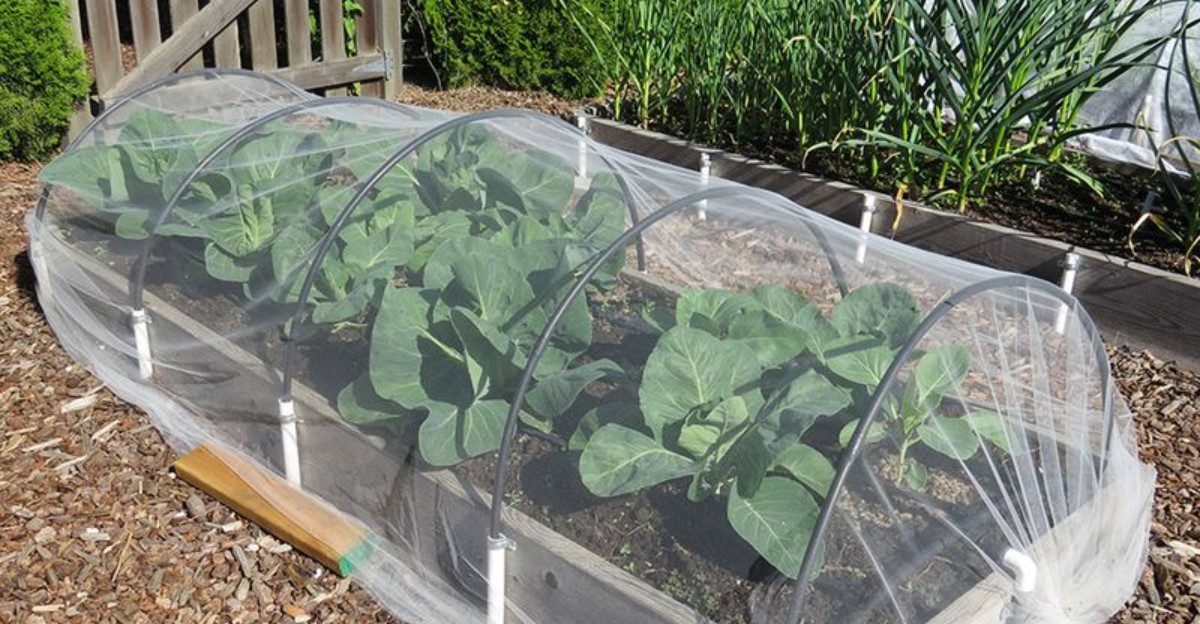
Michigan in early October has a sneaky habit of acting like a friendly neighbor, then turning cold overnight. One afternoon feels warm and golden, and the next morning your lawn sparkles with icy crystals.
The weather app pings a warning, and suddenly every gardener on the block starts pacing near the window. The sky turns a clear, chilly blue, and a calm, cloudless night is exactly when frost forms.
All season long you pulled weeds, swatted mosquitoes, and hauled watering cans until your arms felt like noodles. Losing that hard work to one frosty night would feel like dropping a birthday cake on the sidewalk.
The good news is that a little planning can help your garden keep producing a bit longer into the fall. Many early frosts are brief visitors, and warm sunny days often return right after them like nothing happened.
Even an old bedsheet draped over a row of peppers can help plants get through a light frost.
Cover Rows With Lightweight Fabric Before Sunset
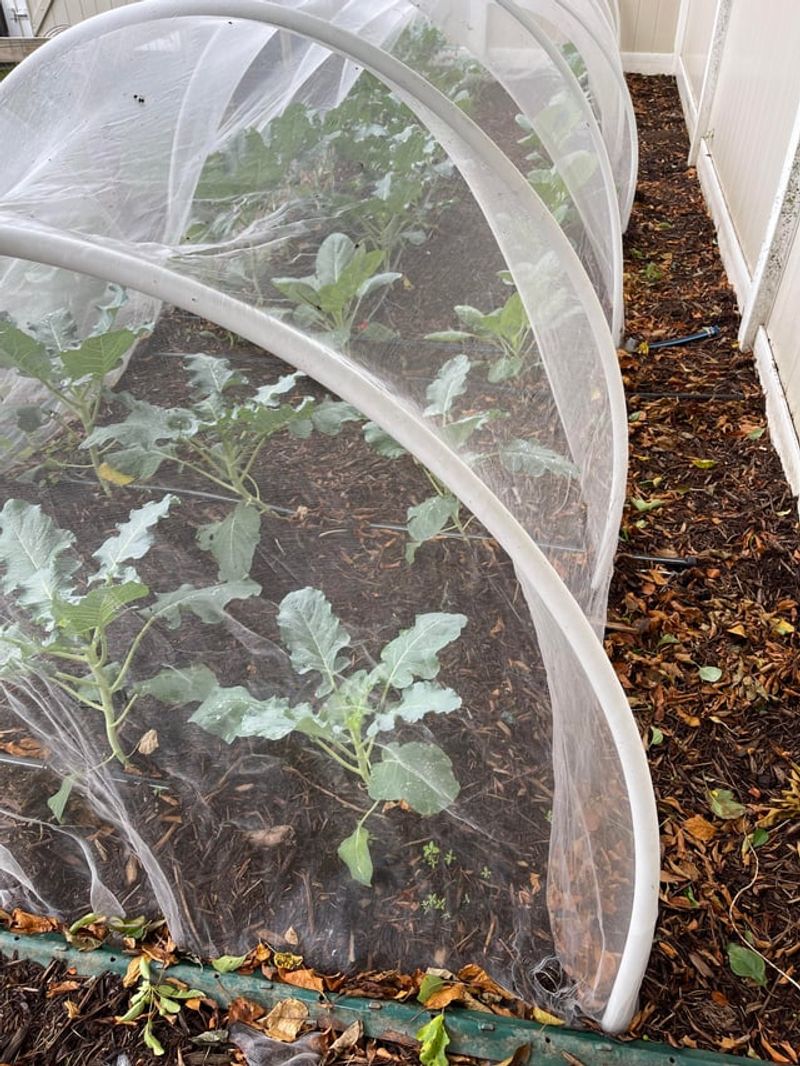
Picture a cozy blanket tucked around a sleeping kid, and you have the basic idea behind frost cloth. This thin, white fabric traps warmth rising from the soil and holds it close to your leafy plants.
Timing matters more than most people think, so get the covers on before the sun slips below the trees. The ground soaks up heat all afternoon, and a cover placed early catches that stored warmth for the night.
Garden centers in Michigan sell row covers labeled by weight, and a medium weight works well for October. Heavier fabric protects better on colder nights, though it lets in less light if you leave it on.
Drape the material loosely so it reaches the ground on every side, like a tent with no gaps. Cold air sneaks in through openings, so pin the edges down with rocks, bricks, or garden staples.
Wire hoops or wooden stakes help keep the fabric from pressing down on tender beans and squash leaves. Leaves that touch the cover can still get frosty spots, especially on clear, calm nights with no wind.
Old bedsheets and light towels work in a pinch if you run out of store-bought fabric at home. Avoid plastic sheets that touch the leaves, because plastic does not insulate well and can pass cold straight to the foliage.
A good row cover can raise the temperature underneath by several degrees, which is often enough to help. Those few degrees can be enough to protect plants on a night with a light frost.
Water The Soil In The Morning Ahead Of A Frost
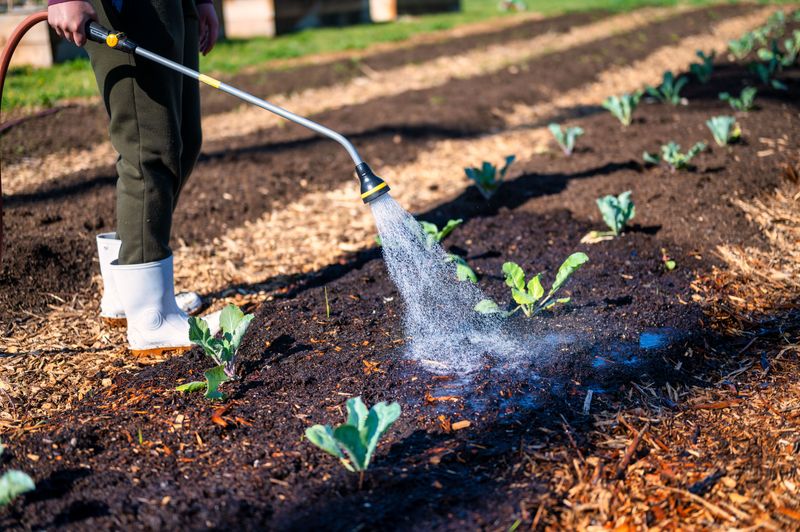
Here is a garden trick that sounds backward at first, yet it works like a charm on chilly nights. Moist soil holds heat much better than dry soil, and it releases that warmth slowly after dark.
Think of damp ground as a warm brick that was sitting in the sun all afternoon long. Dry, crumbly dirt acts more like a thin cracker, cooling off fast once the sky turns dark.
Your Michigan Garden Changes Every Week. Your Plan Should Too.
Gardening in Michigan changes quickly throughout the season. Every Friday you’ll receive a simple weekly plan showing exactly what to plant, prune, fertilize, harvest, and protect so you never miss the right timing.
Water deeply in the morning on the day a frost warning appears in your local Michigan forecast. Morning watering gives the soil hours to soak up sunshine before the evening temperatures start to slide downward.
Aim the hose or watering can at the base of each plant rather than splashing water on leaves. Wet leaves at night can freeze faster, so keeping the foliage dry gives your plants a better chance.
Morning is the easiest time to water, since the soil has the whole day to warm up before evening.
Sandy soil in west Michigan dries out quickly, so gardeners there may need to water a little more. Heavy clay soil holds moisture longer, so push a finger two inches down to check before adding more.
Pair this watering habit with a row cover, and you give your garden a double layer of protection. Your peppers and beans will have a better chance of staying green and productive a little longer.
Pick Ripe Fruit Before The Temperature Drops
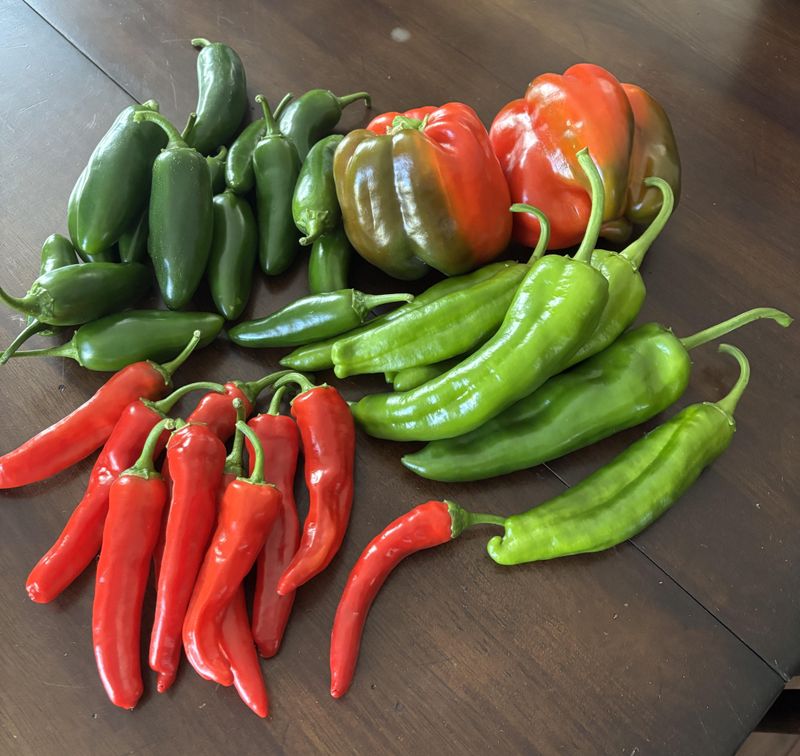
An old fall rule says that if it looks ready, bring it inside before the cold arrives. Peppers, squash, and tomatoes are all worth picking ahead of a frost.
Frost can damage ripe vegetables left on the plant. Frozen fruit turns soft, mushy, and watery after it thaws.
Walk your garden the afternoon a frost warning is announced and grab anything that is ready to eat. Look for bright red peppers, plump zucchini, full-sized cucumbers, and tomatoes showing a blush of pink color.
Green peppers are safe to eat too, so pick the large ones even if they have not changed color. Snap beans should be picked while they are still firm and crisp, before they get tough and lumpy.
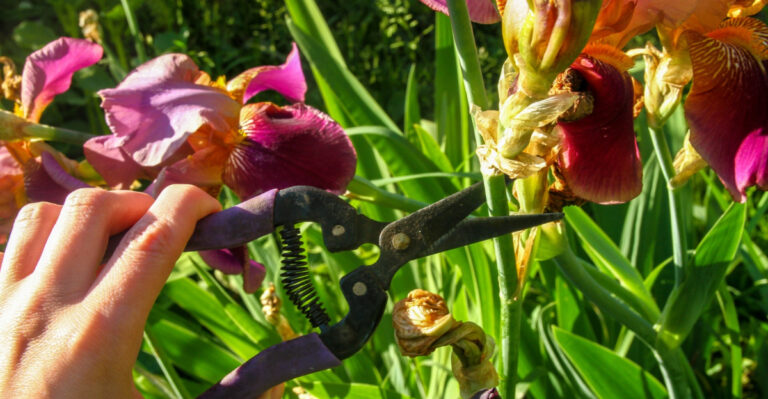
Use clean scissors or garden snips instead of pulling, since yanking can break stems and hurt the plant. A short piece of stem left on peppers and squash helps them stay fresh longer in your kitchen.
Winter squash and pumpkins can handle a light frost, but a hard freeze may damage their thick skins. Bring them in before temperatures dip into the upper twenties, which happens often in northern Michigan by mid-October.
Picking early also saves the ripe fruit before frost can reach it. Think of it as a harvest party, with a basket on your arm and a sweatshirt on your back.
Move Container Plants Close To The House
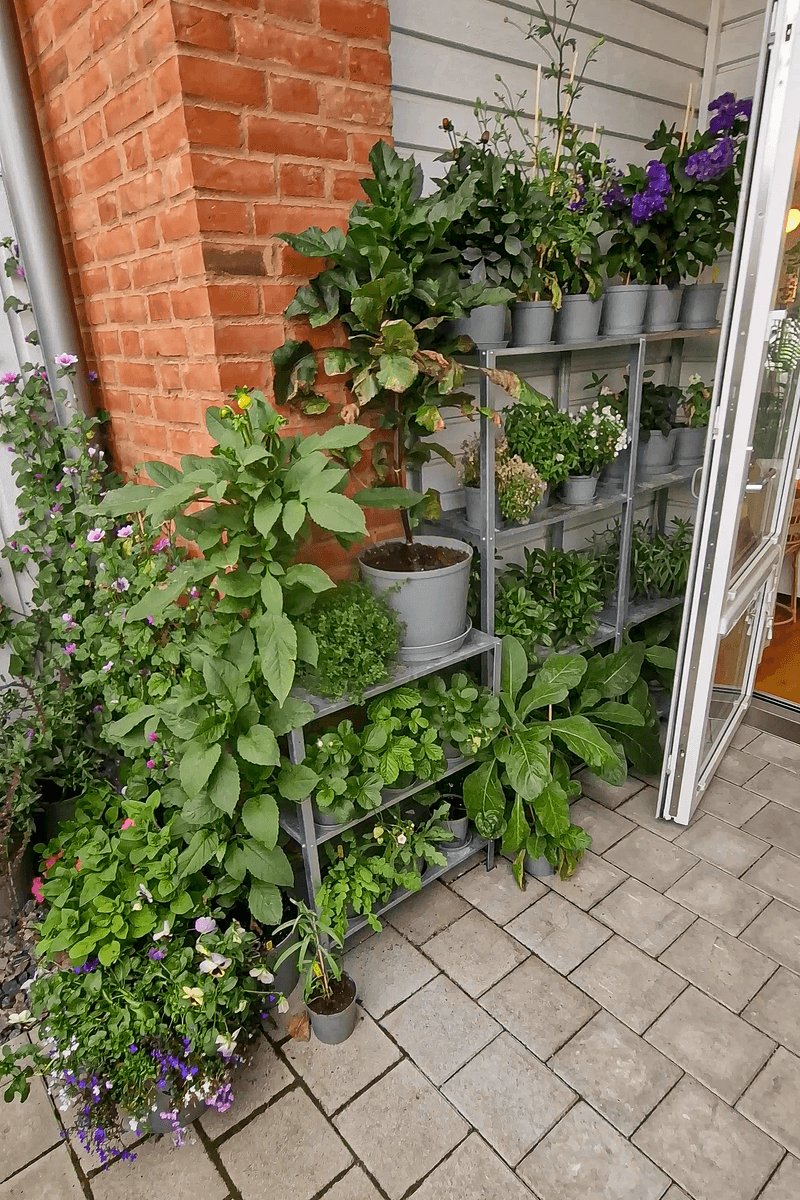
Potted plants have one huge advantage over garden beds, because they can pack their bags and move. On a frosty evening, that little bit of travel can keep your patio peppers and herbs looking healthy.
Walls of a house soak up sunlight during the day and slowly give off warmth after the sun sets. Spots near a south-facing wall or under a porch roof can stay several degrees warmer than the open yard.
Pots are more exposed than garden soil, since cold air can reach the roots from every single side. Grouping several containers together creates a tiny warm neighborhood where the plants shelter each other from chilly breezes.
Heavy pots can be tricky to lift, so a small wagon or plant dolly makes the job much easier. Some Michigan gardeners keep their biggest containers on rolling stands all season, just for these surprise October nights.
An unheated garage or enclosed porch can work well when the forecast drops below thirty degrees for several hours. Bring the plants back outside the next morning, because they still need sunlight to stay strong and productive.
Check the pots for sneaky hitchhikers like slugs, spiders, or earwigs before carrying them into a closed space. Nobody wants a surprise bug parade marching across the garage floor at breakfast time the next day.
Watering containers lightly in the morning helps too, since damp potting soil holds heat better than dry mix. With a little shuffling, your patio garden can keep producing well into the crisp days of mid-fall.
Mulch Around Stems To Trap Ground Heat
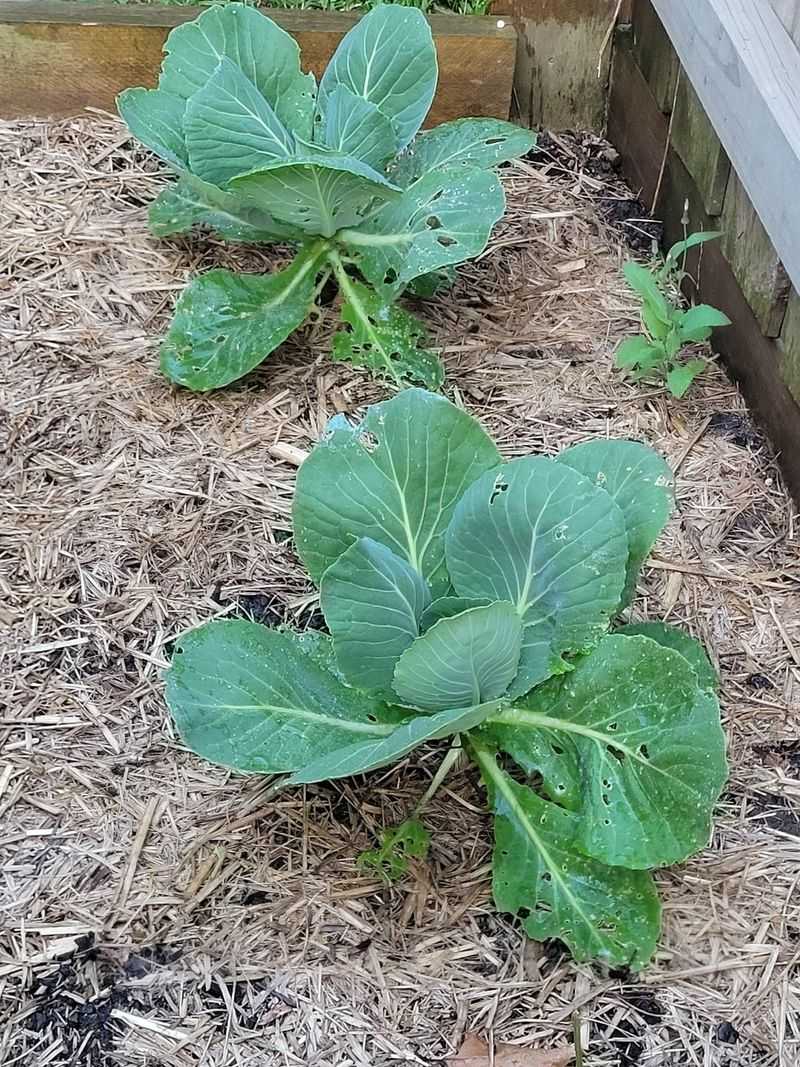
Did you know that the soil a few inches down stays warmer than the air on a frosty night? Mulch works like a cozy winter hat for the ground, keeping that hidden warmth from floating away overnight.
Straw, shredded leaves, and pine needles all make good mulch, and shredded leaves are easy to find in Michigan yards in fall. Those crunchy maple and oak leaves piling up on your lawn are basically free insulation waiting for a job.
Spread a layer about two to four inches thick around the base of each plant in your garden. Leave a small gap right next to the stem so moisture does not sit against it and cause rot.
Root crops like carrots and beets love this treatment, since mulch keeps the soil from freezing too quickly. Many gardeners leave carrots under a thick straw blanket and dig them up sweet and crunchy weeks later.
Shredding the leaves first with a lawn mower keeps them from matting into a soggy, slippery pancake. Smaller pieces let air and water move through, which keeps roots healthy while still holding in ground warmth.
Mulch mainly protects the soil and roots, so it works best alongside a fabric cover for the plants above ground.
Once the growing season ends, simply rake the mulch into the soil or save it for spring beds. Your garden gets extra nutrients as the leaves break down, making next year’s plants stronger and happier.
Set Jugs Of Warm Water Beside Peppers
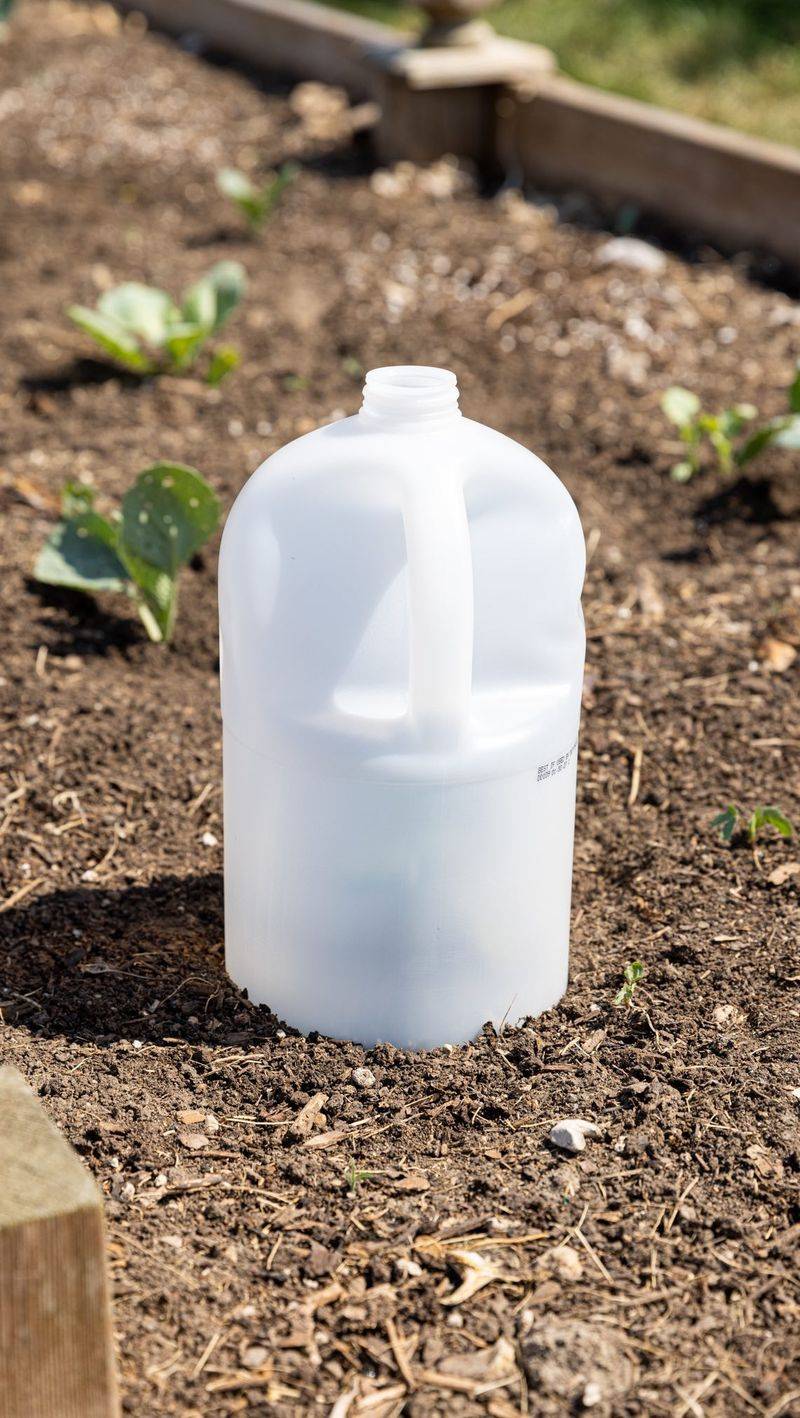
Old milk jugs from your recycling bin make handy garden helpers. Filled with water and placed near plants, they work like little heaters that run on free sunshine.
Water holds heat far longer than air, so a jug warmed during the day slowly releases warmth at night. Peppers are especially fussy about cold, and they often sulk or drop flowers when temperatures slip into the thirties.
Fill several gallon jugs with warm tap water in the late afternoon before a frost warning takes effect. Set two or three jugs around each pepper plant, tucking them close to the stems without crowding branches.
Painting the jugs black or dark brown helps them soak up even more sunshine on bright fall days. Some gardeners leave the jugs out for weeks, letting the sun recharge them every afternoon like tiny batteries.
Jugs work best when you add a row cover on top, trapping the released heat around the leaves. Without a cover, much of that warmth floats up into the sky and disappears before sunrise on clear nights.
Fun fact: gardeners have long used water to buffer against cold, because water releases heat slowly as it cools. Your pepper patch uses the same science, just with plastic jugs.
Rinse the jugs well before filling them, since leftover milk can turn sour and smelly in the garden. Screw the caps on tight too, or you might find a curious raccoon splashing around by morning.
Uncover Plants After Morning Temperatures Rise
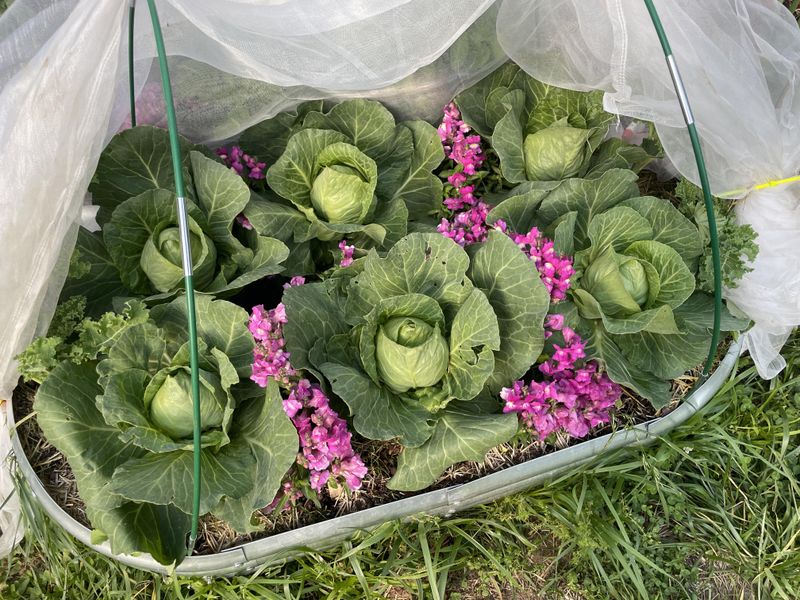
Pulling the covers off too early is like yanking the blanket off a sleeping teenager at dawn. Nobody is happy, and your plants may get a nasty shock from the lingering chill in the air.
Frost usually hits its coldest point just before sunrise, so the early morning hours are the riskiest time. Wait until the thermometer climbs above freezing and the frost on your lawn has melted into shiny dew.
In October, that often happens somewhere between nine and eleven in the morning on sunny days. Cloudy mornings may take a little longer, so check a simple outdoor thermometer before lifting any fabric.
Leaving covers on all day can cause trouble too, since plants need sunlight to make food and grow. Heat can also build up under the fabric on bright afternoons, making leaves wilt and feel soft.
Fold the covers neatly and keep them close by, because Michigan frosts often come in groups of several nights. A bin or basket near the garden gate makes covering and uncovering quick, easy chores each day.
Take a quick peek at your plants once the covers come off, looking for dark or droopy leaves. A few damaged leaves are normal, and you can trim them away so the plant stays neat and healthy.
Morning uncovering might feel like one more chore, but it only takes a few minutes with a coffee. Your garden gets its sunshine, and you get a peaceful moment listening to geese honking overhead.
Ripen Green Tomatoes Indoors On A Shelf
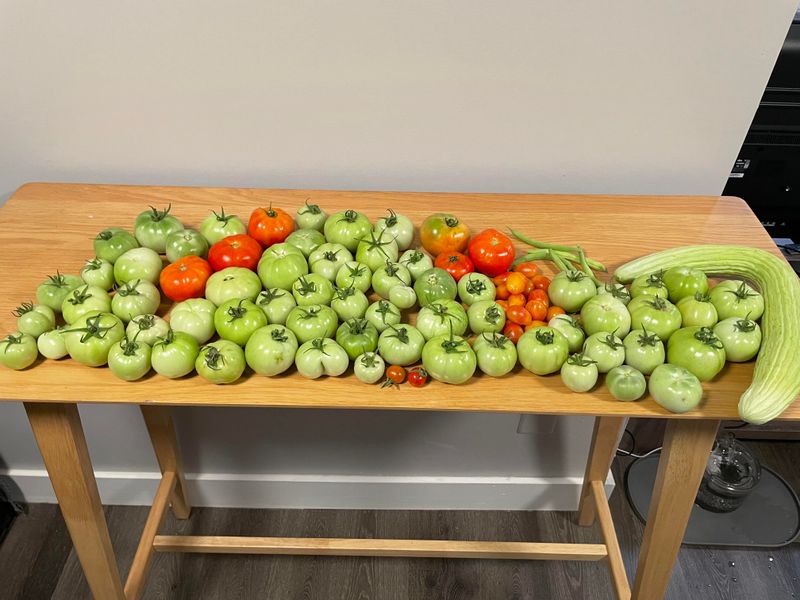
Many Michigan gardeners know the feeling of staring at a vine loaded with hard, green tomatoes in October. Good news, friends, because those stubborn fruits can finish ripening indoors while the weather turns chilly outside.
Pick tomatoes that are full-sized and slightly glossy, since tiny green ones rarely ripen well off the vine. A pale green or white star on the bottom is a great sign that ripening has already quietly started.
Wipe off any dirt gently, then set the tomatoes on a shelf or tray in a single layer. Keep them from touching each other, so one soft or bruised tomato does not spoil its neighbors.
A spot between sixty-five and seventy degrees works best, like a pantry shelf or a quiet basement corner. Direct sun on a windowsill can overheat the fruit, so gentle indirect light or even darkness is fine.
Want to speed things up a bit, especially when a frosty week keeps you stuck inside the house? Tuck a ripe banana or apple nearby, because these fruits release ethylene gas that helps tomatoes turn red.
Check your shelf every couple of days, pulling out any tomatoes that show soft spots or mold. Most will blush orange and then red within one to three weeks, depending on how mature they were.
Indoor tomatoes may not taste quite like the sun-warmed ones from August, but they are still a tasty homegrown treat. Slicing a homegrown tomato onto a November sandwich feels like sneaking a little sunshine into late fall.