The Amaryllis Task Pennsylvania Gardeners Forget Every October
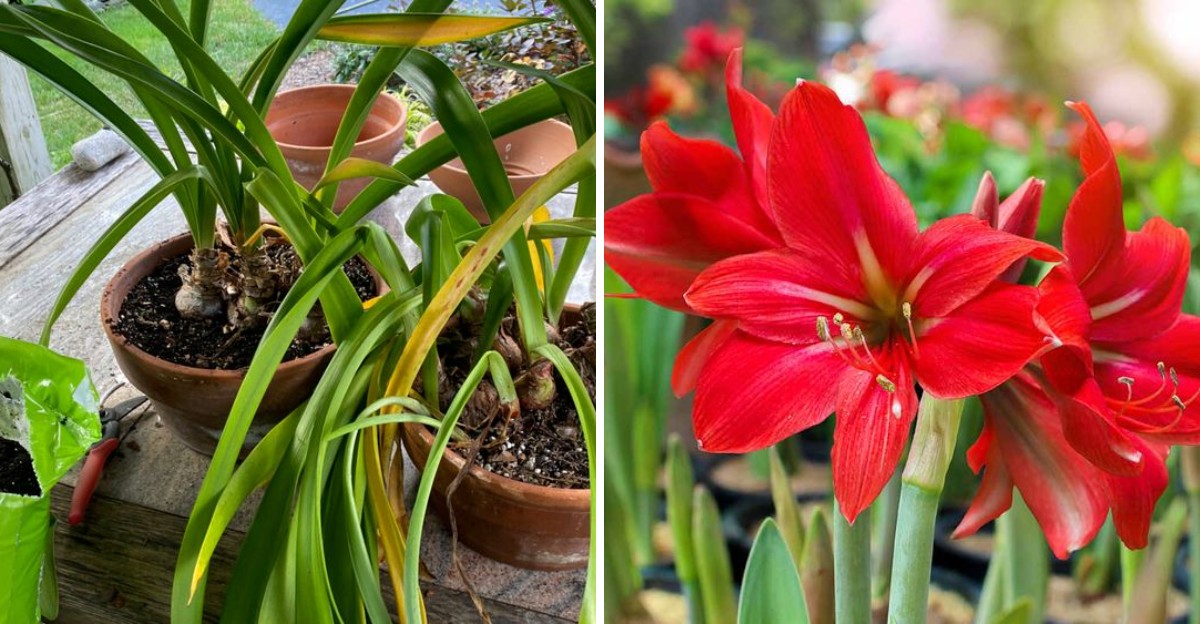
Every December, giant amaryllis blooms light up store displays and holiday tables across Pennsylvania. Those bold red, pink, and white flowers look like they took a lot of skill to grow.
Here’s the surprise. If you already have an amaryllis bulb from last year, you can get that same show again for free.
There’s just one catch. Amaryllis bulbs need a little help to bloom again, and that help has to start in October.
Many gardeners spend the summer caring for their plants outdoors, then simply bring the pots inside and keep watering as usual. Months later, they’re left with a pot full of leaves and no flowers at all.
The trick is giving the bulb exactly what it needs at the right moment. It’s quick, easy, and the payoff arrives right when winter feels longest.
Bring Amaryllis Indoors And Start Its Rest Period
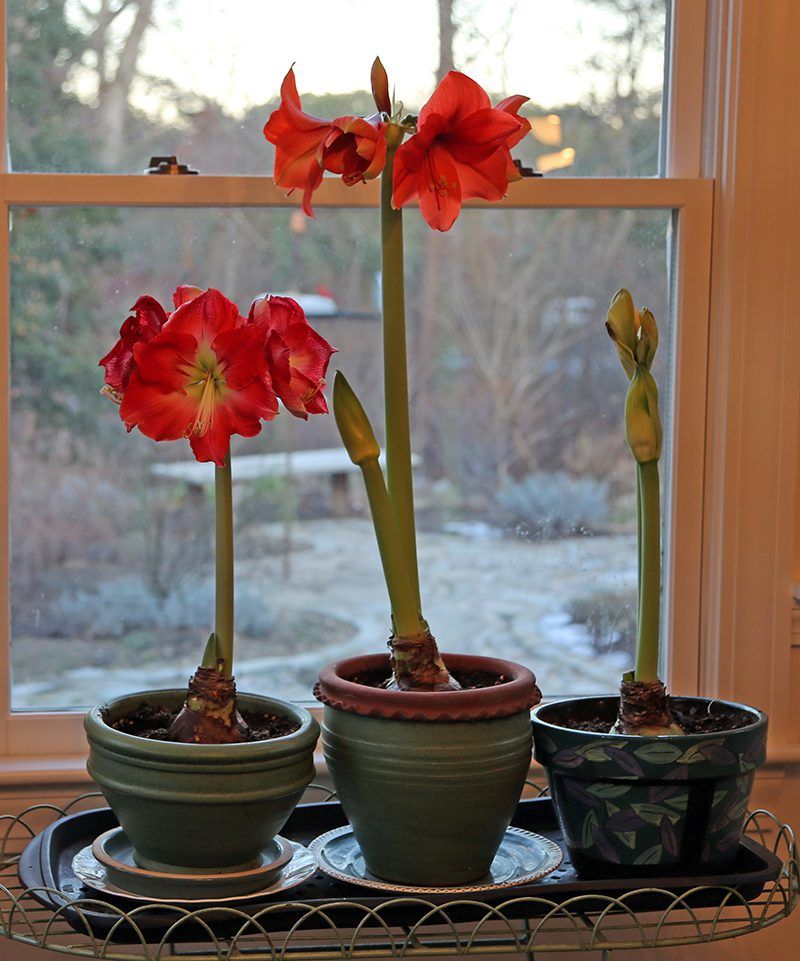
Ask any longtime grower, and they will tell you October is the make-or-break month for amaryllis. Your bulb spent the summer outdoors getting fat and strong. Now it needs your help to get ready for its next big show.
Pennsylvania weather can turn fast in the fall. One week feels like summer, and the next brings frost on the car windows. Moving the pot inside early keeps you from getting caught off guard.
Once the bulb is safely indoors, you can start its rest period. Gardeners call this dormancy. Think of it as a long winter nap for the plant. During dormancy, the bulb slows down, saves energy, and prepares to grow flower buds.
Skipping the rest is a common mistake. Many people keep watering their amaryllis like a regular houseplant. The bulb stays green, but it often refuses to bloom. Without a proper break, it simply has no reason to flower.
A smart move is to mark a date on your calendar. Aim for early to mid-October in most of Pennsylvania.
Folks in the colder northern counties or mountain areas may want to act in late September. Those near Philadelphia sometimes have a little more time.
Before carrying the pot inside, give it a quick check. Look under the leaves and around the rim for bugs like spider mites or slugs.
Rinse the leaves with a gentle spray of water if needed. You do not want to bring unwanted guests into your home.
Fun fact: amaryllis bulbs can live for decades. Some families pass the same bulb down for 50 years or more. A little October care is how those old bulbs keep going strong.
Why Amaryllis Can’t Stay Outside
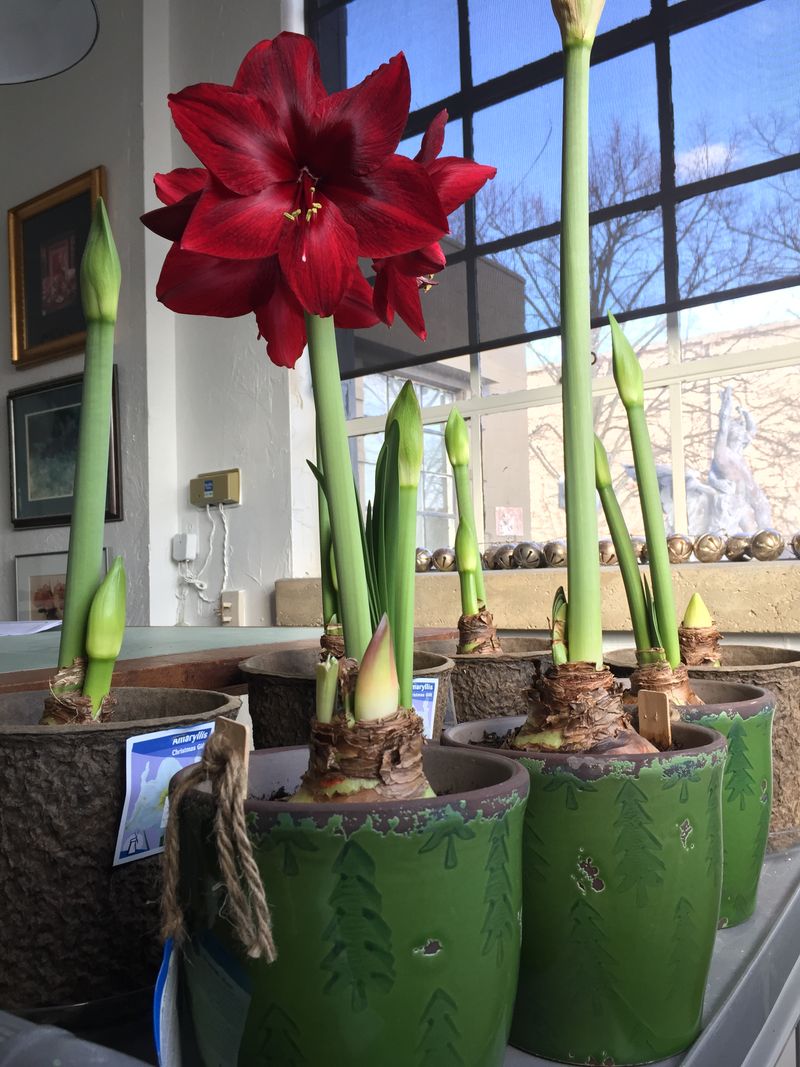
Here is the simple truth: amaryllis is a warm-weather plant at heart. Its wild relatives come from South America, where cold nights are rare. Pennsylvania falls are a whole different story.
Frost is the biggest danger. When ice crystals form inside the plant, they break apart its cells. The leaves turn mushy and black. If the cold reaches the bulb, it can rot from the inside, and you may lose the plant for good.
Your Pennsylvania Garden Changes Every Week. Your Plan Should Too.
Gardening in Pennsylvania changes quickly throughout the season. Every Friday you’ll receive a simple weekly plan showing exactly what to plant, prune, fertilize, harvest, and protect so you never miss the right timing.
You might think the plant is safe until the first frost warning. Not quite. Amaryllis starts to suffer once nights drop into the 40s. Chilly soil stresses the roots, even if the leaves look fine. Damaged roots mean a weaker plant next season.
So when should you act? Watch your local forecast in early fall. As soon as nighttime lows reach about 45 to 50 degrees, it is time to carry the pot indoors. Many Pennsylvania towns hit those numbers by late September or early October.
Bulbs planted directly in the garden need a bit more work. Dig carefully around the plant with a garden fork. Lift the bulb with its roots and some soil still attached. Then settle it into a pot with fresh mix.
A handy trick is to keep a cheap outdoor thermometer near your plants. It shows you the real temperature in your yard, which can be colder than the weather report. Low spots and shady corners often chill faster.
Did you know? The name amaryllis comes from a shepherdess in an old Greek poem. The plants we grow today, though, are really called Hippeastrum by scientists.
Stop Watering And Let The Leaves Fade
Putting down the watering can feels strange at first. You have spent all summer keeping this plant happy and hydrated. Now the best thing you can do is nothing at all.
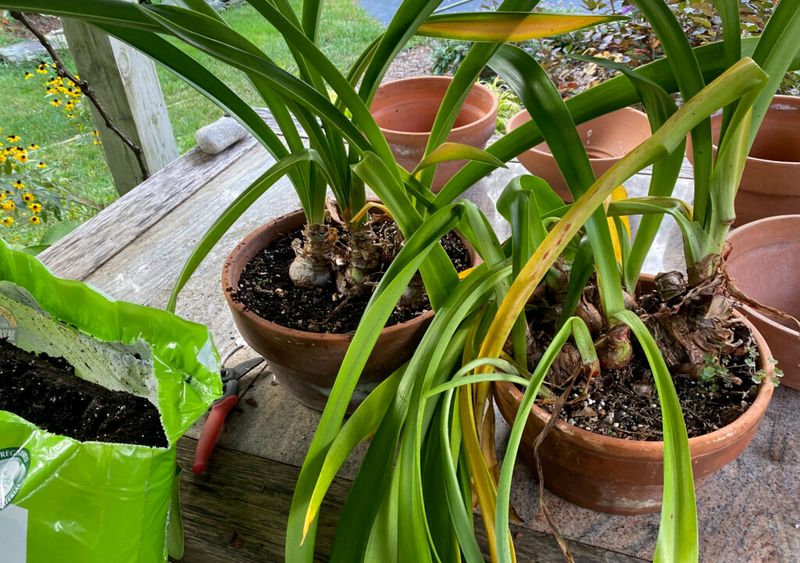
Once the pot comes inside, stop watering completely. Over the next few weeks, the leaves will slowly turn yellow. Then they will droop, wrinkle, and dry out. It may look sad, but the plant is doing exactly what it should.
Something clever is happening behind the scenes. As the leaves fade, the bulb pulls food and energy back from them. It stores those nutrients deep inside its layers. That saved energy later fuels the giant flower stalk.
Patience matters here. Do not cut green leaves just to speed things up. Green leaves are still sending energy down to the bulb. Cutting them early is like leaving the dinner table before you finish eating.
Wait until the leaves are fully brown and crispy. They should pull away or flop over with no green left. This usually takes two to four weeks, but some bulbs move slower.
When the time comes, grab clean scissors or garden snips. Cut each leaf about an inch above the top of the bulb. Leaving that small stub protects the neck of the bulb from rot or injury.
A quick tip: wipe your scissors with rubbing alcohol before cutting. Clean tools help stop the spread of plant diseases from one pot to another.
Some bulbs stubbornly stay green for a long time. If yours does, move it to a cooler spot to nudge it along. Usually, the leaves give in soon after.
Store The Bulb Somewhere Cool And Dark
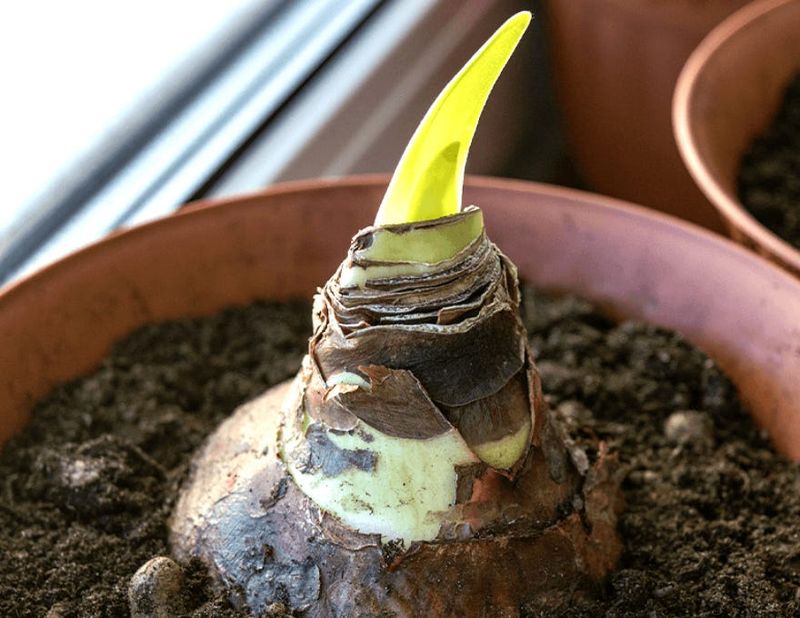
Lucky for Pennsylvania gardeners, many homes come with the perfect resting spot built right in. That old basement you mostly use for storage? Your amaryllis will love it.
After trimming the leaves, move the potted bulb somewhere cool and dark. Basements, unheated closets, and cool garages often work well. The goal is steady temperatures around 50 to 55 degrees.
Why so picky? Warm air can trick the bulb into waking up too soon. Freezing air can harm it. That cool middle range tells the bulb it is time to rest and build flower buds.
Leave it there for about 8 to 10 weeks. Write the start date on a sticky note and tape it to the pot. That way, you will not lose track during busy holiday months.
Keep the soil dry the whole time. No watering at all. A wet pot in a cool room is an open invitation to mold and rot. Dry soil keeps the bulb safe and sleepy.
Darkness helps too, but it does not need to be pitch black. A dim corner is fine. Just avoid sunny windows, which can coax out early growth.
Garages need a little extra thought. Some get colder than you might expect during a January cold snap. If yours drops near freezing, move the bulb to a safer place.
Got a spare refrigerator? Some growers rest bare bulbs in a paper bag inside it. Keep them far away from apples, though. Ripening fruit gives off a gas that can harm the flower buds tucked inside.
Wake It Up For New Blooms
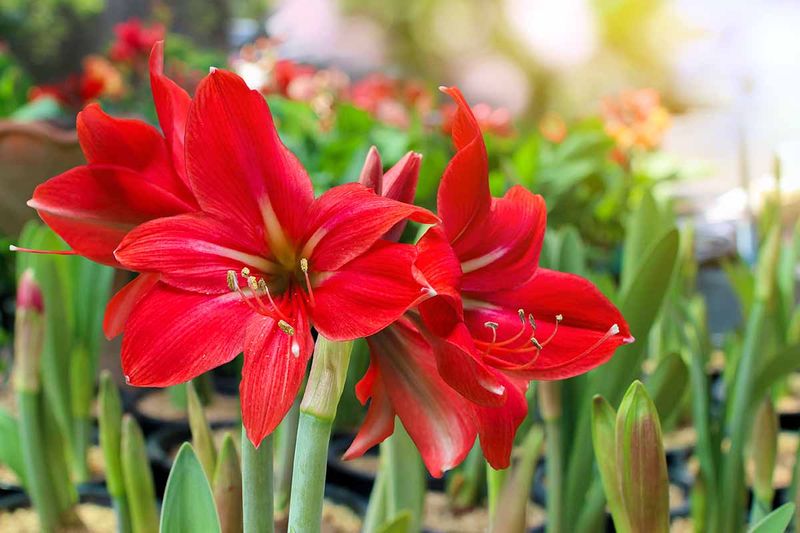
Few things beat the thrill of spotting that first green tip poking out of the bulb. After weeks of quiet waiting, your amaryllis is finally ready for its comeback.
Once the 8 to 10 weeks are up, bring the pot out of storage. Place it in a warm, bright room. A sunny window facing south or west is ideal. Room temperatures between 65 and 75 degrees encourage strong growth.
Next, give the soil a light drink of water. Go easy here. The bulb has no leaves yet, so it cannot use much. Too much water at this stage can lead to rot.
Water again only when the top inch of soil feels dry. As leaves and a flower stalk appear, you can water a bit more often. Many growers also add a gentle houseplant fertilizer once growth begins.
Flowers usually show up about 6 to 8 weeks after waking the bulb. If you started the rest period in October, expect blooms sometime in late winter. That often lands in February or March, a gloomy time when color is very welcome.
Turn the pot a little every few days. The tall stalk leans toward the light, and turning keeps it straight. A thin stake can help support heavy blooms.
Want flowers to last longer? Move the plant out of direct sun once buds open. Cooler spots can stretch the show by a week or more.
Here is a cool fact: a healthy bulb may send up two or even three stalks. Each one can carry four or more giant blossoms.
Check The Bulb And Refresh The Soil
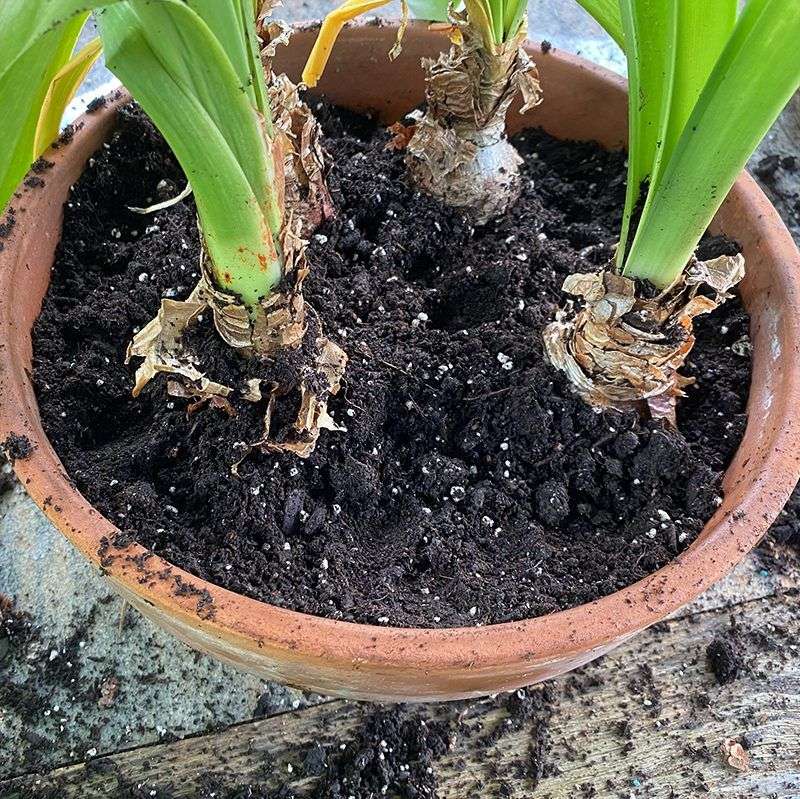
Think of a quick bulb checkup like a visit to the doctor before a big race. A few minutes of attention now can save you a whole season of disappointment.
Before you wake the bulb, give it a gentle squeeze. A healthy amaryllis bulb feels firm, a lot like a fresh onion. Its outer skin may be papery, and that is perfectly normal.
Soft or mushy spots are a warning sign. So is a bad smell or dark, slimy patches. Bulbs with these problems are usually rotting and will not bloom. It is best to toss them so the rot cannot spread.
Take a peek at the roots too. Good roots look white or light tan and feel plump. Trim away any that are brown, dry, or squishy with clean scissors.
Every two or three years, your bulb will enjoy fresh soil. Old potting mix breaks down and loses nutrients over time. Repotting gives the roots a clean, healthy home.
Choose a pot only slightly wider than the bulb. About one or two inches of space on each side is plenty. Amaryllis actually blooms better when its roots feel a little snug.
Use a light, well-draining potting mix. Make sure the pot has drainage holes in the bottom. Set the bulb so the top third sits above the soil line.
Many gardeners like to repot right before waking the bulb. That timing lets the roots settle in as growth starts. Mark your calendar, and this simple routine will keep your amaryllis healthy for years.