Where Southern Devil Scorpions Hide Around Georgia Homes As The Weather Cools
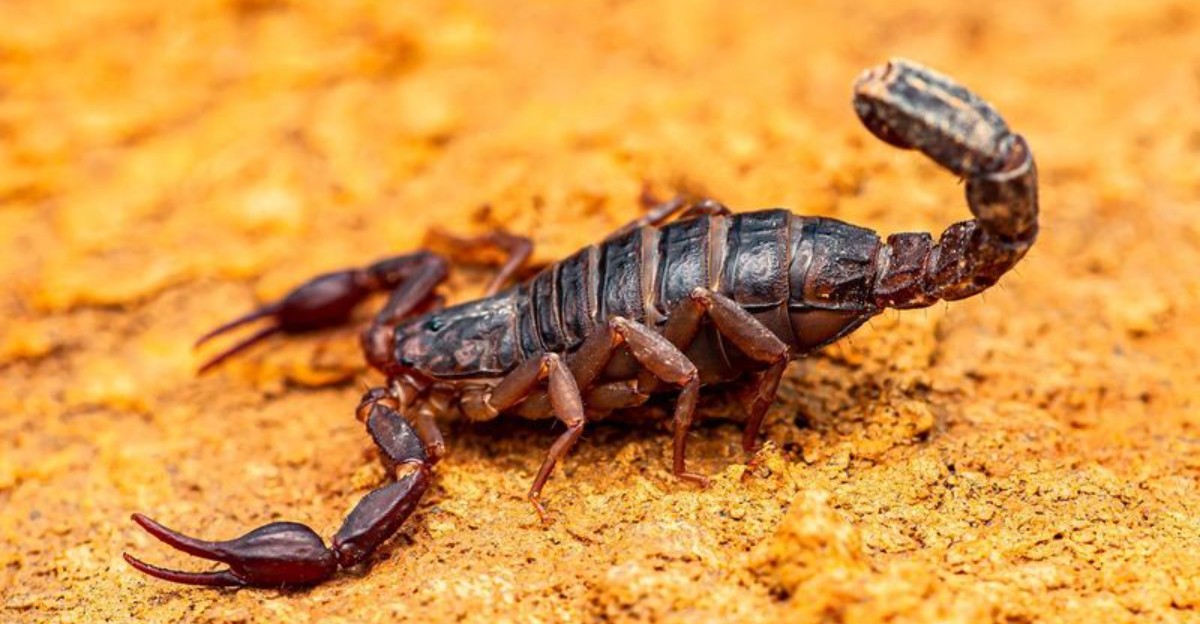
Finding a small brown scorpion in the bathtub can make you rethink every corner of your house. In north Georgia especially, that surprise is more common than many newcomers expect.
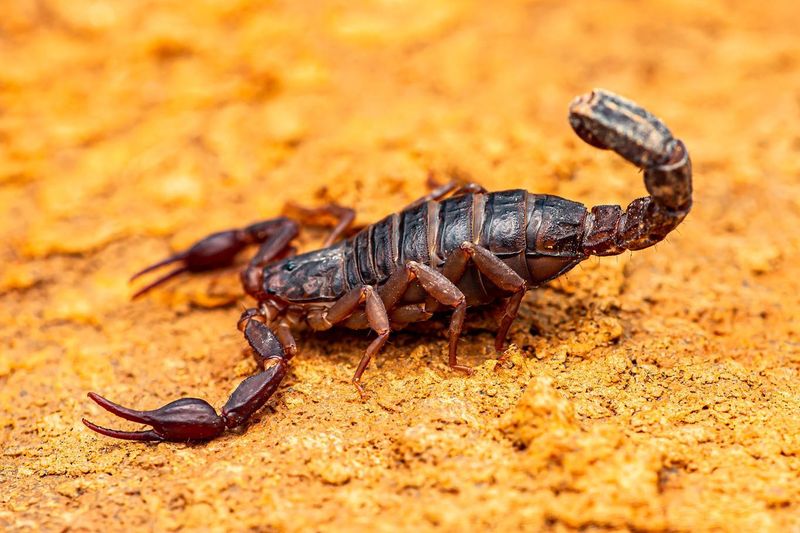
Southern devil scorpions are native, shy, and usually smaller than your thumb. Their sting is often compared to a bee sting, though that is little comfort when one turns up inside.
As nights get cooler, these scorpions start looking for sheltered spots close to the warmth of your home.
Many of those spots are places you handle during fall chores without looking first.
Some of them sit right outside your door, while others can lead a scorpion straight into the house.
Keep a pair of work gloves handy, and check carefully before reaching into anything dark or cluttered this season.
1. Loose Tree Bark Provides A Tight Shelter During Daylight Hours
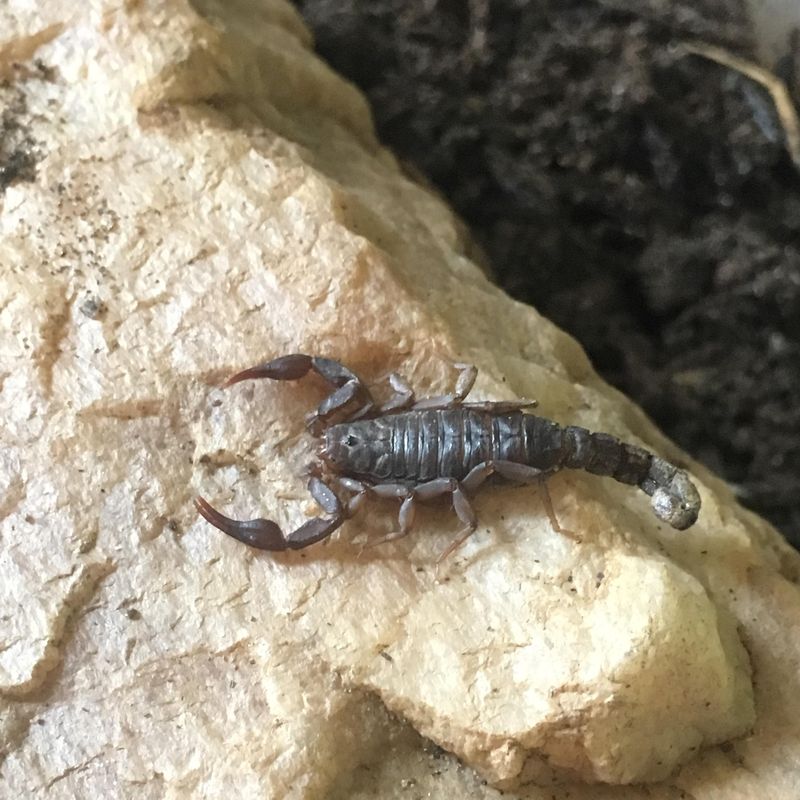
Peel back a flap of loose pine bark in fall, and you might find a small brown scorpion pressed flat against the wood. Southern devil scorpions are skilled climbers, and bark gives them a snug, shaded pocket.
Tight spaces seem to suit them well, since their flat bodies slide easily into narrow gaps.
Pine trees are common across Georgia, and their thick, flaky bark often separates from the trunk as trees age. Stumps and fallen logs can offer the same kind of cover once the bark starts to loosen.
During the day, a scorpion under bark stays out of the sun and away from birds and other predators.
At night, it may crawl out to hunt small insects like crickets, spiders, and beetles. Once cooler weather settles in, activity usually slows, and scorpions may stay tucked away longer.
Gloves are a smart idea whenever you handle bark, stumps, or old logs around your yard.
If an old stump or snag sits close to your house, consider having it removed or moved farther away. Trees themselves are not a problem, but loose bark right beside a foundation can put hiding spots a little too close.
A flashlight check in the evening can also show you whether scorpions are using nearby trunks.
Leaving loose bark undisturbed on healthy trees is usually fine when those trunks sit away from busy areas around the home.
2. Under Flat Rocks, Southern Devil Scorpions Stay Hidden From View
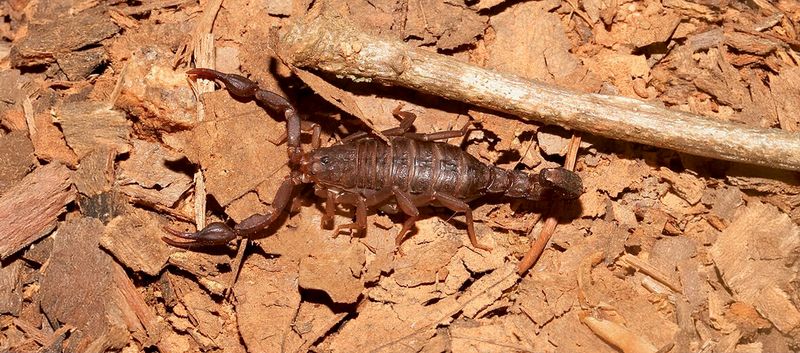
Flip a stepping stone on a cool October morning, and there is a real chance something will scurry away. Flat rocks trap a little warmth and moisture underneath, which makes them appealing shelter.
Southern devil scorpions like that thin, protected gap between stone and soil.
Garden paths, border stones, and decorative rocks are common in yards throughout Georgia. Any flat stone resting directly on the ground can hold a small pocket of space beneath it.
Moist soil under a rock may also attract insects, and that gives a hungry scorpion easy meals close to home.
Here is a simple habit worth building: lift rocks toward you, not away. Tilting the stone so the far side rises first keeps your hands and face out of the direct path of anything underneath.
Your Georgia Garden Changes Every Week. Your Plan Should Too.
Gardening in Georgia changes quickly throughout the season. Every Friday you’ll receive a simple weekly plan showing exactly what to plant, prune, fertilize, harvest, and protect so you never miss the right timing.
Bare hands are a poor choice for this job, so keep a pair of thick gloves near your gardening tools.
Stones placed right against your foundation deserve a second look. Moving them a few feet out may reduce hiding spots near doors and walls.
Results can vary based on how many other hiding places your yard offers, so rock placement is just one piece of the puzzle.
Keeping the area around them dry and uncluttered can make those spaces less inviting.
October is a good time to notice which stones stay damp longest after rain and adjust those areas if needed.
3. Stacked Firewood Creates Plenty Of Narrow Protected Spaces
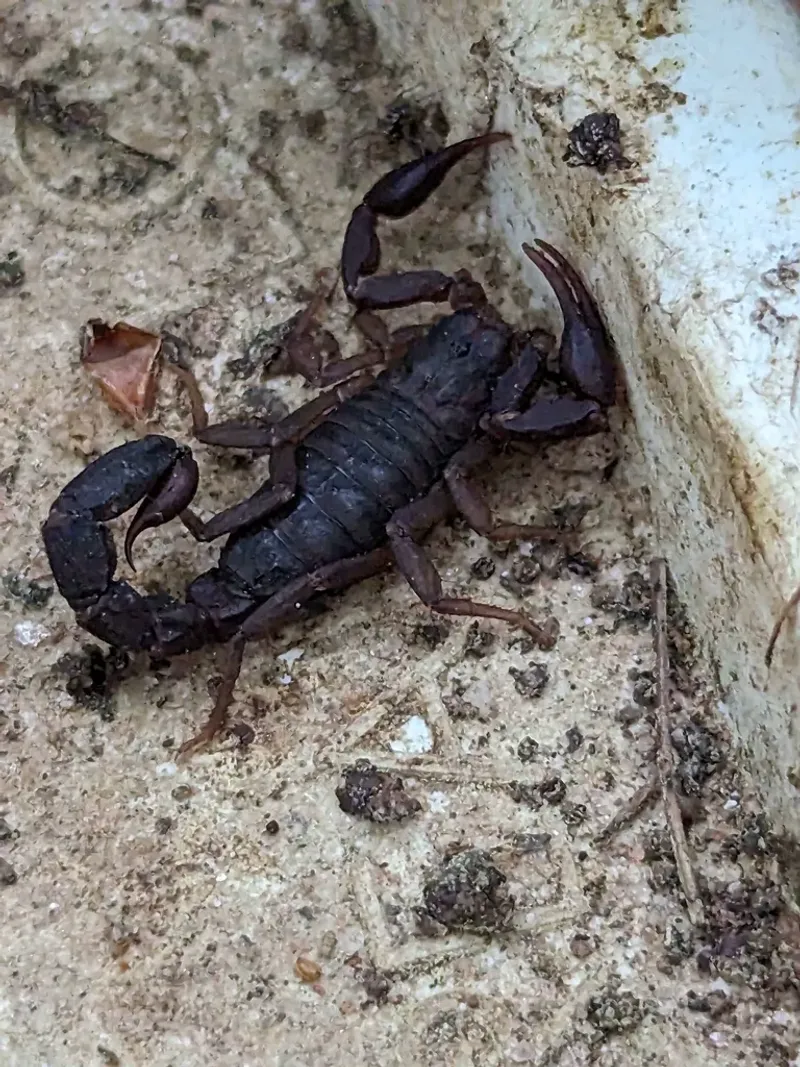
Firewood season and scorpion season overlap more than most people expect. Just when you start hauling logs for chilly evenings, scorpions are looking for tight spots to wait out cooler weather.
A woodpile offers dozens of cracks, gaps, and shaded corners in one convenient stack.
Wood stacked on bare ground tends to hold moisture, which draws insects that scorpions feed on. Over time, a pile sitting in one place can turn into a busy little habitat.
Keeping firewood well away from your house is one of the easiest changes to make.
Many Georgia homeowners store wood on a porch or against a wall for convenience, but that shortcut brings shelter right up to the doorstep. Try to keep the stack at least several feet from the house if your yard allows it.
Raising logs on a rack or pallets helps air move through the pile and keeps the bottom layer drier.
Wear gloves when you grab wood, and take a quick look at each piece before carrying it inside. Tapping a log on the ground can also encourage a hidden scorpion to drop out.
Bring in only what you plan to burn soon, since wood left indoors for days gives any stowaways time to wander.
Checking the stack occasionally can help you spot scorpions or other small creatures before reaching between the logs.
Dry, elevated firewood also leaves fewer sheltered spaces where scorpions can settle in unnoticed.
4. Boards Left On The Ground Offer Another Easy Place To Shelter
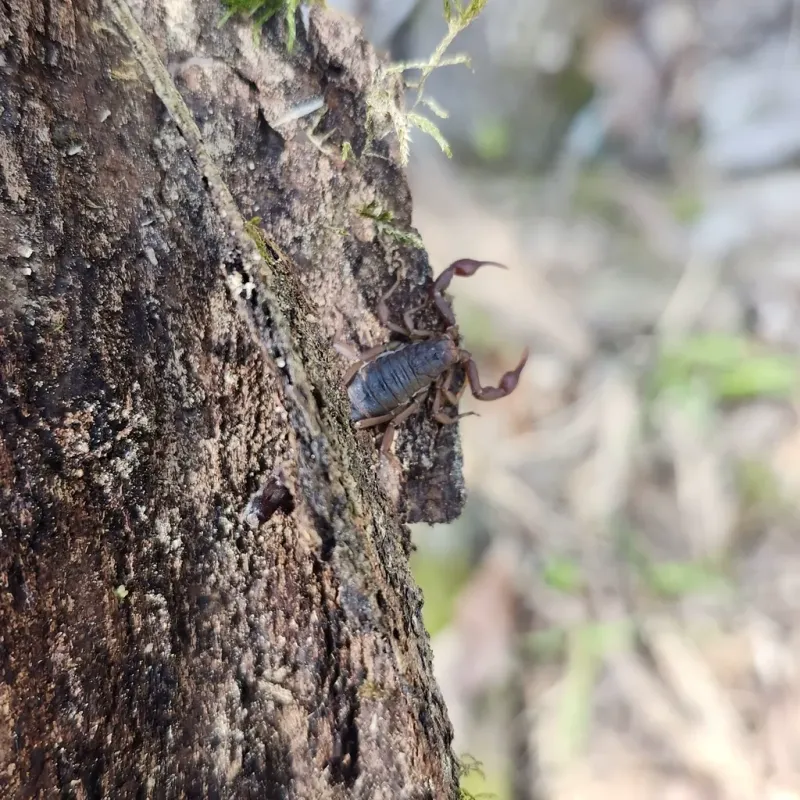
That leftover plank from last summer’s project may have quietly become a scorpion shelter. Boards lying flat on the grass create a dark, damp strip of cover that small creatures love.
Southern devil scorpions often use boards the same way they use rocks, pressing into the gap below.
Wildlife biologists sometimes place boards on the ground on purpose to survey reptiles and insects. It works because so many animals seek out that kind of cover, and your yard is no different.
Plywood scraps, fence pickets, and old pallets all fall into the same category.
Around Georgia, damp fall weather can keep the soil under a board moist for long stretches. Insects gather in that moisture, and scorpions tend to follow the food.
A quick yard walk can reveal forgotten lumber behind sheds, under decks, and along fences.
If you want to keep the wood, stack it on a rack or sawhorses instead of the ground. Storing it in a dry shed or garage corner can help, though you should still check it before use.
Picking up boards with gloves and lifting the far edge first gives you a safer view underneath.
Clearing these forgotten pieces also removes shelter for many of the insects scorpions hunt.
Check the same spots regularly through fall, especially after wet weather keeps the ground damp.
5. Rubbish And Yard Debris Can Create Undisturbed Hiding Places
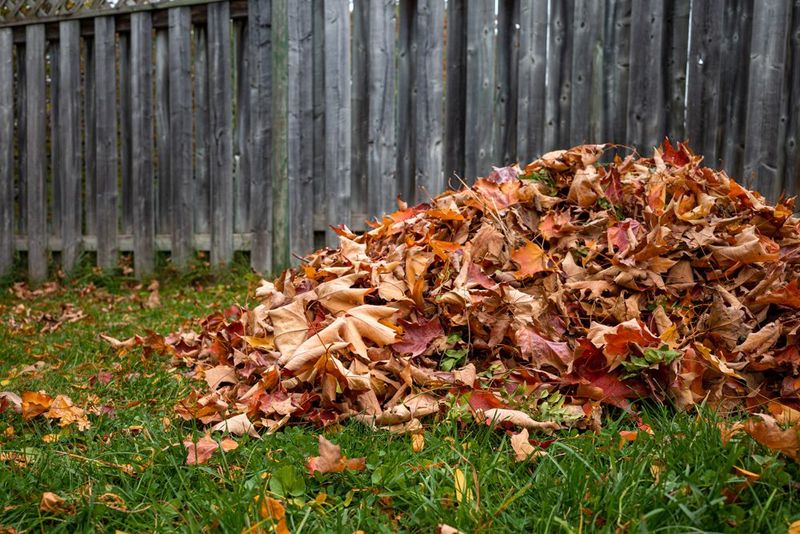
Clutter tends to attract company. A forgotten heap of leaves, branches, or old pots can become a quiet hideout that nobody disturbs for months.
Undisturbed spots matter to scorpions, since they prefer places where they are unlikely to be bothered.
Fall in Georgia brings a steady drop of oak and pine leaves, and those piles build up fast. Raked leaves left in corners or against fences can hold moisture and shelter plenty of insects.
Brush piles, broken planters, tarps, and bags of old mulch can all serve the same purpose.
Clearing debris does not mean stripping your yard bare. You can still compost or keep a brush pile for wildlife, just place it well away from your home.
Rolling up tarps and hanging tools on a wall can remove a surprising number of small hiding spots.
Tackle cleanup with gloves, sturdy shoes, and long sleeves. Moving slowly gives you time to notice anything crawling before your hands get too close.
Less clutter near the house may lower your chances of meeting a scorpion, though it will not remove every one from the area.
Keeping the area around your foundation tidy is especially useful because scorpions may wander toward nearby cracks and gaps.
Regular fall cleanup also makes it easier to spot new hiding places before they become established shelters.
6. Rock Piles Provide Crevices Scorpions Can Retreat Into
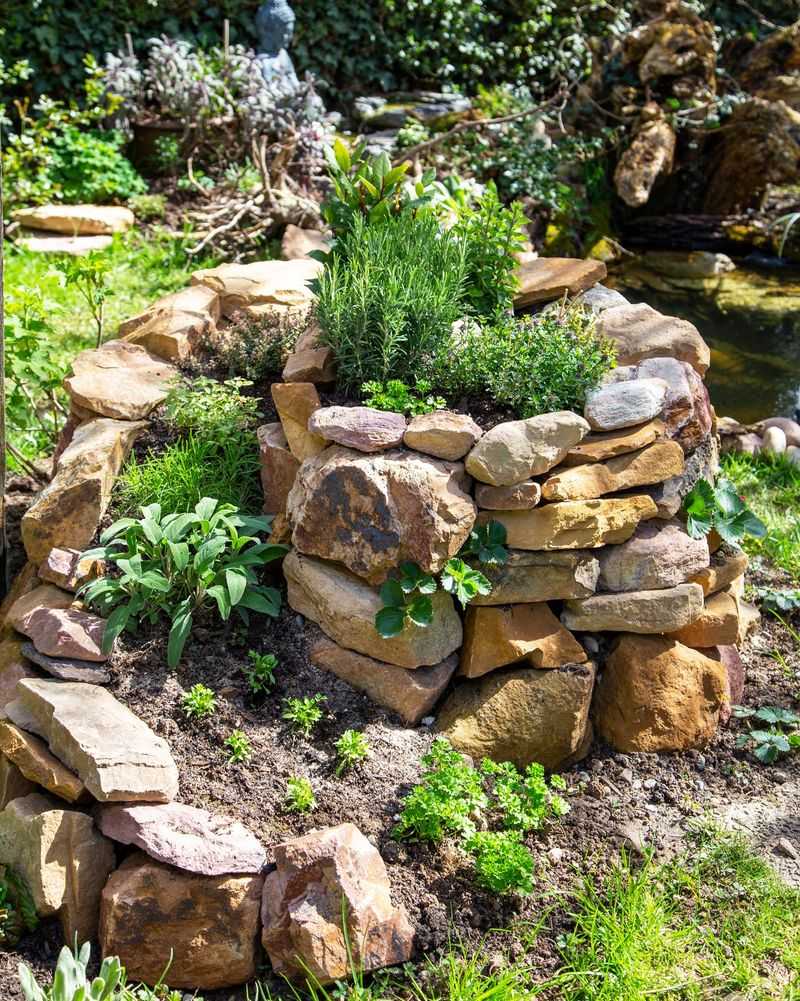
Where a single rock offers one hiding spot, a rock pile offers a whole neighborhood. Every gap between stones creates a crevice where a scorpion can back in and stay put.
Deeper layers in a pile can also stay a bit more stable in temperature than the surface.
Stone walls, rock gardens, and leftover landscaping stone are popular features in Georgia yards. They look nice, but they can be hard to inspect because so much space sits out of sight.
Reaching into a rock pile with bare hands is a habit worth breaking right away.
If you are building a new rock feature, think about where it sits. Keeping it away from the foundation and main entry points gives scorpions less reason to wander toward the house.
Existing piles close to the home can be moved, thinned out, or replaced with a more open design.
A blacklight flashlight at night is a fun way to check these spots. Scorpions glow under ultraviolet light, so a quick scan can show whether any are using the stones.
Keep your distance while looking, and let any scorpion you find go about its business.
Regular checks can help you notice scorpion activity before reaching into the stones during yard work.
Fewer deep crevices near busy areas can also reduce the number of sheltered spaces available.
7. Cracks And Crevices Give Indoor Wanderers Places To Disappear
Spot a scorpion on the kitchen floor, blink, and it may already be gone. Southern devil scorpions can slip into surprisingly thin gaps along baseboards, trim, and walls.
Getting inside usually happens through small openings near doors, windows, and the foundation.
Homes across Georgia, especially older ones, often have gaps around plumbing, vents, and door frames. As the weather cools, a wandering scorpion may find its way through one of these openings.
Sealing those gaps is one of the most useful steps you can take indoors.
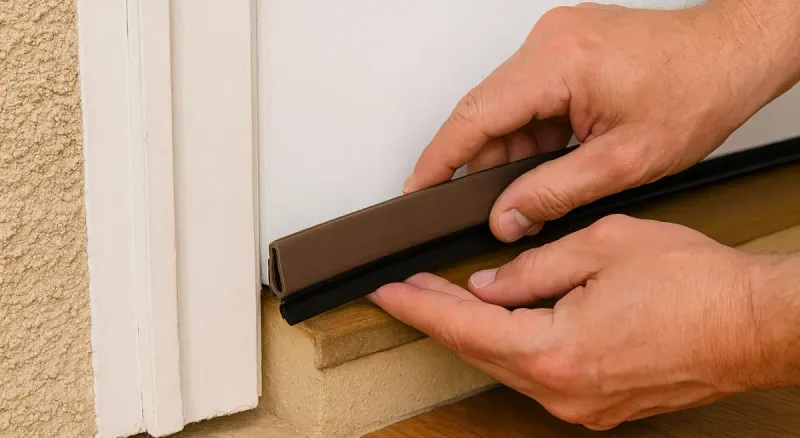
Caulk works well for small cracks around trim and windows. Door sweeps and weatherstripping help close the space under exterior doors, which is a common entry route.
Look closely at spots where pipes and wires enter the house, since those holes are easy to overlook.
Scorpions found indoors are often wanderers rather than a sign of a large hidden group. Still, if you keep seeing them, a licensed pest control professional can inspect your home.
Shaking out shoes and checking bedding before use are simple habits that can prevent an unpleasant surprise.
Regular vacuuming along baseboards and behind furniture can also remove insects that scorpions may hunt indoors.
Move stored boxes away from walls so you can inspect dark corners more easily.
Reducing indoor hiding spots makes it easier to notice a wandering scorpion before it disappears from view.
8. Boxes And Stored Items Can Shelter Scorpions That Make It Indoors
Pulling out holiday decorations is a fall tradition, and it is also a good moment to stay alert. Cardboard boxes in garages, closets, and basements create dark, quiet corners a scorpion might settle into.
Stored items that rarely move give these hitchhikers plenty of time to stay hidden.
Garages in Georgia often connect directly to the outdoors, which makes them an easy first stop. Boxes stacked on the floor sit right where a wandering scorpion is most likely to travel.
Swapping cardboard for plastic bins with tight lids is a practical upgrade.
Sealed containers are harder for scorpions to enter, and they also resist moisture better than cardboard. Placing bins on shelves instead of the floor adds another layer of protection.
Before reaching into any box that has sat for months, give it a gentle shake or tap first.
Wearing gloves while unpacking old items is a small effort that can save you a painful sting. If a sting does happen, wash the area and use a cold pack, and seek medical help for severe symptoms or allergic reactions.
Regular sorting and decluttering keeps storage areas less inviting through the cooler months.
Inspect shelves and corners occasionally, especially around items that have not been moved in a while.
Avoid leaving loose clothing, towels, or reusable bags on the garage floor where scorpions could crawl underneath.