Fothergilla Is The Native Georgia Shrub Most Yards Are Still Missing For Fall Color
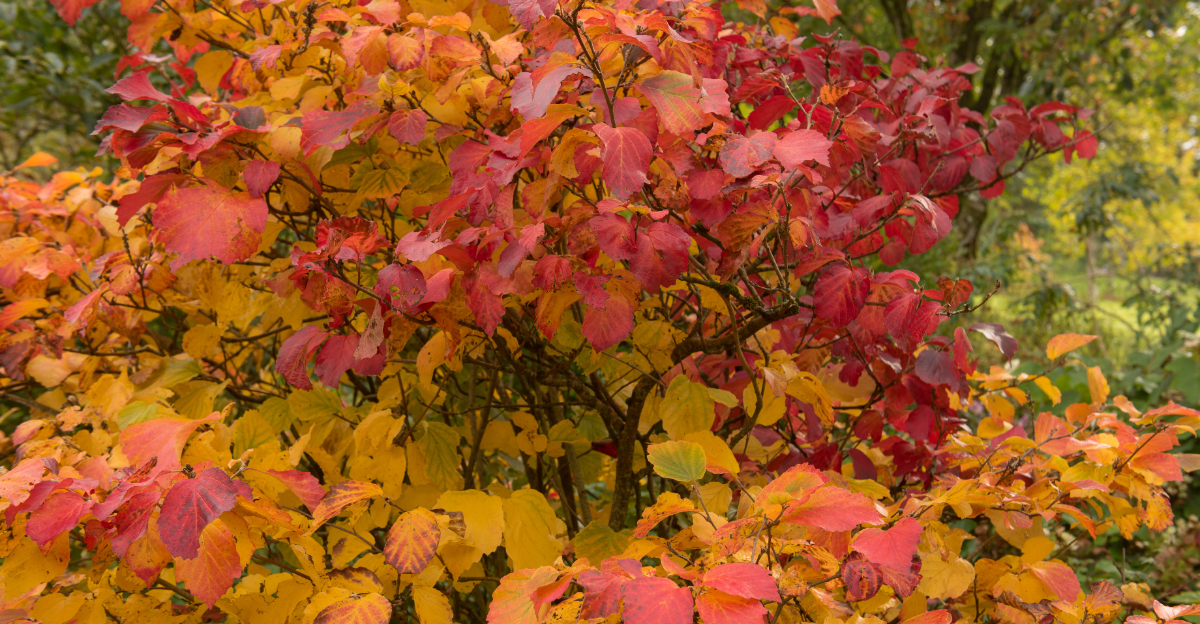
Fall color does not have to come from towering trees that take years to fill your yard. Fothergilla brings that seasonal display down to an easier size.
Georgia gardeners may know this native shrub for its white spring flowers, but autumn reveals another side. Its foliage can develop striking shades as cooler weather settles in.
Give fothergilla the right location, and it can become much more than background greenery. Its natural shape works beautifully in spaces where larger shrubs would feel overwhelming.
Do not overlook the planting conditions when choosing a spot for this native. The right amount of light can help bring out its strongest fall color.
Its seasonal changes also give your landscape interest beyond one short flowering period. That makes fothergilla worth considering for more than spring alone.
This overlooked shrub could fill a colorful gap in your fall garden.
1. Fall Is When Fothergilla Really Steals The Show
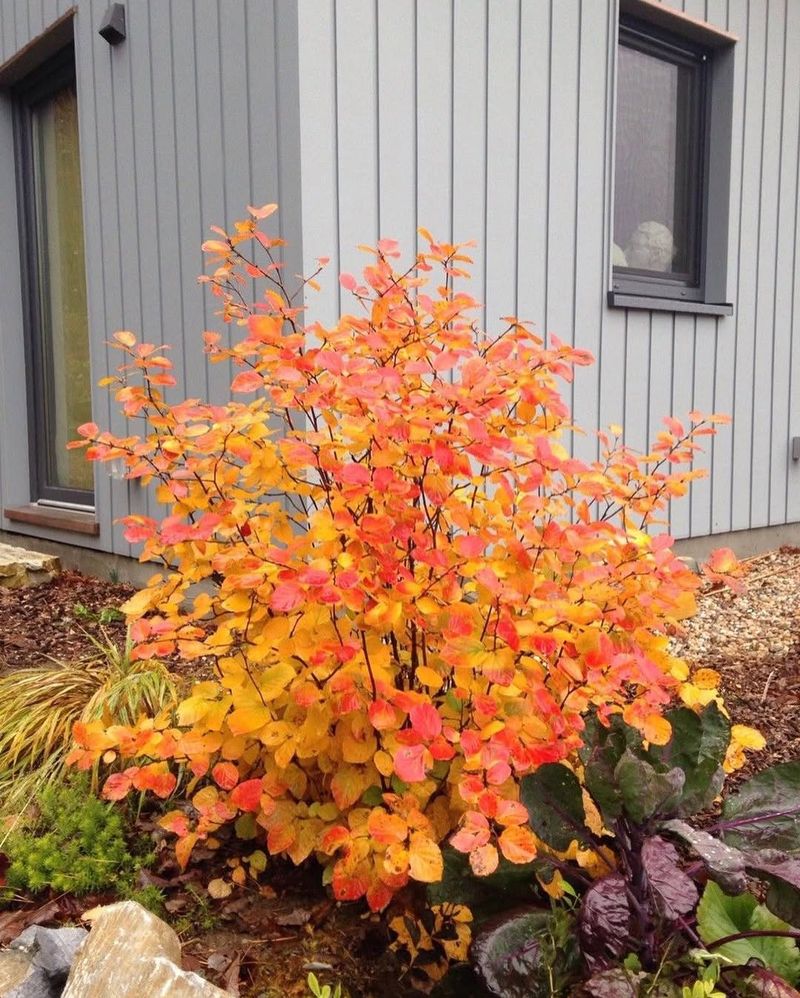
No other native shrub quite matches what Fothergilla does in October. When most plants are winding down, this one lights up like a bonfire.
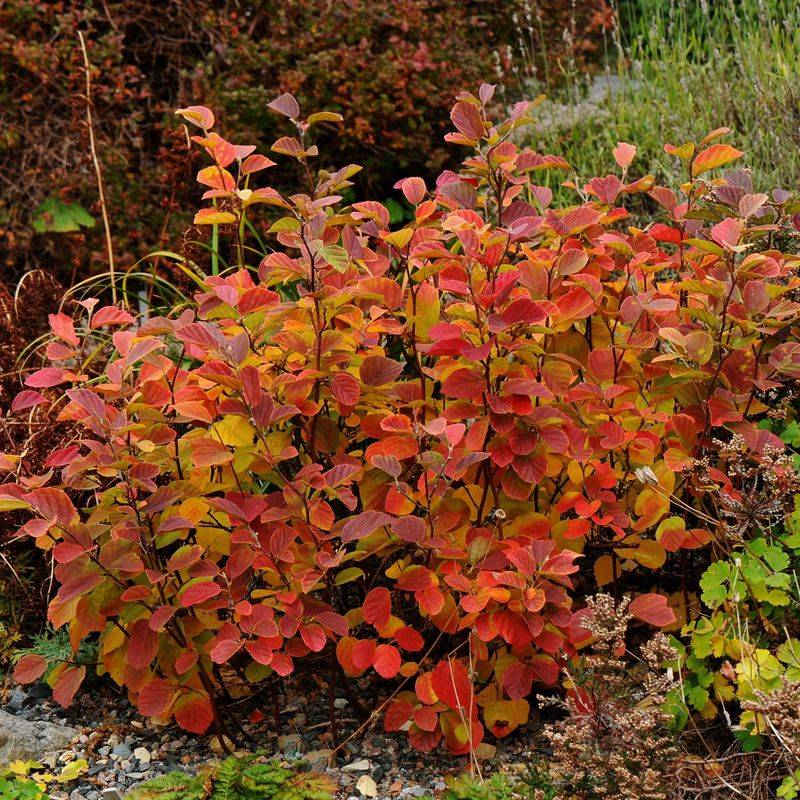
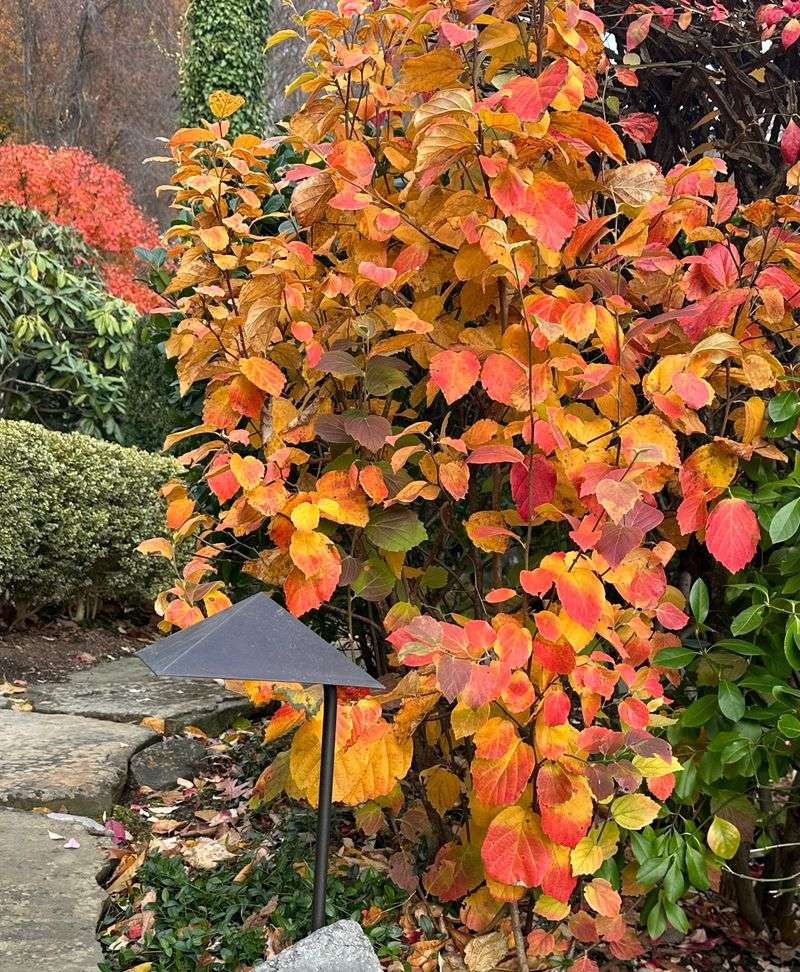
The fall display can include red, orange, yellow, and even purple tones, sometimes all on the same plant at once. That kind of multicolor show is rare in a single shrub.
Fothergilla major and Fothergilla gardenii are the two main species you will find at nurseries. Both put on strong fall color, though the larger species tends to be a bit more dramatic.
Timing can vary depending on your location and the weather that year. In Georgia, peak color often hits sometime between mid-October and mid-November.
Cooler nights tend to bring out the most vivid tones. A dry, warm summer followed by a sharp temperature drop in fall usually produces the best results, though results can vary year to year.
Fothergilla holds its leaves longer than many other shrubs before they drop. That means you get a longer window to enjoy the show rather than a quick flash of color that fades fast.
Planting one near a window or along a walkway gives you a front-row seat to the whole performance without leaving your yard.
2. Green Leaves Turn Red Orange And Yellow
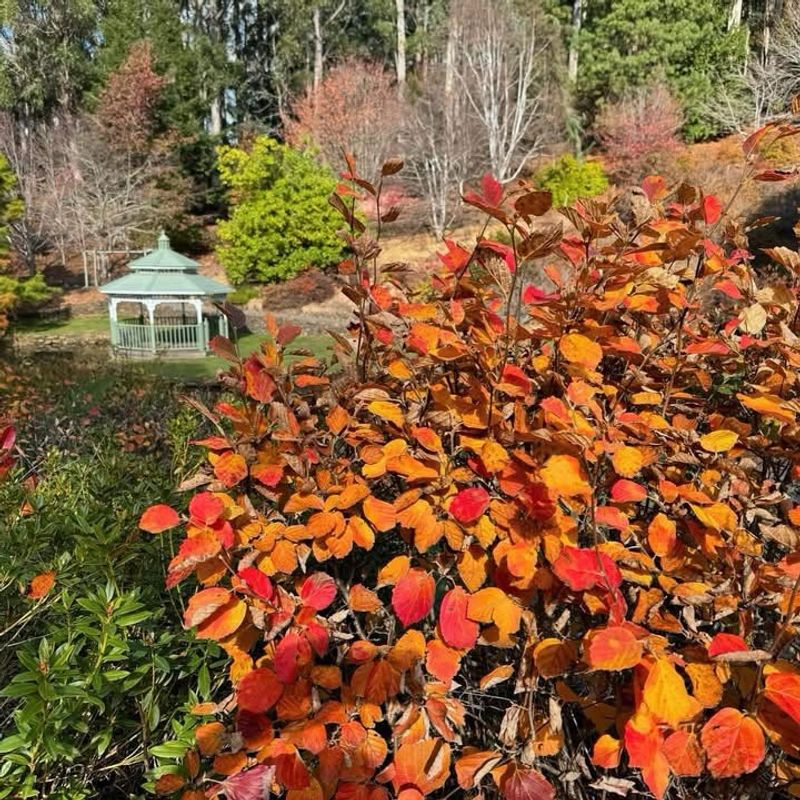
Watching a Fothergilla change color in fall feels a little like watching a slow magic trick. Green leaves start picking up hints of yellow, then orange, then deep red over several weeks.
What makes it special is that multiple colors can appear on one leaf at the same time. You might spot a single leaf with yellow at the tip, orange in the middle, and red at the base.
Not every plant produces the same color range. Soil chemistry, sun exposure, and seasonal temperatures all influence how vivid the display turns out.
Plants in full sun tend to show brighter reds and oranges.
Fothergilla’s leaves are a simple, rounded shape with a slightly waxy texture. In summer, they are a clean, medium green that blends easily into mixed borders without drawing too much attention.
When fall arrives, that quiet green presence suddenly becomes the loudest thing in the yard. Neighbors who never noticed the shrub before will start asking questions.
Your Georgia Garden Changes Every Week. Your Plan Should Too.
Gardening in Georgia changes quickly throughout the season. Every Friday you’ll receive a simple weekly plan showing exactly what to plant, prune, fertilize, harvest, and protect so you never miss the right timing.
Pairing Fothergilla with native grasses or evergreen shrubs makes the color contrast even sharper. The surrounding green or neutral tones make the reds and oranges pop harder.
If you want reliable fall leaf color without a lot of fuss, this shrub earns its spot in the garden.
3. Sun Or Partial Shade Works Well For This Shrub
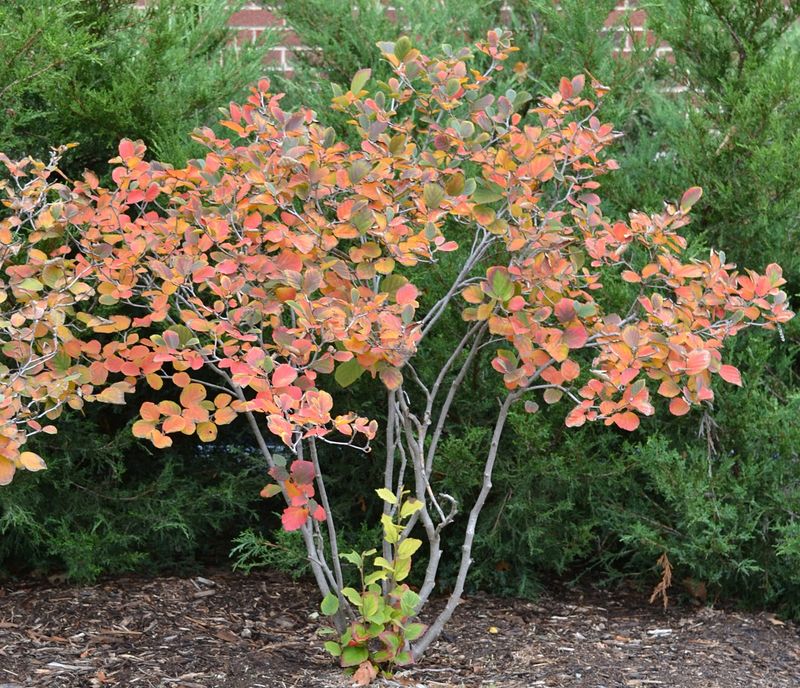
Flexibility is one of Fothergilla’s biggest selling points. It grows in full sun and handles partial shade without much complaint, which makes it easier to place than many other flowering shrubs.
Full sun tends to produce the most intense fall color. Partial shade keeps the plant comfortable during hot summers but may soften the autumn display slightly.
In Georgia’s intense summer heat, some afternoon shade can actually help the plant stay hydrated and avoid leaf scorch. A spot with morning sun and afternoon shade often works well in warmer regions.
Woodland edges are a natural fit for Fothergilla. It grows natively under tall trees where light filters through the canopy, so it is already adapted to shifting light conditions throughout the day.
Avoid planting it in deep, dense shade. Too little light reduces flowering in spring and weakens the fall color show considerably.
At least four hours of direct sun per day is a reasonable target.
Container growing is possible but requires more attention to watering. In-ground planting is much more forgiving once the shrub gets established after its first season or two.
Choose a location thoughtfully because Fothergilla does not love being moved once it settles in. Getting the light conditions right from the start saves a lot of trouble later.
4. Spring Brings Fragrant White Bottlebrush Flowers
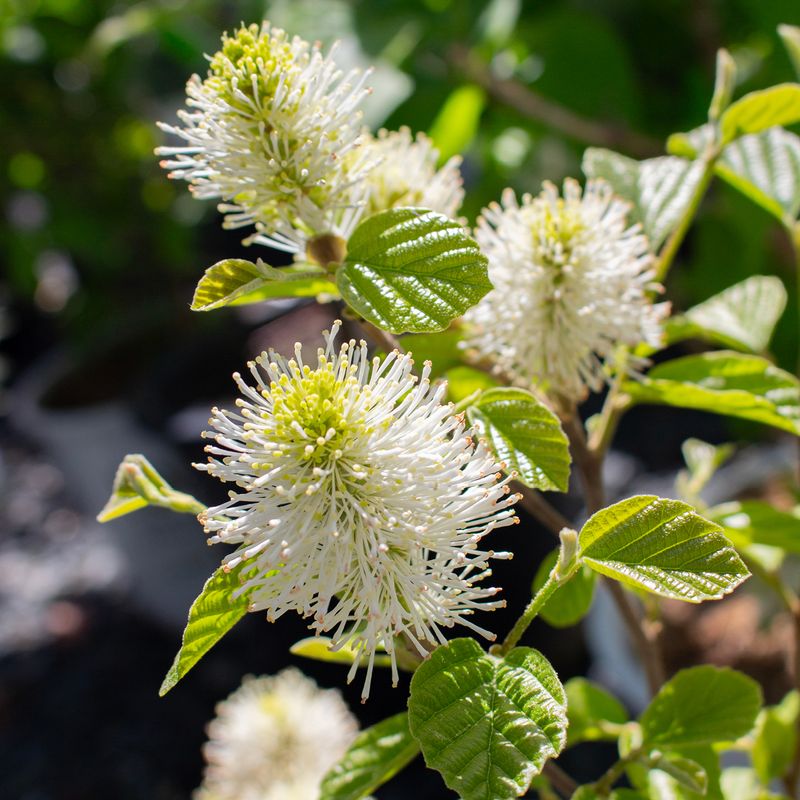
Before the leaves even fully open, Fothergilla produces clusters of white flowers that look exactly like tiny bottlebrushes. They are soft, fluffy, and surprisingly fragrant for such a compact bloom.
The scent is mild and honey-like. Standing near a blooming Fothergilla on a warm spring morning is genuinely pleasant, not overpowering like some ornamental plants.
Flowers appear in March or April depending on your location and the weather that season. They bloom on bare stems before the foliage fills in, which makes them easy to spot from a distance.
Pollinators love these flowers. Native bees are especially drawn to them in early spring when food sources are still limited.
Planting Fothergilla supports local pollinator populations in a practical way.
The flower clusters are typically one to two inches long on the dwarf species and can reach up to three inches on the larger Fothergilla major. Both are visually striking up close.
Spring bloom combined with fall color gives this shrub two distinct moments of peak interest each year. Most shrubs offer just one.
Getting two seasons of visual impact from a single plant is a smart use of garden space.
Cut a few stems and bring them inside during bloom time. The fragrance holds well indoors and the unique texture adds character to a simple vase arrangement.
5. Its Rounded Shape Fits Easily Into Shrub Borders
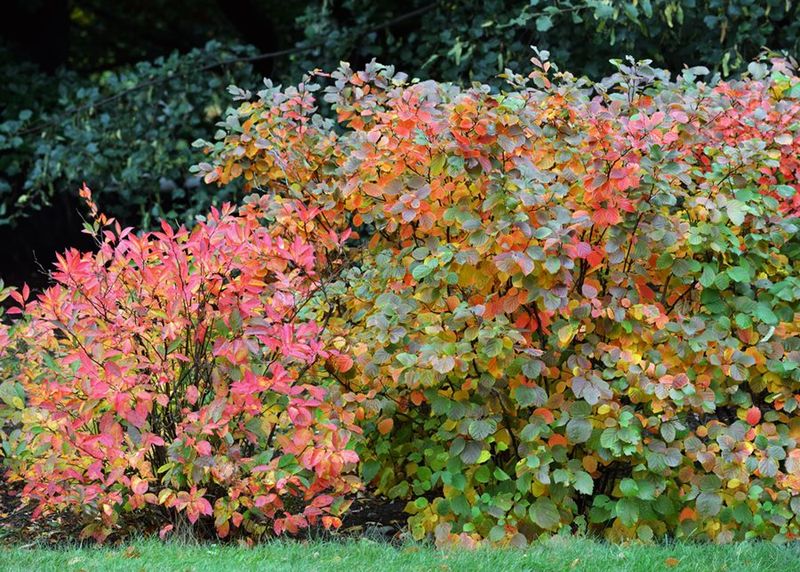
Fothergilla naturally grows into a tidy, rounded mound without much pruning. That clean shape makes it easy to slot into almost any planting design.
Fothergilla gardenii, the dwarf species, stays around two to four feet tall and wide at maturity. Fothergilla major can reach six to ten feet under good conditions, so picking the right species for your space matters.
Mixed shrub borders benefit from plants with predictable shapes. Fothergilla does not sprawl or send out aggressive runners, so it stays where you put it without crowding neighbors.
Pairing it with native azaleas, Virginia sweetspire, or inkberry creates a layered border that offers color across multiple seasons. Each plant handles a different part of the calendar.
Foundation planting is another option for the dwarf form. It fits neatly under windows without blocking views or requiring constant trimming to keep it in bounds.
Spacing matters when planting multiples. Give each plant enough room to reach its full mature width without crowding.
Tight planting can reduce airflow and create conditions where fungal issues are more likely to develop.
Fothergilla also works well as a specimen plant in a smaller yard. One well-placed shrub can anchor a planting bed and carry visual interest from spring through late fall without overwhelming the space.
6. Moist Well Drained Soil Keeps Fothergilla Growing Well
Soil is where a lot of gardeners run into trouble with Fothergilla. Getting it right upfront saves a lot of frustration down the road.
Fothergilla prefers moist, well-drained, acidic soil with a pH roughly between 4.5 and 6.0. Heavy clay that stays waterlogged after rain is not ideal and can lead to root problems over time.
Sandy soils drain too fast and dry out quickly. Amending either extreme with compost improves moisture retention and drainage at the same time, which helps the plant settle in faster.
Georgia’s native soils are often naturally acidic, which works in Fothergilla’s favor. If your soil leans more neutral or alkaline, adding sulfur or acidic mulch can help bring the pH down gradually.
Mulching around the base of the plant helps retain soil moisture during dry spells. A two to three inch layer of pine bark or shredded leaves works well and breaks down slowly to feed the soil.
Consistent moisture during the first full growing season is especially important. Once established, Fothergilla becomes more drought-tolerant, though it still benefits from watering during prolonged dry stretches.
Avoid planting in low spots where water pools after heavy rain.
Roots sitting in standing water for extended periods can weaken the plant significantly over one or two seasons.
7. Seasonal Color Gives This Shrub Interest Beyond Spring
A shrub that only shines for two weeks in spring is a tough sell in a small yard. Fothergilla offers something worth looking at across multiple seasons, which changes the math considerably.
Spring brings the white bottlebrush flowers before the leaves open. Summer follows with clean, attractive green foliage that holds up well through heat.
Then fall delivers the big color finale.
Even the branch structure has some visual appeal in winter after the leaves drop. The twiggy, upright form adds texture to a quiet winter garden without being distracting.
Wildlife value extends the shrub’s usefulness beyond aesthetics. Native bees visit the spring flowers.
Birds occasionally feed near the plant in fall and winter. It contributes to the yard’s ecosystem in small but meaningful ways.
Low maintenance is a real part of the appeal. Fothergilla does not need annual pruning, heavy feeding, or constant attention to look good.
Occasional shaping after flowering is enough for most gardeners.
Pest and disease pressure is generally low on healthy plants grown in suitable conditions. That is not a guarantee, but native shrubs adapted to local conditions tend to handle regional stresses better than many non-native alternatives.
For Georgia gardeners wanting a four-season shrub that earns its space, Fothergilla is one of the strongest candidates available at native plant nurseries today.