Should You Keep Mowing Your Texas Lawn In October? Here’s When To Stop
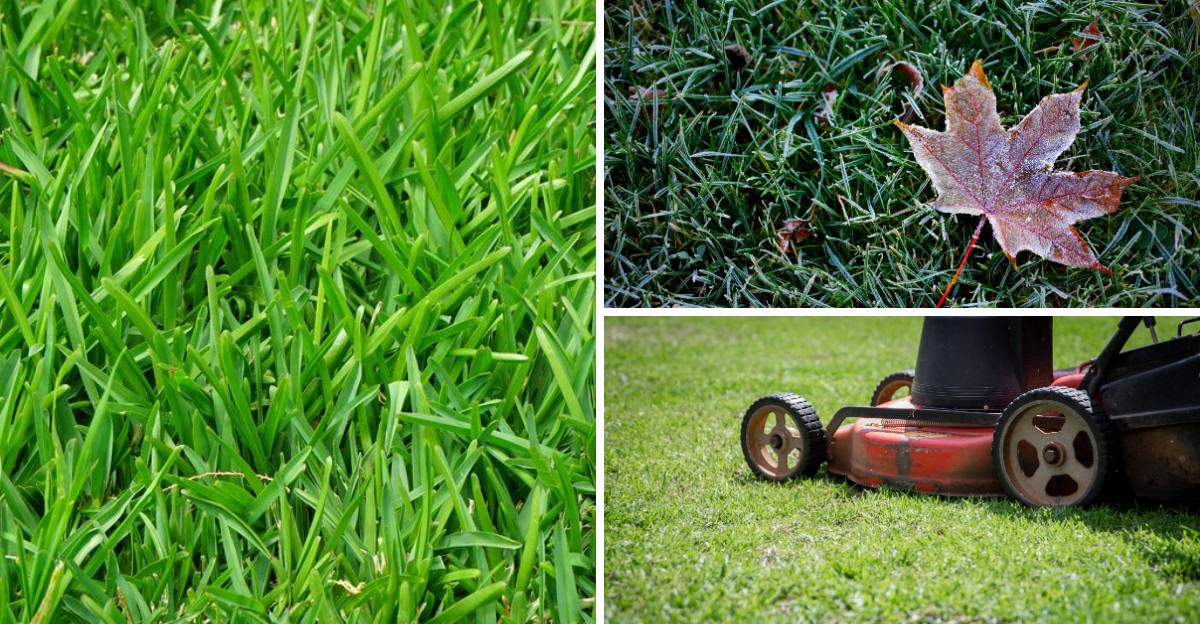
Should you really mow this Saturday? Texas hands you a tricky temperature swing that confuses your lawn.
Mornings turn crisp while afternoons still warm your driveway. Growth slows each week, yet blades keep stretching.
Trimming too low now shortchanges roots before winter arrives. Waiting too long lets tall grass hold moisture against the soil.
Your neighbor follows a set schedule, but you can test it. Measure your grass height with a ruler before touching the mower.
Trim when blades grow noticeably taller than usual. Check the forecast for a frost warning, because cool snaps change the math.
Mulch your clippings back into the soil to feed the lawn for free. Trust your ruler, because lawns in Texas reward careful timing over routine habits.
Choose wisely, and winter finds noticeably stronger roots. Welcome a healthier spring green-up with smarter fall timing.
1. Keep Cutting While Your Grass Still Grows
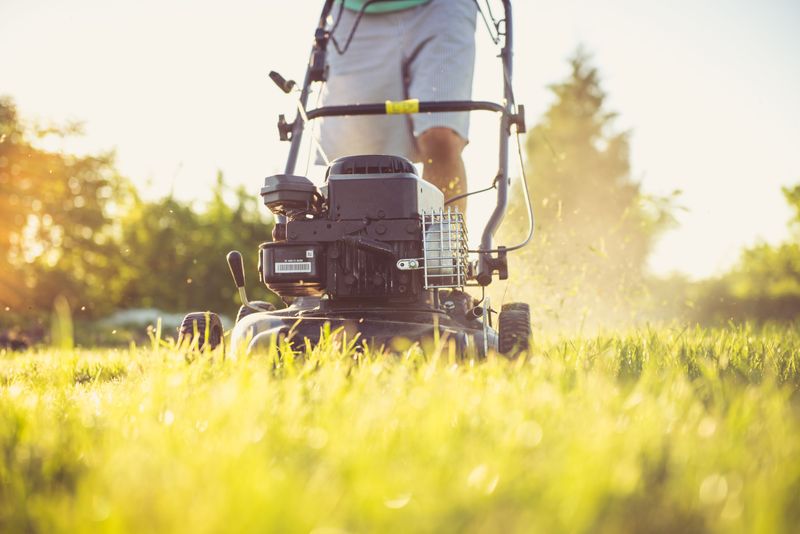
Picture a Texas yard in early October, shooting up after warm rain like summer forgot to leave. Warm-season grasses keep growing until the weather cools for real, so your work is not finished yet.
Southern parts of the state stay warm through much of October, especially Houston, San Antonio, and the Valley. Bermuda, St. Augustine, and zoysia can still add height during warm weeks.
Letting the blades get too tall now can lead to problems later in the season. Tall, thick grass holds moisture, and that dampness can encourage fungus like brown patch in cooler weather.
A good rule is to cut whenever the grass grows about one-third taller than your usual height. If you keep St. Augustine at three inches, trim it near four.
Some homeowners find they mow about every ten days instead of weekly by mid-October. That slower pace is a clear sign the grass is starting to wind down.
Pay attention to how quickly the yard looks messy after a cut. When it stays neat for two full weeks, growth has likely slowed.
So, keep that mower handy for now and enjoy the cooler mornings outside. Your lawn should look tidy and healthy heading into the cooler winter months.
2. Watch Soil Temperatures Drop Below Sixty-Five Degrees
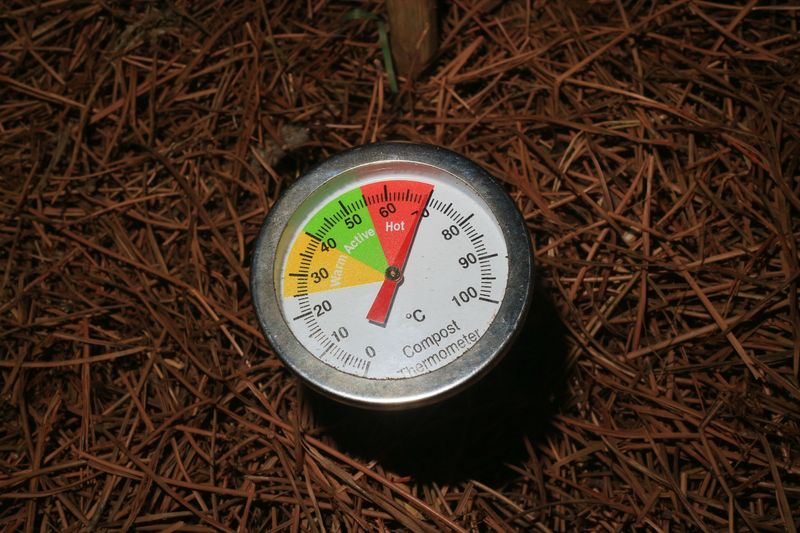
Grass roots act a bit like lizards sunning on a rock, slowing down once things get chilly. A commonly used benchmark for warm-season turf is about sixty-five degrees in the soil.
Air temperature can fool you, since a cool morning might warm up to eighty by lunch. Soil changes more slowly, which makes it a steadier signal for your yard.
You can find an affordable soil thermometer at many garden stores. Push it about four inches into the ground early in the morning for the best reading.
Once the soil stays under sixty-five for several days, growth slows way down. Near fifty-five degrees, many Bermuda yards start turning tan for winter, while coastal St. Augustine may stay greener.
In North Texas, that shift often happens by late October or the first week of November. Down near the Gulf Coast, the change might not show up until December or even January.
Your Texas Garden Changes Every Week. Your Plan Should Too.
Gardening in Texas changes quickly throughout the season. Every Friday you’ll receive a simple weekly plan showing exactly what to plant, prune, fertilize, harvest, and protect so you never miss the right timing.
Some folks also check soil temperature data from the Texas Mesonet or local weather stations online. Those handy numbers save you from kneeling in the cold dirt every morning.
Tracking soil warmth turns yard guessing into a simple way to follow conditions. Kids can help, and you get a clear answer about when to park the mower.
3. Raise Your Mower Blade A Notch Or Two
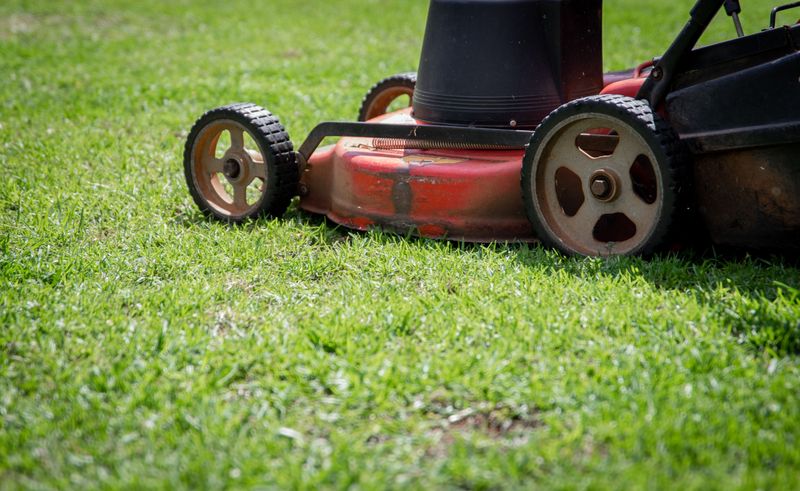
Think of your grass blades as tiny solar panels soaking up the autumn sun. Taller blades catch more light, and that energy gets stored in the roots for winter.
In October, extension guides often suggest raising your usual cutting height by about half an inch. For St. Augustine, that could mean moving from three inches up to three and a half.
Bermuda owners can bump things from one and a half inches to around two inches. Zoysia does nicely at about two to two and a half inches this time of year.
Longer grass shades the soil and helps block cool-season weeds like henbit and annual bluegrass. Those weeds often grow in bare, scalped spots during the cooler fall months.
Adjusting most push mowers takes about two minutes and no special tools. Look for a small lever near each wheel, then click it up one or two notches.
Make sure all four wheels sit at the same height, or you will get a wavy, uneven cut. Measure with a ruler from the ground to the deck if you are unsure.
A slightly taller cut in the fall is common and supports root health. Neighbors may notice the taller grass, but your roots will store more energy for winter.
4. Know Your Grass Type Before You Stop
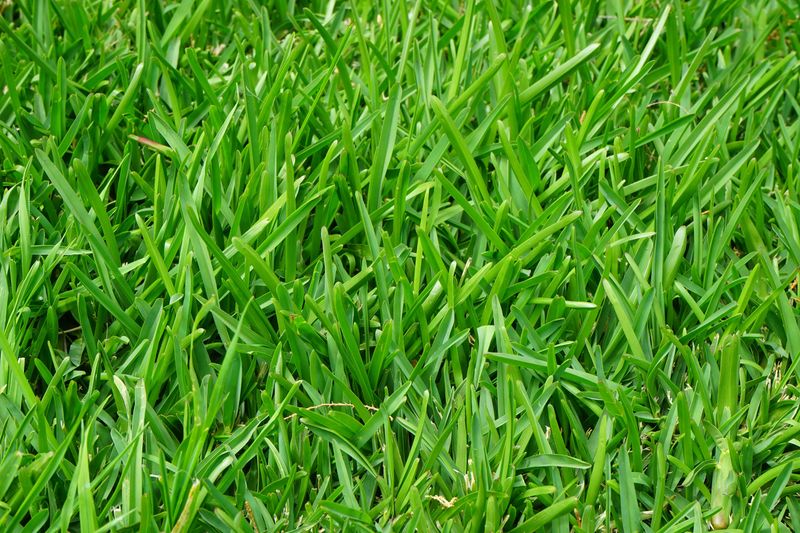
Not every Texas yard grows the same green carpet, and each type quits at its own pace. Knowing exactly what is growing under your feet makes the stopping question much easier.
Bermuda grass is the sun lover of the bunch and goes tan fast after the first cold snap. It often needs its final cuts between late October and mid-November in North Texas, and into late November in Central Texas.
St. Augustine handles shade well and stays green a little longer, especially along the coast. You may keep trimming it into November or even later in Houston or Corpus Christi.
Zoysia grows more slowly than Bermuda, so it might only need a cut every two weeks in fall. Buffalograss, a West Texas favorite, often needs very little mowing by October.
Some homeowners overseed with annual ryegrass to enjoy a bright green yard through winter. In that case, you will likely keep mowing through winter, since rye grows well in cool, damp weather.
Not sure which kind of grass covers your yard right now? Snap a close photo of a blade and runner, then ask your local county extension office.
Once you know your grass, you can make a plan that fits it perfectly. Think of it as reading the care label before tossing a sweater in the dryer.
5. Follow Your Region’s First Frost Date
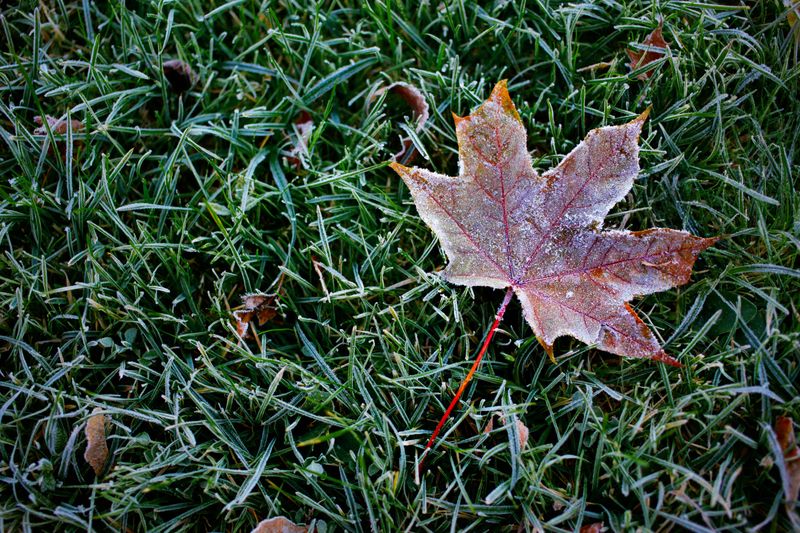
Grandpa used to say the first frost tells the whole yard when to go to bed. Turns out, he was onto something that still helps plenty of Texas homeowners decide today.
A light frost turns warm-season grass brown within days, and growth basically stops. After that, your weekly mowing chores shrink down to almost nothing until the spring green-up.
Texas is huge, so frost dates vary quite a lot from one region to another. Amarillo often sees frost by late October, while Dallas usually waits until the middle of November.
Austin and San Antonio tend to get their first frost in late November or early December. Houston may wait until December, and the Rio Grande Valley sometimes skips frost some years.
You can look up your average first frost date online using your zip code. Write it on your kitchen calendar, then plan your last couple of cuts before it.
Keep an eye on the ten-day forecast as that special date gets close. Cold fronts in Texas can arrive early, so check the forecast often.
After frost arrives, give the yard one final tidy trim if it looks tall or uneven. Then hang up your work gloves and enjoy some hot cocoa on the porch.
6. Mulch Fallen Leaves Instead Of Bagging Them

Those crunchy oak and pecan leaves piling up are not just a mess, they are free plant food. Your mower can turn them into tiny flakes that feed the soil.
Mulching means running over the leaves without a bag attached, so pieces drop back onto the yard. Within a few weeks, worms and microbes break them down into rich organic matter.
Mulched leaves add organic matter to the soil as they break down. That saves you from paying for paper bags and dragging them out to the curb.
Keep mowing in October and November even after growth slows, just to handle the leaf drop. Thick layers left alone can shade the grass too heavily and block sunlight it still needs.
Aim to mulch when leaves are dry and the layer is less than a few inches deep. Wet piles clump together and can clog your mower deck pretty quickly.
If you see leaf bits covering more than half the grass after one pass, go over it again. The goal is dime-sized pieces that slip down between the blades.
Kids might be sad about losing their leaf piles, so save one shady corner for jumping. Earthworms will help break the leaves down below the surface.
7. Skip Mowing Wet Or Frosty Grass

Walking across a frosty yard at sunrise sounds peaceful, but footsteps can damage frozen blades. Rolling a heavy mower over those icy blades can damage the plants further.
Frozen blades are brittle, like glass straws, and they snap instead of bending back. You might spot brown tracks shaped like footprints or wheels show up a few days later.
Wait until the frost melts and the sun has dried things out, usually by late morning. Patience here protects your grass from damage that can linger all the way until spring.
Soggy grass after heavy fall rains causes a different set of challenges. Clippings clump up, the mower slips around, and the blade tears grass instead of slicing cleanly.
Torn tips turn brown and open the door to fungus, especially in cool, damp weather. Brown patch is common in October in Texas, and soggy clumps of clippings create good conditions for it.
Soft, wet soil also squishes under the heavy wheels and packs down really tight. Compacted ground makes it harder for young roots to breathe and soak up water later.
A simple test helps: walk across the yard in sneakers and check your shoes. If they come back soaked, put the mower away and try again tomorrow afternoon.
8. Give Your Mower One Last Tune-Up

Your mower worked hard all summer, chewing through Texas heat, dust, and many long weekends. Before it heads to the dark garage corner for winter, it deserves a little thank-you care.
Start by disconnecting the spark plug wire or removing the battery, then tilt the mower with the air filter and carburetor side up. Sharpen the blade, since a dull edge tears grass and leaves uneven brown tips behind.
A sharp blade also makes those last few fall cuts faster, easier, and much cleaner. Once the engine is fully cool, scrape caked grass from under the deck.
Wet clippings stuck there can cause rust and buildup over the winter months. Gas left sitting in the tank for months can go stale and gum up the carburetor. Add fuel stabilizer to the tank, or run the engine until it stops on its own.
Changing the oil and swapping the air filter takes about twenty minutes for most push mowers. Check your owner’s manual for the right oil type and the correct amount.
Battery-powered mowers need some love too, just a slightly different kind. Store the battery indoors at room temperature, about half charged, instead of in an unheated shed.
Many repair shops get busy in early spring when homeowners bring in their mowers at once. Doing this work in fall means you skip the long line and start spring ready.
9. Plan A Final Cut Just Before Dormancy
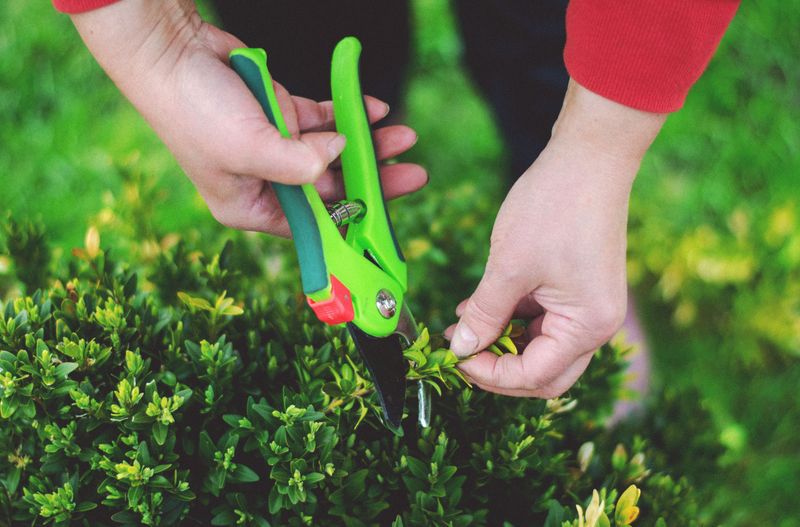
A good season deserves a proper finale, and your lawn is no different. That last cut sets the stage for how your grass looks when spring finally rolls around.
Plan your final mow right as growth stalls and the grass starts fading to tan. For many Texans, that falls between late October and early December, depending on location.
Keep the blade at your raised fall height for this one last careful pass. Avoid scalping, though, because bare soil invites weeds and lets cold air hit the roots.
A neat, even cut helps prevent matted grass, which can trap moisture and grow mold over winter. It also makes spring cleanup much easier when the warm weather finally returns.
Bag or mulch any remaining leaves during that final session so nothing blocks light from the grass all winter. Pick up sticks, toys, and garden hoses too, since they leave yellow spots behind.
After that, let the grass rest until it greens up again around March or April. You may need a quick tidy trim if a warm spell sparks some sneaky winter growth.
Celebrate with something simple, like a cup of cider on the porch. If you light a fire pit, check local burn bans first.