What It Really Means When A Raccoon Keeps Returning To Your Texas Garden Every Night
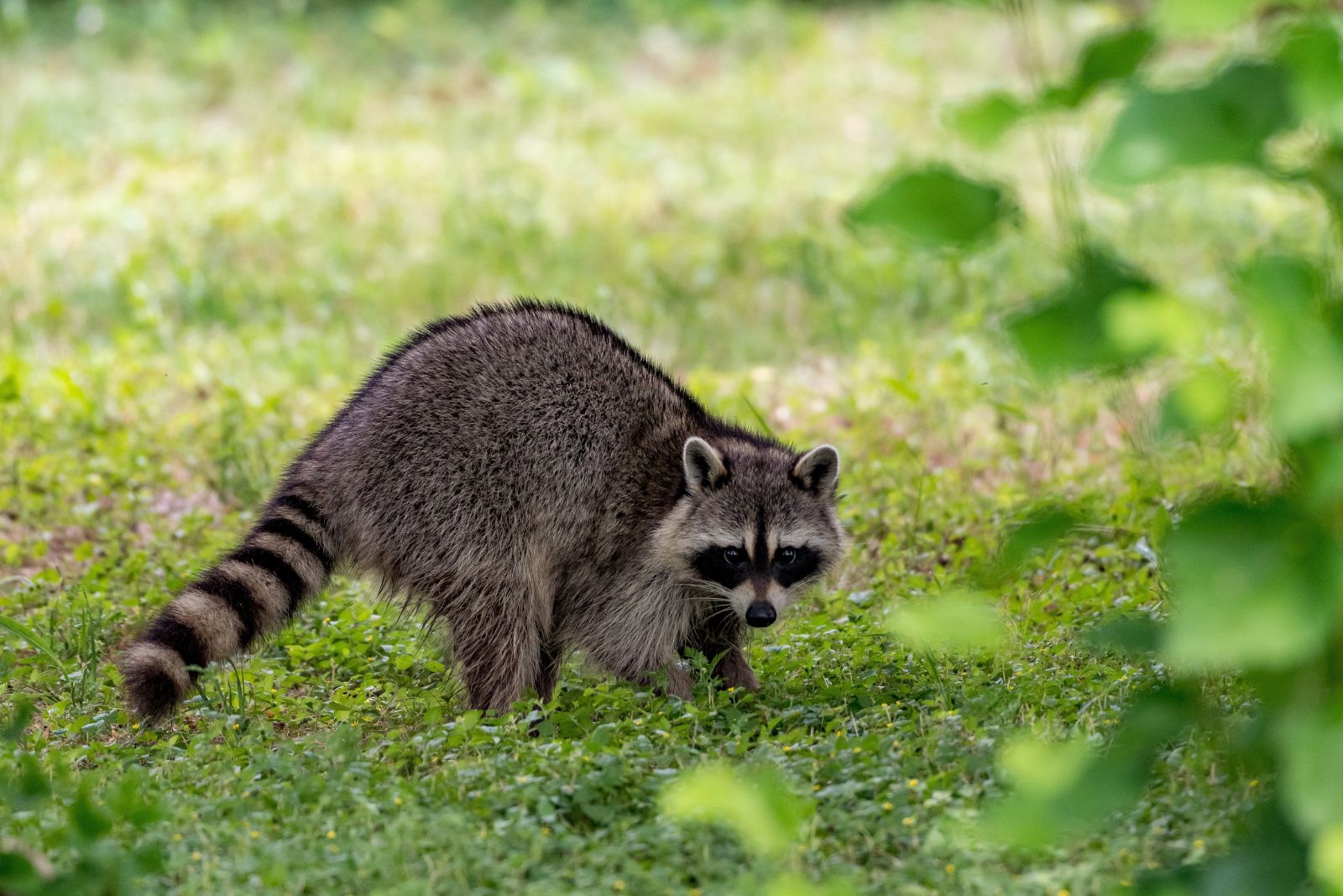
There’s something almost charming about a raccoon the first time you spot one in your Texas garden. That masked face, the curious way it moves, the almost human looking hands investigating everything it comes across.
But when that raccoon comes back the next night, and the night after that, the charm wears off quickly. And then the real question sets in.
Why does it keep coming back? Raccoons are highly intelligent animals, and they don’t return to the same place night after night without a good reason.
When a raccoon keeps visiting your Texas garden, it’s telling you something specific about what your yard is offering. Something it finds reliable, accessible, and worth the return trip every single time.
Understanding what’s pulling it back is the first step toward actually solving the problem. And the solution is almost always simpler than most people expect.
1. It Has Found An Easy Food Source
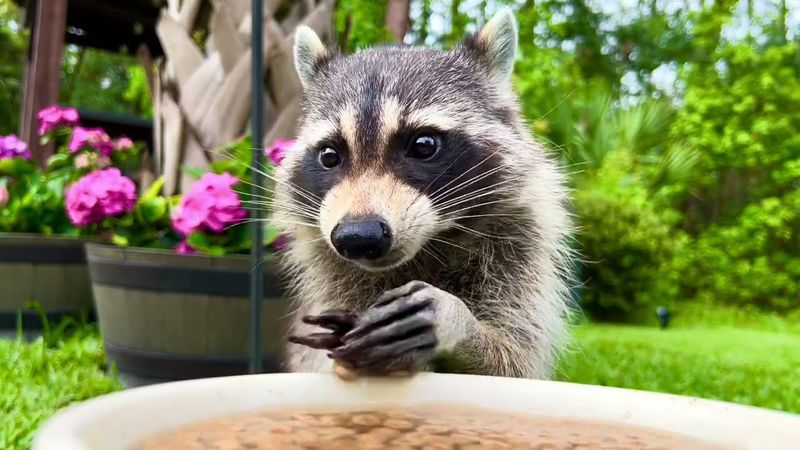
Raccoons are some of the most resourceful foragers in North America, and a Texas garden packed with ripe produce is basically a free buffet. If one keeps showing up every night, there is a very strong chance your yard is handing over a reliable meal without much effort.
These animals have incredibly nimble front paws that work almost like hands, letting them peel back husks, twist off lids, and pull fruit right off the vine.
Sweet corn, ripe tomatoes, strawberries, and melons are some of their favorite garden snacks. But food does not have to come from plants alone.
Grubs hiding in moist soil, fallen fruit rotting near a tree, pet food left outside, birdseed scattered on the ground, and even unsecured trash cans can all become regular stops on a raccoon’s nightly route.
Raccoons are creatures of habit. Once they discover that a location delivers a consistent reward, they will return again and again.
Your garden may have become what wildlife experts call a reliable food patch. The raccoon is not being mischievous. It is simply following the path of least resistance to a dependable meal.
Picking ripe produce promptly, securing compost bins with locking lids, and bringing in pet food before dark can make a real difference. Removing fallen fruit from the ground is also a surprisingly effective step.
When the easy food disappears, the raccoon’s motivation to keep returning starts to shrink. Making your garden less rewarding is always more effective than simply hoping the animal will choose a different yard on its own.
2. Your Garden May Be Offering Water
Texas summers are brutal. Temperatures can stay above 90 degrees well into the night, and natural water sources can dry up fast.
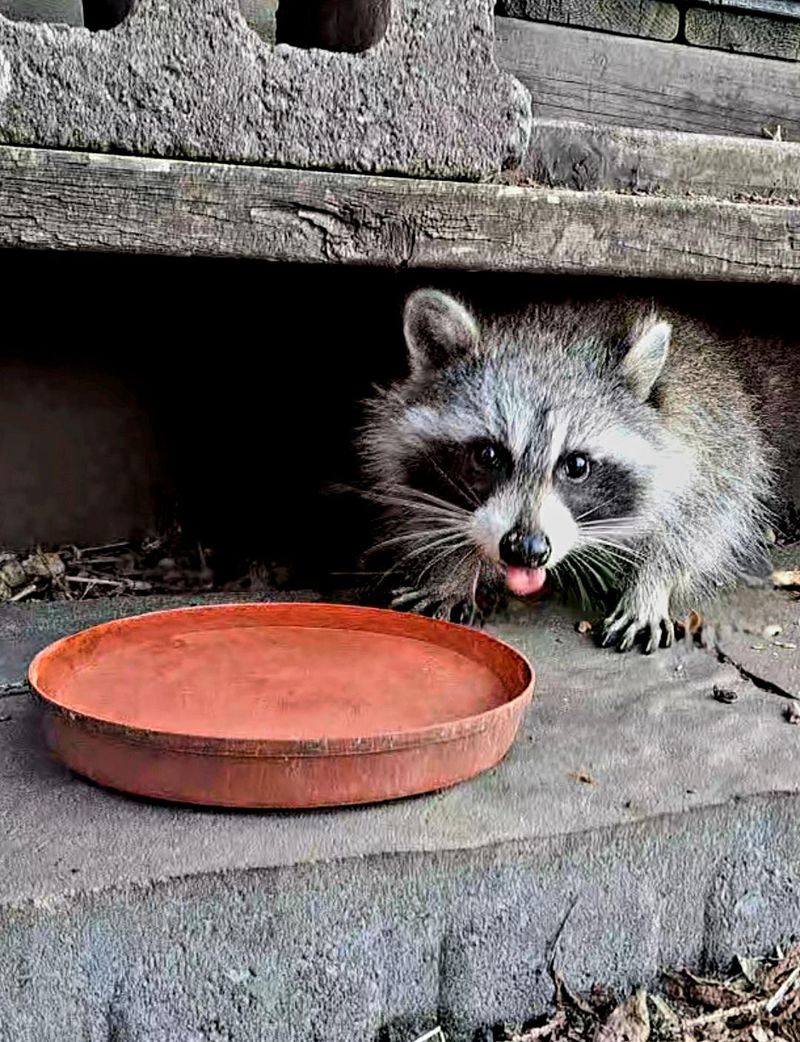
When a raccoon keeps visiting your garden after dark, water might be pulling it in just as much as food. Raccoons need fresh water regularly, and a yard that offers a consistent supply becomes a very attractive destination.
Birdbaths are one of the most common attractants people overlook. A shallow bowl of cool water sitting in the open is incredibly easy for a raccoon to access.
Your Texas Garden Changes Every Week. Your Plan Should Too.
Gardening in Texas changes quickly throughout the season. Every Friday you’ll receive a simple weekly plan showing exactly what to plant, prune, fertilize, harvest, and protect so you never miss the right timing.
Pet water bowls left outside, decorative ponds, drip trays under potted plants, leaky hose connections, and even puddles from irrigation runoff can all serve as dependable water stops.
If the same source is available every single night, the raccoon may start treating your yard like a regular watering hole on its nightly travel route.
Here is something interesting: raccoons are known to wash or wet their food before eating it when water is nearby.
Scientists believe this behavior may help them feel the texture of their food more clearly through their sensitive paws. So a garden that offers both food and water nearby is almost irresistible to them.
Emptying birdbaths overnight or switching to motion-activated water features can help reduce the appeal. Fixing leaky hoses and draining standing water from trays also removes easy access points.
You do not have to strip your garden of every drop of moisture. Just making the water harder to reach consistently can encourage the raccoon to look for easier options somewhere else in the neighborhood.
3. It Feels Safe Traveling Through Your Yard
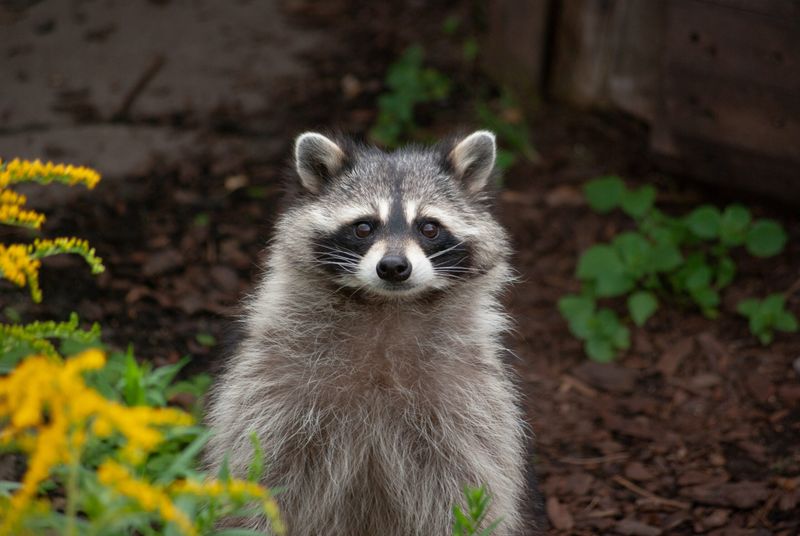
Not every raccoon visit is about food or water. Sometimes your garden is simply a convenient path between two places the raccoon cares about.
Raccoons can travel several miles in a single night, and they prefer routes that feel protected and low-risk. A yard full of dense shrubs, tall fences, large trees, dark corners, and covered spaces can look like the perfect corridor through a neighborhood.
Think of it from the raccoon’s perspective. Open fields and bright spaces feel exposed and dangerous.
But a garden with thick ground cover, a wooden deck overhead, overhanging branches, and plenty of shadows offers the kind of cover that makes a nocturnal animal feel invisible.
Your yard might be a shortcut between a den site and a feeding area, and the raccoon has simply learned that passing through is quick and safe.
This kind of behavior is very common in Texas suburbs and neighborhoods where natural habitat has been broken up by roads and buildings.
Wildlife adapts by threading through backyards, alleys, and green spaces to get where they need to go. Your garden might be a key link in that chain without you even realizing it.
Trimming back dense shrubs, adding motion-activated lighting near fences and entry points, and blocking gaps under decks or porches can make the yard feel less like a protected highway. You do not need to make the space unfriendly to all wildlife.
But reducing the cover that makes raccoons feel invisible can gently redirect their travel path toward less-developed areas nearby. Small changes to your yard’s layout can make a noticeable difference over time.
4. It May Be Looking For Shelter Nearby
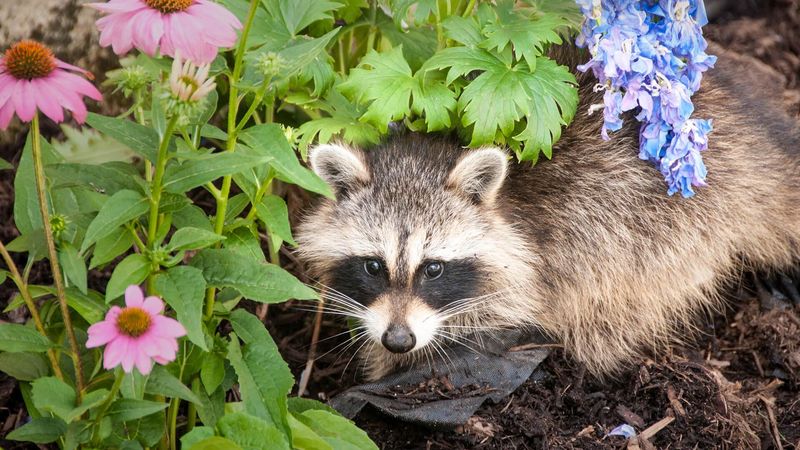
A raccoon that shows up night after night might not just be passing through. It could be living much closer than you think.
Repeated visits, especially around the same time each evening, can be a sign that the animal has set up a den somewhere in or right next to your yard. Raccoons are highly adaptable and will make a home in almost any sheltered spot they can find.
Common denning spots in Texas neighborhoods include the space under wooden decks, inside sheds with loose boards or gaps, hollow trees in the yard, crawl spaces beneath homes, storm drains nearby, and thick brush piles left in corners of a garden.
A female raccoon with young offspring is especially motivated to find a safe, quiet spot close to a reliable food source.
If your garden is feeding her every night, setting up nearby makes perfect sense from her point of view. You might notice other clues beyond just seeing the animal.
Tracks in garden soil, overturned containers, disturbed mulch, and small droppings near entry points can all suggest a raccoon is spending significant time on your property rather than just passing through.
Blocking access to potential den sites is one of the most effective long-term steps you can take. Hardware cloth secured around the base of decks, sealed gaps in shed walls, and cleared brush piles can remove the sheltered spaces raccoons find attractive.
If you suspect an active den with young inside, it is best to contact a local Texas wildlife removal professional before sealing any openings. Handling the situation carefully avoids creating a bigger problem down the road.
5. It Has Learned Your Yard Is Low-Risk
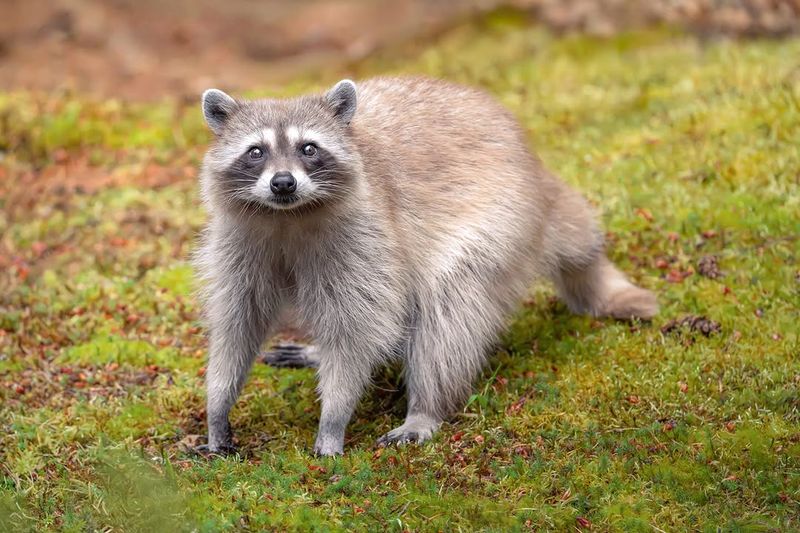
Raccoons are genuinely intelligent animals. Studies have shown they can remember solutions to problems for up to three years, and they are quick to figure out which locations are safe and which ones are not.
If a raccoon keeps returning to your garden night after night without anything bothering it, that animal has made a clear assessment: your yard is low-risk and worth the trip.
When nothing discourages a raccoon, it starts to treat your space like a permanent resource. Trash cans left unsecured, ripe fruit sitting on the ground, pet food bowls forgotten outside, and a general lack of any deterrent all send the same message.
The yard is open, reliable, and safe. Over time, that raccoon may even become bolder, approaching closer to the house or showing less caution around light and noise.
This pattern can also attract other raccoons. Once one animal establishes a safe route through a neighborhood, others in the area may follow.
What starts as one nightly visitor can gradually become a small group of regular guests if nothing changes in the environment.
Breaking this pattern does not require anything drastic. Motion-activated lights and sprinklers are surprisingly effective at startling raccoons and making a yard feel unpredictable.
Changing up your routine, like bringing trash out in the morning rather than the night before, removes the reward that keeps drawing the animal back. Raccoons are adaptable, but they are also efficient.
When a location stops offering easy rewards without any risk, they typically redirect their energy toward easier options. Consistency in removing attractants is the real key to changing their behavior.
6. It Means You Should Remove Attractants, Not Feed It
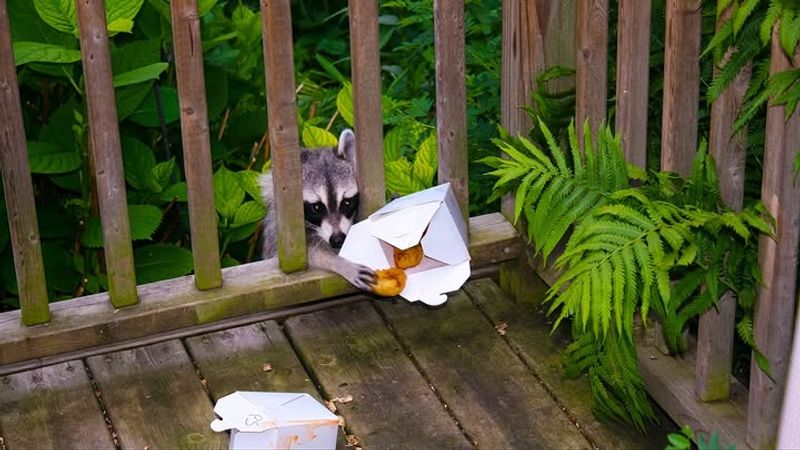
Seeing a raccoon up close can feel kind of magical at first. They are curious-looking creatures with those distinctive masked faces, and it is tempting to toss them a piece of fruit or leave a little food out as a gesture of goodwill.
However, feeding raccoons, even casually and just once, is one of the worst things you can do for both the animal and your household. Texas wildlife guidance is clear on this point.
When raccoons associate humans with food, they lose their natural wariness. That shift in behavior can lead to bolder and more aggressive approaches over time, especially if the animal feels the food supply is being withheld.
It can also attract more raccoons to the area and increase the chance of conflict with pets or family members in the yard after dark. Wild animals that become dependent on human-provided food rarely fare well in the long run.
The smarter approach is to make your garden consistently unrewarding. Harvest ripe produce as soon as it is ready rather than letting it sit.
Use trash cans with locking or bungee-secured lids. Bring pet food and water bowls inside before sunset.
Clean up fallen fruit from beneath trees regularly. Block gaps under decks, porches, and sheds with hardware cloth to remove potential shelter spots.
Motion-activated sprinklers and lights can reinforce the message that your yard is not a comfortable place to linger.
If the problem continues despite your efforts, reaching out to a licensed Texas wildlife removal professional is a reasonable next step. Handling things responsibly protects both your garden and the raccoon living nearby.