The Meaning Behind Seeing California Towhees Gather On Your Patio This Fall
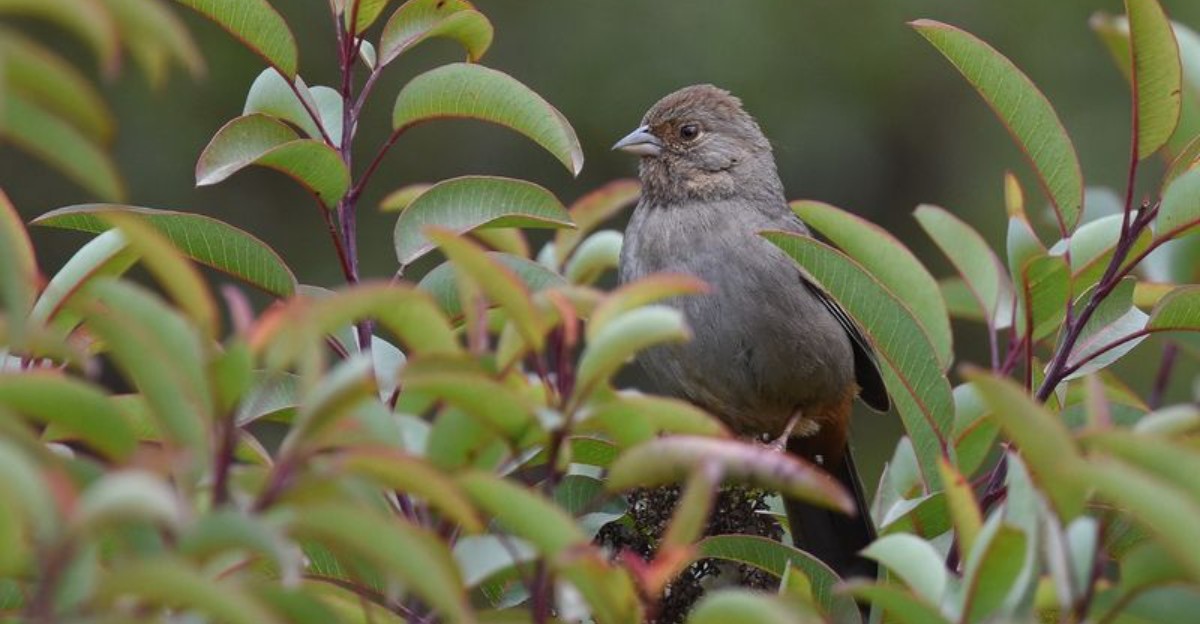
California towhees are some of the easiest backyard birds to overlook. Their plain brown feathers blend right into dry leaves, bare soil, and shady patio corners.
Yet in fall, many homeowners notice more of them than usual. Small groups scratch through leaf litter, hop along pavers, and linger near shrubs just steps from the back door.
That uptick isn’t imaginary. It reflects a few interesting habits tied to family life, food, and the way these birds use the same small patch of ground year after year.
Their behavior also offers a surprising clue about the health of the yard itself. A closer look reveals what those patio visits really mean.
They Are Year Round Residents Not Migrants
Some birds never pack a suitcase. The California towhee spends its whole life in a small patch of ground, often the same few yards, shrubs, and hedges, season after season.
The Cornell Lab of Ornithology describes it as a resident species, meaning it doesn’t migrate. That fact changes how fall patio visitors should be read and understood.
Many birds noticed in autumn are travelers heading south or arriving for winter. Towhees aren’t part of that crowd.
The pair poking around the patio chairs today was likely there in July and will probably still be there in February.
Fall simply makes them easier to spot than in leafy summer months. Leaves drop and gardens thin out, so plain brown birds stand out more against bare ground.
Young birds from summer nests may still be tagging along, too. That can make the group look larger than usual.
These towhees live mostly in California and southwestern Oregon, plus parts of Baja California in Mexico. They feel at home in chaparral, oak woodland, parks, and suburban yards, and they rarely wander far from home.
Because they’re full-time neighbors, yard habits matter in every season, not just fall. Keeping cats indoors, avoiding sticky glue traps, and leaving some dense shrubs in place all help them stay safe.
These birds aren’t tourists passing through. They’re locals with every intention of sticking around for years.
Family Groups Linger After Breeding Season
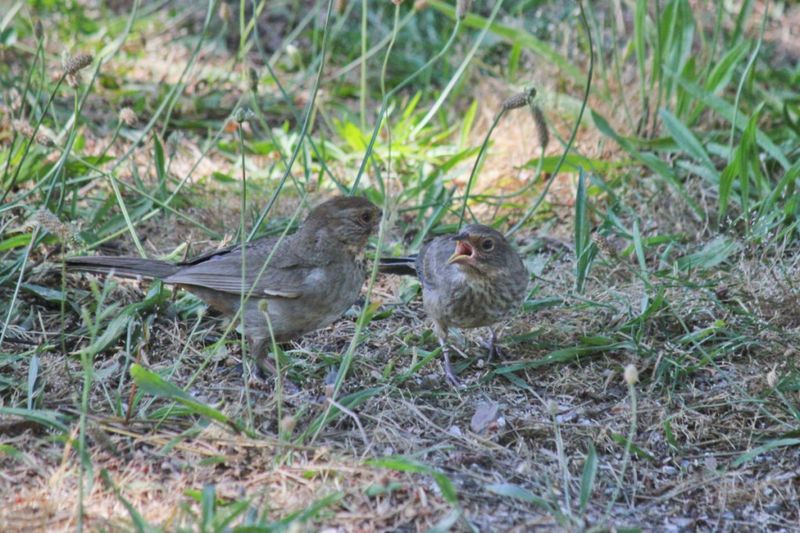
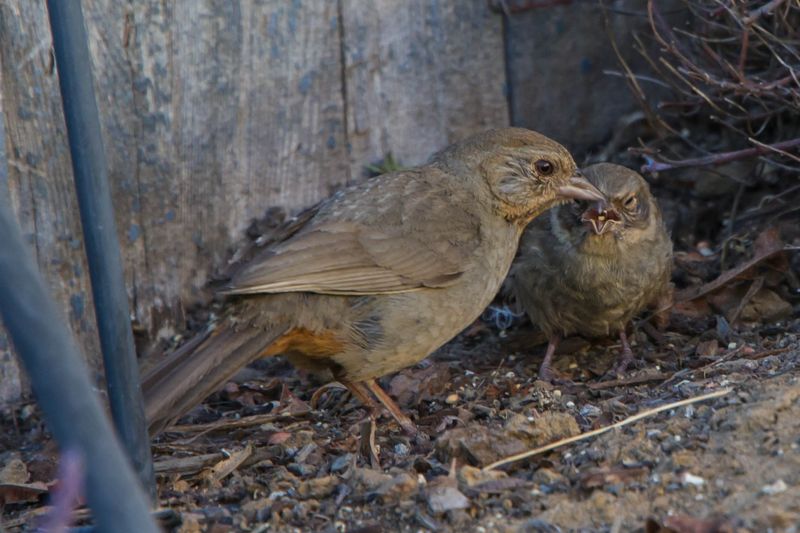
Scruffy little birds that look like messy copies of the adults are often young towhees. Some may still be hanging around the patio as fall begins.
California towhees can raise more than one brood in a single breeding season, which often runs from spring into summer. After chicks leave the nest, they don’t head off on their own right away.
Parents keep feeding and watching over them for a while. As a result, three, four, or even more towhees may move together through the yard.
To a casual observer, it can look like a small flock suddenly arrived. In reality, it’s more like a family reunion that hasn’t quite ended.
Juveniles have faint streaks on the chest and look a bit fuzzy compared to the smooth, even brown of adults. A close look often makes the youngsters easy to pick out.
Your California Garden Changes Every Week. Your Plan Should Too.
Gardening in California changes quickly throughout the season. Every Friday you’ll receive a simple weekly plan showing exactly what to plant, prune, fertilize, harvest, and protect so you never miss the right timing.
Exactly how long young birds stay near their parents can vary, and detailed timing isn’t always well recorded. Over time, though, the young ones move off to find their own space.
That’s why a group seen in early fall may shrink as the weeks go by. Each departure leaves the adult pair a little more room.
A quiet seat near a window in the morning offers the best view. An adult passing food to a youngster is easy to miss, and moments like that make the yard feel like a busy nursery.
Ground Feeding Brings Them Close To Patios
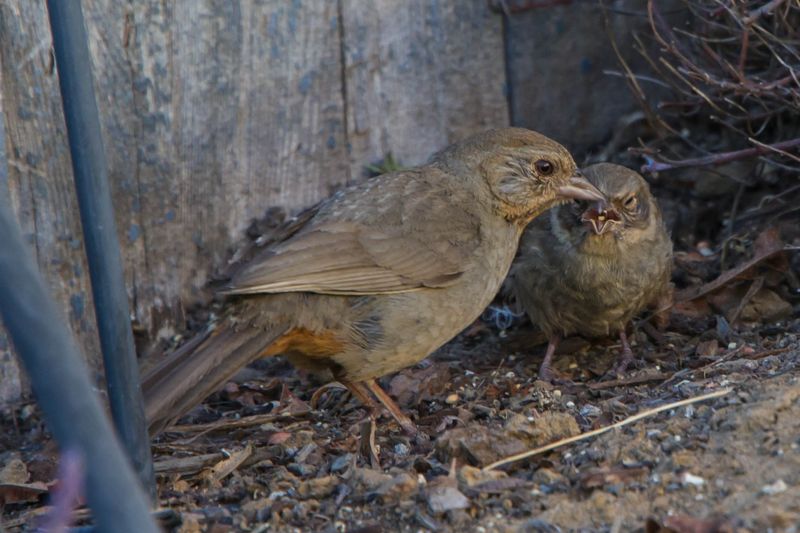
Most birds fly up to feeders, perch in trees, or snatch bugs from the air. California towhees prefer to keep their feet on the ground, hopping and walking as they search for food.
Cornell Lab notes that they forage mainly on the ground, often under or near shrubs. That habit explains exactly why they end up on patios.
Pavers, decks, and lawn edges are simply more ground to explore. Crumbs, spilled birdseed, and seeds blown in from nearby plants all count as fair game.
Their calm manner stands out, too. Towhees stay close to cover and dart under a bush when startled, then pop right back out a minute later.
They treat the space near the back door almost like a hallway in their own home. Familiar routes and nearby shelter make them surprisingly comfortable there.
For anyone who enjoys watching them, a small amount of millet or mixed seed scattered on the ground near a shrub works better than a hanging feeder. Towhees rarely visit tall feeders, though they happily clean up seed below one.
Tidiness matters, since old, wet seed can grow mold. Offering only what the birds will finish in a day or so keeps things fresh.
Food placed a few feet from windows also helps prevent collisions. With a little care, the patio becomes a safe and steady snack spot for these ground-loving neighbors.
Leaf Litter Hides Their Favorite Food
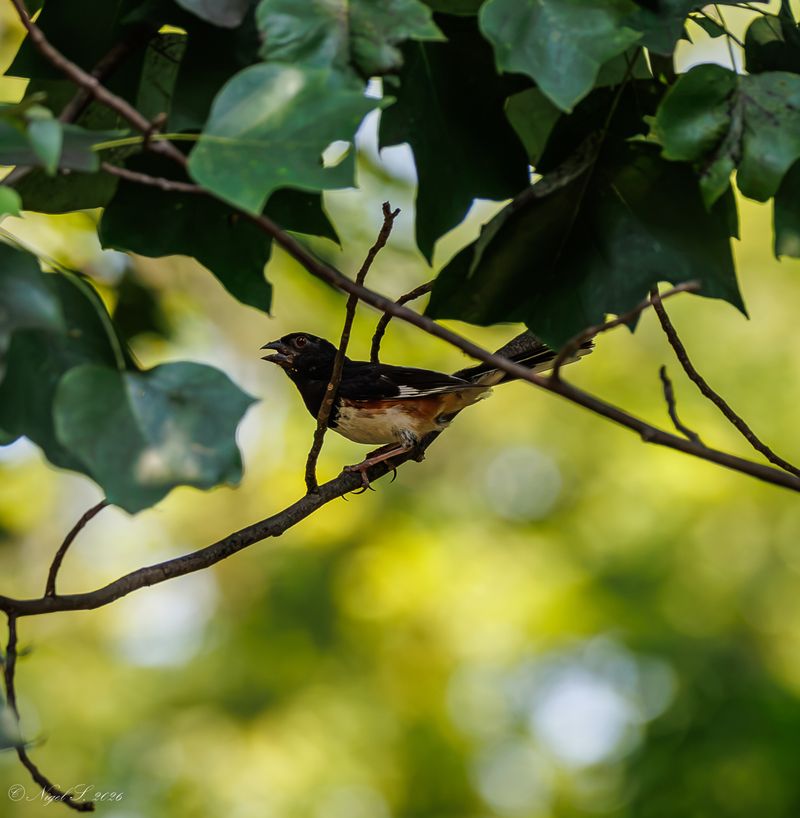
A soft rustling under the bushes often means a towhee is digging for dinner. Fallen leaves may look messy to people, but to a towhee they’re a buffet with a lid on it.
Beneath that dry layer live beetles, caterpillars, spiders, and other small creatures. Seeds from grasses and weeds also collect there, tucked neatly out of sight.
Cornell Lab lists both seeds and insects in the California towhee diet. Seeds make up much of what they eat.
To reach this hidden food, towhees scratch at the ground with their feet and push leaves aside with their bills. The motion looks a bit like a tiny, determined backyard dance.
Fall is a great time to watch this behavior. Trees and shrubs drop fresh layers that trap seeds and give bugs a place to hide, so more leaves mean more chances at a meal.
Leaving a patch of leaves under a shrub or along a fence, rather than raking every corner, offers real benefits. It saves work, feeds the soil, and gives towhees a natural pantry right next to the patio.
Leaf litter also helps protect the ground from drying out. That keeps the insects underneath active longer into the season.
A messy corner can quietly support an entire tiny food web. The towhees are simply the most visible guests at the table, and easily the busiest.
Pairs Stay Together Through Much Of The Year
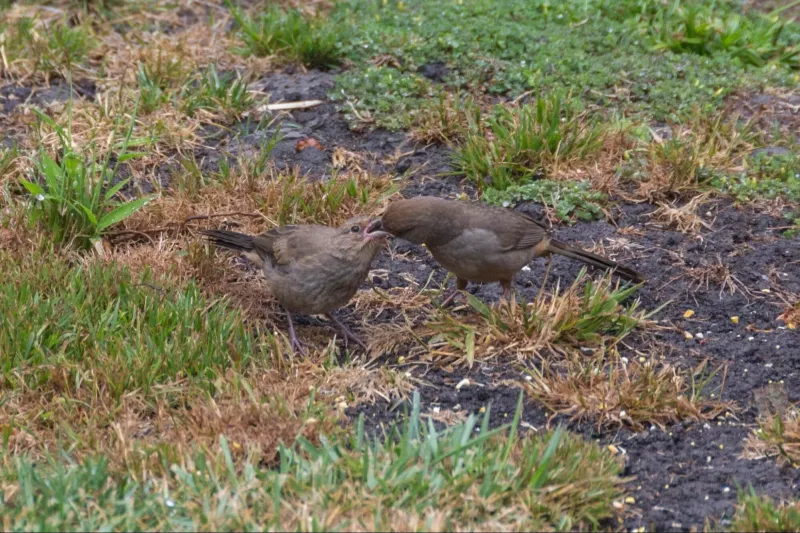
Some bird couples split up as soon as nesting work ends. California towhees tend to do things differently.
According to Cornell Lab, pairs often stay together all year, and many keep the same partner for a long time. That explains why two towhees appear so much more often than one.
Partners forage a short distance apart and keep track of each other, moving through the yard almost like a team. When one hops under a bush, the other is usually close behind.
A careful listen can reveal one of their sweetest habits. Partners reuniting after time apart sometimes break into a squealing, chattering duet.
It sounds a little messy, but it works as a greeting. The duet helps the pair stay connected.
Staying together brings real benefits. A pair already familiar with each other and their territory can start nesting quickly when spring returns.
They also share the job of watching for hawks, cats, and other dangers while feeding on open ground. Two sets of eyes make the patio a much safer place to dine.
Giving the patio pair names can make watching them even more fun. Following the same two birds through fall, winter, and spring feels a lot like a long-running show about a loyal couple.
Over time, it often becomes clear which bird is bolder and which one hangs back near the shrubs.
Territorial Behavior Picks Back Up Soon
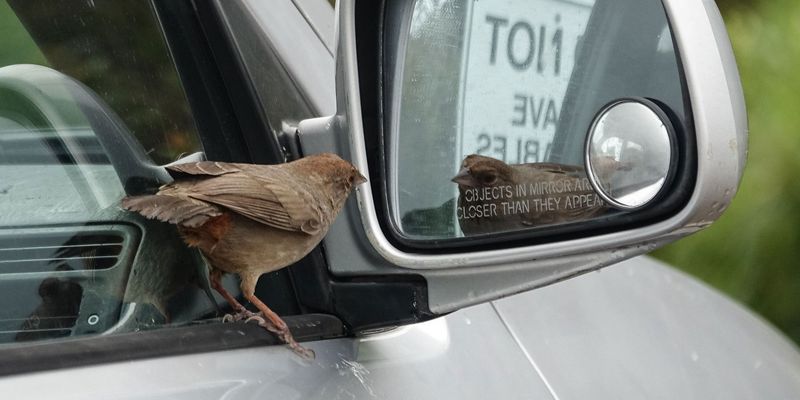
A towhee tapping at a window or car mirror again and again offers a clue that territory season is heating up. The bird sees its own reflection as a rival moving in on its space.
California towhees hold a home area that they defend. That protective streak grows stronger as the next breeding season approaches.
Late winter and early spring often bring more chasing, more chip calls, and more showing off between neighboring pairs. Males sing more often too, with a simple series of sharp chips that speed up at the end.
Fall tends to be a calmer stretch, though it doesn’t last forever. As summer’s young birds move away, the adult pair settles back into guarding their spot.
By the time days grow longer, the yard is clearly their turf again. Every visit to the patio becomes part of a daily patrol.
A towhee that keeps sparring with a window or mirror can use a little help. Covering the glass on the outside with a screen, tape, or cloth for a few weeks usually breaks the habit.
Folding in car mirrors works well too. It saves the bird a lot of wasted energy and saves the car a lot of smudges.
Timing can shift with local weather and conditions, so exact dates vary by area. Feisty behavior out there simply means the towhees are getting ready for another family.
Their Presence Reflects A Healthy Yard
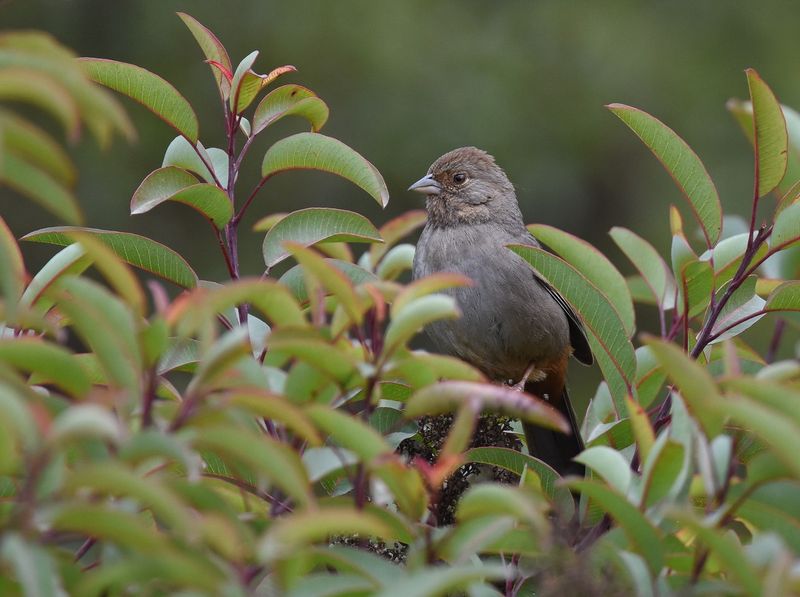
A towhee works like a quiet report card for the yard. These birds need just a few basics: thick shrubs for shelter, open ground for feeding, and a steady supply of seeds and insects.
Daily patio visits suggest the space is meeting those needs quite well. That’s worth feeling good about.
Many yards today are all lawn, pavement, or tidy gravel with very few hiding places. A yard that keeps towhees happy usually supports other wildlife too, like lizards, butterflies, and native bees, all sharing the same habitat.
A few simple changes can make it even better. Native shrubs such as California sagebrush, coffeeberry, or toyon offer birds both cover and food.
Heavy pesticide use is best avoided. It can sharply reduce the insects towhees and their chicks rely on, especially during nesting season.
A shallow dish of fresh water also helps, especially during dry fall months before the rains arrive. A rinse every few days keeps it clean, fresh, and safe.
Small steps like these add up to a big difference for local birds. They also tend to make the yard more interesting to watch from the kitchen window.
The pair scratching beside the patio chair isn’t just passing through. These long-term neighbors chose the yard as part of their home.
Every sighting is proof that a small piece of California is helping wildlife thrive.