The California Shade Tree Homeowners Wish They Had Planted Five Years Ago
Shade ranks near the top of most California wish lists, especially during long, scorching summers. The trouble is that the best shade needs a head start measured in years, not weeks.
Fast-growing trees can offer quick relief, but many come with weak wood, thirsty roots, or short lifespans.
The valley oak, a native California giant, takes a very different path. It starts slowly, builds deep roots, and eventually forms a canopy that can shade a property for generations.
Many homeowners who see a mature one wish they had planted it years earlier.
Its rewards take patience, but each season in the ground brings that leafy payoff a little closer.
Valley Oak Rewards Early Patience
Long before freeways and suburbs, valley oaks ruled the open land of central California. Early explorers described giant trees scattered across the valleys like a wild park, and many of those old oaks still stand today.
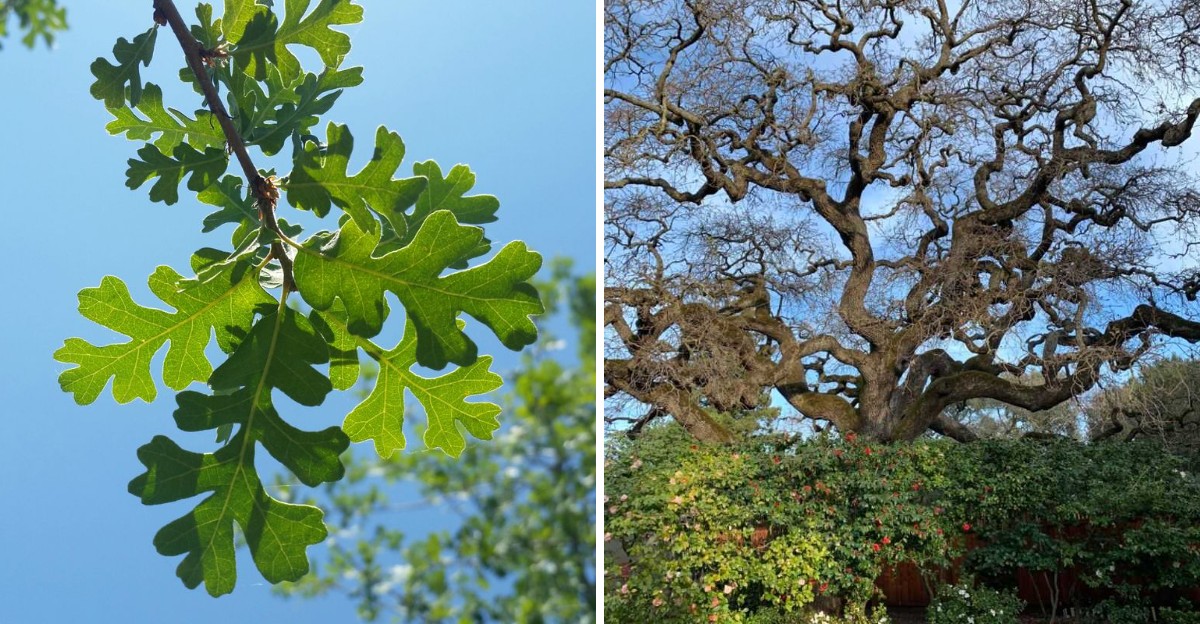
Some are hundreds of years old. Known to scientists as Quercus lobata, the valley oak is the largest oak native to North America.
According to UC ANR, it grows naturally in deep, rich soils in valleys and low foothills across much of the state. Its leaves have soft, rounded lobes, and its branches often spread wide and droop gracefully toward the ground.
Patience is part of the deal from the very start. A young valley oak won’t create a shady picnic spot by next summer.
Young trees need several years to settle in and build roots before the top really takes off. The trade is quick results for something much bigger and longer lasting.
The process works a lot like a savings account. Small deposits early on don’t look like much, but over time they grow into something impressive.
Every year a valley oak spends in the ground adds to a future canopy that can shade a home for well over a century. That kind of return is hard to match.
For homeowners with enough space and a little patience, the wait pays off. The tree planted today becomes the landmark the whole neighborhood notices later.
Slow Early Growth Pays Off Later
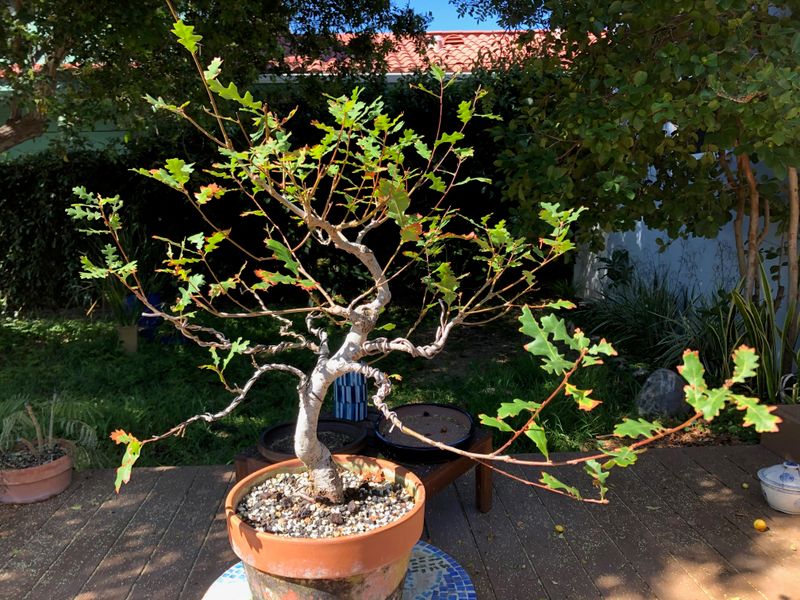
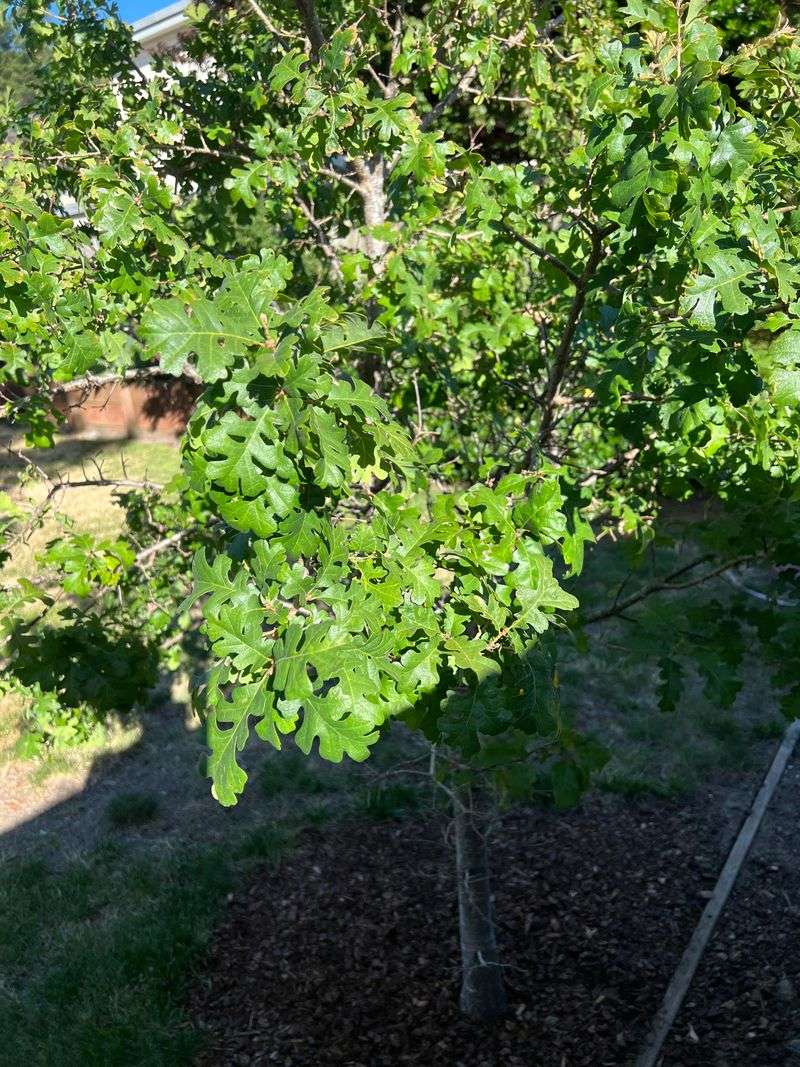
The first year or two after planting a valley oak often brings a lot of head-scratching. The little tree just sits there, looking almost the same as the day it went in.
Underground, though, it’s busy. Young valley oaks put much of their energy into roots first.
Oak seedlings are famous for sending a deep taproot down before focusing on height. UC ANR research on oak regeneration notes that seedlings often grow slowly at first, especially when competing with weeds and grasses for water.
Once those roots are in place, growth can pick up. In good soil with some summer water while young, a valley oak can add a couple of feet or more in a strong year.
Poor soil or dry spots keep growth slower. Rates vary a lot by site, so any exact number works best as a rough guide rather than a promise.
Your California Garden Changes Every Week. Your Plan Should Too.
Gardening in California changes quickly throughout the season. Every Friday you’ll receive a simple weekly plan showing exactly what to plant, prune, fertilize, harvest, and protect so you never miss the right timing.
A few simple steps help the process along. A wide circle around the tree kept free of weeds and grass reduces competition for water.
A layer of mulch, kept a few inches from the trunk, holds moisture and cools the soil. Deep, occasional watering during the first few dry seasons works far better than a light daily sprinkle.
Those quiet early years build the foundation for everything that follows. A tree that grows slowly at the start is often a tree that stands strong for a very long time.
Mature Canopy Changes A Whole Yard
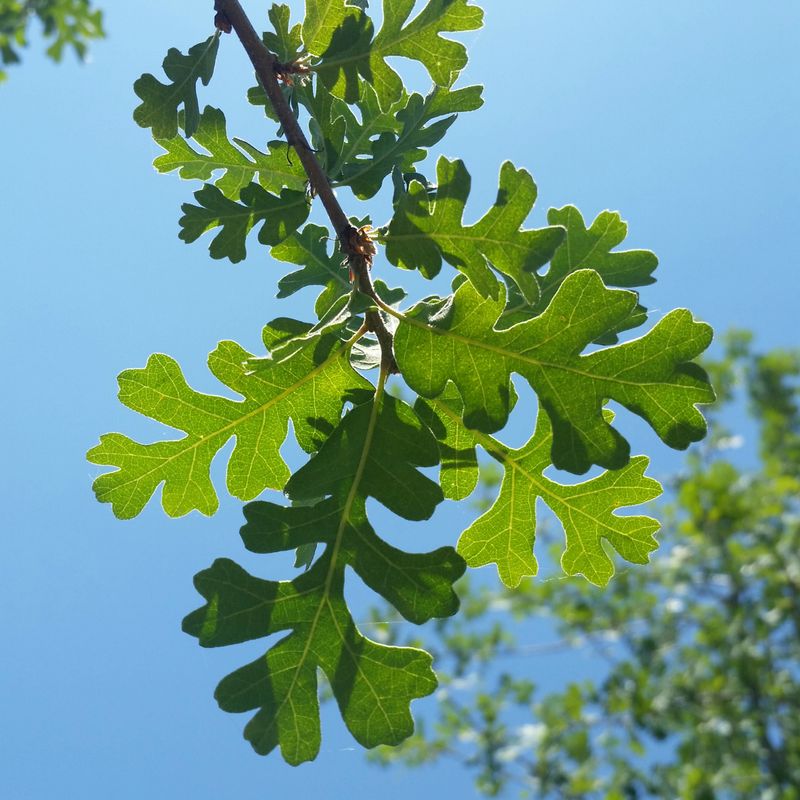
Standing under a full-grown valley oak on a 100 degree day brings instant relief. The air feels softer, the ground stays cooler, and the whole space seems to breathe a little easier.
Mature valley oaks are true giants. UC ANR describes them as reaching around 60 to 100 feet tall, with some old trees growing even taller.
Their crowns can spread just as wide. A single tree can shade a big chunk of a yard, a patio, and even part of a roof on a summer afternoon.
That shade does real, measurable work. Trees cool the area around them by blocking sunlight and releasing water through their leaves.
Shade on the west or south side of a house can help lower indoor temperatures in summer, which may reduce air conditioning costs. Exact savings depend on the home, so big promises deserve some caution.
Because valley oaks drop their leaves in winter, they also let warm sunlight reach the house during cold months. The same tree delivers summer cooling and winter warmth, a remarkably smart design.
Planning ahead matters with a tree this size. Spacing of at least 20 to 30 feet from the house, driveway, and sewer lines gives it room to stretch.
That extra space pays off decades later. When the branches finally fill the sky, the decision to plant thoughtfully feels well worth it.
Wildlife Value Builds Over Decades
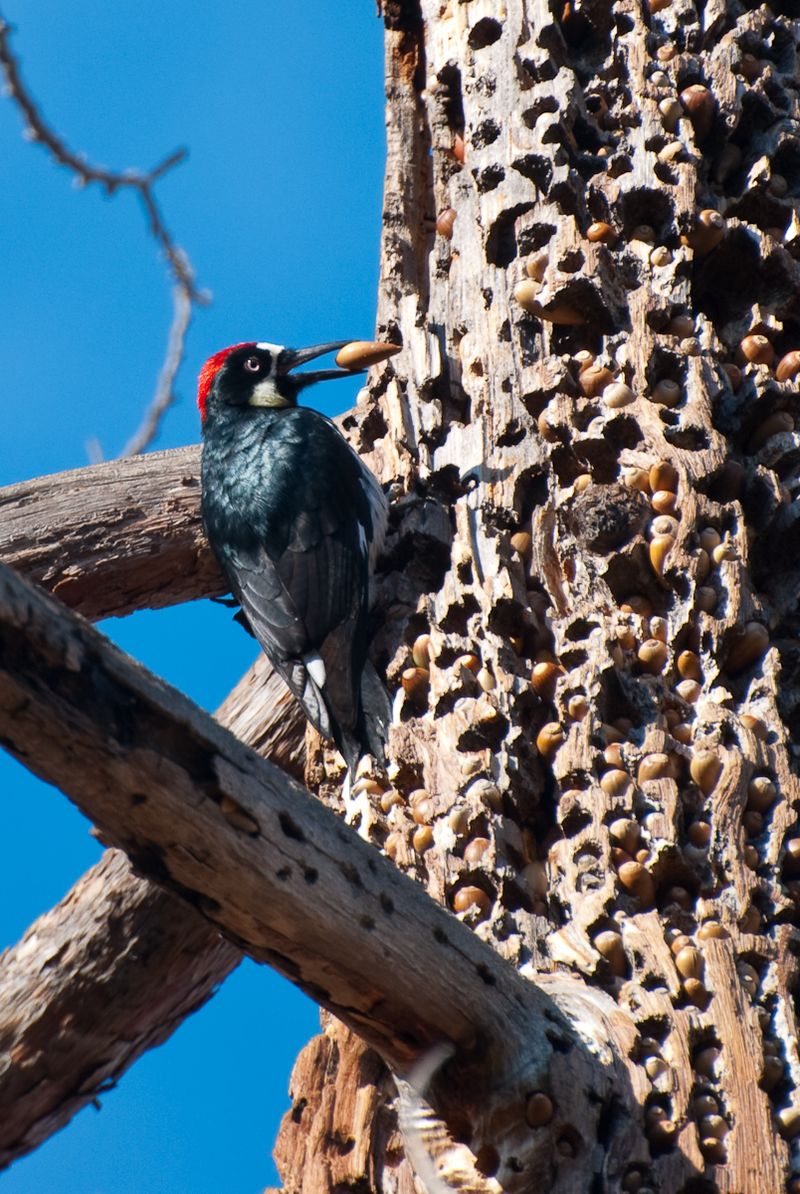
An acorn woodpecker may drill thousands of tiny holes into a single tree just to store its acorns. These clever birds turn old oaks into giant pantries, and valley oaks rank among their favorite storage lockers.
Wildlife value grows as the tree ages. UC ANR notes that California oak woodlands support a huge variety of animals, including hundreds of bird, mammal, reptile, and amphibian species.
Insects living on oak leaves feed songbirds. Those songbirds, in turn, raise their young among the branches each spring.
Acorns are the big prize. Valley oaks usually start producing them after many years, and crops can change a lot from one year to the next.
A good crop draws jays, woodpeckers, squirrels, deer, and wild turkeys to the feast. California Native American tribes also gathered acorns as an important food for thousands of years.
Scrub jays add a fun twist to the story. They bury acorns to eat later and forget some of them, and those forgotten acorns can sprout into brand new oaks.
In effect, the birds help plant the next forest. It’s a partnership that has shaped California landscapes for ages.
A young oak attracts some visitors right away, like butterflies and small birds. The real wildlife show unfolds over decades as the tree grows bigger, older, and full of nooks.
Planting sooner simply means the show starts sooner too.
Drought Tolerance Improves With Age
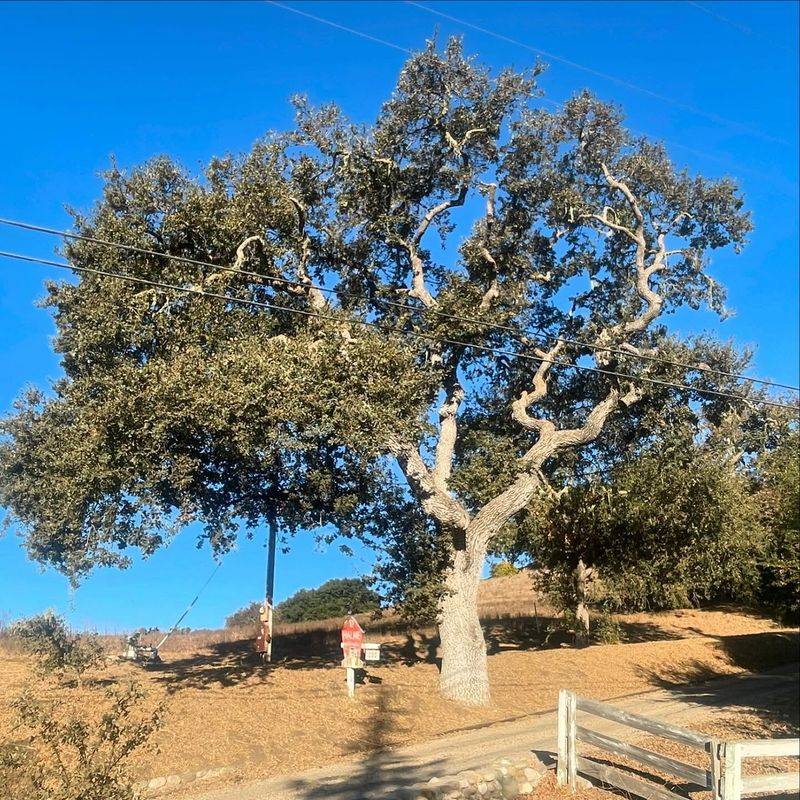
Golden summer hills dotted with bright green oaks make one of California’s most famous views. Those trees stay green while the grass around them dries to straw, and the secret lies deep underground.
Valley oaks are known for growing deep roots that reach moisture far below the surface. UC ANR explains that they often grow where groundwater is available, which helps them through long, dry summers.
A mature tree handles drought much better than a young one. New trees need help during dry months for the first few years, especially inland.
Deep watering every couple of weeks in summer, soaking the soil slowly, encourages roots to grow downward. Shallow, frequent watering does the opposite and keeps roots near the surface.
Watering can taper off as the years pass. Once established, a valley oak usually prefers to be left mostly alone in summer.
UC guidance warns that frequent summer watering near the trunk of established native oaks can lead to root rot and other disease problems. Lawn sprinklers soaking the base of an older tree are best avoided.
Timing matters here, too. A tree planted five years ago would already be well on its way to needing very little care.
Each season of delay adds another season of hands-on watering still ahead. Getting started now shortens that list considerably, and the tree gains independence that much sooner.
Fall Planting Starts The Clock Sooner
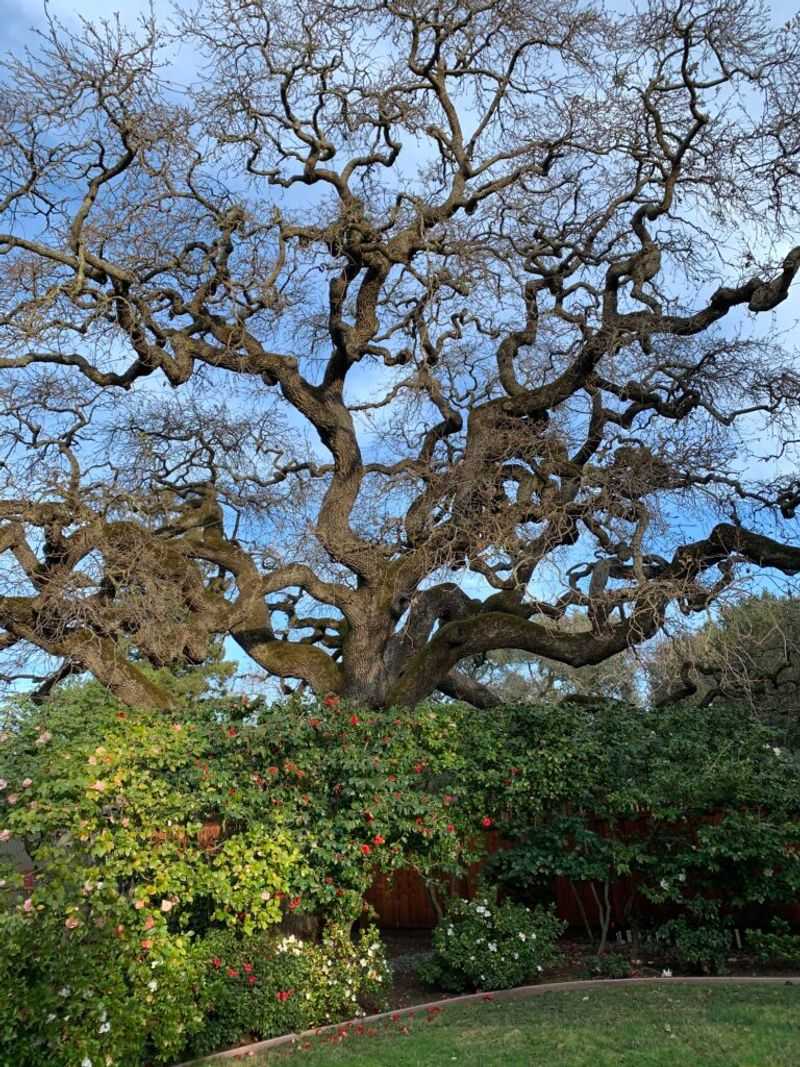
Planting a valley oak works a lot like catching a bus. Arriving at the right moment makes the ride easy, while missing it means a long wait.
In most of California, fall is the best time to plant. Cooler air means less stress on leaves, and winter rains do much of the watering.
UC ANR and UC Master Gardener programs commonly recommend fall planting for native trees. Roots get to grow through the wet season before summer heat arrives.
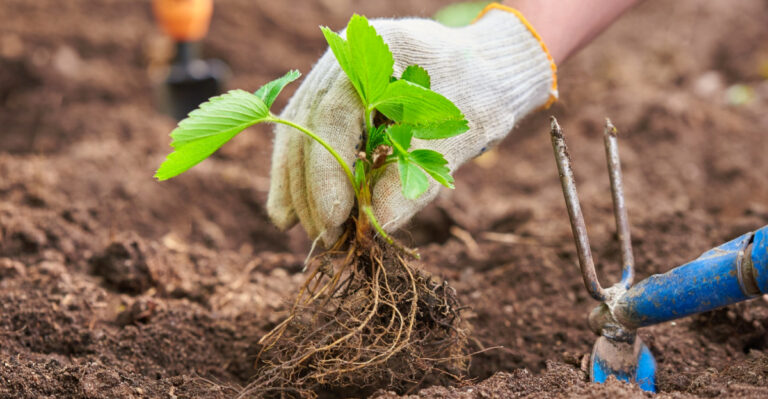
A sunny spot with plenty of room and decent drainage makes a good home. The planting hole should be about as deep as the root ball and two or three times as wide.
The top of the root ball belongs level with or slightly above the ground. Backfilling with the same native soil that came out of the hole works best.
A thorough watering after planting gets things started, and the rains can take over from there. A ring of mulch helps hold moisture.
Young oaks are tasty to many critters, so a small fence or tree tube helps where deer, gophers, or rabbits roam. That protection matters most in the first few years.
Some people plant acorns directly in fall, which can grow strong roots from the very start. Small plants, whether acorns or modest nursery trees, often catch up to bigger ones surprisingly fast.
A fall start also adds a whole wet season of root growth.
Five Years From Now Starts Today
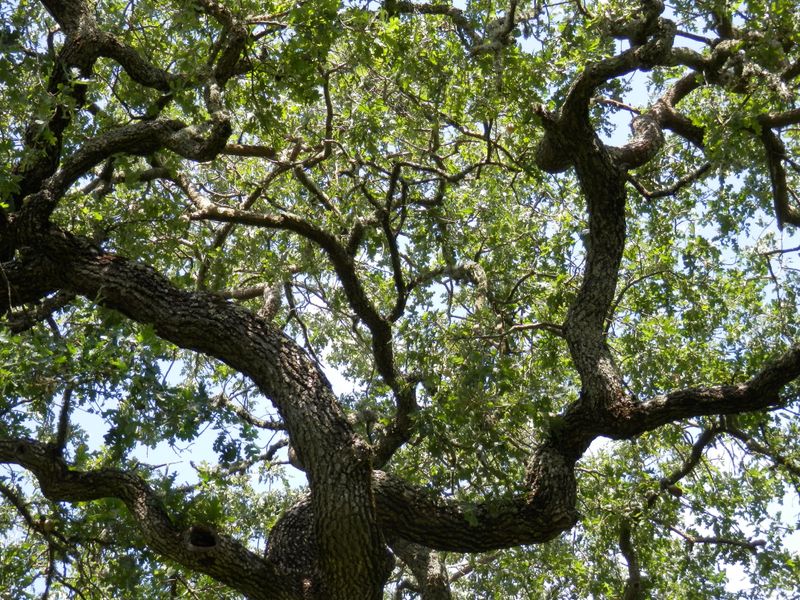
An old saying holds that the best time to plant a tree was twenty years ago, and the second best time is now. Valley oak owners understand exactly what that means.
Few people look at a big, shady oak and wish they had waited longer. The timeline still deserves an honest look, though.
A valley oak planted this year won’t shade an entire yard in five years. It will likely be a healthy young tree with deep roots, a sturdy trunk, and the first real patches of shade worth standing in.
Five more years after that, the difference becomes hard to miss. Each passing season adds a little more height and spread.
That’s the whole point. Every year of delay is a year the tree can’t grow. Putting it off until next spring, then the spring after, keeps pushing that cool canopy further down the road.
Getting started is simple. A local native plant nursery can help select a valley oak suited to the area this fall.
The sunniest open spot available makes the best home. A little care while the tree is young sets it up for a long, healthy life.
Someday, that oak could shade a hot afternoon while woodpeckers tap overhead and future generations climb its branches. Five years from now, today’s planting will feel like one of the best decisions in the yard.