The Mulching Mistake That Leaves Hydrangea Buds Exposed Over Winter
Every fall, I tuck my garden in like a sleepy toddler, piling on cozy layers and feeling quietly proud. The air smells like crunchy leaves and woodsmoke, and my boots squish happily through the cool, damp soil.
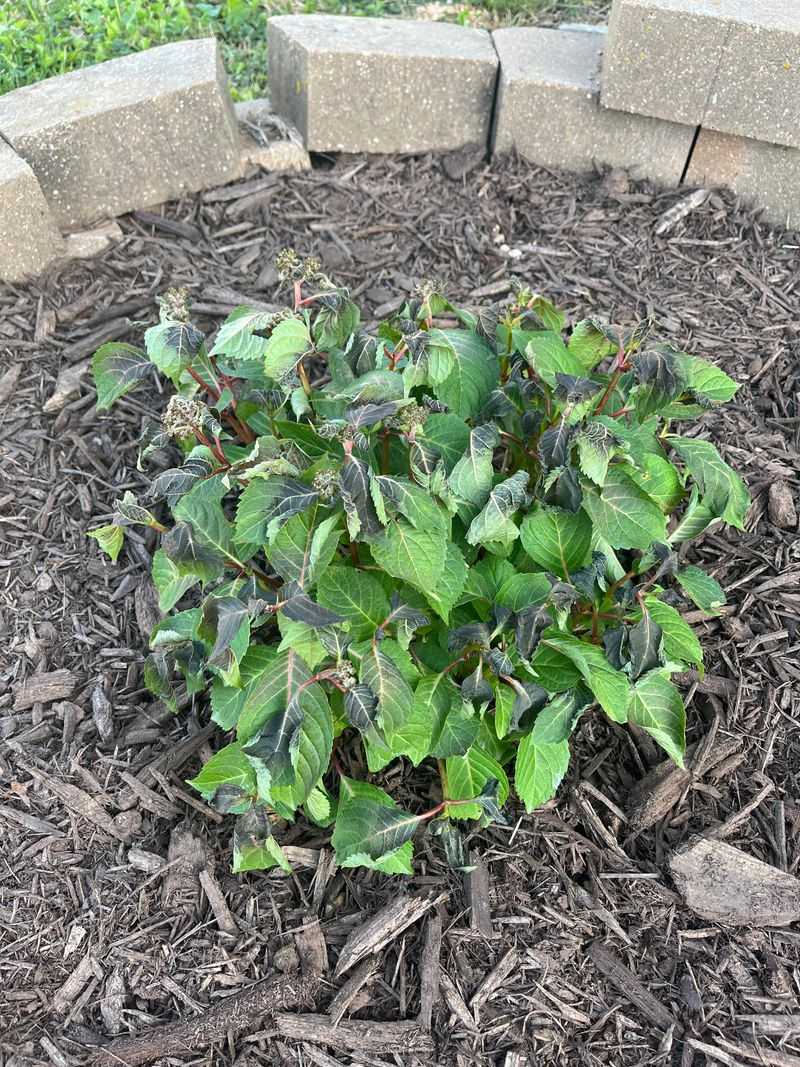
Then spring arrives, and my favorite shrub shows off a thick wall of green leaves with zero flowers. Not one bloom, not even a polite little bud, just leaves waving at me like they won an argument.
For years I blamed the weather, the soil, the neighbor’s cat, and once, a suspicious-looking squirrel named Gary. Gary seemed innocent, mostly, though he did watch me garden with the calm stare of a tiny detective.
The real problem was hiding in plain sight, right in the cozy layers I spread with so much love. My good intentions were keeping the wrong parts warm while the precious parts shivered high in the cold wind.
I felt a little silly when the answer finally clicked, like someone wearing a winter hat while standing barefoot in the snow. Gary still visits every morning, and he still gives me that detective stare, as if he solved the case long before I did.
Warm Roots Leave Tall Stems Exposed
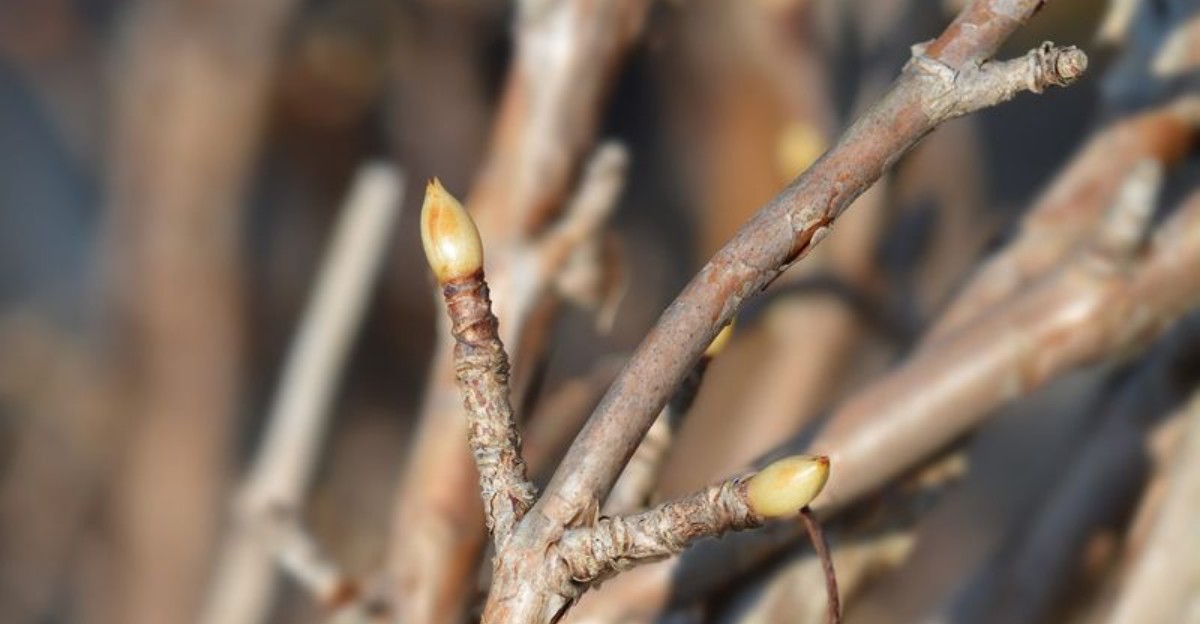
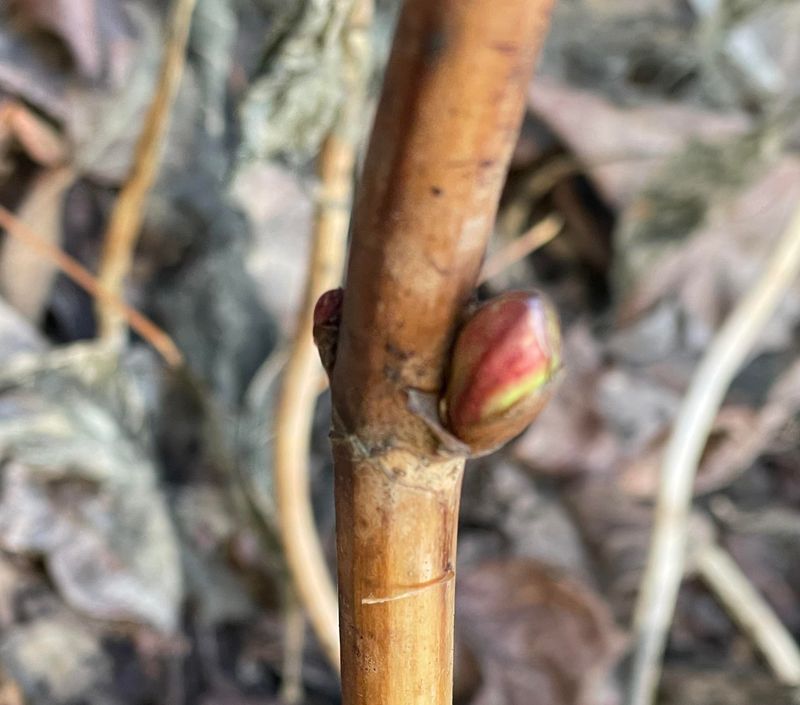
Picture a bigleaf hydrangea in October, its stems topped with plump, pointy buds that already hold next summer’s flowers. Those buds formed back in late summer, and they wait at the tips of the woody stems all winter.
Many gardeners spread a neat ring of mulch around the base and assume the whole shrub is safe now. That ring helps the roots, but it does little for buds sitting a couple of feet or more above the ground.
Roots stay warmer under the soil, so a base layer of mulch is usually enough for them. Buds are a different story, because they sit in the open where icy winds can dry and freeze them.
In colder zones, a single night near zero degrees can brown those buds while the stems look fine. You often find out in late spring, when the plant leafs out happily but forgets to bloom at all.
So the real mistake is mulching for the wrong body part, like warming your toes while your ears freeze. A flat layer at the base protects roots, yet the flower buds high on the stems stay exposed.
Varieties like Endless Summer can rebloom on new wood, which softens the blow if old buds get damaged. Even those reblooming types flower earlier and fuller when the old wood buds make it through the cold.
Take a walk around your shrub this week and look closely at the tips of each stem. Those fat green or reddish buds are next year’s show, and they deserve the most protection this winter.
Hard Frost Signals The Right Moment
Early October feels like the perfect time to tidy beds, but your shrubs are still busy getting ready. Cooler nights and shorter days tell hydrangeas to slow down, toughen their stems, and settle into rest.
Gardeners call that process cold hardening, and it needs several chilly weeks to happen in a steady way. Piling on heavy mulch too early can keep the soil warmer for longer, which may slow that natural process.
A plant that hardens off late may have tender buds that are less ready for real cold. Then a sudden November freeze arrives, and those unprepared buds can be damaged before they toughen up.
A better plan is to wait for the first hard frost, usually when temperatures dip into the twenties. In many northern areas that happens in late October, while southern gardens may wait until late November.
You will notice the signs easily, like crunchy grass in the morning and leaves turning limp and brown. When the hydrangea drops most of its leaves, it is usually dormant enough for winter protection to help.
Keep a simple note on your phone or calendar so you remember the date of your first frost. Over a few years, that record becomes a handy local reference that beats any general rule found online.
Meanwhile, keep watering during dry fall spells, since well-hydrated stems handle freezing temperatures much better than thirsty ones. Patience feels strange when you want to finish chores, yet waiting a few weeks pays off in blooms.
Wet Mulch Piled Against The Stems
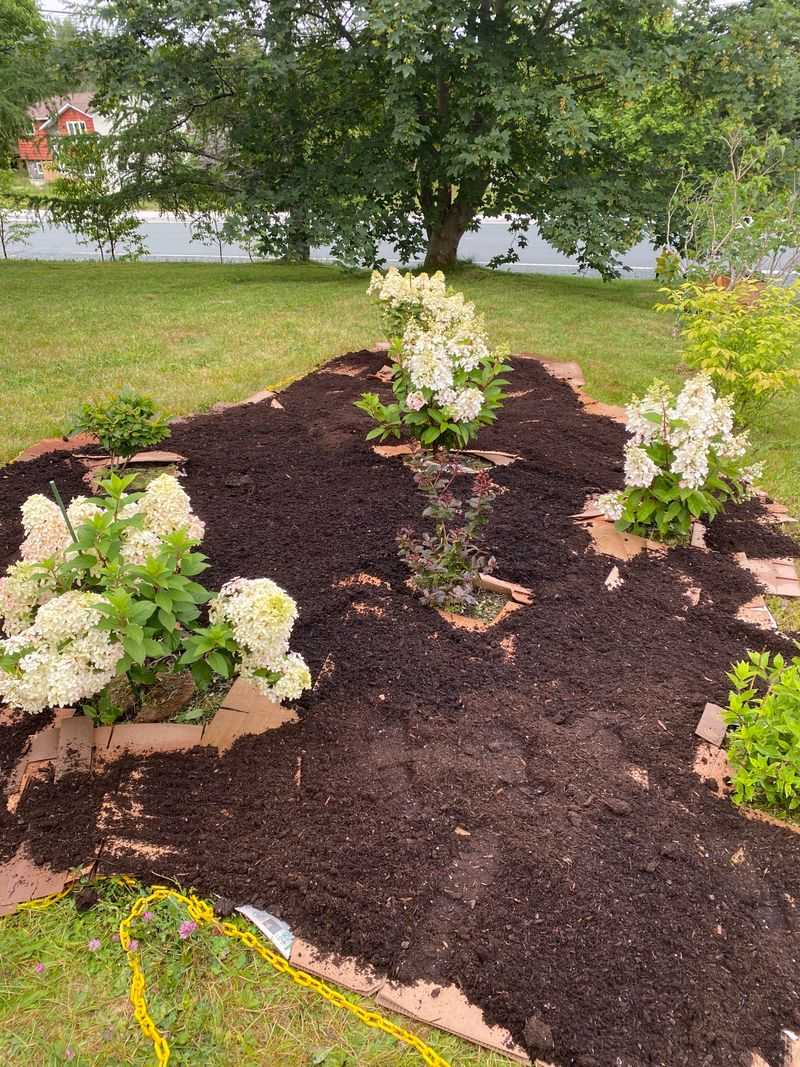
Imagine wearing a soggy wool sweater all winter, and you will understand how hydrangea stems feel under wet mulch. Dense or matted materials like grass clippings or packed wet leaves soak up rain and stay damp for a long time.
When that soggy pile touches the stems, water sits against the bark day after day without drying out. Then the temperature drops, the water freezes, and the ice can press against the bark.
Repeated freezing and thawing can crack the bark and damage the tissue that carries water up to buds. Constant dampness also invites rot and fungus, which can weaken stems before spring even has a chance to arrive.
Some folks build tall mulch volcanoes around their shrubs, thinking more mulch equals more warmth for the plant. Sadly, those volcanoes often trap moisture and give mice a cozy hotel where they nibble on tender bark.
A healthier approach keeps base mulch about two to three inches deep and pulled back from the stems. Leave a small gap of a few inches, like a doughnut hole, so air can move around the base.
Shredded bark or pine needles drain well and rarely form a soggy crust. Shredded leaves work nicely too, since they let water pass through while still keeping the soil temperature steady.
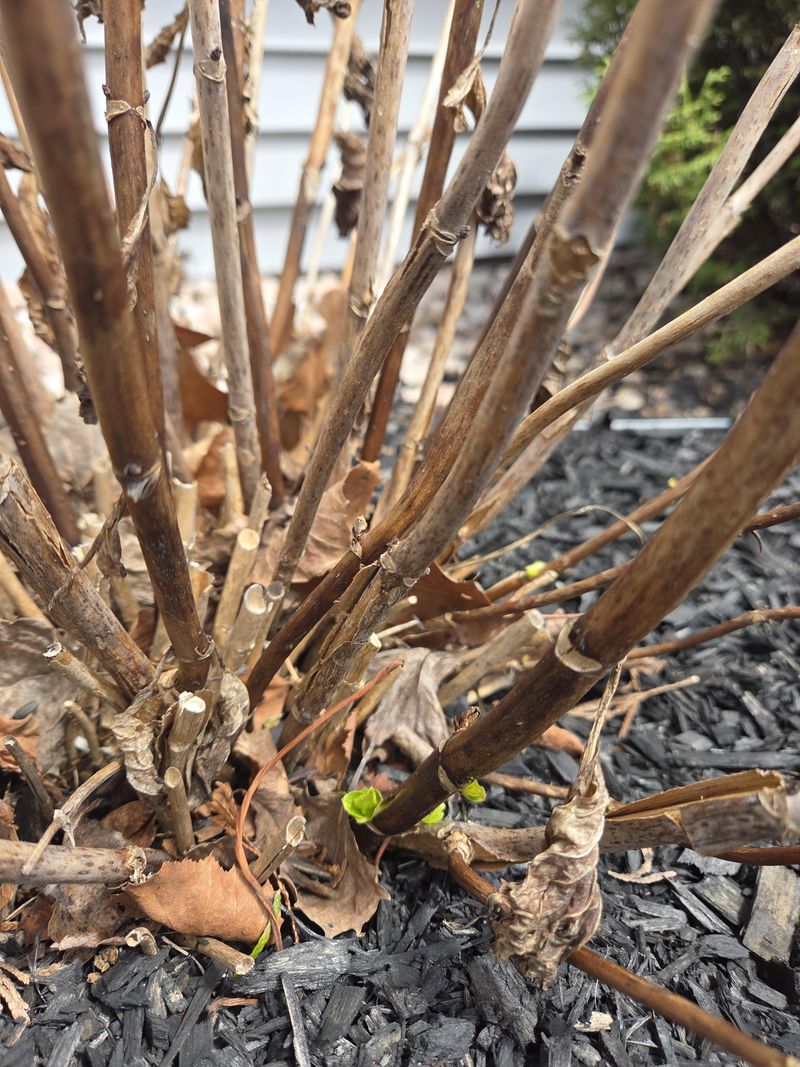
Poke your fingers into your current mulch this week and feel whether it is fluffy or packed down. If it feels like a wet sponge, loosen it with a rake and move it away from stems.
A Leaf Cage Built For Winter Buds
My grandfather used to wrap his hydrangeas in chicken wire every November, and the neighbors thought he was odd. Come June, his shrubs were covered in big blue blossoms, and the neighbors started asking for his secret.
His secret was a simple leaf cage, which protects the whole stem, including the buds perched at the top. Start by pushing four sturdy stakes into the ground around the shrub, just outside the outer branches.
Wrap chicken wire or burlap around the stakes to form a cage a few inches taller than the plant. Then gently fill the cage with dry shredded oak leaves or clean straw until every stem tip disappears.
Oak leaves work wonderfully because they curl and resist packing down, so air pockets stay full of insulation. Maple leaves tend to mat into wet layers, so shred them first with a mower if you use them.
Before stuffing the cage, avoid trimming the stems, since those tips hold the buds you are trying to save. Tie loose branches together with soft twine if they flop, which makes filling the cage much easier.
A loose cover of burlap over the top slows rain from soaking the leaves while still letting air through. Skip plastic sheeting, because it traps moisture and heats up on sunny winter days like a tiny greenhouse.
Gather your leaves now while they are crunchy and dry, and store them in bags until frost arrives. The whole project takes about an hour, and it can make a big difference by spring.
Spring Blooms After A Protected Winter
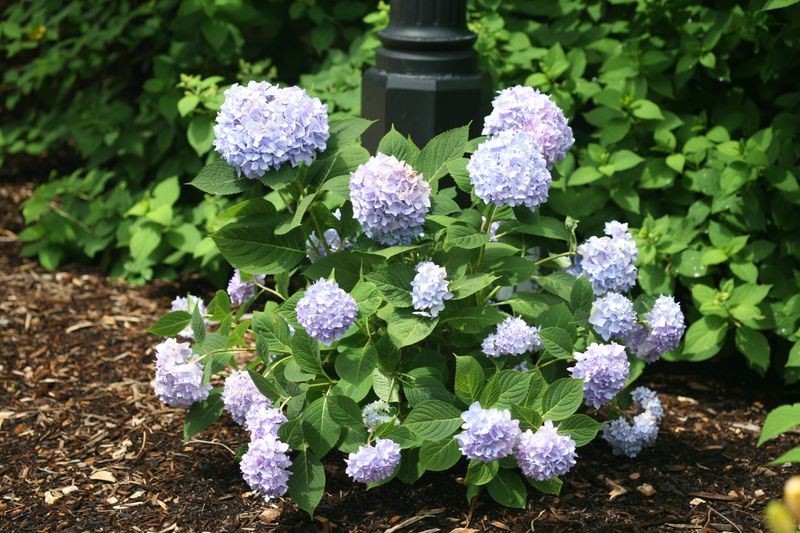
There is a special thrill in peeking under the cage in April and spotting fresh green buds swelling happily. Those buds mean flowers are coming, and they prove that your fall effort worked better than wishful thinking.
Protected bigleaf hydrangeas are more likely to bloom on schedule, since the old wood buds make it through winter undamaged. Gardeners in chilly places like Ohio or Pennsylvania may see full mophead blooms by early summer instead of a sparse, late display.
Removing the cover takes some patience, because a late frost can still nip tender buds in early spring. Pull the leaves out gradually over a couple of weeks, letting the plant adjust to brighter sunlight and cooler air.
Keep an old sheet nearby, so you can toss it over the shrub if the forecast suddenly turns frosty. Leftover shredded leaves can stay on the ground as mulch, where they slowly break down and feed the soil.
Fun fact: flower color often depends on soil chemistry, which makes these shrubs feel a little like magic. Acidic soil tends to produce blue blooms, while more alkaline soil usually leans toward pink or purple shades.
Healthy buds that survive winter give the plant a full set of flowers to open in summer. Many gardeners are surprised by how much more their shrub blooms after the first protected winter.
Snap a photo of your blooms next summer, then compare it to this year’s mostly leafy, flowerless display. That side-by-side picture makes a great reminder each October, right when the chilly chores begin again.
Gentle Habits For Every Future Fall
Seasoned gardeners like to say that next summer’s flowers are made in the fall, and they have a point. Small habits repeated each October can turn a stubborn, leafy shrub into a dependable source of summer color.
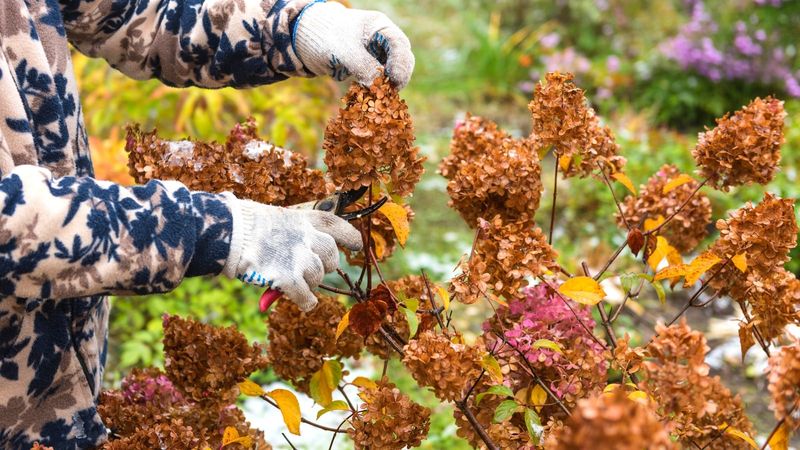
Pruning is the biggest habit to watch, because cutting bigleaf stems in fall removes the buds for next year. Save any shaping for right after the shrub finishes blooming in summer, and leave the faded flower heads in place for now.
Fertilizer is another sneaky troublemaker, since feeding in late summer or fall pushes soft new growth that freezes easily. Stop feeding by mid-August, and let the plant focus on toughening up for the long, chilly months ahead.
Planting location matters too, because a spot sheltered from harsh northwest winds keeps buds safer through rough winters. A quiet corner near a fence or the east side of a house often works beautifully for these shrubs.
If winters in your area are harsh, consider adding hardy types like panicle or smooth hydrangeas to the yard. Those varieties bloom on new wood each year, so a cold snap rarely spoils their summer flower show.
Watering deeply before the ground freezes gives roots a reserve of moisture to sip during dry winter winds. A long soak once a week through October usually does the trick, especially after a dry stretch of weather.
Write your fall routine on a sticky note inside the garage, right next to the rake and gloves. Future you will open that door next October, read the note, and feel wonderfully organized for once.