Common Fall Bugs That Enter Your Home And Simple Ways To Prevent Them
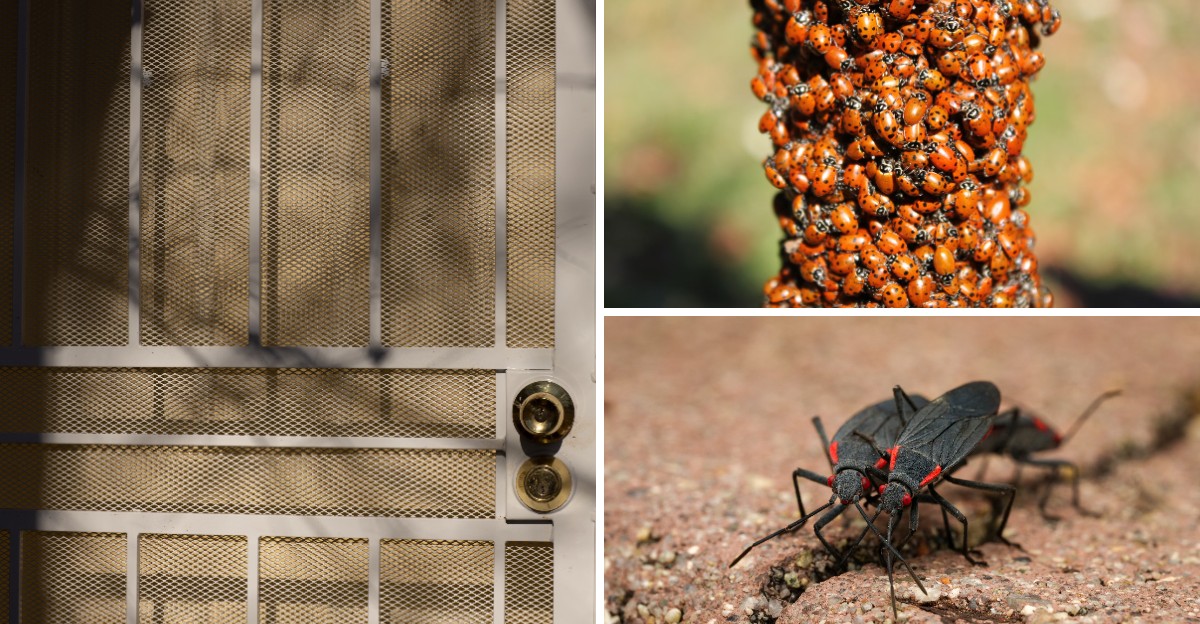
Your ceiling just moved, and you did not imagine it. Stink bugs, boxelder bugs, and lady beetles all scout homes before cold arrives.
They follow heat, so your sunny siding becomes their welcome sign. Gaps narrower than a standard pencil give them an easy way inside.
Disturb a stink bug and it releases a sharp, cilantro-like scent that clings. Lady beetles leave yellow stains on your curtains and pinch when cornered.
Cluster flies pile into your attic and buzz sluggishly against warm glass. Crickets slip through small gaps and chirp behind your dryer all night.
Spotting them early gives you leverage. Check window frames, vents, and door sweeps tonight.
Seal what you find before the temperature drops further. You can reclaim your home without heavy sprays or guesswork. Smart habits make your walls much harder for these guests to enter.
Stink Bugs That Sneak Through Window Cracks
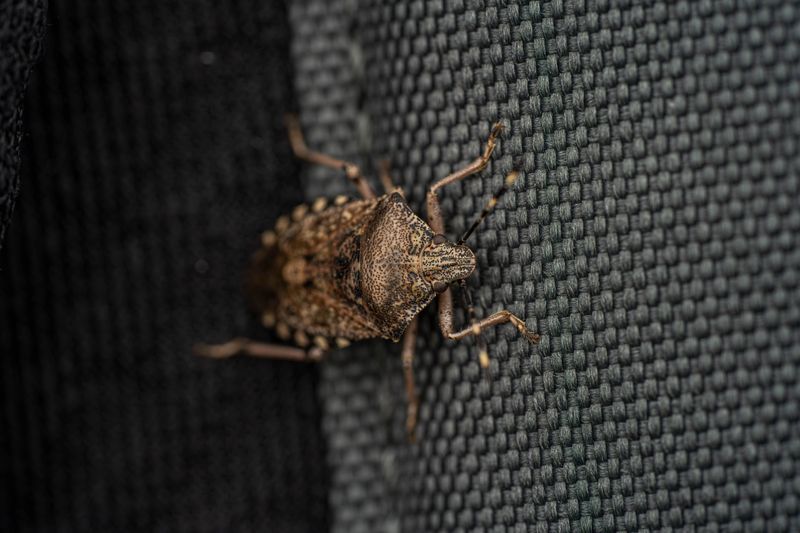
Picture a tiny shield with legs, slowly crawling up your living room curtain on a sunny October afternoon. Brown marmorated stink bugs earned their name the honest way, and you will understand once you disturb one.
Originally from Asia, they showed up in Pennsylvania in the late 1990s and spread fast. Now they have been reported across much of the country, especially once nights get chilly in September and October.
During warm months, they munch on fruits, vegetables, and garden plants outside. When fall arrives, they hunt for a protected spot to rest through winter, and your walls look perfect.
They slip in through gaps around windows, doors, outlets, and attic vents. On warm winter days, they wake up confused and wander toward lamps and sunny windows.
Stink bugs do not bite people or damage furniture, though pets that eat them may drool or vomit. Their main drawback is the sharp, skunky smell they release when crushed or frightened.
So skip the shoe and grab a jar of soapy water instead. Gently knock the bug into the jar, and the soap stops it from climbing back out.
A vacuum works too, but the smell may linger inside it for days. Empty the bag or canister outside right away.
Pay extra attention to the south and west sides of your home. Those walls soak up afternoon sun, and stink bugs gather there before sneaking inside.
Before fall begins, check window screens for tiny tears and patch them quickly. Run a bead of caulk around loose window frames, and you will likely see fewer shield-shaped visitors.
Lady Beetles That Gather On Sunny Walls
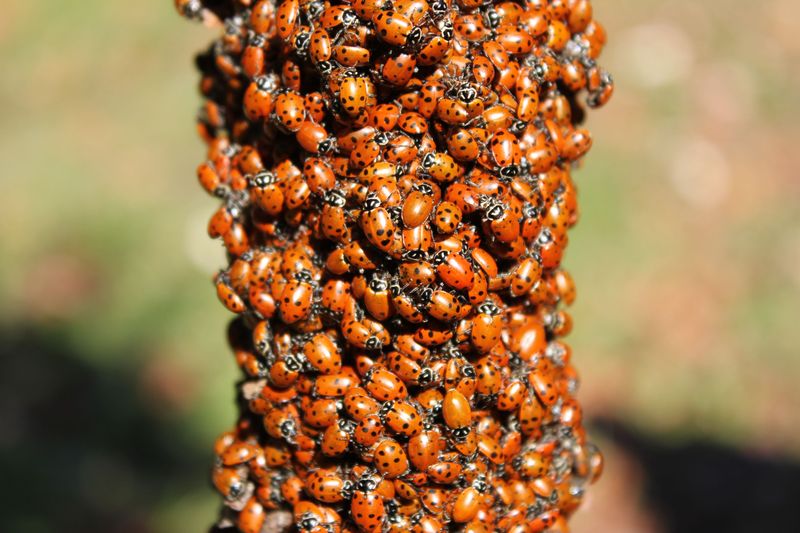
They look like ladybugs, act like uninvited visitors, and show up by the hundreds on sunny fall afternoons. Asian lady beetles are close cousins of the friendly garden ladybug, but they have very different manners.
Agricultural agencies introduced them to the United States over the past century to control aphids on crops. They did that job well, then discovered that houses make terrific winter hideouts.
You can tell them apart by a small white mark shaped like an M or W. It sits right behind the head, almost like a tiny name tag.
Colors range from pale orange to deep red, with spots or without any spots at all. Native ladybugs tend to be smaller, rounder, and less likely to enter your home.
In fall, these beetles gather on light-colored walls that soak up warm sunshine. From there, they crawl into cracks around siding, windows, and roof edges.
Inside, they can give a small pinch that feels like a pin poke. Squeezing them also releases a yellow fluid that smells bad and can stain walls and fabric.
A vacuum with a nylon stocking tucked inside the hose catches them without the mess. Afterward, you can release them outdoors, though many will find their way back to the house.
Sealing cracks is the best long-term plan, especially around window frames and utility pipes. Light traps placed in dark attics can also lure stragglers away from your living space.
Think of them as guests who loved summer in your garden but forgot to leave. A little prep in early fall keeps the party outside where it belongs.
Boxelder Bugs That Cluster On Siding
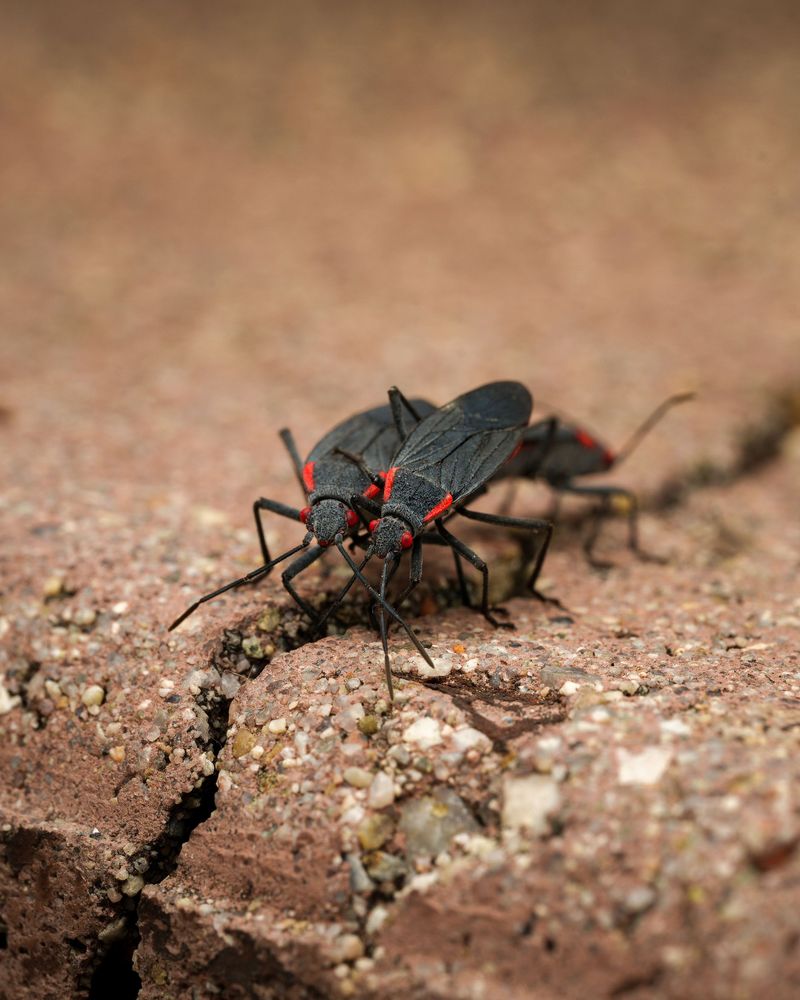
Some people call them maple bugs, and they often sun themselves on porches in fall. Boxelder bugs are black with bright red or orange lines, like tiny race cars parked on siding.
They get their name from boxelder trees, a type of maple they love to feed on. In spring and summer, they suck juice from seeds and leaves without causing much harm.
Once cooler weather arrives, they cluster together on the warm south side of buildings. Hundreds may gather in one sunny patch, warming up like kids on a playground slide.
Little by little, they squeeze into cracks, vents, and gaps under siding. Many spend winter hidden in walls, then pop out on bright days looking for the exit.
They rarely bite people, and they do not harm pets or damage wood. However, their droppings can leave reddish stains on curtains, walls, and light-colored furniture.
If you have boxelder or maple trees close to your house, expect more visitors. Removing female seed-bearing boxelder trees near your home can cut their numbers over time.
Outside, a spray of soapy water knocks down big clusters on siding before they sneak in. Mix dish soap into a quart of water and spray directly on them.
Indoors, a vacuum works best for quick cleanup without staining. Avoid crushing them on fabric, since that is how red smudges often happen.
Rake up fallen seeds and leaves under nearby trees in early fall. Fewer snacks and hiding spots on the ground means fewer bugs climbing your walls.
Crickets That Chirp In Basements And Laundry Rooms
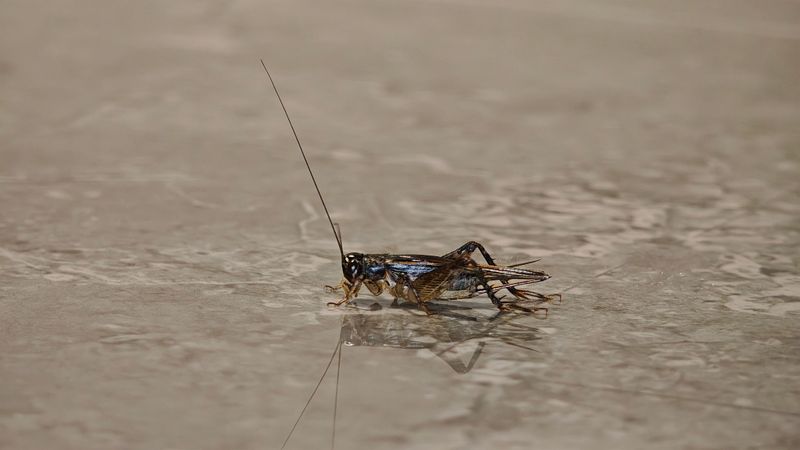
Few things test your patience like a cricket chirping somewhere behind the dryer at two in the morning. House crickets and camel crickets both like to move indoors once fall nights turn cool.
Only male crickets chirp, and they do it by rubbing their wings together. The sound is meant to attract a mate, but it mostly attracts frustrated homeowners with flashlights.
Some crickets chirp faster when it is warm and slower when it is cool. Some people even estimate the temperature by counting chirps, which is a neat backyard science trick.
House crickets are tan and slim, while camel crickets have humped backs and long, spidery legs. Camel crickets do not chirp, but they love to jump straight at you when startled.
Both kinds love dark, damp places like basements, garages, laundry rooms, and crawl spaces. They can chew on fabric, paper, and cardboard boxes if they get hungry enough.
A dehumidifier in the basement makes your home far less inviting to them. Fixing leaky pipes and drying out damp corners helps even more.
Outdoor lights attract crickets at night, so switch to yellow bug bulbs near doors. Keep mulch and leaf piles a few feet away from your foundation, and firewood well away from the house.
Sticky traps placed along basement walls catch wandering crickets quietly. Check them weekly and you will learn where they are getting in.
Weatherstripping on garage and basement doors helps keep out these nighttime visitors. Your sleep schedule will be grateful when the concerts finally stop.
Cluster Flies That Buzz In The Attic
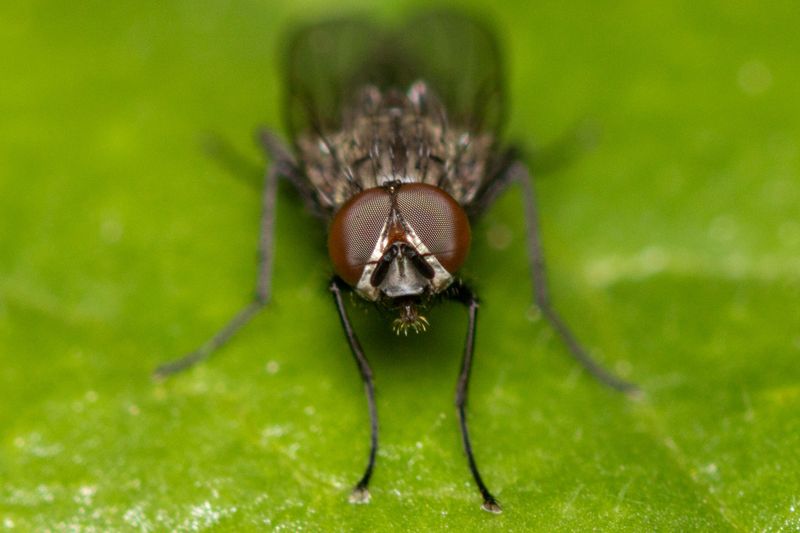
Ever notice slow, clumsy flies bumping against an attic window on a sunny winter day? Cluster flies are a little bigger than house flies, and they move like they just woke up.
Their story starts with earthworms, which sounds odd but is true. Young cluster flies grow up inside worms in the soil, then become adults by late summer.
As fall arrives, the adults look for warm, quiet places to wait out the cold. Attics, wall spaces, and upstairs rooms near sunny windows are their favorite spots.
Unlike house flies, they do not breed indoors or crawl around in garbage. They mostly just sit, wait, and buzz lazily whenever the room warms up.
Golden hairs on their bodies give them a faint shine, which helps you identify them. They also gather in groups, which is how they earned their name.
Since they come in through tiny openings, screens on attic and soffit vents matter a lot. Appropriately sized mesh keeps them out while still letting your attic breathe.
Check where siding meets the roofline, plus gaps around window air conditioners. Caulk or foam seals most of these openings in an afternoon.
Indoors, a vacuum handles small groups of them quickly and quietly. Window fly traps that stick to the glass can catch the slow-moving ones near sunny panes.
Sealing up in late August, before they start hunting for shelter, works best. Once they are inside the walls, you are mostly playing catch-up until spring.
Sealed Gaps That Close Common Entry Points
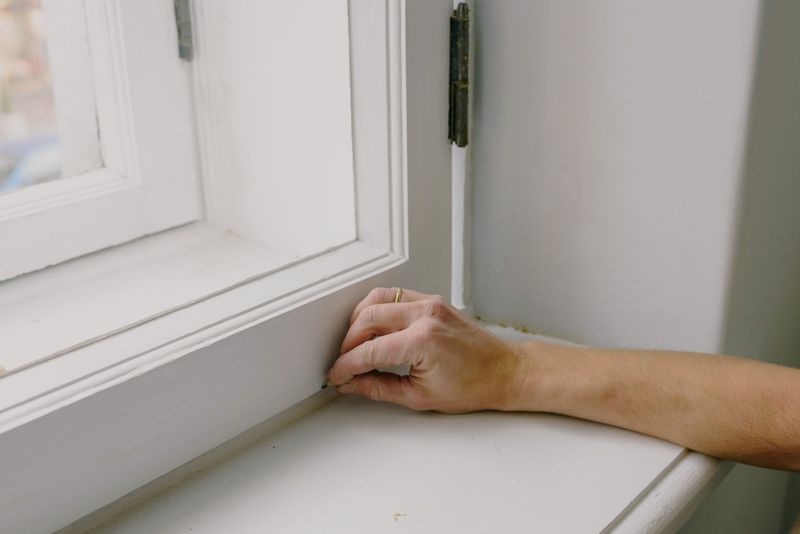
Many fall insects can slip through gaps as narrow as 1/8 inch. That means the tiny cracks you ignore are open doors for fall insects.
Start with a slow walk around your house on a bright afternoon. Look closely at window frames, door edges, siding seams, and where pipes or wires enter the walls.
Grab a tube of silicone or acrylic latex caulk for small cracks. Silicone handles weather well, while latex is easier to paint over afterward.
For bigger holes around pipes, expanding foam sealant fills space quickly. Copper mesh stuffed into gaps first adds extra strength and keeps mice out too.
Doors deserve special attention, since bugs love the space underneath them. If paper slides easily under a closed door, add a door sweep.
Weatherstripping around the sides and top of doors seals the rest. It also keeps drafts out, which can lower your heating bill this winter.
Do not forget attic vents and soffit vents, and make sure your chimney has a properly fitted cap. Appropriately sized mesh covers let air through while blocking crawling and flying pests.
For dryer vents, use a louvered or flap-style cap instead, since mesh clogs with lint and creates a fire risk.
Ideally, finish this project in late summer or early September. Many fall bugs begin searching for shelter as nights turn cool.
Kids can help by spotting cracks and marking them with painter’s tape. Turning it into a family scavenger hunt makes the chore go faster.
One weekend of sealing can save you months of chasing bugs around the house. Think of it as giving your home a warm, well-sealed jacket for the season.
Clean Yards That Leave Bugs Fewer Places To Hide
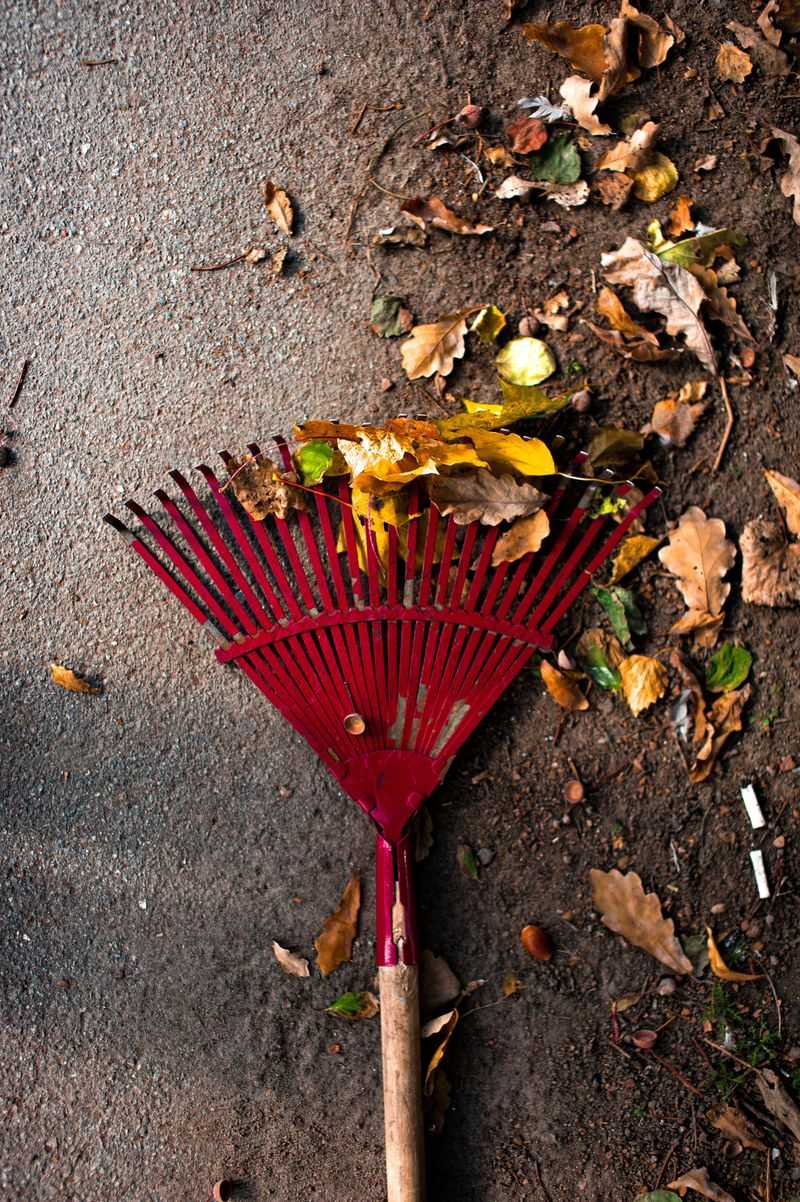
Some fall insects gather near your walls before they find a way inside. Others fly in from farther away, so yard care works best alongside sealing.
Leaf piles, stacked firewood, and thick mulch beds make perfect waiting rooms for them. The closer these piles sit to your house, the shorter the trip inside.
Rake leaves regularly and bag them or move compost piles far from the foundation. A clear strip around your house helps.
Store firewood well away from the house and keep it raised off the ground. Only bring in enough wood for one evening, and check each log before carrying it inside.
Trim shrubs, vines, and tree branches so they do not touch your siding or roof. Branches work like bridges, giving crawling bugs an easy path to upper windows and vents.
Clean gutters matter too, since soggy leaves hold moisture that many insects love. Water dripping near the foundation also invites crickets and other damp-loving critters.
Swap wood mulch beside the house for gravel or stones if possible. Rocks dry quickly and give bugs fewer cozy places to burrow.
Pick up fallen fruit from apple or pear trees before it rots. Sweet, mushy fruit draws stink bugs, wasps, and flies right into your yard.
Outdoor trash cans should have tight lids and sit away from doors. Rinse them out now and then to cut down on smells.
A tidy yard does more than look nice. It gives hungry, chilly bugs fewer reasons to settle near your home.
Tight Screens That Keep Doors And Windows Safe
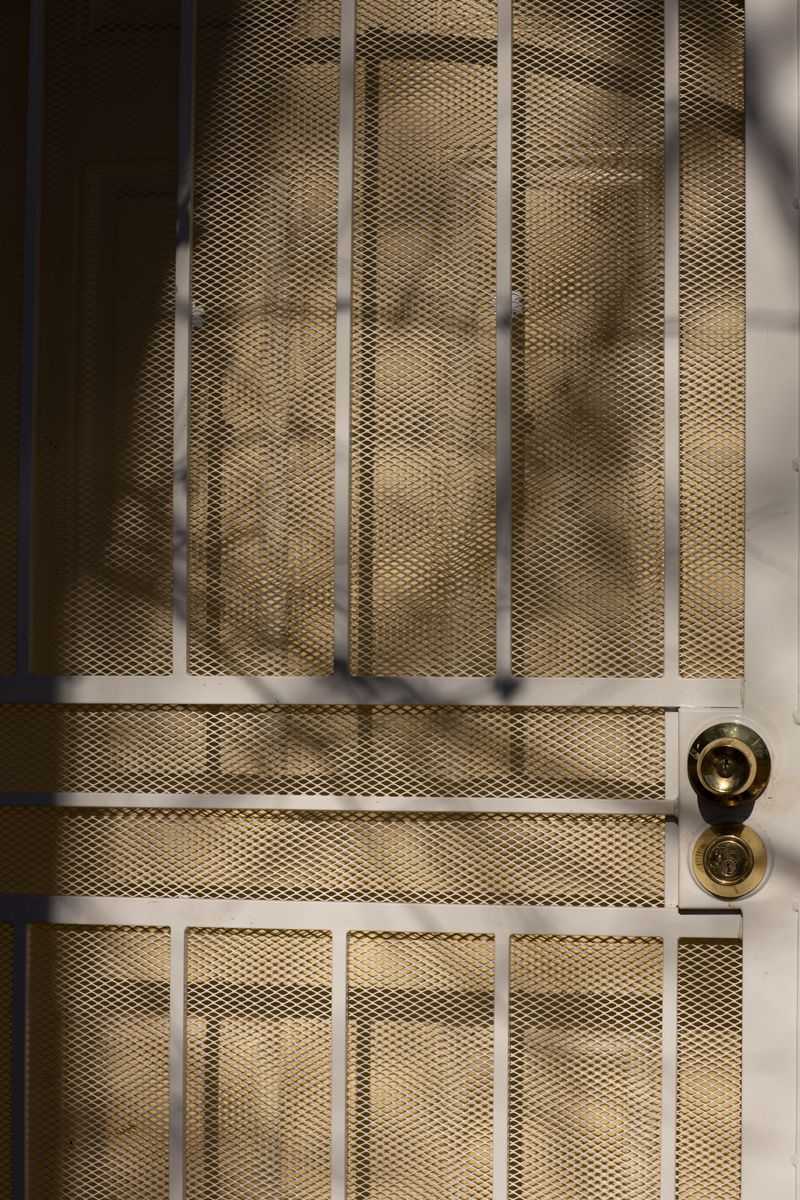
Fresh fall air feels wonderful through an open window, until a beetle floats in with it. Window and door screens are a key barrier on breezy autumn days.
Over time, screens get small tears from pets, kids, wind, and simple old age. Even a hole the size of a pea is enough for lady beetles and stink bugs.
Check every screen by holding it up to bright daylight. Tiny holes show up as dots of light that are easy to miss otherwise.
Small tears can be fixed with screen patch kits from any hardware store. For big rips, replacing the mesh costs little and takes about an hour per window.
Make sure each screen fits snugly in its frame without gaps along the edges. Bent frames leave openings that bugs find faster than you might expect.
Screen doors should close on their own and latch tightly. A simple door closer helps if family members tend to leave it hanging open.
Choosing finer mesh, sometimes called no-see-um screen, blocks even the smallest flying pests. It still lets in plenty of light and breeze for cozy fall afternoons.
Attic, crawl space, and foundation vents need screens too, not just windows. Metal mesh lasts longer than plastic and stands up better to chewing critters.
Window air conditioners often leave gaps on the sides when installed. Remove them in fall, or seal the edges with foam strips for winter.
Taking an hour to inspect your screens now pays off all season long. You get the fresh air without the uninvited six-legged company.