7 Pennsylvania Plants To Bring Indoors This Fall
Fifty degrees might feel like perfect sweater weather. For many potted plants, it’s a warning sign.
All summer long, your porch, patio, and deck have probably been home to a mix of tropical beauties, herbs, and container favorites.
They’ve soaked up the sunshine and humidity, putting on plenty of growth along the way. But as Pennsylvania nights grow colder, those same plants start to struggle.
Many of them come from warm climates where frost never shows up, and even one chilly night can leave lasting damage.
You don’t have to say goodbye, though. With a little planning, plenty of outdoor plants can spend the winter indoors and head back outside next spring. Timing is everything. Wait too long, and the cold could make the decision for you.
1. Tropical Hibiscus
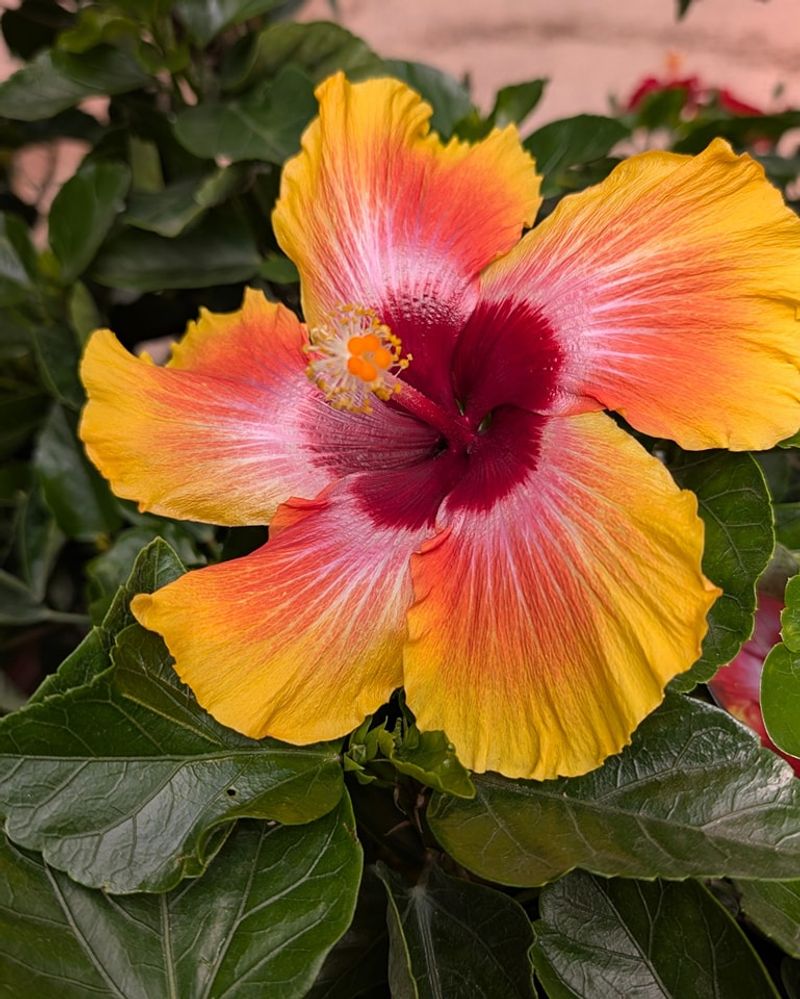
Those dinner-plate flowers you loved all summer came from a plant that grew up in warm, tropical places.
Tropical hibiscus has no idea what a Pennsylvania October feels like, and it doesn’t want to find out. Once your nights start dipping into the 50s, it is time to move it inside.
Waiting too long can cause real damage. Cold air makes the leaves turn yellow and the buds fall off before they open. A single frost can wreck the whole plant, so keep an eye on the weather report in September.
Before you bring it in, give the plant a good check for bugs. Look under the leaves for tiny spider mites, aphids, or whiteflies. A gentle spray from the hose a few days before the move can knock most of them off.
Inside, hibiscus wants the sunniest spot in your house. A south-facing window is best. If your home is on the darker side, a simple grow light can make a big difference during short winter days.
Don’t panic if leaves start dropping after the move. Almost every hibiscus does this while it adjusts to lower light. Think of it as the plant shedding its summer coat. New leaves usually appear within a few weeks.
Water when the top inch of soil feels dry, and cut back on fertilizer until spring. Hibiscus grows more slowly in winter, so it needs less food. Keep it away from cold drafts near doors.
Fun fact: the yellow hibiscus is the state flower of Hawaii. With some care, you might see a few bright blooms on your windowsill even in January, which feels like a tiny vacation in the middle of winter.
2. Potted Citrus Trees
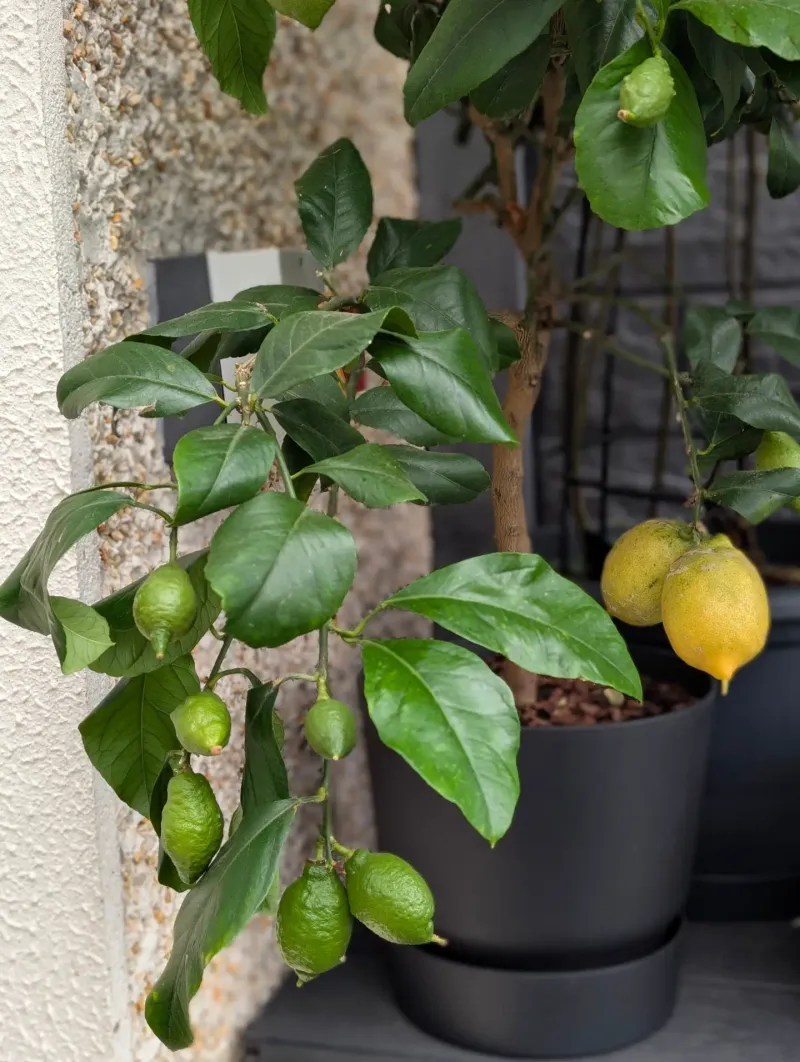
Growing your own lemons in Pennsylvania sounds like a wild idea. Yet plenty of gardeners do it every year with Meyer lemons, key limes, and even small orange trees. The secret is simple. These trees spend summers outside and winters inside.
Citrus trees can’t survive a Pennsylvania frost. In fact, they start to suffer once nights fall into the 40s. Plan to move them indoors in late September or early October, before the cold sneaks up on you.
Light is the biggest need. A bright, south-facing window is the top choice. Citrus loves sun, and winter days are short. If the leaves look pale or start falling, add a grow light for a few extra hours each day.
Your Pennsylvania Garden Changes Every Week. Your Plan Should Too.
Gardening in Pennsylvania changes quickly throughout the season. Every Friday you’ll receive a simple weekly plan showing exactly what to plant, prune, fertilize, harvest, and protect so you never miss the right timing.
Heating vents are a hidden problem. Warm, dry air blowing on the tree can make leaves curl and drop.
Keep your pot a few feet away from radiators and vents. Setting the pot on a tray of pebbles and water adds a little moisture to the air around it.
Watering takes a careful hand. Let the top couple of inches of soil dry out before you water again. Soggy roots cause more trouble than thirsty ones. Use a pot with good drainage holes to keep things healthy.
Here’s a sweet bonus. Many citrus trees bloom in late winter, filling your kitchen with a scent like orange candy. If no bees are around, you can help by brushing a small paintbrush from flower to flower.
With a little patience, you could pick a homegrown lemon in February. That is a pretty great story to tell your friends.
3. Mandevilla Vines
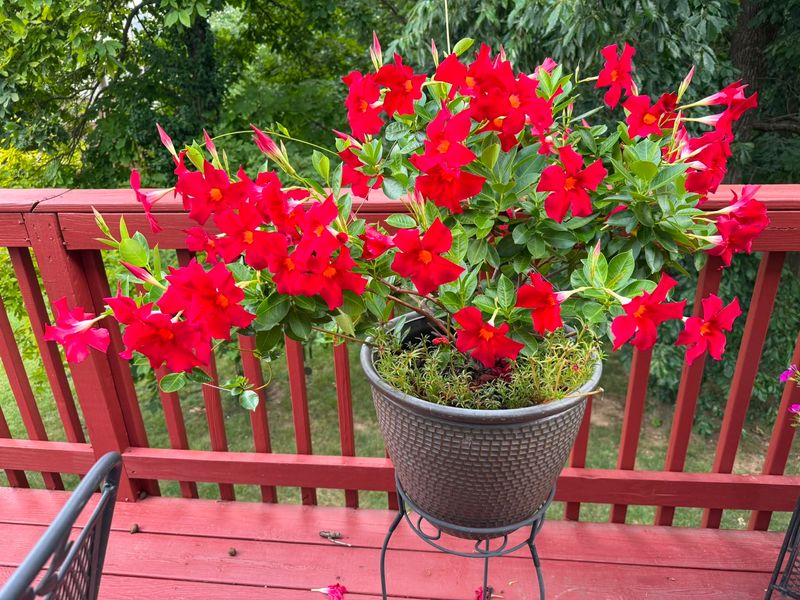
All summer long, mandevilla puts on a show. Its pink, red, or white trumpet flowers climb up mailboxes, porch posts, and patio trellises across Pennsylvania. Many people treat it as a one-season plant, but it can easily live for years if you bring it inside.
Mandevilla is a tropical vine, so cold weather is its enemy. Once temperatures dip below about 50 degrees, the plant can get damaged. That usually means moving it indoors by late September or early October.
Trimming comes first. A big summer vine won’t fit nicely in your living room. Cut the stems back to about one or two feet tall. Don’t worry, it will grow back quickly in spring.
A quick tip: wear gloves while pruning. Mandevilla has a milky sap that can bother sensitive skin. Wiping your tools afterward keeps them clean too.
Inside, find the brightest spot you can. A sunny window or a sunroom works well. The plant may slow down and stop blooming, and that’s perfectly normal. It is simply resting.
Winter watering should be light. Let the soil dry out more than you would in summer, then give it a drink. Too much water in cool months can lead to root rot. Skip the fertilizer until the days grow longer.
When spring arrives and nights stay above 50 degrees, slowly move your mandevilla back outside. Put it in shade for a few days first so it can get used to the sun again.
Before long, those cheerful trumpet blooms will be back, and you’ll have saved yourself a trip to the garden center.
4. Garden Geraniums
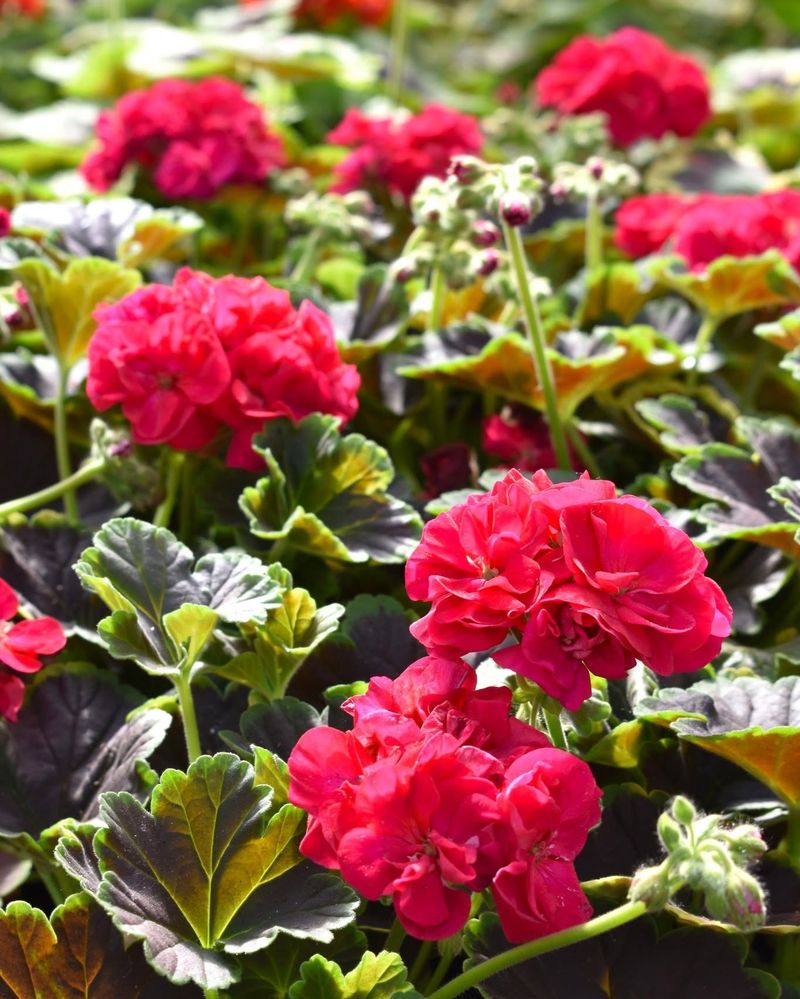
Grandma probably knew this trick. Long before garden centers sold fresh flats every spring, people kept their geraniums going year after year by bringing them inside. It’s an old-fashioned habit that still works great today.
Geraniums are tougher than many tropical plants, but frost will still flatten them. Bring them in before your first freeze, which often happens in October across much of Pennsylvania. You have two easy choices once they’re inside.
The first choice is to grow them as houseplants. Pot them up and place them in a sunny window. Water only when the soil feels dry. They may get a bit leggy, but many will keep blooming through winter, adding red and pink color to a gray day.
The second choice is to let them sleep. Gently dig up the plants, shake off the soil, and hang them upside down in a paper bag.
Store them in a cool, dry spot like a basement that stays around 45 to 55 degrees. Check them once a month. If the stems look shriveled, soak the roots in water for an hour.
In early spring, pot the stored plants back up and set them in a bright window. Green shoots should appear in a few weeks.
Either way, trim the plants back by about half before spring planting. That helps them grow fuller and bushier.
Saving geraniums is a smart money move. A single plant can cost several dollars, and a whole flower box adds up fast. Keeping the same plants also means you get to grow old favorites, colors and all, season after season.
5. Rosemary
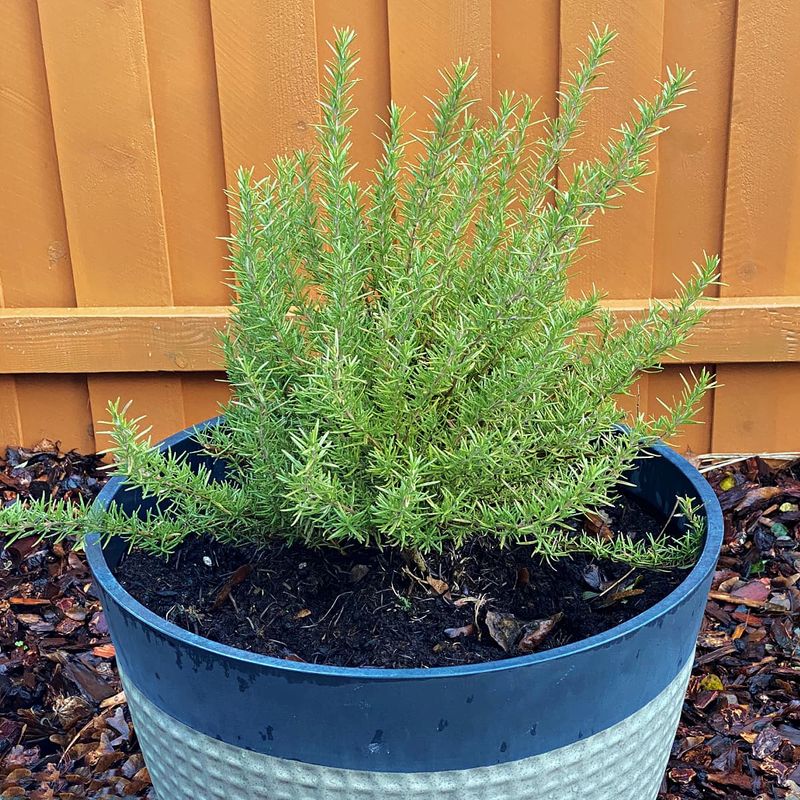
Few smells beat fresh rosemary on roasted potatoes in the middle of winter. Keeping a pot of it alive indoors means you can snip a sprig anytime you cook. Still, rosemary has a reputation for being a little fussy once it comes inside.
Most rosemary types aren’t reliably hardy through Pennsylvania winters. A few varieties, like Arp, can handle more cold, but even those struggle in hard freezes. Bringing your potted plant indoors before the deep cold arrives is the safest plan.
Rosemary comes from sunny hillsides near the Mediterranean Sea. That means it craves light. Give it your brightest window, ideally facing south. Six or more hours of sun each day keeps it happy and full of flavor.
Now for the biggest mistake people make. Overwatering is the top reason indoor rosemary fails. Its roots hate sitting in wet soil. Wait until the top of the soil starts to dry before watering, then water thoroughly and let the extra drain away.
Here’s a helpful trick. Stick your finger about an inch into the soil. If it’s dry, go ahead and water. If it’s still damp, wait a few more days.
Good airflow matters too. Rosemary can get a white, dusty coating called powdery mildew in stuffy rooms. A small fan nearby or a slightly open door can help.
Use a clay pot if you can. Terracotta lets soil dry out faster than plastic. Fun fact: in old folklore, rosemary was linked to good memory. With these tips, you’ll remember exactly how to keep yours thriving.
6. Boston Fern
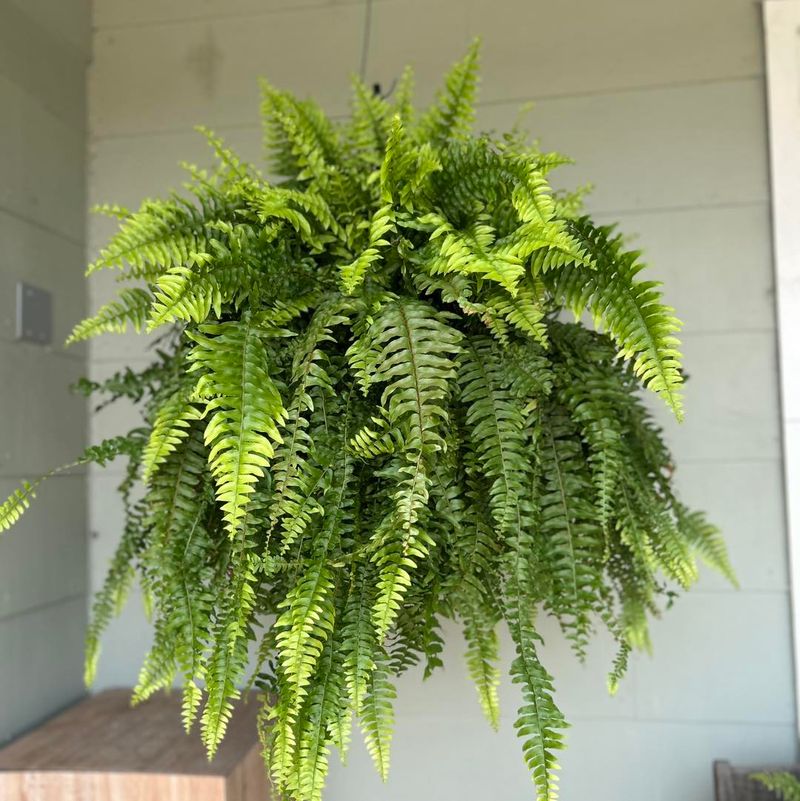
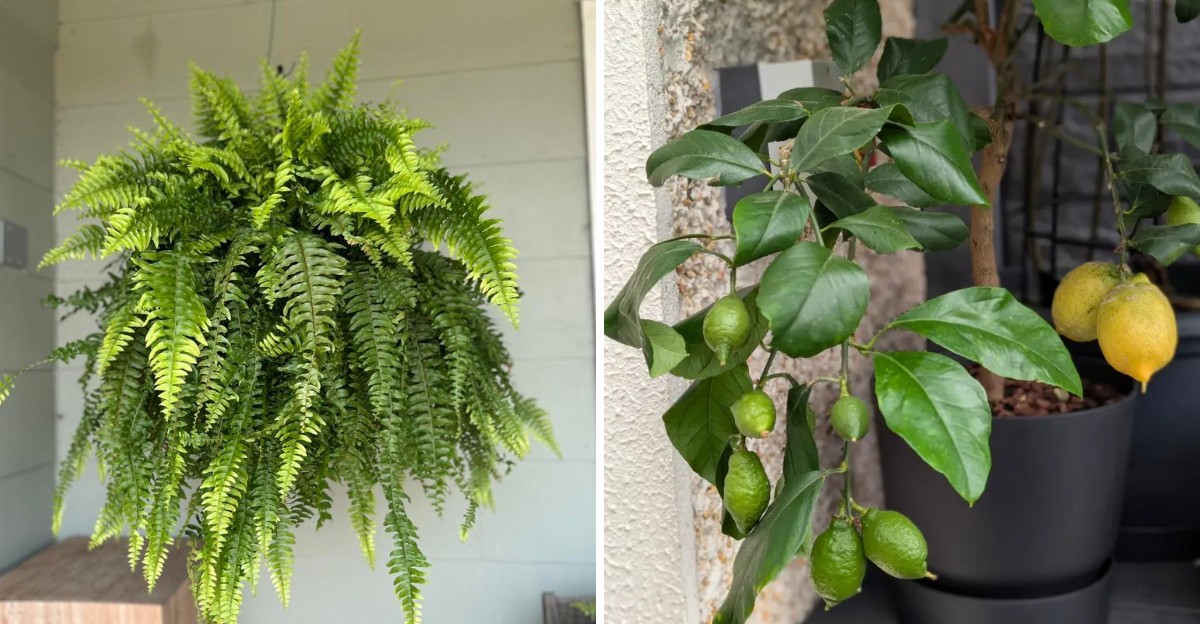
Walk down almost any street in a Pennsylvania small town during summer, and you’ll spot them. Big, feathery Boston ferns swing from porch hooks, making old houses look extra welcoming. When fall comes, those ferns need a new home indoors.
Frost will turn a Boston fern brown and crispy in one night. Move yours inside before temperatures drop near freezing. Give it a good shake and a rinse first, since spiders and other critters love hiding in the fronds.
Light is the first thing to think about. Boston ferns like bright light, but not harsh, direct sun. A spot near an east-facing window or a few feet back from a sunny one works well.
Humidity is the real challenge. Winter air inside heated homes is very dry, and ferns love moisture. Without help, the fronds turn brown and drop little leaflets all over the floor. Nobody wants to sweep that up every day.
Try one of these easy fixes. Run a small humidifier nearby. Set the pot on a tray filled with pebbles and water.
You can also group plants together, since they share moisture with each other. A steamy bathroom with a window makes a cozy fern spa.
Keep the soil lightly moist but never soggy. Check it every few days, because ferns dry out faster than you might expect.
Some shedding is normal at first. Trim off brown fronds to keep things tidy. By spring, your fern can return to the porch hook, ready for another summer of swaying in the breeze.
7. Coleus Cuttings
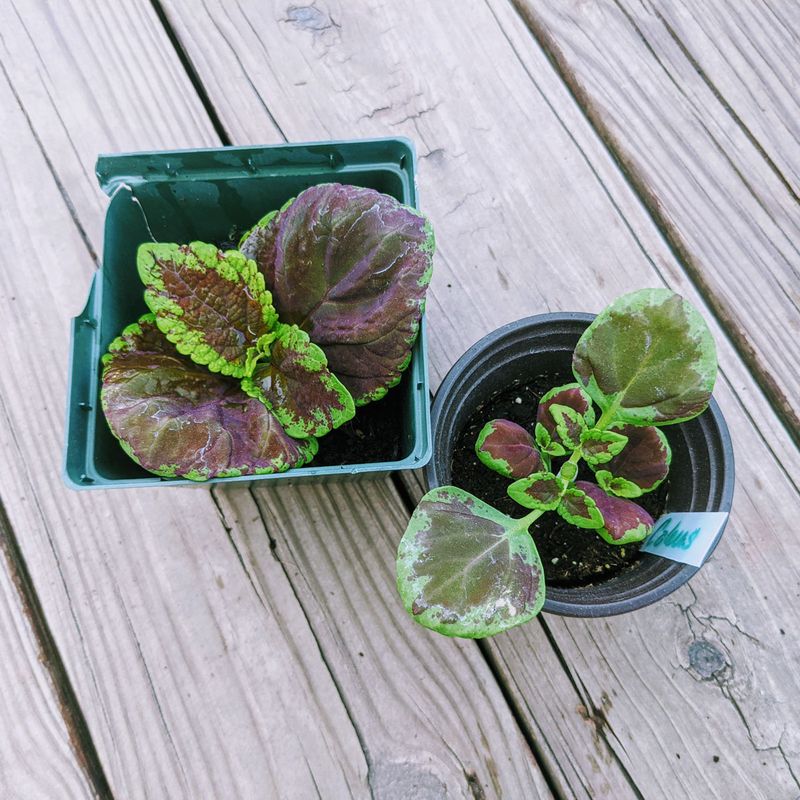
Coleus might be the most fun plant to save, because you don’t have to haul in a giant pot. Instead, you take a few small cuttings and grow brand-new plants. It’s almost like a free science project on your windowsill.
Big coleus plants from the garden often get woody and tired by fall. They also take up a lot of space. That’s why many Pennsylvania gardeners skip moving the whole plant and just snip pieces before the first frost.
Here’s how to do it. Cut a stem about four to six inches long, just below a leaf joint. Pull off the bottom leaves so only a few remain at the top. Then place the stem in a glass of water or stick it into moist potting mix.
Roots form fast. In about one to two weeks, you’ll see little white roots growing in the water. Once they’re an inch or so long, move the cuttings into small pots with fresh soil.
Set the young plants on a sunny windowsill. Coleus loves warmth, so keep them away from cold glass on chilly nights. Pinch off the tips now and then to keep them bushy instead of tall and floppy.
If flower spikes appear, pinch those off too. Coleus is grown for its leaves, and flowers can slow down new growth.
When spring comes and the danger of frost has passed, plant them back outside. You’ll have plenty of colorful coleus, from deep purple to lime green, without spending a dime. Share extras with friends and neighbors for a cheerful spring surprise.