Wild Coffee Is The Florida Native Shrub For Shady Yards That Still Want Wildlife
Shade shuts down most shrubs’ potential for attracting anything worth watching. One Florida native shrugs that limitation off entirely.
Wild coffee thrives exactly where other wildlife-friendly plants give up, tucked under tree canopy where sun-loving options never stood a chance anyway. Birds still show up for its berries.
Pollinators still find its flowers. None of that depends on the kind of light most “wildlife garden” advice assumes you’ve got.
Most shade planting guides skip this option entirely, defaulting to ferns and hostas that look fine but do nothing for anything with wings or legs passing through your yard.
Swap at least one shady corner for this shrub instead of another decorative filler. Shade doesn’t have to mean a quiet zone for wildlife, not with the right plant holding down that spot.
1. Wild Coffee Grows In Partial To Full Shade
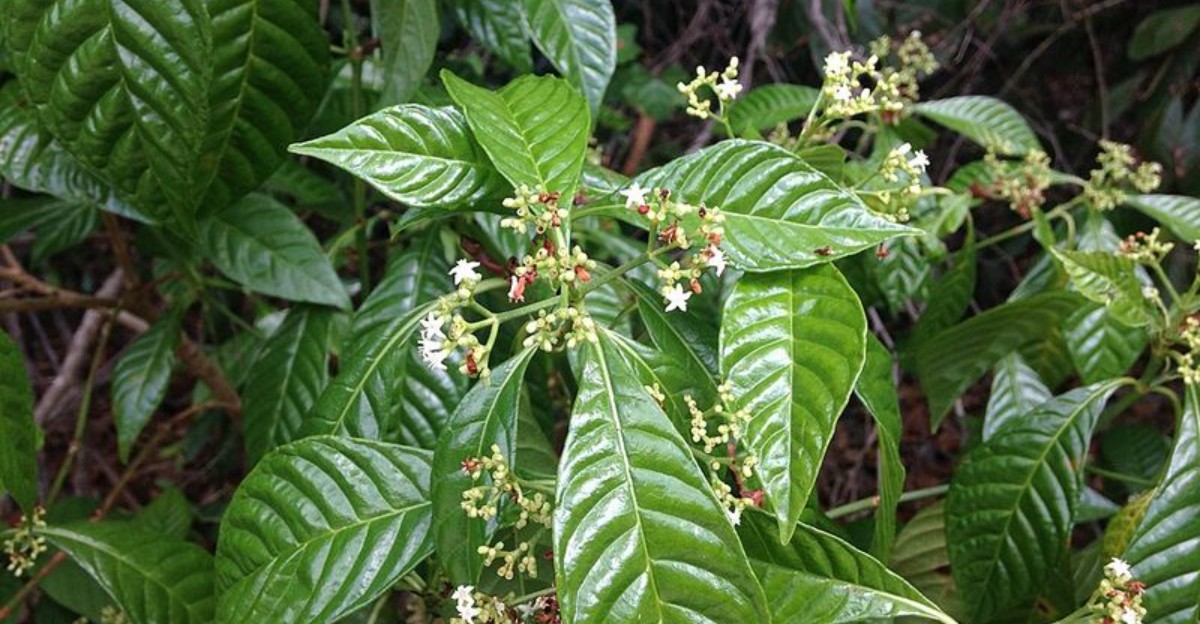
Shady yards finally get a hero with this shrub. Wild coffee, or Psychotria nervosa, is happiest under a leafy canopy.
In nature, it grows in Florida hammocks, from coastal woods to rocky pinelands. It lives as an understory plant, tucked beneath taller trees.
That history makes it a smart pick for spots under oaks, palms, or along a shady fence. Areas where grass struggles are often right where wild coffee thrives.
Its glossy, deeply veined leaves catch whatever light filters through. The result is a rich green look that brightens dim corners nicely.
Can it handle some sun? Yes, but full sun often leads to yellow leaves and slow, stunted growth.
For the best mix of flowers and fruit, aim for partial shade. A spot with morning sun and afternoon shade is a sweet middle ground.
Think about planting it in small groups for a natural, woodsy feel. Three to five shrubs spaced a few feet apart create a soft green wall.
Mulch with fallen leaves to copy its forest home. That layer keeps roots cool and helps hold moisture during dry spells.
Once settled in, wild coffee needs little fuss. It rewards patient gardeners with steady, handsome growth year after year.
Shade gardeners, your quiet corners just found their match.
2. Its Red Fruit Draws Birds And Other Wildlife
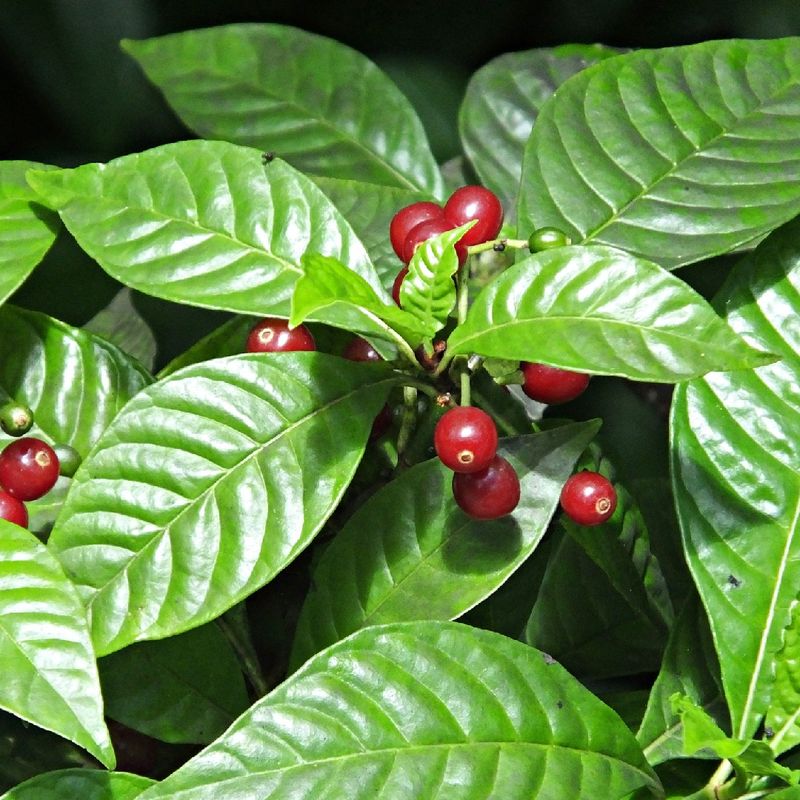
Few sights beat a branch full of shiny red berries in late summer. Wild coffee puts on exactly that kind of show.
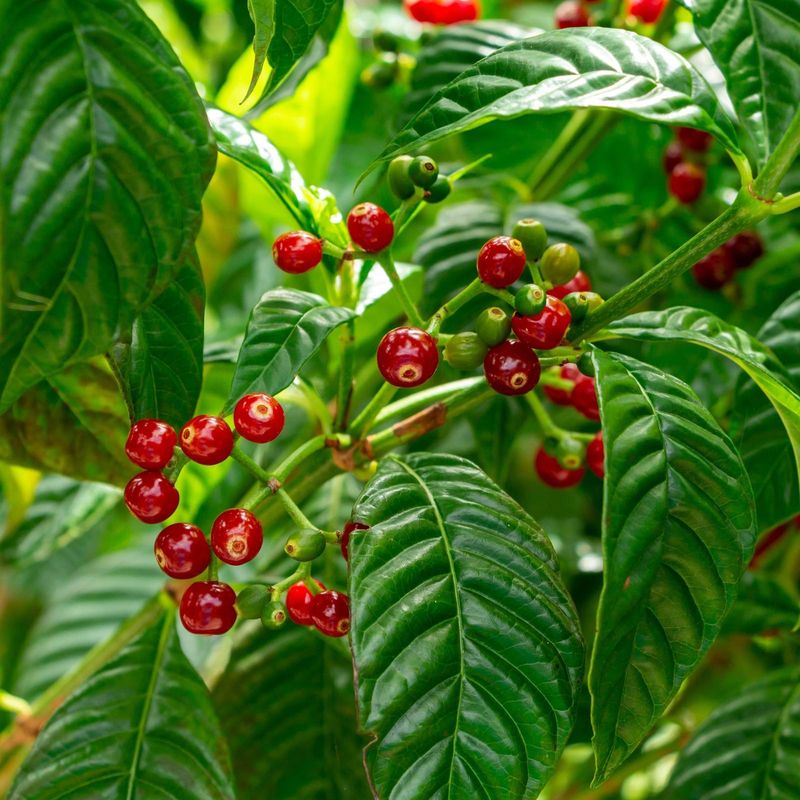
After flowering, the shrub forms clusters of small, oval fruits. They start green and slowly ripen to a vivid, glossy red.
To birds, those berries look like a dinner bell. Mockingbirds, cardinals, catbirds, and other visitors stop by to feast.
The fruit hangs on through summer and fall, sometimes into winter. That long season means steady food when other sources run low.
Small mammals may nibble fallen fruit too. Raccoons and squirrels are happy to clean up whatever drops to the ground.
The shrub also offers more than snacks. Its dense leaves give birds shelter from weather and hiding spots from hawks.
Some birds even build nests in its thick branches. A single shrub can become a busy little neighborhood.
Your Florida Garden Changes Every Week. Your Plan Should Too.
Gardening in Florida changes quickly throughout the season. Every Friday you’ll receive a simple weekly plan showing exactly what to plant, prune, fertilize, harvest, and protect so you never miss the right timing.
Want more visitors? Place a birdbath nearby so guests can drink after eating.
Skip heavy pesticide sprays around the plant as well. Insects feed young birds, and a healthy bug population keeps the food chain humming.
Grab a chair near a window and watch the show. You might be surprised how many feathered regulars appear once the berries turn red.
3. Migratory Birds Pluck The Fall Berries
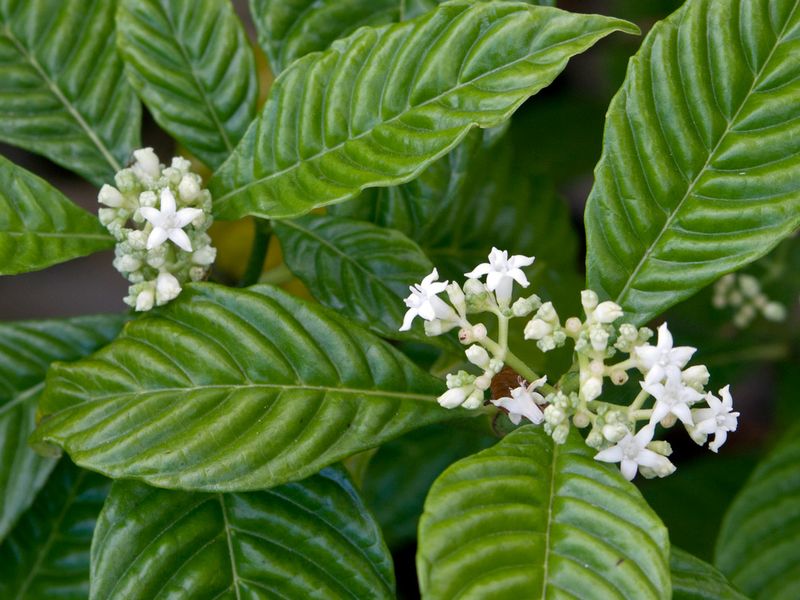
Every autumn, tired travelers drop from the sky into Florida yards. Many have flown hundreds of miles and are hungry for fuel.
Wild coffee berries ripen at a handy time for these flyers. Fall fruit gives migrating birds quick energy to rest and refuel.
Gray catbirds, thrushes, and vireos may join local cardinals and mockingbirds. Your shrub turns into a roadside diner on a busy bird highway.
Here is a neat connection. Scientists studying shade-grown coffee farms found that fruiting understory plants help migrating birds a lot.
Wild coffee is not the drink kind, but it plays a similar role. Layered, shady habitat with berries supports birds during their long trips.
You can boost the effect with a few simple steps. Plant other natives like beautyberry or firebush nearby for a longer buffet season.
Leave some leaf litter under shrubs too. Birds like thrushes scratch through it looking for bugs and seeds.
Keep cats indoors during migration months if you can. Resting birds are easy targets when they feed low in shrubs.
Consider keeping a simple notebook of who shows up. Over a few seasons, you may notice new faces arriving like clockwork each October.
Bird watching rarely gets this easy.
4. Its Flowers Feed The Rare Atala Butterfly
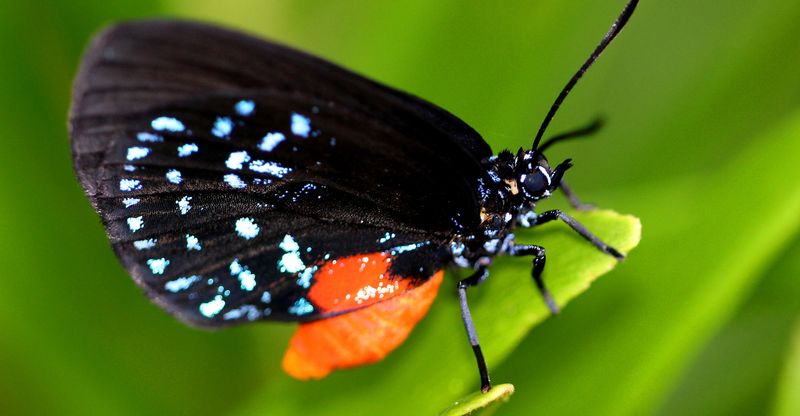
Imagine a butterfly dressed in velvet black, sparkling blue spots, and a bright orange belly. That jewel is the Atala, and it loves wild coffee blooms.
The Atala was once thought lost from Florida in the mid 1900s. It made a comeback, mostly in southeast Florida, partly thanks to native plantings.
Wild coffee helps by offering nectar. Its small white to greenish white flowers are tube shaped and packed with sweet fuel.
Adult Atalas sip from the clusters during warm months. Pair wild coffee with coontie, the Atala’s host plant, for a full butterfly setup.
Other winged guests drop by as well. Julia butterflies, great southern whites, and even the endangered Schaus’ swallowtail visit the blooms.
Bees and small wasps buzz around too. They are gentle pollinators, so there is little reason to worry.
Plant in a spot you can see from a porch or window. Butterflies are most active on sunny mornings, so watch then.
Avoid insect sprays near flowering shrubs. Even mild products can harm caterpillars and adult butterflies.
Fun fact: Atala caterpillars are bright red with yellow spots. Their bold colors warn birds that they taste bad.
Helping a rare butterfly can start with one shrub.
5. The Berries Look Like Coffee But Contain No Caffeine
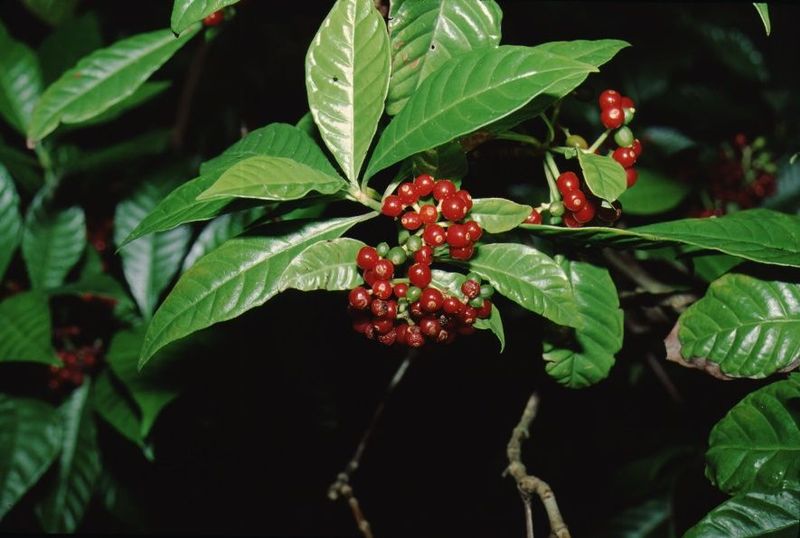
Sorry, coffee lovers, this shrub will not power your morning. The name is mostly about looks.
Wild coffee belongs to the same plant family as real coffee, called Rubiaceae. Its red fruit and veined leaves look a lot like a coffee plant.
Early settlers noticed the resemblance and gave it the name. Some even roasted the seeds as a coffee substitute during hard times.
Here is the catch. Wild coffee berries contain no caffeine at all.
The fruit is safe for people to taste, but the flavor is bland. Most folks find it pretty boring compared to blueberries or grapes.
Roasted seeds can make a caffeine-free drink. Some sources warn it may cause headaches, so trying it is a personal gamble.
Honestly, the berries do more good on the shrub. Birds get far more out of them than we do.
Kids love the story behind the name, though. It makes a fun lesson on plant families and how nicknames start.
Try showing children the berries next to a picture of real coffee cherries. They will spot the family resemblance right away.
So enjoy your real coffee from the kitchen. Let the wild version feed the birds outside instead.
6. Heavy Shade Can Turn It Into A Small Tree
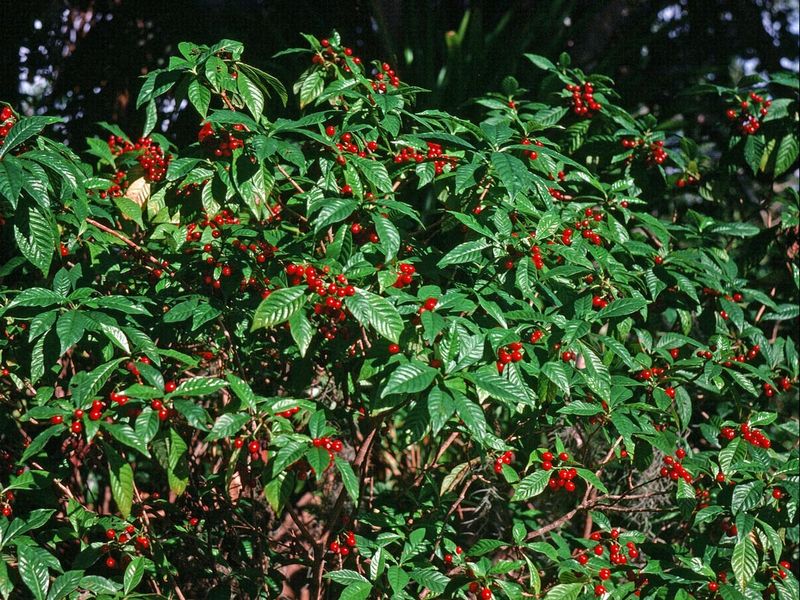
Here is a plant with a bit of a split personality. Give it some light, and it stays bushy.
Most of the time, wild coffee grows 4 to 10 feet tall and 4 to 8 feet wide. It forms a dense, rounded shape that works well as a hedge.
Move it into deep shade, though, and things change. The plant stretches upward and spreads its branches more loosely.
Over time, it can look like a small tree with an airy, open canopy. Some gardeners love this graceful woodland look.
Why does this happen? In low light, plants reach toward the sun and spend less energy on thick leaves.
You can use this trait to your advantage. Want a full screen?
Pick partial shade and give it a light trim in spring.
Prefer a little understory tree? Let it grow freely in heavy shade under big oaks.
Pruning is simple either way. Snip just above a leaf pair to encourage new side shoots.
Avoid heavy shearing into tight boxes. The shrub looks best with a relaxed, natural form.
Plant it with ferns and coontie for a layered look. Those neighbors fill the ground while wild coffee rises above them.
7. Give It Well-Drained Soil
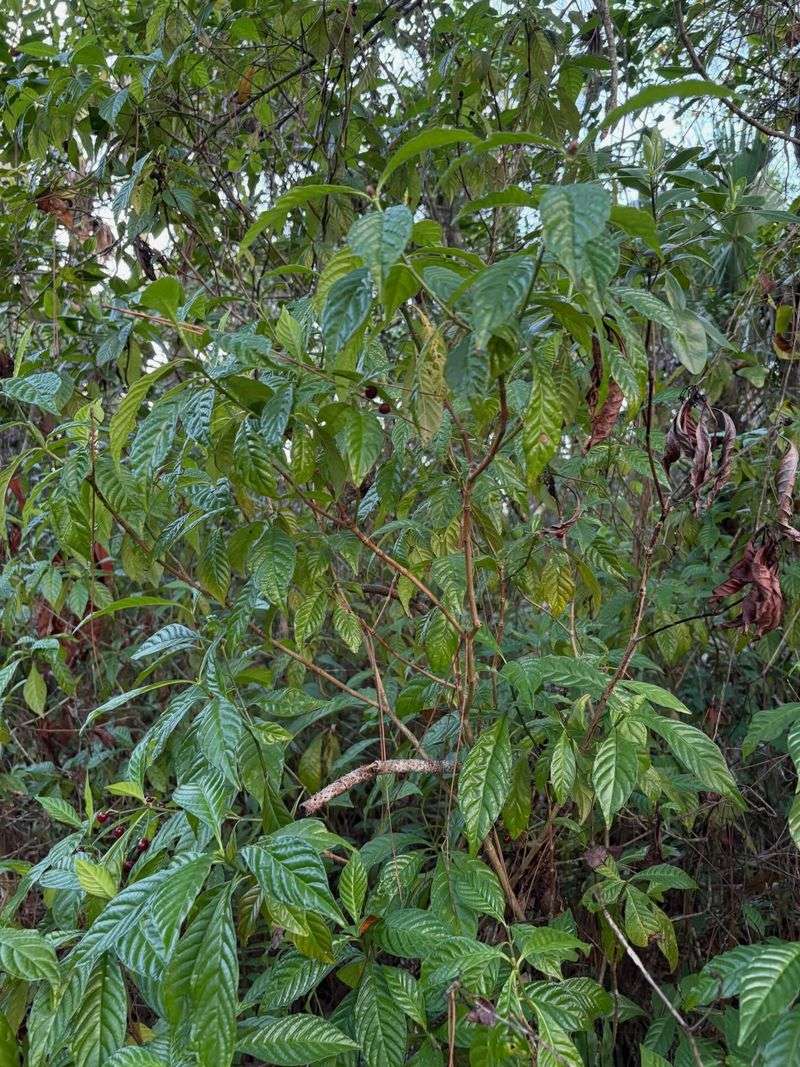
Soggy feet make wild coffee grumpy. Good drainage is the key to a happy shrub.
The good news is that it handles many soil types. Sandy, loamy, and limestone-based soils all work if water drains well.
Roots need air as much as water. Soil that stays wet for days can lead to root rot and weak growth.
Not sure about your drainage? Dig a hole about a foot deep and fill it with water.
If it drains within a few hours, you are in great shape. If water sits all day, try a raised bed or a slightly higher spot.
Wild coffee likes moderately dry to moist conditions. Steady moisture helps it grow lush, especially in its first year.
Water new plants a few times a week until roots settle. After that, rainfall often handles the job, with extra drinks during droughts.
Mix in compost or composted cow manure at planting. Organic matter feeds the soil and helps sandy ground hold water.
Top with two to three inches of mulch. Keep it a few inches away from the stem to prevent rot.
Healthy soil leads to shiny leaves, more flowers, and plenty of berries. Your birds will thank you.
8. Protect It From Frost And Cold Winds
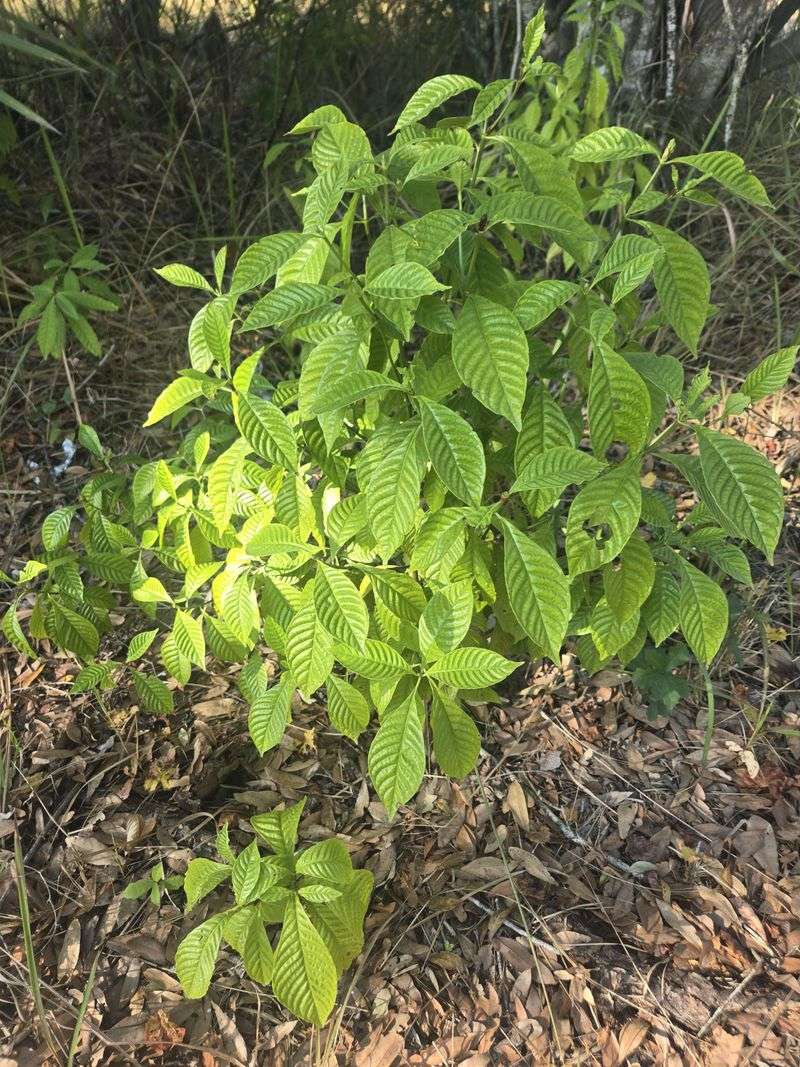
Florida winters can surprise even a tough tropical plant. Wild coffee prefers warmth and does not handle frost well.
It grows best in USDA zones 9 through 11. That covers much of central and south Florida.
In cooler parts of its range, cold snaps can cause leaf burn or decline. Branches may brown, though roots often send up fresh growth in spring.
Placement makes a big difference. Plant it on the south side of a home or near a wall that blocks north winds.
Tall trees overhead also help. A leafy canopy holds in warmth and shields shrubs from frost on chilly nights.
When a freeze is forecast, grab a frost cloth or old bedsheet. Drape it over the plant to the ground, trapping warmth from the soil.
Skip plastic sheets touching the leaves. Plastic can carry cold right onto the foliage.
Water the soil a day before a freeze. Moist ground holds heat better than dry ground.
Wait until spring to trim any browned branches. That damaged growth protects inner stems from later cold spells.
In mild winters, the shrub stays green and full. A little planning keeps it looking good all year.
9. Don’t Mistake It For Invasive Coral Ardisia
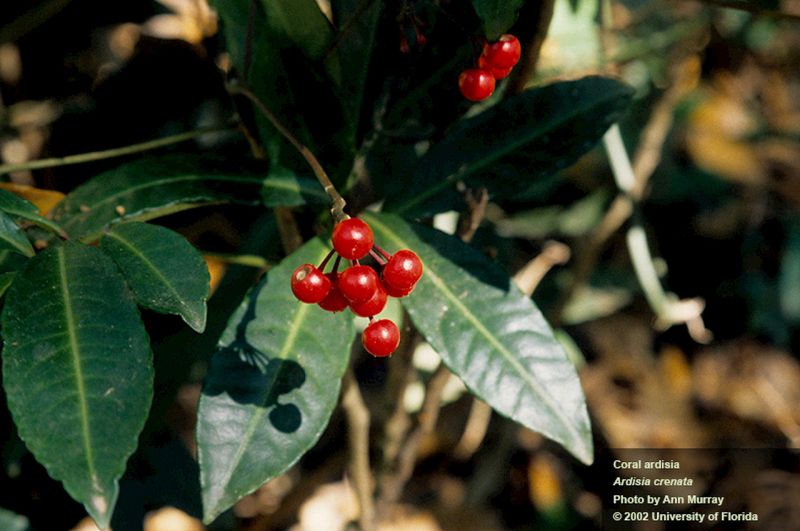
Two shrubs, red berries, dark green leaves. One is a friend, and one is a troublemaker.
Coral ardisia, or Ardisia crenata, looks a lot like wild coffee at first glance. It is a prohibited invasive plant in the state, and it spreads fast.
It forms thick patches that crowd out native plants in shady woods. Its berries can also be toxic to pets, people, and livestock.
Luckily, telling them apart is easy once you know the clues. Start with the leaf edges.
Wild coffee leaves have smooth edges and deep, sunken veins. Coral ardisia leaves have wavy, scalloped edges with tiny bumps.
Next, check how leaves attach to the stem. Wild coffee leaves grow in pairs across from each other, while ardisia leaves alternate.
Size helps too. Wild coffee grows taller, while coral ardisia usually stays under about six feet.
Coral ardisia also handles cold better. Seeing it thrive after a hard freeze is a clue.
If you find coral ardisia, pull small plants by hand, roots and all. Bag the berries so birds do not spread the seeds.
Buy wild coffee from a native plant nursery to be safe. Then enjoy a shrub that truly belongs in Florida.