Why Container Plants Freeze Faster Than Plants Growing In The Ground In North Carolina
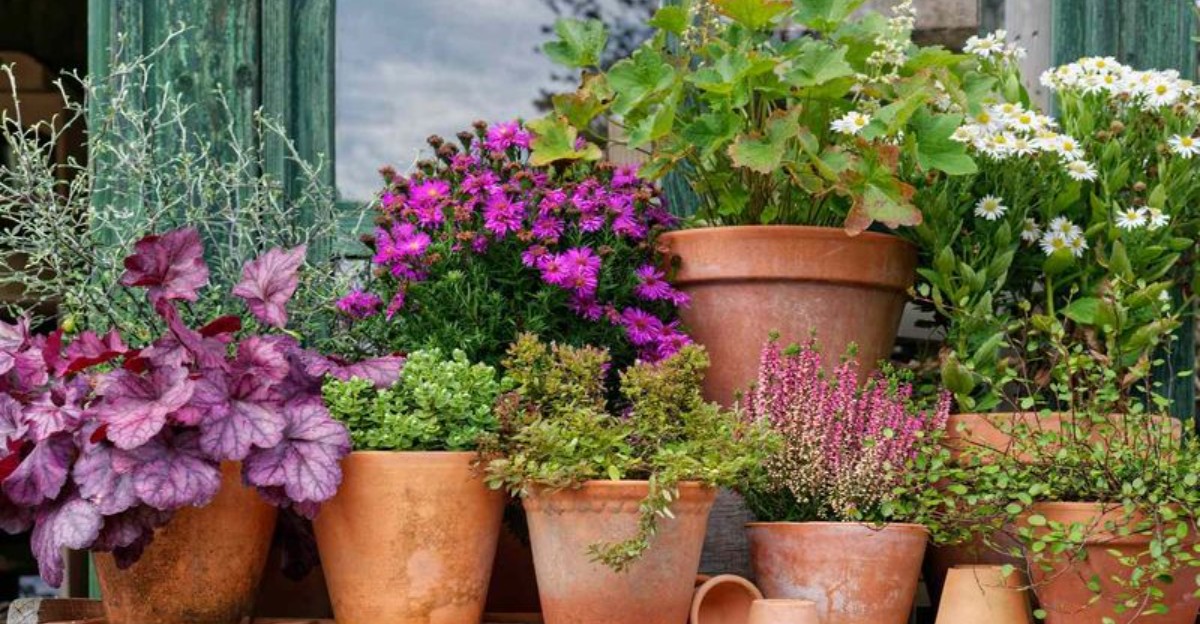
Potted plants face a much faster path to freezing than their in-ground counterparts once cold weather hits North Carolina.
Soil in the ground stays insulated by the earth around it, holding onto warmth far longer than the limited soil volume packed into a container ever can.
Because pots are exposed to cold air on all sides rather than just the top, roots inside a container can reach freezing temperatures well before garden soil even comes close.
This difference means container plants often need protection at temperatures that in-ground plants can handle without any trouble at all.
Understanding this gap helps gardeners know exactly which plants need extra attention first as nighttime temperatures start to drop.
1. Roots Are Exposed On Every Side
Think of a garden bed as a giant, cozy blanket for roots. Soil wraps around them on every side, and only the surface ever touches the cold winter air. A pot works very differently, and that difference matters more than most gardeners realize.
Cold air hits a container from the sides, the top, and even the bottom if it sits on a stand or a deck. Heat escapes through every one of those surfaces at once.
As a result, the soil inside can freeze much faster and much deeper than the ground just a few feet away.
The good news is that you can fight back with a few easy tricks. Start by grouping your pots tightly together so they shield each other from the wind and cold. Plants in the middle of the cluster stay noticeably warmer than the ones on the edges.
Next, slide your containers up against a wall of your house. Walls soak up heat during the day and give a little of it back at night, which creates a slightly warmer pocket of air. A south-facing wall works best.
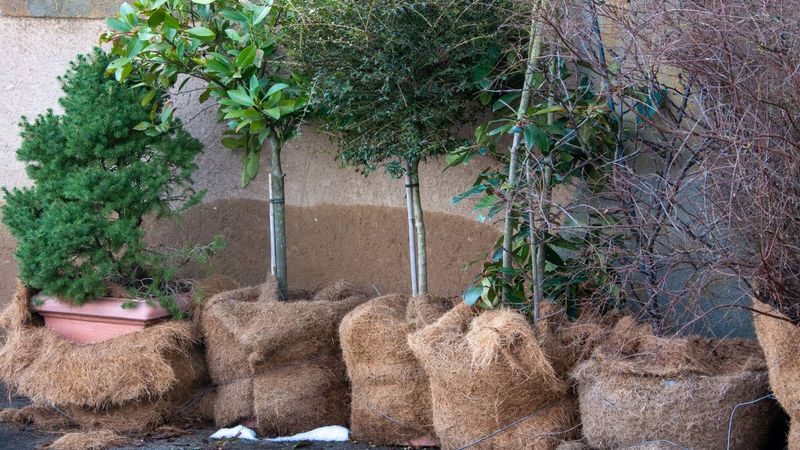
During hard freezes, wrap the outside of each pot with burlap, bubble wrap, or old blankets. Even a single layer slows heat loss and gives roots a better chance.
Plenty of North Carolina gardeners leave container plants outdoors all winter, since our cold snaps are often short.
That habit works well as long as you plan ahead. A few minutes of wrapping and grouping before a cold night can save a plant you have spent years growing.
2. Roots Are Less Cold Hardy Than Stems
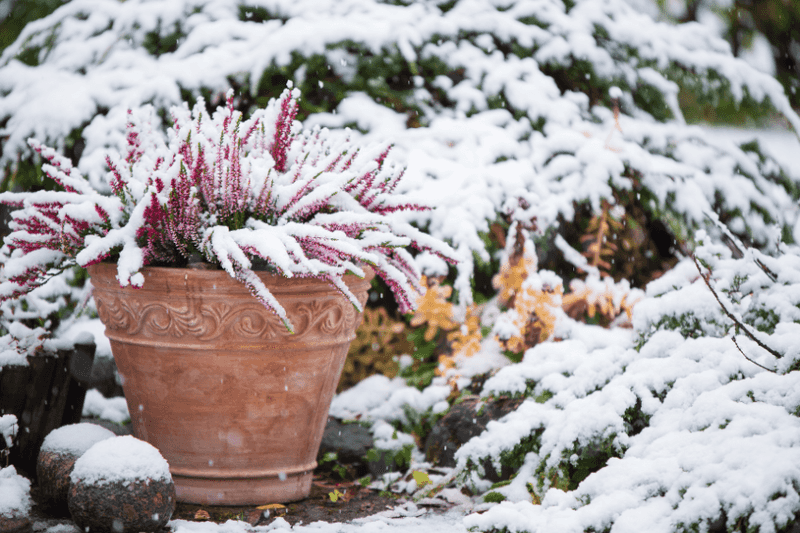
Here is something that surprises many gardeners: the roots of a plant are far more tender than its branches. A shrub that shrugs off a hard freeze above ground may have roots that suffer at much milder temperatures.
Why the big gap? In the ground, roots almost never face harsh cold because the soil keeps them protected. Since they rarely need much cold tolerance, many plants never developed it.
Some roots can be damaged at temperatures in the 20s, while the stems above them stay perfectly fine.
Put those same roots in a pot, and suddenly they face the kind of cold they were never built to handle. The top of the plant might look healthy for weeks. Then spring arrives, and the plant struggles to leaf out because its roots took a beating back in January.
Your North Carolina Garden Changes Every Week. Your Plan Should Too.
Gardening in North Carolina changes quickly throughout the season. Every Friday you’ll receive a simple weekly plan showing exactly what to plant, prune, fertilize, harvest, and protect so you never miss the right timing.
Smart plant choices make a huge difference here. For containers that stay outside all winter, pick plants rated at least one to two hardiness zones colder than your area.
If you live in Zone 8a around Raleigh, for example, look for plants hardy to Zone 7 or even Zone 6. On the coldest nights, give those roots extra help. Wrap pots, pile mulch or leaves on top of the soil, or tuck containers into a sheltered corner.
Across North Carolina, a plant that thrives in a garden bed can still run into trouble in a pot. Matching the right plant to the right container keeps your patio looking lively from one season to the next.
3. A Small Volume Of Soil Holds Little Heat
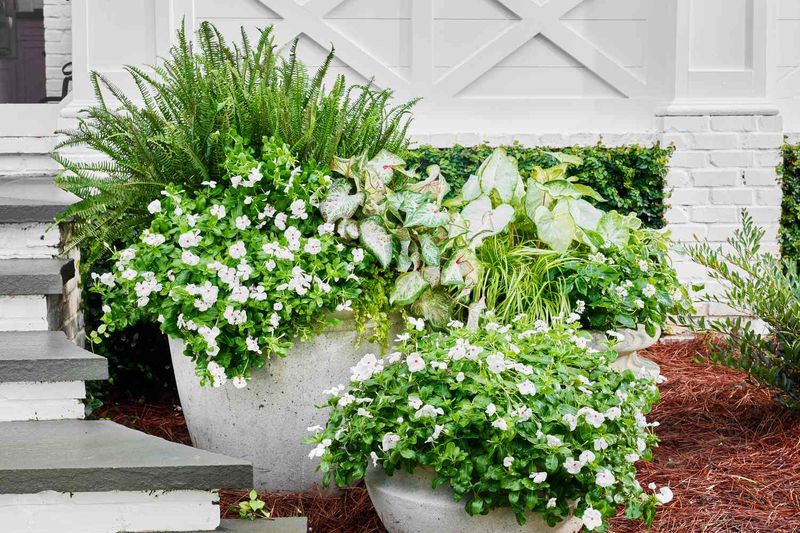
A swimming pool stays cool long after a hot afternoon, while a glass of water warms up in minutes. Soil follows the same simple rule. Big amounts hold warmth for a long time, and small amounts lose it fast.
The ground around your garden beds is a huge mass of soil. It stores heat from sunny days and releases it slowly through the night. A pot, on the other hand, holds only a few gallons, so it gives up its warmth quickly once the sun goes down.
Tiny containers have it the worst. A six-inch pot of herbs can freeze solid on a night when a large planter barely gets chilly at its center. Size truly matters when winter rolls in.
For plants that will stay outdoors all season, choose larger containers whenever you can. More soil means more stored heat and a steadier home for roots. Bigger pots also dry out more slowly, which is another win.
Small pots still have a place on your porch. Just cluster them together so they share warmth, or set them inside a larger box filled with leaves. When a freeze is in the forecast, carry them into a garage or shed for the night.
North Carolina winters love to play tricks. A mild, sunny afternoon in the 50s can turn into a clear, frosty night in the low 20s. Without clouds to trap heat, small pots cool off fast, so keep an eye on those clear-sky forecasts.
4. Pots Are Cut Off From The Ground’s Stored Warmth
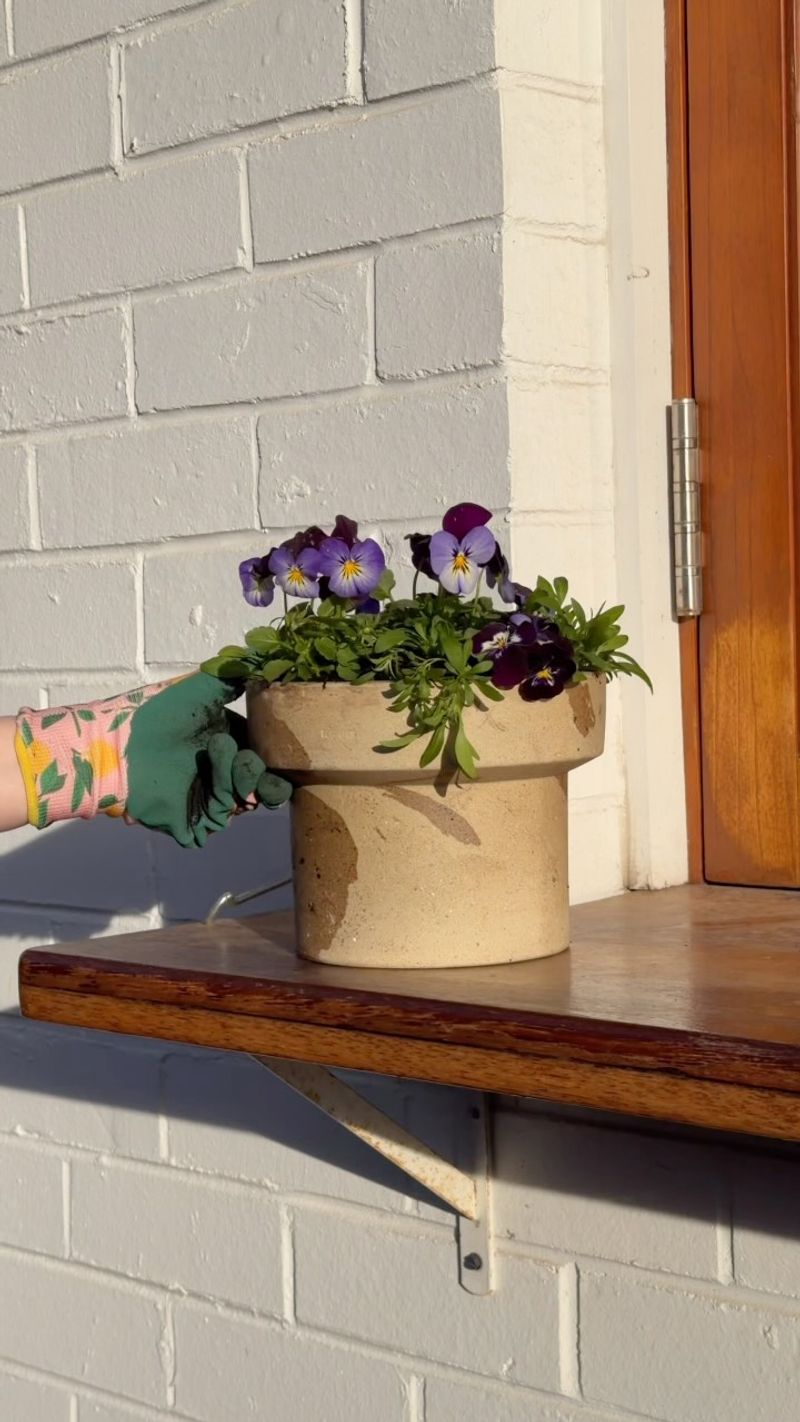
Deep beneath your lawn, there is a quiet source of warmth that never shuts off. Soil several feet down stays at a fairly steady temperature all year. That stored heat slowly creeps upward and helps keep the roots of in-ground plants comfortable.
Containers miss out on this gift entirely. A pot sitting on a patio, deck, or front step has no connection to the warm earth below. Concrete and wood can actually pull heat away from the bottom of a pot, making things even colder.
Fixing this problem is easier than you might think. Try setting pots right on bare ground for the winter so they can borrow some of that rising warmth. Even better, dig a hole in a garden bed and sink the whole pot into it up to the rim.
Once a pot is buried, cover the soil surface with a few inches of mulch. Pine straw, shredded leaves, or wood chips all work nicely. The roots will stay far warmer than they would on an exposed patio.
If moving pots is not an option, give them a cushion. Set containers on pieces of wood, foam boards, or pot feet instead of directly on cold concrete. That small gap breaks the chill that travels up from below.
North Carolina has a real advantage here. Our ground rarely freezes very deeply, especially in the Piedmont and along the coast. That means the soil under your feet can be a reliable heater for pots placed on it.
5. Thin Pot Walls Let Cold In Fast
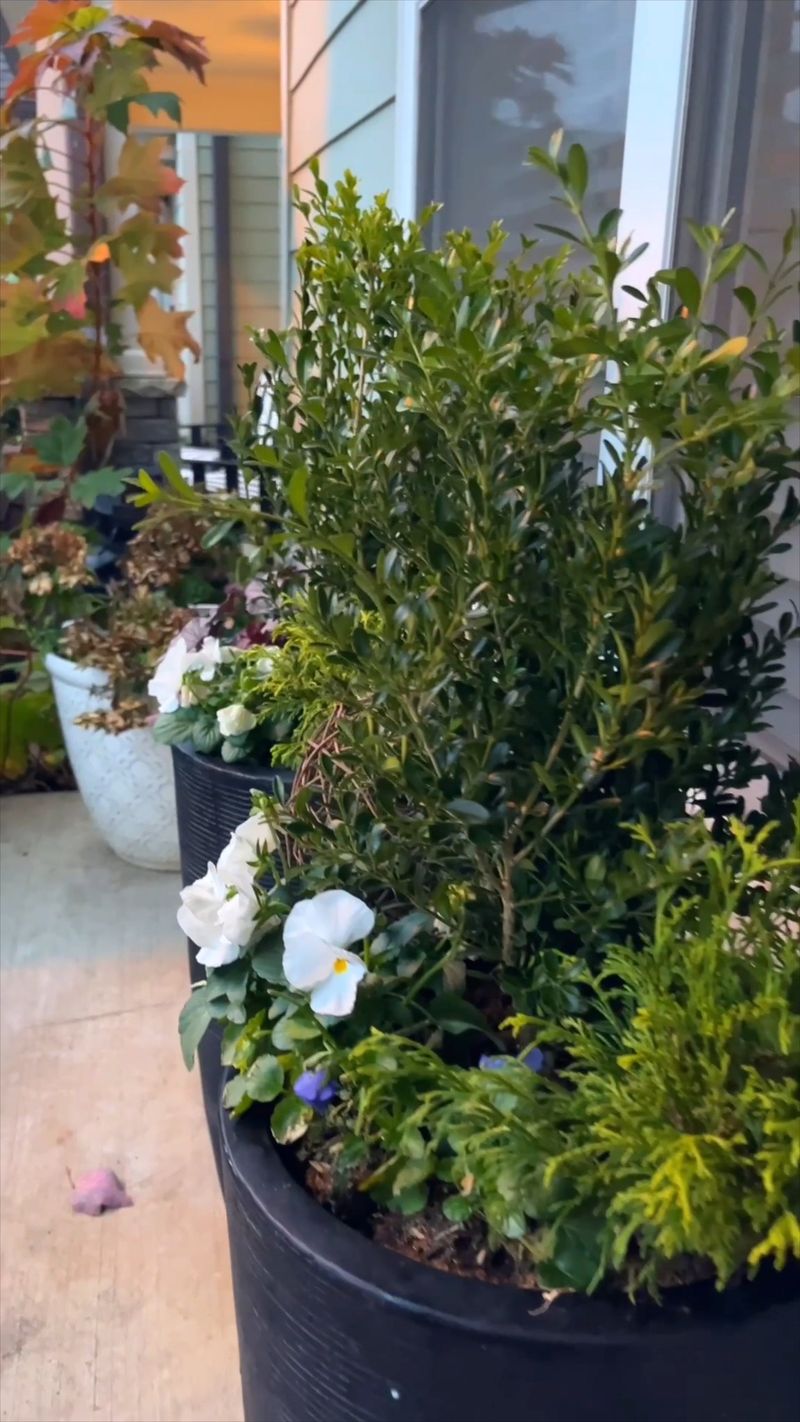
Ever found a favorite clay pot split right down the middle after a cold spell? That crack tells a story about how pot material shapes a plant’s winter.
Thin plastic and metal containers offer almost no insulation at all. Cold passes right through their walls, so the roots inside feel nearly every degree of the outside air. Metal can get especially frigid on a windy night.
Terracotta brings a different problem. Clay soaks up moisture, and when that water freezes, it expands. Over many freezes, the pressure can flake, chip, or crack the pot completely.
Thicker containers tell a happier tale. Wooden planters, foam pots, and double-walled containers slow down heat loss and keep roots more stable. Glazed ceramic pots with thick walls can also hold up well, though they still need good drainage.
So what should you do with the pots you already own? Save your sturdiest containers for plants that stay outdoors all winter. Before a hard freeze, move terracotta pots under a porch roof or into a shed, or empty them and store them dry.
Thin plastic pots do not need to be tossed. Just wrap them in burlap, bubble wrap, or foam, or slip them inside a larger container with leaves packed around the sides.
North Carolina winters bring freeze after freeze, often with thaws in between. Each cycle wears down clay and chills roots in thin pots. Choosing the right container now saves you money and heartache when spring rolls around.
6. Dry Potting Mix Freezes Faster
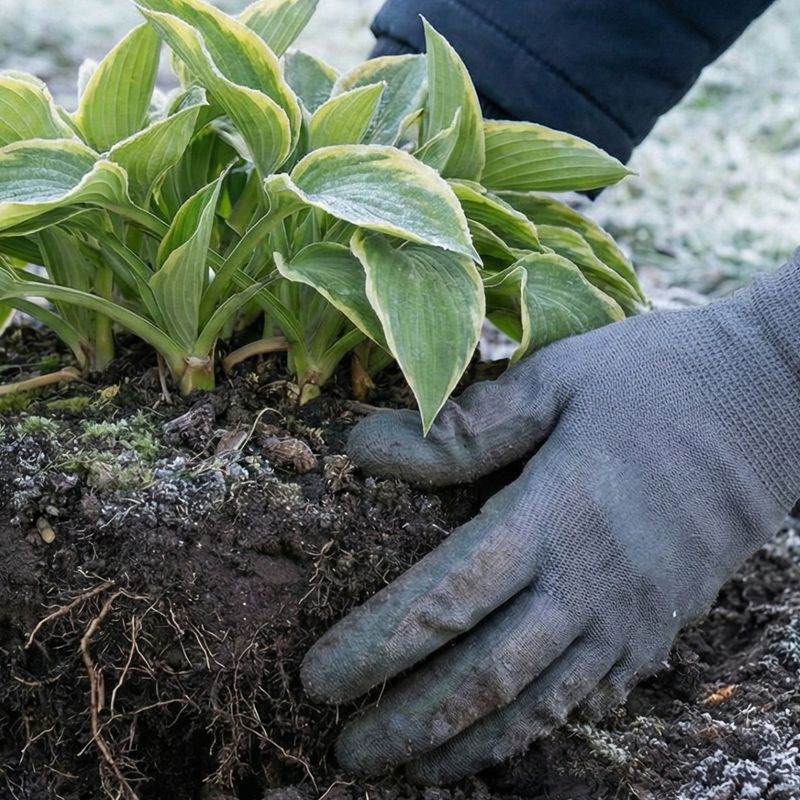
Watering in winter sounds strange, right? Many gardeners put away the hose in November and forget about it until April. Unfortunately, that habit can leave container plants in serious trouble.
Moist soil actually holds and releases more heat than dry soil does. Water stores warmth during the day and gives it back slowly at night. Dry potting mix has little to offer, so it cools off and freezes faster.
Roots in dry soil are also stressed before the cold even arrives. Evergreens keep losing water through their leaves all winter long, and thirsty roots cannot replace it. Combine that thirst with freezing temperatures, and damage happens quickly.
A simple routine helps a lot. During dry winter spells, check your pots by pushing a finger into the soil. If it feels dry and is not frozen, give the plant a good drink.
Timing makes a difference too. When a freeze is on the way, water during the day so the soil has time to absorb moisture before temperatures fall. Morning or early afternoon is ideal.
Be careful not to go overboard, though. Soggy, waterlogged soil in cold weather can harm roots just as much as dry soil. Make sure every pot has drainage holes, and never let containers sit in saucers full of water.
North Carolina often sees dry, breezy stretches in winter, especially after a cold front passes. Those conditions pull moisture from container soil surprisingly fast, so a quick weekly check keeps your plants ready for whatever comes next.
7. Raised Spots Catch More Wind
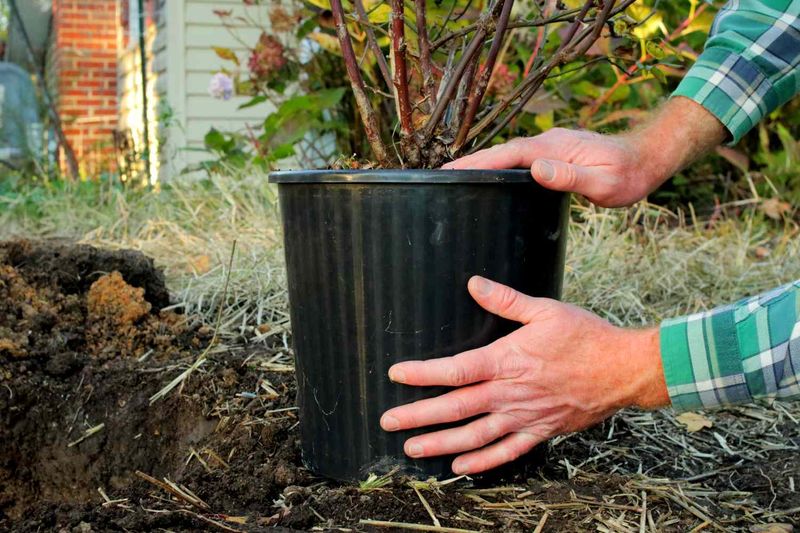
Stand on a second-story deck in January, and you will feel the difference right away. The wind bites harder up there than it does down in the yard. Your container plants feel it too.
Pots on porches, decks, balconies, and plant stands sit higher and more exposed than plants in the ground.
Garden beds often have fences, shrubs, and nearby plants blocking the breeze. Elevated pots usually have nothing standing between them and a cold gust.
Wind steals heat from both the plant and the pot. It also pulls moisture from leaves and soil, which leaves plants drier and weaker. A night that is cold and still feels gentle compared to a night that is cold and windy.
Shelter is your best friend here. Move containers to calmer spots, such as close to the house, behind a fence, or tucked beside a row of evergreen shrubs. A corner where two walls meet can make a cozy winter hideout.
Plant stands look lovely, but they lift pots right into the wind. During hard freezes, take plants off stands and set them on the ground or porch floor. Lower spots stay calmer and often a bit warmer.
North Carolina cold fronts often roll in with strong winds behind them. In the Mountains, gusts can be fierce, and wind chills drop far below the actual air temperature.
Gardeners in Boone or Asheville should pay extra attention, but even Piedmont and coastal folks will see big benefits from moving pots out of the breeze.
8. Sun And Shade Cause Rapid Freeze And Thaw
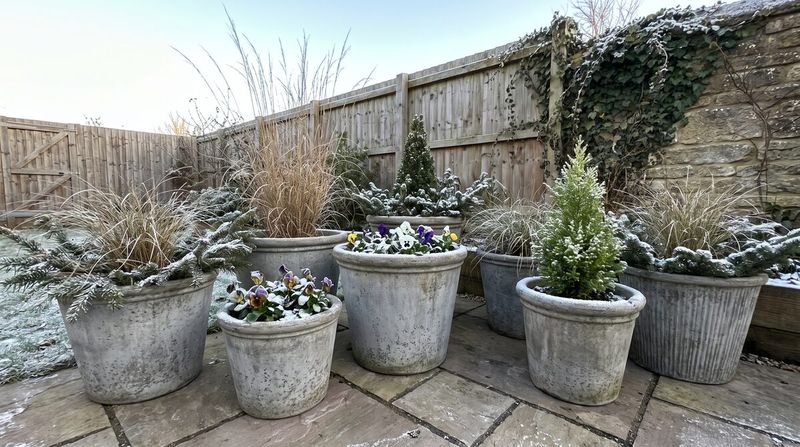
Picture a roller coaster ride that lasts all winter long. Up in the afternoon sun, down into a deep freeze overnight, then up again the next day. Container roots often live this wild ride, while garden soil stays much calmer.
Sunlight hits the sides of a pot and warms the soil inside surprisingly fast. Dark pots heat up even quicker. Once the sun sets or shade moves in, that soil freezes again in a hurry.
Repeated swings take a real toll. Roots get stressed each time they thaw and freeze, and fine root hairs can tear as the soil expands and shrinks. Containers suffer as well, since constant temperature changes can crack clay and ceramic pots.
Steady conditions are the goal. Avoid spots where pots bake in strong afternoon sun and then sit in deep shade. A place with more even light, such as a covered porch or the east side of the house, keeps temperatures more stable.
Wrapping pots helps smooth out the ups and downs. Burlap, bubble wrap, or foam slows how fast the soil warms and cools. Grouping containers together adds another buffer, because the pots shade and shelter one another.
North Carolina is famous for its winter mood swings. A sunny 60 degree afternoon can follow a night in the teens, and that pattern can repeat for weeks.
With a little planning, your container plants can ride out those swings and burst back to life when spring finally arrives.