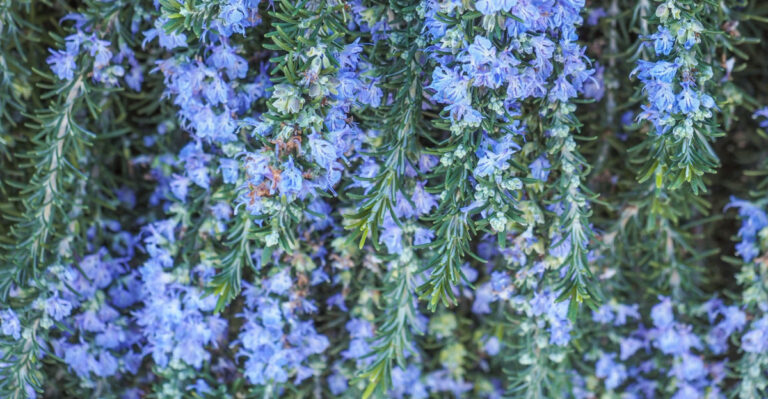
A Tiny Songbird Arriving In New Jersey Yards This Month Can Feast On Waxy Berries Few Birds Can Handle
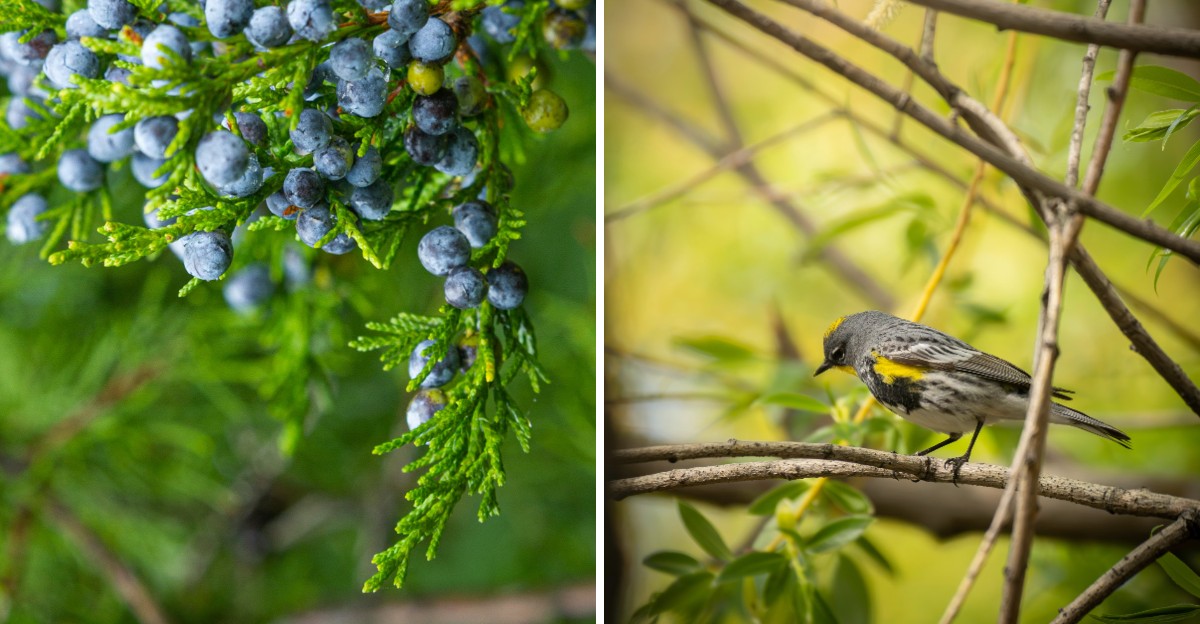
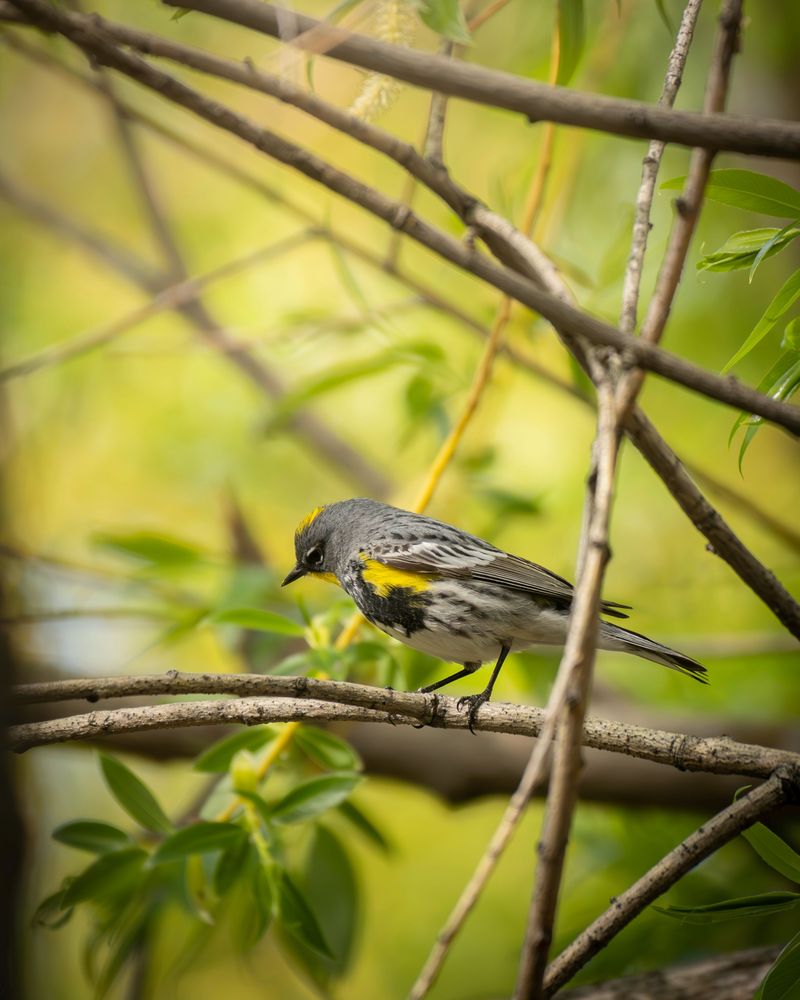
You catch a sharp chip in the shrubs, then a flash of lemon yellow. Look closer. That blur is a yellow-rumped warbler, smaller than your palm and far busier. Flocks are arriving across New Jersey right now, and you are watching the first.
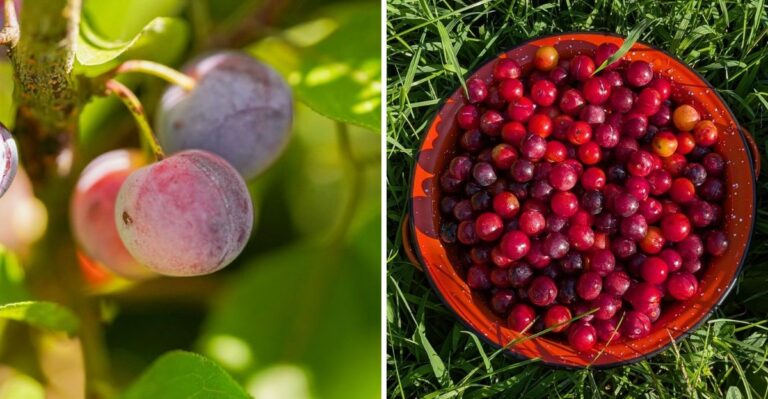
Their favorite meal looks like tiny gray pearls coated in candle wax. Bayberries are the treat. Other birds sample that wax and move along. Your visitor owns a gut that turns it into fuel.
Few warblers share that talent, so you see this species lingering through winter. Birders gave it a cheeky nickname, and you will understand why.
Watch that bright patch flick above the tail as it savors another berry. Plant a bayberry shrub, and you turn your porch into a refueling stop. New Jersey offers you a view of this feast, so pick your spot.
A Warbler With A Built-In Wax Digestion System
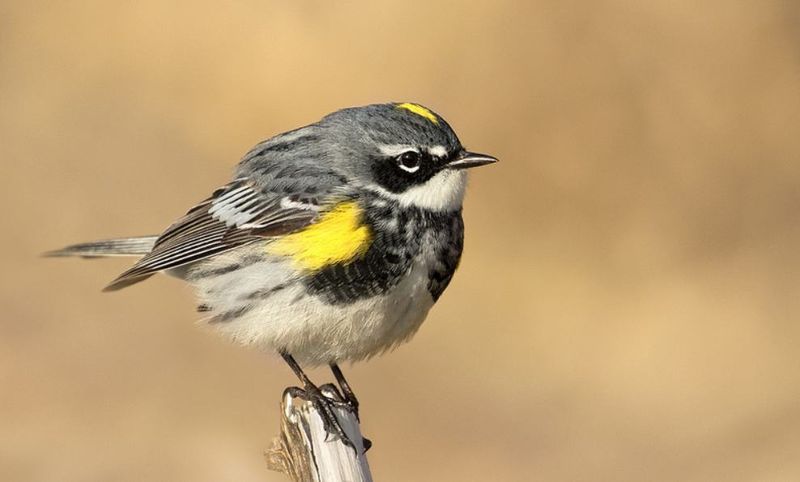
Picture eating a spoonful of crayon and somehow turning it into lunch. The yellow-rumped warbler does something close to that trick each winter, without a stomachache.
One key food is the bayberry, a coastal shrub with small gray fruits covered in thick wax. Colonial families once boiled those berries to make sweet-smelling candles.
For most songbirds, that waxy coating passes through the body without giving much fuel. Their stomachs simply lack the right tools to break the wax apart.
Yellow-rumped warblers have a special setup tucked inside their small bellies. Their bodies release extra bile salts, which work like dish soap on a greasy pan.
Food also moves slowly through their system, giving the bile more time to work. Scientists found these birds can absorb roughly eighty percent of the wax they swallow.
That skill matters because winter bugs become scarce once frost hits New Jersey. While many other warblers fly to the tropics, this one can stay closer to home.
Shorter trips mean less risk from storms, predators, and fatigue over open ocean. A berry diet makes that shorter journey possible.
Nature lovers sometimes call this species the myrtle warbler, after the wax myrtle shrub down south. Both plants share the same waxy berries the bird craves.
So next time you spot gray berries on a shoreline shrub, take a closer look. A small bird with a yellow patch might be quietly digesting candle wax nearby.
October Arrivals Along The Jersey Shore And Beyond
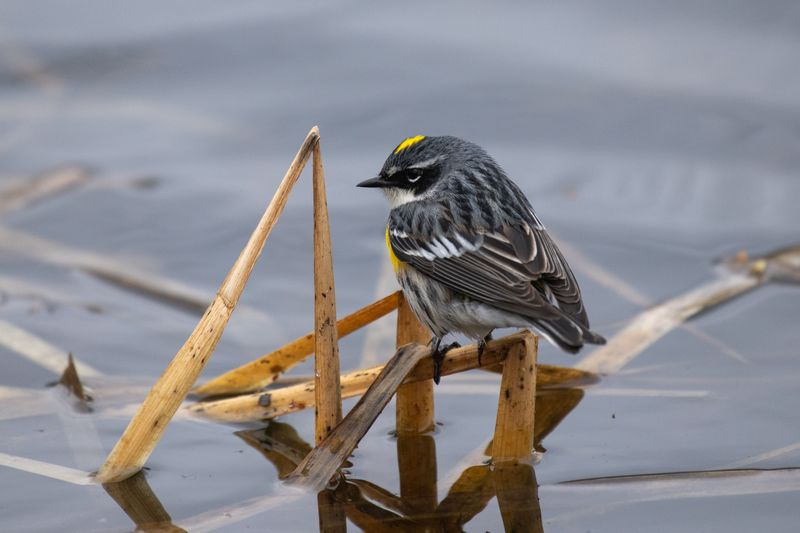
Ask any birder at Cape May about October, and expect a big grin. The yellow-rumped warbler shows up in waves that can number in the thousands.
These birds spend summer nesting in the spruce and fir forests of Canada and northern New England. As days shorten, they start drifting south on cool northwest winds.
Peak migration through New Jersey usually runs from late September into early November. Mid to late October tends to bring the heaviest flights of all.
Cape May sits at the tip of a peninsula, so migrants pile up there before crossing Delaware Bay. On a good morning, warblers can appear in many bushes.
Your New Jersey Garden Changes Every Week. Your Plan Should Too.
Gardening in New Jersey changes quickly throughout the season. Every Friday you’ll receive a simple weekly plan showing exactly what to plant, prune, fertilize, harvest, and protect so you never miss the right timing.
You do not need to drive to the shore to join the show, though. Suburban yards across the state host plenty of these travelers too.
Many keep moving toward the Carolinas, but a good number decide to stay all winter. Mild coastal areas with plenty of berries make the best overwintering spots.
Listen for a flat, sharp chek note coming from trees and hedges. It often reveals the bird long before you see its bright yellow rump.
Early morning after a cold front is prime viewing time for any backyard watcher. Grab binoculars, a warm drink, and some patience, then check your tallest shrubs first.
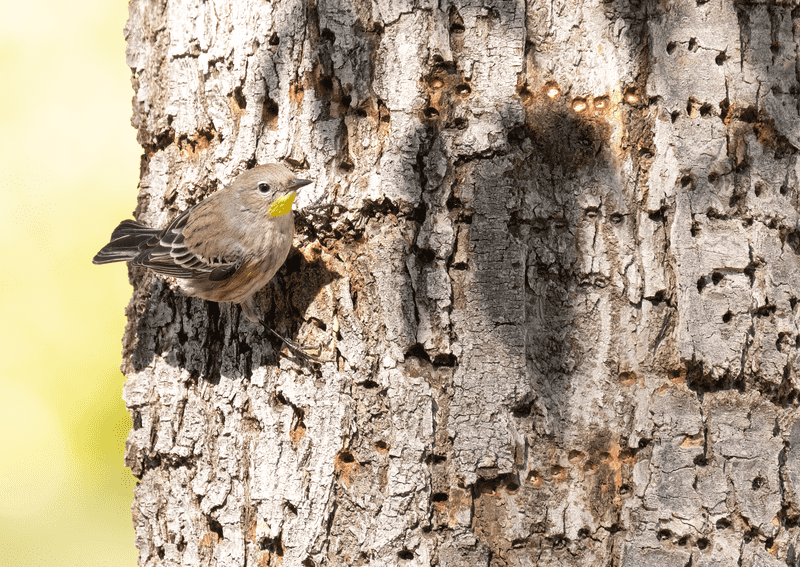
Fall birds look duller than their spring selves, wearing brownish streaks instead of crisp gray. That yellow patch above the tail stays bright, though, like a built-in name tag.
How Tidy Yards Can Limit Winter Food For Warblers
Raking leaves and trimming shrubs might make a yard look magazine-ready. For a hungry warbler in November, it can look more like an empty grocery store.
Many homeowners cut back bayberry, poison ivy, and Virginia creeper because the plants seem messy. Yet those exact plants produce the waxy and oily fruits yellow-rumps rely on.
Poison ivy sounds like a strange bird snack, but its pale berries feed dozens of species. Warblers eat them without any itchy reaction, since birds do not react to the oil.
People do react, so leave poison ivy only where nobody will touch it.
Another common mistake is spraying insecticides on shrubs during fall cleanup. Those chemicals reduce the spiders and insect eggs warblers pick from bark on warmer days.
Replacing native shrubs with plain lawn also removes shelter from wind and hawks. A yard of short grass offers little cover.
None of this means you must let your property become overgrown. Small changes, like leaving one hedge row untrimmed, can make a real difference.
Try skipping fall pruning on berry plants until late winter, after most fruit is gone. You will save yourself some work and give birds a pantry for the cold months.
Leaf litter under shrubs is worth keeping too, because it hides insects that warblers scratch up. Think of it as a free mulch that doubles as a snack bar.
Neighbors may wonder why your corner looks a little wild. Tell them you are running a winter diner for one of the cutest customers around.
Bayberry And Red Cedar As A Backyard Food Bank
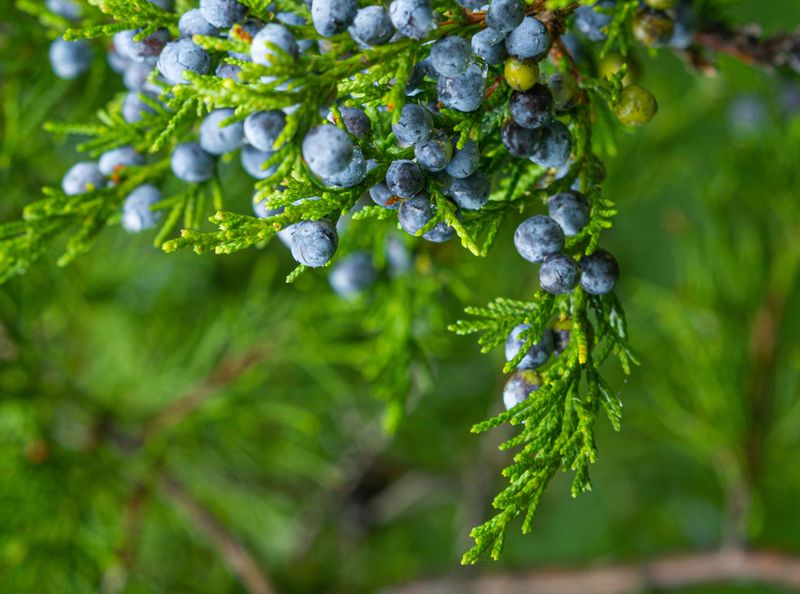
Gardeners who want warblers all winter have a simple shopping list. Northern bayberry tops it, with eastern red cedar and wax myrtle following close behind.
Northern bayberry is a tough native shrub that handles salty air, sandy soil, and drought. It grows about five to ten feet tall, making a dense, tidy screen.
Only female bayberry plants produce berries, so plant several shrubs to improve the odds that a male is nearby. Nurseries often sell them in groups for exactly this reason.
Eastern red cedar adds another layer of winter food and shelter. Its frosty blue cones look like berries and feed warblers, robins, and cedar waxwings alike.
Wax myrtle works well in southern New Jersey, where winters are a bit gentler. It keeps most of its leaves and carries heavy loads of waxy fruit through February.
Plant these shrubs in early fall or spring, when soil is moist and temperatures are mild. Full sun gives the best berry crop, though partial shade still works.
Feeders can help as a backup when snow covers the berries. Yellow-rumped warblers will happily visit suet cakes, peanut butter mixes, and hulled sunflower chips.
Place the feeder near shrubs so the birds can dart to cover quickly. A small platform with chopped suet can work well, and a hanging cage is another option.
Patience pays off, since new shrubs may take three or more years to fruit heavily. Once they do, your yard can feed warblers for many years with minimal upkeep.
A Yard Full Of Butter Butts Until Spring

Birders have a silly nickname for the yellow-rumped warbler, and it sticks once you hear it. They call it the butter butt, thanks to that buttery patch on its rear.
Once your yard offers berries and shelter, expect these little characters to become regular guests. Small flocks often patrol the same area through the day.
Watching them is like enjoying a tiny circus act. They hover to grab berries, flutter out to catch flying gnats, and hop along the ground for seeds.
Few warblers are this flexible, which explains why yellow-rumps are among the most common North American warblers. Their mixed diet lets them handle sudden cold snaps better than picky eaters.
Kids especially enjoy keeping a winter bird journal once these visitors settle in. Jot down the date, weather, and what the birds were eating each time.
Over a few weeks, patterns start to appear in your notes. You might notice they eat more berries on frosty mornings and chase bugs on sunny afternoons.
By late March, males begin trading their brown winter outfits for sharp black, white, and yellow feathers. Soon after, they head north again toward their nesting forests.
Saying goodbye can feel a little sad after months of company. Still, a yard that fed them well has a strong chance of greeting returning birds next fall.
Some banding studies show individual birds returning to the same wintering spots year after year. Your backyard could become a familiar rest stop on their long yearly route.
Safe Windows, Indoor Cats, And Clean Water For Winter Guests
Feeding birds is only half the job, since a safe yard matters just as much. A few easy habits can protect your winter warblers from the main backyard risks.
Windows cause many bird collisions each year, especially near feeders and shrubs. Birds see reflected trees in the glass and fly straight toward them.
Decals, outdoor screens, or strings hung about two inches apart can break up those reflections.
Outdoor cats are another significant risk to small songbirds that forage low in shrubs. Keeping pets indoors, or using a fenced catio, keeps both cats and birds safer.
Clean water helps too, because frozen puddles leave few places to drink in January. A heated birdbath gives warblers a reliable sip and a quick splash on frosty days.
Scrub feeders every couple of weeks and the birdbath every few days, using mild soap or a dilute bleach solution, then rinse well. Dirty surfaces can spread disease within a flock that shares the same spot.
Skip chemical sprays on your shrubs, since birds swallow whatever coats their berries. Natural pest control, like encouraging ladybugs and spiders, protects the whole food chain.
Finally, talk with neighbors about planting native shrubs along shared property lines. A connected strip of habitat gives warblers more places to feed, rest, and hide.
Small steps add up when many yards work together across a town. Your efforts could help a cheerful little butter butt make it safely to spring.