A Wild Plum That Thrives In Sand Is Ripening Along New Jersey Dunes Right Now
You have walked past a fruit that locals tend to keep quiet about. Beach plums grow wild along the dunes of New Jersey, low and stubborn, within reach.
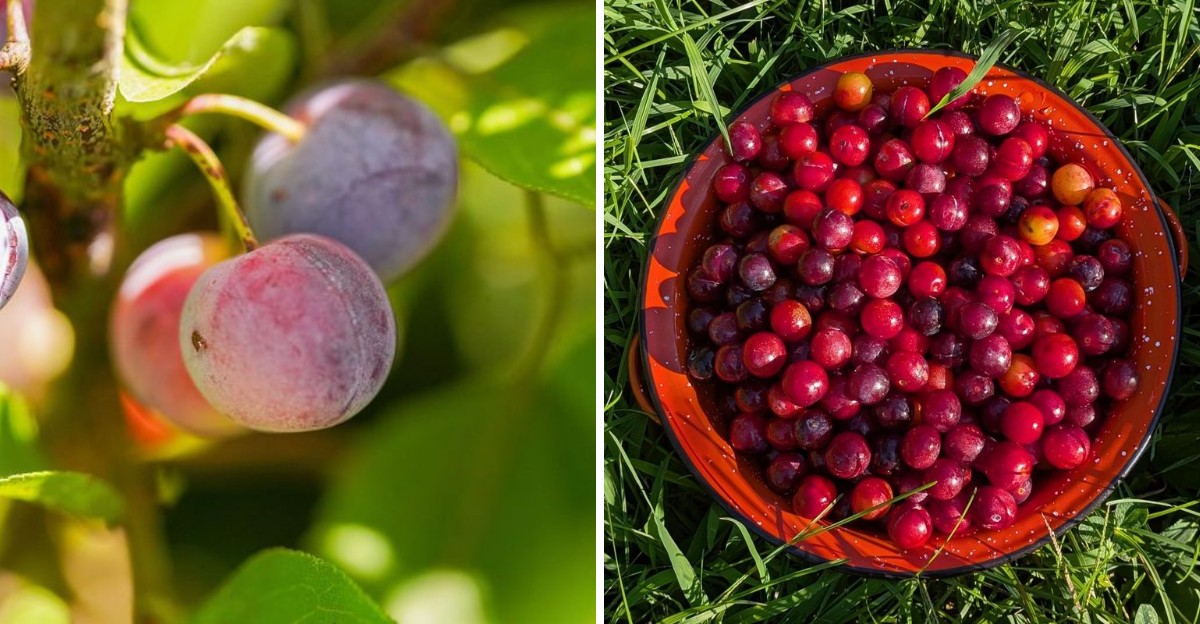
Their purple skins wear a dusty blue bloom you can rub off. Sugar flips their sour punch into a jam you will want to hoard. Explorers recorded these shrubs before Plymouth existed, so your harvest carries history.
Today, you can still pick them from late summer into early fall. Timing matters, because birds and rivals will beat you there. Permission matters too, since you must respect protected dunes.
Jersey Shore cooks have turned this fruit into jelly for generations, and so can you. Here, you will learn where to look, when to go, and what to cook. New Jersey keeps its sweetest harvest in plain sight, and it is yours to claim.
Beach Plum, The Salty Shrub Behind The Purple Fruit
Picture a shrub that shrugs off salt spray, blazing sun, and wind that could flip an umbrella. Beach plum, known to scientists as Prunus maritima, is that kind of tough customer.
It grows wild along the Atlantic coast, from Maine down to Maryland and a bit beyond. New Jersey has plenty of it, especially on protected dunes and barrier islands.
Many plants would struggle in loose, salty sand, but this one seems to prefer it. The shrub usually stays between three and six feet tall, with a tangle of twiggy branches.
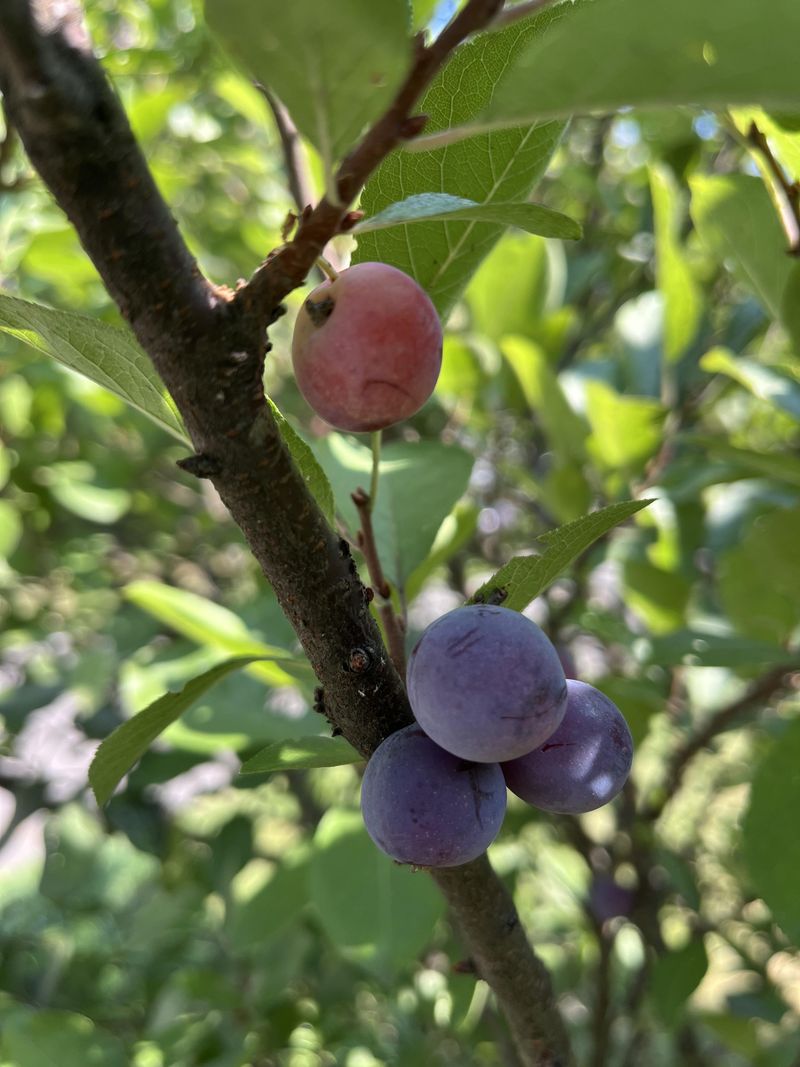
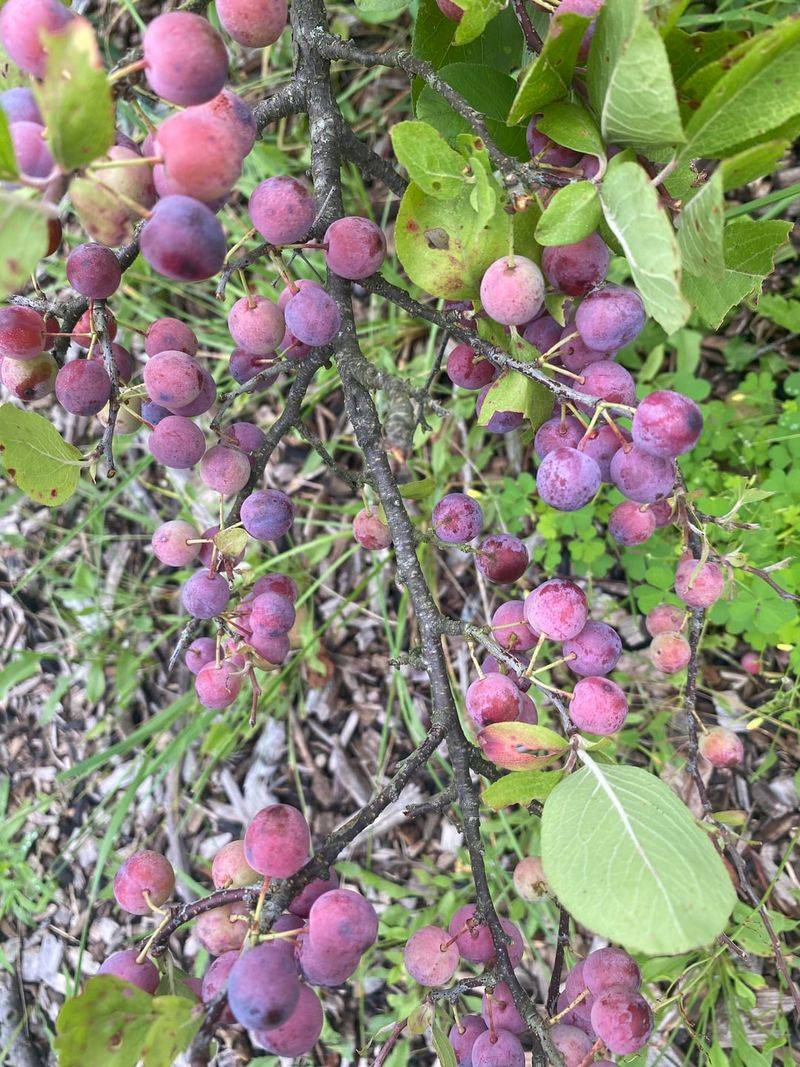
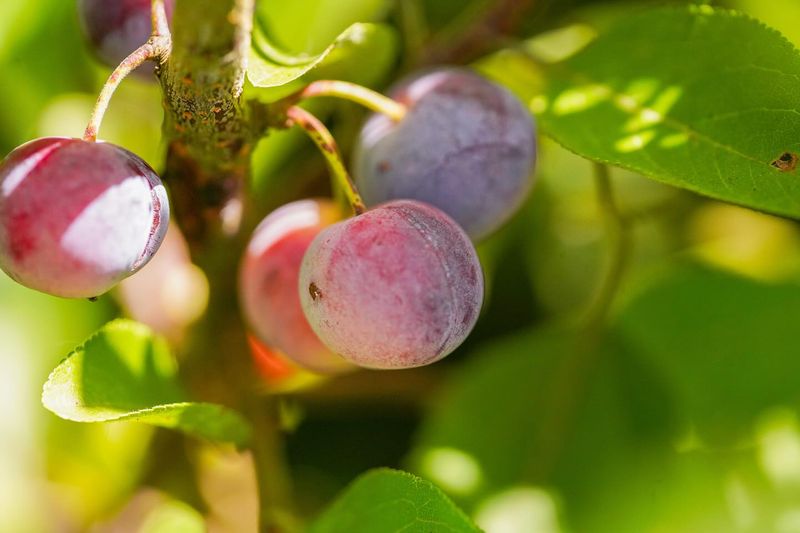
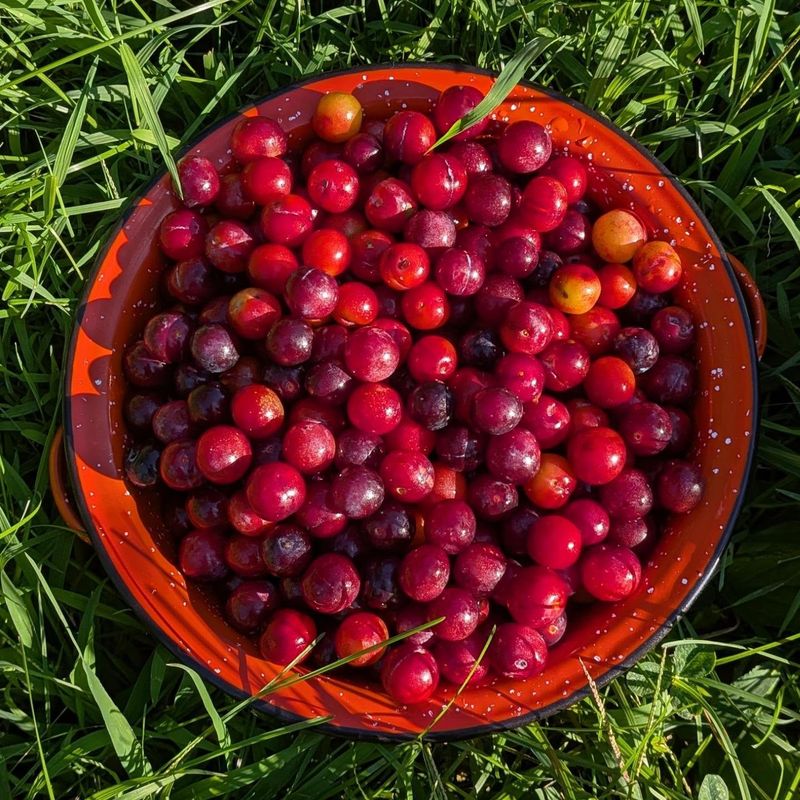
Right now, those branches are loaded with round fruit about the size of a large grape. Many turn deep purple or blue, though some shrubs produce red or even yellow ones.
Look closely and you will notice a dusty, whitish film on the skin. That natural coating is called bloom, and it rubs off with a gentle thumb.
Fun fact, Plum Island in Massachusetts got its name from these shrubs. Early explorers wrote about them too, so beach plums have been impressing visitors for over 400 years.
Botanists place beach plum in the rose family, alongside cherries, peaches, and almonds. That family tie explains the familiar stone at the center of each fruit.
In autumn, the leaves turn shades of red and orange, adding a warm glow to the dunes. By winter, the bare gray branches look scruffy, yet they already hold next spring’s buds.
How Beach Plum Handles Sandy Soil And Salt Air
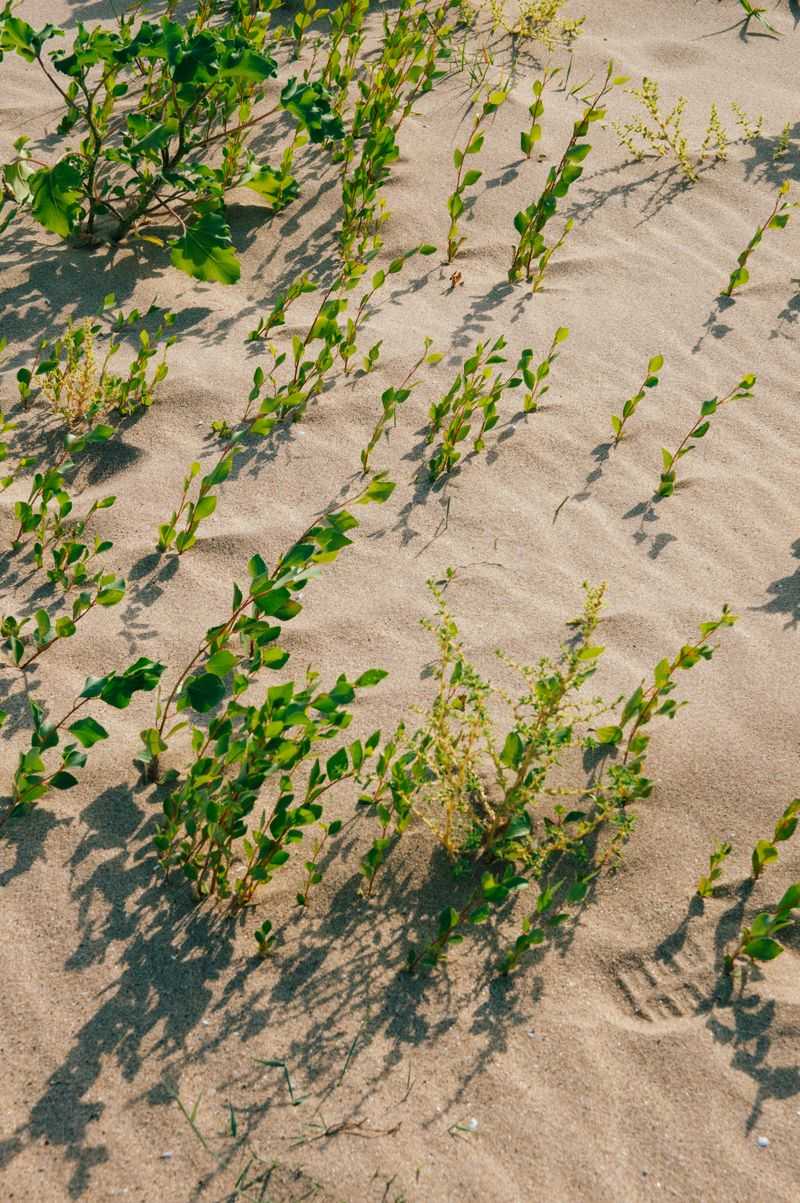
Sand sounds like a tricky place to raise a family, yet beach plum thrives there. The secret starts underground, where its roots spread wide and dig surprisingly deep.
Those roots hunt for water that drains quickly through sand after each rain. They also help hold shifting dunes in place, a bit like underground tent stakes.
Heavy, soggy soil is actually unwelcome news for this shrub. Its roots need air, and waterlogged ground can leave them weak and struggling.
Salt spray is another challenge that beach plum handles better than many neighbors. Its leaves are tough and slightly leathery, which helps them handle salty winds off the ocean.
Your New Jersey Garden Changes Every Week. Your Plan Should Too.
Gardening in New Jersey changes quickly throughout the season. Every Friday you’ll receive a simple weekly plan showing exactly what to plant, prune, fertilize, harvest, and protect so you never miss the right timing.
Full sun matters too, since shade from taller trees slows flowering and fruiting. Open dunes give the shrub plenty of sunshine, with little competition.
So beach plum does not strictly need sand, but it comes close. Beach plum can live elsewhere, though it truly shines in loose, sunny, salty ground.
Beach plum also spreads by sending up new shoots from its roots. Over time, a single shrub can form a low thicket that anchors a wide patch of sand.
Gardeners who plant it in rich clay often see slow growth and few fruits. Mixing in sand or planting on a raised mound can make a noticeable difference.
A Late Summer Harvest That Peaks In September
Back in May, the dunes looked like they had been dusted with snow. Those were beach plum blossoms, small white flowers that open before many leaves appear.
Bees did the hard work of moving pollen from shrub to shrub. Through the summer, the tiny green fruit slowly swelled while beachgoers walked right past.
Ripening usually begins in late August along the Jersey Shore. By mid-September, many shrubs hit their peak, and the harvest can stretch into early October.
Timing varies from shrub to shrub, even on the same stretch of beach. One bush might be ready while its neighbor still has firm, reddish fruit.
A ripe beach plum feels slightly soft, like a ripe grape, and has deep color. It should drop into your hand with a light tug instead of fighting back.
Weather plays a role too, since a hot, dry summer can mean smaller fruit. Some years bring heavy crops, while other years the shrubs seem to take a vacation.
Early mornings tend to be a great time to pick, before the sun softens the fruit. Cooler air also means fewer bees buzzing around the ripest clusters.
Picked plums soften quickly, so plan to cook or freeze them within a few days. Frozen fruit works well for jam later and saves you a rushed weekend in the kitchen.
Common Missteps On Fragile Dunes
Here is the honest truth, the best-looking shrubs often grow right on the dune. Stepping onto that dune just to grab a quick handful can undo years of growth.
Dunes act like natural walls that shield beach homes and roads from storms. Dune grasses and shrubs hold that sand together, and footsteps flatten them fast.
Once plants are flattened, wind can carve paths that grow into big gaps. New Jersey took this lesson to heart after Hurricane Sandy in 2012.
That is why many shore towns fence off dunes and post signs. Walking on them can bring a fine in many towns, and few people want a ticket with their jam.
Another misstep is snapping off whole branches so you can pick faster at home. Broken stems invite disease and mean fewer flowers, and fewer fruits, next year.
Some people also grab fruit in parks where collecting plants is not allowed. Places like Island Beach State Park have rules worth reading before your visit.
Sand fencing and planted grasses now help many New Jersey beaches rebuild after storms. Volunteers spend spring weekends planting dune grass, and foot traffic sets their work back.
Nesting shorebirds such as piping plovers also rely on quiet stretches of sand. Their nesting season wraps up by late summer, but staying on marked paths protects their habitat for next spring.
Smart Foraging With Permission And A Light Touch
Good news, you can still enjoy beach plums without upsetting the dunes or the local rangers. The trick is to plan ahead and stick to the right spots.
Look for shrubs that hang over sandy paths, parking areas, or back bay edges. Private land works too, as long as the owner gives a friendly yes first.
Pick gently by rolling each fruit between your fingers until it lets go. Leave unripe ones behind, since they will sweeten up in another week or so.
Take only what you will use, and leave plenty for birds and other wildlife. Catbirds, foxes, and even deer feed on this fruit before cold weather arrives.
Bring a small bucket or container instead of a plastic bag that squishes the fruit. Beach plums bruise easily, and a squashed pile turns sticky on the ride home.
Watch out for poison ivy, which loves the same sandy spots as beach plum. Wearing long pants and checking for ticks afterward are smart, simple habits.
A quick call to a local parks office can clear up questions about where picking is allowed. Rangers often know which public spots welcome foragers and which stay off limits.
Rinse the fruit at home and spread it on a towel to dry. Sorting out split or overly soft plums early keeps the rest of your harvest fresh longer.
Homemade Jam And A Backyard Shrub For Future Summers
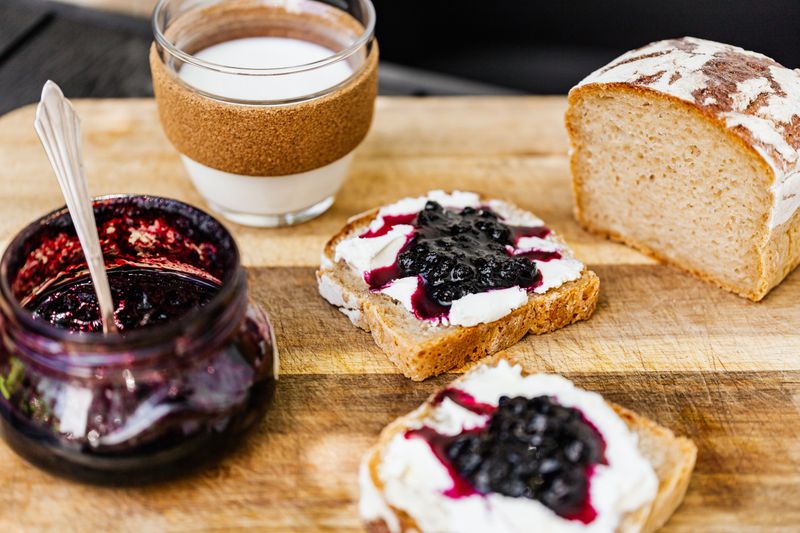
Raw beach plums taste like a tug-of-war between sweet flesh and sour skin. Cook them down with sugar, though, and something magical happens in the pot.
Beach plum jam has been a Cape Cod favorite for generations and has a loyal following on the Jersey Shore. Its tangy, rosy flavor tastes like the end of summer spread on toast.
The pits should not be eaten, so plan to remove them along the way. Many cooks simmer the fruit whole, then press it through a strainer to catch them.
Want a harvest without hunting along the shore each year? Plant your own beach plum in a sunny yard with sandy, well-drained soil.
Native plant nurseries often sell young shrubs, and they rarely need fertilizer or extra fuss. Planting two or more helps with pollination, which usually means a bigger crop.
Backyard shrubs also feed hungry bees in spring and migrating birds in fall. Plus, each plum picked at home gives you one less reason to tiptoe onto a protected dune.
Beach plums also work beautifully in syrups, sauces, and homemade cordials. A spoonful of syrup can brighten lemonade, yogurt, or a glaze for roasted chicken.
Young shrubs usually start fruiting within a few years of planting. Until then, you can enjoy the spring blossoms and the busy hum of pollinators in your yard.