Remove Pokeweed From Georgia Yards Before Birds Spread Its Purple Berries
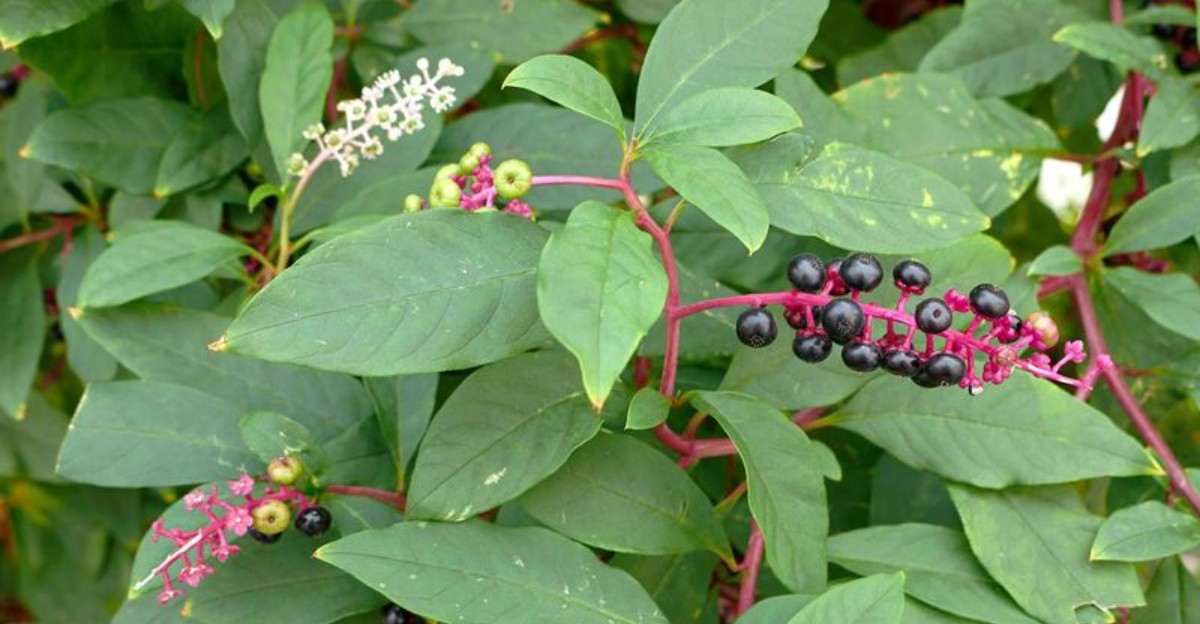
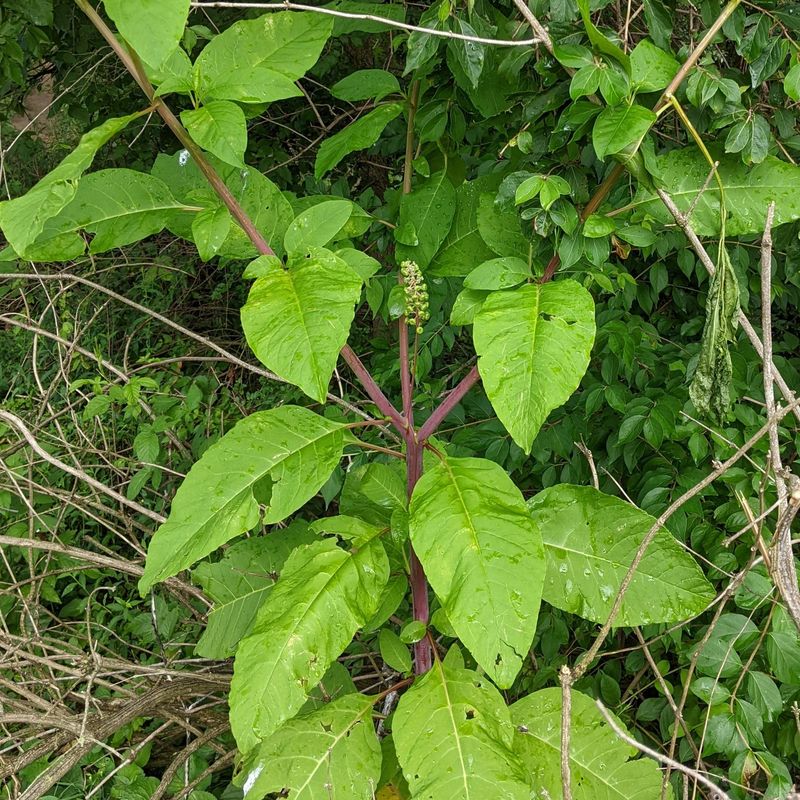
A tall plant with magenta stems and drooping clusters of purple berries can seem to appear from nowhere along a fence.
Pokeweed grows fast, and by fall it can stand taller than you. Those berries look striking, but they are toxic to humans and pets if eaten.
Birds do not seem to mind, and they eat the berries freely. As they move around, they drop the seeds in new spots, including flower beds and under shrubs.
That is how one plant along the back fence can turn into several scattered across the yard next year.
It also grows from a thick taproot that makes pulling it harder than it looks, especially in Georgia clay.
Check the edges of your property this week while the berry clusters are easy to spot.
1. Those Dark Purple Clusters Are Nearly Ready To Travel
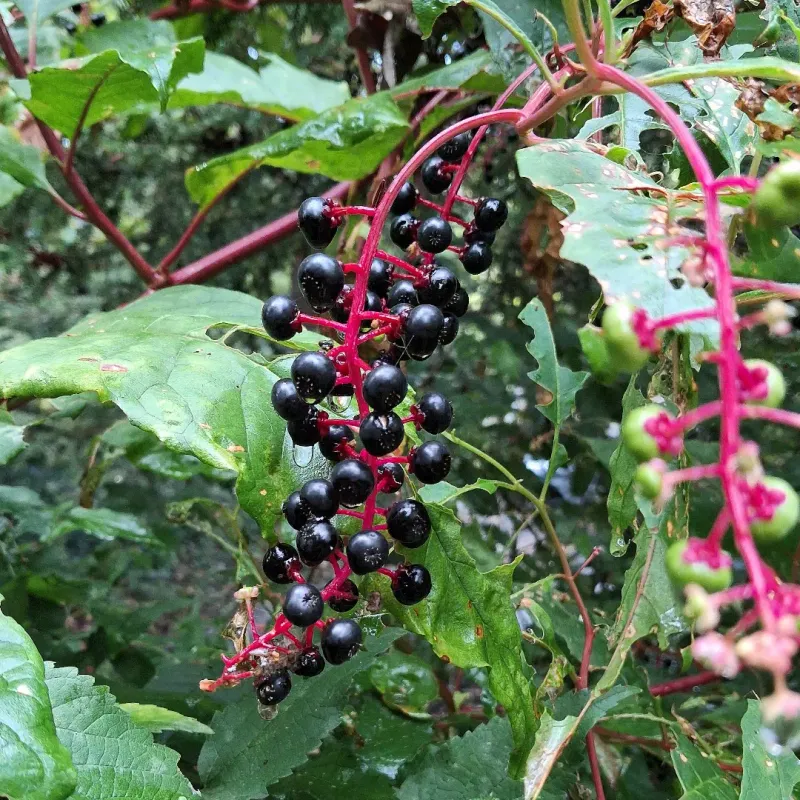
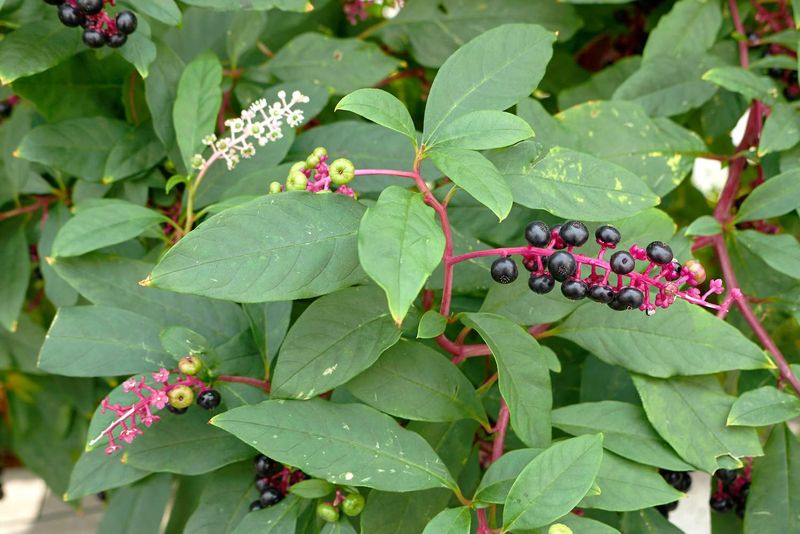
Pokeweed berries start out hard and green in summer. As fall moves in, they swell and darken until the clusters turn a deep, shiny purple.
That color change is a signal that the seeds inside are ripe and ready to spread.
The clusters hang from bright magenta stems, so they’re easy to spot once you know what to look for. Each one holds dozens of round berries packed tightly along the stalk.
Not every berry ripens at the same time. You may see green, red, and purple fruit on the same plant, which means new berries keep ripening for weeks.
This stretch of early fall is the moment to pay close attention.
Once most of the berries turn dark, birds start visiting the plant often, and the seeds can leave your yard in a hurry. Catching them before that point makes the rest of the cleanup much easier.
Walk along fences, sheds, and wooded edges where pokeweed likes to pop up. In Georgia, it often shows up in sunny gaps along property lines and near brush piles.
If you spot purple clusters, make a note of every plant now. That way you can act before the berries disappear.
2. Birds Relish The Berries, And That’s How It Spreads
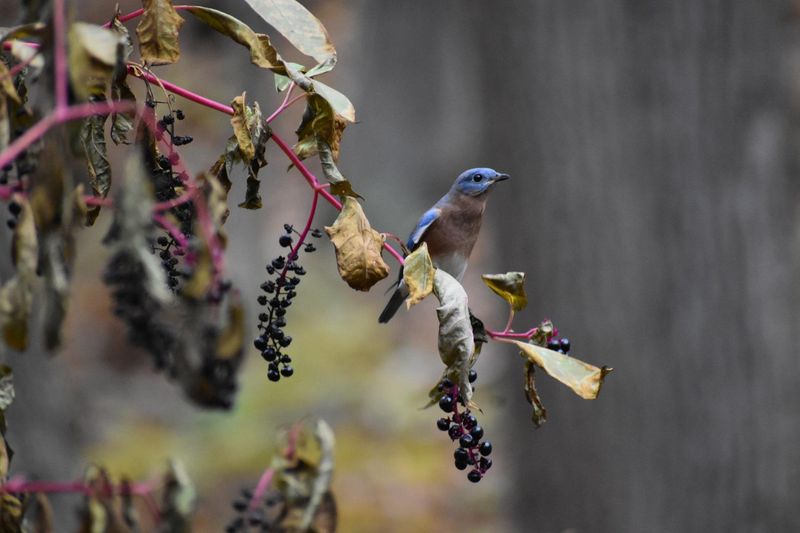
Many birds treat pokeweed like a fall buffet. Mockingbirds, catbirds, robins, and cedar waxwings are just a few that stop by to eat the ripe berries.
The fruit doesn’t seem to bother them the way it would bother a person or a pet.
After a bird eats a berry, the seeds pass through its body unharmed. Birds then drop those seeds wherever they happen to perch or rest.
That might be on a fence, under a shrub, or right in the middle of a flower bed. Each spot gets a small deposit of seeds ready to sprout when conditions are right.
Passing through a bird can even help the seeds grow better.
The trip softens the hard seed coat, which can make it easier for the seeds to germinate. That’s one reason new pokeweed plants often show up in places where you never saw one before.
It’s a smart system for the plant but a real headache for homeowners. A single pokeweed near your yard can lead to many more over the next few seasons.
Your Georgia Garden Changes Every Week. Your Plan Should Too.
Gardening in Georgia changes quickly throughout the season. Every Friday you’ll receive a simple weekly plan showing exactly what to plant, prune, fertilize, harvest, and protect so you never miss the right timing.
Gardeners across Georgia often notice new plants springing up under bird feeders, power lines, and favorite perching trees for that very reason.
3. Roots, Leaves, And Berries Are All Toxic If Eaten
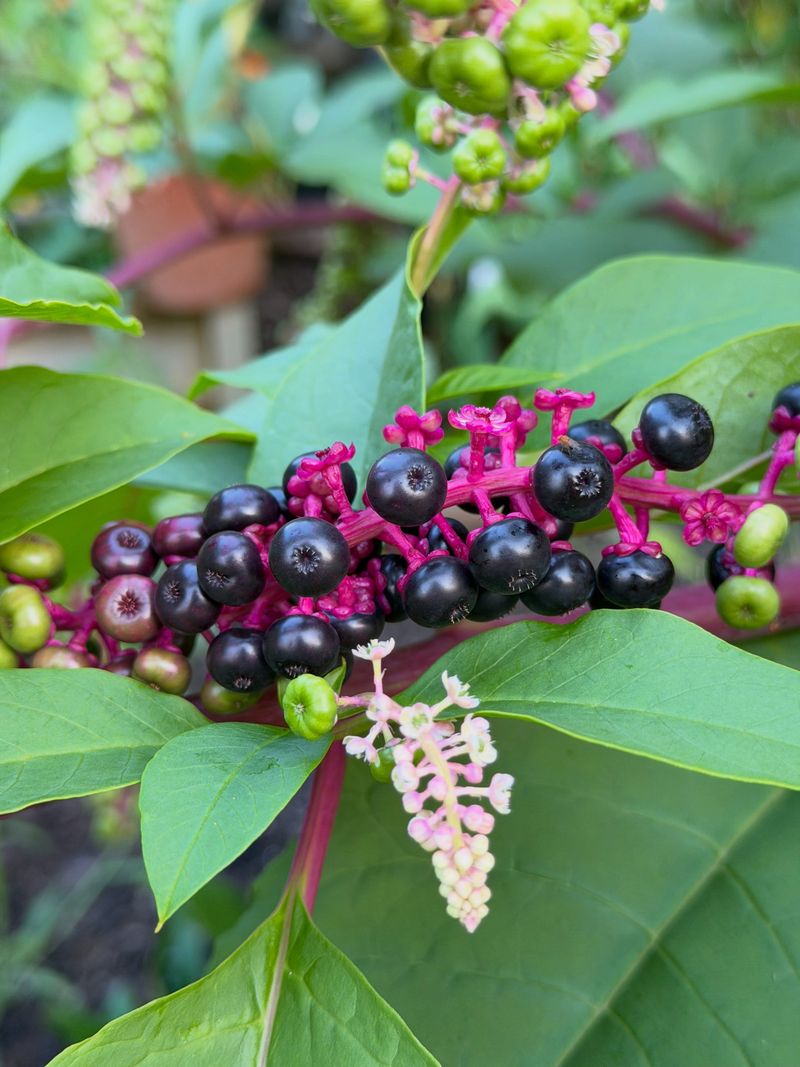
Those shiny purple berries can look tempting, especially to young children. Unfortunately, every part of the pokeweed plant contains compounds that can make people sick.
The root is usually the most toxic part, followed by the leaves, stems, and berries.
Eating any of it can lead to stomach pain, vomiting, and diarrhea. Larger amounts may cause more serious problems, so it’s best to treat this plant with real caution.
Pets can get sick from it too. Dogs that chew on stems or dig up roots are at risk, so it helps to remove plants near areas where pets play.
The seeds inside the berries are especially concerning if they’re crushed or chewed.
If you think a child has eaten part of the plant, call Poison Control right away at 1-800-222-1222. For pets, contact your veterinarian or an animal poison hotline as soon as possible.
Wearing gloves any time you handle pokeweed is a smart habit. The sap can irritate skin, and the berry juice leaves stubborn purple stains on hands and clothes.
Families in Georgia with small kids or curious dogs often decide to remove pokeweed for safety alone, even before worrying about its spread.
4. Each Berry Can Add More Seeds To The Soil
A single pokeweed berry may look small, but it carries about ten seeds tucked inside. When you think about how many berries grow on one plant, the numbers add up fast.
A large, healthy plant can produce thousands of seeds in a single season.
Many of those seeds don’t sprout right away. Instead, they settle into the soil and wait for the right mix of light, moisture, and warmth.
That waiting game can last a very long time. Pokeweed seeds can stay alive in the ground for many years, sometimes decades, before they finally germinate.
This creates what gardeners call a seed bank in the soil.
Every season that berries fall and stay on the ground adds more seeds to that hidden supply. Later, digging or tilling the area can bring some of them up to the surface where they sprout.
This explains why pokeweed can keep coming back even after you remove the parent plant. The seeds already in the soil are simply waiting their turn.
Stopping berries from dropping is the best way to keep that seed bank from growing larger. Many Georgia homeowners find that a few years of steady effort makes a noticeable difference.
5. Clip And Bag Berry Clusters Before Anything Else
Before you dig, pull, or spray, deal with the berries first. Removing the fruit right away stops new seeds from reaching the ground or getting carried off by birds.
Put on gloves and grab a pair of sharp pruners and a sturdy trash bag.
Hold the bag under each cluster as you clip it, so loose berries drop straight inside. Ripe berries tend to fall off easily, and this simple trick keeps them from scattering across the ground.
Work slowly and check the whole plant carefully. Clusters can hide behind leaves or hang low near the base where they’re easy to miss.
Once you’re done, tie the bag closed and put it out with the regular trash.
Don’t toss pokeweed berries into a compost pile. Most home compost doesn’t get hot enough to destroy the seeds, and spreading that compost later could introduce pokeweed throughout your garden.
Look under the plant for any berries that already fell. Picking those up helps keep extra seeds from settling into the soil.
Many gardeners in Georgia handle this step in early fall, then come back later to remove the rest of the plant when they have more time.
6. Young Plants Pull Up More Easily Than Established Taproots
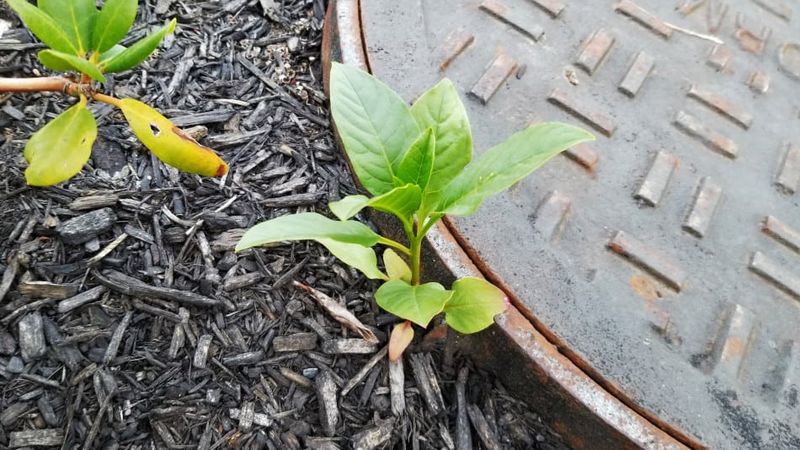
Small pokeweed seedlings are much easier to handle than full-grown plants. When they’re only a few inches tall, the roots are still thin and shallow.
Pulling them early in the season saves a lot of work later on.
Young plants usually come up best after a good rain or a deep watering. Moist soil loosens its grip on the roots, which helps the whole plant slide out in one piece.
Grip the stem low, right where it meets the soil, and pull with a slow, steady motion. Jerking too fast can snap the stem and leave the root behind.
Older plants are a different story entirely.
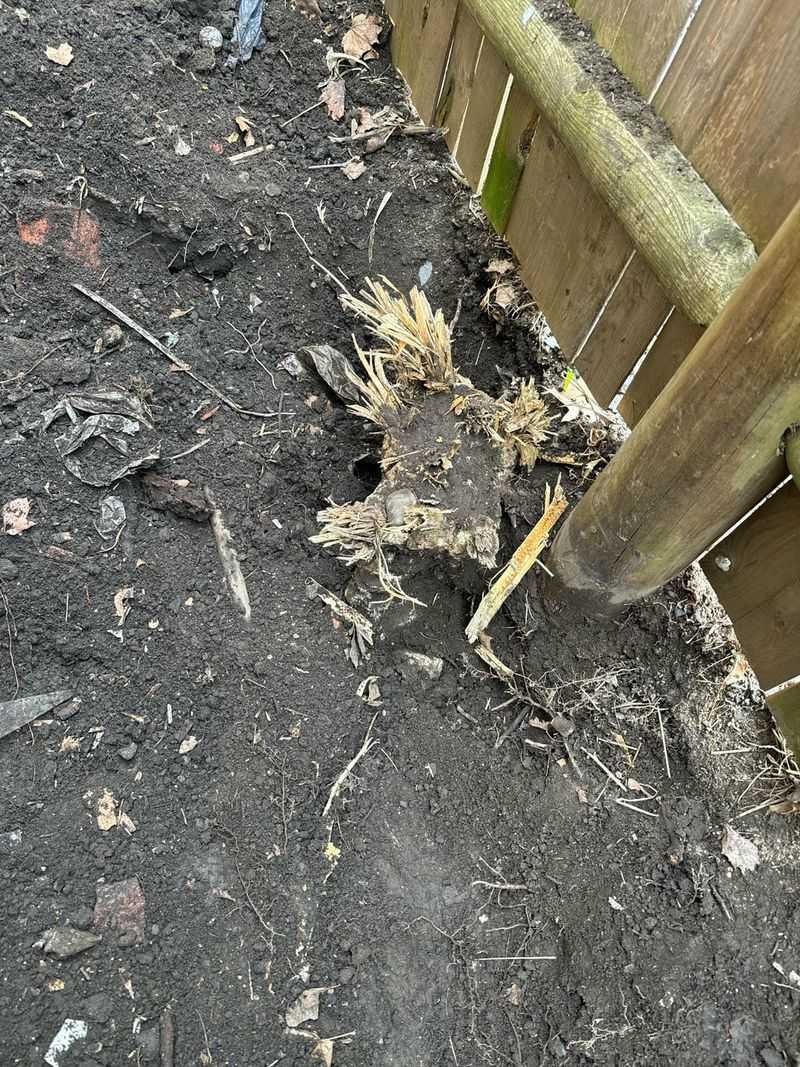
Pokeweed grows a thick, fleshy taproot that can look a lot like a big white carrot or turnip. After a year or two, that root can stretch more than a foot deep and become very hard to remove.
A digging fork or shovel works better for these tougher roots. Loosen the soil all around the plant before trying to lift it out.
Heavy Georgia clay can make this job harder, so be patient. Removing as much of the root as possible helps keep the plant from sprouting again next spring.
7. Large, Mature Plants May Need Repeated Cutting Or A Targeted Herbicide
Some pokeweed plants grow so large that digging them out isn’t practical. In those cases, there are still a couple of good ways to wear them down.
Repeated cutting is one option that doesn’t involve any chemicals at all.
Cut the whole plant down near the ground, then keep cutting any new shoots that appear. Over time, this drains the energy stored in the taproot and weakens the plant.
This approach takes patience and steady effort. It may take more than one season before the root finally gives up and stops sending up new growth.
A targeted herbicide can speed things up for very stubborn plants.
Products containing glyphosate can be used for targeted treatment when the label lists pokeweed.
Applying them to fresh leaves or to a freshly cut stem helps the product move down into the root where it can do the most good.
Always read and follow the label carefully. Spot treatment keeps the product off nearby flowers, shrubs, and lawn grass you want to keep.
In Georgia, fall is a good time for this, since plants are sending energy downward. Check the area again early next spring and treat any new sprouts while they’re still small.